Questo vino
Vineyard and terroir
The grapes are grown in the municipality of Gavi on limestone and marl soils. The climate is moderate, with marked differences between daytime and nighttime temperatures, conditions that support the variety’s naturally high acidity. The vines average 20 years of age and are Guyot-trained.
The estate’s La Toledana vineyards cover 25 ha, encompassing sites with varied exposures, slopes, geology, drainage and soil mineral content.
Vinification
The grapes are usually harvested by hand in September and collected in 12 kg boxes. After static settling of the must, fermentation proceeds slowly for 15 days in steel tanks, with the winemaking intended to preserve the grapes’ acidity.
Ageing
The wine rests on its fine lees for six months in steel tanks.
Vintage notes
The 2020 winter in Piedmont was mild, moderately warm and dry. A relatively dry, sunny start to spring initially indicated an early harvest, but heavy rainfall from May through the end of June slowed vine growth and replenished soil water reserves. A sharp temperature drop in early September temporarily delayed ripening. Favorable conditions during the second half of the month then allowed the grapes to reach optimal ripeness.
Label / history
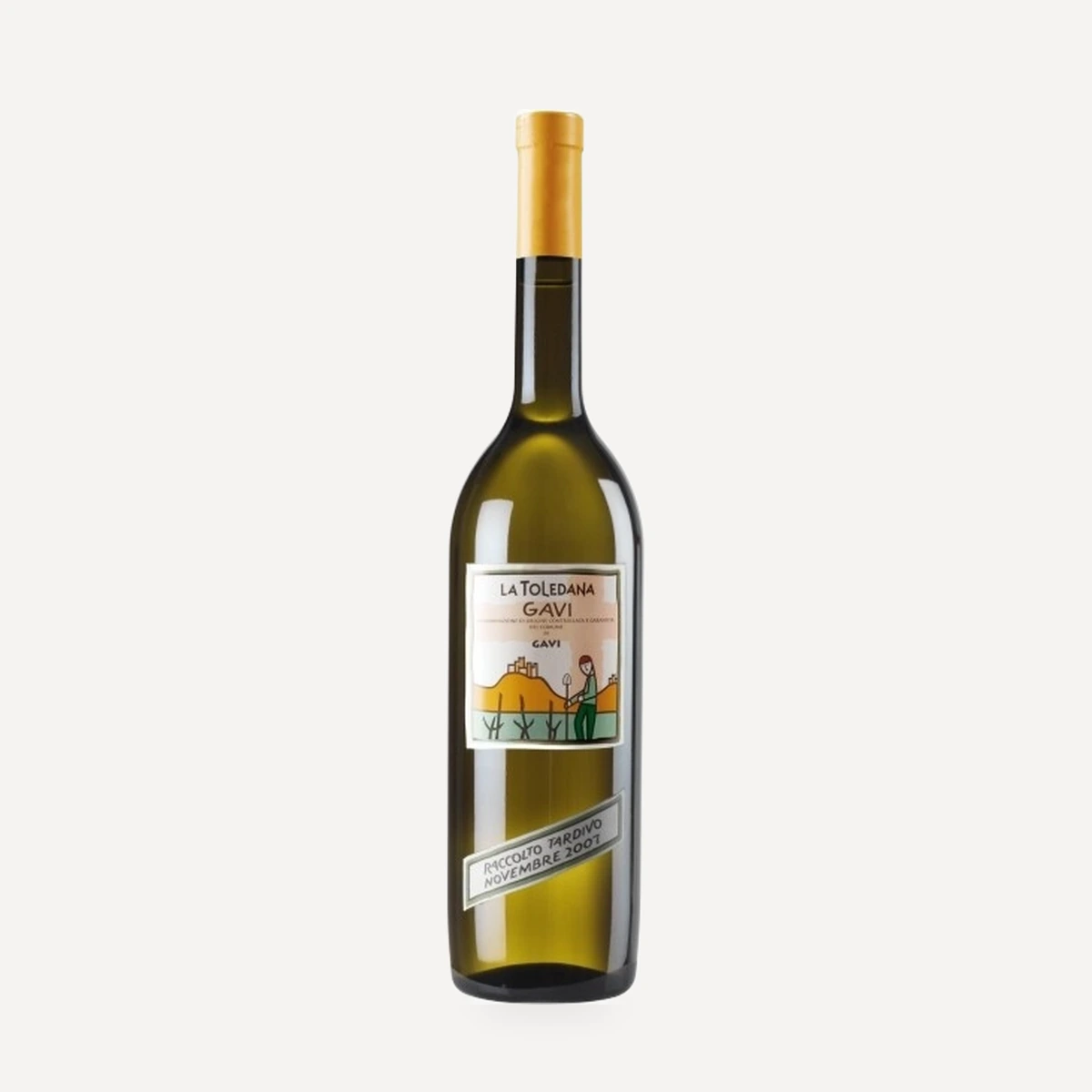
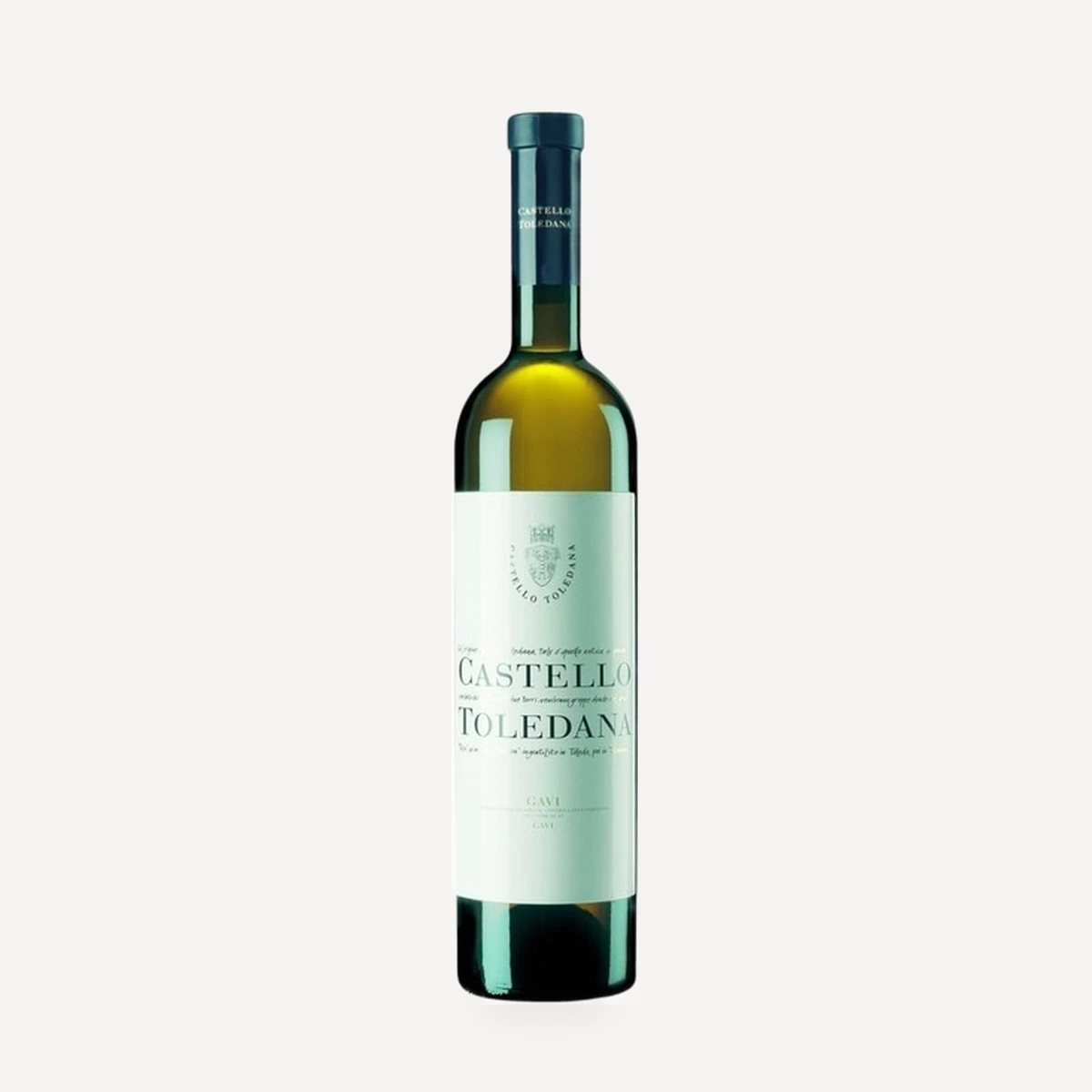
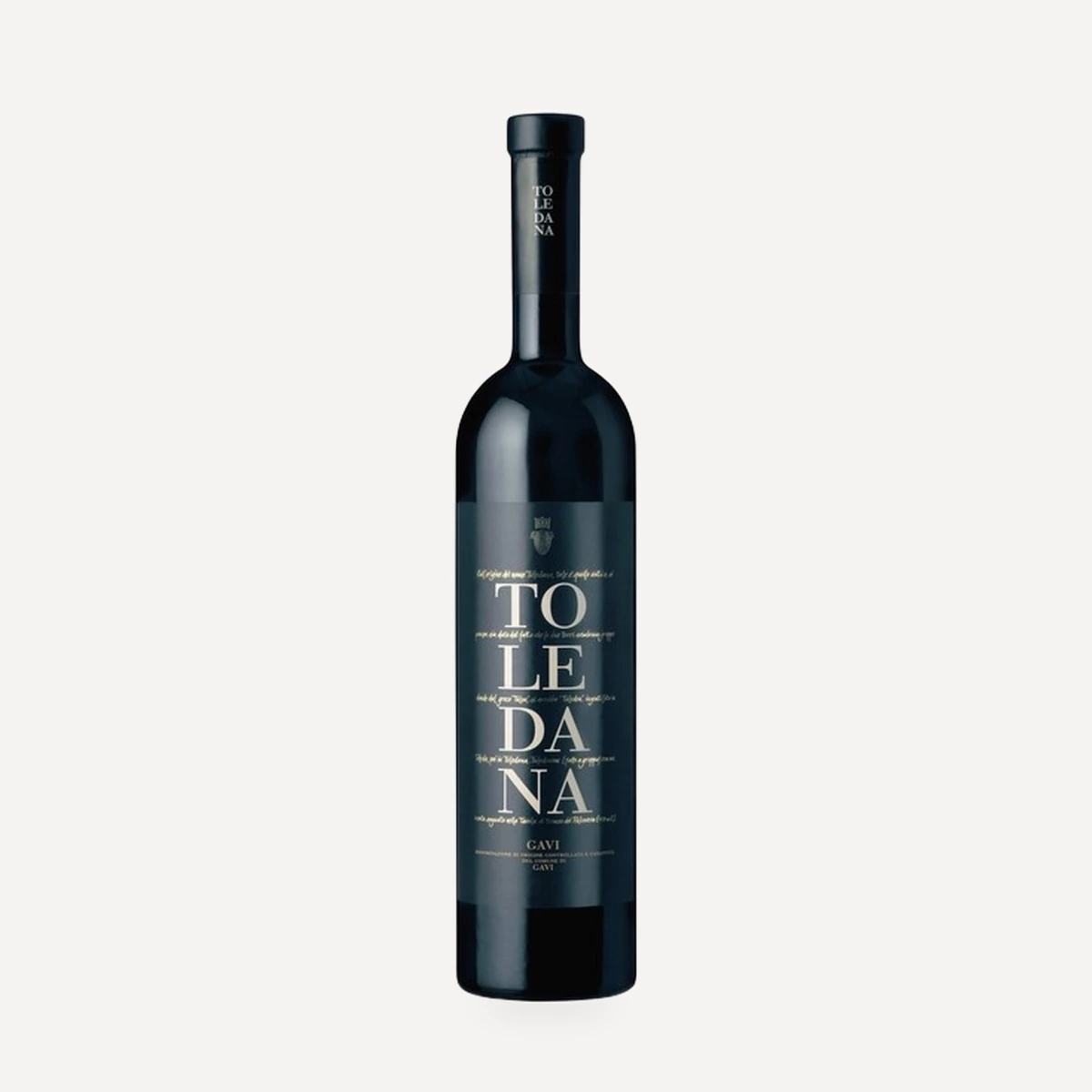
La Toledana Castle was built in the first half of the 16th century by the noble Genoese Imperiale family. It subsequently belonged to the Lercari and Gambioso families. The name “La Toledana” is traditionally linked to the castle’s resemblance to two humps. These were called “Tulon,” meaning “hunchbacked” in Greek; the name reportedly evolved through “Tuledon” and “Toleda” before becoming “Toledana.”