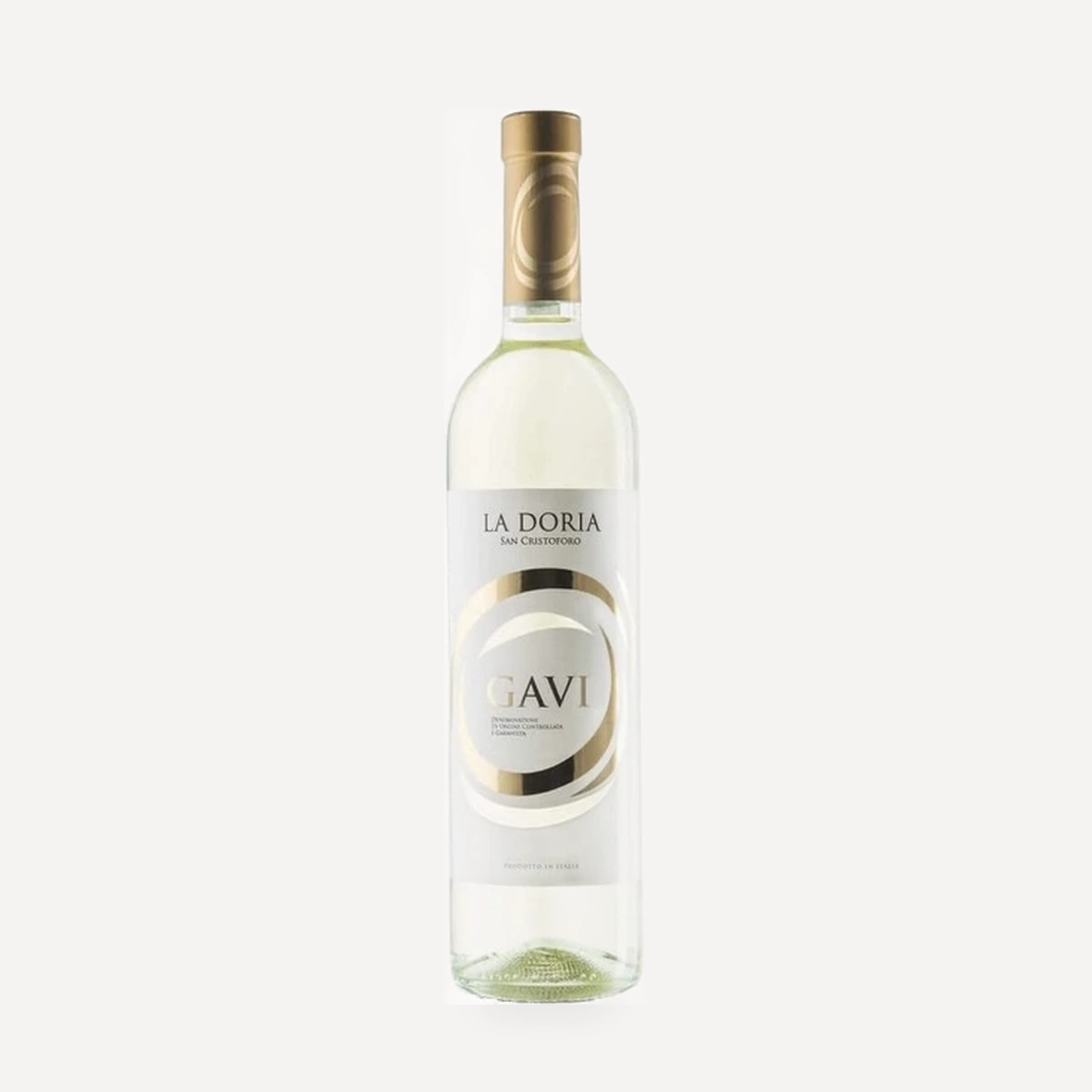
Storia
Foundation around 1880
Villa Lanata and its estate were established around 1880 by Cardinal Giovanni Battista Lanata (1849–1903), a prominent Genoese prelate. He chose the property, set halfway up the Rovere hill at Cossano Belbo, as his summer residence. During his stays he hosted relatives and the canons of the Basilica dell’Immacolata in Genoa.
Cardinal Lanata’s wider legacy included the construction of the Basilica dell’Immacolata. Genoa subsequently named a street in his honour.
The Lanata heirs and the Second World War
After Cardinal Lanata’s death in 1903, his heirs continued to spend their summer holidays at the villa and tended the estate with care. This continuity lasted until the Second World War.
From the wartime period through the 1970s, the heirs’ involvement gradually diminished, leaving the villa and estate in a prolonged state of abandonment and decline.
Acquisition and restoration by the Martini family
The property was transferred to the Martini family during the 1970s. The family restored the villa and returned it to its former architectural character. Eleonora Martini, representing the family’s third generation, directed the detailed restoration and is closely associated with the estate’s renewed emphasis on beauty and presentation.
The restored villa now stands as a rare example of Genoese architecture in the Langhe. It forms the centre of a vineyard estate covering 53 hectares in Cossano Belbo and Castino, planted principally with Moscato bianco and Chardonnay.
Terroir
Villa Lanata stands at Cossano Belbo, halfway up the steep Rovere hill overlooking the Belbo Valley. The estate occupies the rolling Langhe landscape, where Moscato vineyards cover the surrounding hills.
The vineyards extend across the communes of Cossano Belbo and Castino. Most of the estate’s 45 hectares of Moscato occupy the steep slopes around the villa. The highest Moscato vineyards rise towards the Santuario della Madonna della Rovere and supply Moscato d’Asti Cardinale Lanata. The Chardonnay vineyards are planted at higher elevation on the opposite side of the valley, within Castino, where they benefit from a favourable exposure.
The vineyards and historic cellar lie in the buffer zone of the UNESCO-listed Langhe and Roero Wine Landscapes.
Vinificazione
The estate cultivates 53 hectares of vineyards in Cossano Belbo and Castino, including 45 hectares of Moscato. Much of the Moscato grows on the steep Rovere hill around the villa and is maintained with a garden-like standard of care.
Both principal varieties ripen early. Moscato is the first among the local varieties to reach harvest and is picked in September. Chardonnay is also early-ripening and is normally harvested at the beginning of September.
The estate has a historic cellar within the UNESCO buffer zone. Moscato is vinified as a single variety for aromatic sweet wines under the Asti or Moscato d’Asti denominations. No further estate-wide cellar protocol is defined.
Filosofia
Villa Lanata presents its purpose as expressing Moscato and Chardonnay grown on the Langhe hills around Cossano Belbo. The Martini family connects the care of the vineyards with the restoration and stewardship of the historic villa.
Beauty is a defining theme in the estate’s self-description. Eleonora Martini’s architectural restoration returned the villa to its earlier character, while its grace and elegance serve as aesthetic references for the wines. The estate also treats wine as part of the Belbo Valley’s culture, history and economic life, linking vineyard stewardship with hospitality and participation in the wider regional community.
Vini
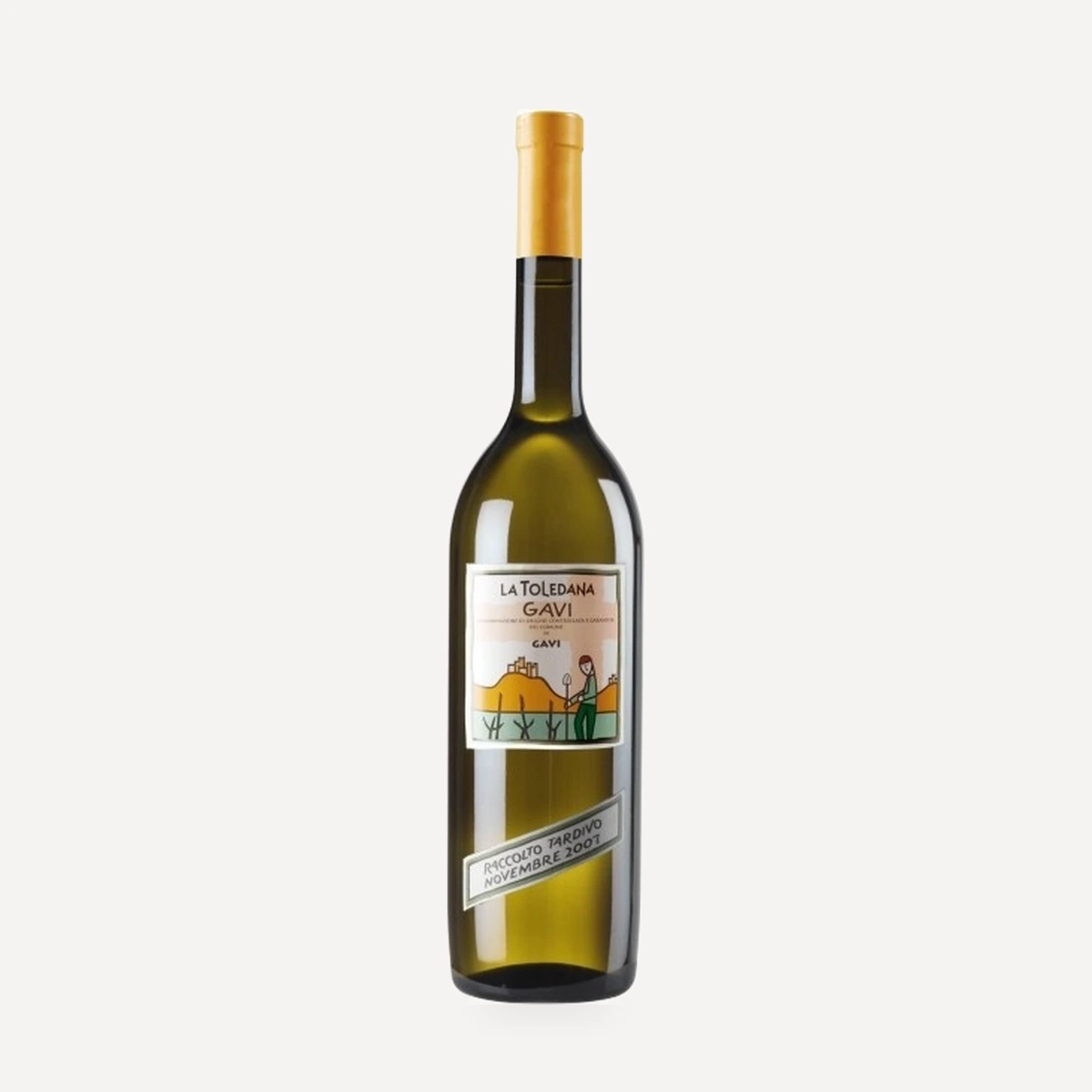
Villa Lanata Gavi di Gavi Raccolto Tardivo DOC
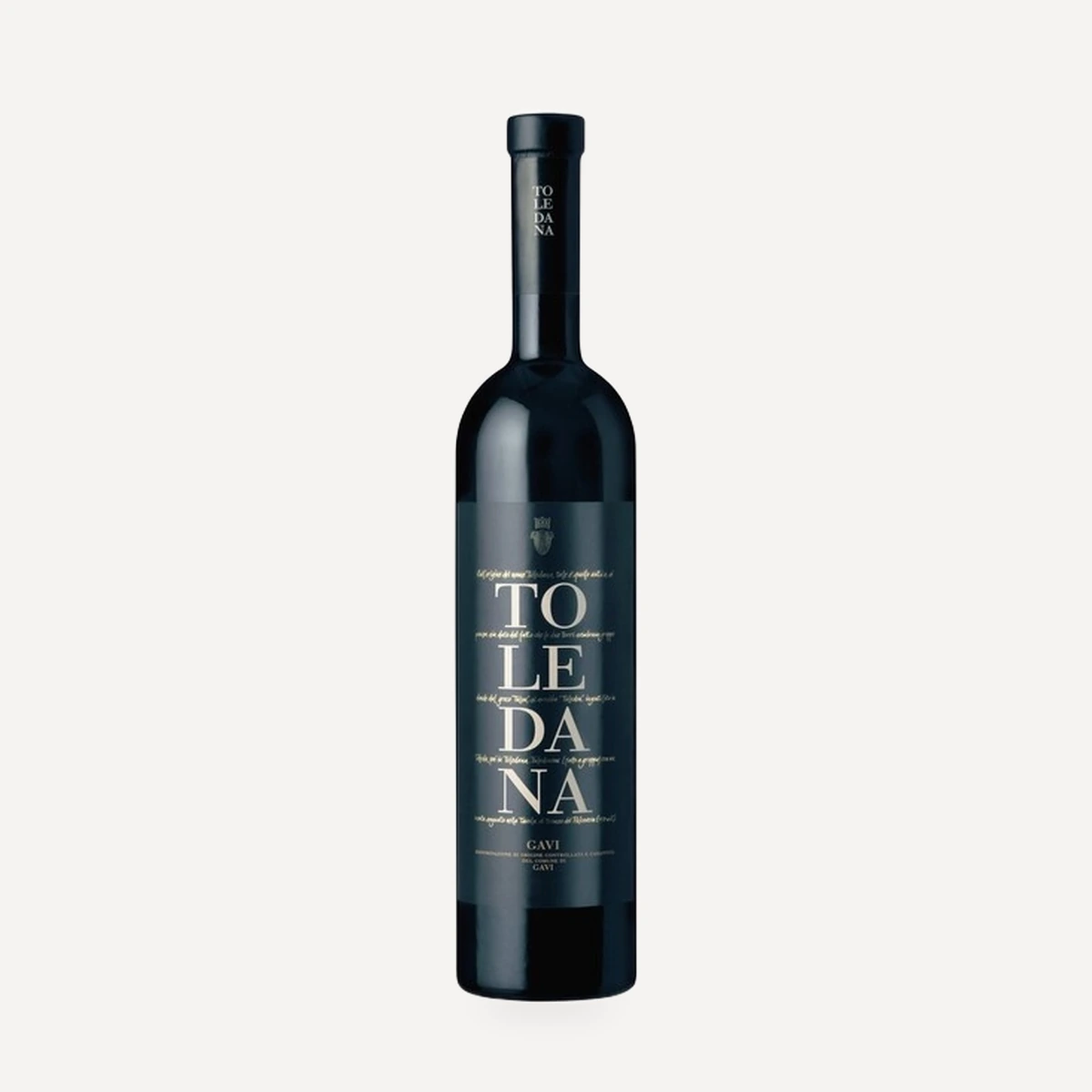
La Toledana Gavi di Gavi DOCG
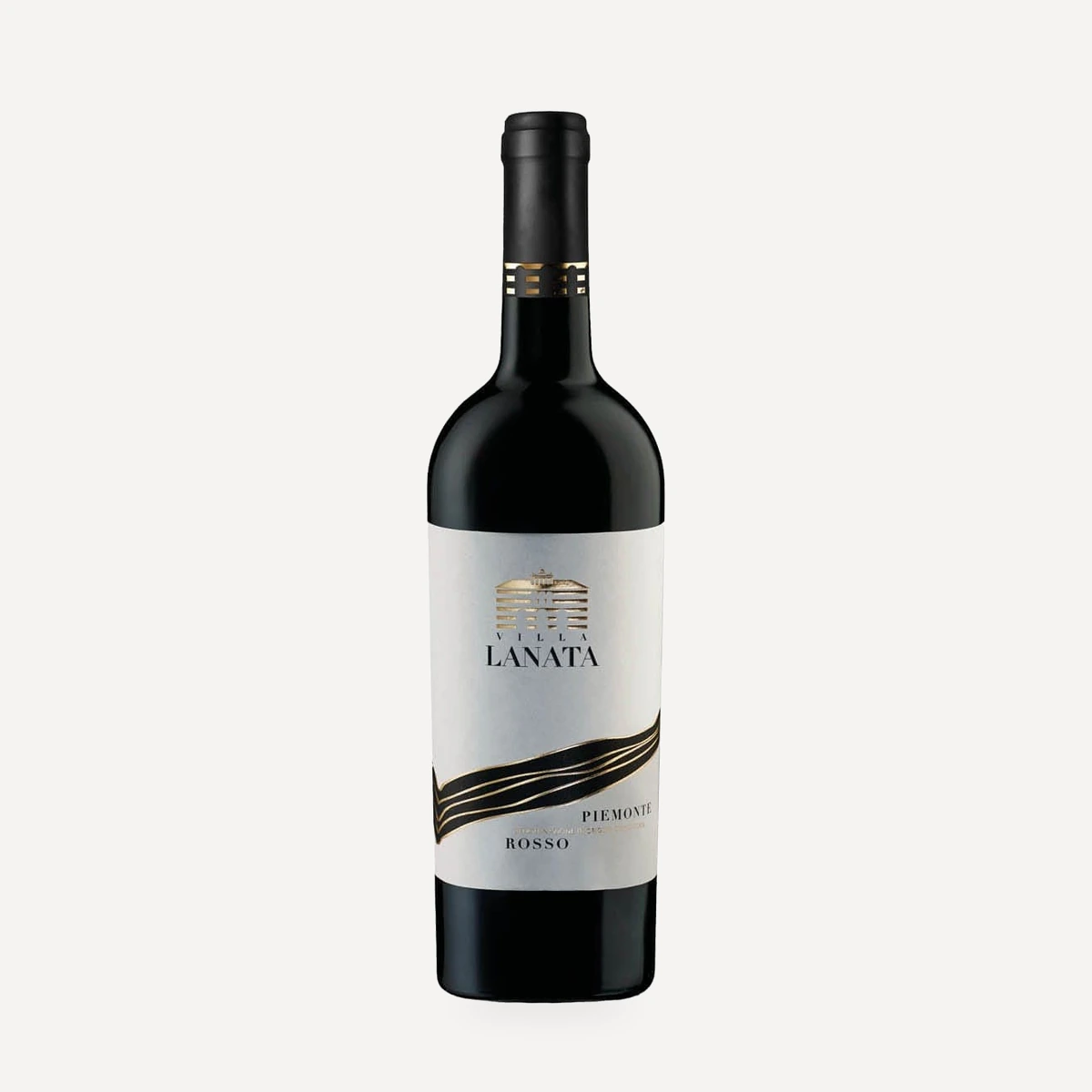
Piemonte DOC Rosso
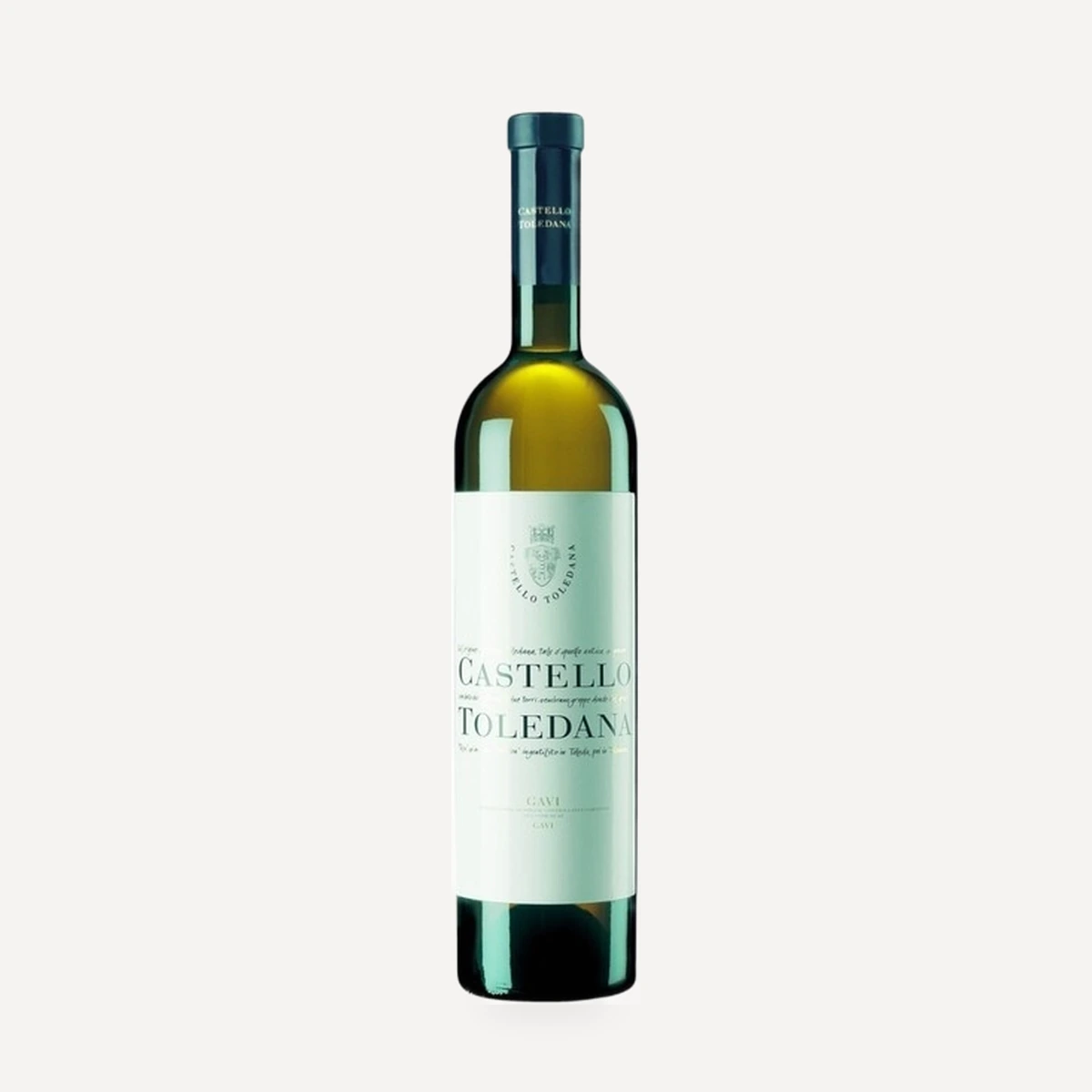
Castello Toledana Gavi DOCG
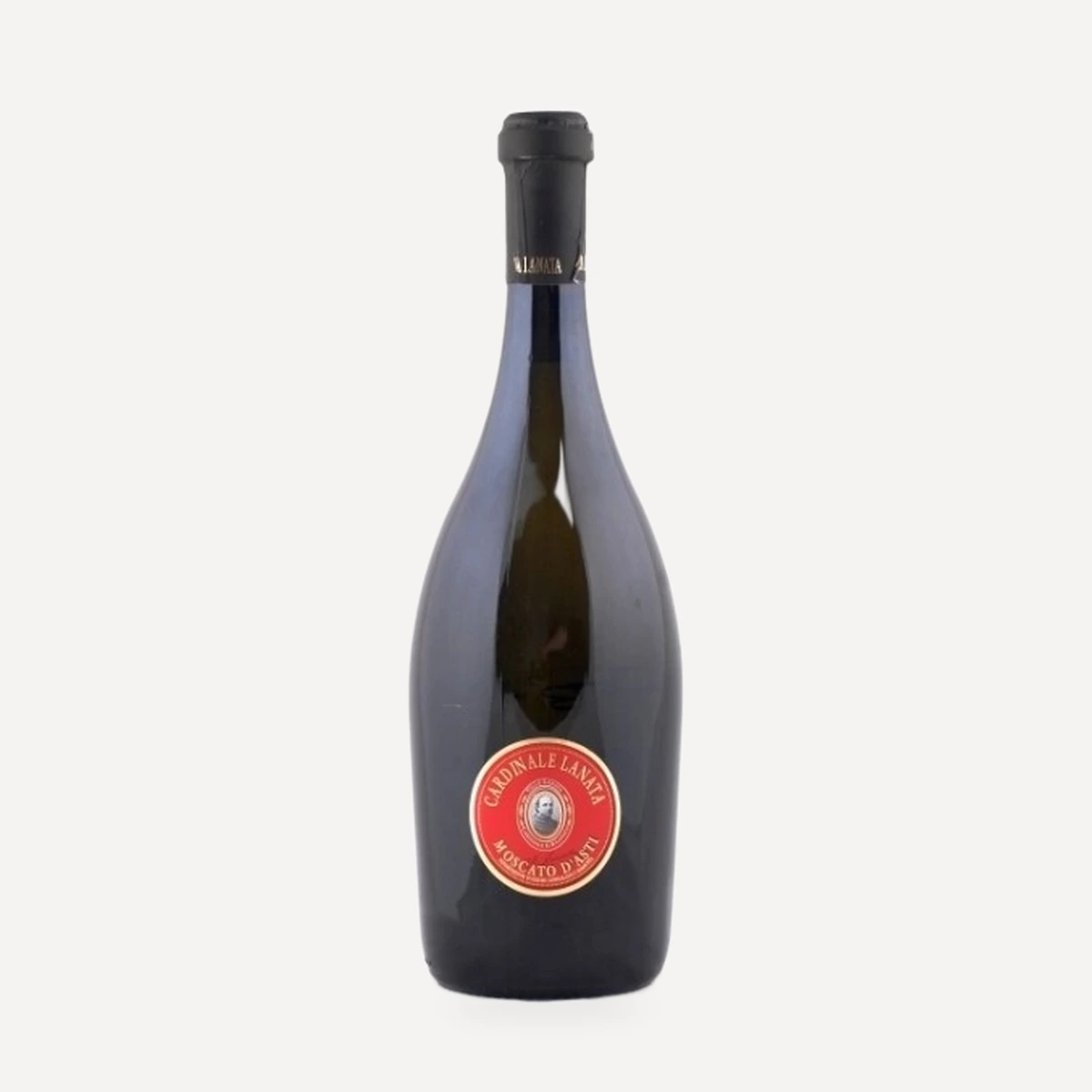
Villa Lanata Moscato d'Asti Cardinale Lanata DOCG
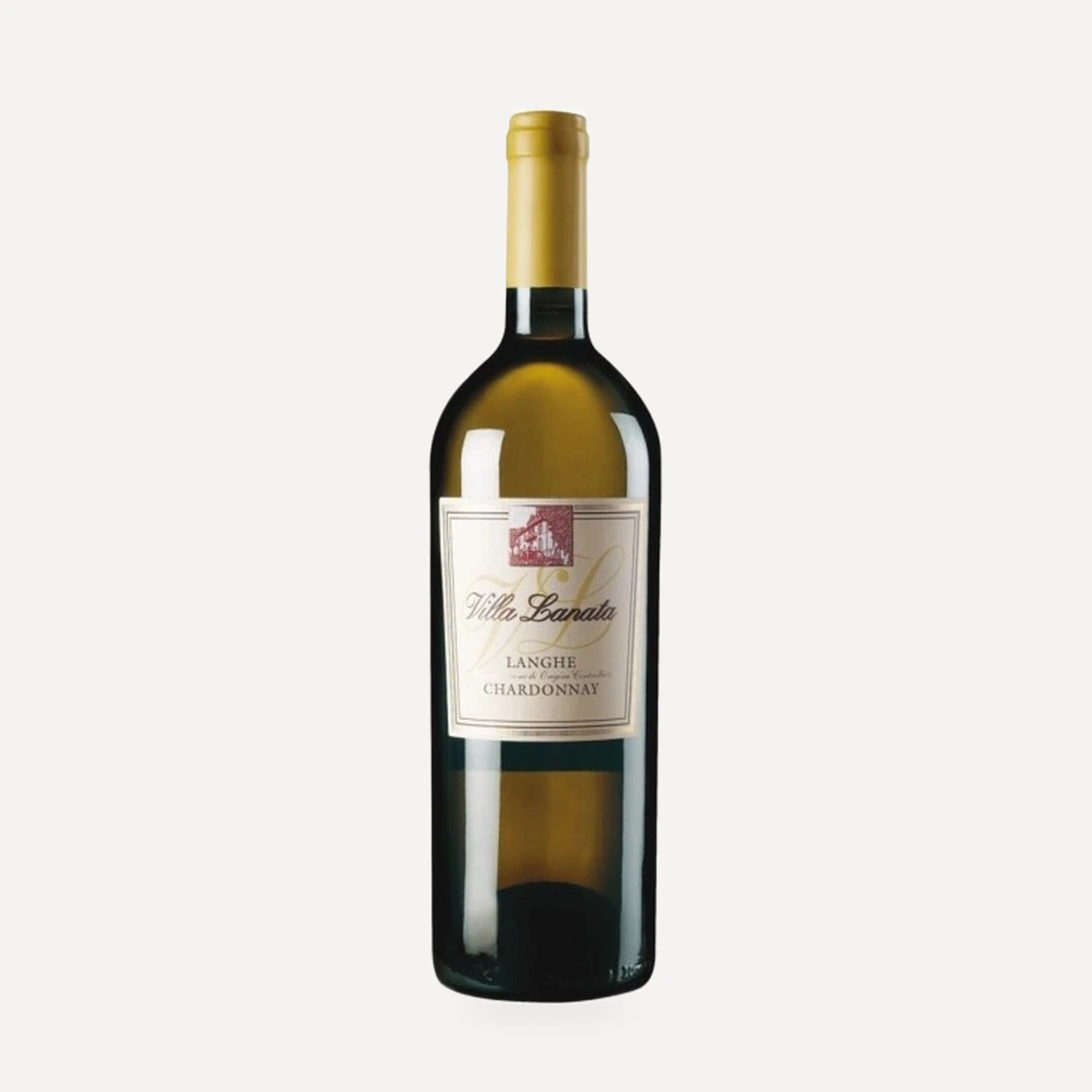
Villa Lanata Langhe Chardonnay DOC