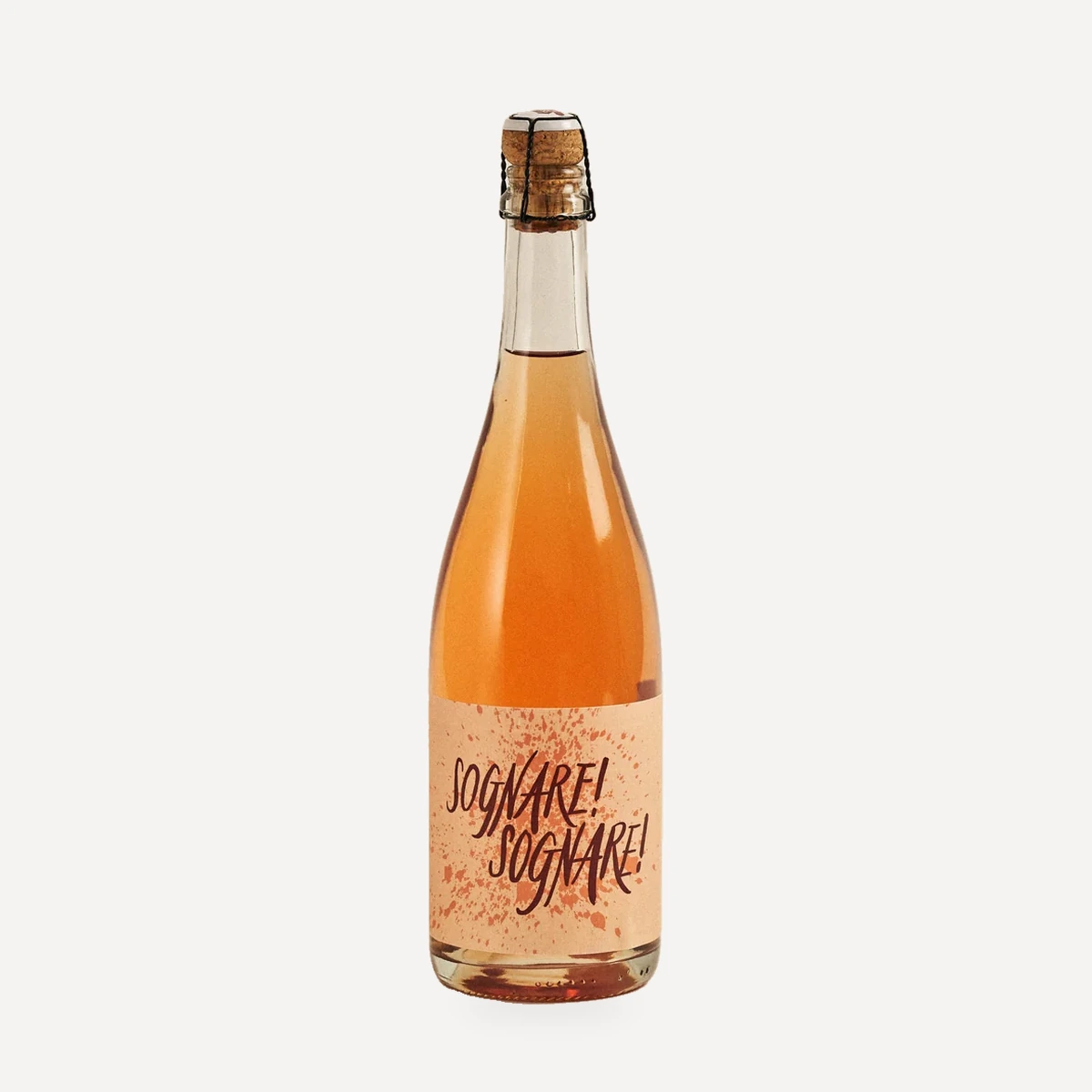
Storia
Family beginnings and the first plantings
Paolo Pasini traces Villa Picta to his family’s long-standing interest in wine and wine culture. His father planted the first small vineyards as a personal passion in 2008. That year also marks the planting of the 0.1-hectare Vigna Madre, which replaced a very old vineyard on land where vines had already grown for generations. Vigna del Parco likewise includes a portion planted in 2008.
Pasini began working from the harvests of these early vineyards and gradually transformed the family pursuit into an agricultural business. His development started with pruning methods intended to preserve vine health throughout the plant’s growth. Harvest after harvest, he extended his experience into cellar work and ultimately assumed complete responsibility for both vineyards and winery.
Expansion of the vineyards
Vigna alla Madonnina was planted in 2011 with Lambrusco Ruberti and Malvasia Aromatica di Candia. In 2017, Vigna San Bartolomeo was planted with Merlot, Cabernet Sauvignon and Cabernet Franc, Marzemino and Pinot Bianco. Vigna del Parco combines plantings dating from 2008 and 2018, including Lambrusco Ruberti, Lambrusco di Sorbara and Garganega.
The vineyard project began with Lambrusco and the recovery and personal planting of old clones, then broadened to other varieties, including Merlot, Cabernet, Marzemino and Pinot. Pasini personally selected and planted the vines as the cultivated area grew to approximately 3.5 hectares.
Creation of Agricola Villa Picta
Agricola Villa Picta was formally established in 2018. The name pays tribute to Villimpenta, which was known in medieval times as “Villa Picta,” meaning “painted village.” The estate developed around manual vineyard work, natural cellar practices and the aim of producing wines that retain the identity of their place and vintage.
The first Lambrusco Villa Picta label initiated the estate’s work with bottle-refermented wines and marked the beginning of its cellar venture. From the first harvest onward, the grapes have been processed in the estate winery immediately beside the vineyards.
Terroir
Villa Picta’s vineyards lie at Villimpenta in the fertile Pianura Padana, in the Province of Mantova and close to the border with the Veronese area. They occupy natural alluvial rises near watercourses. Repeated flooding over time shaped these landforms and enriched their mineral composition.
The soils have a substantial coarse fraction and are predominantly sandy, with varying proportions of silt and clay. The individual vineyards range from sandy-silty soils at Vigna alla Madonnina and Vigna del Parco to the more clay-bearing sandy-clay soil of Vigna San Bartolomeo.
Vinificazione
Vineyard work is predominantly manual and organized around two principal pruning periods: dry pruning in winter and green pruning, including shoot selection, in spring. Pruning is intended to sustain vine vitality and fruit quality by respecting sap flow, making small cuts and orienting buds correctly.
Plant protection follows biological techniques based on copper, sulfur and plant oils. Soil cultivation alternates with periods of grass cover, including green manures. These practices are intended to support biodiversity, relieve soil compaction and improve the soil’s capacity to fix nitrogen.
Harvest takes place in September and October. All grapes are picked by hand into boxes holding no more than 15 kg to protect fruit integrity. Vineyard parcels are harvested and vinified separately; finished lots may subsequently be combined according to the intended result.
Rather than defining its work through a general target of low yields per hectare, Villa Picta evaluates the balance between clusters and shoots on each individual vine. Organic certification was projected for 2024.
The grapes have been processed in the estate-owned cellar immediately beside the vineyards since the first harvest. Individual vineyard parcels are harvested and vinified separately and may be assembled only after becoming finished wines, depending on the intended result.
Spontaneous alcoholic fermentation is driven exclusively by naturally occurring yeasts from grape skins. Vigna Madre, the oldest present planting and a collection of all the varieties managed by the estate, supplies the crushed grapes used to initiate the spontaneous fermentation bases for the wines.
Traditional refermentation in bottle is the central production method for the naturally sparkling wines. The wines remain capable of developing over time in bottle. The range also demonstrates the use of first-pressing juice for the Metodo Classico rosé, stainless-steel maturation for one expression of the still red, and small oak barriques for another, where the wood is intended to support gradual development and maturation.
Filosofia
Villa Picta’s agricultural philosophy begins from the principle that human beings belong to the land rather than possessing it. Soil is treated as a common good and as the home of life that must be protected. The vine forms a bridge between life below the soil and the surrounding environment.
The approach emphasizes observing the vineyard month by month and season by season without forcing it. Wine is understood as the final, natural consequence of the agricultural work carried out throughout the growing cycle. Vineyard care is therefore directed toward protecting the surrounding environment while allowing the character of the place to pass from roots to fruit and from fruit to wine.
Each vintage is approached as a balance between equilibrium and unpredictability. The resulting bottles are intended to portray their particular year rather than erase seasonal differences. Manual work in the vineyard, natural cellar practice, authenticity and an artisanal approach define Pasini’s conception of the vignaiolo’s work. Lambrusco holds a central place in this outlook as both a local inheritance and a resource to be valued.
Vini
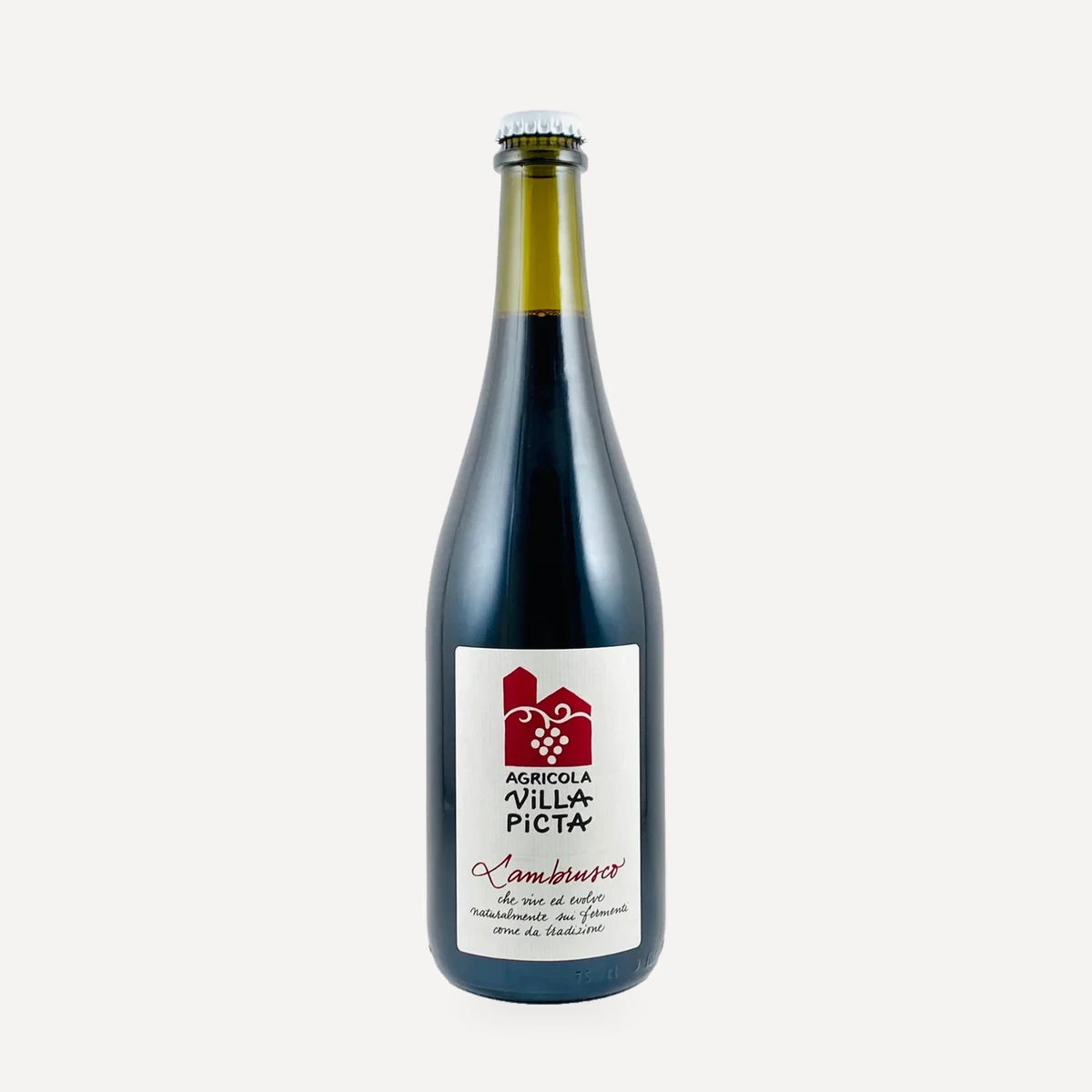
Lambrusco Villa Picta
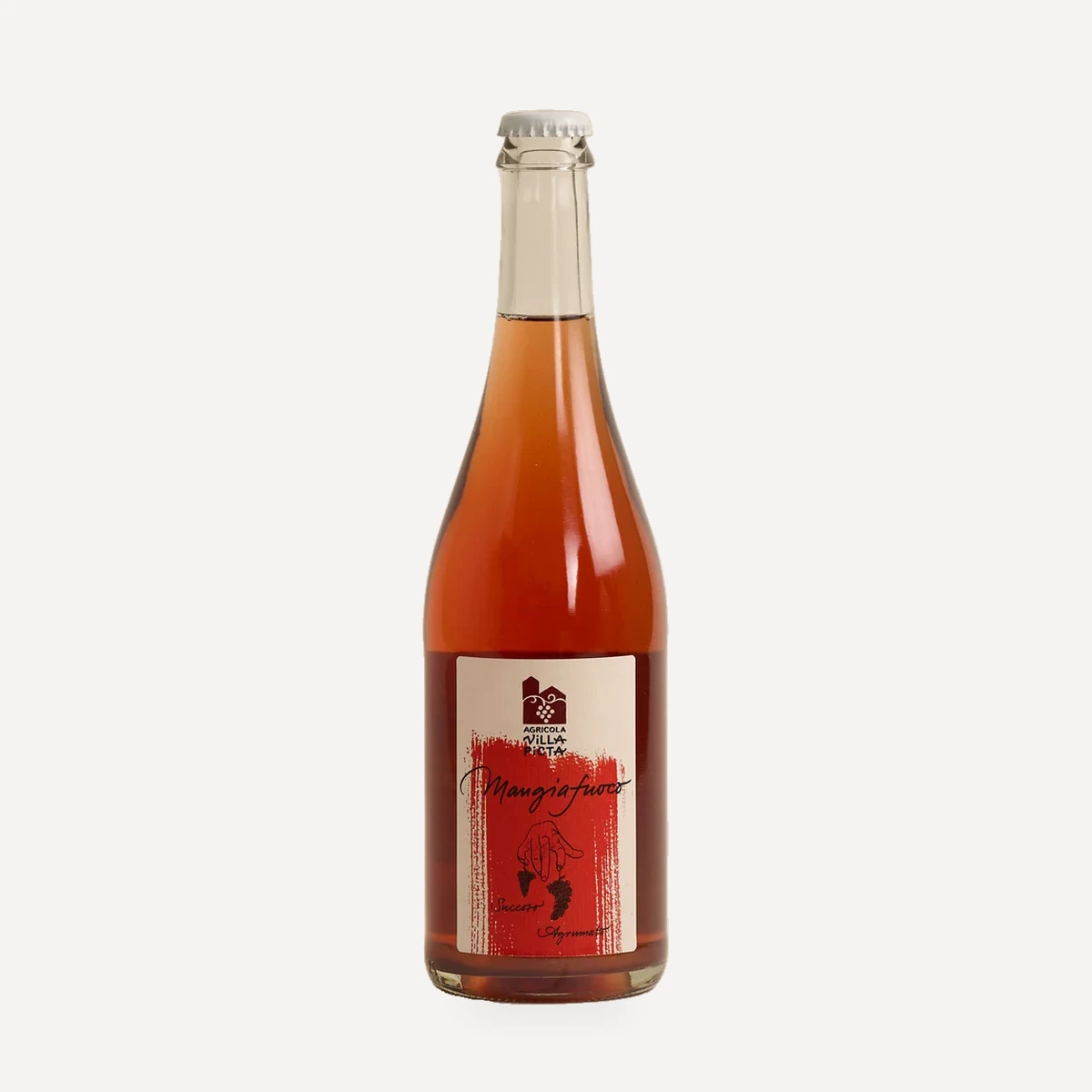
Mangiafuoco
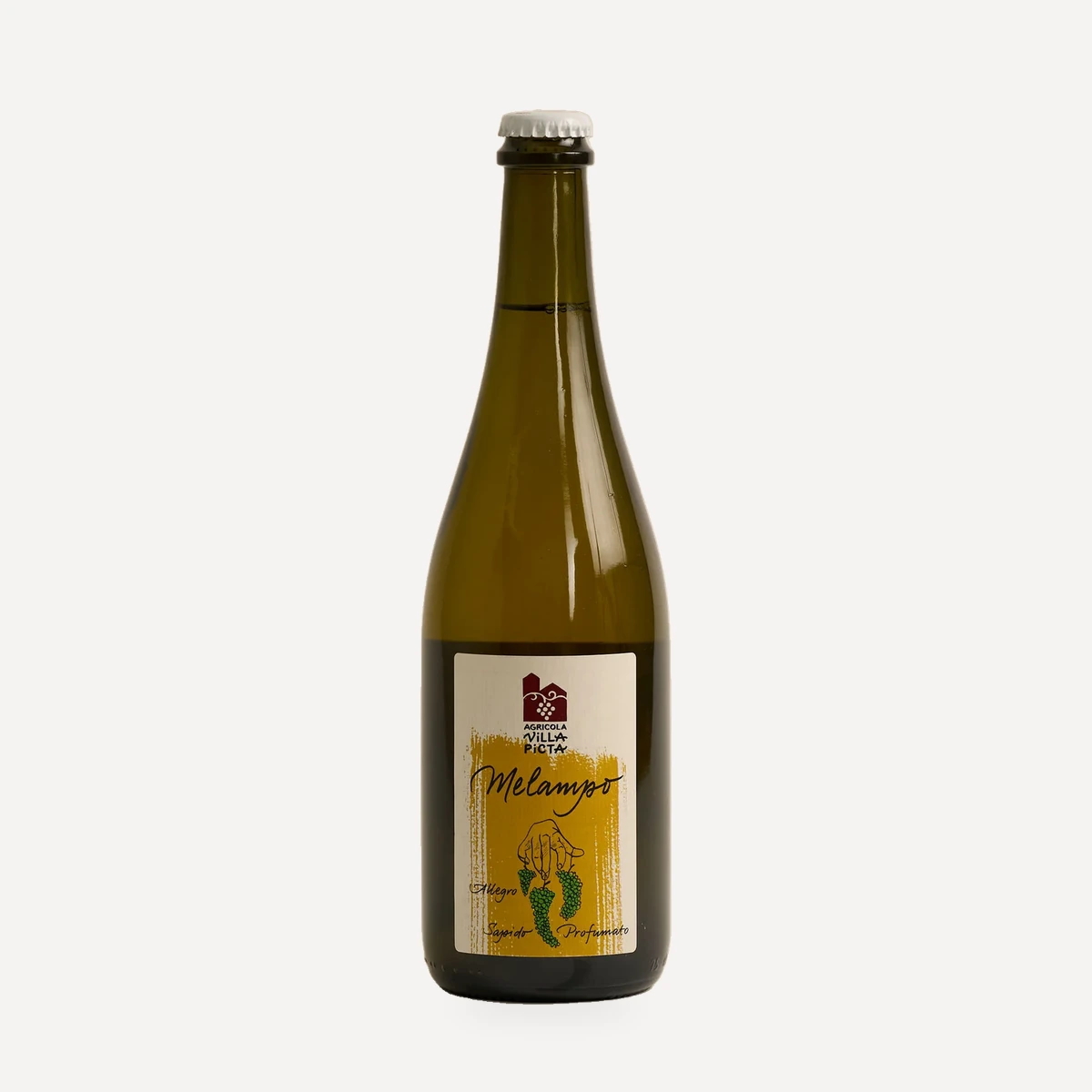
Melampo