Storia
The family settles in Colognola ai Colli
The documented history begins in 1929, when Francesco Vicentini, Agostino’s father, moved from Campiano toward the valley and bought vineyards in Colognola ai Colli. The holding was initially a mixed farm: vines grew alongside cherry, olive, and apricot trees. The family vinified the grapes harvested from its own vineyards rather than limiting its activity to grape growing.
Agostino’s transition to a wine-focused estate
A decisive change came at the end of the 1960s, when Agostino chose to concentrate the business primarily on wine production. The cellar subsequently grew in stages and developed a recognizable identity through its Soave and Valpolicella wines.
Teresa Bacco, Agostino’s wife, later joined the business. Her arrival broadened its work beyond growing and vinifying grapes: she helped build the identity and narrative associated with each bottle, supporting the wines’ commercial development while Agostino’s experience shaped the estate’s oenological direction.
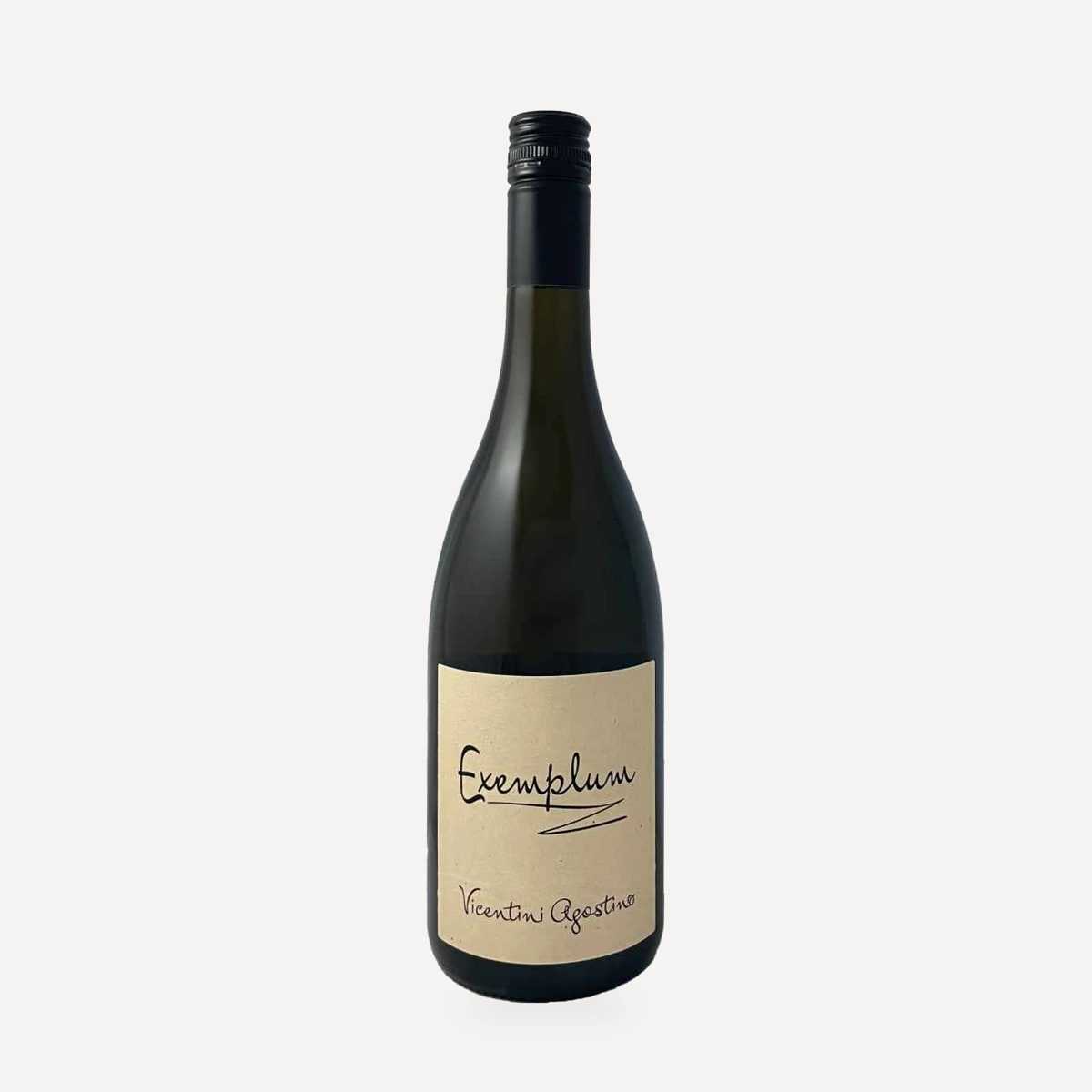
The historic Soave DOC Terrelunghe had completed 25 harvests by the 2019 vintage. In the same year, the estate introduced Exemplum, an IGT Veronese made to express Trebbiano, a variety described as historically cultivated on the hills east of Verona.
The fourth generation
Emanuele and Francesca represent the fourth generation of the Vicentini family. They continue developing the work in both vineyard and cellar and promote the Agostino Vicentini wines internationally. Emanuele contributes new ideas to farming and winemaking and shares the estate’s oenological direction with Agostino; Francesca is also associated with hospitality and customer care.
In the 2020s, the business continued investing in its agricultural operations. A project financed through Veneto’s 2023–2027 rural-development programme supported the purchase of machinery and equipment, with €11,639.25 in funding and the stated objective of improving the agricultural company’s overall performance and sustainability.
Terroir
The estate vineyards extend east of Verona between Colognola ai Colli and Cazzano di Tramigna, spanning the Soave and Valpolicella production areas. The red-wine vineyards are also placed within the Val d’Illasi, described as the Valle dei Ciliegi because flowering cherry trees surround its extensively planted vineyards in spring.
The holdings encompass markedly different soil families: calcareous, volcanic, rocky, and alluvial ground. This geological range underpins the estate’s parcel interpretation and the differentiation of its Soave and Valpolicella wines.
Altitude is documented for the Palazzo di Campiano vineyard, which lies at more than 400 m. The named Vigna Il Casale is situated in Colognola ai Colli. Across the estate, Garganega and Trebbiano di Soave are associated with the Soave vineyards, while Corvina, Rondinella, and Corvinone are grown for the different expressions of Valpolicella.
Vinificazione
Viticulture is the foundation of the estate’s low-intervention approach to wine. The family gives primary importance to producing sound, intact, high-quality grapes, reasoning that restrained cellar work is possible only when the fruit arrives in excellent condition.
All documented vineyards are estate-owned, and the varieties are native to the local production areas: Garganega and Trebbiano di Soave for the white wines, and Corvina, Rondinella, and Corvinone for the reds. Environmental care is pursued through techniques described as having a low environmental impact, with respect for natural timing and seasonal rhythms.
Yield management is documented in two named vineyards. At Vigna Il Casale, substantial summer cluster thinning selects the bunches that remain to ripen into early October. At Palazzo di Campiano, productivity is restricted as much as possible. A September harvest experience also allows visitors to participate directly in picking Garganega.
The family has consistently vinified the grapes harvested from its own vineyards. Vineyard and cellar therefore form a continuous estate operation rather than separate grape-growing and wine-production activities.
The guiding production principle is to intervene as little as possible during processing. This restraint depends on careful vineyard work and the arrival of intact, healthy fruit. Technology has a supporting role, but grape quality and vineyard care take precedence in defining the wines.
The cellar developed gradually after Agostino concentrated the business on wine at the end of the 1960s. Its production identity is organized around the native grapes and denominations of Soave and Valpolicella. The white range is based on Garganega and Trebbiano di Soave; the red range uses Corvina, Rondinella, and Corvinone.
A documented parcel-specific practice distinguishes Palazzo di Campiano: the grapes are crushed without appassimento. At Vigna Il Casale, fruit selection begins in the vineyard through summer thinning. These practices reflect adaptation to the intended expression of each vineyard rather than the application of one uniform protocol across the range.
Filosofia
The family defines wine production as a process of working with nature. Its stated aim is to intervene as little as possible during processing, an approach made possible by close attention to the vineyard and the production of healthy, intact grapes.
Nature’s timing and rhythms guide the work, while low-impact techniques express the estate’s environmental commitment. Technology is considered important but secondary: the fundamental work of a significant wine begins in the vineyard.
Commitment, accumulated experience, and sustainability form the estate’s description of its style. Across four generations, this approach has combined continuity in family farming with progressive development in the cellar, commercial presentation, and the interpretation of markedly different calcareous, volcanic, rocky, and alluvial soils.
Vini
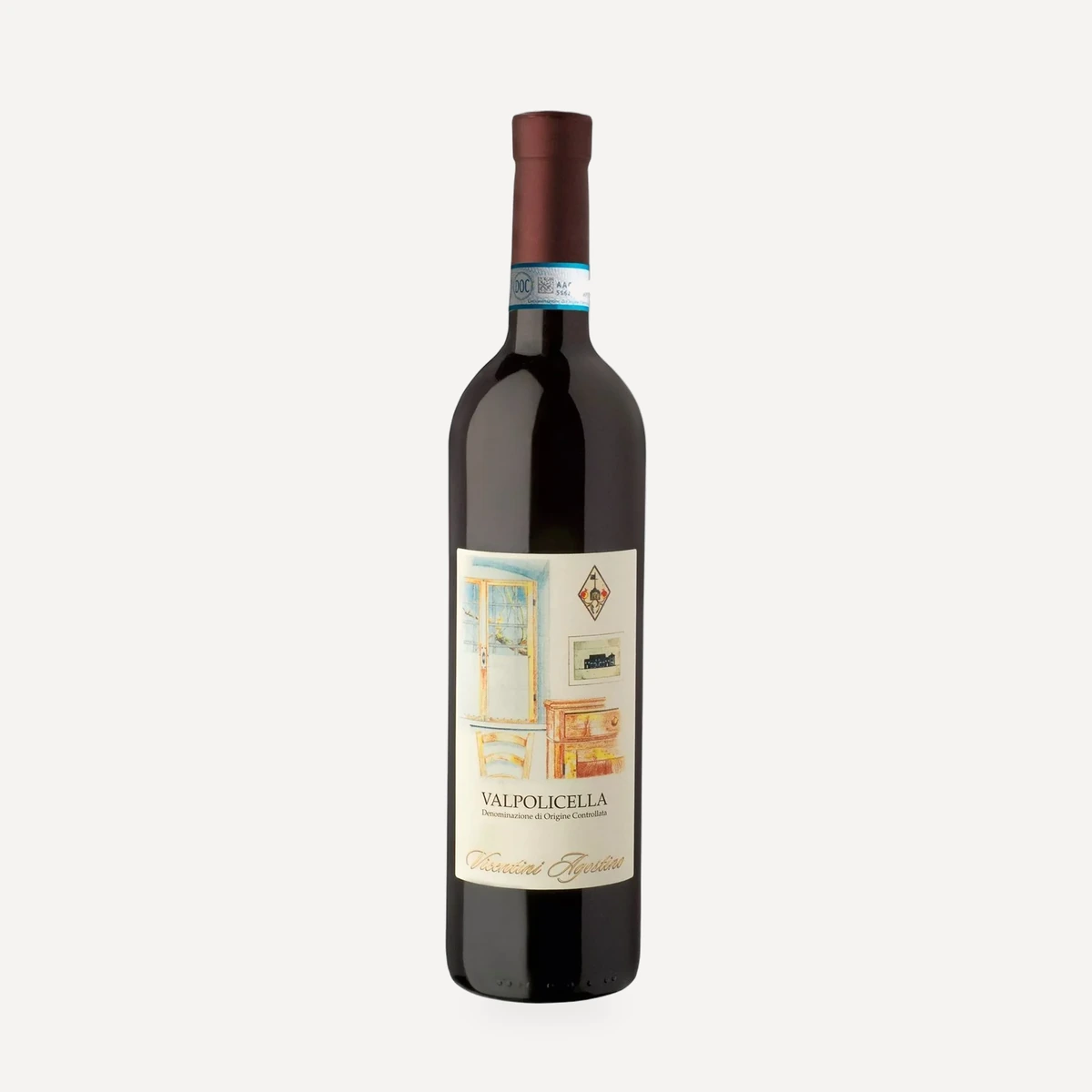
Valpolicella Doc
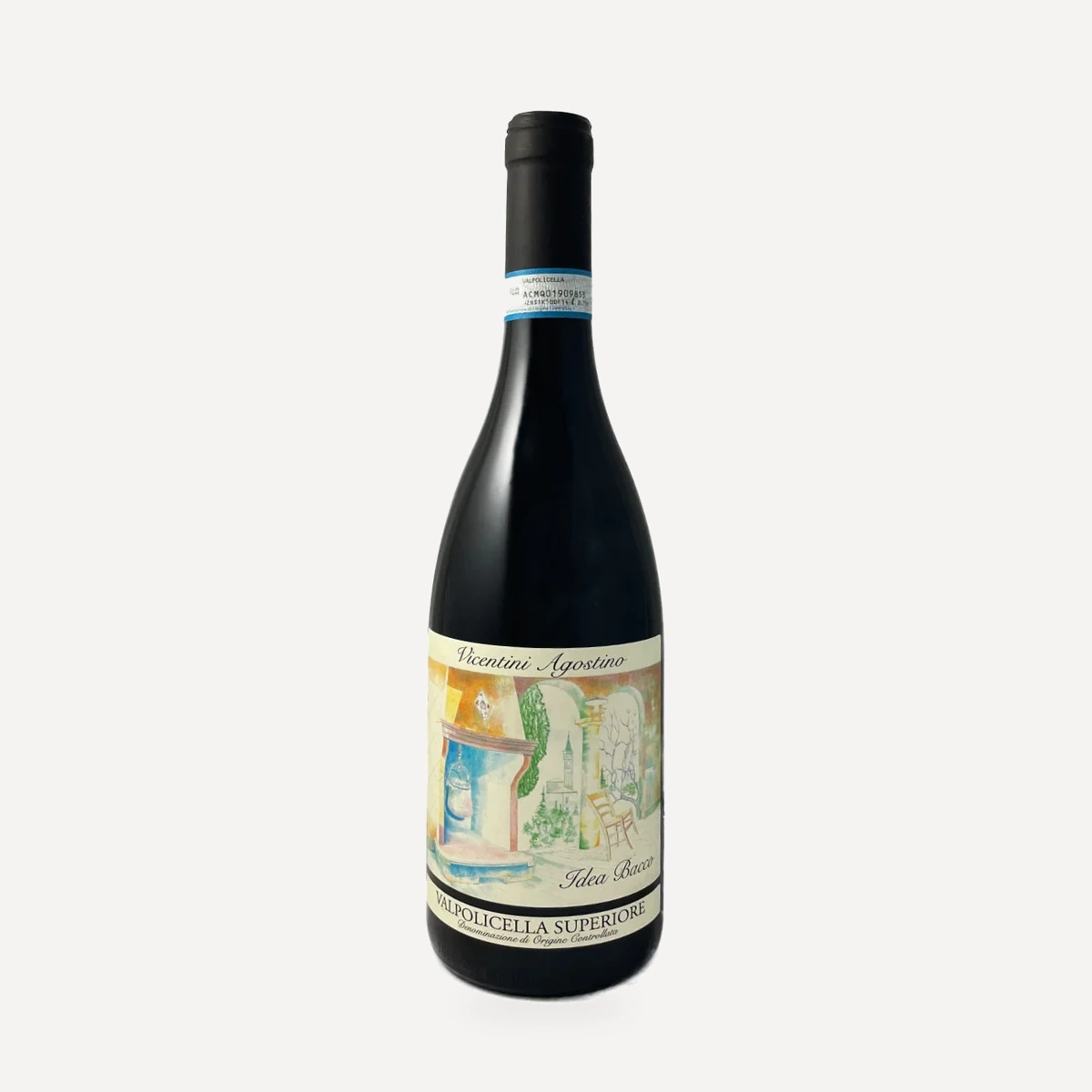
Valpolicella Doc Superiore “Idea Bacco”
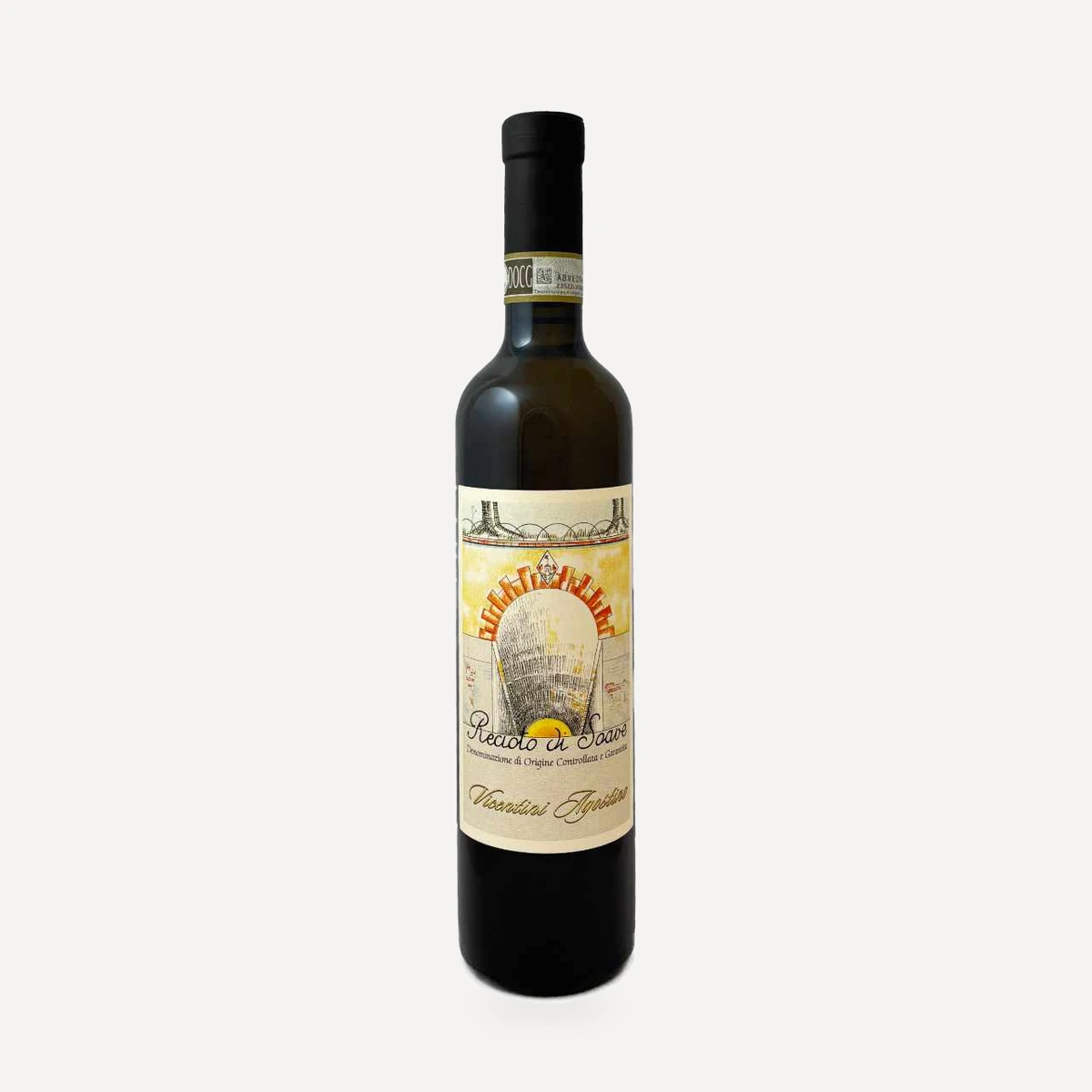
Recioto di Soave Docg