Storia
Giovanni Caligaris and the first family vineyard
The family’s winegrowing story began in the 1930s with Giovanni Caligaris, Ilaria’s great-grandfather. He cultivated one hectare of vines on the hill at San Marzano Oliveto and made a small quantity of wine under his own name for sale to local residents. The family’s traditional wines included the styles now represented by L’Onirico Assaggiatore and L’Onirico Vignaiolo.
Expansion and environmental change in the 1990s
In the 1990s, Giovanni’s grandson Alessandro expanded the vineyards to 3 hectares. He also redirected the farm toward environmentally conscious agriculture, drawing inspiration from the philosophy of Masanobu Fukuoka. This transition established the basis for the present approach: permanent vegetation, minimal mechanical work, no fertilization and close attention to the vineyard ecosystem.
The present generation
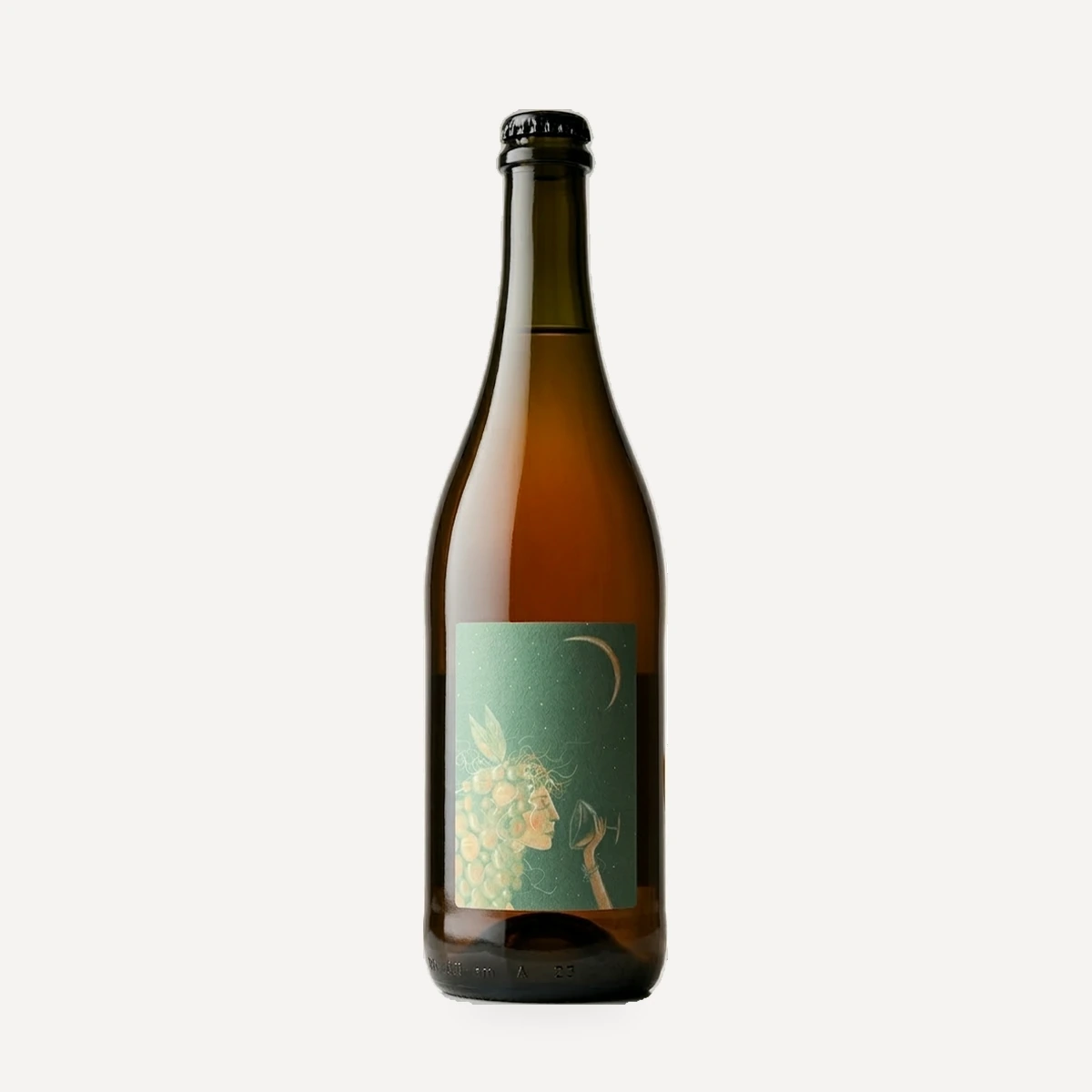
The VIV project renewed the family winery as a small agricultural enterprise in the hills of Monferrato Astigiano. Today Ilaria works with her father Alessandro, her sister Valentina and her mother Claudia. Together they produce natural wines intended to express their grapes, individual vintages and the land while pursuing a sustainable future. The range retains traditional local styles while also including skin-contact whites, pét-nat wines and limited-edition labels.
Terroir
VIV Winery lies on a hill in the rural municipality of San Marzano Oliveto, in Monferrato Astigiano south of Asti. The vineyards occupy the hill’s south-facing slope, generally at an indicated elevation of 250 metres above sea level. The soils are clay.
Monferrato Astigiano is identified as the family’s territory for Moscato and Barbera. The vineyard material spans several ages: the production descriptions refer to vines or vineyard groups aged approximately 5, 10, 20, 30, 35, 40 and 55 years. These include the youngest Sauvignon Blanc vineyard as well as mature plantings used for the family’s traditional and indigenous varieties.
Vinificazione
Environmental respect governs work in the vineyards. Every operation considered essential to the vine’s production cycle—from pruning through harvest—is performed manually, and mechanical assistance is reduced to the minimum.
The vineyard floor remains grassed. Roots from the vines and spontaneous herbs work the soil, helping to limit erosion and increase humic matter. The farm applies no fertilizer. Protection from pathogens relies exclusively on copper and sulphur, frequently supplemented by macerations or decoctions made from medicinal herbs growing spontaneously on the property.
Harvesting is manual every year. The approach allows production to regulate itself in relation to each vintage rather than imposing a fixed output.
Biodiversity is treated as part of the functioning vineyard. Wild orchids grow between the rows; roe deer shelter their young among the vines; birds nest in the branches; and hares, foxes and wild boar inhabit the property. Wild boar disturb and aerate the ground while searching for roots and earthworms. Below ground, the ecosystem includes herb roots, insects, fungi, algae, bacteria and many other organisms and microorganisms.
Cellar approach
Production is artisanal and low-intervention, with the aim of retaining the original character of the grapes, the land and each vintage. All fermentations begin spontaneously through naturally present indigenous yeasts. The fermenting must is monitored through the completion of primary fermentation.
Grapes may be destemmed and crushed or sent directly to pressing, depending on the intended style. Most wines retain their skins in the must for part of fermentation to build aroma and structure. The documented skin-contact periods range from a few hours to 5–15 days. Once maceration is complete, the wine is drawn off and transferred away from the skins. The pomace is returned to the vineyard rows as organic material for the soil.
Maturation and finishing
Still wines mature principally in stainless-steel tanks. Documented maturation periods are at least six months for some whites and rosé and at least twelve months for several reds and longer-macerated wines, followed by bottle maturation. Separate components of a blend can be vinified independently and assembled at bottling according to the structure and characteristics of the vintage.
Most wines are neither filtered nor fined. Sulphites are used in low quantities to support maturation and preservation. The sweet sparkling Moscato is an exception to the general unfiltered approach: it receives a light filtration and an addition of sulphites.
Sparkling methods
Pét-nat wines begin fermentation with indigenous yeasts and are bottled before fermentation is complete, allowing fermentation to finish in bottle and retain a light natural effervescence. Another sparkling-red method completes the first fermentation in tank, holds back and freezes part of the original must, and rests the wine until the following spring. As temperatures rise, the reserved must is added to initiate a second fermentation; bottling during this stage retains the carbon dioxide.
Moscato Bianco is fermented in a pressurized tank until the wine reaches approximately 5% alcohol, with the carbon dioxide retained in the wine. Cooling stops fermentation. After light filtration, it is bottled under pressure with an isobaric bottling machine and is normally ready before Christmas in the harvest year.
Most bottles are closed with crown caps. Packaging is minimal and fully recyclable.
Filosofia
VIV’s philosophy begins with the belief that nature performs its own processes beautifully and completely. The human role is therefore limited to regulating what is necessary for the vines to reach harvest, while allowing the vineyard’s production to respond naturally to the conditions of each vintage.
Biodiversity is central to this outlook. Visible wildlife and vegetation are understood as only one part of a much larger living system that also includes roots, insects, fungi, microorganisms, algae and bacteria within the soil. Vineyard decisions are intended to preserve that complex environment rather than simplify it.
In the cellar, the same principle leads to artisanal, low-intervention work. The wines are intended to represent their grapes, place and vintage directly, retaining original characteristics through spontaneous fermentation, limited processing and restrained sulphite use. The range connects family tradition with contemporary skin-contact and naturally sparkling styles.
The project also frames sustainability as a long-term family responsibility. Minimal mechanical work, the absence of fertilizer, the return of pomace to the vineyard and fully recyclable minimal packaging link vineyard ecology, cellar practice and presentation.
Vini
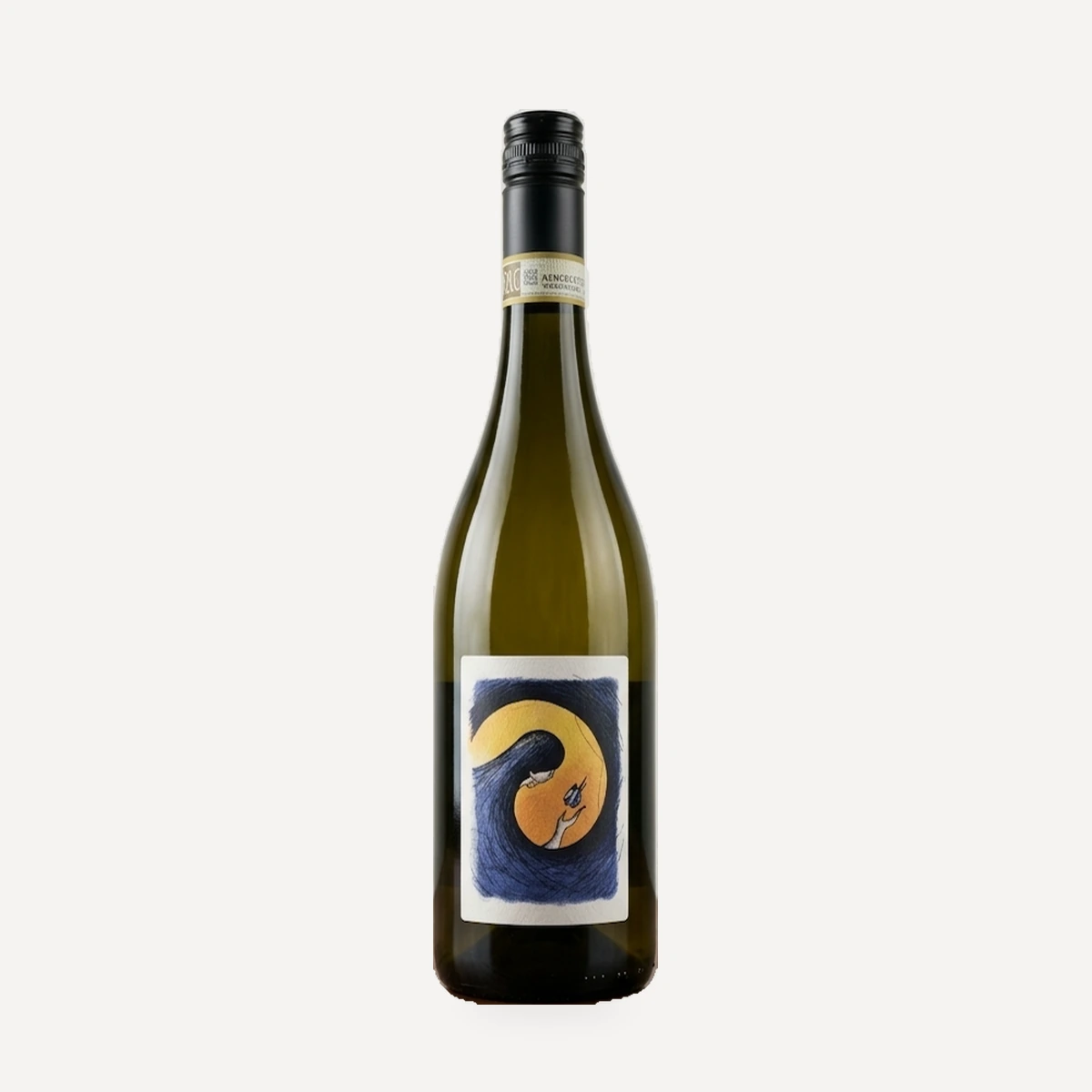
Anima della Terra
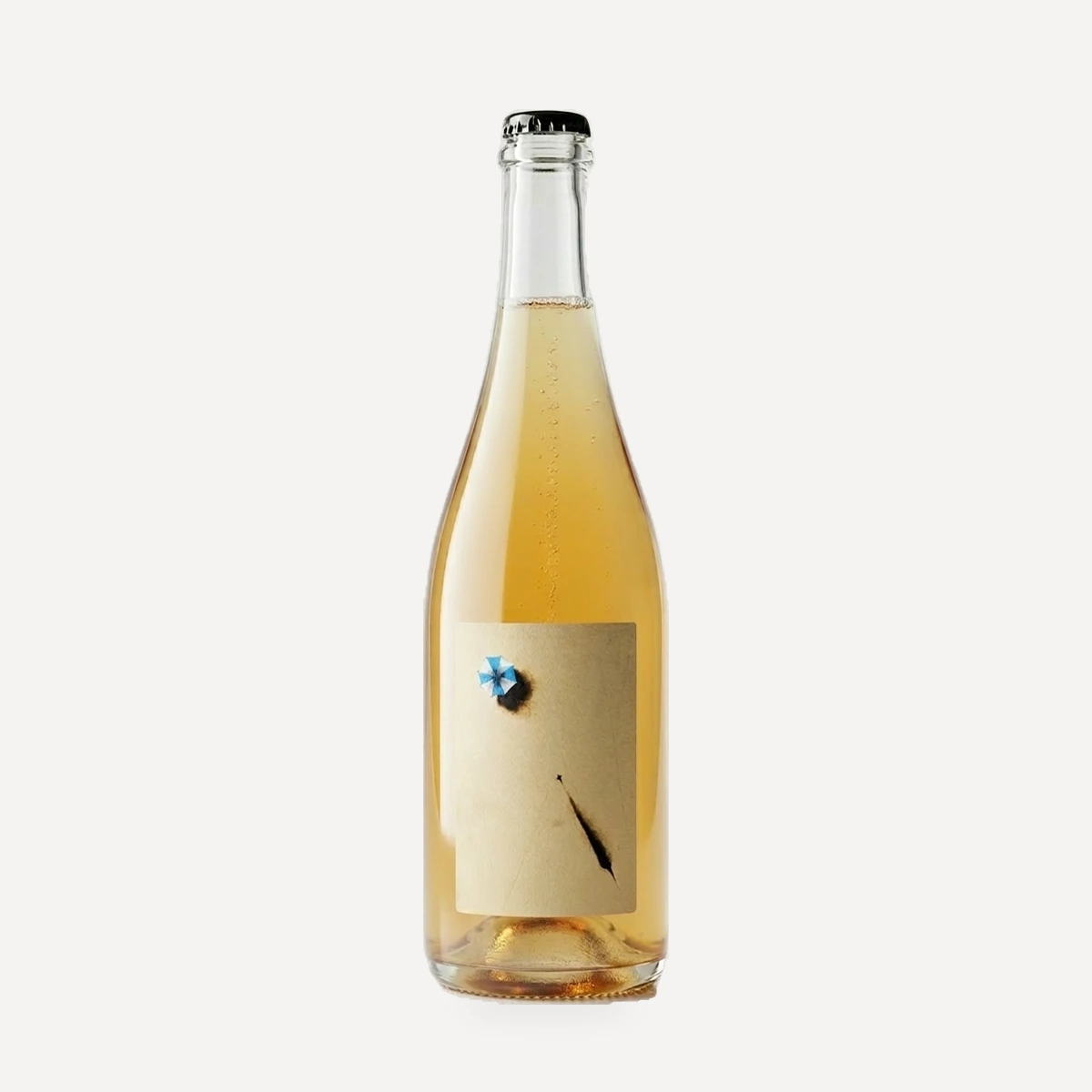
28/12 Ventotto Dodici
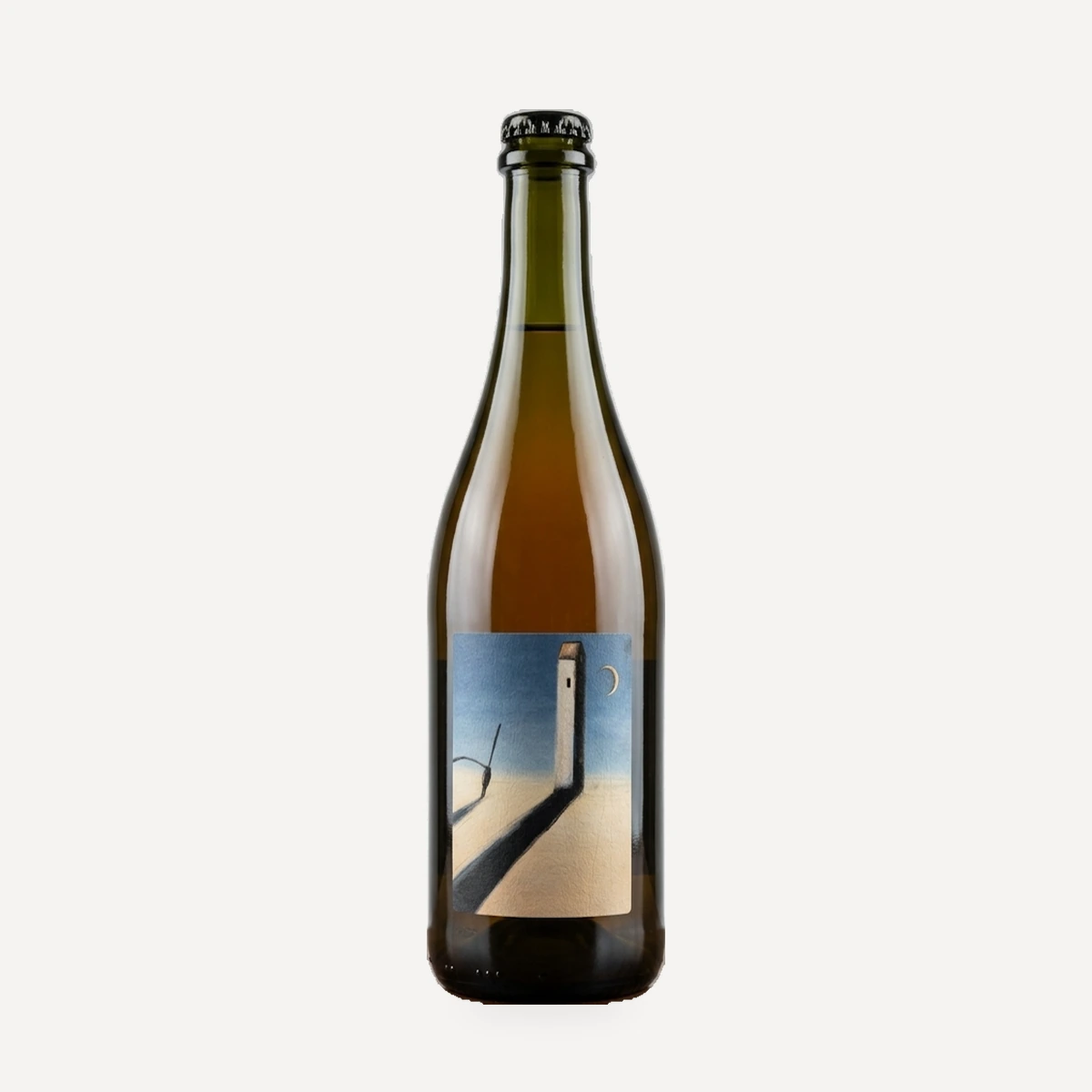
Ca'd Cudòn
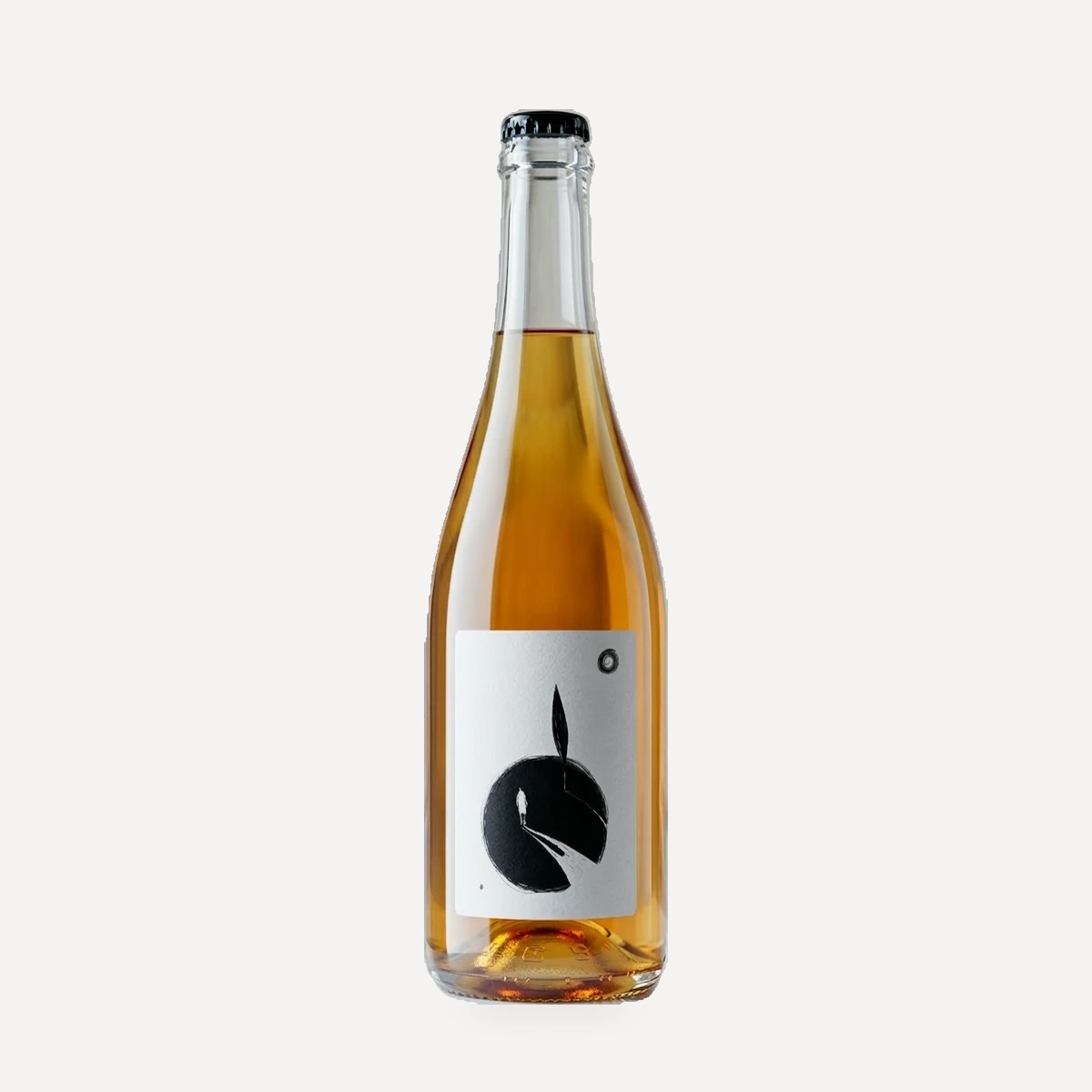
E.P.
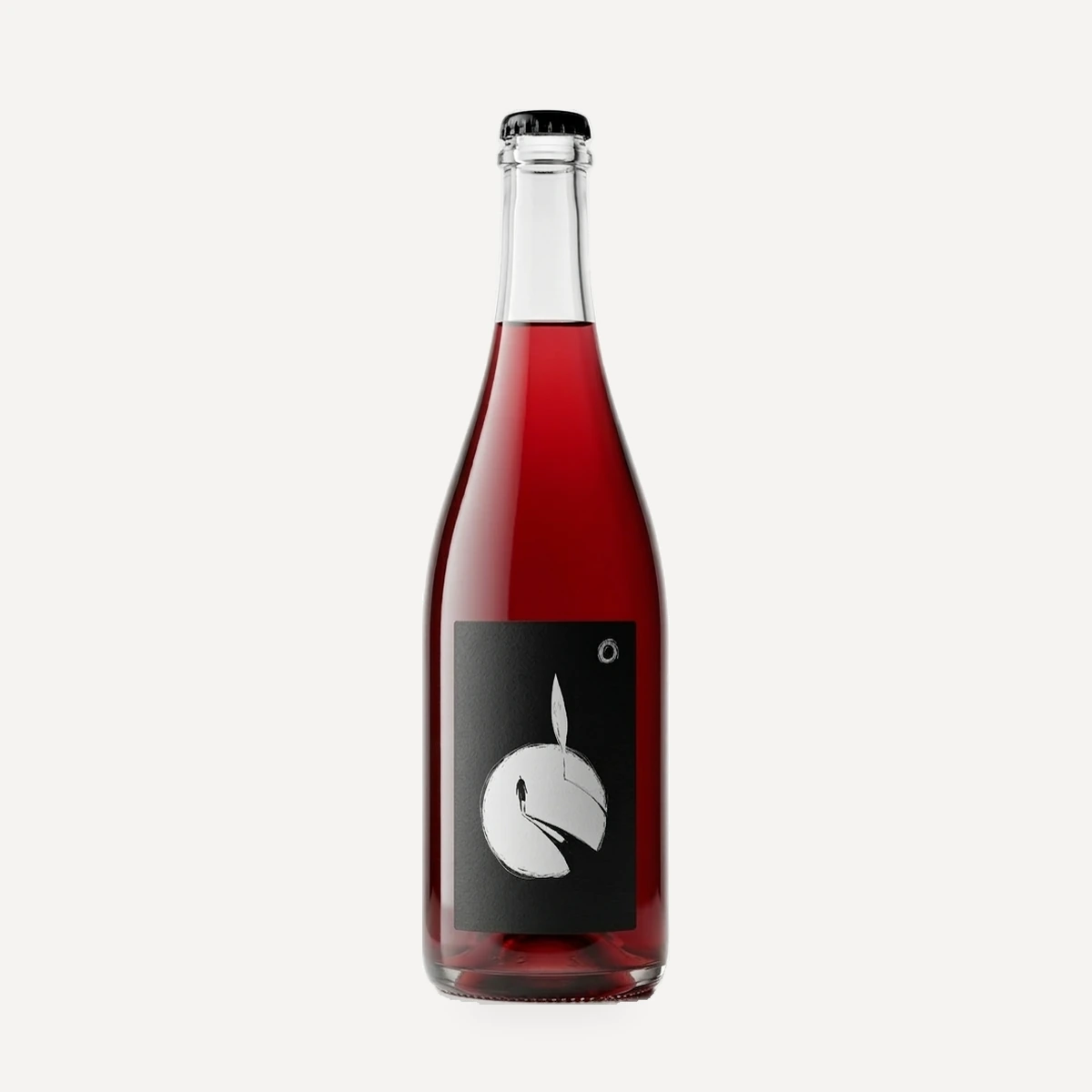
E.P. Rosé
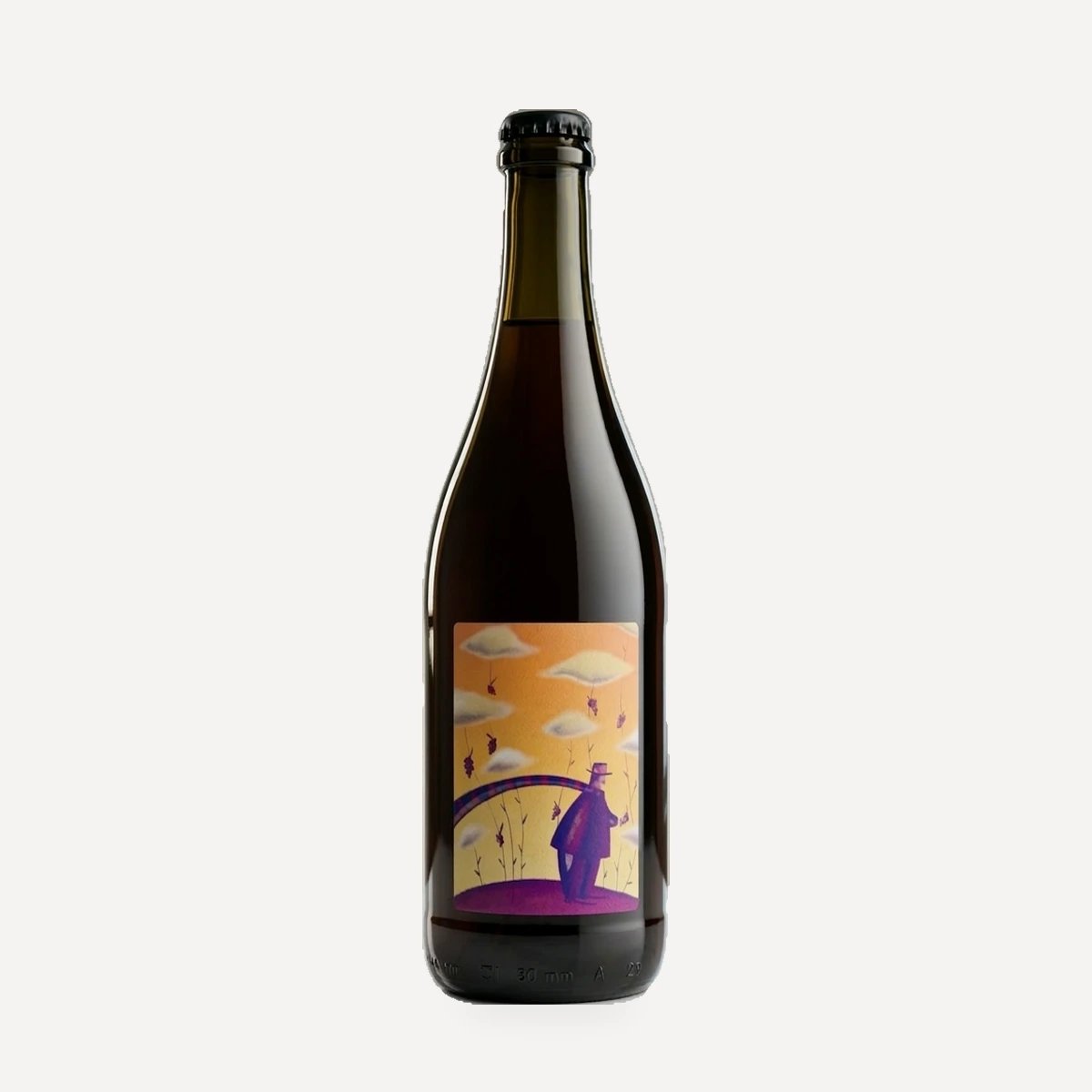
L'Onirico Vignaiolo
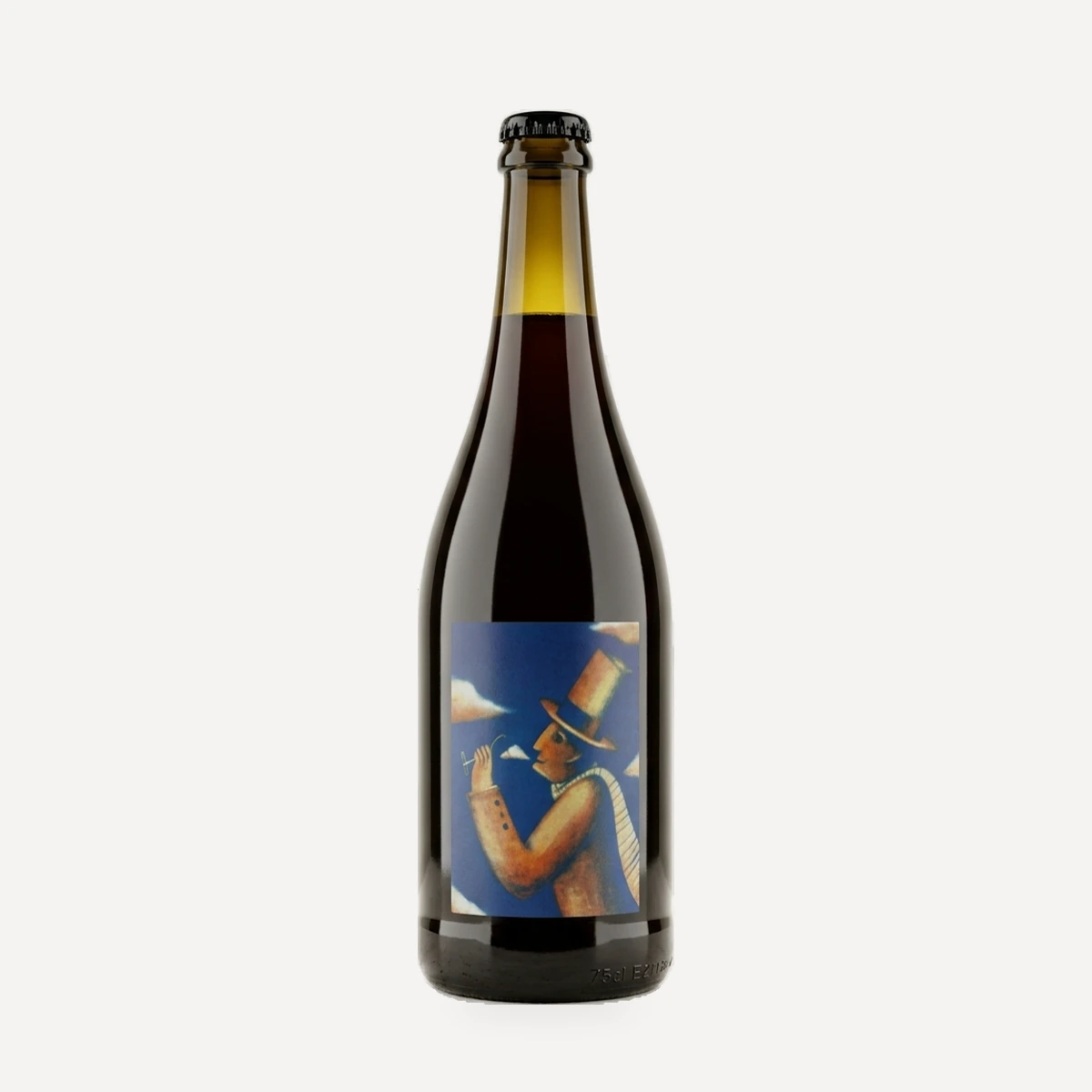
L'Onirico Assaggiatore