Storia
Farming roots and the first vintages
Vodopivec is the continuation of a farming family long attached to its land. Its modern story begins in 1997 with old pergola-trained Vitovska and the memory of grapes that an unnamed family member had tasted as a child, handed to him by his father and grandfather. The ambition was to recover that familiar flavour and express it in wine. The 1998 growing season remained favourable until two weeks before harvest, when intense rain arrived. In 1999, sunshine, moderate heat and well-timed rain allowed the old vineyards and pergolas to reach full maturity.
New vineyards and a developing approach, 2000–2004
The first alberello-trained vineyards came into production in 2000. Their orderly planting geometry and low form were chosen to protect the vines from the force of the Bora. A cool summer accompanied the first maturation of these young vines. The balanced 2001 season, together with experience accumulated over the preceding vintages, marked the point at which the original project was considered fully realised.
Persistent rain from late July into early August reduced the 2002 crop. The following year brought extreme summer heat, parched ground and dry air. The vines relied on rainfall alone; during the drought they slowed and eventually suspended growth. Roe deer approached the vineyards and bit grapes from the bunches for moisture. The response was to wait for the vines to resume their natural cycle rather than force them forward.
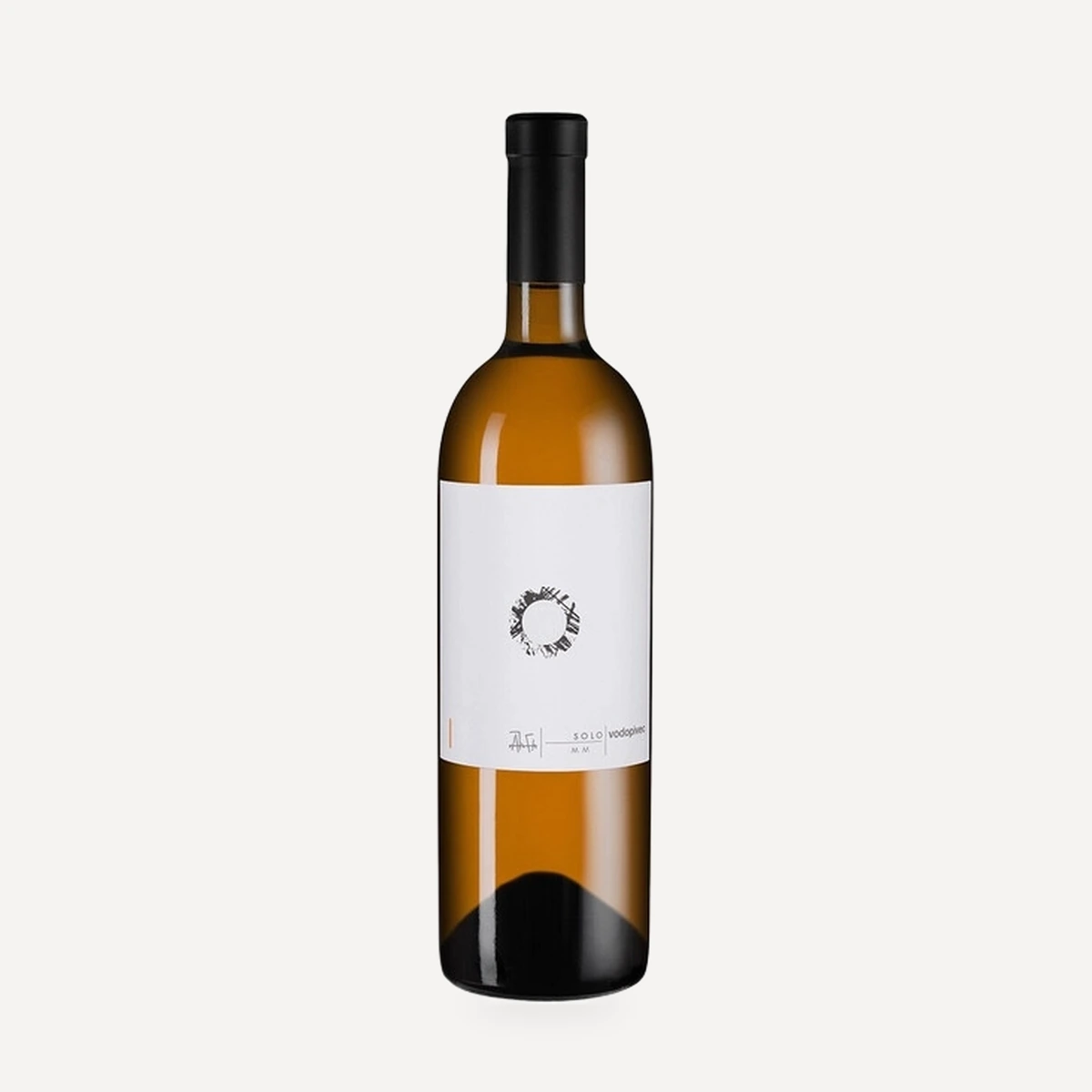
The well-timed rain and sun of 2004 marked another stage of growth and greater awareness of how the fruit could convey what the vines had accumulated from the Carso soils. The first Solo MM4 selection was produced from a single, exceptionally rocky vineyard with very little soil.
Amphora and vintage challenges, 2005–2008
Heavy rain made 2005 difficult and encouraged a reassessment of water as a natural element to be accepted. Small production and a desire to preserve the wine's character led to the first use of a Georgian terracotta amphora for Vitovska. The grapes macerated with their skins in amphora for six months before continuing their maturation in wood. A separate Vitovska Classica maintained the wood-based tradition.
The 2006 season combined intense heat on the rocky Carso hills with abundant rain at the beginning of August. Two interpretations were again made: one rooted in maturation in wood and another based on terracotta-amphora maceration. Working with amphora also brought greater practical understanding of the care required by the vessel.
A mild 2007 winter caused an early awakening of the vines. Hail struck during the heat of early July and again late in August, reducing the crop and leading to the production of a single label. Very heavy rain in June 2008 compromised the entire harvest. Amphorae and barrels remained empty, and no wine was released from the vintage. The experience was treated as an important lesson in accepting nature's authority over production.
A new cellar, 2009–2011
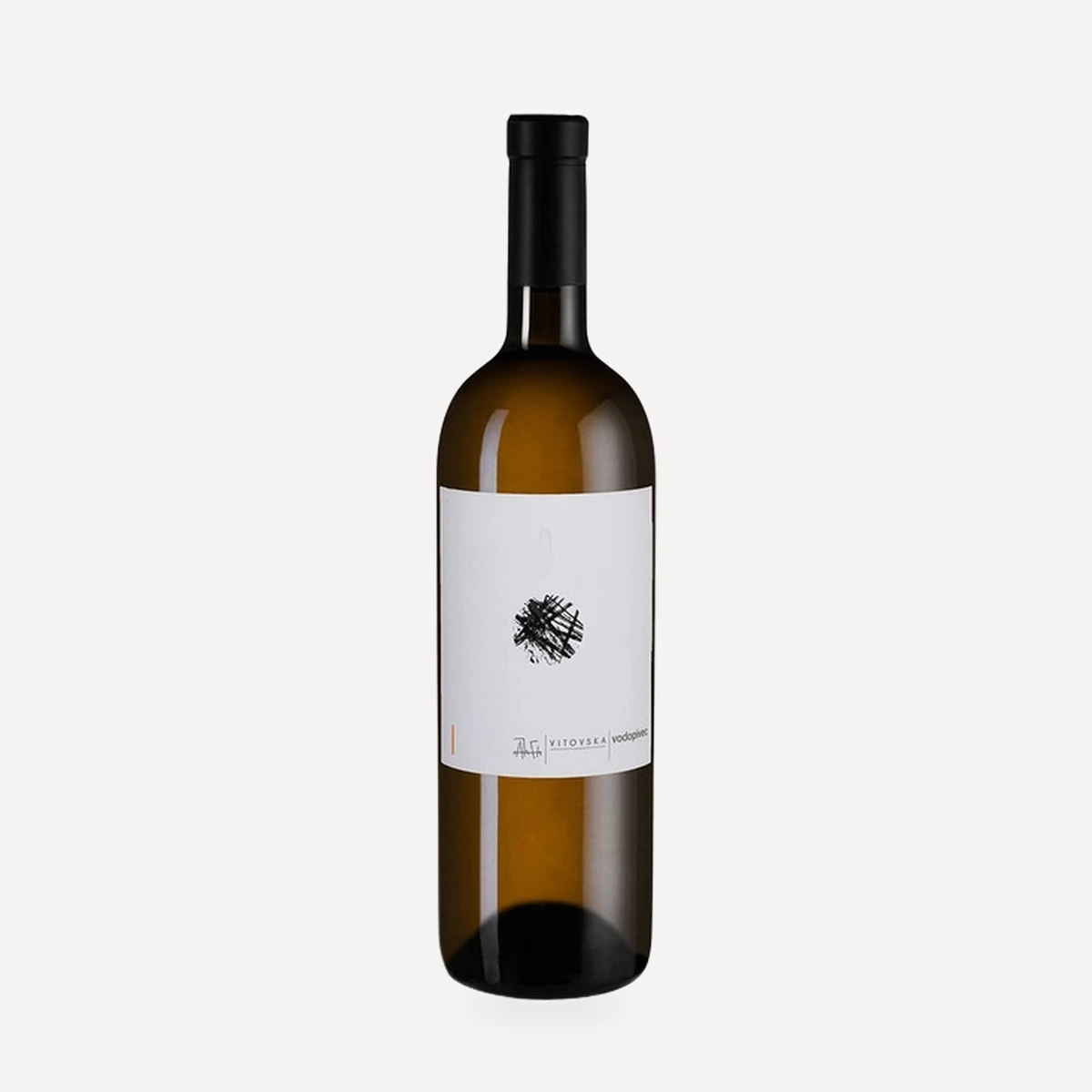
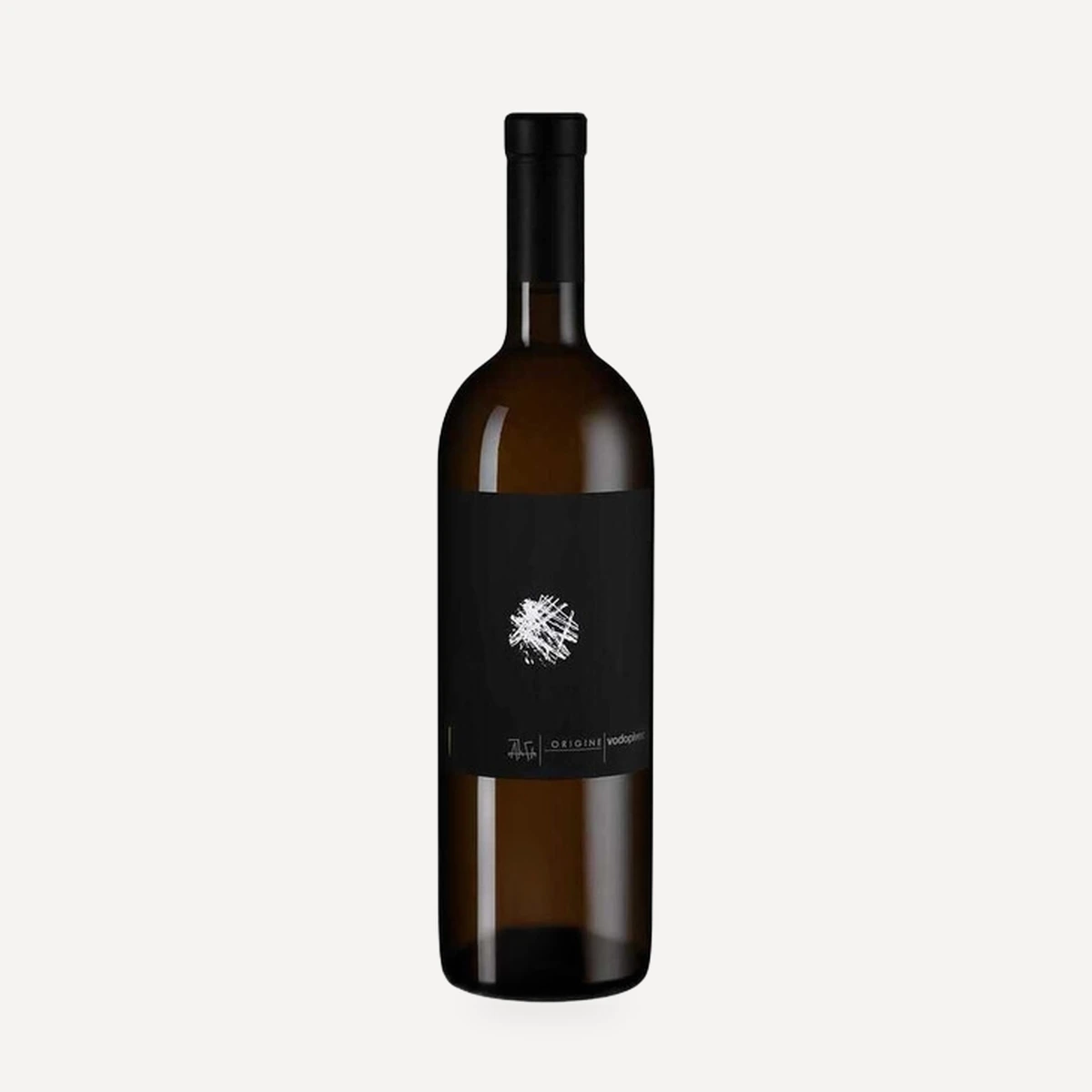
The excellent 2009 season produced healthy foliage and a generous quantity of fully ripe grapes. Work also began on a future cellar excavated into the Carso rock. The traditional, wood-matured expression of Vitovska was renamed Origine, retaining its black label and signalling continuity with the estate's beginnings. Vitovska continued as a blend of fruit from several vineyards, while Solo represented a selected single-vineyard expression.
Construction continued in 2010, creating a protected rock-cut environment. The delicate season yielded a limited crop, and its Vitovska became the first vintage vinified in the emerging cellar.
The new cellar opened on 21 May 2011. It comprises two connected circular rooms excavated from the Karst rock, with buried terracotta amphorae and large wooden vessels arranged around them. The 2011 season was lively and became particularly hot at the end of August. That vintage also introduced Vitovska T, made from one vineyard and kept in Georgian amphora from its six-month skin maceration through a further 30 months of maturation.
Seasons of wind, drought and rain, 2012–2017
Weeks of freezing Bora during winter 2012 damaged tender buds. A dry, pleasantly windy spring was followed by an equally windy and arid summer, producing a measured harvest. In 2013, dry and oppressive conditions during the final weeks before harvest caused uneven ripening and gave the fruit an austere character expected to soften with time.
Continuous rain overturned the early promise of the 2014 season and created severe difficulties in the vineyards. Conditions improved markedly in 2015, when the natural elements alternated in balance and the vines returned to vigorous health. June 2016 was rainy and made the beginning of the season challenging, but conditions stabilised from July onward, allowing the surviving fruit to develop refinement and value.
The 2017 season remained well balanced through the end of August, with sun supporting ripening and rain arriving when beneficial. Persistent rain and humidity then brought an early autumn in September. Harvest had to be postponed, overall production was reduced, and only part of the crop was suitable for the full natural vinification and maturation process.
Terroir
Vodopivec lies at Località Colludrozza in Sgonico, on the rugged heights of the Carso triestino. The vineyards have an average elevation of 260 metres above sea level. Their terrain combines extensive rock with small pockets of red earth; one single-vineyard selection comes from ground with very little soil and a predominance of rock.
Stone and wind define the setting. The Bora repeatedly sweeps the vineyards with cold, forceful air, influencing both vine-training choices and individual growing seasons. The estate also describes clear, pungent air, views toward the sea and the distinctive seasonal colours of the Carso. Vintage conditions can vary sharply: persistent rain, hail, summer drought, intense heat and freezing winter winds have all materially affected production.
The cellar forms an extension of this environment. It is part of an old stone house and includes two communicating circular chambers excavated into the Karst rock. This protected ecosystem maintains a naturally constant temperature for the buried terracotta vessels and maturing wine.
Vinificazione
Vitovska is cultivated at approximately 10,500 vines per hectare, with an individual-vine target of about 500 grams of grapes. Alberello training keeps the plants low and better protected from the force of the Bora. Older vineyard material remains on pergolas.
The vineyards are rain-fed. Work proceeds without fertilizers, insecticides or fungicides, and the approach relies on observation, experience and acceptance of the growing season rather than attempts to force the vines. The consequences are visible in difficult years: growth was allowed to pause during the drought of 2003, hail reduced the 2007 crop, and the entire 2008 production was forgone after excessive rain.
Grapes are harvested by hand and placed in crates. Selection is stringent enough that, in a difficult year such as 2017, only part of the reduced crop continued through the complete natural vinification and maturation cycle.
The cellar occupies part of an old stone house and extends into two connected circular chambers excavated from the Karst rock. Georgian terracotta amphorae are buried in the floor, while large wooden vessels are arranged around the rooms. The underground setting provides a naturally constant temperature, eliminating the need for refrigeration.
Harvested Vitovska is destemmed and crushed. Fermentation and skin maceration proceed without temperature control or added yeast, with several punch-downs each day. Long, slow maceration is intended to transfer gradually into the wine what the fruit accumulated in the vineyard. After maceration, the grapes are worked with a traditional press.
Terracotta amphora became a central vessel in 2005. The principal amphora method keeps the wine underground at constant temperature for approximately five to seven months, including extended contact with the skins. Maturation then generally continues for about two years in large barrels. Recurring cellar specifications identify 30-hectolitre Slavonian-oak barrels and racking when required. The Origine tradition instead uses roughly 15 days of maceration in vats followed by longer maturation in wood. Vitovska T demonstrated a fully amphora-based route, with six months of skin maceration followed by 30 months of maturation in the same type of vessel.
No physicochemical stabilizers, enzymes or other additives are used. Bottling takes place without filtration.
Filosofia
Vodopivec presents the vineyard and cellar as a single Carso environment: vines grow within the surrounding nature, while wine matures in stone chambers governed by the same landscape. The aim is for the Carso experienced outside—its rock, wind, air and seasonal rhythm—to remain perceptible in the bottle.
Its principles are organised around truth, knowledge, balance, waiting and respect. The vineyard is treated as a repository of inherited farming knowledge. Nature determines the balance of vine density and yield, and human work is expected to accompany that balance rather than alter it. Rainfall is accepted as the vineyard's water supply, while difficult vintages are understood as part of farming rather than conditions to be concealed.
Patience governs cellar work. Amphora maceration and long maturation in large barrels are given the time they require, without refrigeration, filtration or corrective additives. The estate describes wine as a reflection of its natural microcosm and regards continuity with its farming-family history as the clearest route forward.
Vini
Vitovska
Origine