History
Origins and foundation
Azelia began amid the difficult rural conditions of the early-20th-century Langhe. Cavalier Lorenzo Scavino established the small family farm in Castiglione Falletto in 1920 and began vinifying part of the grapes grown in its vineyards.
Lorenzo’s son Alfonso subsequently began bottling the estate’s wine. The next Lorenzo Scavino—Alfonso’s son and the father of the present owner, Luigi—was responsible for the first exports, achieved through persistence during the estate’s gradual development.
The 1940s: preserving old vines
During the 1940s, Luigi’s father Lorenzo replanted vines that remain part of the estate’s patrimony. Azelia’s policy is to retain individual vines until their natural death rather than replacing them simply because they have become less productive. These old plants give small, concentrated berries through their low yields and deep root systems.
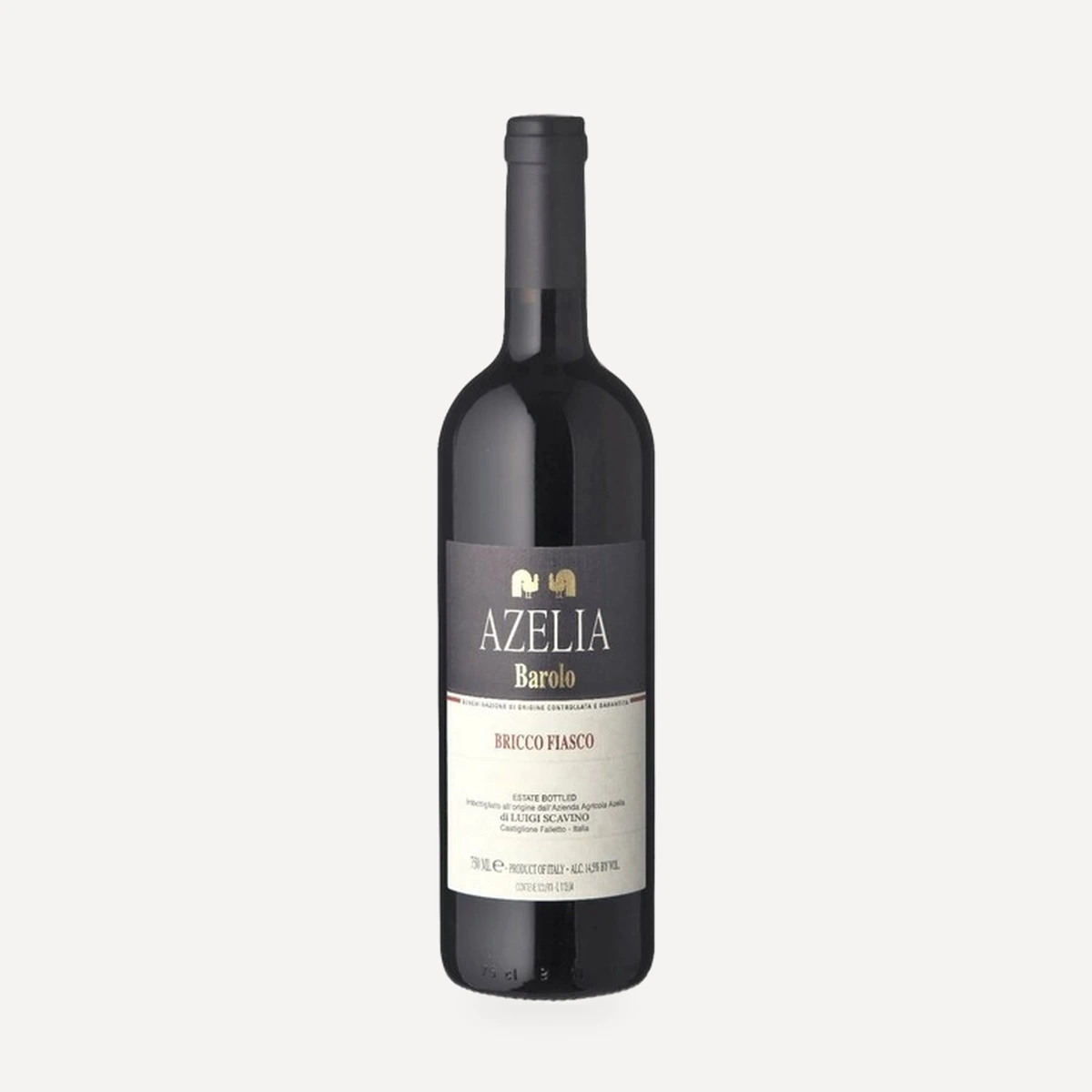
The surviving Bricco Fiasco vines date from Lorenzo’s work in this period. An older family landmark also remains on the summit of that vineyard: a hand-built well attributed to Alfonso, beside a vine more than a century old trained over a pergola.
1978: Bricco Fiasco becomes a separate cru
In 1978, Luigi and his father Lorenzo judged that the position of Bricco Fiasco and the ripeness achieved by its grapes justified separate vinification. They wanted the vineyard to be recognized explicitly on its own bottle and label. Barolo Bricco Fiasco consequently became one of the early Barolos identified with an individual cru.
1992–2004: creating and acquiring Cerretta
Luigi and his father were attracted to the 2.5-hectare Cerretta vineyard in Serralunga d’Alba in 1992. Its owner was unwilling to sell, so the Scavinos rented it despite the risk of losing their investment when the lease ended. The vineyard was in poor condition, and they rebuilt it entirely at their own expense: every vine, post and wire was replaced, the ground was deeply worked, and the necessary drainage was installed.
The new vines came from massal selection using cuttings from the best plants in Bricco Fiasco. Cerretta was the first vineyard Luigi created from scratch according to his own plans. In 2004, after 12 years of renting and substantial financial effort, he succeeded in purchasing it.
Luigi had intended Cerretta to become a separately bottled cru, but initially considered the vines too young. Its fruit instead entered the seven-cru blend used for Barolo Classico. The family waited for nearly 30 years before vinifying Cerretta separately, dedicating the new cru to Azelia’s centenary.
Five generations and the centenary
Luigi Scavino, with experience spanning more than 40 harvests, became the present owner while continuing the practices learned from his father and incorporating suitable modern techniques. He works with his wife Lorella and his son Lorenzo, named after Luigi’s father. The younger Lorenzo represents the fifth generation of the family.
In 2020 Azelia marked 100 years since its foundation and a century of Barolo production. All of its 2016 Barolos received special-edition centenary labels, while Barolo Cerretta was dedicated to the anniversary.
The estate now farms about 16 hectares in Castiglione Falletto, Serralunga d’Alba and Montelupo Albese. It remains family managed, vinifies only grapes from its own vineyards and produces approximately 85,000 bottles annually.
2026: release of the 2016 Riserva
In June 2026 Azelia released Barolo Riserva Bricco Voghera 2016 after ten years in the cellar: five years in large casks followed by five years in bottle. The wine came from the selected upper portion of the 0.85-hectare Bricco Voghera vineyard and vines then averaging 95 years of age.
Terroir
Azelia’s approximately 16 hectares are distributed among Castiglione Falletto, Serralunga d’Alba and Montelupo Albese, across elevations ranging from about 235 to 600 metres.
Castiglione Falletto
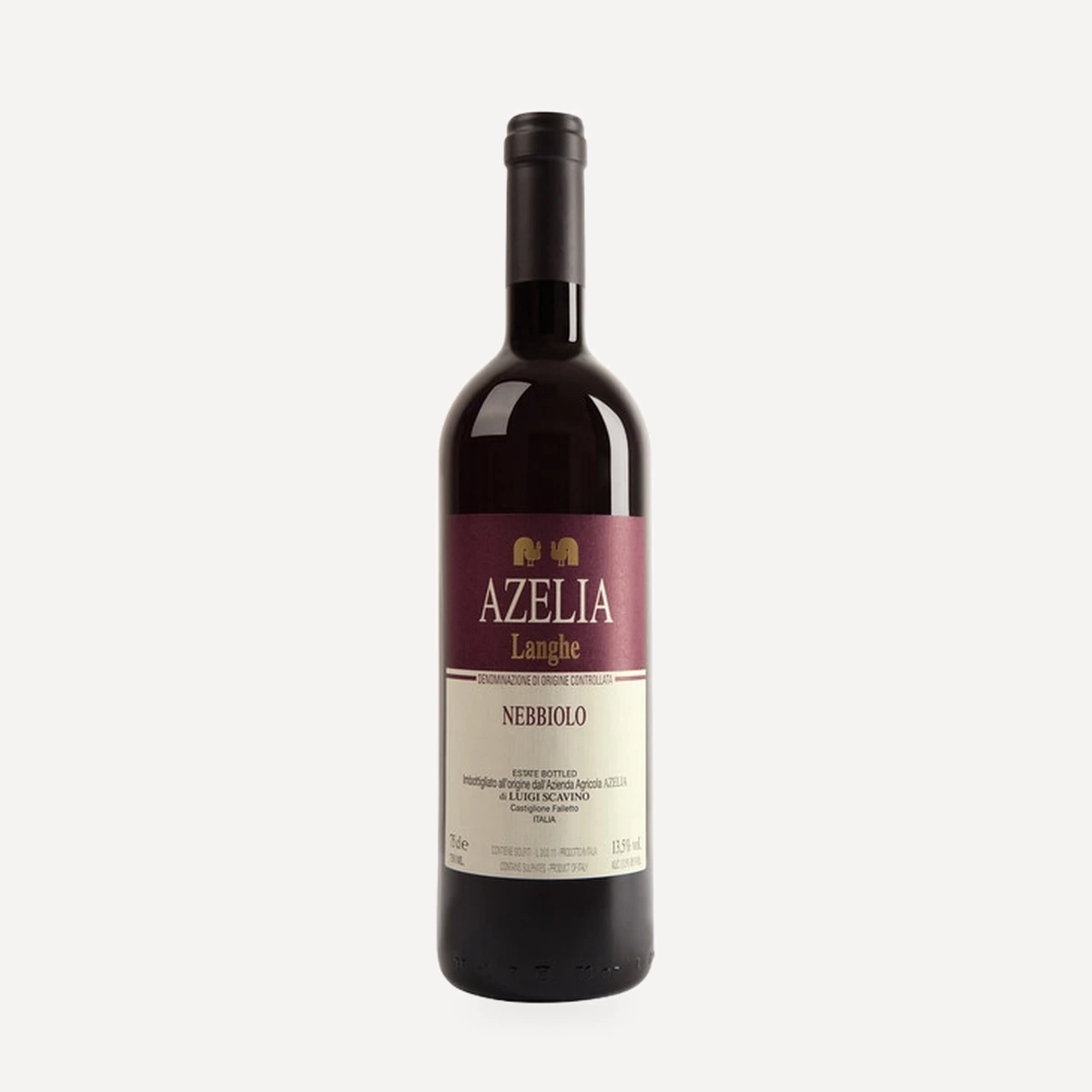
The Castiglione Falletto sites feature comparatively white, calcareous soils, sometimes with clay. Within the seven-cru Barolo Classico blend, fruit from these soils contributes elegance and aromatic complexity. The historic Bricco Fiasco occupies a very steep, rounded, south-facing hill at 285 metres, with white calcareous soil. Punta lies on a hilltop at 250 metres on calcareous-clayey soil. The younger Nebbiolo sites shared between Castiglione Falletto and Serralunga d’Alba include white calcareous ground and south-easterly to south-westerly aspects.
Serralunga d’Alba
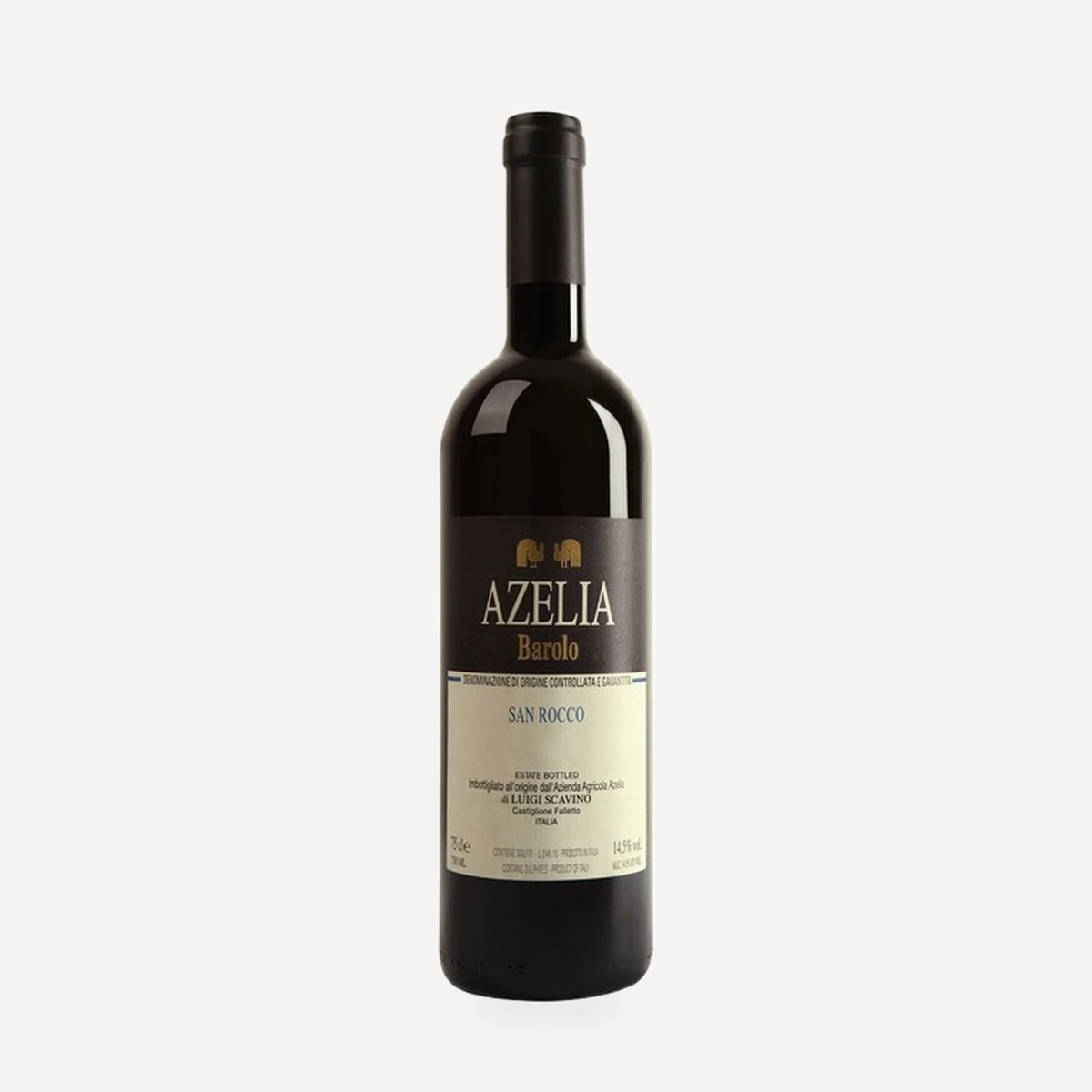
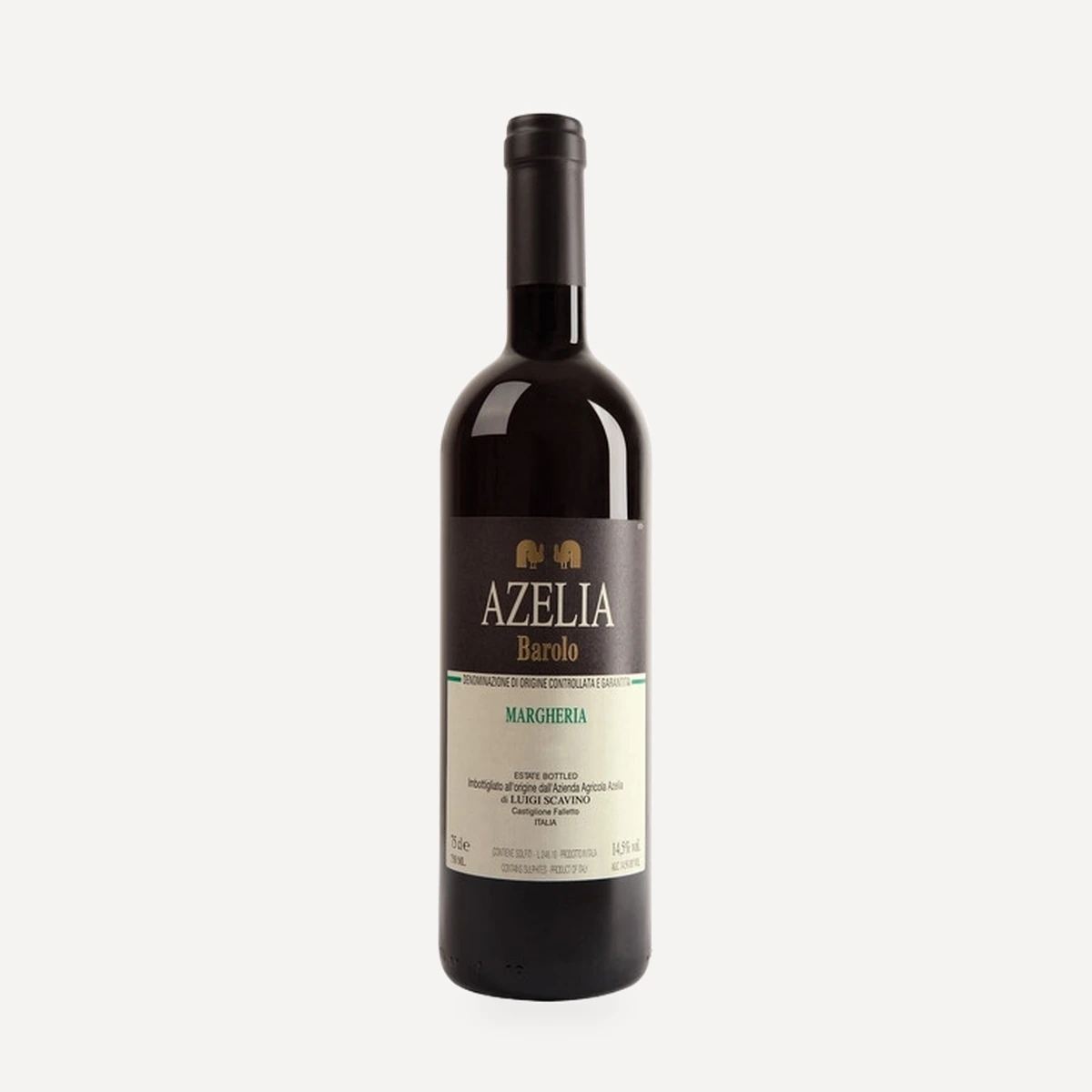
The Serralunga d’Alba vineyards are characterized by a stronger clay component. In the estate’s interpretation, these soils contribute body, structure and character. Bricco Voghera and Cerretta have clayey-calcareous soils and steep, warm exposures. Bricco Voghera reaches 360 metres and receives abundant summer light and heat. Cerretta, at 355 metres, faces south and southwest. San Rocco occupies a south-facing hill at 320 metres on clayey-calcareous soil. Margheria extends from 250 to 360 metres beneath the town’s castle; its clay soils contain tufaceous marls associated with depth, power, minerality and sapidity.
Montelupo Albese
Bricco dell’Oriolo stands at 600 metres, outside the Barolo production area. Its full southern exposure allows Dolcetto to ripen in a position that would commonly be reserved for Nebbiolo within the Barolo zone. The soil is calcareous with a sandy component, which reinforces floral and fruit expression. Deep-rooted old vines support ripening in difficult vintages.
The estate’s steep hills make erosion and rainwater runoff material concerns. Permanent native vegetation is maintained to limit soil loss and reduce the danger of ground movement while sustaining soil organic matter and biological activity.
Winemaking
Most vineyard operations are performed manually. Azelia retains each vine until its natural death rather than replacing low-yielding old plants. The older vines have deeper roots, produce fewer bunches and yield smaller, more concentrated, fully ripe berries.
At least two green harvests are performed in every vineyard each year. Over roughly 40 days in midsummer, the team examines every bunch individually and removes excess fruit. The aim is to reduce yields further and improve uniformity, concentration and phenolic ripeness. Green harvesting continues even in Bricco Voghera, where the advanced age of the vines already limits production.
More than 75% of the vineyards are planted to Nebbiolo; Dolcetto and Barbera together occupy about 5 hectares.
Azelia has maintained native permanent cover crops for more than 50 years. The spontaneous vegetation competes naturally with the vines, limits erosion and rainwater runoff on the steep hills, and supports ecosystem vitality. Grass is periodically cut and left in place, supplying organic matter and fostering the bacterial microflora below the surface. Vegetation directly beneath the rows is cut by hand.
Phytosanitary treatments are kept to a minimum. Only natural copper and sulfur are applied, and only when strictly necessary. Chemical pesticides are excluded; natural pheromones are used to interrupt the mating cycle of harmful insects. Chemical herbicides and chemical fertilizers are also excluded. Fertility inputs consist solely of natural organic bovine manure, spread by hand only in the poorest parts of each vineyard.
Harvesting is entirely manual. Unsuitable berries are removed in the vineyard and left on the ground. Selected bunches are transported in aerated crates holding 18–19 kg, protecting the skins from crushing and helping prevent oxidation before the grapes reach the cellar. A second manual selection takes place on a sorting table after delivery.
Estate fruit and reception
Azelia vinifies only grapes grown in its own vineyards. All grapes are harvested by hand, with unsuitable berries removed in the vineyard. The selected bunches travel to the winery in small, aerated 18–19 kg crates to prevent skin damage, crushing and oxidation. Once received intact, they pass through a manual sorting table so that only the selected berries proceed to vinification. Bunches are then destemmed and partially crushed with an emphasis on gentle handling.
Fermentation and extraction
Alcoholic fermentation begins spontaneously through natural indigenous yeasts, without added enzymes or other winemaking products, in temperature-controlled stainless-steel tanks.
Dolcetto d’Alba, Langhe Nebbiolo and Barbera d’Alba are vinified in rotofermenters. Barolo and its crus ferment in classic vertical stainless-steel tanks. For Barolo, Azelia follows the inherited submerged-cap method: after alcoholic fermentation, the skins are held beneath the wine so that contact can continue for approximately 55–60 days, depending on the vintage. Because the cap is not mechanically worked during this stage, phenolic extraction proceeds slowly, softly and naturally. Sound grapes at harvest are essential for such prolonged skin contact.
Maturation
Dolcetto d’Alba and Langhe Nebbiolo mature exclusively in stainless steel to retain freshness and aromatic character. Barbera d’Alba rests in used wooden barrels for approximately 18 months. Barolo matures for two to three years in 25–50 hl oak casks made from Slavonian, French and Austrian oak.
The exceptional-vintage Bricco Voghera Riserva follows a longer cellar regime. The 2016 release spent five years in large casks and five years in bottle, reaching the market after ten years.
Stabilization and bottling
None of the wines is filtered or fined. Stabilization takes place naturally through gravity. Bottling is performed with a modern GAI monobloc line using inert argon gas to prevent contact between wine and air throughout the bottling process.
Philosophy
Azelia places grape quality and vineyard work at the center of wine production. Its aim in the cellar is to preserve and express what the vines have produced, allowing the work performed in the vineyards to remain recognizable in the bottle.
Family management is treated as essential to maintaining precision throughout production. Luigi continues practices learned from his father while combining them with suitable modern techniques. Tradition therefore governs such choices as long submerged-cap maceration and large-cask maturation, while temperature-controlled tanks, a sorting table and argon-protected bottling provide technical control where the family considers it useful.
The declared stylistic goals are typicity, clarity, tradition, drinkability and balance. The estate also prioritizes old vines, low yields and the individual character of its sites: vines remain in place until they die naturally, yields are reduced through repeated green harvesting, and selected vineyards are bottled separately only when the family considers their vines and fruit sufficiently mature.
Respect for the land is expressed through more than 50 years of native cover cropping, the exclusion of chemical herbicides, pesticides and fertilizers, restrained use of copper and sulfur, natural insect-control pheromones and localized applications of organic bovine manure.
Wines
Barolo Bricco Fiasco
Barolo San Rocco
Barolo Margheria
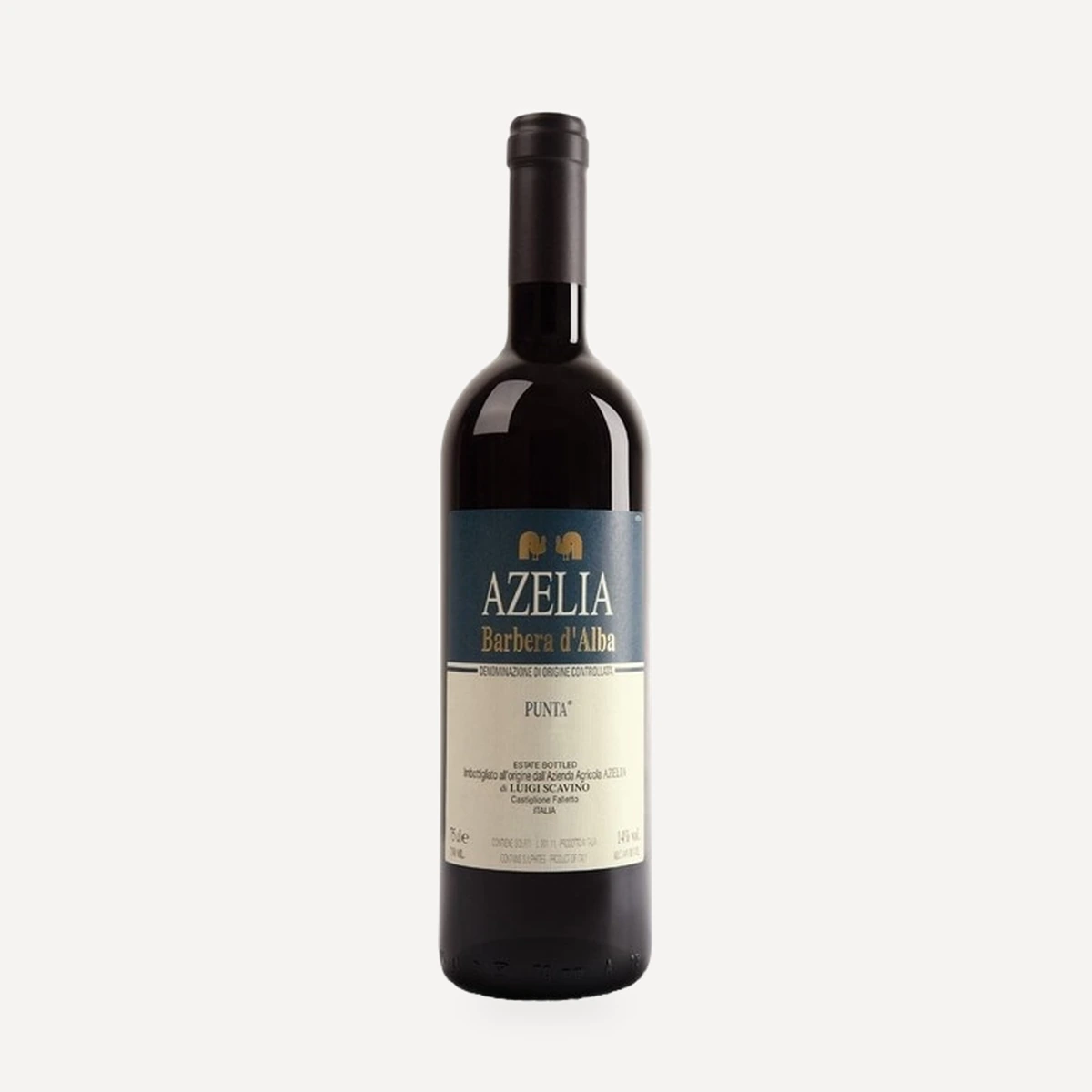
Barbera d'Alba Denominazione di origine controllata Punta®
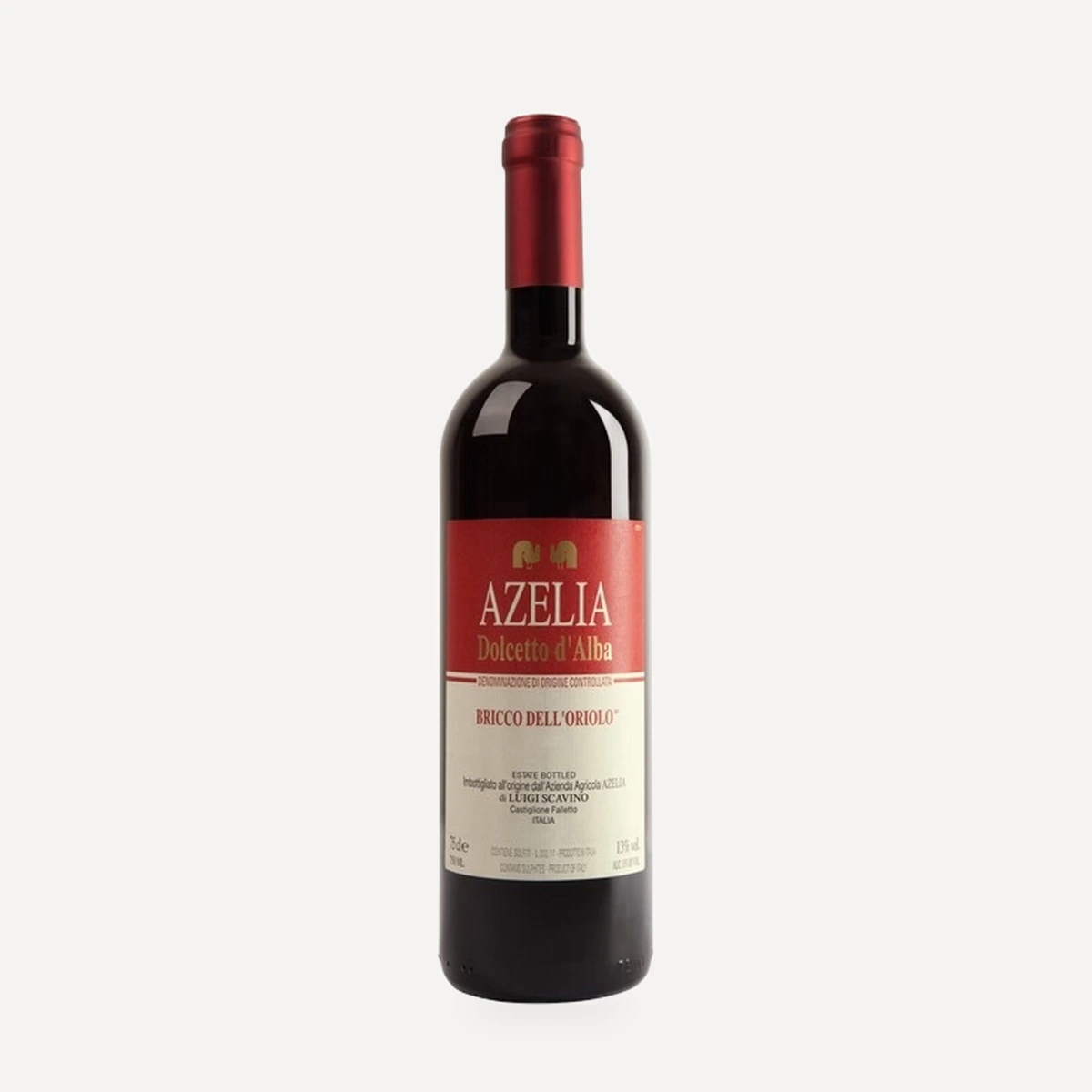
Dolcetto d'Alba Denominazione di origine controllata Bricco dell'Oriolo®
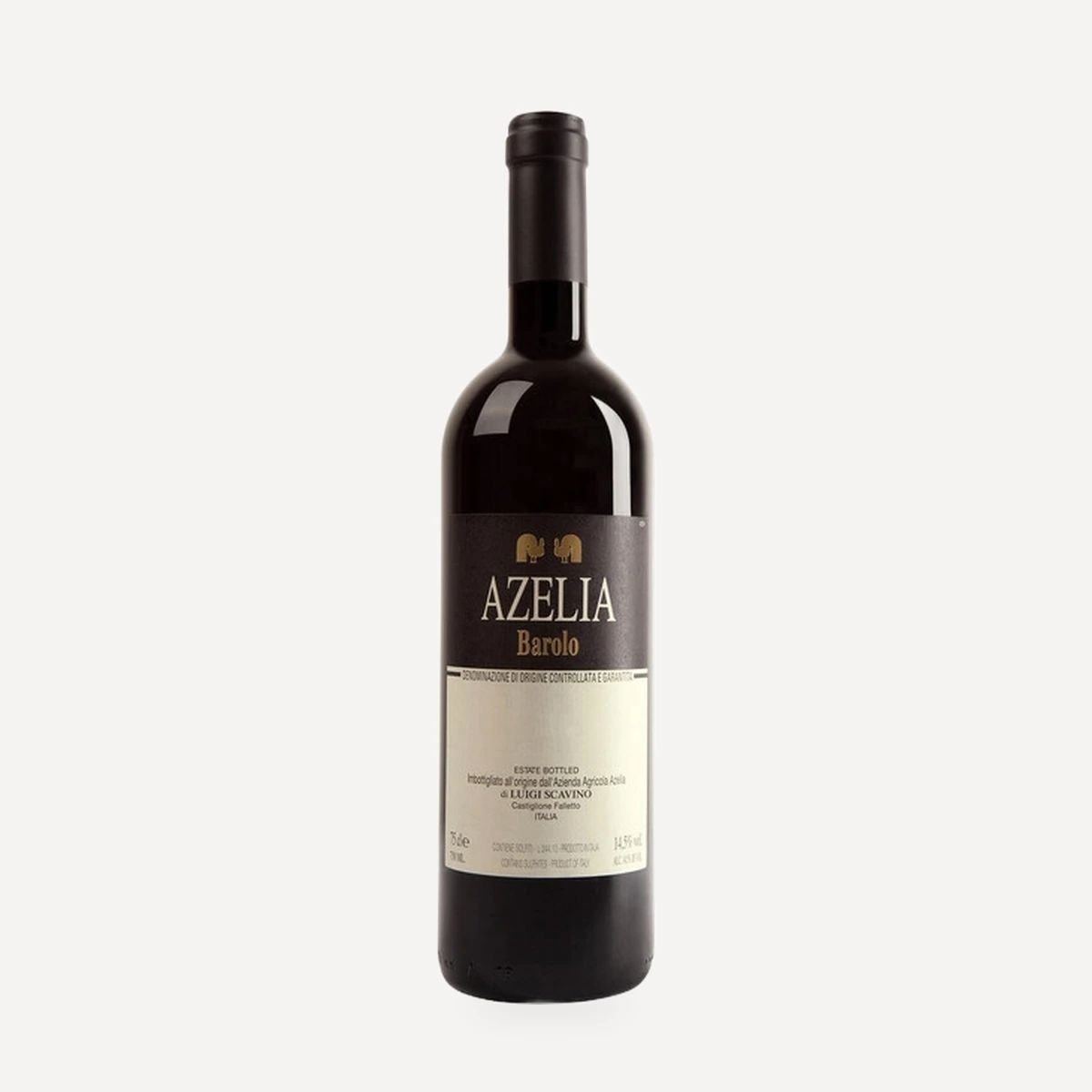
Barolo
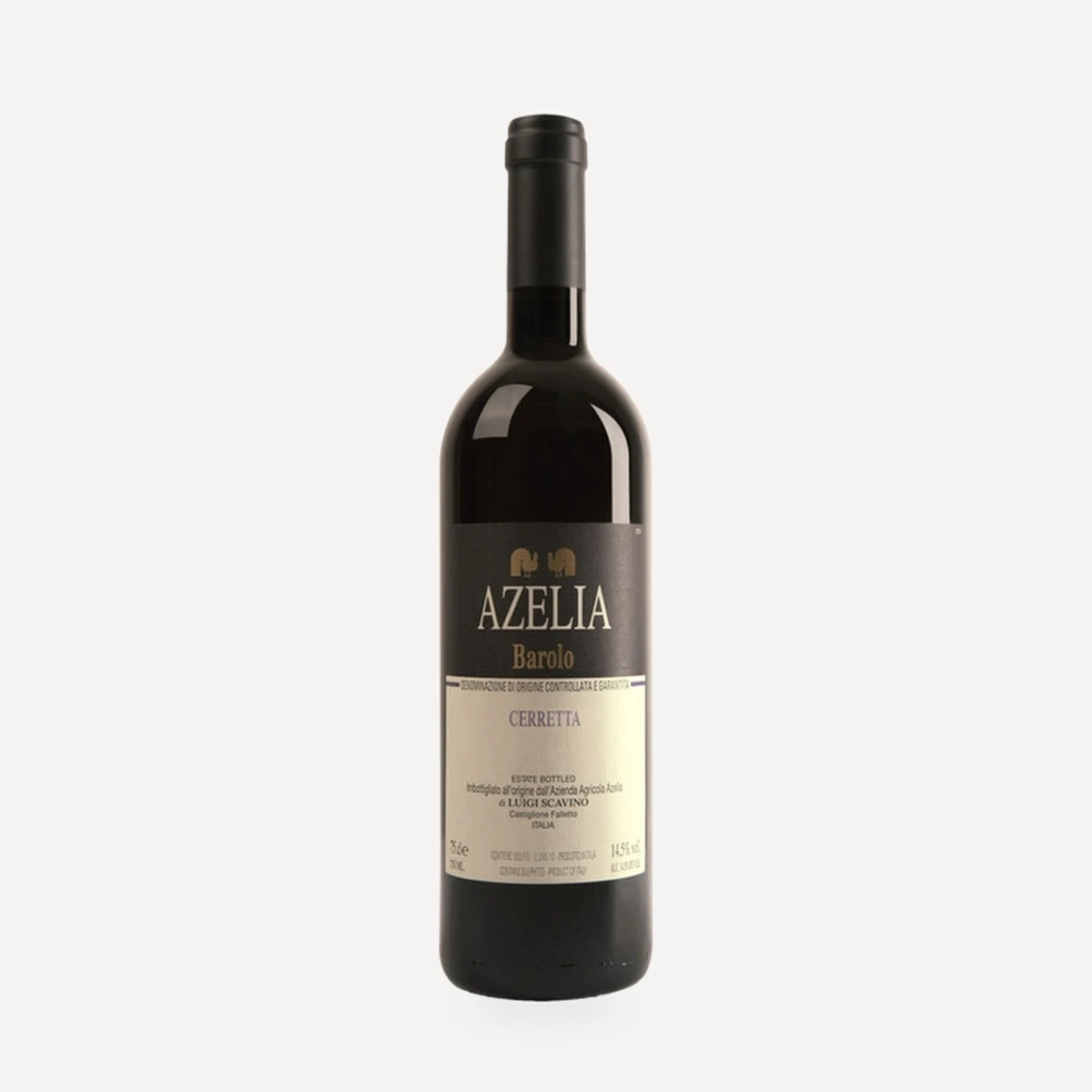
Barolo Cerretta