History
Medieval origins and ecclesiastical ownership
Medieval records identify the estate as San Marco de Corticellis, a Lombard agricultural court in land considered particularly suitable for vines and olives. From the 13th through the 19th century, the property belonged to the Bishop of Spoleto. Its present boundaries remain close to those recorded in a 13th-century document preserved in the episcopal archive.
Acquisition and transformation
In 1883, Francesco Antonelli, a lawyer from Spoleto, acquired San Marco. He and his farm managers began a radical transformation of the property, modernising its crops and establishing specialised vineyards. A report written in 1899 recorded vineyards planted at 5,000 vines per hectare, praised the character of the red wines and described substantial improvements in the health and domestic living conditions of the tenant farmers. Better welfare was understood as a means of making their work more effective and strengthening their attachment to the estate.
Francesco was followed by Stefano Antonelli and Marianna Antonelli, who preserved the property. Giacomo Antonelli and Antonio Antonelli subsequently enlarged it and directed it more decisively toward viticulture. This change coincided with the end of sharecropping and the closure of barns formerly used for Chianina cattle.
Estate bottling and the modern Sagrantino era
Very limited estate-labelled Montefalco Rosso and Sagrantino Passito appeared in the late 1960s. At the end of the 1970s, only about 20 hectares of Sagrantino remained across Montefalco, many of them at San Marco. Interest revived during the 1980s, while the denomination expanded rapidly after DOCG recognition in 1992.
Antonelli began estate bottling and commercial wine production in 1979. The first dry Sagrantino label followed in 1981. The family retained bottles from the earliest dry Sagrantino vintages—only two bottles from 1981, larger holdings from 1985 onward and more substantial reserves from 2000 onward—creating a record of the variety’s evolution at the estate.
Filippo Antonelli and technical development
Filippo Antonelli graduated in Agricultural Sciences from the University of Perugia in 1984 and assumed management in 1986, becoming the fifth generation associated with the property. He was the first in the family’s line of lawyers to choose farming as his profession. His work combined the development of Sagrantino with leadership in the wider denomination; he served two terms as president of the Consorzio Tutela Vini Montefalco between 1996 and 2006, later returned for a third presidency and remained in that role until 2022.
Until 2001, fermentation took place in concrete vats without temperature control. A new underground winery was completed in 2002 beneath the historic villa. Its two-level fermentation room was designed to move must and wine by gravity, while the underground barrel and bottle-ageing rooms provide naturally stable temperatures. Later expansion added further underground wood- and bottle-ageing areas. A new barrel-cellar wing, connected to the older building by an underground tunnel, improved the production flow and created a ground-floor hospitality area with a glazed tasting room overlooking the hills.
Organic conversion and vineyard differentiation
The estate completed its conversion to organic management in 2009 after abandoning chemical fertilisers and synthetic pesticides. Following the required three-year conversion, the 2012 harvest became the first officially certified organic vintage. The wines from that harvest were certified as organic wines under Regulation (EC) No 203/2012, rather than merely as wines made from organic grapes.
Internal vineyard zoning was subsequently introduced to define the characteristics of individual parcels. Separate work on Sagrantino led to the Chiusa di Pannone and Molino dell’Attone crus, while the rediscovery of Trebbiano Spoletino produced barrel-aged, amphora-macerated and traditional-method interpretations. Vigna Tonda revived the circular vineyard form depicted on an estate map dating from 1902.
The estate today
Antonelli San Marco now occupies 190 contiguous hectares in the Montefalco DOCG area, including about 60 hectares of vineyards, 13 hectares of olive groves and a 40-hectare private woodland. Its agricultural activities also include grain and legumes, organic olive oil and free-range pigs. The property remains under Antonelli family ownership and Filippo Antonelli’s management.
Terroir
Antonelli San Marco forms a single 190-hectare holding in the centre of the Montefalco DOCG area. Vineyards occupy the upper parts of the hilly slopes at an average altitude of 350 m above sea level, while valley floors are reserved for arable crops. The vineyard and olive-growing hills are enclosed by woodland, including a 40-hectare private wood.
The soils are clay-rich and calcareous but vary in geological origin. Some sectors have deep profiles; others contain abundant stones or fossils. These differences underpin the estate’s programme of internal zoning and its separation of individual vineyard expressions. Most vineyard slopes face south or west, although the Molino dell’Attone parcel faces east and receives principally morning sunlight.
The surrounding woods and varied elevations create the estate’s vineyard and olive-grove microclimates. The site descriptions emphasise exposure, soil conformation and vintage conditions as the principal differentiating factors among the parcels. Chiusa di Pannone occupies a south-facing slope at 400 m, Molino dell’Attone an east-facing slope at 400 m, and Vigna Tonda a west-facing hill at 350 m.
Winemaking
All grapes come from the estate’s own organically managed vineyards. Conversion was completed in 2009, and the three-year transition culminated in official certification with the 2012 harvest. The estate does not use chemical fertilisers or synthetic pesticides.
Organic management treats each vineyard as a living ecosystem whose soil, plants, microorganisms and animals must remain in equilibrium. Work is directed toward improving soil vitality, encouraging the vines to regulate themselves and reducing external inputs. Organic fertilisers feed the vines while also adding humus and microorganisms to the soil. Restricting plant-protection treatments is intended to support a more active agroecosystem and strengthen the vines’ natural defences.
The reduced range of disease-control products requires close observation throughout every vegetative stage. Interventions are targeted and include manual work. In difficult seasons—such as the high mildew pressure of 2018—organic disease control required particularly intensive vineyard attention.
An internal zoning programme studies the character of individual parcels and the effects of exposure and soil conformation. Its objective is to bring each vineyard to an expressive maturity in which Trebbiano Spoletino, Grechetto, Sagrantino and the sites used for Montefalco Rosso can show their individual characteristics.
Harvesting is exclusively manual. Greater emphasis is placed on tasting grapes and choosing the correct picking date through phenolic maturity; earlier practice relied less on grape tasting and accumulated experience. Sagrantino and Trebbiano Spoletino are late-ripening varieties, commonly collected in October, while Sangiovese generally begins the harvest toward the end of September.
The cellar stands beneath the historic manor house at the centre of the estate. Its underground construction limits visual and environmental impact and provides nearly constant temperatures in the barrel cellar and bottle-ageing rooms. The fermentation room is arranged on two levels, with additional underground spaces for wood and bottle maturation.
Only estate-grown organic grapes are vinified. The fruit is harvested by hand, allowing its condition to be checked before processing. A small destemmer-crusher is positioned directly above each fermentation vessel. Pressure is adjusted to detach the berries without damaging the seeds, after which must enters the fermenters by gravity. Wine is also racked and pomace discharged by gravity rather than pumps. Preserving skin integrity is considered particularly important for the thick-skinned, polyphenol- and tannin-rich Sagrantino grape.
The production style favours controlled fermentation, delicate extraction and restrained oak influence. Organic vinification is not treated as an unattended process: every stage is monitored closely because reduced use of synthetic products and commercial processing aids can increase exposure to undesirable natural phenomena. Commercial adjuvants have historically been kept to a minimum.
Until 2001, fermentation took place in concrete vats without temperature control. The gravity-flow winery introduced in 2002 changed the equipment while retaining the estate’s stylistic direction. For Sagrantino, extended skin macerations are used when vintage conditions permit; individual estate bottlings document macerations of approximately three to four weeks and, for Molino dell’Attone, 40 days. Naturally occurring indigenous yeasts and spontaneous clarification without filtration have also been used for Sagrantino.
Oak vessels are deliberately large. The smallest are 500-L French-oak tonneaux, complemented by predominantly Austrian-made casks of 25, 29 and 45 hl. The estate has progressively favoured 25-hl casks over barriques, which are considered too marked in their influence. Concrete, including glass-lined cement vats, is used for settling and clarification. Amphorae of ceramic, terracotta and cement support the long-maceration Trebbiano Spoletino work associated with Vigna Tonda; that wine ferments spontaneously without temperature control and remains in ceramic and cement vessels after racking.
The overarching objective is typicity, balance, drinkability and elegance rather than power. The wines, especially Sagrantino, are intended to benefit from extended bottle ageing and long-term evolution.
Philosophy
Antonelli San Marco defines organic farming as a form of respect for the environment, the San Marco territory, the grape variety, the finished wine and the consumer. Certification is part of a broader pursuit of total quality that encompasses product integrity, ecological responsibility and a more precise expression of place.
The vineyard is conceived as a self-regulating ecosystem. Organic management is intended not to homogenise the estate but to make differences among parcels clearer. Internal zoning, indigenous varieties and reduced external inputs are therefore linked parts of the same approach to terroir.
In the cellar, organic production does not mean leaving wine to develop without supervision. Rigorous monitoring is considered necessary to avoid faults that could obscure the identities of grape and site. The stylistic preference is traditional and restrained: delicate extraction, moderate use of wood and an emphasis on typicity, balance, drinkability and elegance rather than sheer power. Long bottle maturation is accepted as part of the development of Sagrantino and other ageworthy wines.
Sustainability extends beyond vineyards and cellar. Solar panels are used to generate as much estate energy as possible, agricultural waste is reused in organic fertilisers, and organic by-products help feed free-range pigs in the private wood. Cereals, legumes, olives, vines, woodland and animal husbandry are treated as parts of a diversified farm rather than isolated activities.
Wines
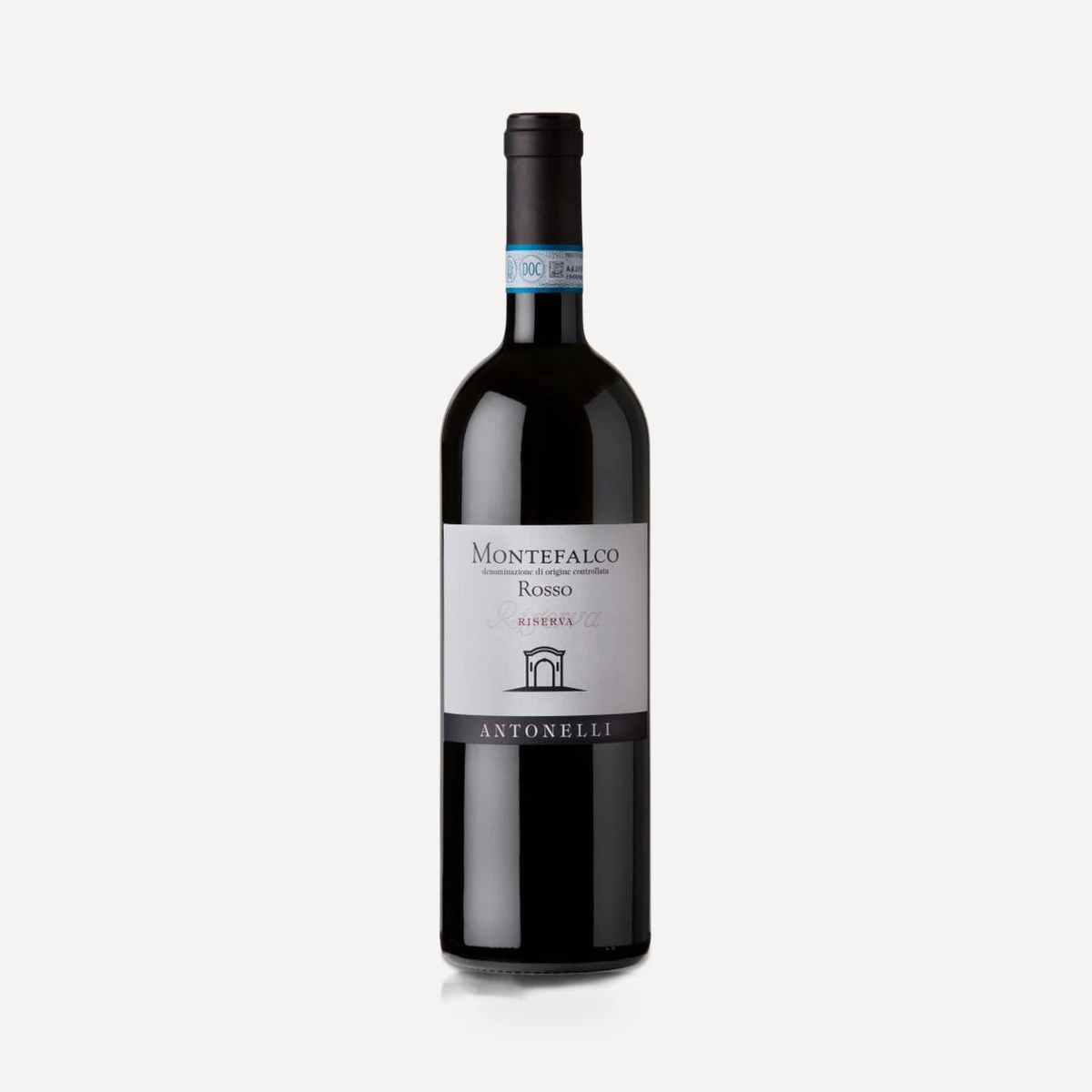
Montefalco Rosso Riserva DOC
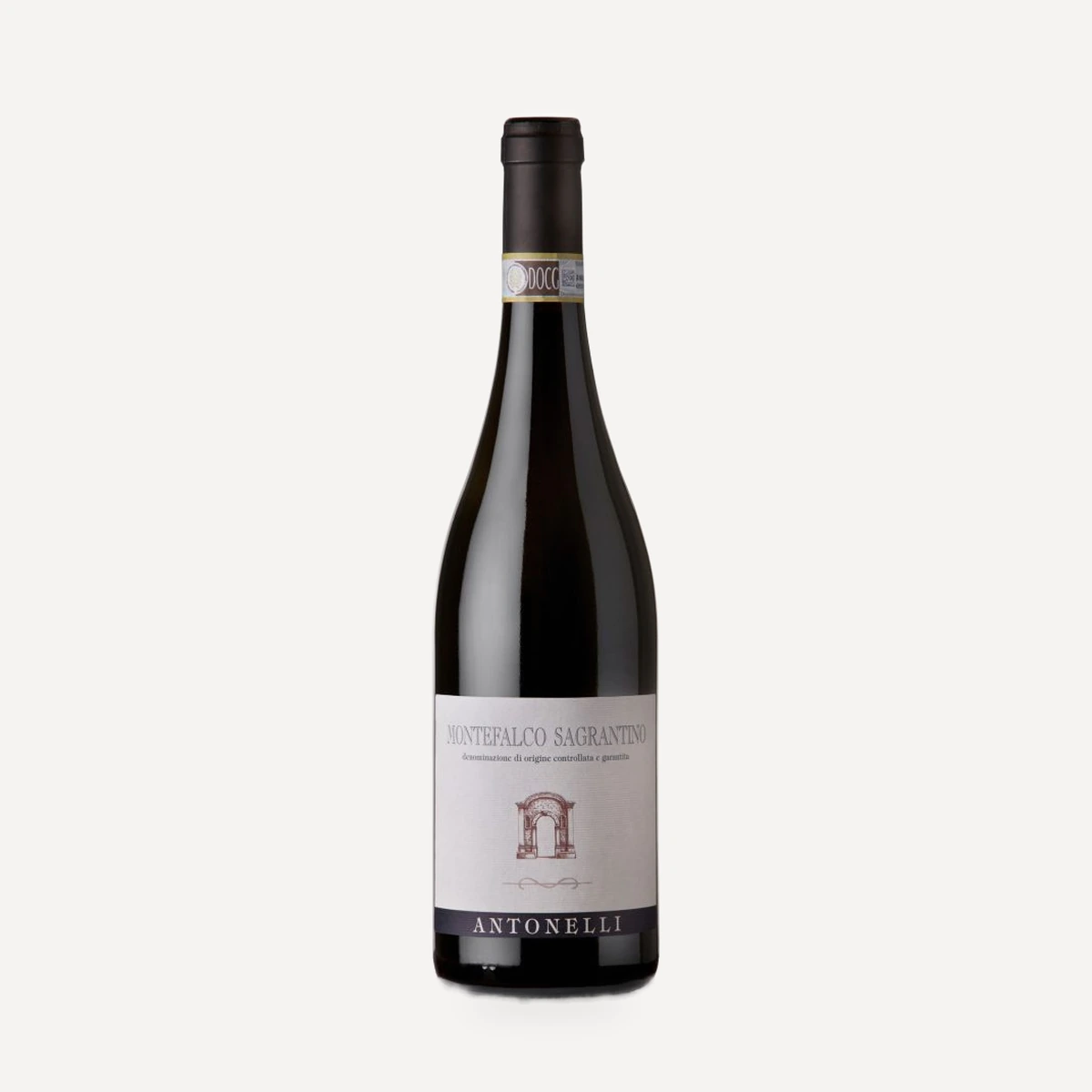
Montefalco Sagrantino DOCG
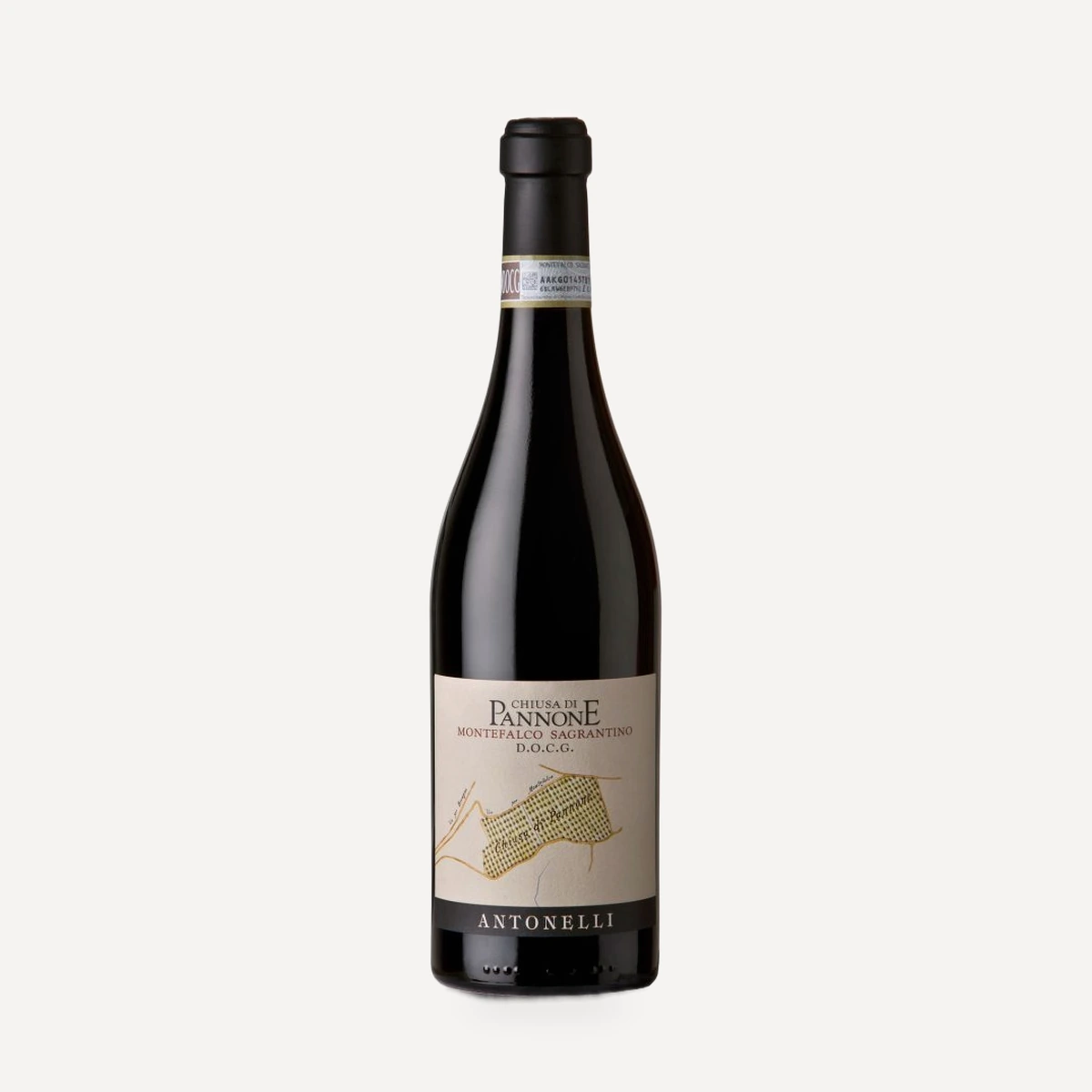
Chiusa di Pannone Montefalco Sagrantino DOCG
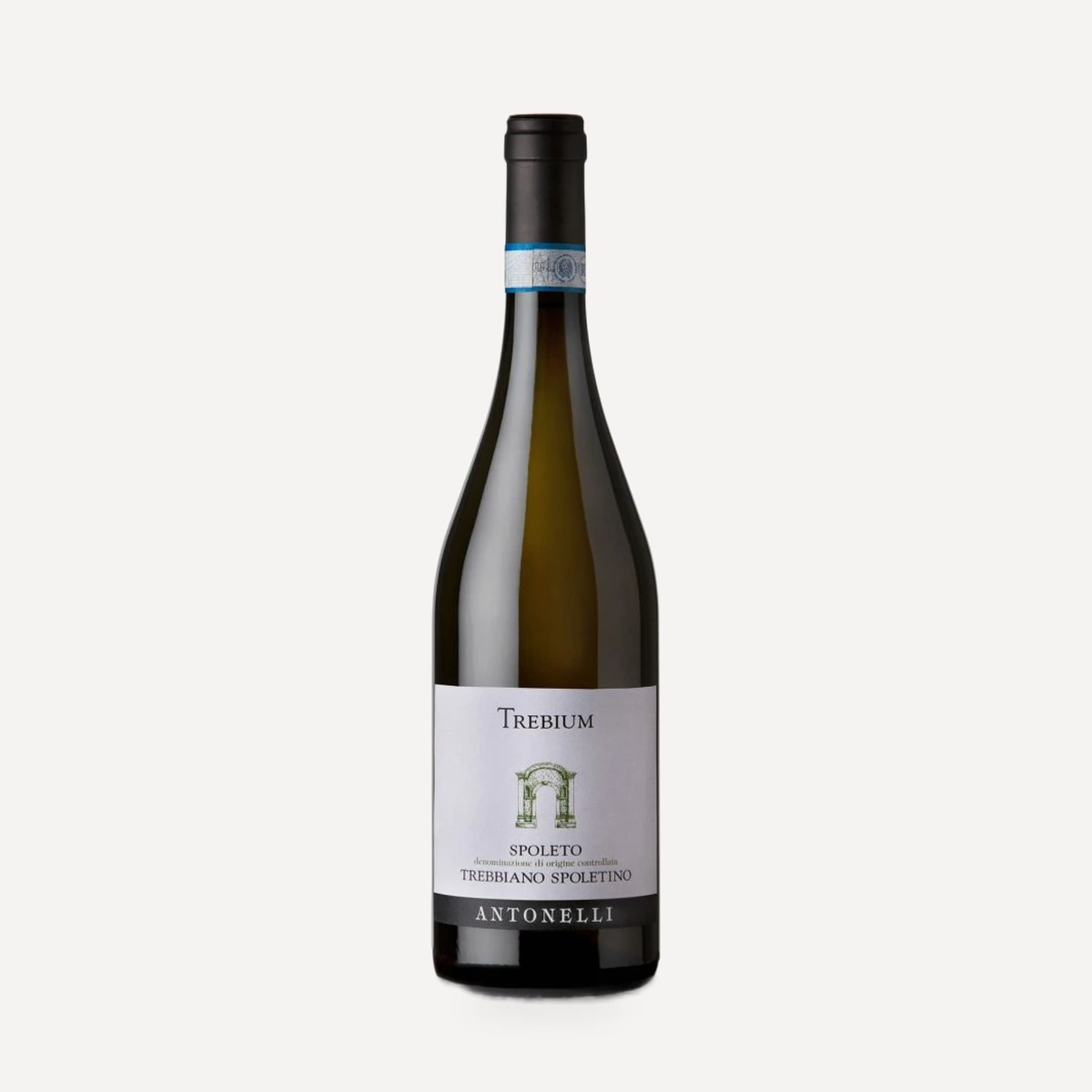
Trebium Trebbiano Spoletino Spoleto DOC
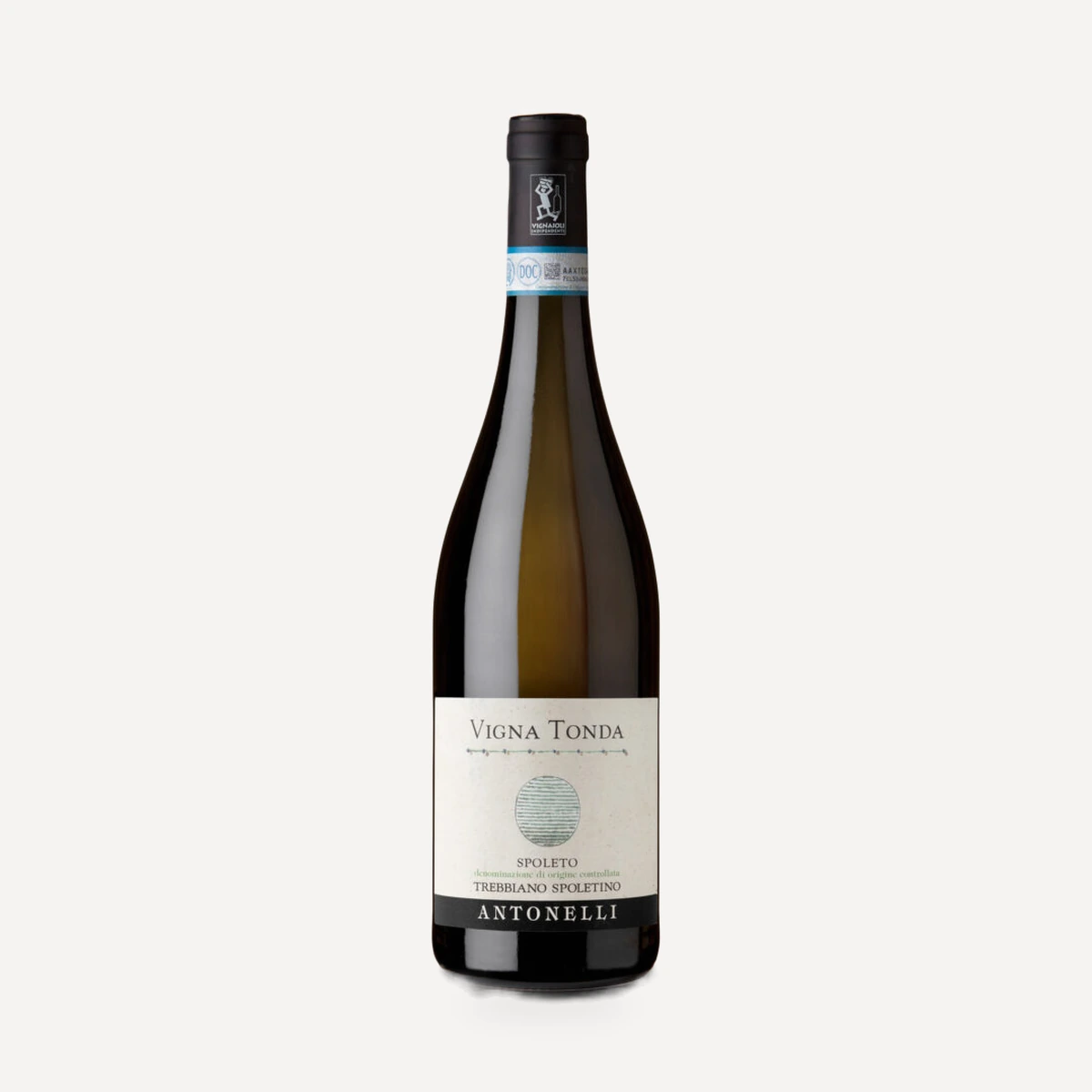
Vigna Tonda Trebbiano Spoletino DOC
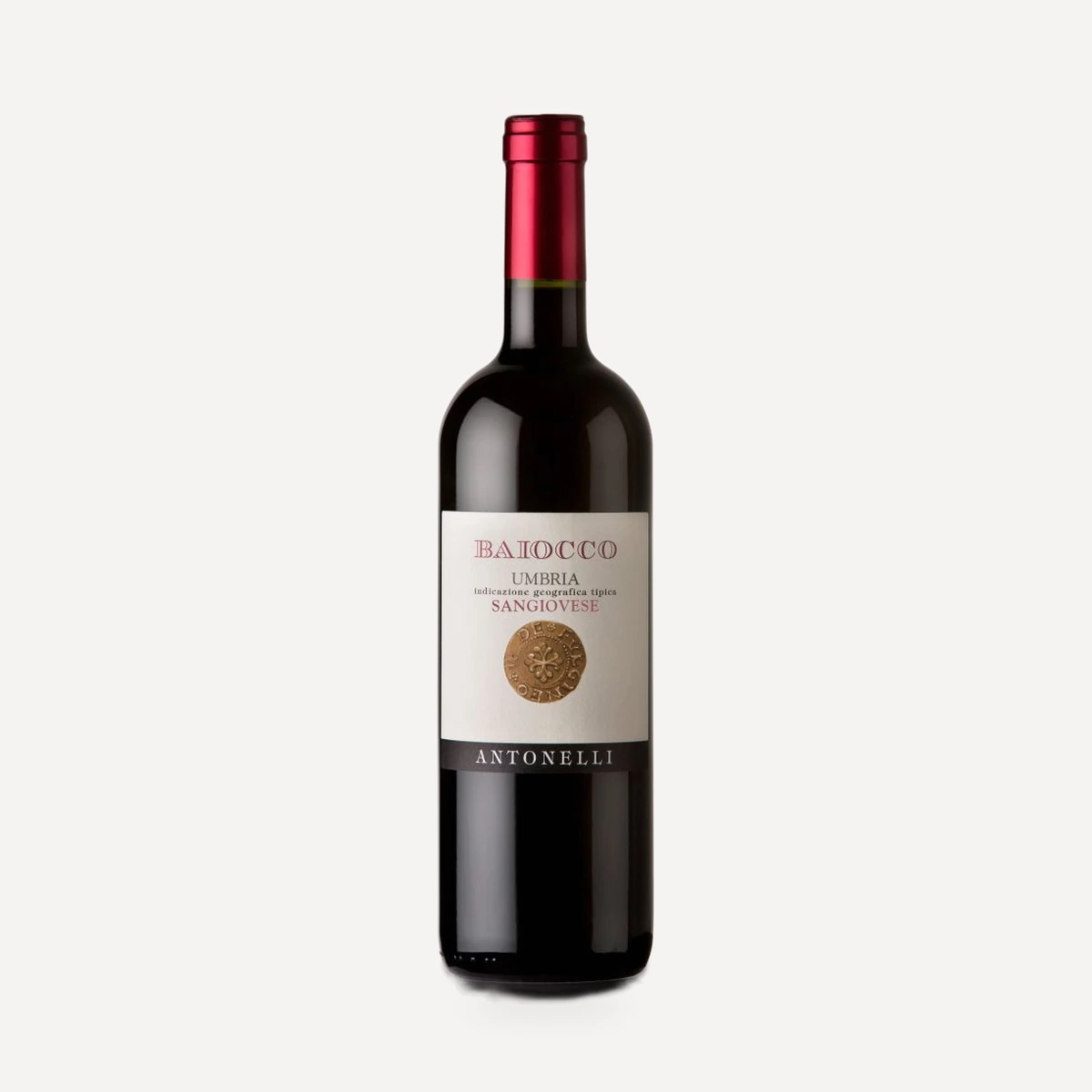
Baiocco Sangiovese Umbria IGT
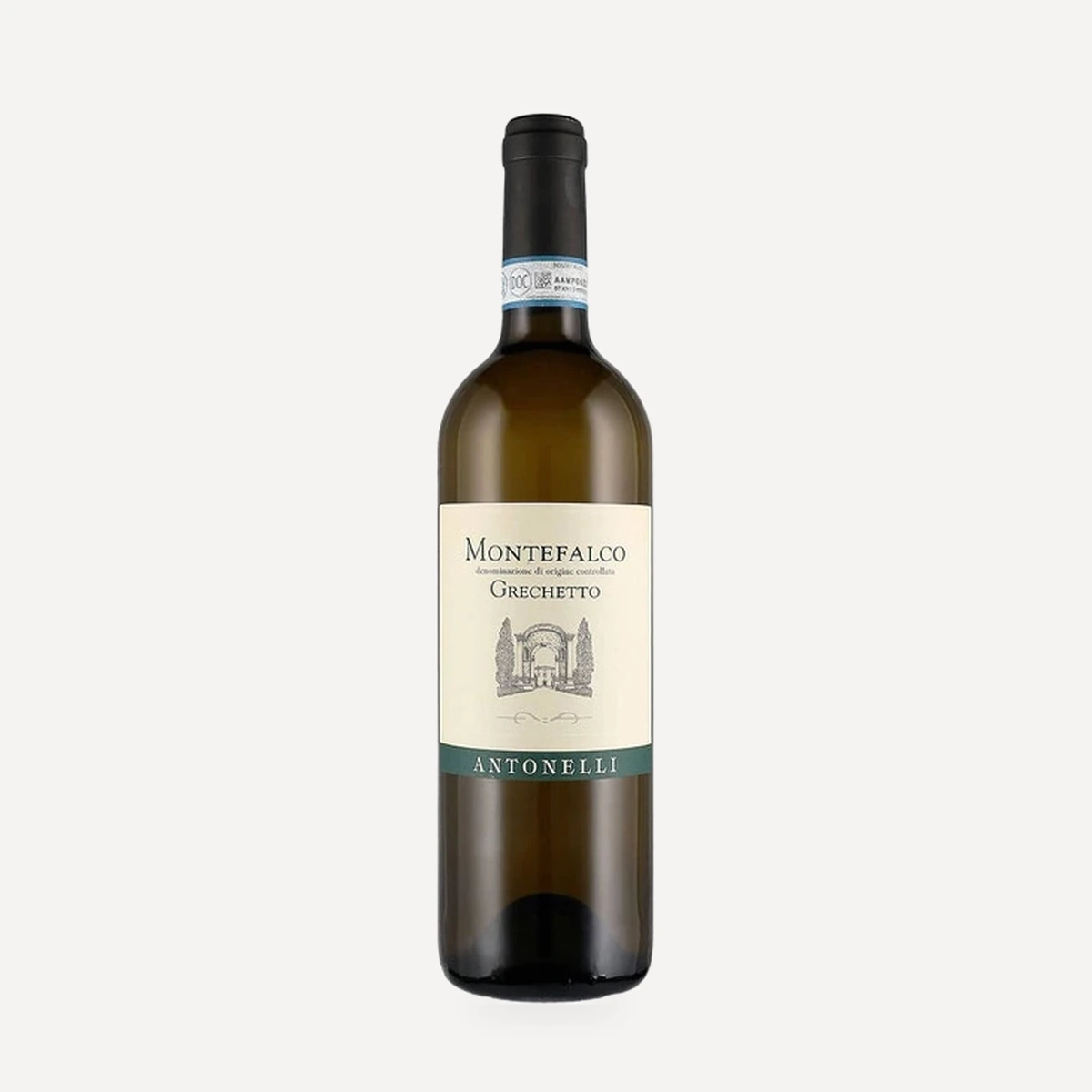
Montefalco Grechetto DOC
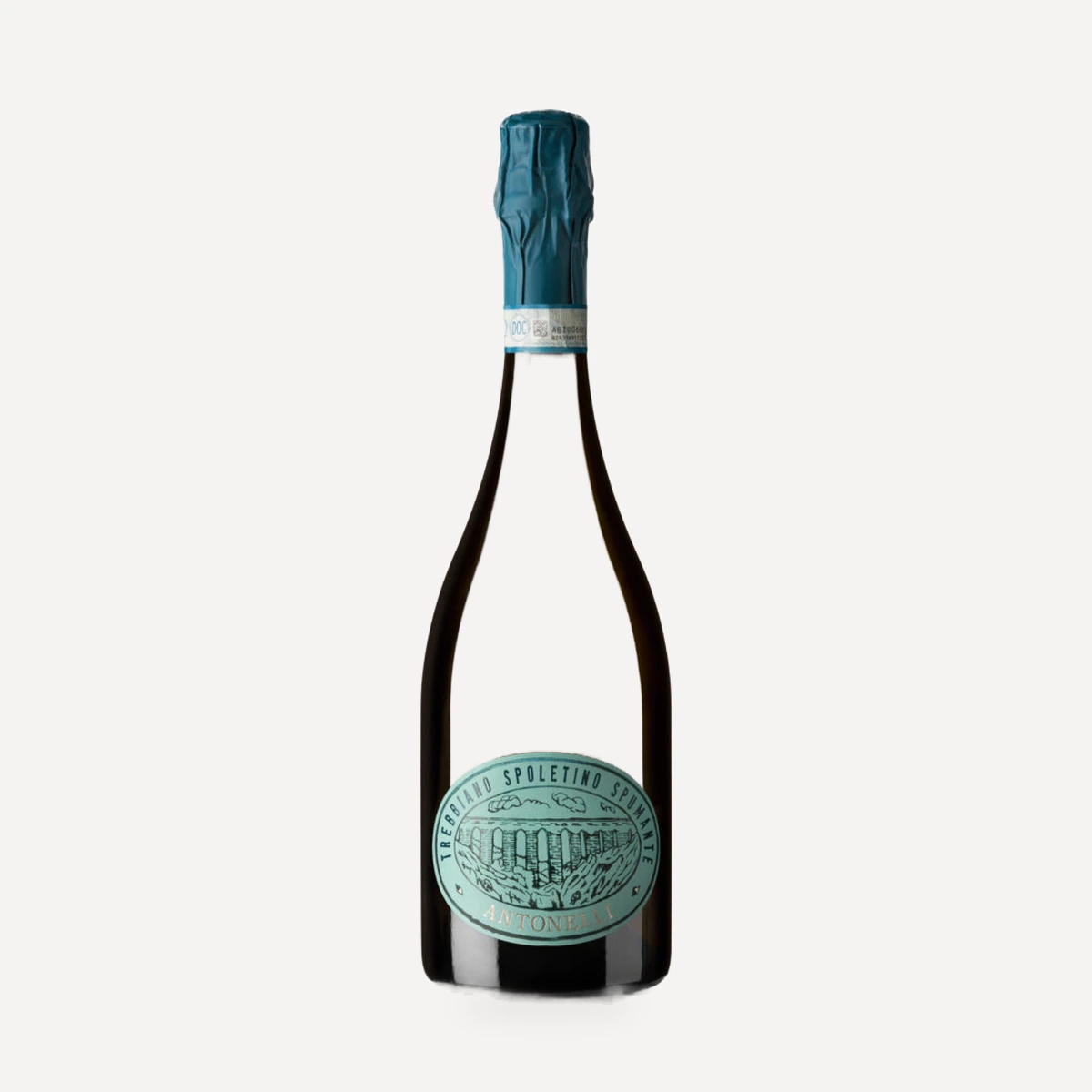
Trebbiano Spoletino Spumante Spoleto Metodo Classico DOC
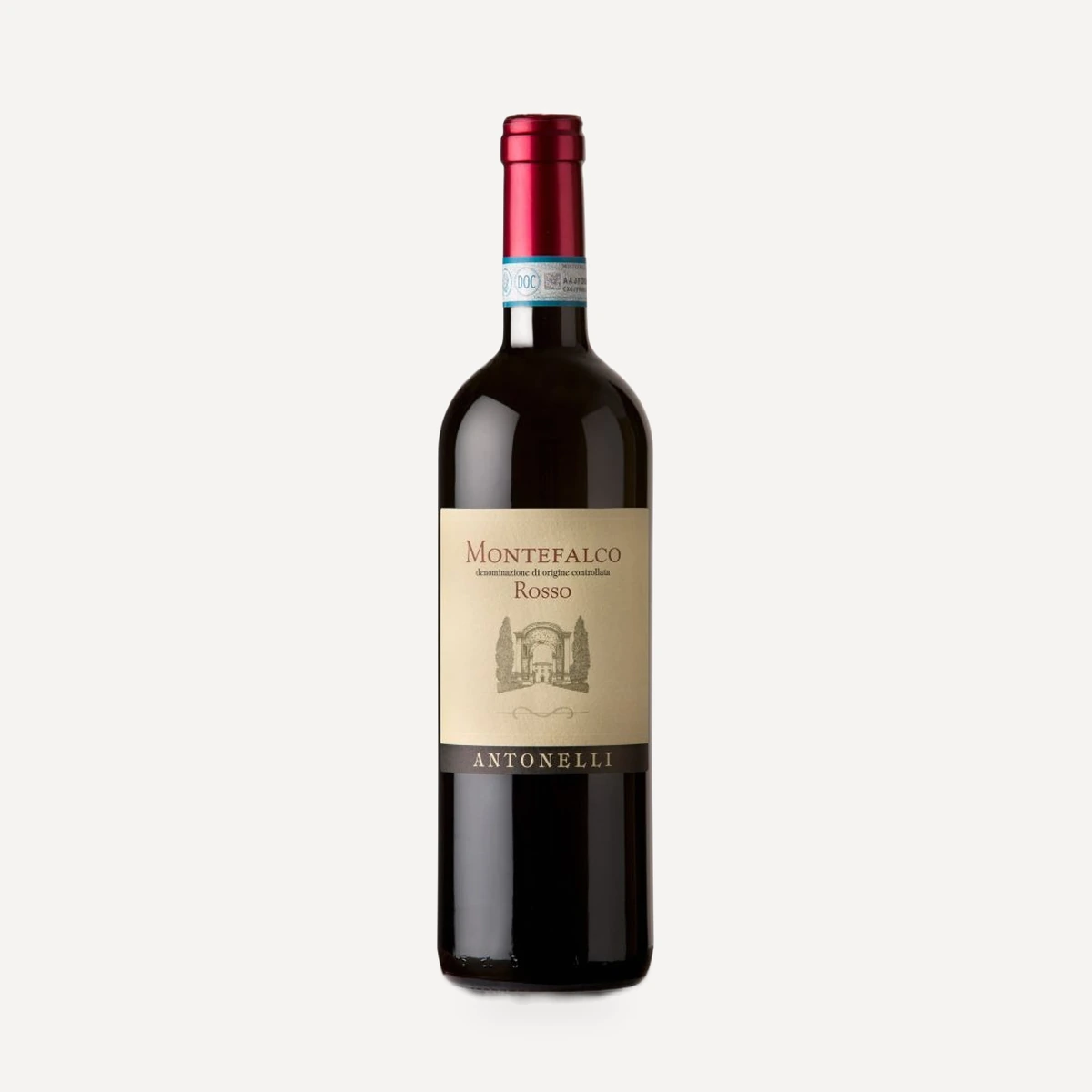
Montefalco Rosso DOC
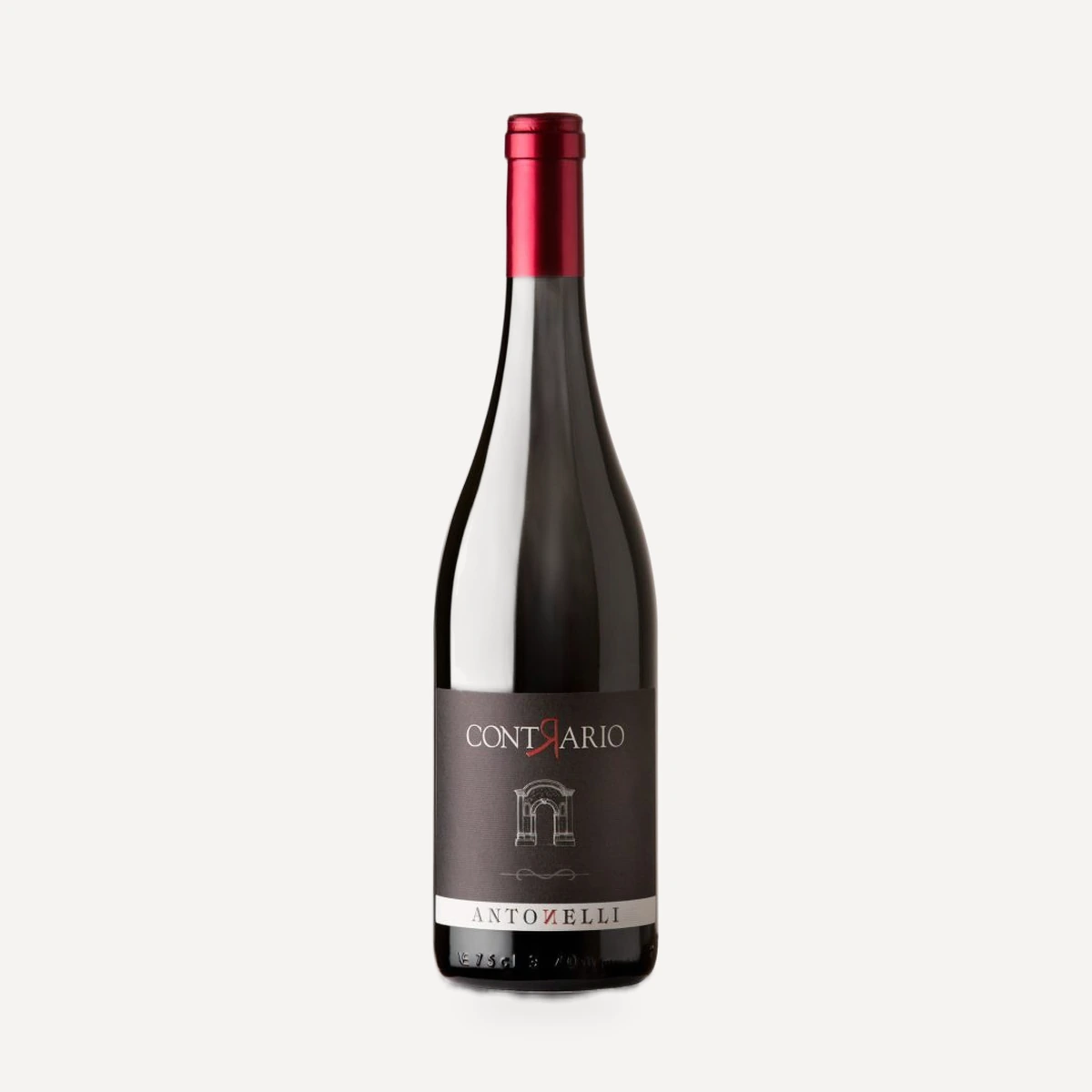
Contrario Umbria Rosso IGT
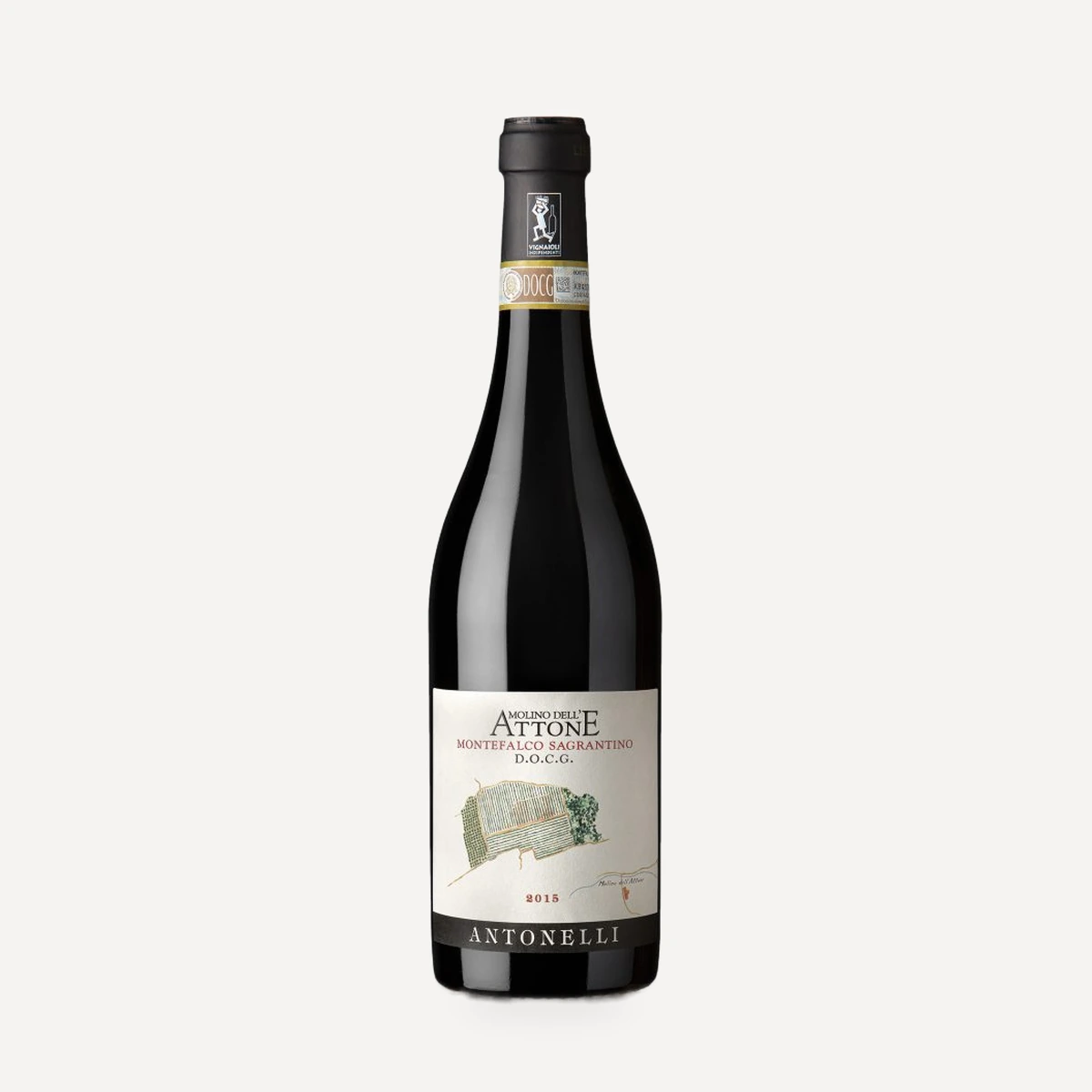
Molino dell'Attone Montefalco Sagrantino DOCG