History
The founder and the first vineyard
Argiolas traces its identity to 1938, although the family narrative begins earlier in the twentieth century. Antonio Argiolas, born in 1906, grew up in a farming world in southern Sardinia. He inherited a three-hectare holding at Serdiana from his father and planted his first vineyard there. Serdiana, approximately 20 km from Cagliari, subsequently became the centre of the family’s wine business.
Antonio built the project with his wife, Bonaria, and their family. His attachment to the land was paired with a determination to look beyond the restricted horizons of the local farming economy. He resisted campaigns to uproot vines and travelled first to mainland Italy and later beyond Europe, seeking both new markets and examples that could be adapted in Sardinia.
Experimentation with Vermentino
Antonio’s interest in new varieties led him to Vermentino at a time when it was still concentrated mainly in northern Sardinia. He sent grafters to Gallura to obtain cuttings and planted the variety in the family estates in Trexenta and Parteolla. A Vermentino dated 1967 survives in the family’s historical bottle collection, documenting this early cultivation in the south of the island.
1979: a new scale of farming
In 1979, by then an established local entrepreneur, Antonio travelled to Argentina and California. The journeys convinced him that Sardinian agriculture needed to move beyond fragmented holdings and employ advanced machinery across larger, unified properties. He subsequently acquired Selegas–Sa Tanca and Sisini, which became the winery’s largest estates.
The 1980s and the bottled-wine project
During the 1980s Antonio shared with his sons, Franco and Giuseppe, the ambition to bottle wines from the family vineyards near Serdiana and to present Sardinia through its traditional grapes in a contemporary form. The family engaged enologist Giacomo Tachis and his pupil Mariano Murru. Their work explored unconventional combinations of local varieties with the aim of achieving balance, longevity and power while retaining a Sardinian identity.
After an extended research period, the first Turriga harvest took place in 1988. The wine was released in 1991. This project marked the family’s transition toward an internationally oriented expression of estate-grown Sardinian varieties.
Three generations of continuity
Antonio’s ambition was carried forward by his sons Franco and Giuseppe and is now developed by his grandchildren Valentina, Francesca and Antonio. The third generation combines specialised education, international experience, research, vineyard management, planning and communications. They are also parents of a new generation, maintaining the family character of the enterprise while investing in education and exchange.
Antonio Argiolas lived beyond the age of 100. His legacy is expressed in the family’s emphasis on perseverance, direct experience of harvest and vinification, attachment to Sardinia and willingness to engage with ideas from outside the island.
The contemporary winery
The winery grew around a traditional Parteolla house in Serdiana. It has continued to invest in local grape varieties, international expertise, research, advanced cultivation methods and sustainability. Alongside wine production, it has developed work in hospitality, food, art, intellectual exchange and wine culture.
The technical continuity established during the Turriga project also remains visible in Mariano Murru’s present role as technical director. Vineyard management is led by Antonio Argiolas and Francesco Deledda, while Valentina and Francesca Argiolas direct marketing, public relations, planning and development.
Terroir
Southern Sardinia
Argiolas is based at Serdiana in Parteolla, approximately 20 km from Cagliari, with vineyards extending through Parteolla, Trexenta and Sulcis. The properties encompass markedly different settings: coastal sand and salt-laden wind, inland limestone and clay, ventilated hills between 200 and 350 metres, and sites bordering a salt-water lagoon.
Serdiana and Parteolla
The Serdiana estates closest to the winery lie at Sibiola, near the ancient rural church of Santa Maria. Su Pranu and Iselis border a salt-water lagoon. Serdiana is closer to the coast than the Trexenta vineyards, a distinction associated with broader, softer expressions of Vermentino.
The important Cannonau site Sa coa ’e su monti is also at Serdiana. Its unirrigated bush vines grow in marl and very pale limestone under mild winters, hot dry summers and persistent wind.
Trexenta
Trexenta includes Vigne Vecchie, Sa Tanca and Sisini. Its hills rise to roughly 300 metres above sea level and combine elevation with ventilation. These conditions are associated with freshness and aromatic elegance.
Sa Tanca occupies hills at 250–350 metres between Selegas and Guamaggiore. Its altitude and wind exposure are especially important to the freshness and elegance of red-grape wines. Sisini lies north of Serdiana at 200–250 metres; its soils combine limestone and clay, while its sunny exposure favours white varieties such as Vermentino.
Sulcis and the sea
Is Solinas is the estate closest to the sea. Its vineyards lie among dunes and juniper in Sulcis. Heat, wind and salt-bearing maritime air shape the Carignano grown there.
The estate’s broader vineyard geography joins limestone hills with coastal sands. Sun, wind and proximity to the sea recur across the family’s interpretation of Sardinian varieties, but their effects differ from the higher, ventilated inland sites to the warmer coastal properties.
Winemaking
Precision management
A geolocation system monitors the condition of individual vines in real time. Weather stations at every estate record changing atmospheric conditions and support forecasts of weather patterns, vine development, disease and other threats. The resulting information allows treatment of a defined area or even a single plant at the most appropriate time, while directing labour and technical resources more precisely.
Water management is a particular priority in Sardinia. Targeted intervention reduces waste, while precision monitoring has also made vine-protection work more efficient. Over the five-year period described in the sustainability programme, use of specific protection products fell by 20%.
Soil fertility and integrated farming
The integrated-farming programme seeks to preserve fertility and prevent nutrient depletion. Practices include crop rotations, permanent or managed grassing between rows and sowing mixtures selected to suit both the soil and the cultivated varieties. Increasing soil organic matter—especially carbon—is intended to stimulate microorganisms important to root activity.
Organic compost is applied between October and December to increase soil microbial activity and strengthen beneficial interaction with vine roots. Across the five-year period described, this approach reduced synthetic fertiliser use by 90%.
Insect biodiversity is monitored and encouraged as part of biological pest control. Ecological regulation of pests is used to reduce dependence on chemical treatments.
Vine longevity and pruning
Argiolas has used the Simonit&Sirch pruning method for ten years. Winter pruning is limited to non-invasive cuts on young wood, reducing disease risk and guiding the permanent structure of the vine in a way intended to maximise vitality.
Careful winter pruning is followed by manual shoot selection in spring. This controls vegetative growth, keeps grape production within predetermined quantities and distributes the vine’s summer energy without additional external inputs. The plant and its long-term vitality are treated as the centre of vineyard management and landscape conservation.
Biodiversity research
Research across Sardinia identified multiple biotypes or clones within 11 principal island varieties. These materials formed the first regional biodiversity field, containing 5,000 plants. Each microselection consists of six plants, with 500 different combinations in total. Grapes from the selected material have been used for small experimental vinifications to study their characteristics and determine which selections should be propagated.
The experimental vineyard at Sibiola gives particular attention to Nuragus while contributing to the wider conservation of Sardinian genetic material.
Certification
A Valoritalia certificate issued on 15 February 2023 recorded Argiolas S.p.A. as compliant with Sardinia’s integrated-production rules under the Sistema di Qualità Nazionale di Produzione Integrata. Its scope was transformation and packaging, with authorisation to use the SQNPI mark for the listed product. The recorded validity period ran from 11 May 2022 to 11 November 2023.
The winery’s physical nucleus is a traditional Parteolla house in Serdiana. Its production spaces include rooms where must ferments and wines mature in barrels.
The development of Argiolas’s modern technical identity began with the family’s 1980s decision to bottle grapes grown near Serdiana. Giacomo Tachis and Mariano Murru researched combinations of traditional Sardinian varieties outside the blends then customary, seeking wines with balance, longevity and power. The first harvest resulting from that extended work took place in 1988.
Research vinifications remain part of the estate’s work. Grapes from the biodiversity field’s microselections are made into small experimental lots so their characteristics can be evaluated before selected material is propagated.
Philosophy
Argiolas defines its identity through a balance of land, people, vines and wine. The family’s declared aim is to express Sardinia through its native grapes while allowing tradition to interact with research, technology and knowledge gained beyond the island.
Antonio Argiolas called his ambition an “idea”: a winery able to speak to the world while drawing strength from tradition. That outlook combined attachment to the land with travel, technological modernisation and engagement with outside expertise. His descendants maintain the same pairing of local roots and international exchange.
Stewardship of the territory is presented as a daily responsibility influencing vineyard decisions. The practical expression of that position includes precision water use, reduced chemical inputs, support for soil microorganisms and beneficial insects, protection of vine longevity and conservation of Sardinian genetic diversity.
For Francesca Argiolas, tradition provides the framework within which innovation and research can protect quality and biodiversity. Valentina Argiolas extends the winery’s relationship with Sardinia into literature, design, art and international cultural exchange. Vineyard work places the vitality of each plant at the centre of the agricultural system, treating healthy vines and a living landscape as mutually dependent.
The winery also regards wine, food and hospitality as connected expressions of Sardinian culture. Artistic and intellectual collaborations are intended to create new interpretations without severing the relationship with the island’s history.
Wines
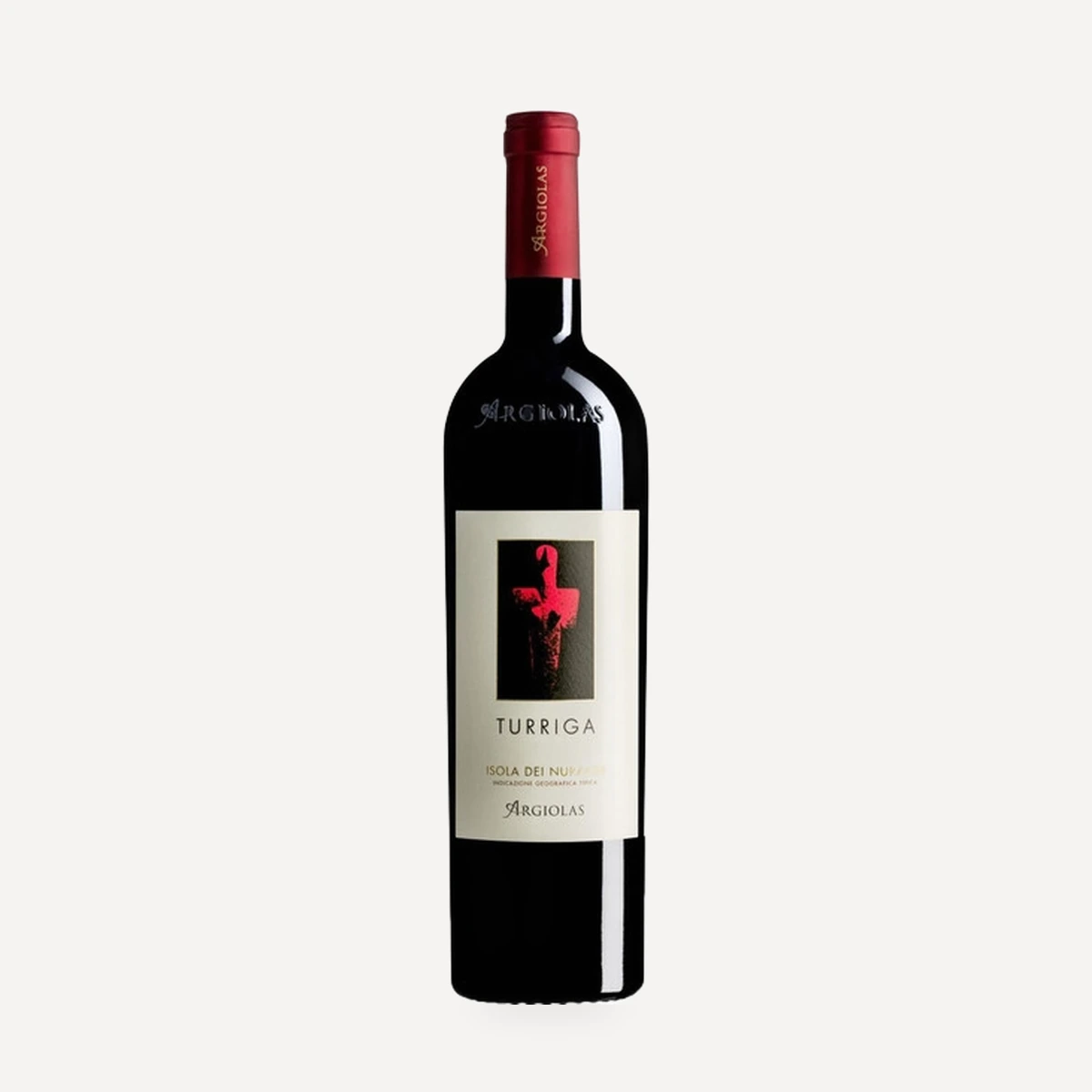
Turriga
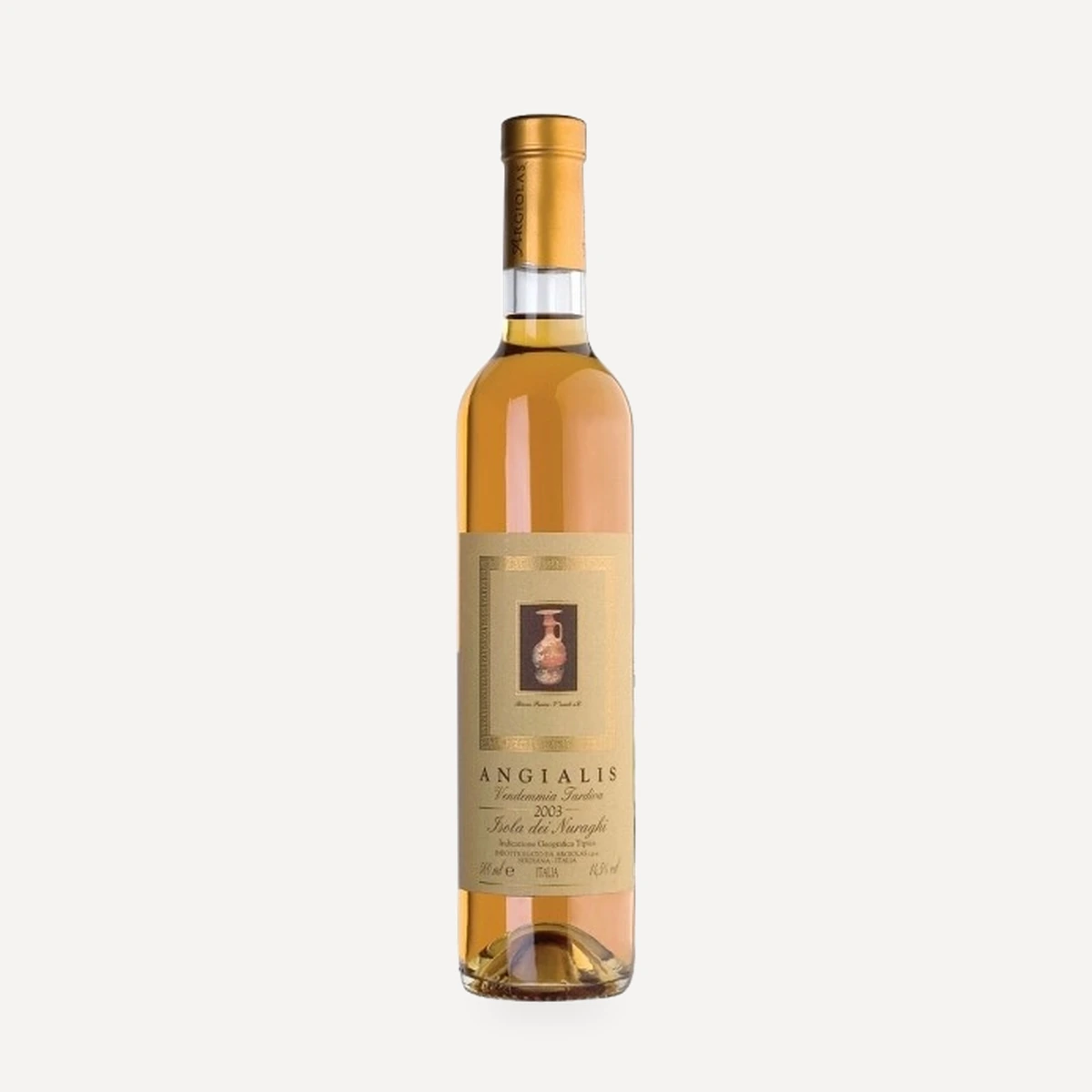
Angialis
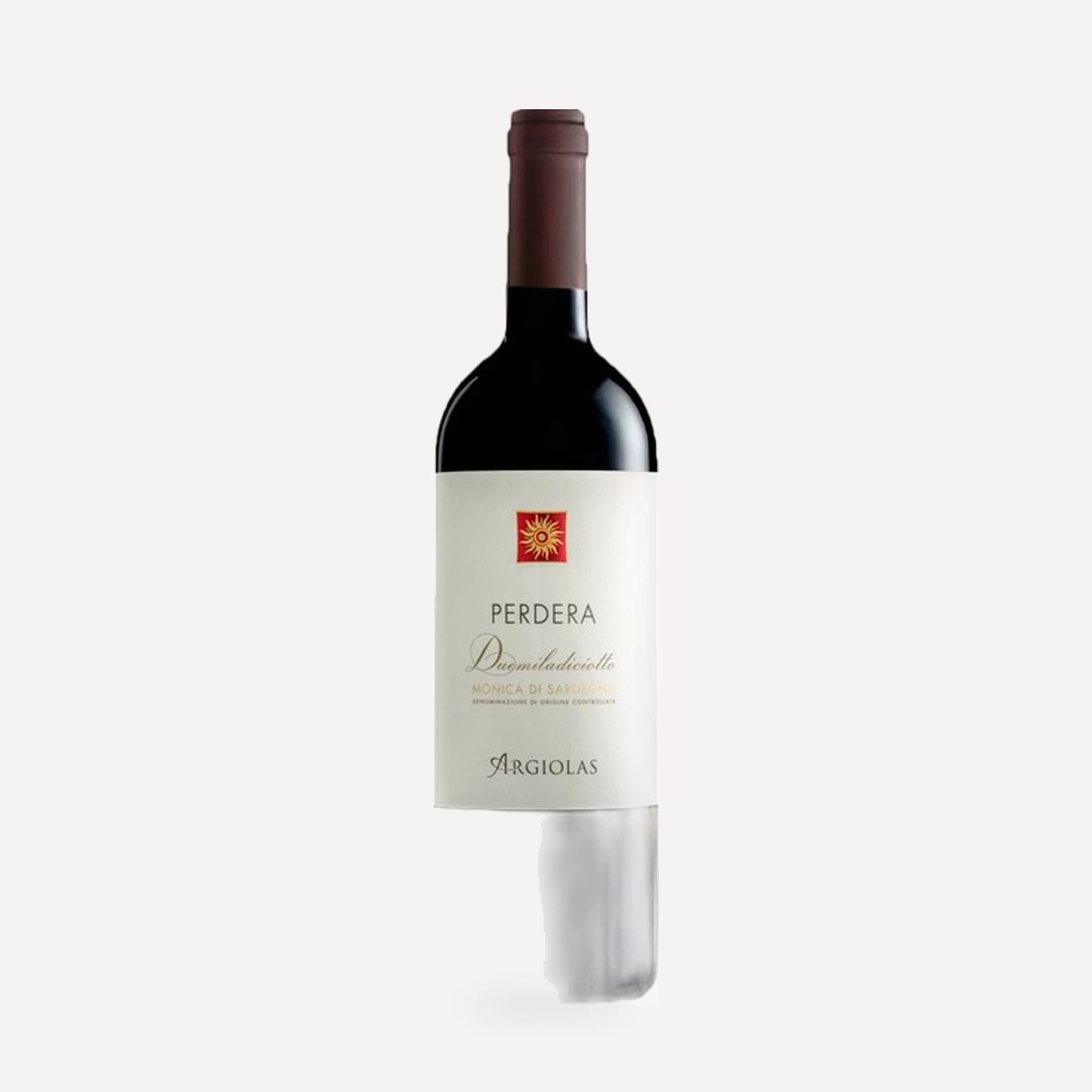
Perdera
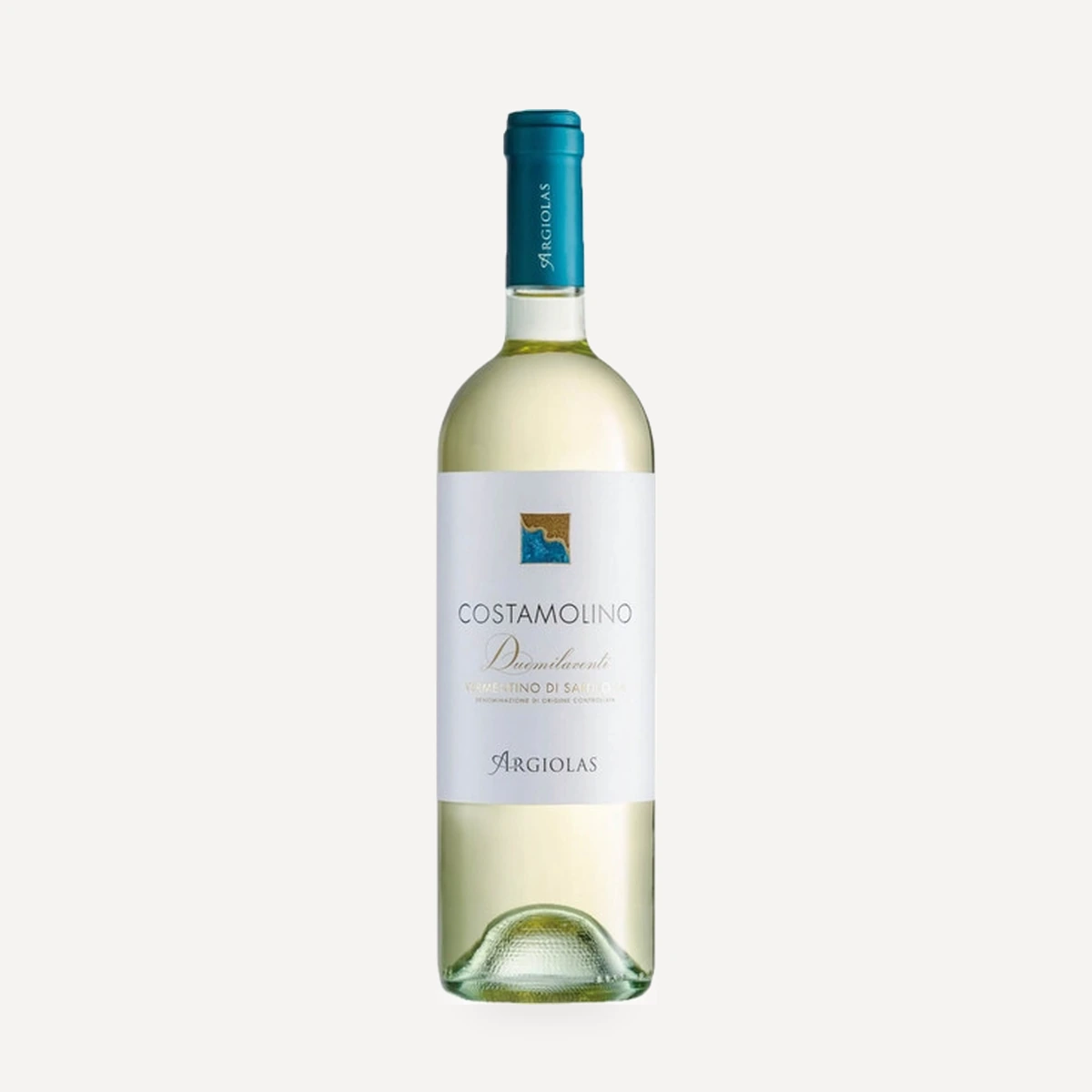
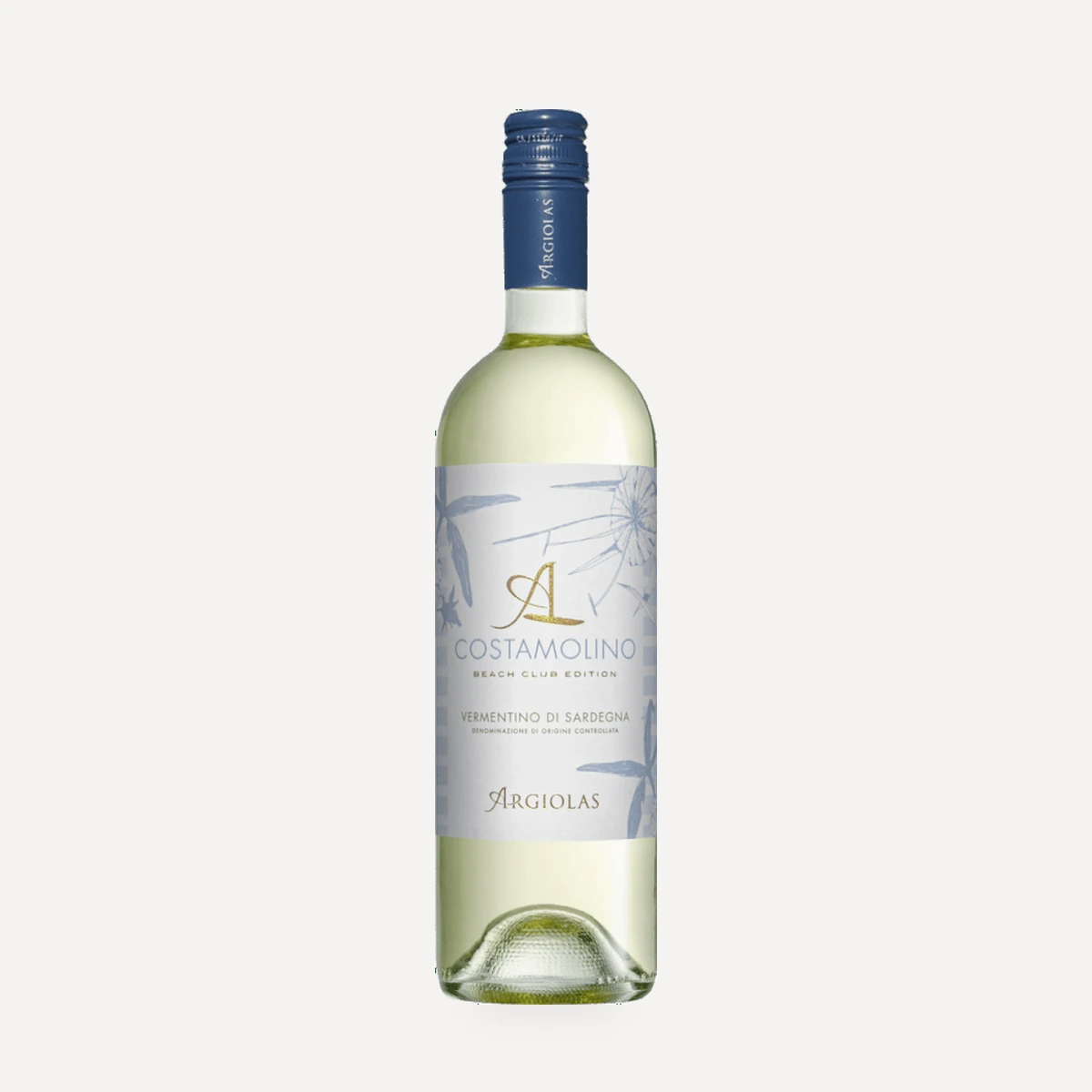
Costamolino
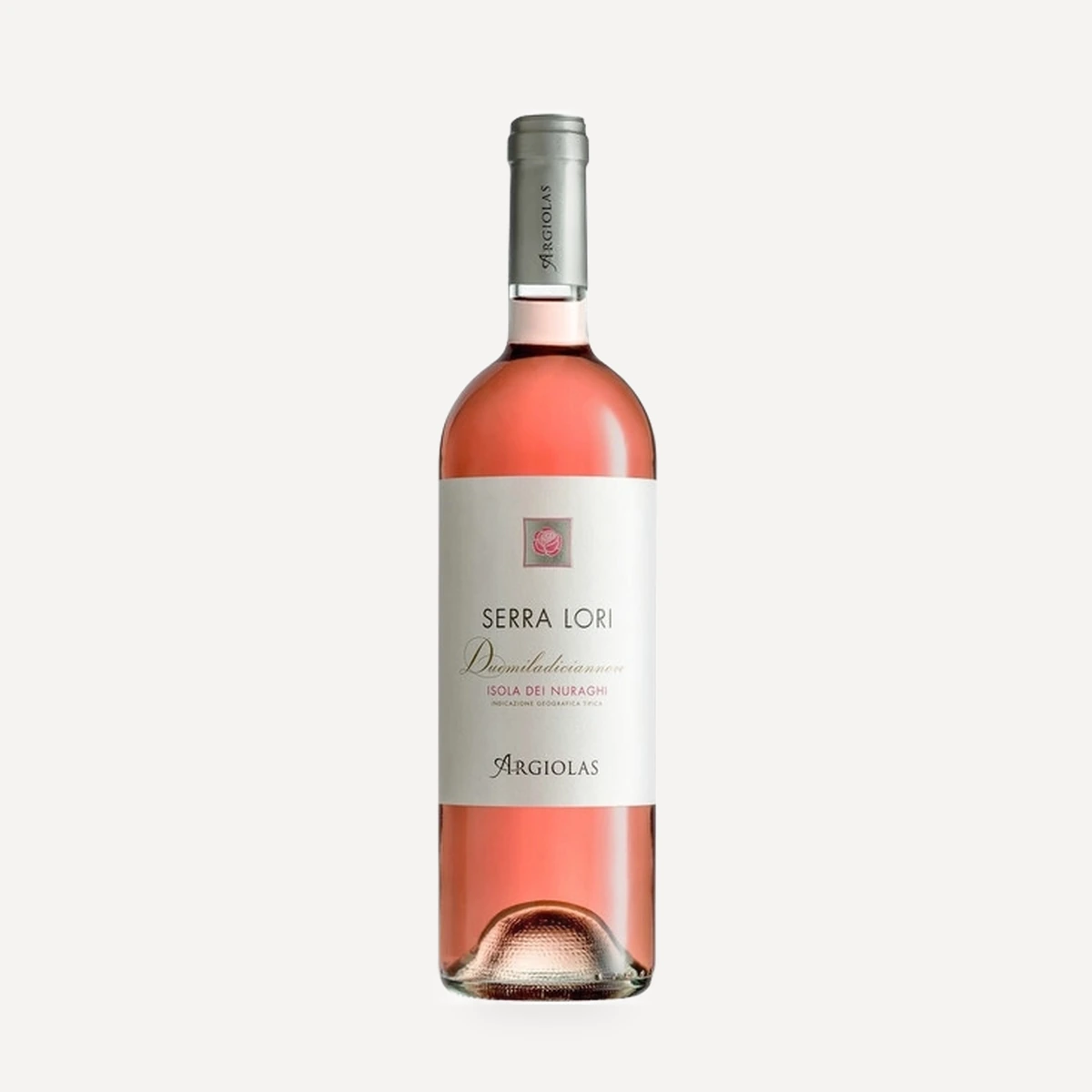
Serra Lori
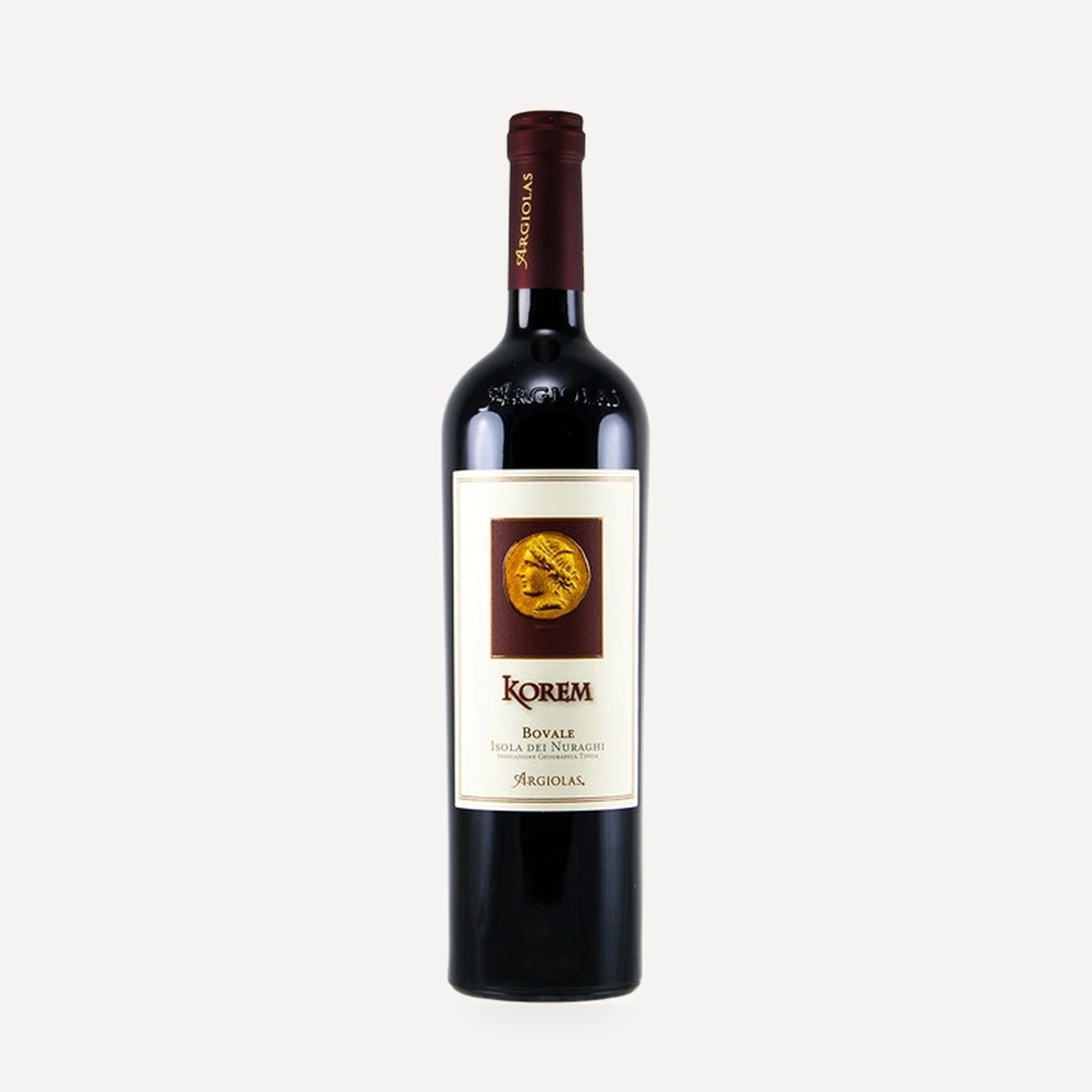
Korem
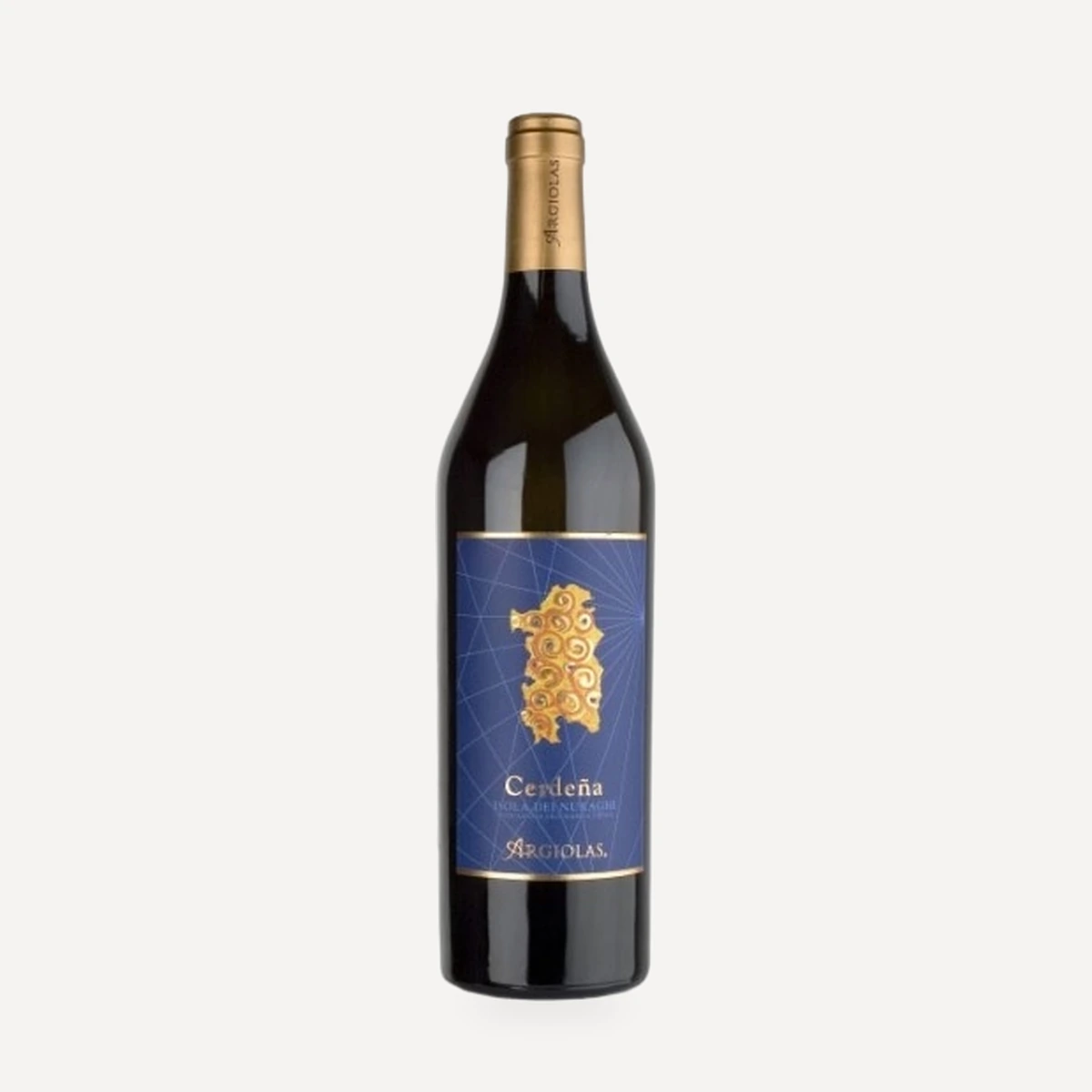
Cerdeña
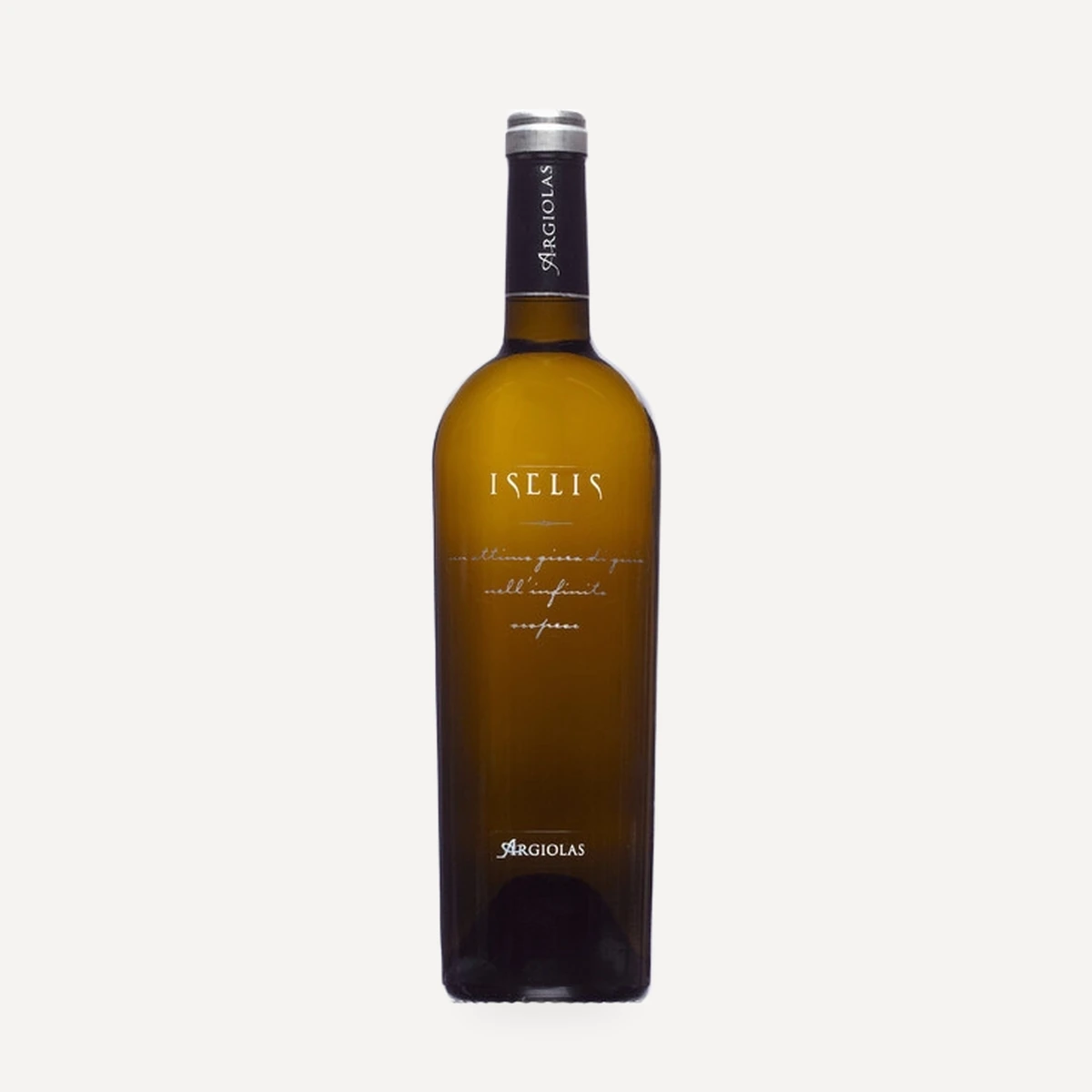
Iselis Nasco
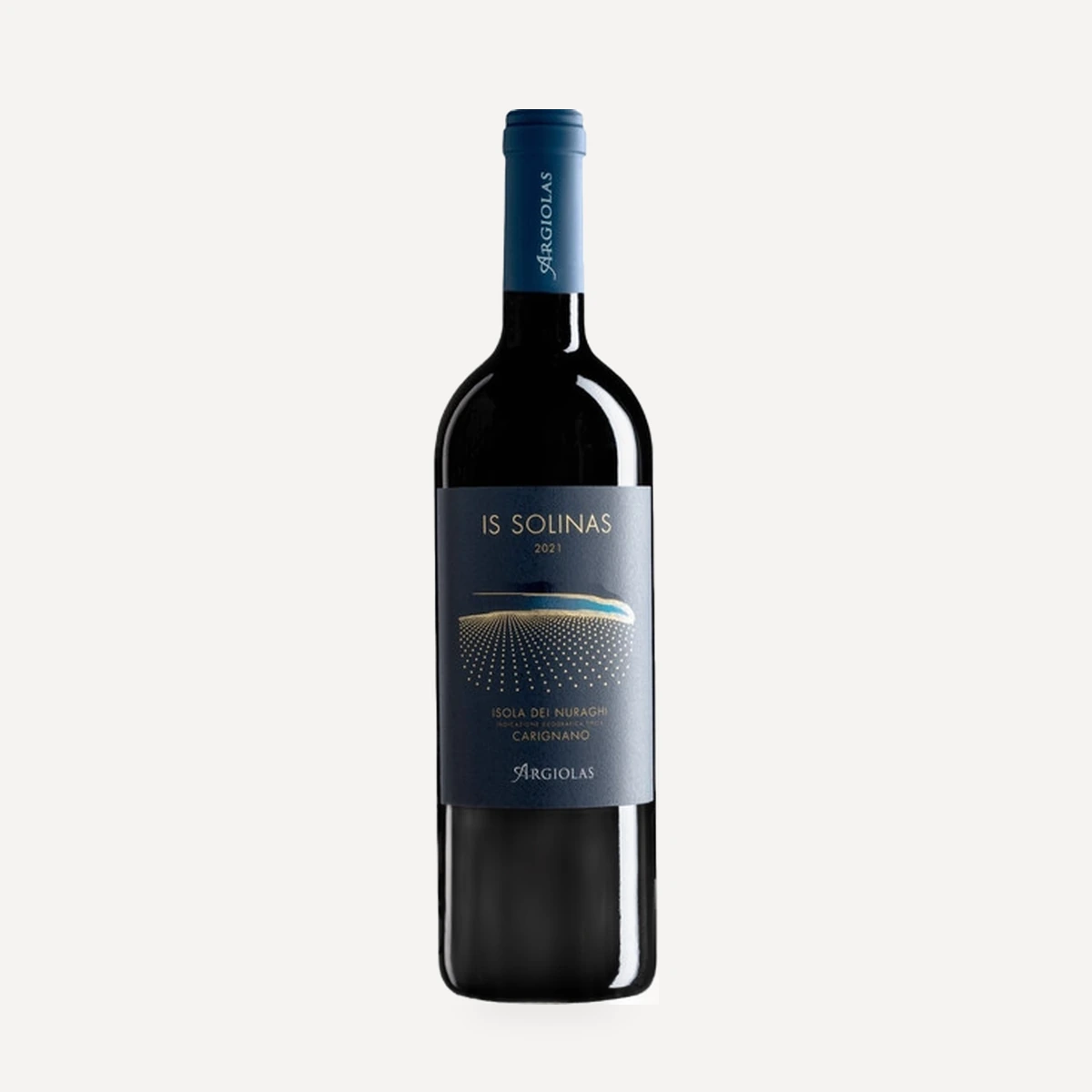
Is Solinas
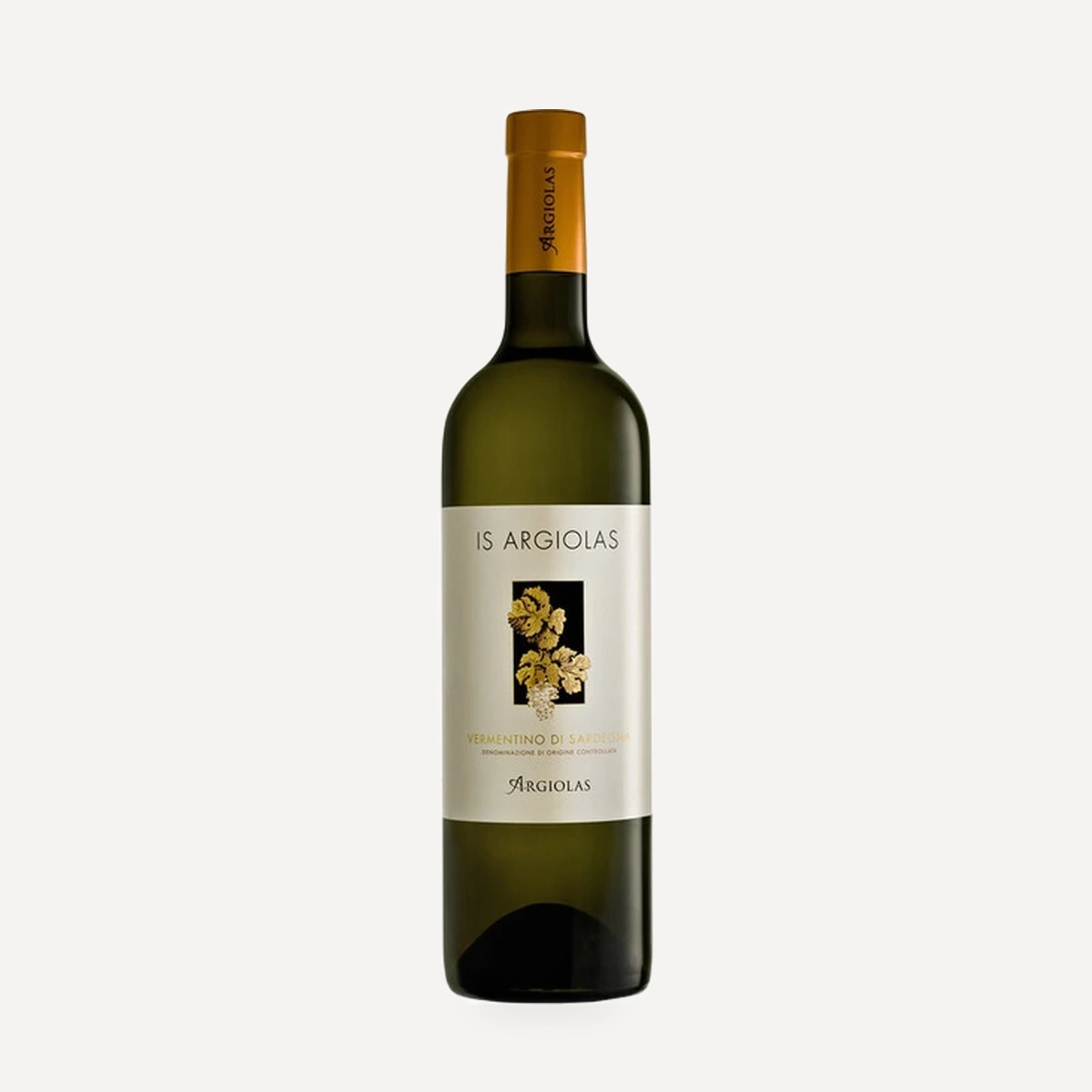
Is Argiolas
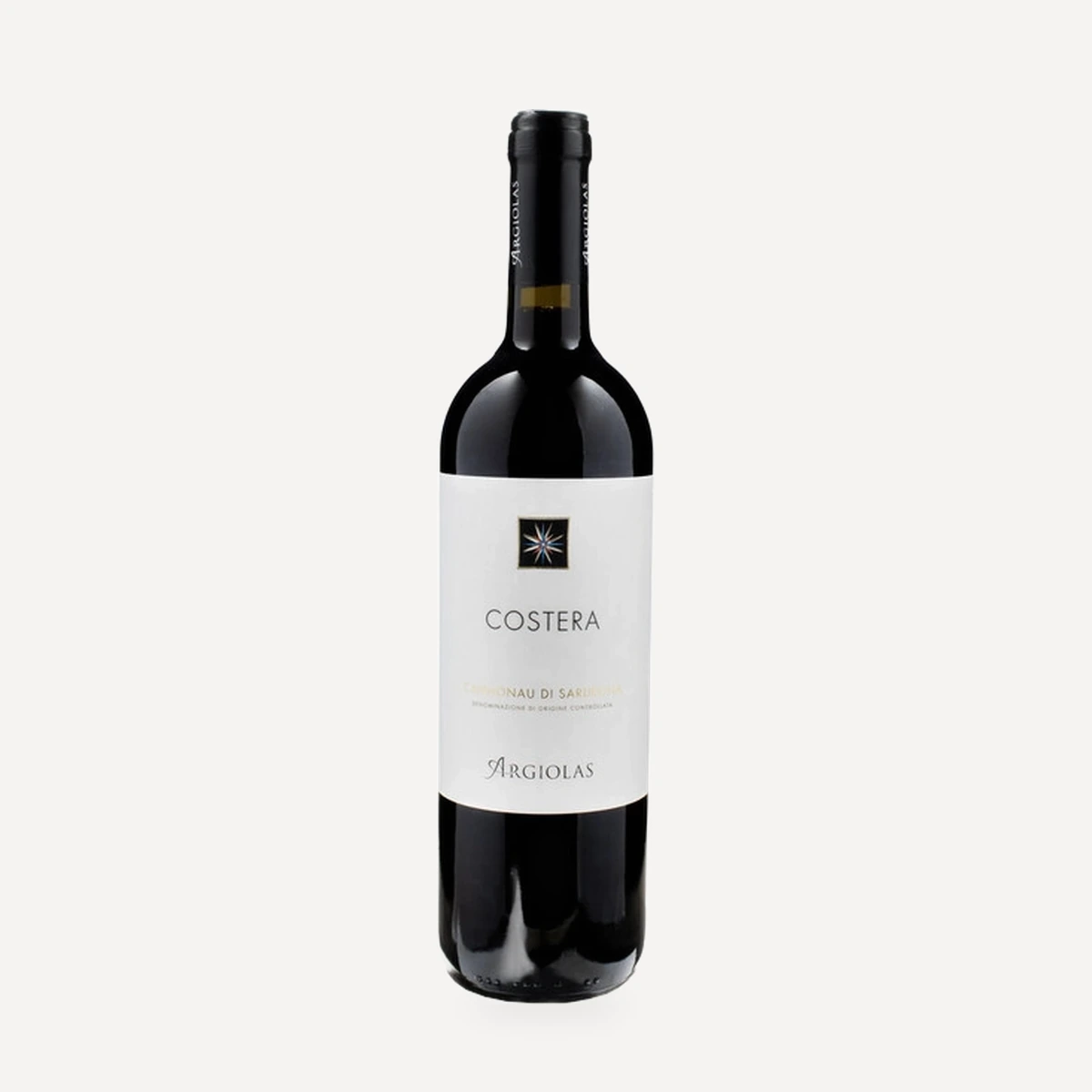
Costera
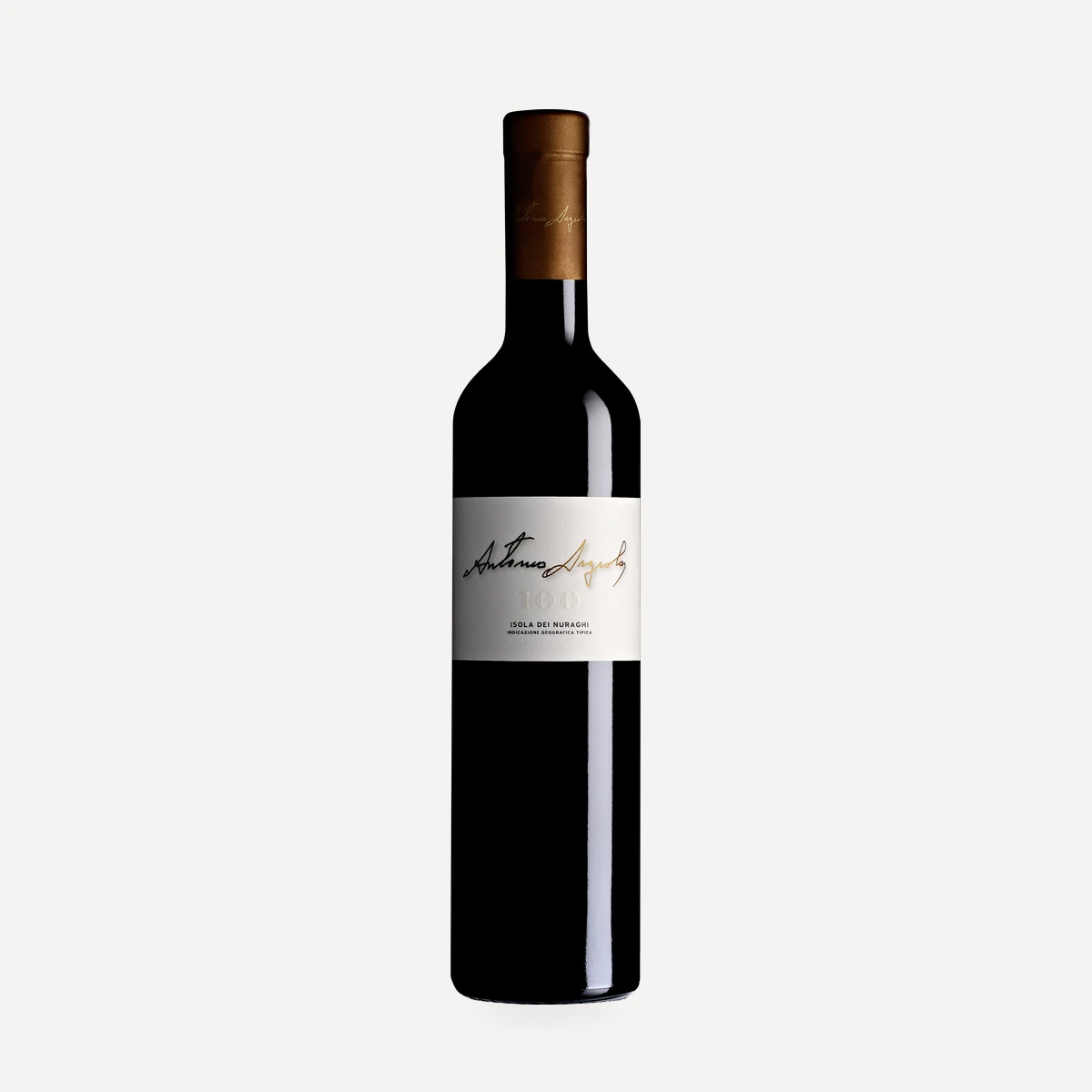
Antonio 100
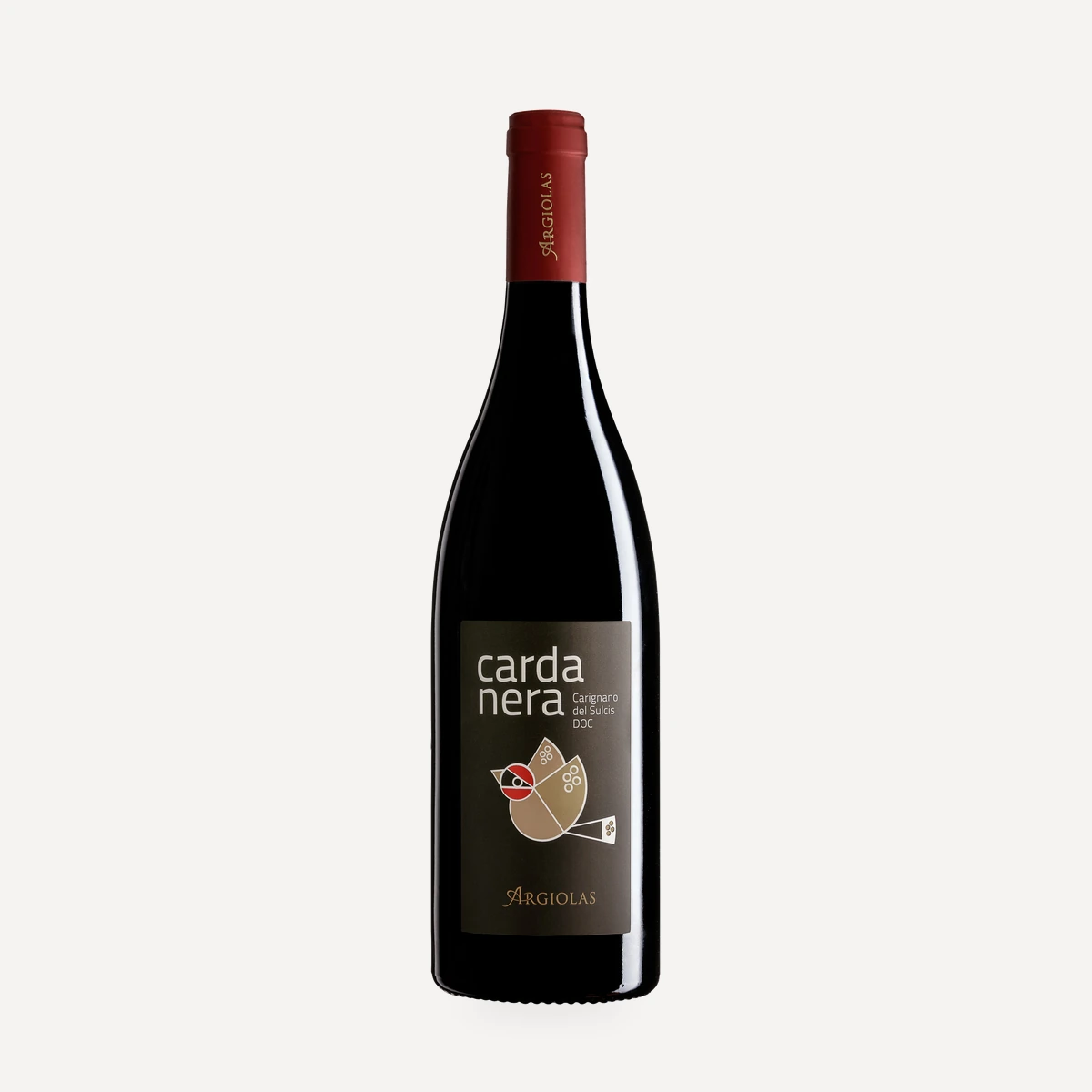
Cardanera
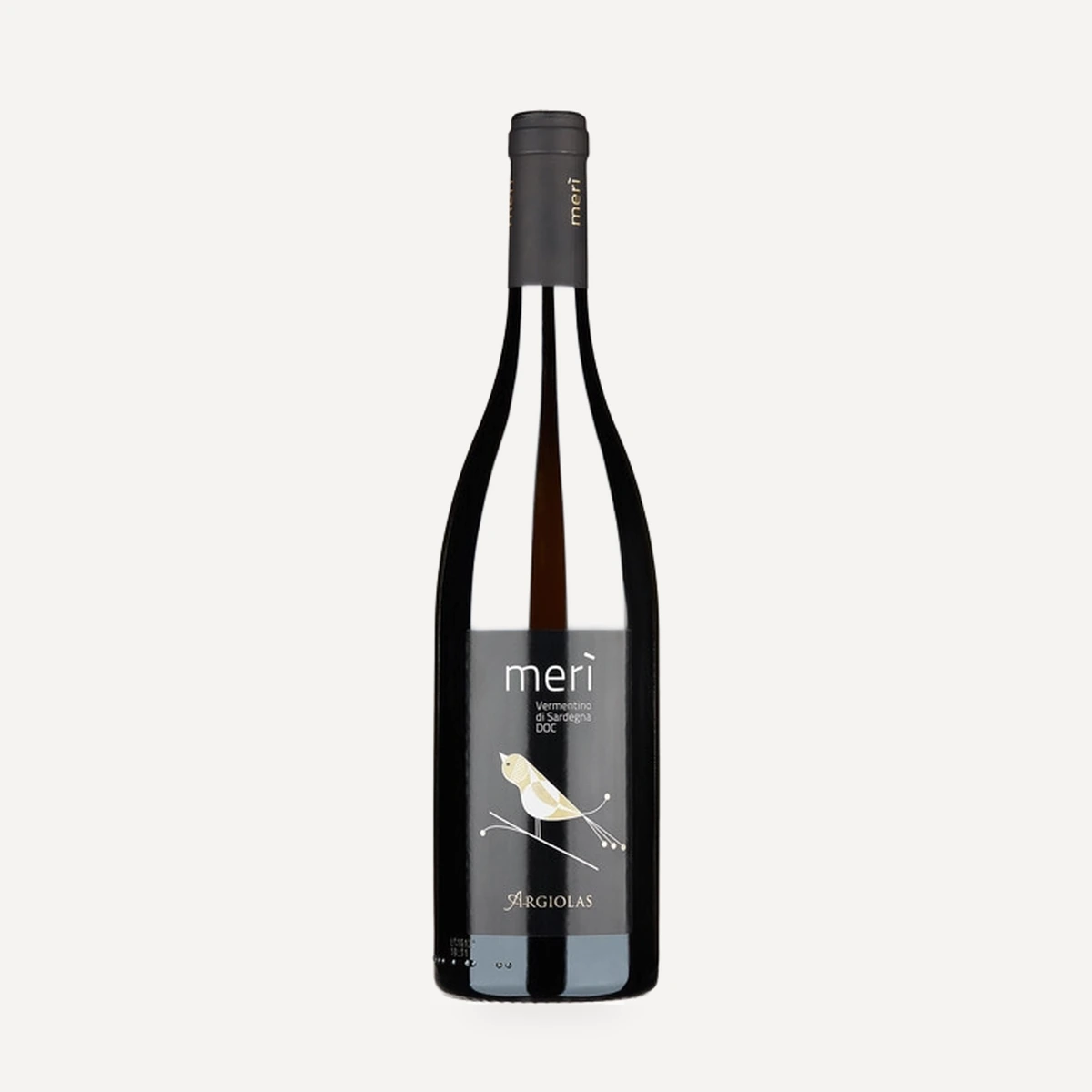
Merì
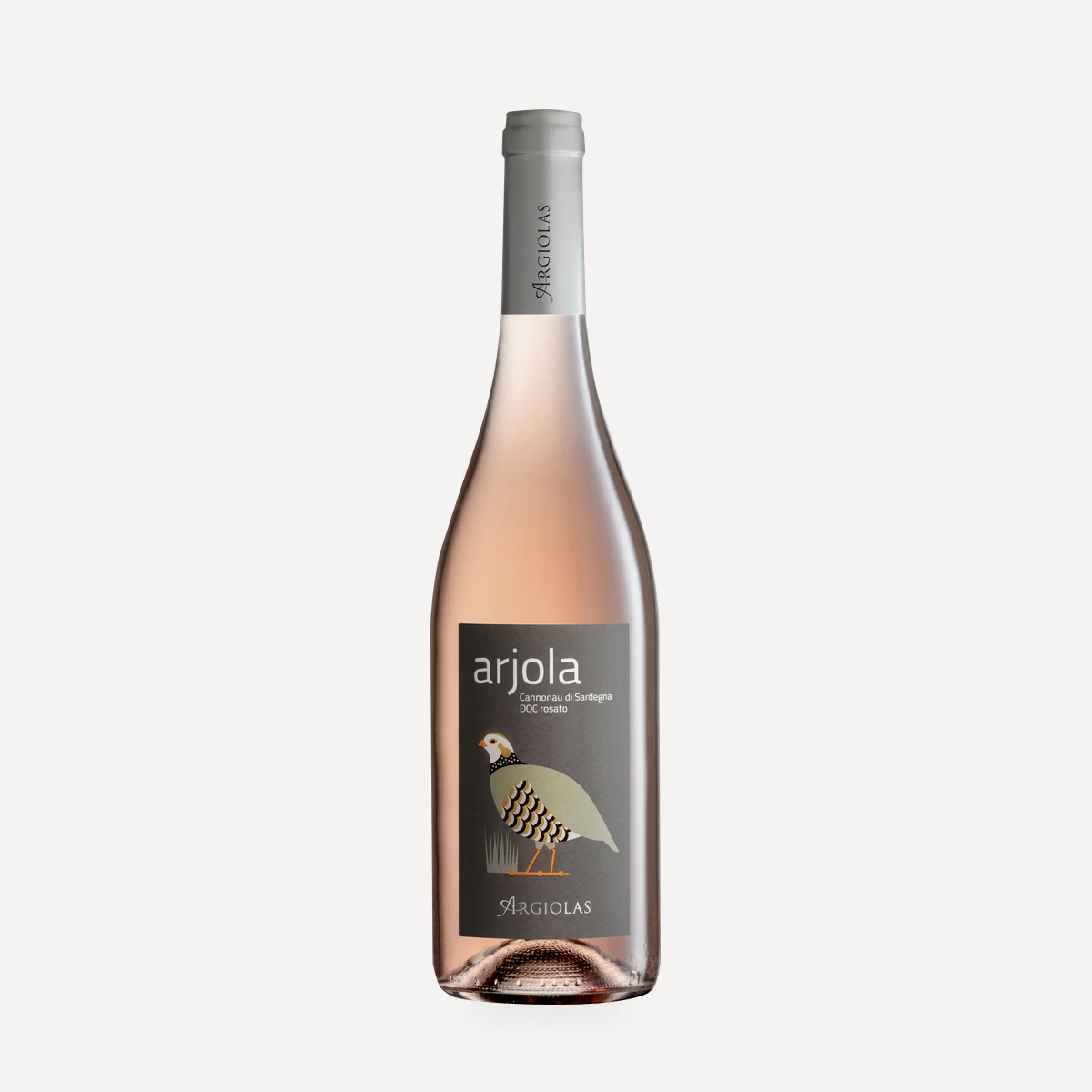
Arjola
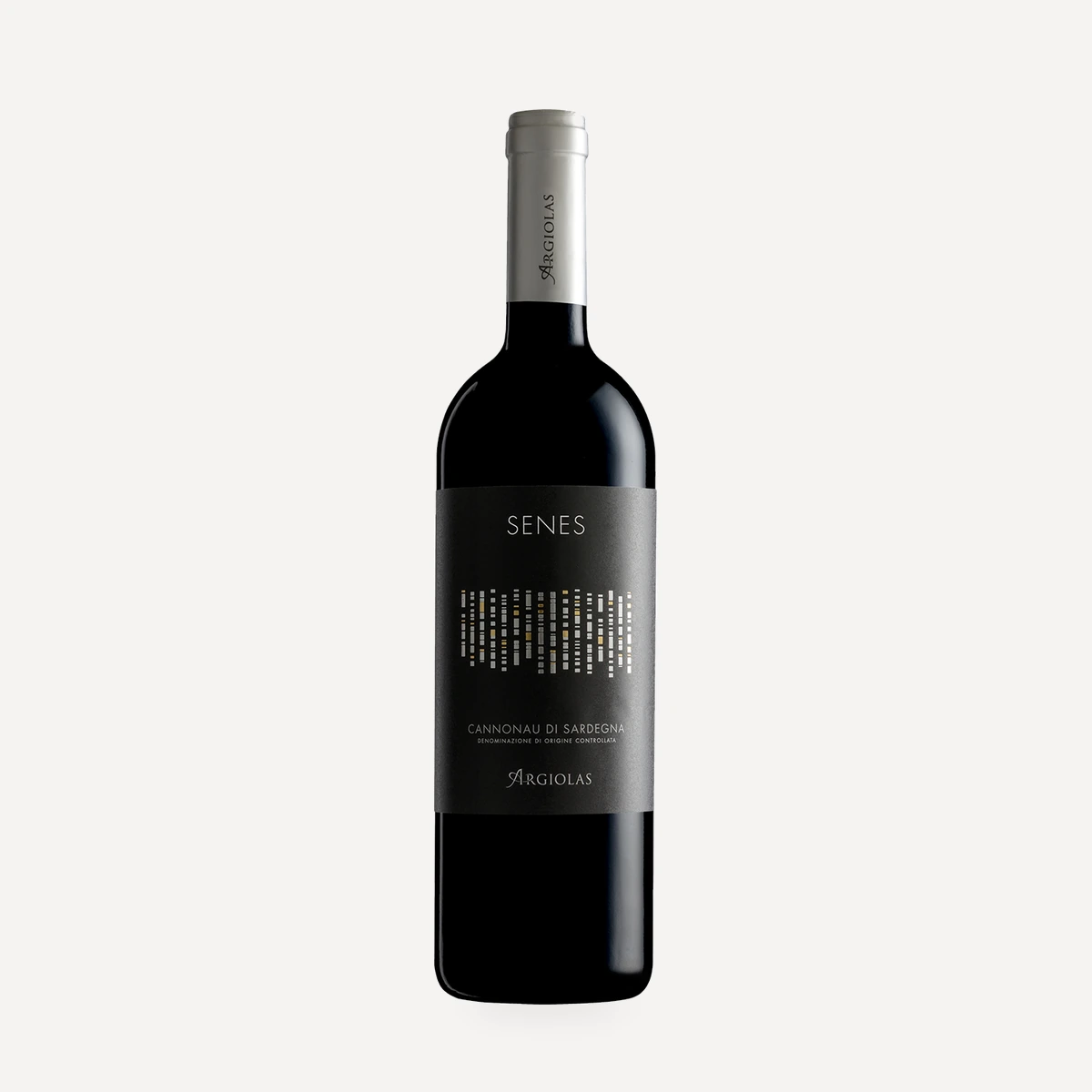
Senes
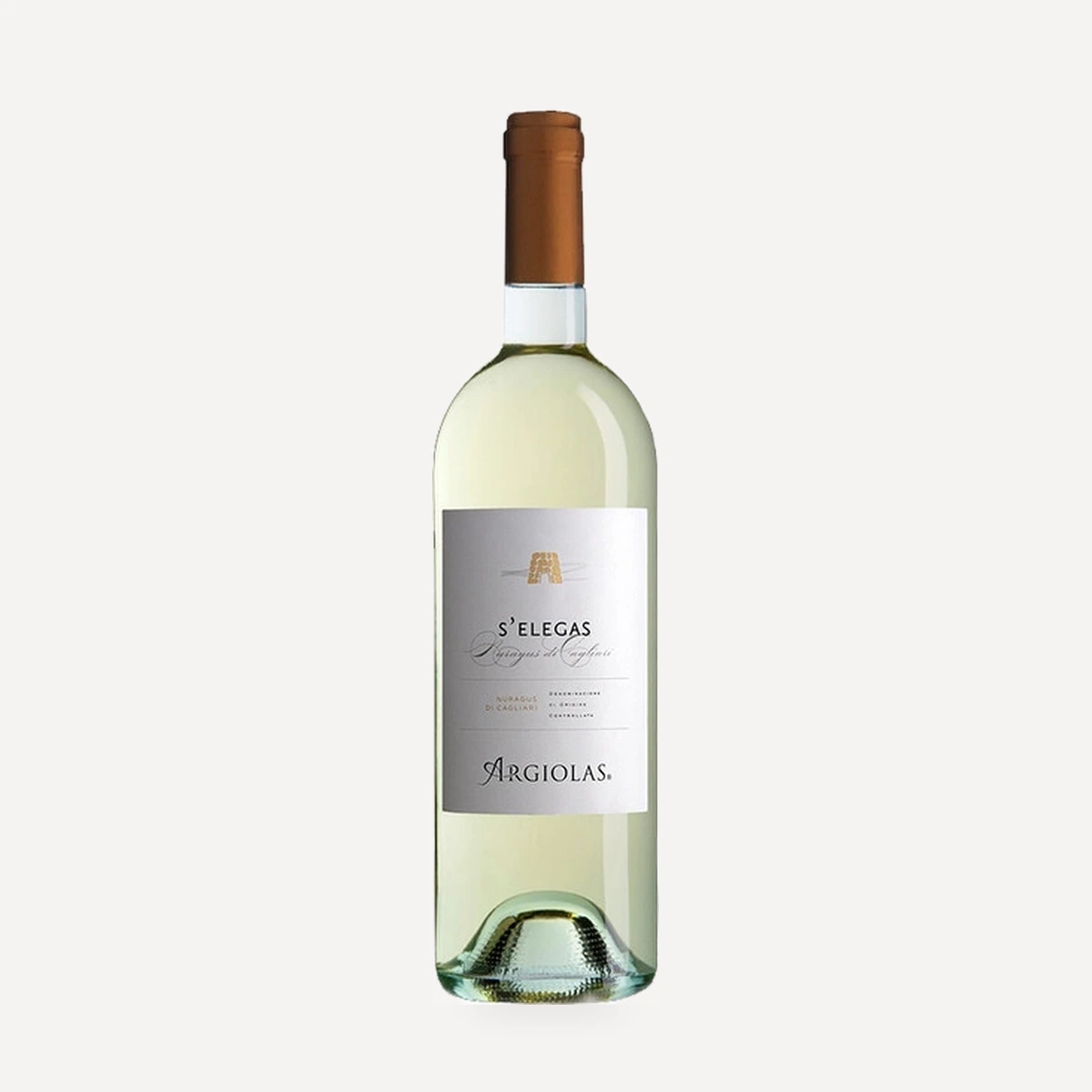
S’elegas
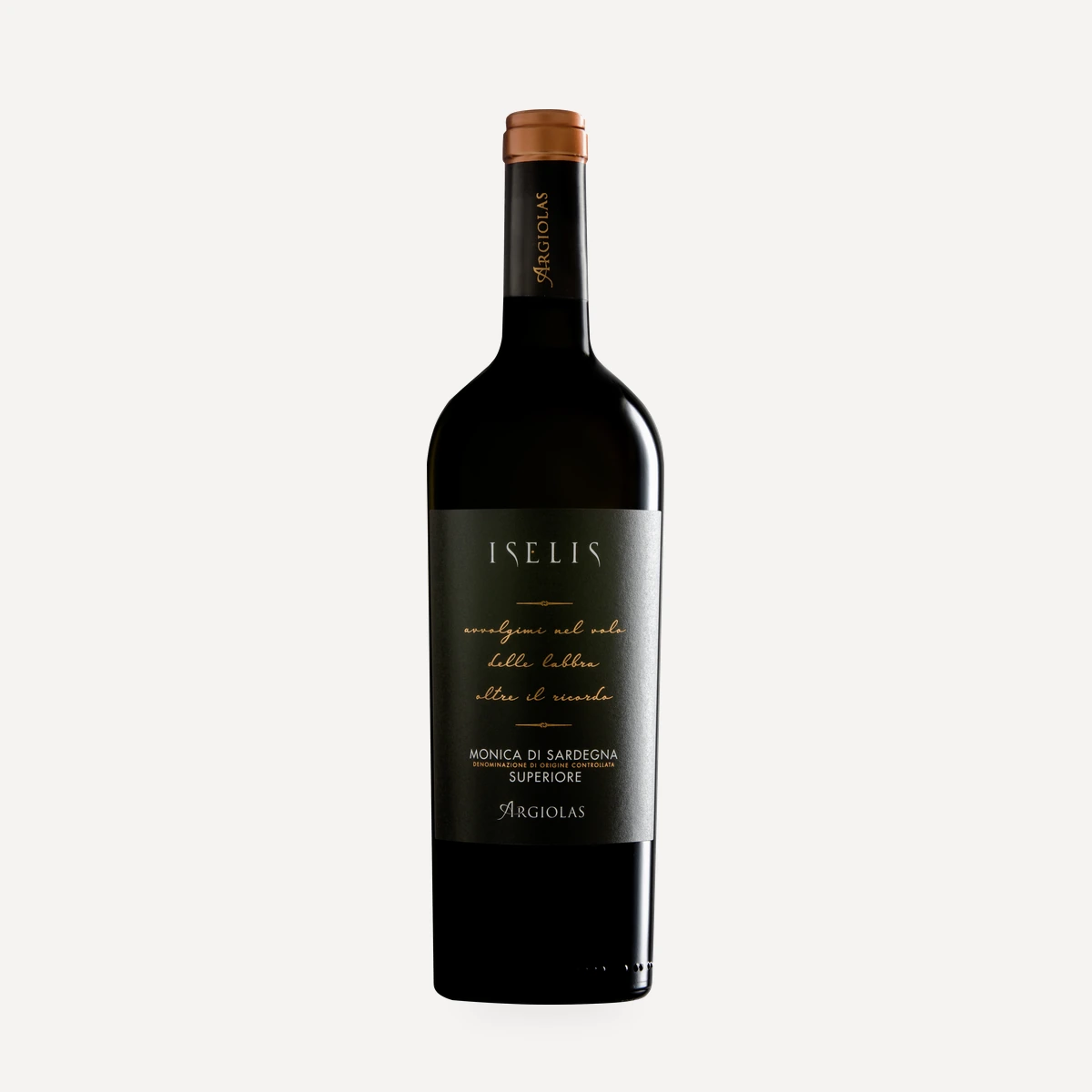
Iselis Monica
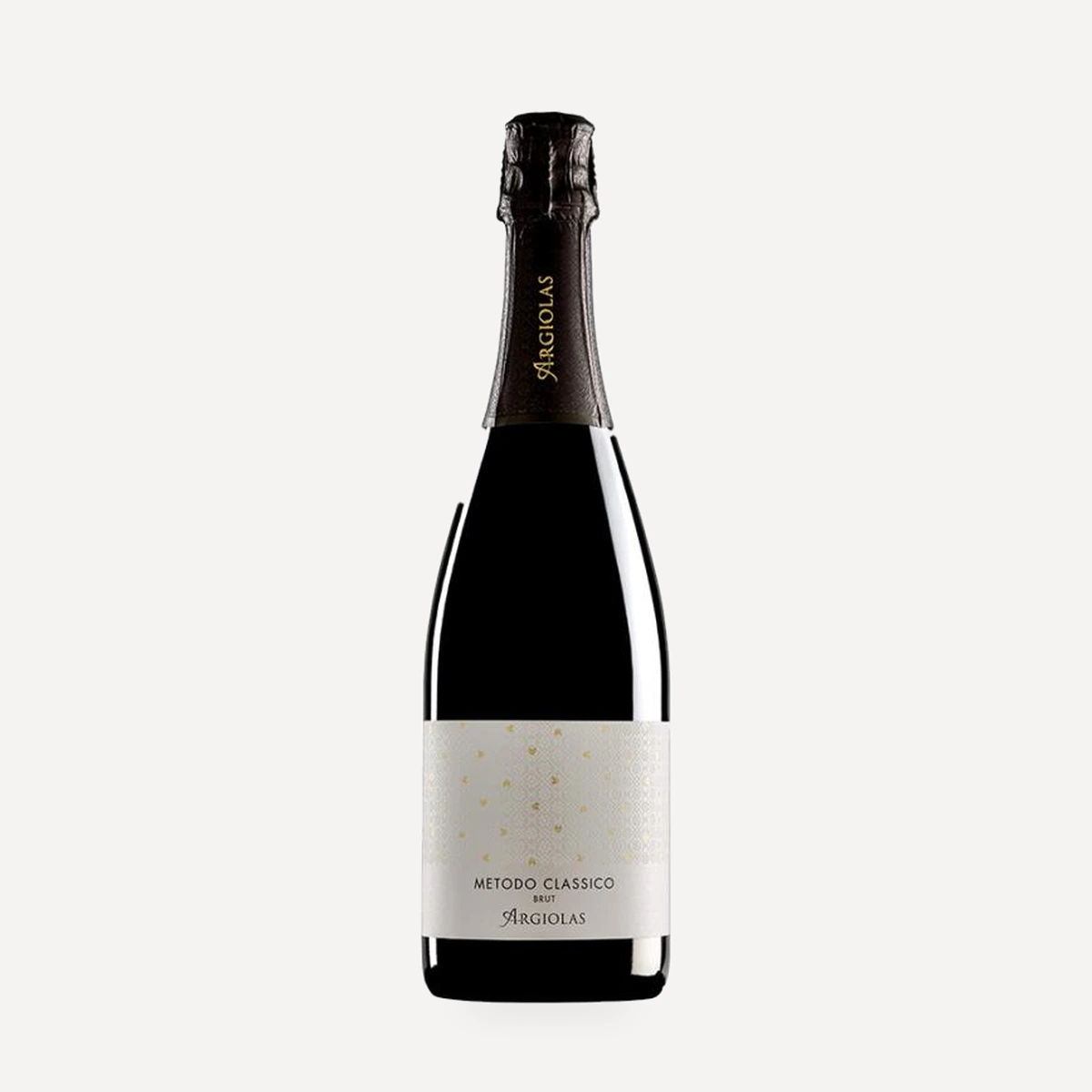
Metodo Classico
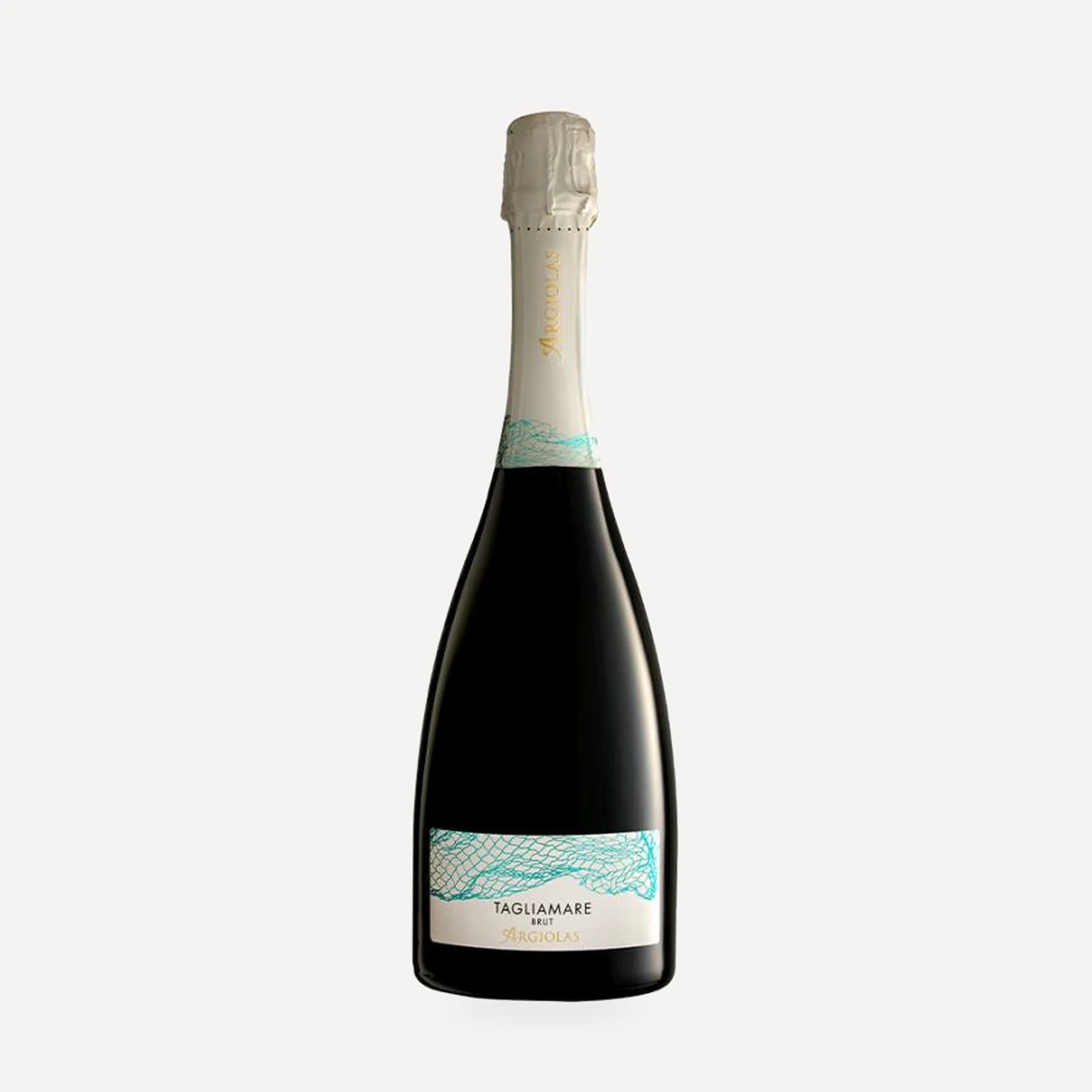
Tagliamare
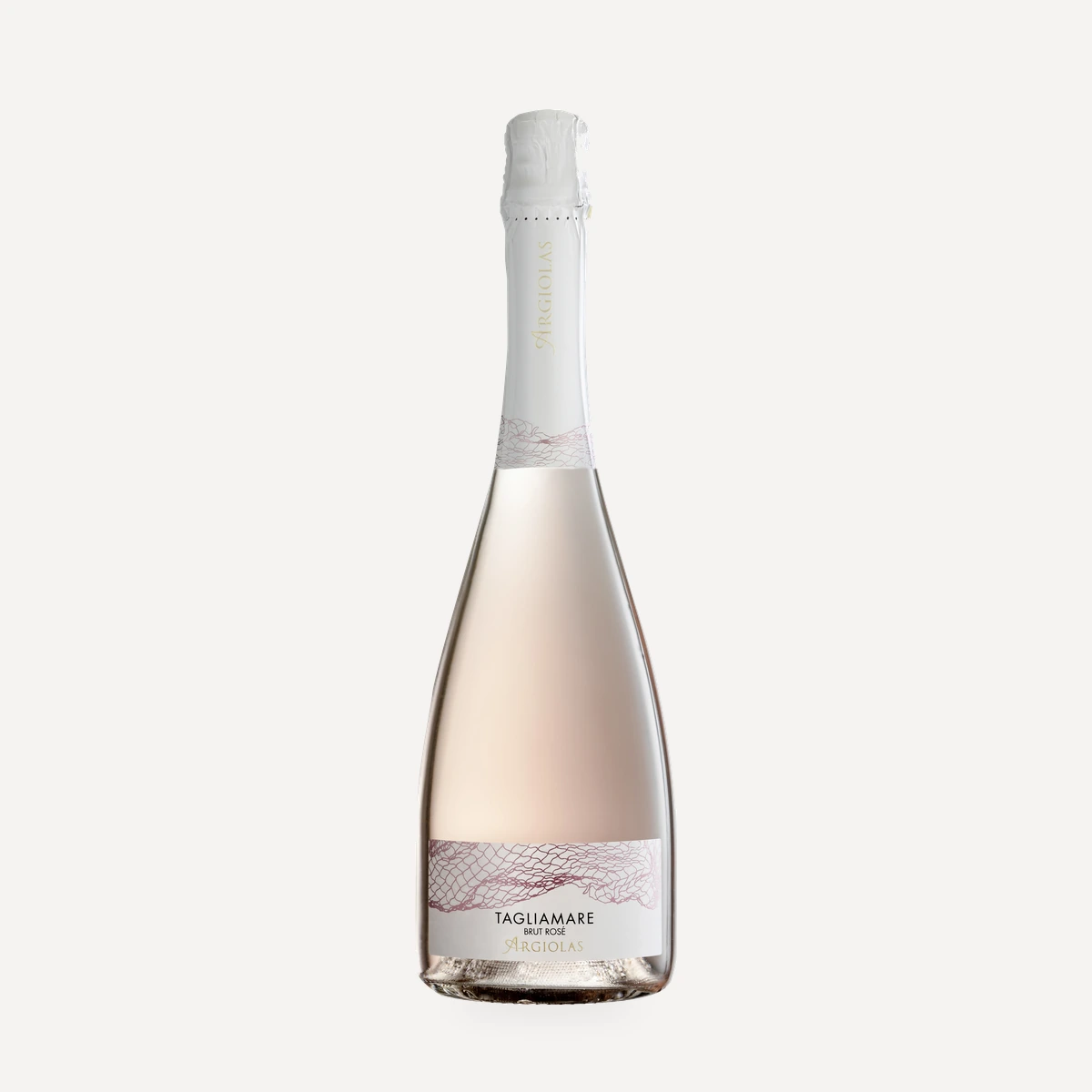
Tagliamare Rosè