History
Peppino Sais and the cooperative idea
Antioco “Peppino” Sais was born in 1904. A livestock farmer closely connected to the land, he took charge of his family’s agricultural business at a young age. Although unable to read or write, he was receptive to innovation and became known locally for his practical foresight. After the Second World War, he served as municipal commissioner, the first mayor of Santadi and a conciliation judge.
Sais concluded that cooperation offered the best way to give greater value to local growers’ work. His vision supplied the foundation for the future Cantina Sociale di Santadi. He would also identify Antonello Pilloni as the person capable of leading the cooperative through its later transformation. A bronze bust at the entrance to the offices commemorates Sais and his role in the community.
Foundation in 1960
On 24 October 1960, 27 winegrowers joined forces to secure a future for viticulture in Sulcis. The deed establishing the Cantina Sociale di Santadi was signed in Cagliari in the office of notary Francesco Vacca.
The founding growers were coordinated by ETFAS and led by Peppino Sais. Their objectives were to process their grapes collectively, increase the value of members’ work and establish a shared identity for the wines of Sulcis. The cooperative represented a collective response to a fragile rural economy and the demanding conditions of agricultural life.
Over time, the cellar developed into both a community and a meeting place for inherited farming knowledge and new ideas.
The crisis and Antonello Pilloni’s presidency
By 1976, Cantina Sociale di Santadi was experiencing the most critical period in its history. It carried substantial debt, members’ confidence was weak, commercial relationships had deteriorated and bankruptcy was a tangible risk.
Peppino Sais encouraged Antonello Pilloni to accept responsibility for the cooperative. Pilloni became president on 14 July 1976 and initiated a thorough financial recovery and internal reorganisation. He dealt with accumulated liabilities and difficult commercial disputes while rebuilding the cellar’s credibility with its members.
The recovery established a new strategy: reduce dependence on bulk wine, raise quality, bottle more of the production and give greater prominence to the grape varieties of Sulcis. Stability returned, trust with the membership was restored and the cooperative began its transition into a more streamlined, modern business. Its bottled wines subsequently reached markets on five continents and attained national and European recognition.
Giacomo Tachis and the qualitative transformation
In the same decisive period, Giacomo Tachis arrived in Sardinia as a consultant to the Consorzio Vini DOC. Through Pilloni’s initiative, he began a relationship with Cantina Santadi that would continue for more than 30 years.
Tachis recognised unusual potential in Carignano del Sulcis, particularly in vines growing close to the sea and often on their original roots. He made vineyard quality the starting point for wine quality. Yields were lowered, grape selection became more rigorous, harvest timing received closer attention and vinification became more precise. New thinking entered the cellar concerning maceration, balance and elegance, together with a measured use of barriques as a tool rather than an imposed stylistic signature.
The collaboration reshaped the cooperative’s approach to both vineyard and cellar. Its guiding purpose was to interpret Sulcis without forcing it, placing the raw material, local identity and elegance at the centre of production.
Terre Brune in 1984
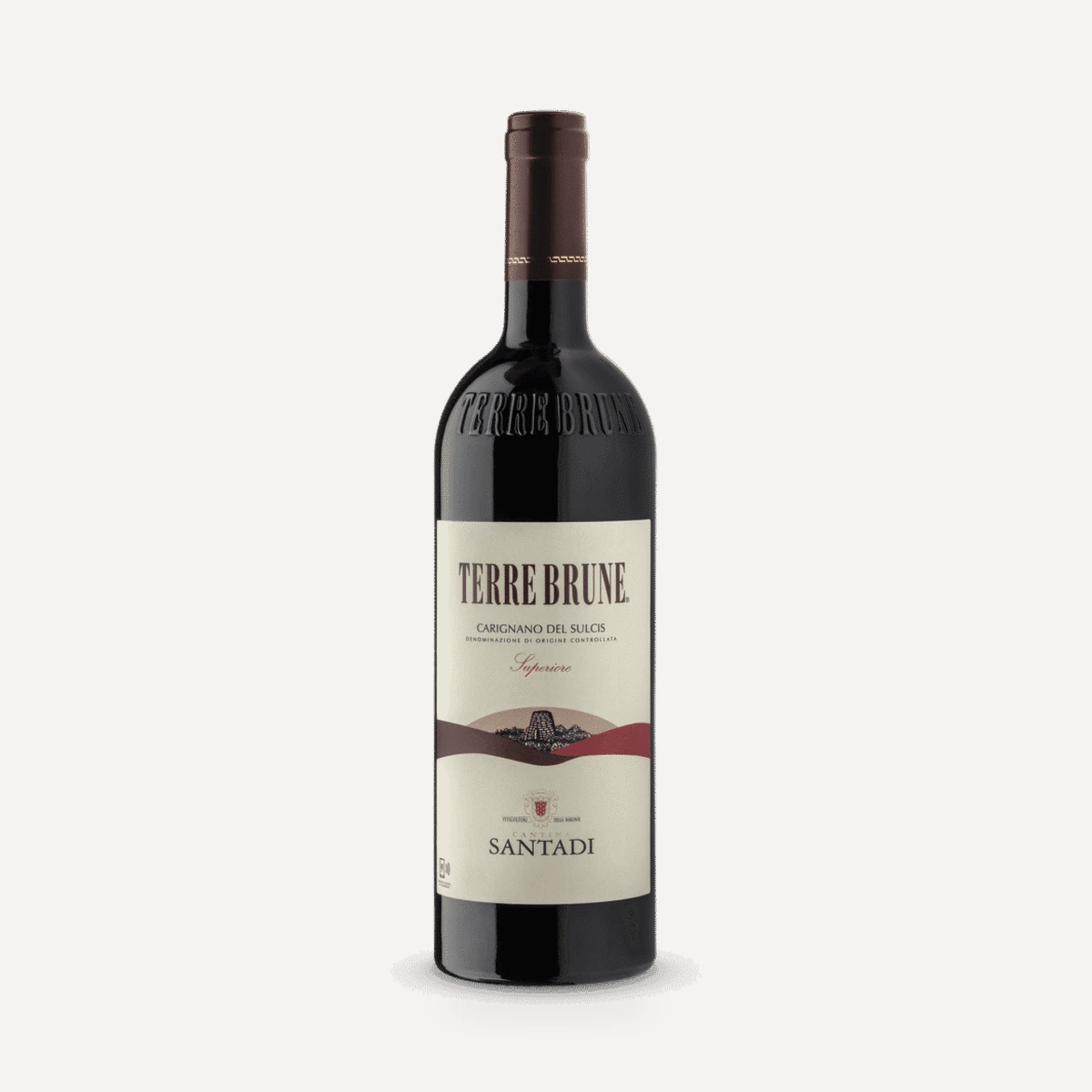
Terre Brune took shape in 1984 as the emblematic red of the cooperative. It was conceived as the first highly structured Sardinian red matured in barriques. Its creation demonstrated a more ambitious interpretation of Carignano and helped alter the perception of Sardinian wine in Italy and international markets.
Expansion and continuity
From the 2000s onward, the cooperative expanded and modernised its production and organisation. It created new infrastructure, vinification rooms, barrel cellars and increasingly advanced laboratories. Technology was introduced as an aid to precision while the community of grower-members continued to grow and consolidate.
More recent investment has included presses for white grapes, tanks for experimental vinifications, filtration systems, an on-site nitrogen-production plant and a temperature-controlled warehouse. Lighter bottles and photovoltaic energy have also been adopted to reduce environmental impact.
Giorgio Marone, a pupil and former colleague of Tachis, now supervises the oenological direction. His work provides continuity with the principles developed during the Tachis era while maintaining dialogue with the growers and the land.
Terroir
South-western Sardinia
Cantina di Santadi is based in Santadi, in the heart of Sulcis in south-western Sardinia. The landscape changes markedly over short distances, combining coast, pale dunes, inland hills, woodland and ancient rock formations. Vineyard soils likewise change in colour, composition and geological origin within only a few kilometres.
Sea, wind, sun and temperature
The sea is a constant influence even where it cannot be seen. It moderates the climate, intensifies the light and drives air through the vineyards. The Mistral crosses the open terrain, while well-ventilated sites help the grapes ripen regularly. Coastal exposure and maritime air contribute freshness, tension and saline character; diurnal temperature variation is associated with finesse in Vermentino.
The sun supplies sustained warmth through the ripening season. Carignano is particularly associated with the combination of light, marine air, wind and the sands of the south-western coast.
Geological mosaic
Sulcis encompasses metamorphic rocks, basaltic plateaus, limestone soils, alluvial ground and mobile dune systems. Deep sandy soils occur near the coast, while limestone and cooler soils appear farther inland. These differences inform both agronomic choices and the character assigned to individual vineyard lots.
Sandy terrain is particularly important. Fine, angular sand prevents the underground galleries made by phylloxera from remaining stable and can cause minute injuries to the insect. This hostile environment allowed European vines to survive without being grafted onto American rootstocks in some areas.
Vineyard expressions
Carignano from vineyards closest to the sea is associated with concentrated Mediterranean fruit and balsamic character. Deep sands contribute fine tannic texture and salinity, while inland hills bring greater structure, verticality and capacity for ageing.
The individual varieties occupy distinct conditions within this mosaic. Carignano is rooted in deep sands exposed to the Mistral and maritime influence; Monica is grown on cooler soils; Cannonau benefits from ventilated conditions and soils that support even ripening; Bovale Sardo is associated with limestone soils and maritime influence; Nuragus occupies alluvial and particularly windy areas; Nasco has traditionally been cultivated in the warmest, driest locations; and selected coastal, sandy parcels are used for Chardonnay.
Winemaking
Viticulture is organised through the cooperative’s community of more than 200 grower-members, who maintain both historic vineyards and renewed plantings across the varied soils of Sulcis.
Harvest timing is determined vineyard by vineyard rather than by a fixed calendar. Every parcel is monitored repeatedly, and grapes from each vineyard are tasted before picking. Harvest remains a slow, manual operation. Fruit reaches the cellar freshly picked and intact, after which visual assessment, manual sampling and must evaluation guide the destination and processing of each lot.
The approach introduced by Giacomo Tachis placed wine quality first in the vineyard. It brought lower yields, rigorous grape selection, closer attention to picking dates and greater emphasis on the intrinsic quality of the fruit.
Around 150 ha remain ungrafted. On these sites, roots and trunks belong to the same Vitis vinifera plant, without American rootstock. Sandy soils disrupt phylloxera’s underground movement, allowing this historic form of cultivation to survive. The old vines are still trained as alberello. Their original root systems are described as long-lived and naturally balanced, with restrained vegetative growth and less tendency toward excessive production. This balance is accompanied rather than imposed and is considered to improve adaptation as seasons change.
Harvest reception and selection
The harvest is performed by hand and follows parcel-specific monitoring and tasting. Fresh, intact grapes undergo visual inspection, manual sampling and evaluation of the musts. The technical team combines analytical knowledge with sensory judgement to decide the destination of each lot and its vinification route.
Fermentation and extraction
All wines ferment in stainless-steel tanks at controlled temperatures to retain fruit integrity. Each must is tasted and monitored daily. Pump-overs and délestage are applied according to the development and natural rhythm of the individual wine rather than through a uniform schedule.
Malolactic fermentation and maturation
Malolactic fermentation takes place in concrete vats, regarded as an established part of the cellar’s approach to balance. The most important red wines mature in oak barriques. Barrel use follows the principle introduced by Giacomo Tachis: oak functions as a technical instrument and is not intended to impose a signature on the wine.
Each wine follows a dedicated path, and production decisions are shared by the internal oenological team. Racking, monitoring and daily cellar work are treated as parts of a continuous, closely supervised process.
Cellar development
Modernisation has created new vinification rooms, barrel cellars and advanced laboratories. Recent equipment includes new presses for white grapes, tanks intended for experimental vinifications, new filtration systems, an on-site nitrogen-production plant and a temperature-controlled warehouse.
Technology is used to improve preservation and precision while reducing unnecessary intervention. Lighter bottles lower material impact, and photovoltaic panels provide renewable energy.
Philosophy
Cantina Santadi defines wine production as the continuation of an idea across generations: respect for the fruit, attentiveness to place and fidelity to an identity that should neither be forced nor invented.
The cooperative’s philosophy joins inherited agricultural and cellar knowledge with precise technology. Innovation is intended to preserve more effectively, reduce intervention and reveal the fruit and territory more clearly. Technical skill is balanced by repeated tasting and sensory judgement, and each wine is allowed a dedicated path.
Giacomo Tachis’s enduring principle was that wine begins in the vineyard. His legacy rests on recognising the potential of Carignano, understanding the value of ungrafted vines and interpreting Sulcis without imposing an external style. Giorgio Marone continues that direction in dialogue with the growers and the internal oenological team.
The cooperative model is also central to its identity. Members share labour, responsibility and vision, while experienced oenologists, technicians, cellar workers and assistants pass practical knowledge to younger colleagues. Quality, continuity, local identity and the value of members’ work remain the core aims.
Wines
Latinia
Grotta Rossa
Cala Silente
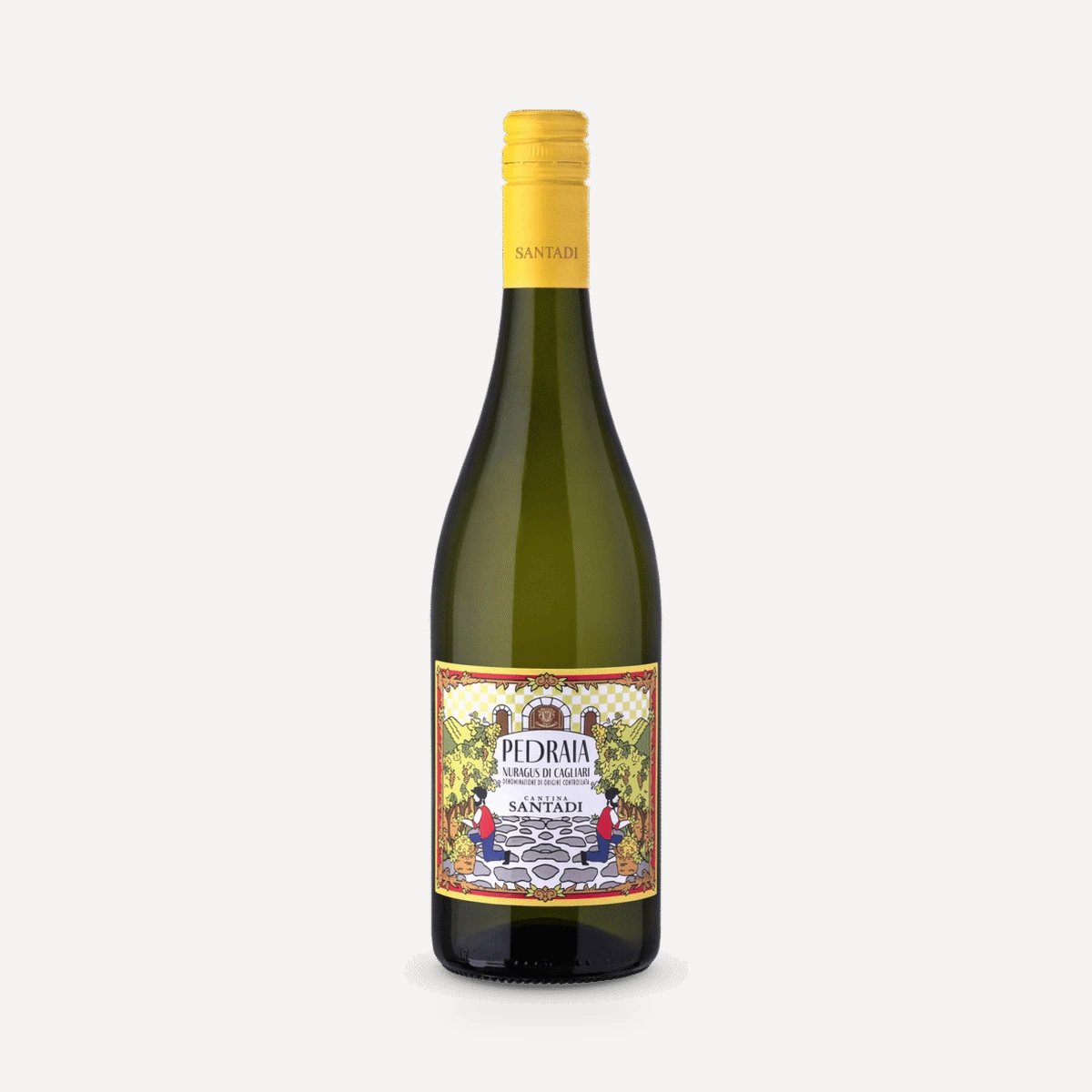
Pedraia
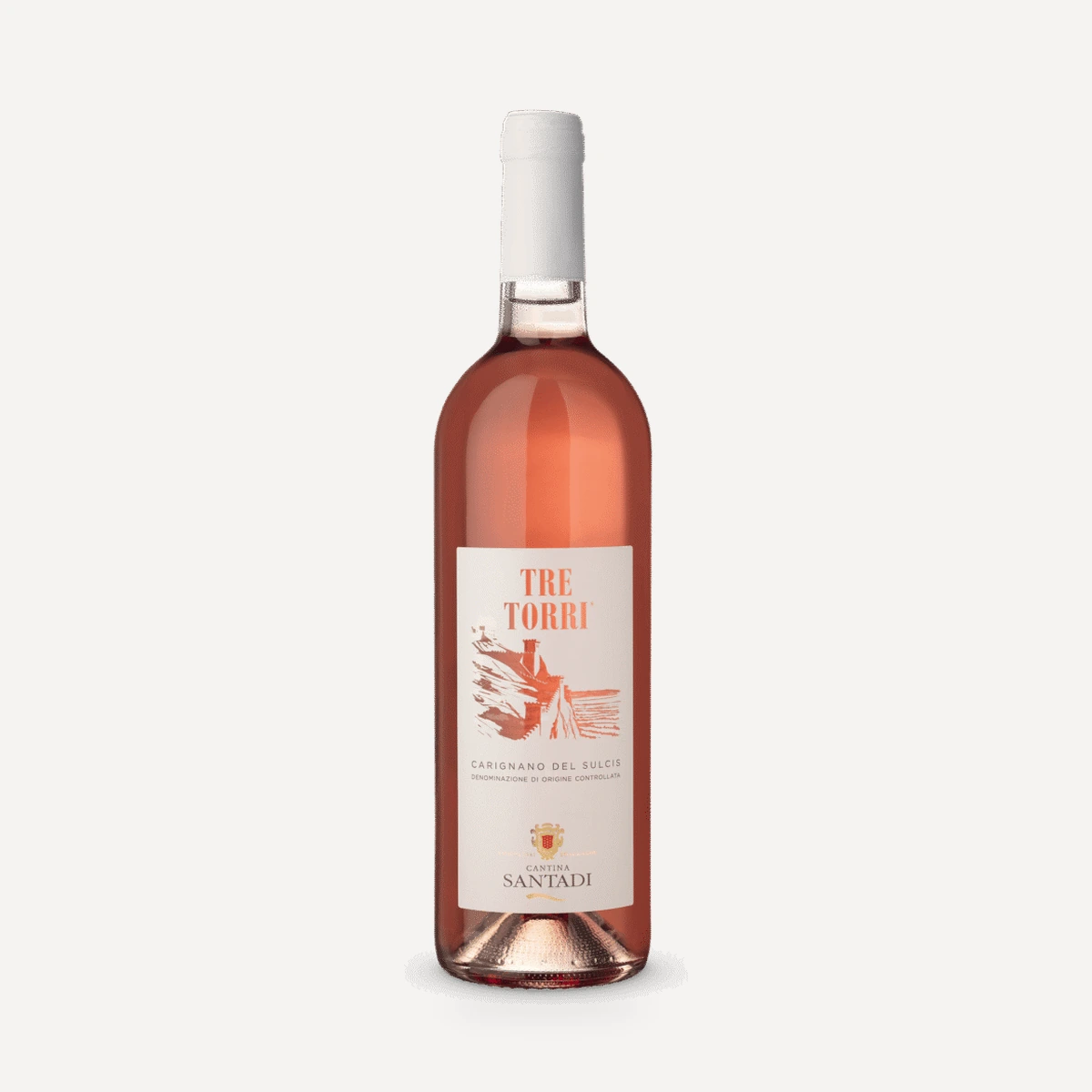
Tre Torri
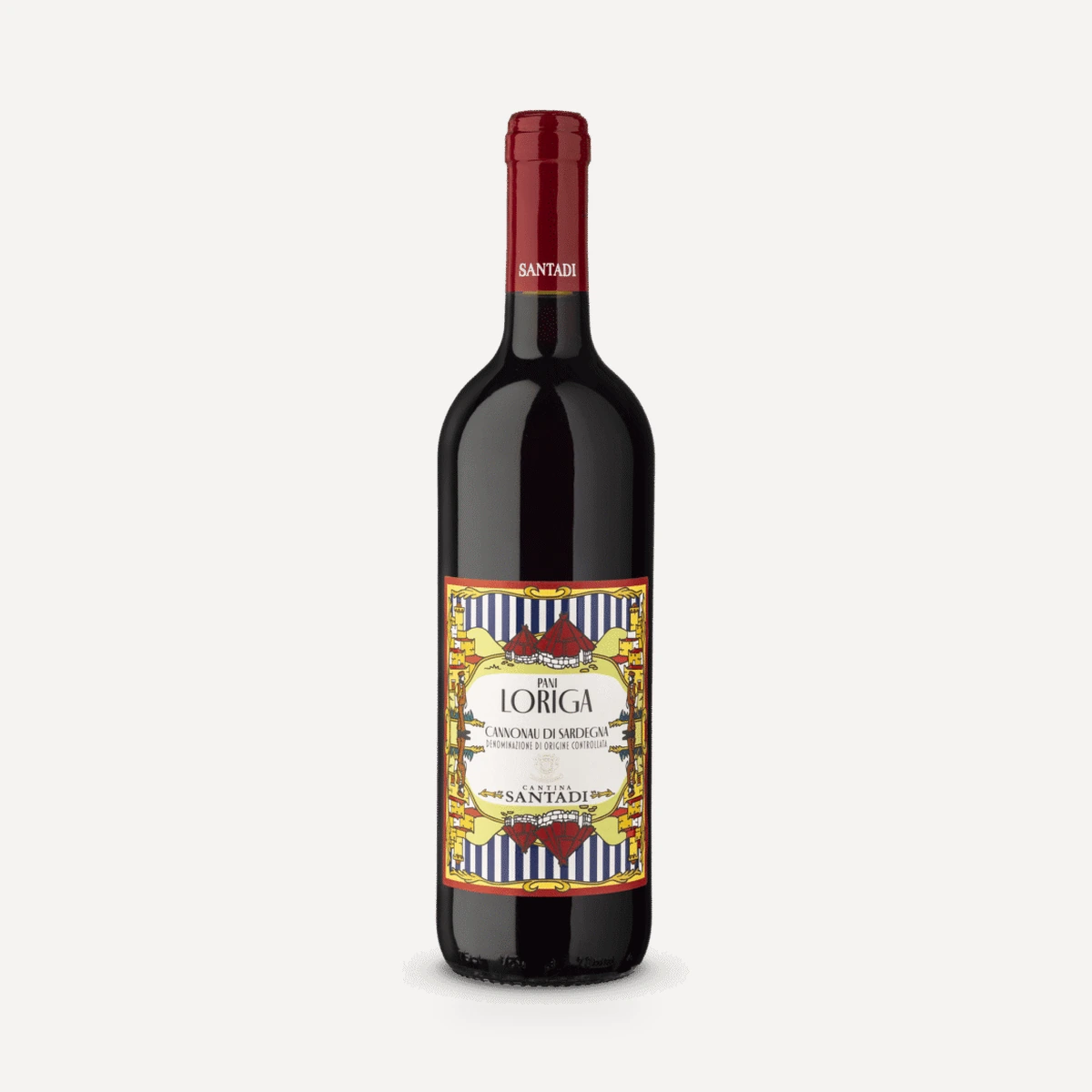
Pani Loriga
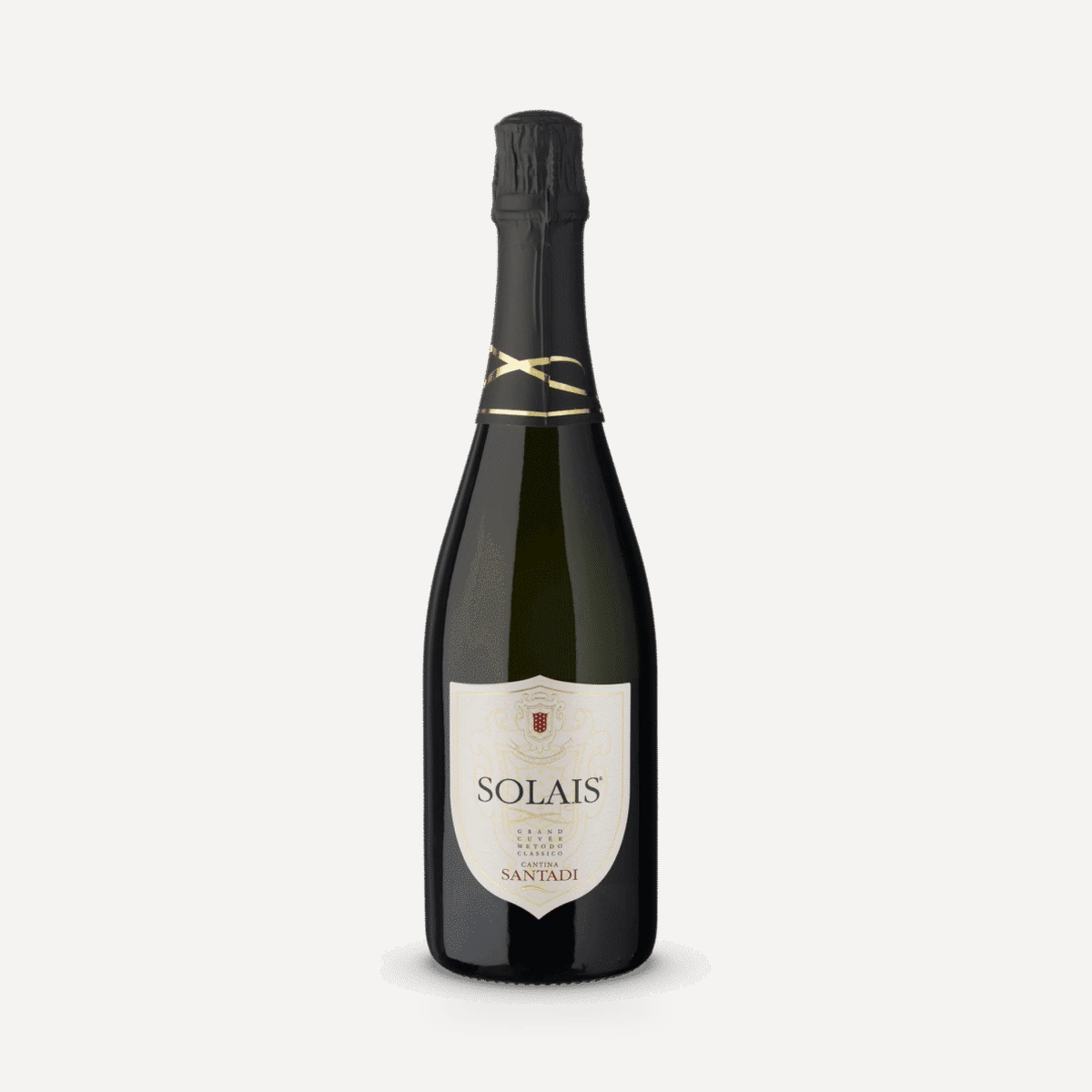
Solais
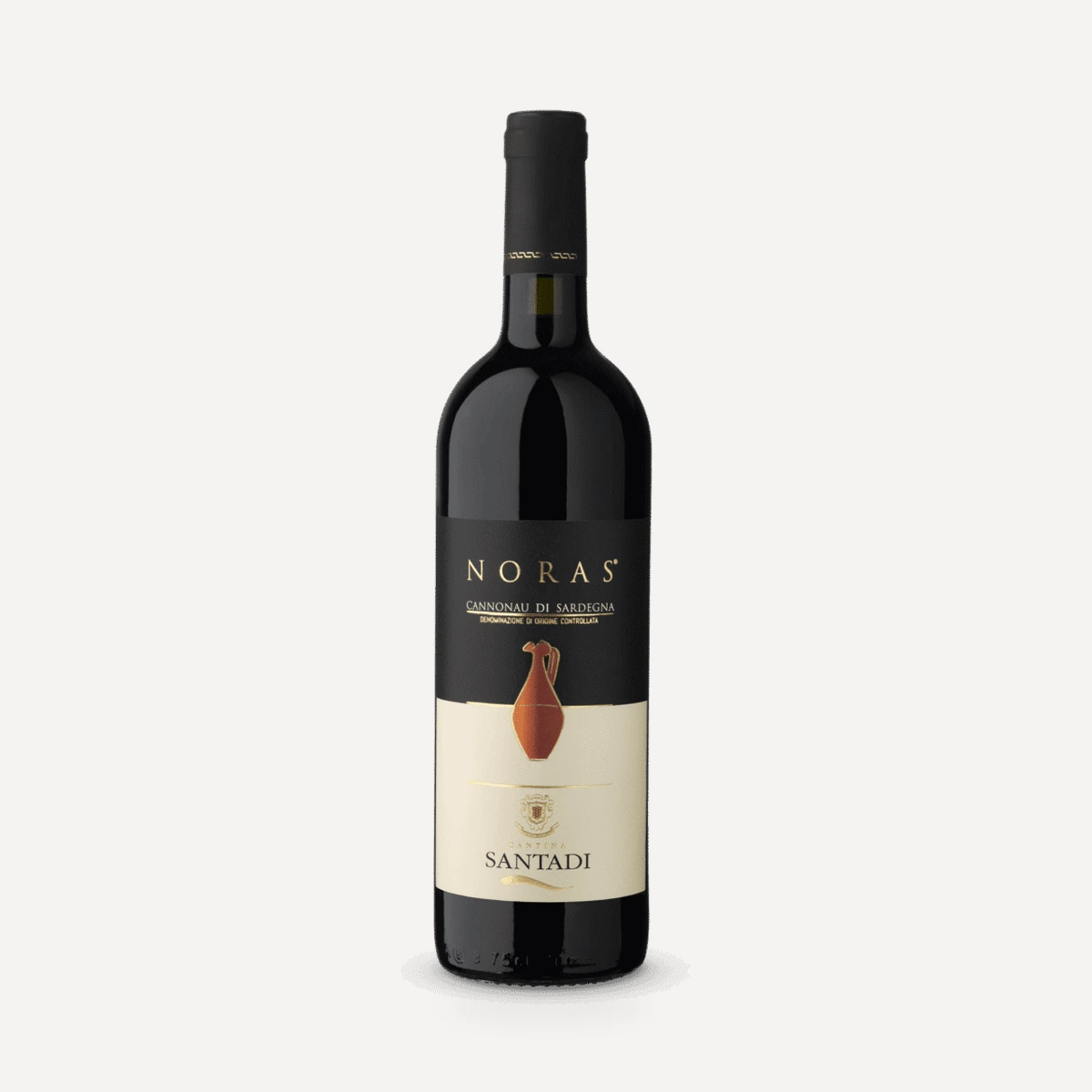
Noras
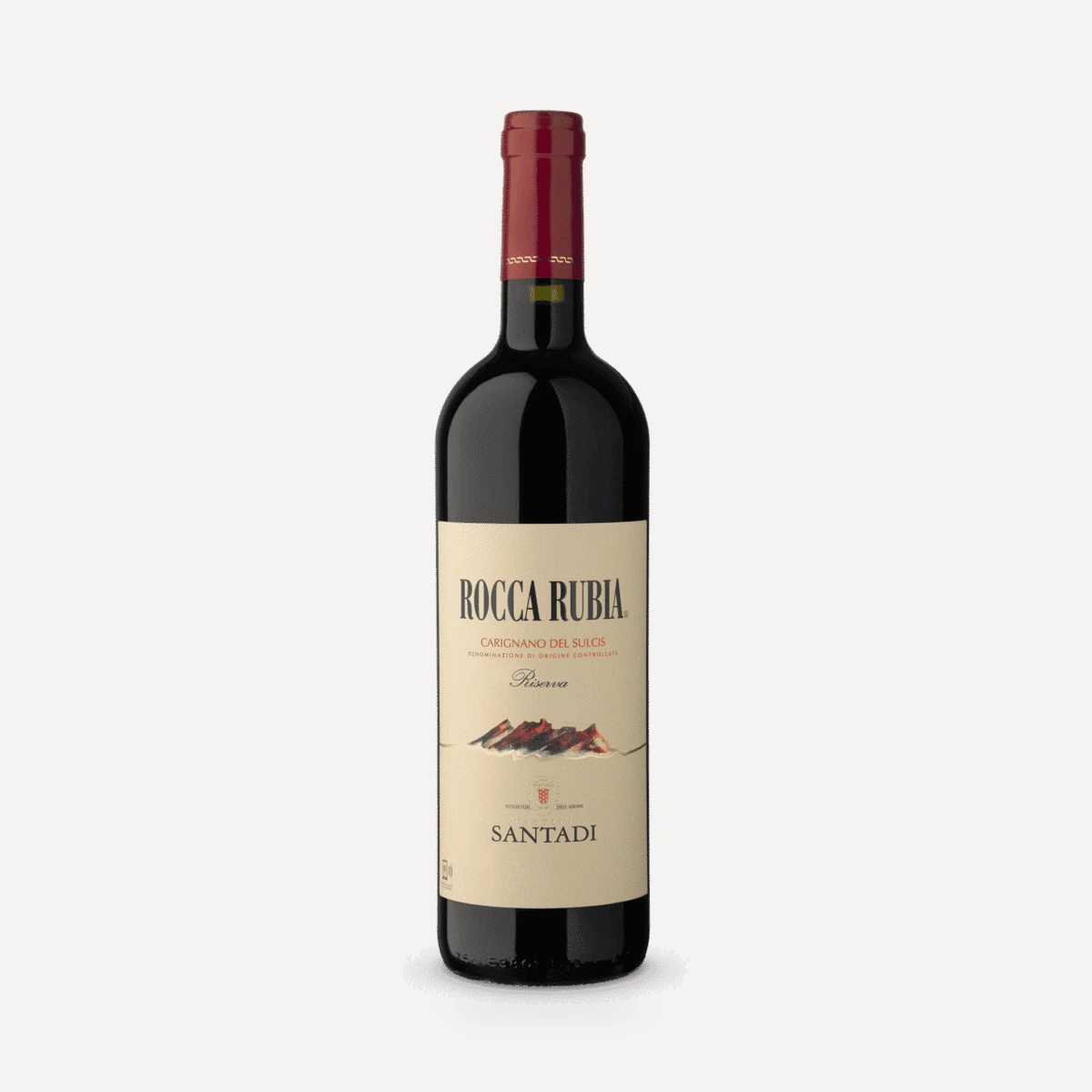
Rocca Rubia
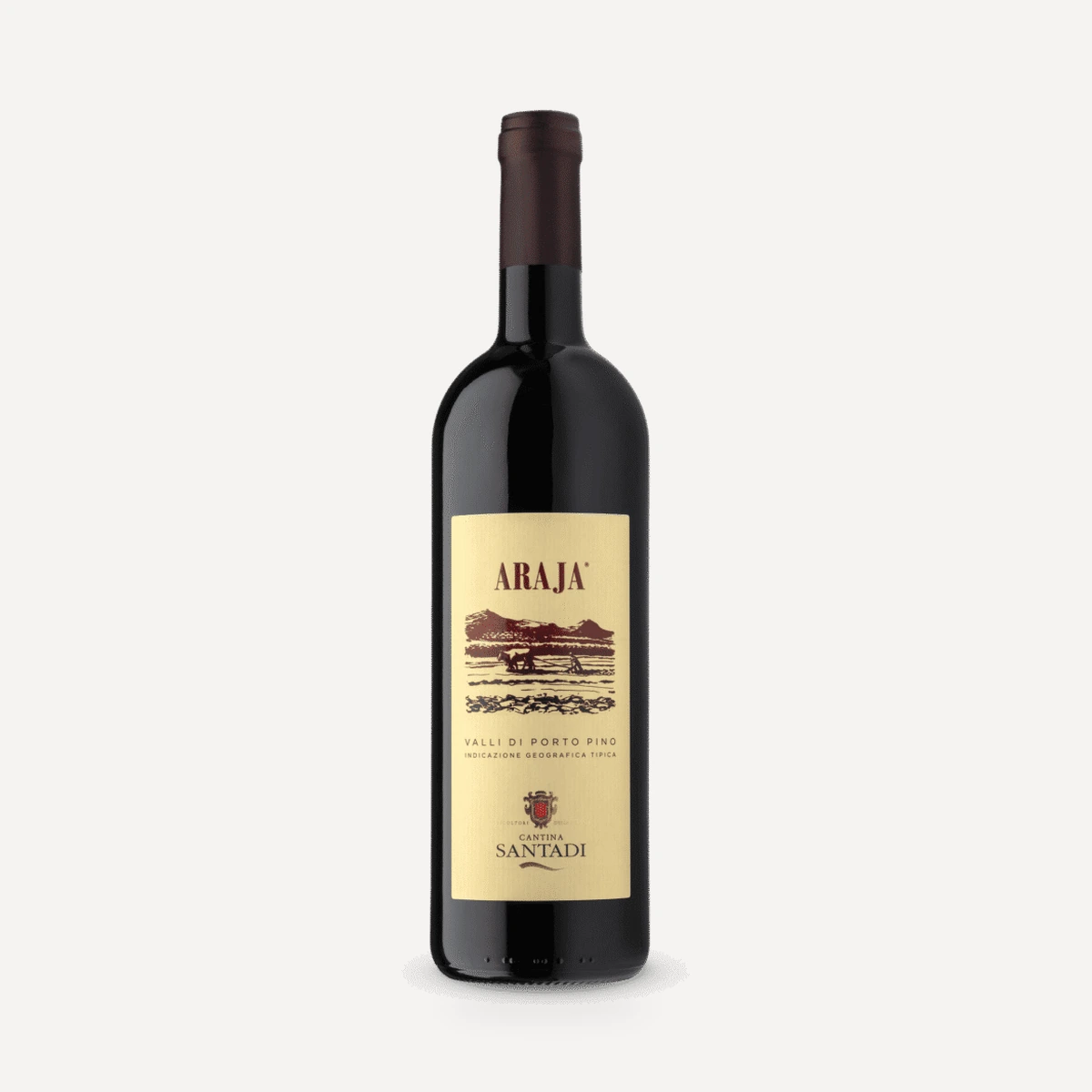
Araja
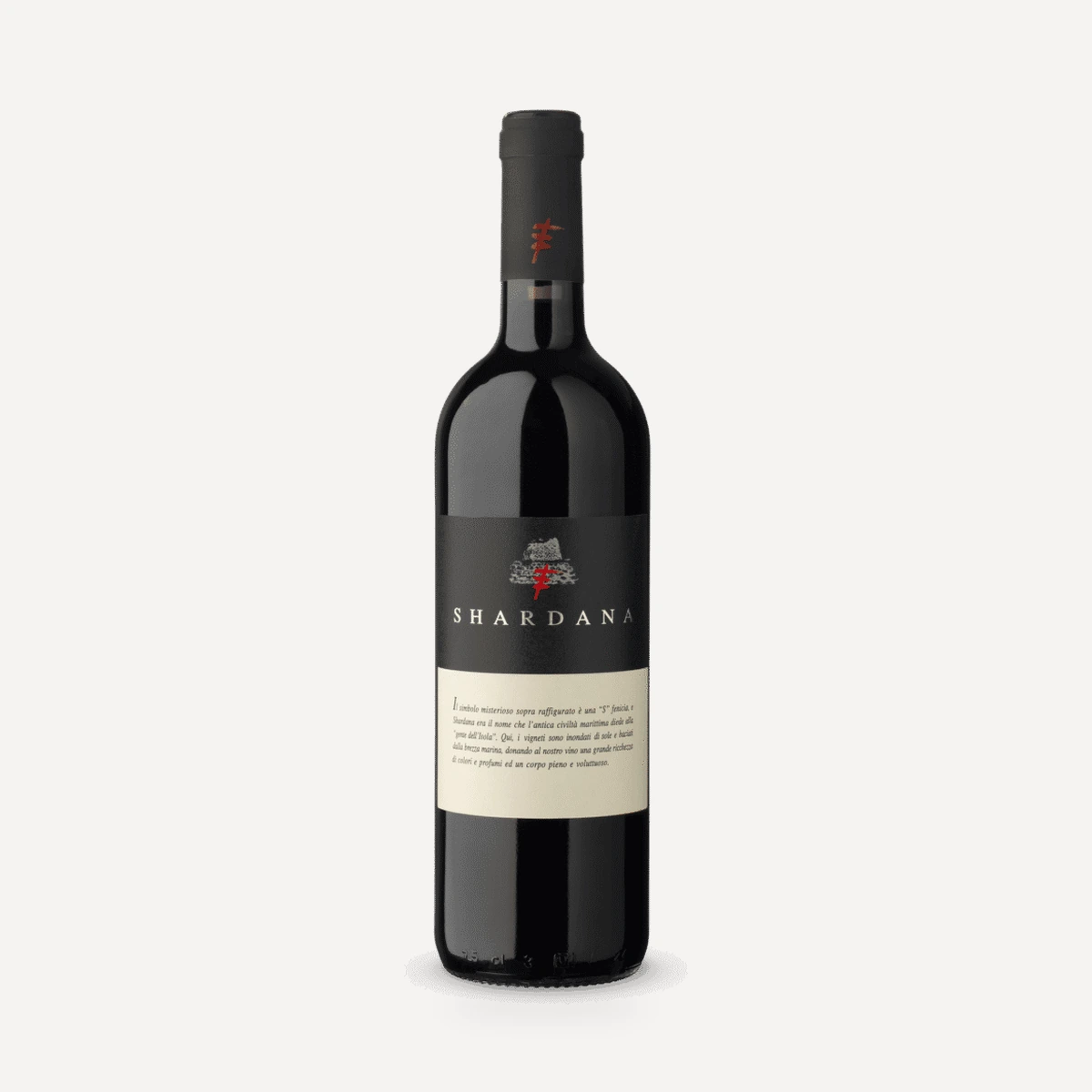
Shardana
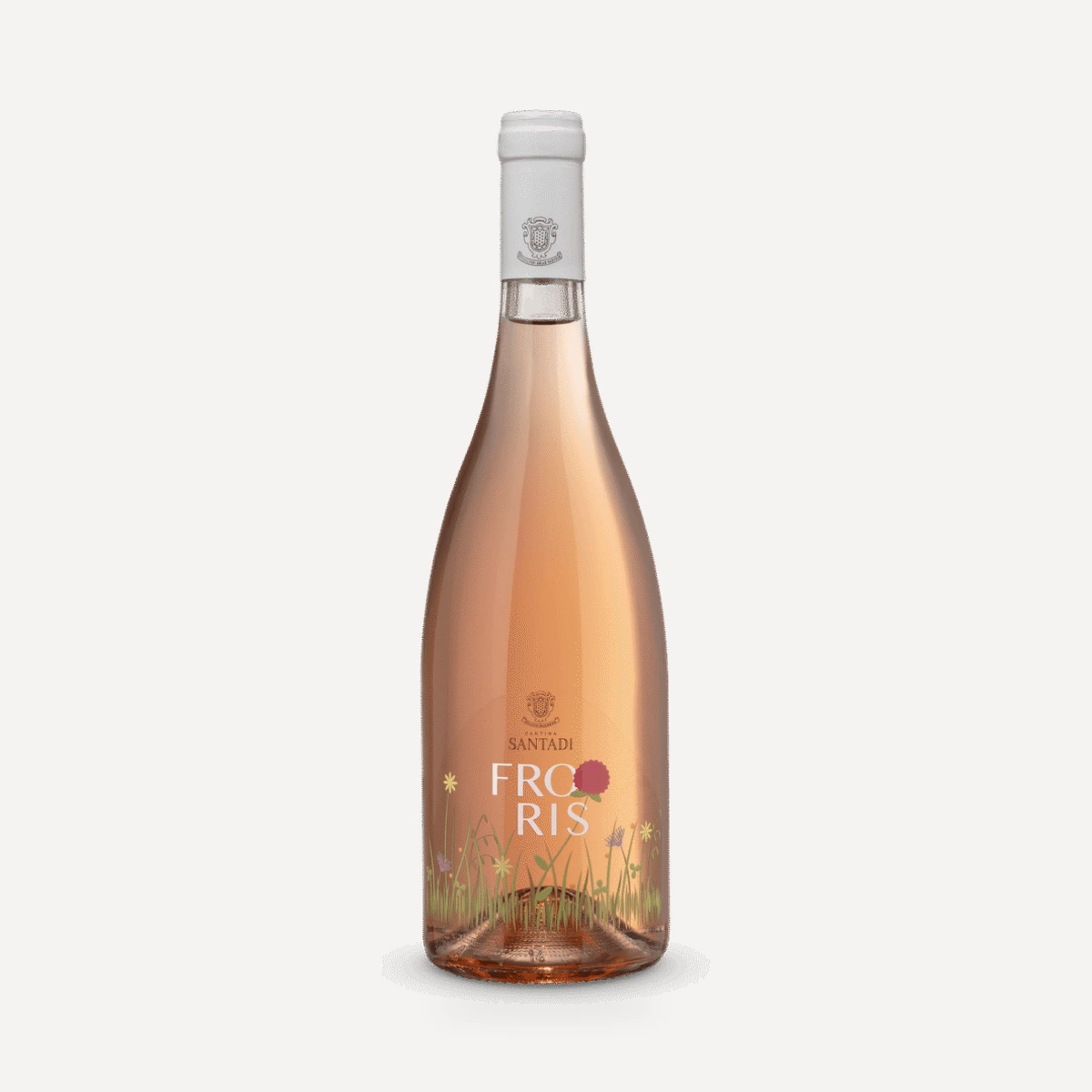
Froris
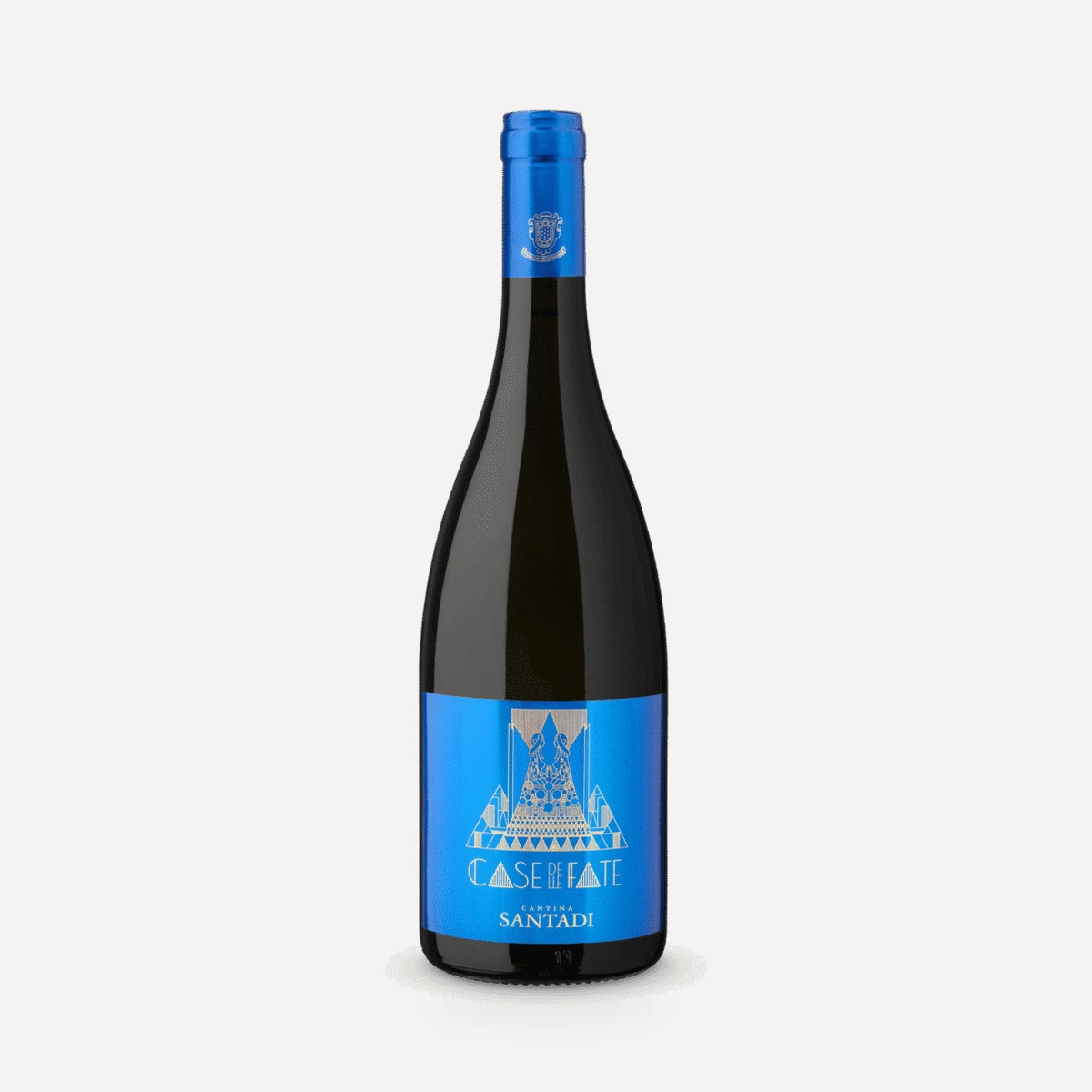
Case delle Fate
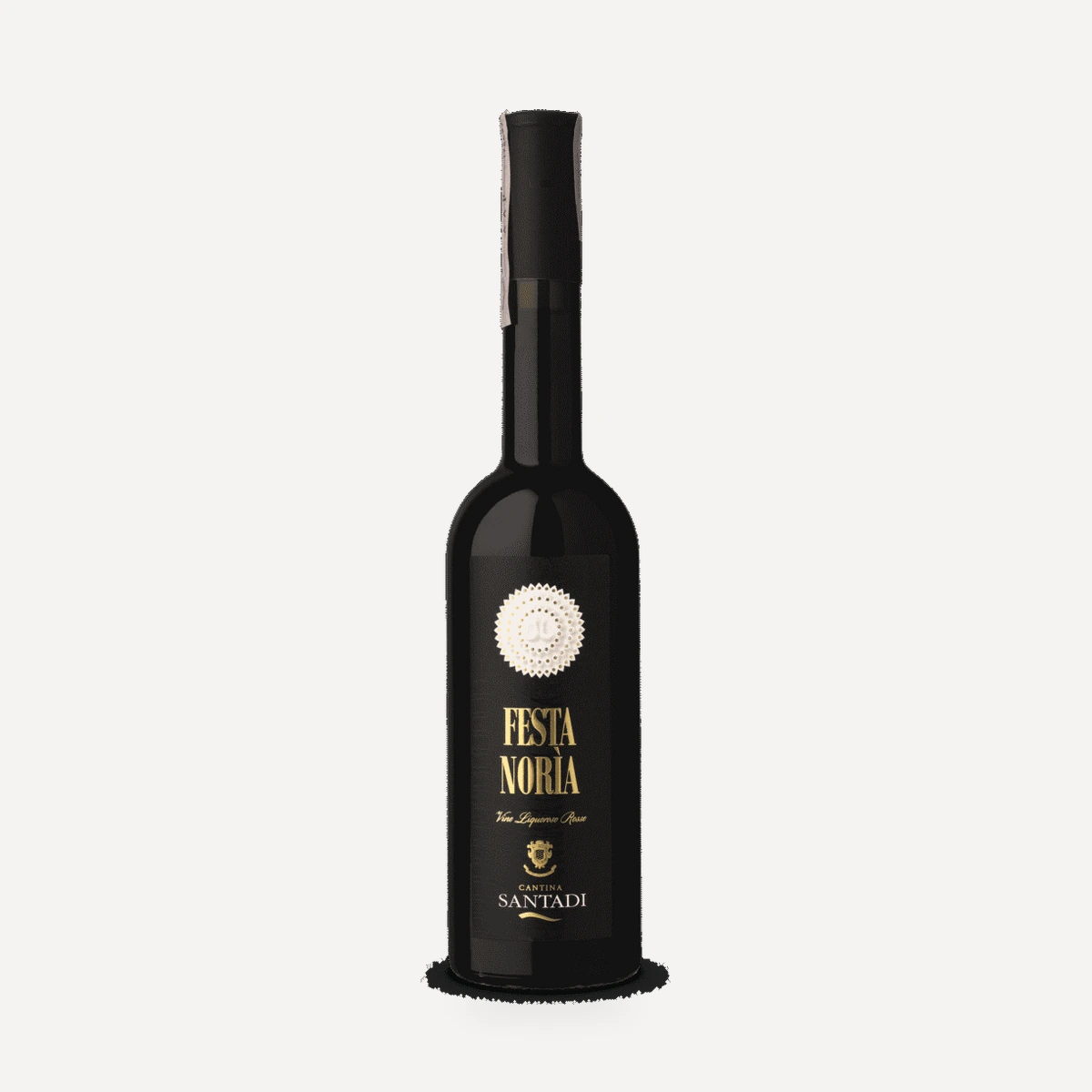
Festa Norìa
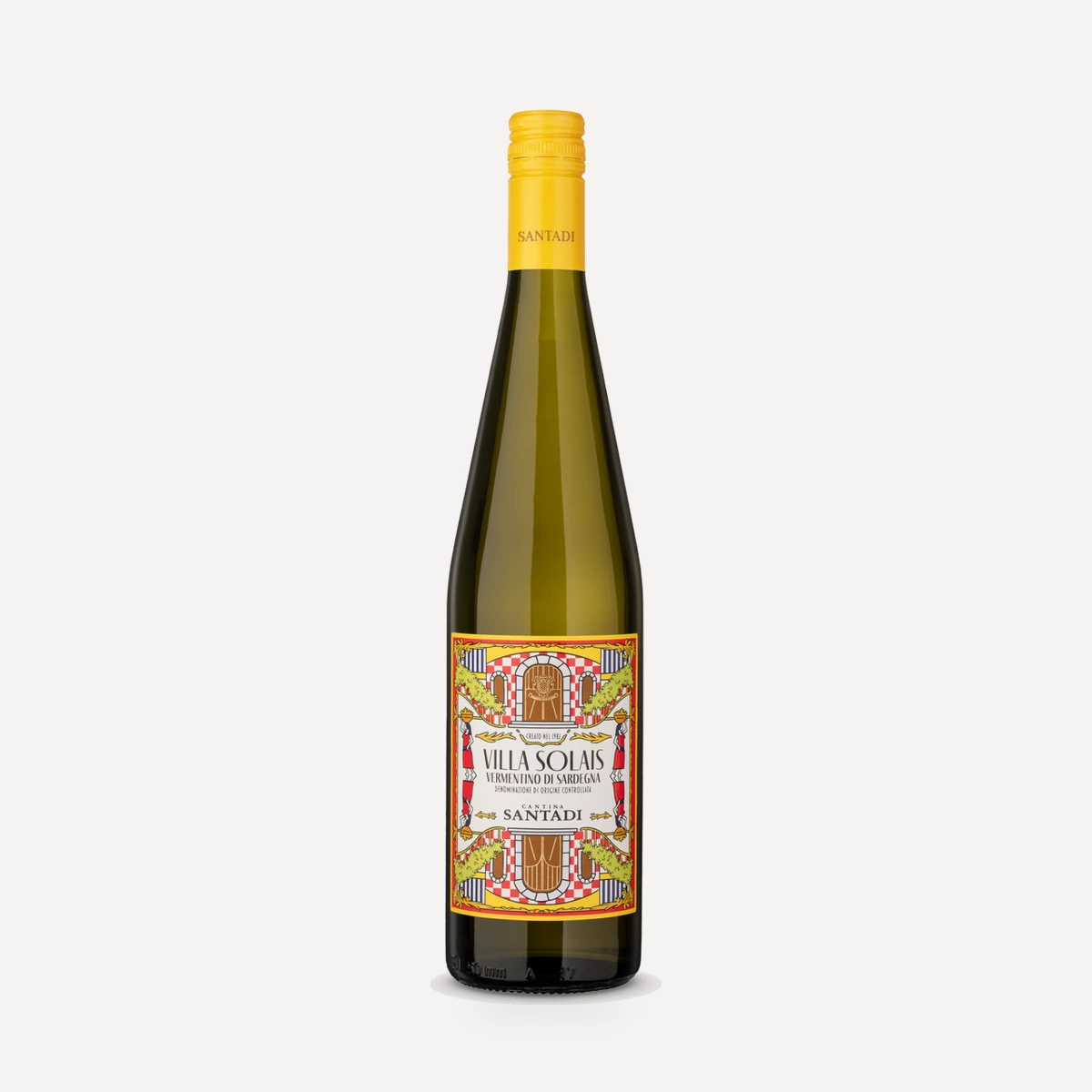
Villa Solais
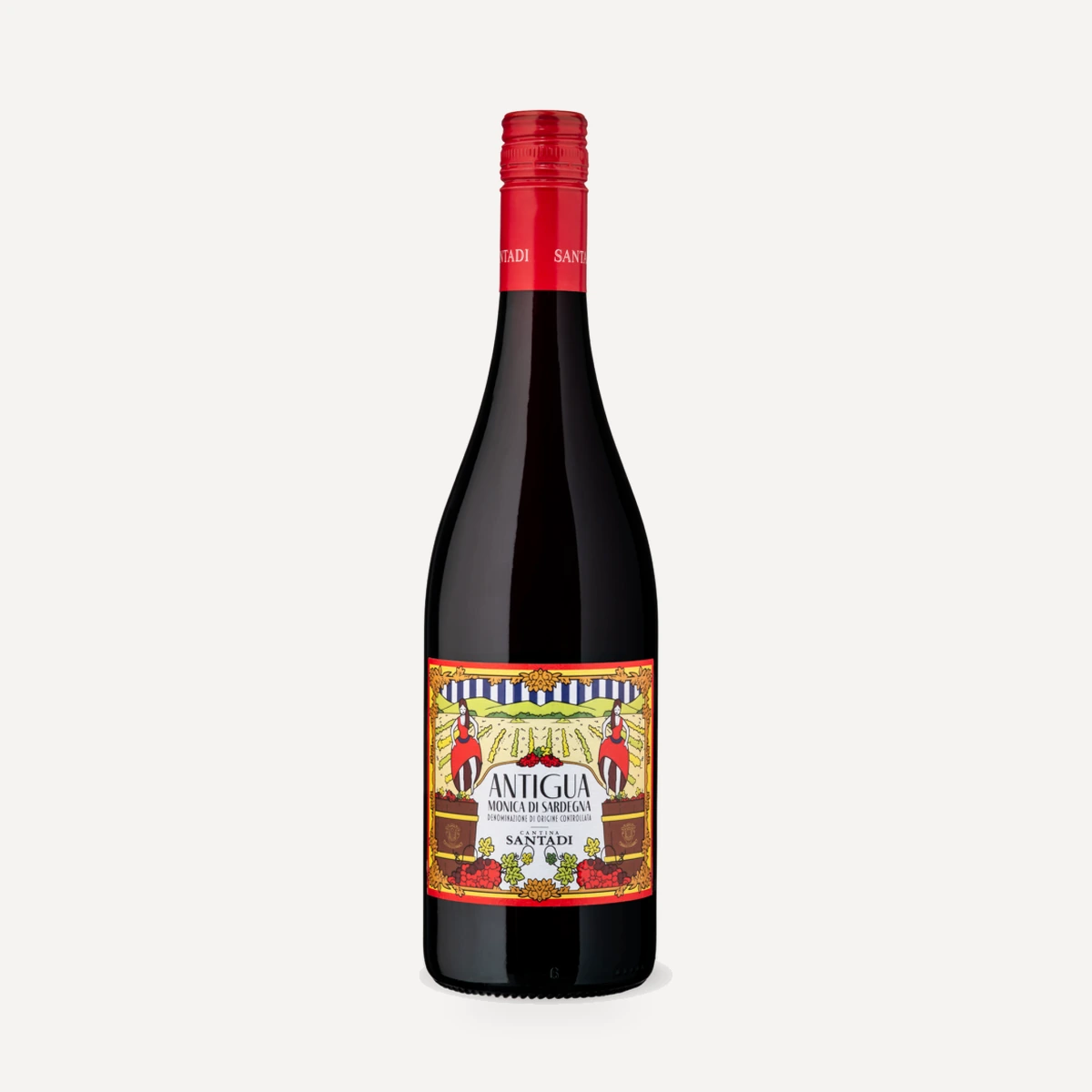
Antigua
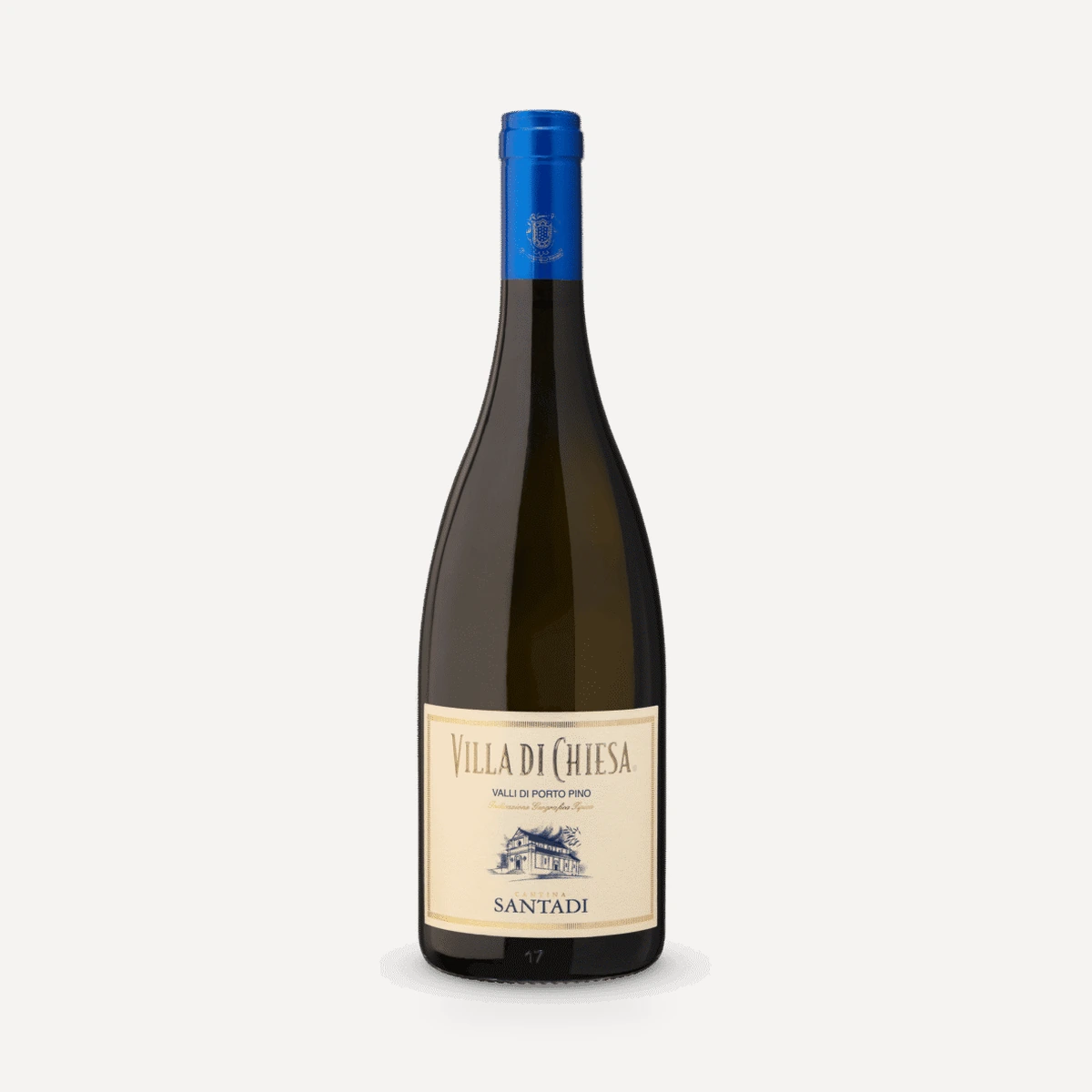
Villa di Chiesa