History
Family roots: 1642–1898
The family’s documented connection to Cabras reaches back to 1642, when the local marriage registers recorded the union of Salvador Continy Murtas and Maria Angela Canu. The present Contini family descends from that marriage. The surname lost its final “y” in 1700.
Contini was founded in Cabras in 1898 by Salvatore Contini and his wife, Anna Maria Dessì. The business identifies itself as the first and oldest winery established in Sardinia. Its early identity was closely bound to Vernaccia, whose wines remain preserved in the historic barrel cellar.
Attilio Contini and the second generation: 1936–1960s
Salvatore Contini died in 1936 and management passed to his son Attilio. Applying the lessons inherited from his parents and his own entrepreneurial ability, Attilio continued the winery’s development. He married Anna Vincenza, and they had five children: Maria Laura, Elisabetta, Salvatore—known as Totino—Antonio and Paolo.
A family photograph dated 1950 records Totino, Attilio, Antonio and the young Paolo, or Paoletto, during this period of family management.
During the 1960s the operation consolidated and enlarged production by acquiring grapes from local growers. Vernaccia production reached its historical maximum and the wine became one of Sardinia’s best-known and most highly regarded expressions.
Recognition for Vernaccia: 1971
In 1971 Vernaccia di Oristano became Sardinia’s first DOC. Contini subsequently maintained its commitment to the variety through both traditional oxidative wines and new interpretations.
Corporate reorganisation and diversification: 1975–1980s
Dino Loi joined Contini in 1975. Over the following 50 years he worked alongside three generations, witnessing the transformation from a winery devoted almost exclusively to Vernaccia into a business with more than 22 labels.
Attilio died in 1980. The winery then became a joint-stock company in which the members of the Contini family held interests. Third-generation brothers Totino, Antonio and Paolo took the business forward, created new wines and opened additional commercial channels.
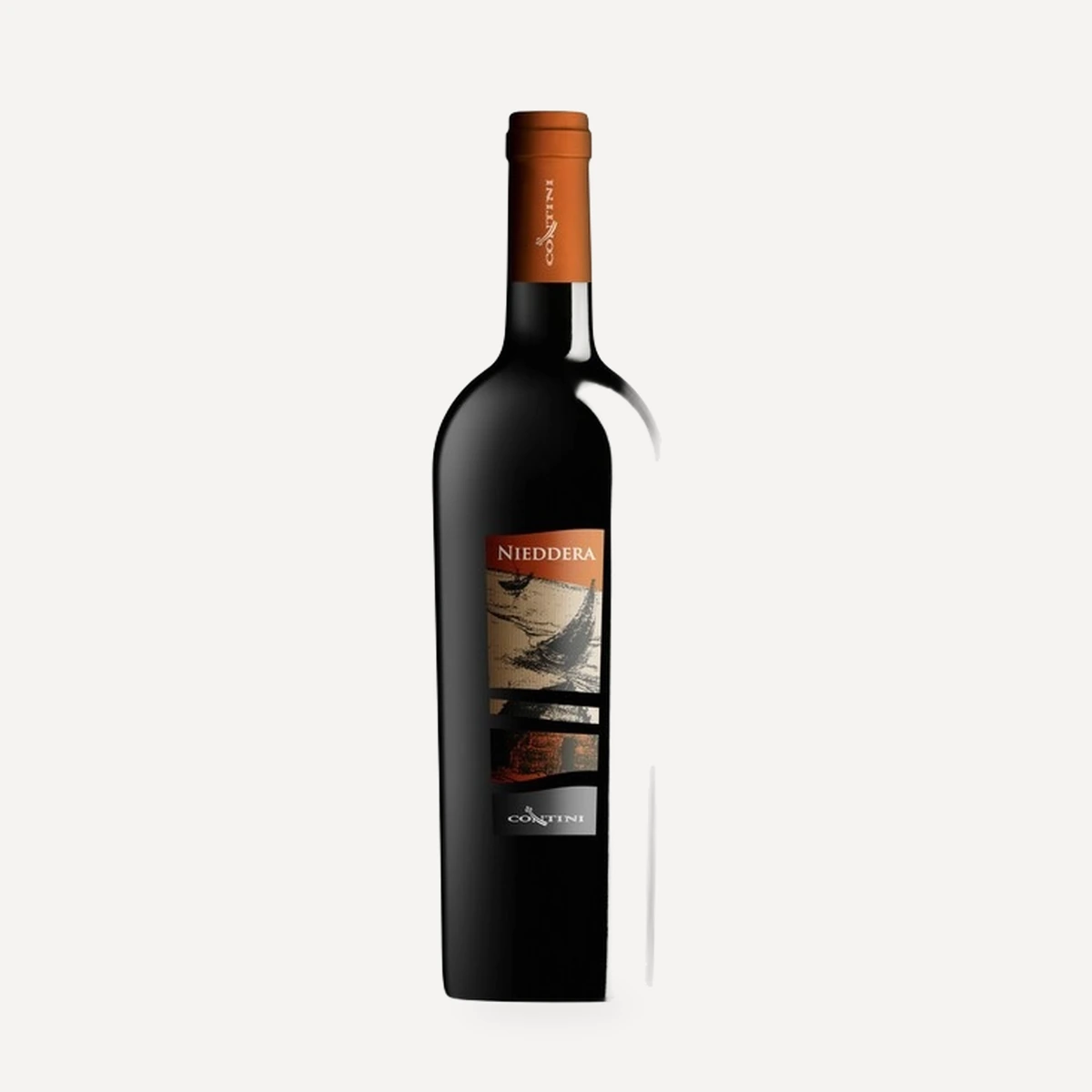
This generation navigated a period marked by a wine-sector crisis, changing patterns of consumption and the vine-pull policies of the 1980s. The family responded by developing wines for a younger audience with different drinking habits and by renewing attention to local varieties including Nieddera, Caddiu and Muristellu, also identified as Bovale Sardo.
Karmis and a contemporary interpretation of Vernaccia: 1996
Karmis was created in 1996 from a blend of Vernaccia and Vermentino. The project used earlier harvesting and modern cellar techniques to present Vernaccia as a fresh, non-oxidative white rather than solely as a traditional end-of-meal wine. Initially regarded as another experimental attempt to develop a Vernaccia-based wine, it grew into one of the company’s principal commercial successes. By 2026 annual production had reached approximately 900,000 bottles.
Fourth-generation stewardship and renewal
Paolo Contini led the company for decades and later became its honorary president and custodian of the family’s historical memory. Fourth-generation cousins Alessandro, son of Totino, and Mauro, son of Antonio, subsequently assumed operational leadership.
In 2022 a redesigned winery by Giovannimontessorostudio dA was inaugurated in Cabras. The project recast the premises as a destination for hospitality, meetings and experiences while preserving the historic barrel cellar where the oldest Vernaccia wines mature.
Vineyard renewal and expansion: 2023–2025
Around 2023, old and unproductive Vernaccia vines in the Caombus vineyard beside the Cabras lagoon were replaced with a new planting. Its first harvest began in mid-September 2025 and the final Vernaccia parcels were collected in early October. The replanting was intended to offset the naturally lower yields of older vineyards—some reaching about 40 years of age—and to secure continuity for Vernaccia production.
The 2025 harvest was the 127th in the winery’s history. More regular weather and a reduced effect from drought produced a modest volume increase over 2024. Healthy conditions also allowed vineyard treatments to be reduced to a minimum. Bottling of the first 2025 whites and rosés began slightly earlier than usual as part of the company’s consolidated production cycle.
Investment and management transition: 2026
In 2026 Contini continued to expand production and storage capacity beside the Cabras lagoon and to establish new vineyards in the Valle del Tirso. Following its merger with Cantina Atzori, the company significantly enlarged its viticultural activity, including vineyards along the Cabras and Mistras lagoons, while setting the longer-term objective of increasing the area under direct management.
A former regional agricultural-consortium building in Cabras, acquired around 2024 after standing unused for approximately 15 years, became operational in 2026 following partial renovation. It initially accommodates stocks and the company’s complete logistics operation. Moving these functions creates scope for the historic winery to focus increasingly on hospitality and wine maturation.
After the board meeting at the end of May 2026, Mauro Contini succeeded Alessandro Contini as president under a planned system of family continuity and alternation. Alessandro became vice-president while retaining responsibility as commercial director. Gianfranco Siddu succeeded Dino Loi as chief executive officer; Loi remained involved as an experienced adviser after 50 years with the company.
The 128th harvest began on 17 August 2026 in vineyards between Cabras, Nurachi and Riola Sardo. Nieddera and Vernaccia for sparkling-wine bases were picked first, followed by Vermentino, Nieddera for rosé, red varieties and, at the end of September, Vernaccia for Vernaccia di Oristano DOC. Overripe Vernaccia for Pontis was scheduled for early October. Persistent heat required daily monitoring of ripeness, precise harvest timing and close control of cellar temperatures to retain acidity and freshness.
Terroir
Contini’s vineyards extend across more than 200 hectares in several parts of Sardinia. Their historical centre lies in the Sinis peninsula and the lower Tirso river valley near Cabras, with further holdings around Monte Arci, in northern and northwestern Sardinia and in the island’s central highlands.
Sinis and the lower Valle del Tirso
The core vineyards stand only a few metres above sea level near the Gulf of Oristano and the Cabras lagoon. The lower valley combines pebbles and clay with silty, sandy and alluvial deposits; individual sites also show calcareous fractions and slightly clayey sands. The lean, sandy soil traditionally associated with Vernaccia is locally called Gregori.
Winters are mild, while summers are hot and humid or very hot, with limited rainfall. The mistral blows inland from the sea, ventilating the vines, supporting grape health and moderating the coastal environment. These conditions are central to Vernaccia and Nieddera. Marine proximity, the lagoon and varied soils also shape the saline character sought in the wines.
Monte Arci and Terre di Ossidiana
A substantial vineyard group lies inland from the Gulf of Oristano on the slopes of Monte Arci. Summers are very hot and dry; winters remain mild but are rainier. The soils are volcanic and distinguished by a considerable presence of obsidian. Vermentino and Cannonau are the principal varieties associated with these sites.
Northern Sardinia
Several hectares used for Vermentino di Gallura DOCG lie on decomposed granite at elevations ranging from 200 to 400 metres. The combination of granite, wind and temperature variation is associated with a tauter, more mineral expression of Vermentino.
Another northwestern vineyard lies on pale, mixed clay-and-limestone soils. It is managed under a sustainable-development model centred on environmental protection and the responsible use of natural resources.
Barbagia and central Sardinia
Several hectares at approximately 600 metres above sea level are devoted to a Cannonau cru. The decomposed-granite soils and high elevation are associated with elegance and finesse. Additional Cannonau sources in central Sardinia complement the volcanic vineyards of Monte Arci.
Winemaking
The vineyard base combines mature bush vines with trellised plantings trained to Guyot and spur-pruned cordon. Traditional bush vines remain particularly relevant in the lower Tirso valley for Vernaccia and for selected local-red sites.
Certified-organic Vermentino and Cannonau grapes are used for the Mamaioa wines. In northwestern Sardinia, a vineyard on pale soils is cultivated according to a sustainable-development model based on environmental protection and the enhancement of natural resources. This practice applies to a defined part of the vineyard base rather than to the entire estate.
Yield varies by variety and intended style. Mature Vernaccia vineyards used for long-aged wines produce approximately 30–40 q/ha; Vernaccia for shorter flor maturation is reported at 40–50 q/ha. Selected local red vineyards yield about 60–70 q/ha, Cannonau sites about 60–90 q/ha, Vermentino di Gallura 70–80 q/ha and certified-organic northern vineyards approximately 90 q/ha.
Vernaccia for traditional wines is generally harvested around mid-October, after later ripening and increased sugar accumulation. Other harvest windows begin with sparkling-wine bases and early whites in August, continue through September with Vermentino, rosé grapes and reds, and finish in early October with overripe Vernaccia for sweet wine.
Harvest timing is adjusted through daily observation rather than a fixed calendar. During the extreme heat of 2026, the team focused on protecting bunches from thermal stress and preserving the balance between acidity and sugar. The very dry conditions reduced fungal pressure, including downy mildew, but raised concerns about lower yields. In the more regular 2025 season, the absence of extreme events allowed phytosanitary treatments to be reduced to a minimum.
Renewal of ageing vineyards forms part of the long-term strategy. At Caombus, old unproductive Vernaccia vines were replaced to maintain production while retaining older parcels—some around 40 years old—that give valuable fruit at naturally lower yields. New plantings in the Valle del Tirso and a target of increasing directly managed vineyard area are intended to provide a stable grape base and greater independence in viticultural decisions.
Contini employs different cellar pathways for fresh whites, rosés, reds and the biologically oxidised Vernaccia wines that form its historical speciality.
White grapes may be crushed or crushed and destemmed before gentle pressing. Fermentation takes place in stainless-steel tanks under temperature control, with 16–18°C specified for several whites. Karmis is vinified in steel without wood and receives periodic bâtonnage; earlier harvesting and controlled vinification preserve the fresh, aromatic and non-oxidative expression of its Vernaccia and Vermentino components. Some certified-organic whites are matured for several months in steel, cement and bottle.
Rosé production includes short skin contact. One documented cellar approach uses only a brief maceration and matures a small portion in barrique, while freshness remains the principal objective.
Red-wine production includes crushing or crushing-destemming, skin macerations ranging from approximately five to fifteen days, fermentation under temperature control and gentle pressing. Earlier-drinking reds mature for several months in steel and bottle; certified-organic red wine can also mature in vitrified cement and stainless steel. More structured selections spend approximately 12–14 months in first- and second-use barriques and tonneaux, followed by at least six months in bottle.
Traditional Vernaccia is vinified as a white wine with gentle pressing and temperature-controlled fermentation. It then matures oxidatively in deliberately ullaged small oak and chestnut casks. The headspace allows a veil of flor yeast to develop naturally, producing the characteristic profile of Vernaccia di Oristano. The Flor expression matures for about four years, while the Riserva remains in these casks for at least 25 years.
Antico Gregori is made only in exceptional Vernaccia years. The 1991 base underwent approximately 33 years of oxidative maturation and was completed with small quantities of much older Vernaccia, principally wine from 1975 and components whose origins reach back to the early decades of the twentieth century.
Continuous temperature monitoring is especially important during hot harvests. In 2026 the production team identified temperature management during vinification as essential to preserving freshness and harmony in the musts. The historic barrel cellar remains dedicated to long maturation, while new premises progressively accommodate logistics, storage and expanded production functions.
Philosophy
Contini frames its work around continuity between family history and innovation. Vernaccia occupies the centre of that identity: preserving its traditional flor-aged form is treated as a cultural responsibility, while fresh blends and modern vinification demonstrate that the same variety can support contemporary styles.
The family’s stated priorities include protecting Sardinian native varieties, maintaining the agricultural landscape and interpreting the differences among the Sinis, Valle del Tirso, Monte Arci and other Sardinian vineyard environments. New plantings are viewed as a responsibility toward both future production and the continuity of local viticultural culture.
The approach to quality combines technical adaptation with stylistic consistency. Harvest dates, cellar temperatures and production cycles are adjusted to climatic conditions, but the objective remains continuity, freshness and recognisable territorial character. In hotter years, native varieties such as Vernaccia, Vermentino, Nieddera and Caddiu are valued for their long adaptation to local conditions.
Family continuity remains an explicit management principle. The 2026 transfer of the presidency from Alessandro to Mauro was planned as an alternation rather than a strategic break, with both continuing their established work. Innovation is similarly presented as an extension of inherited identity: new products, mixology, hospitality and modern spaces coexist with the preserved historic barrel cellar and decades-long Vernaccia maturation.
Hospitality extends this philosophy beyond production. The redesigned winery is intended as a meeting place where visitors can encounter the family history, vineyard culture and the time required for maturation rather than treating wine solely as a finished product.
Wines
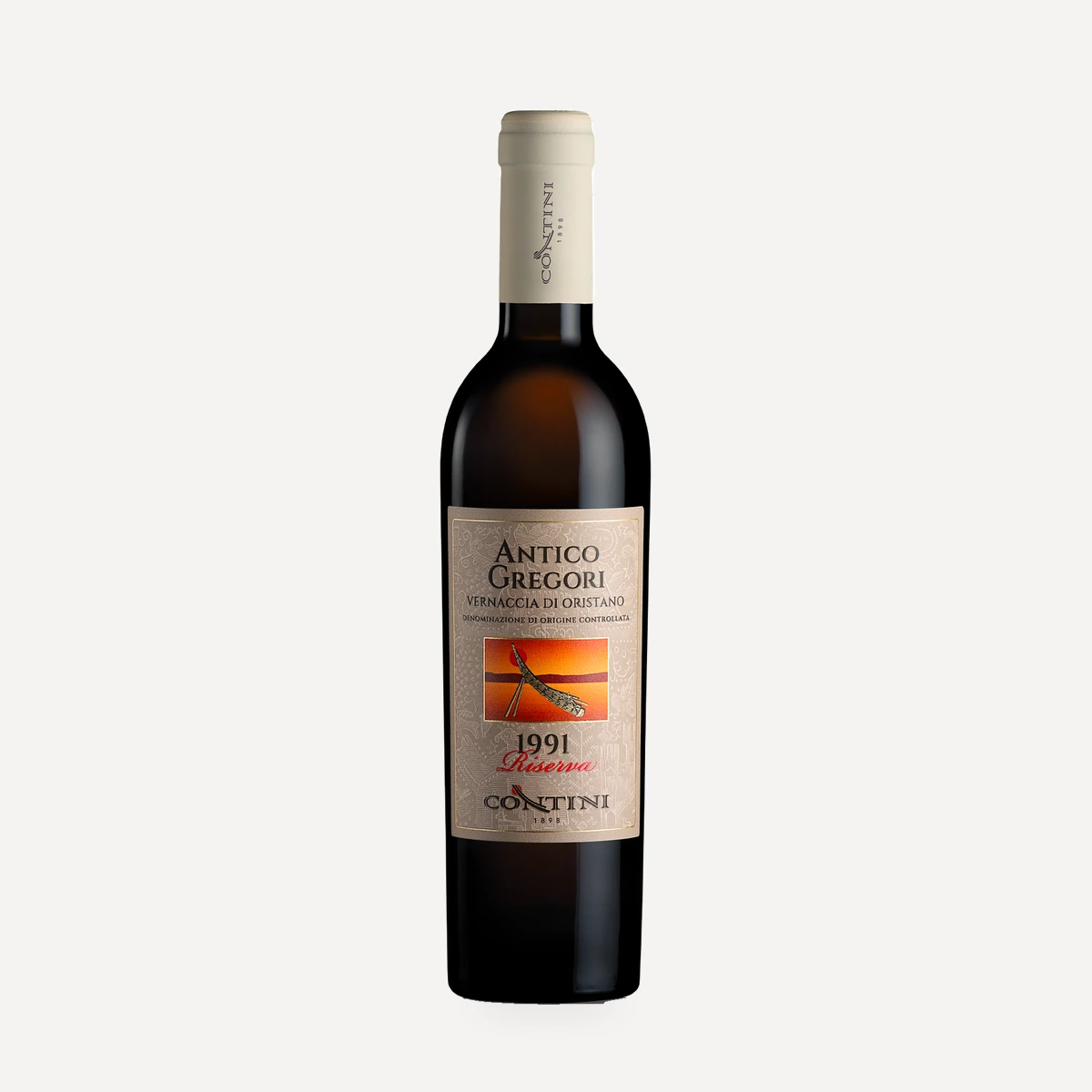
Antico Gregori
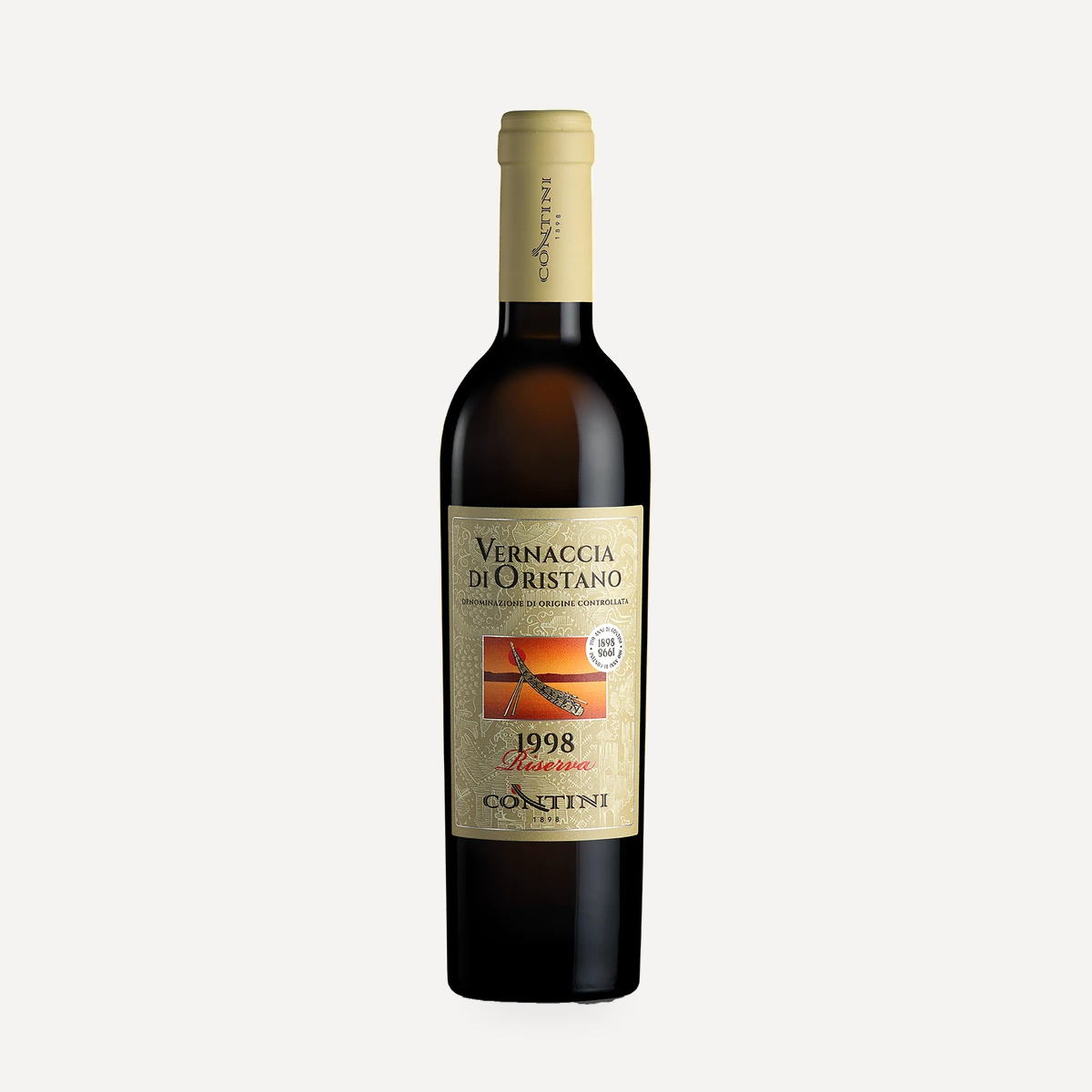
Vernaccia Riserva
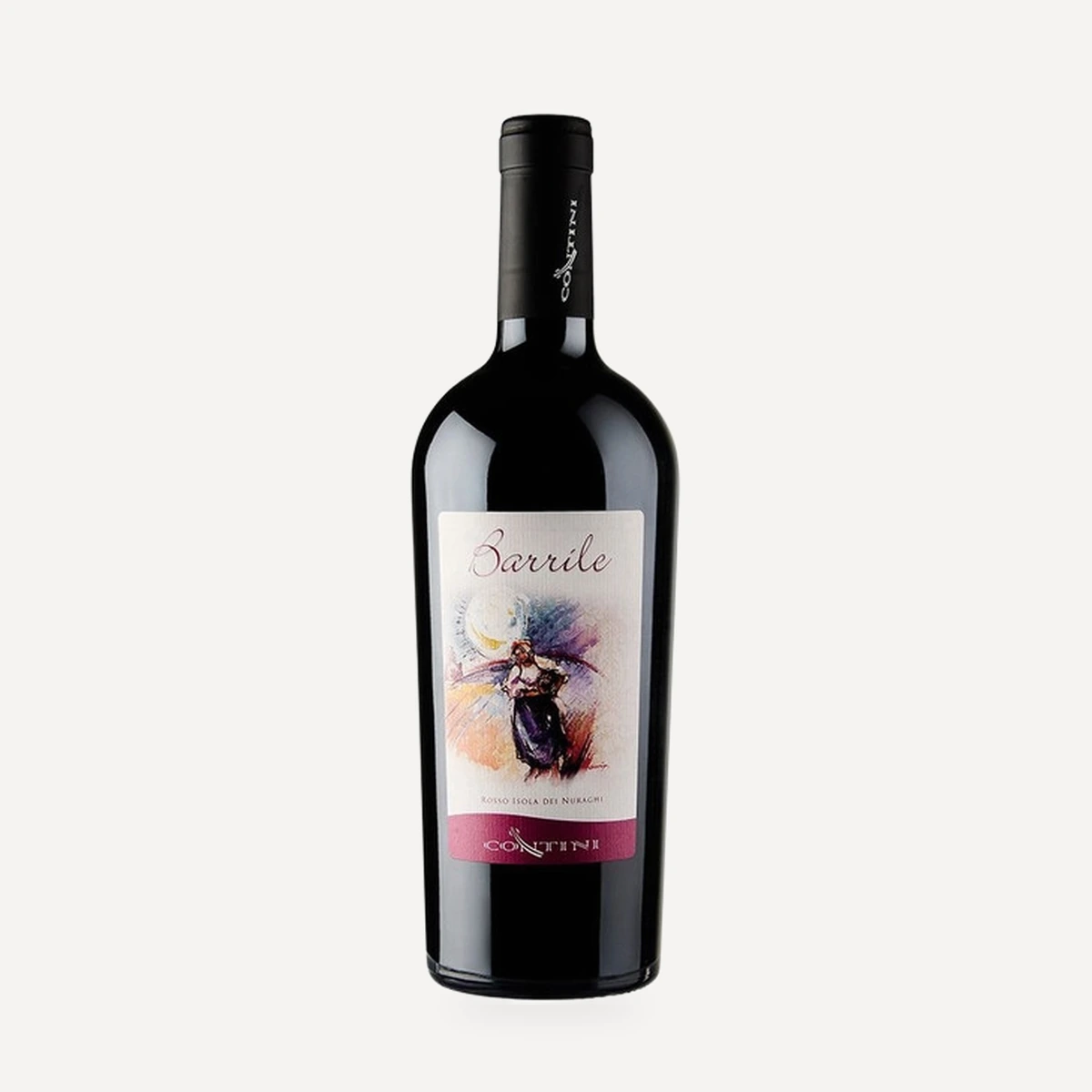
Barrile
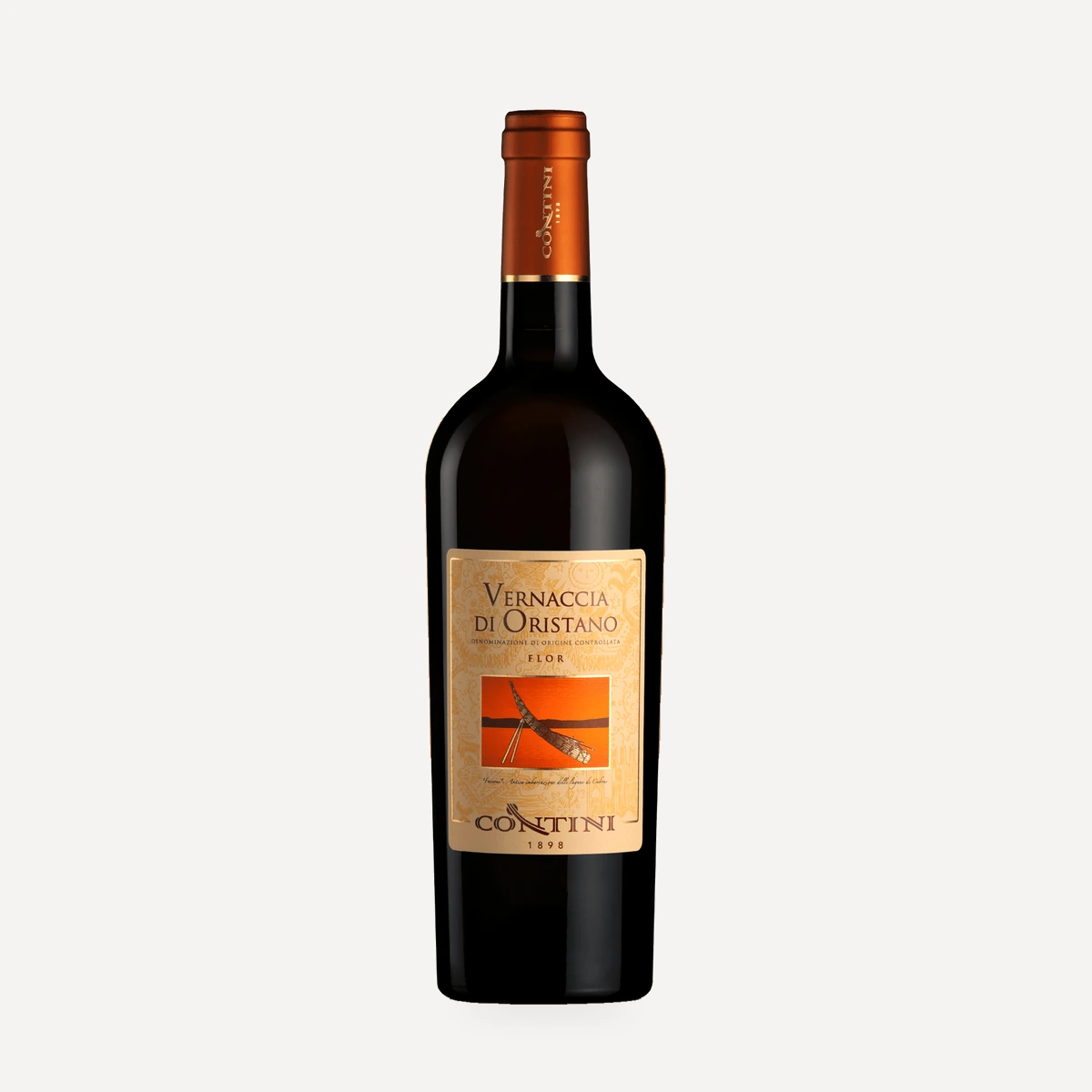
Vernaccia Flor
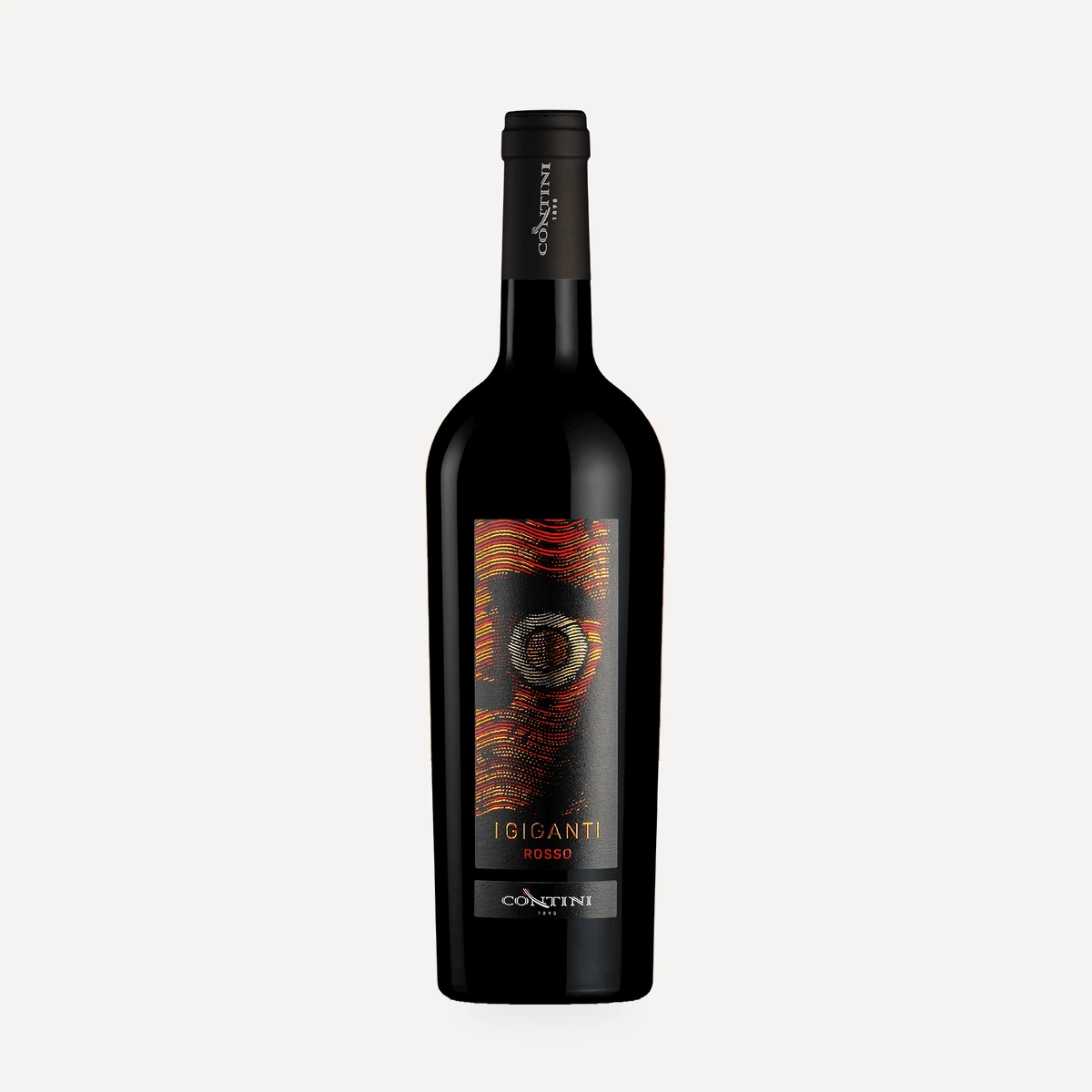
I Giganti Rosso
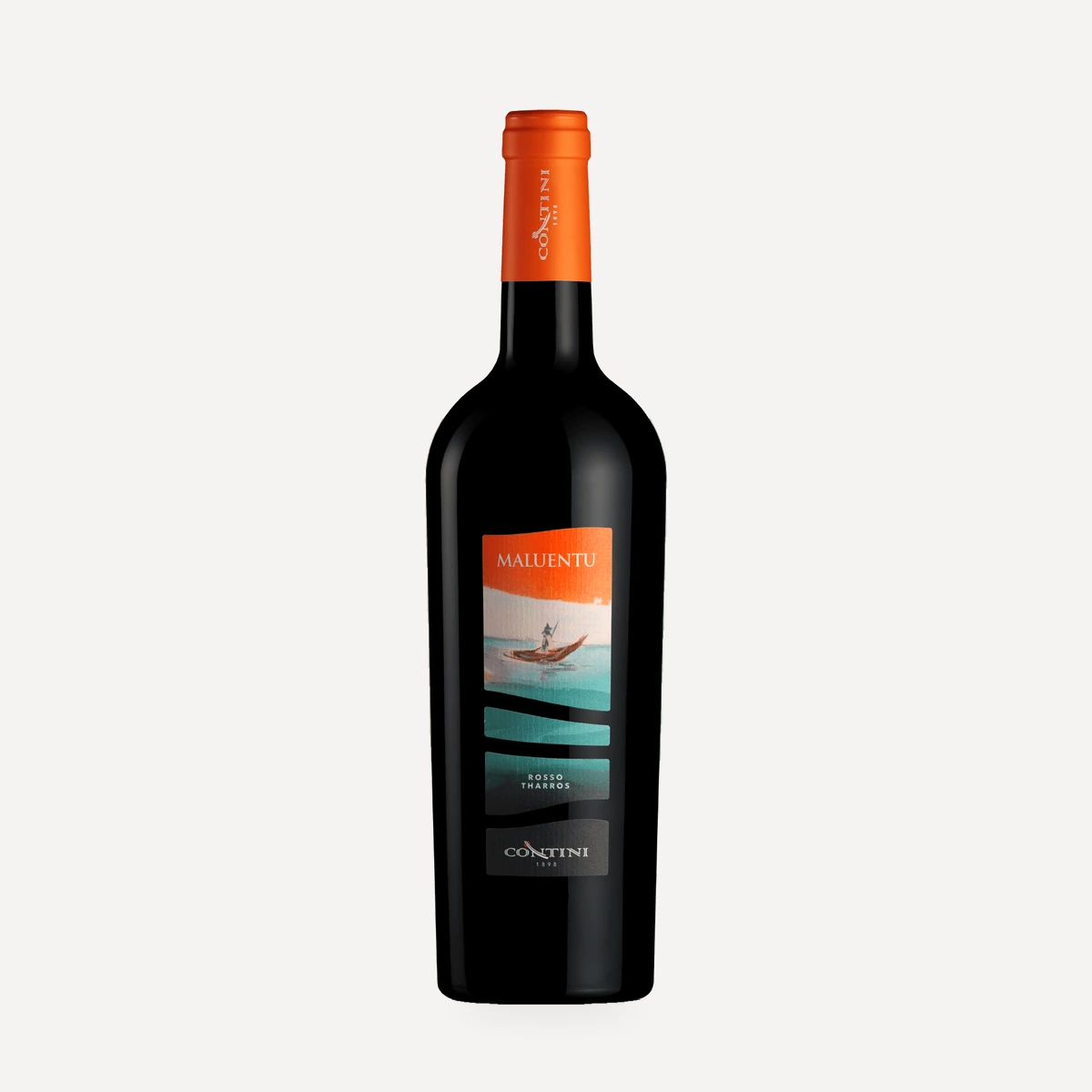
Maluentu
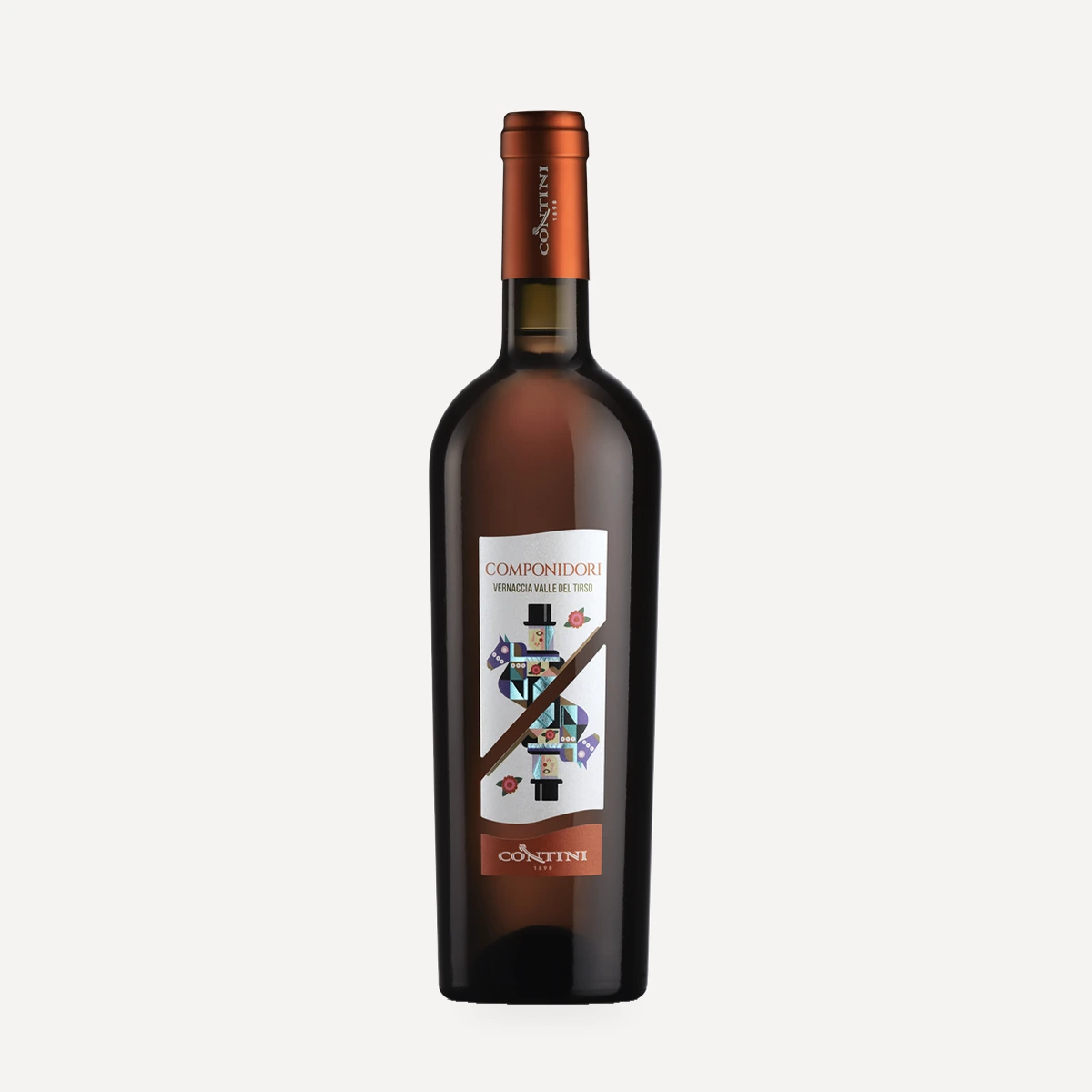
Componidori
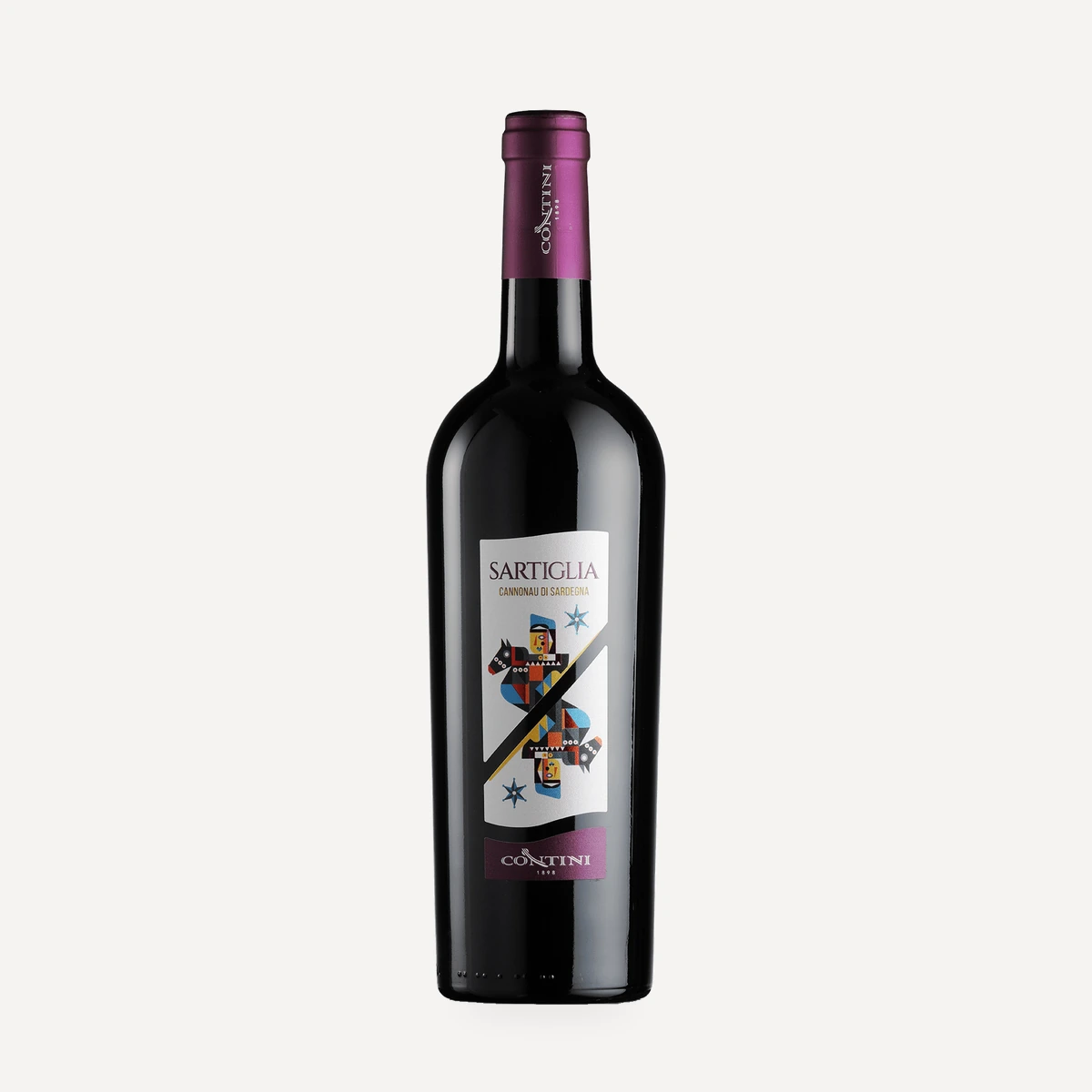
Sartiglia
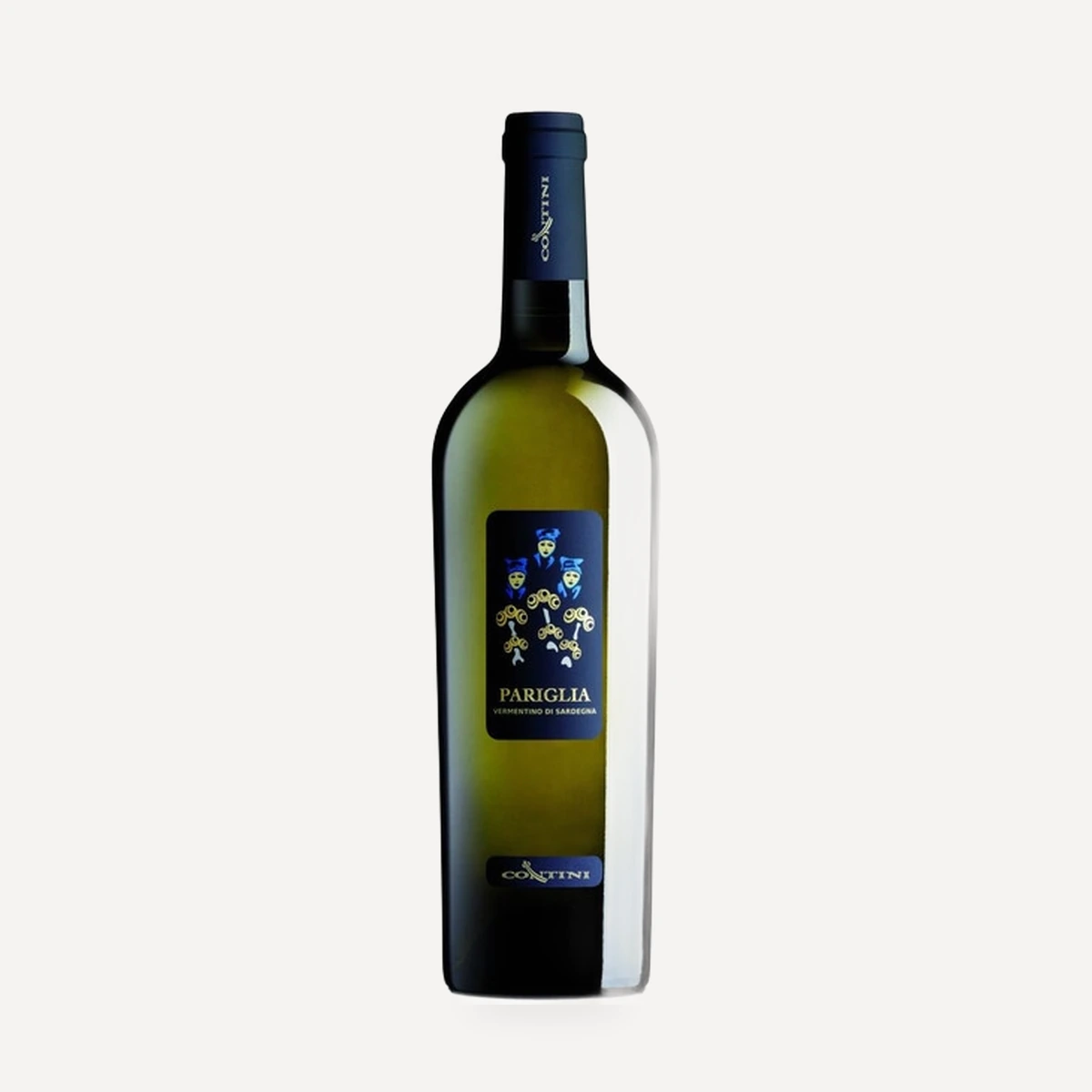
Pariglia
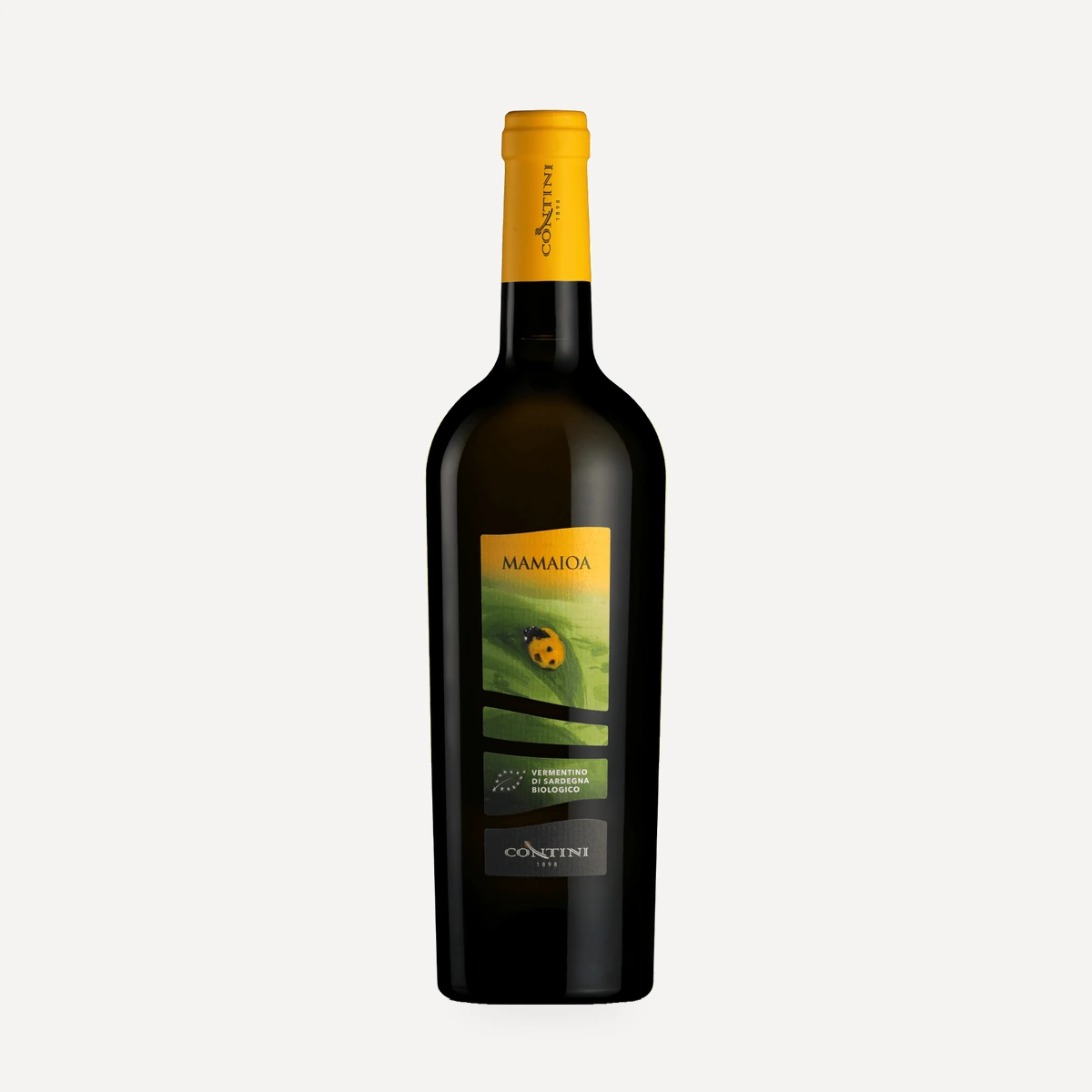
Mamaioa Bianco
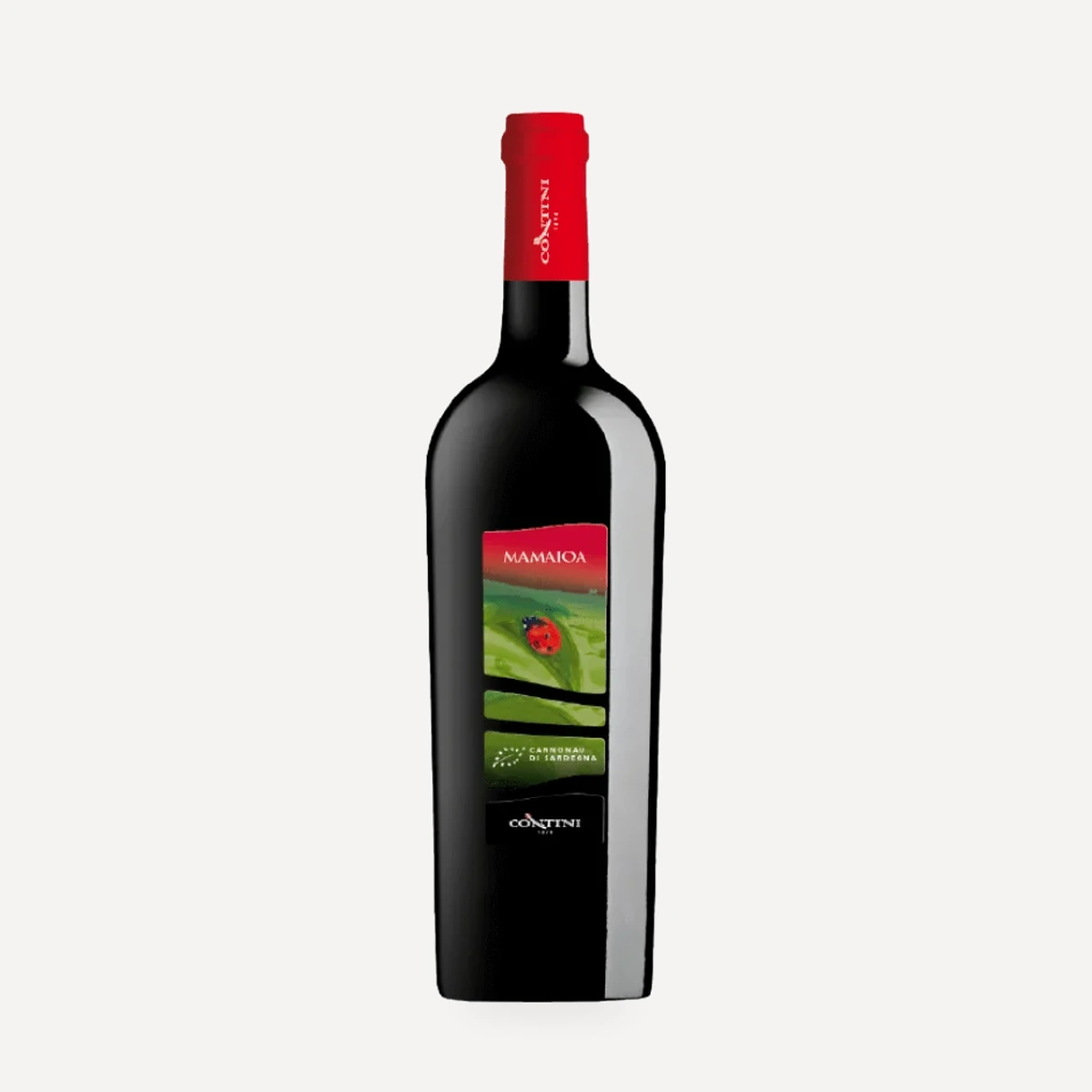
Mamaioa Rosso
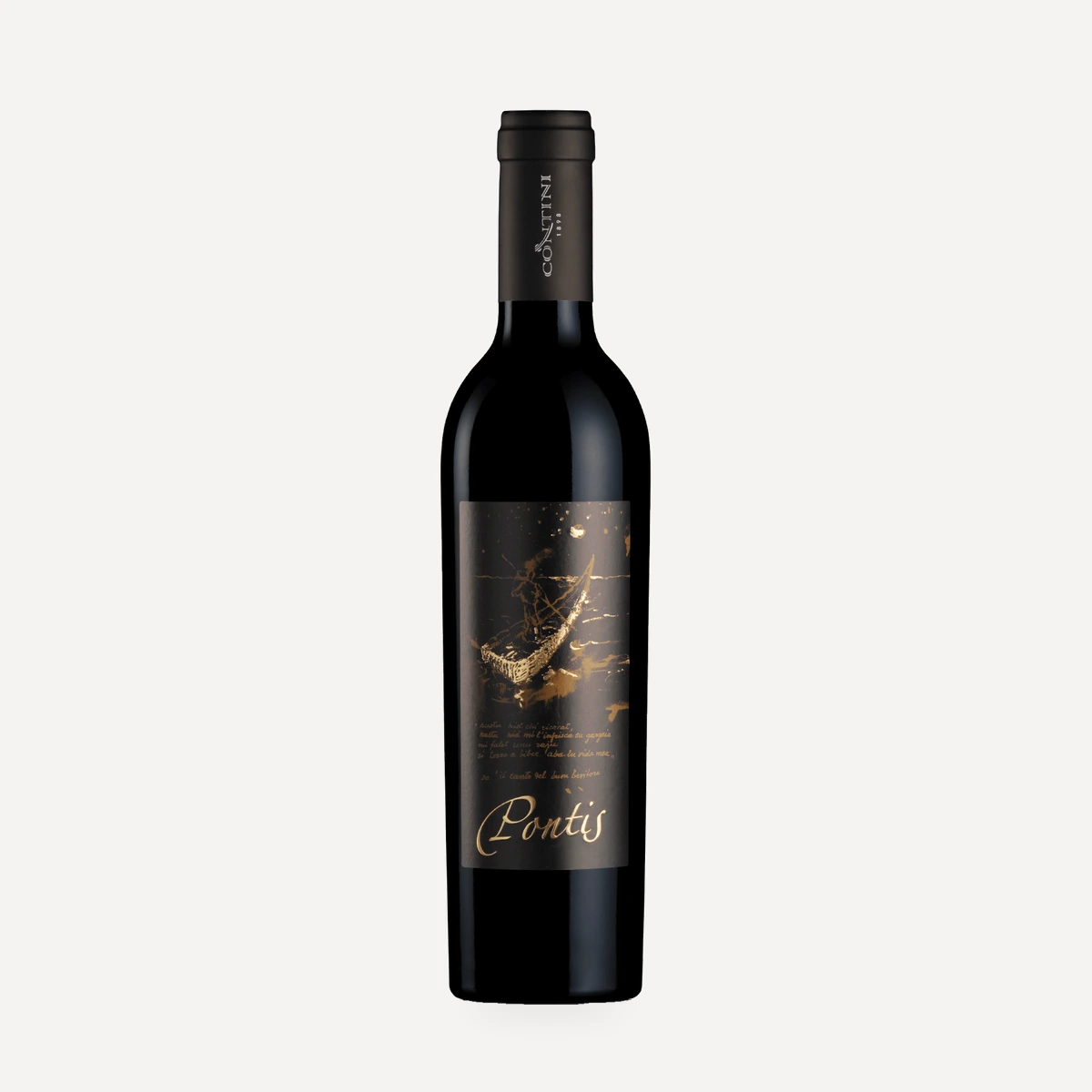
Pontis
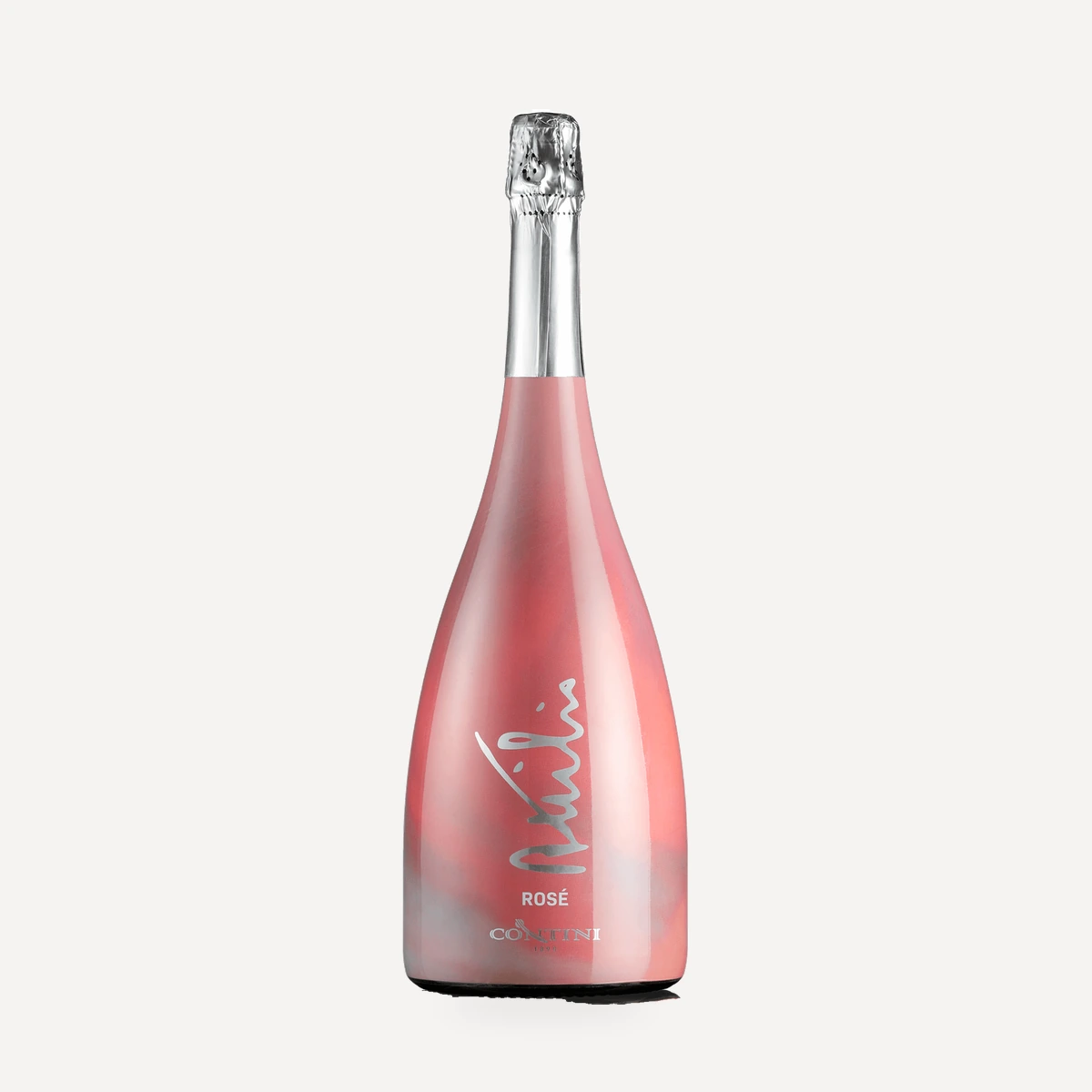
Attilio Rosé Limited Edition
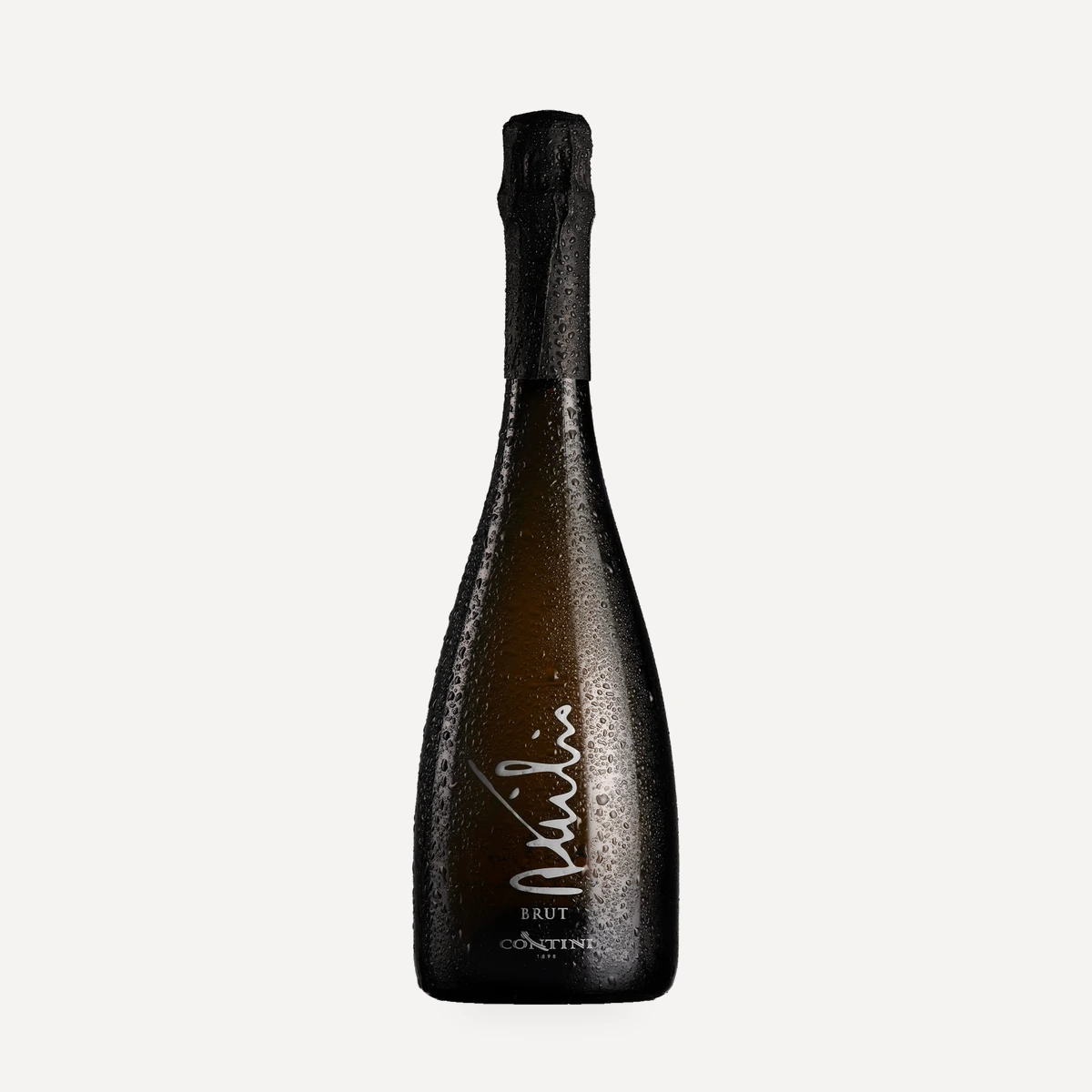
Attilio Brut
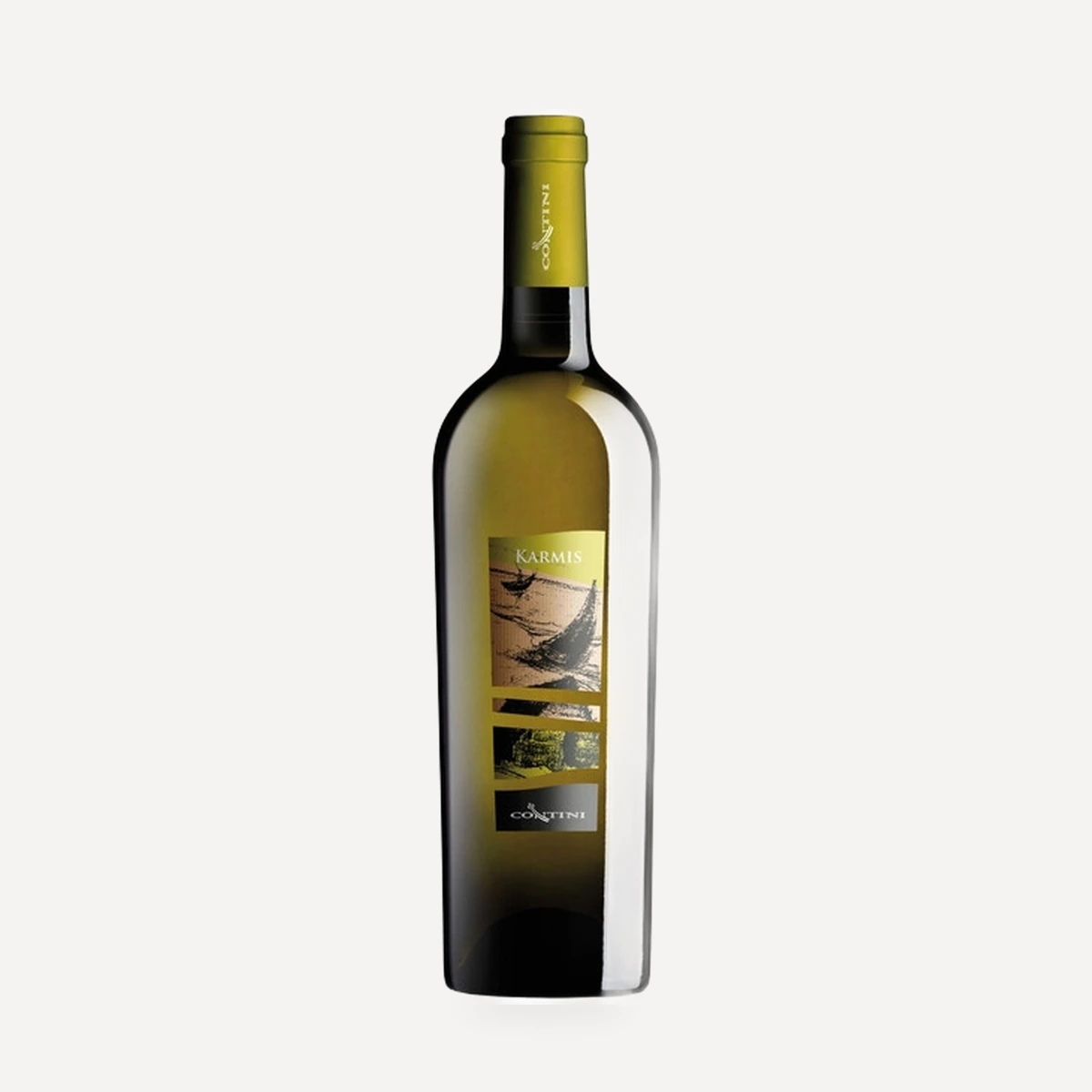
Karmis
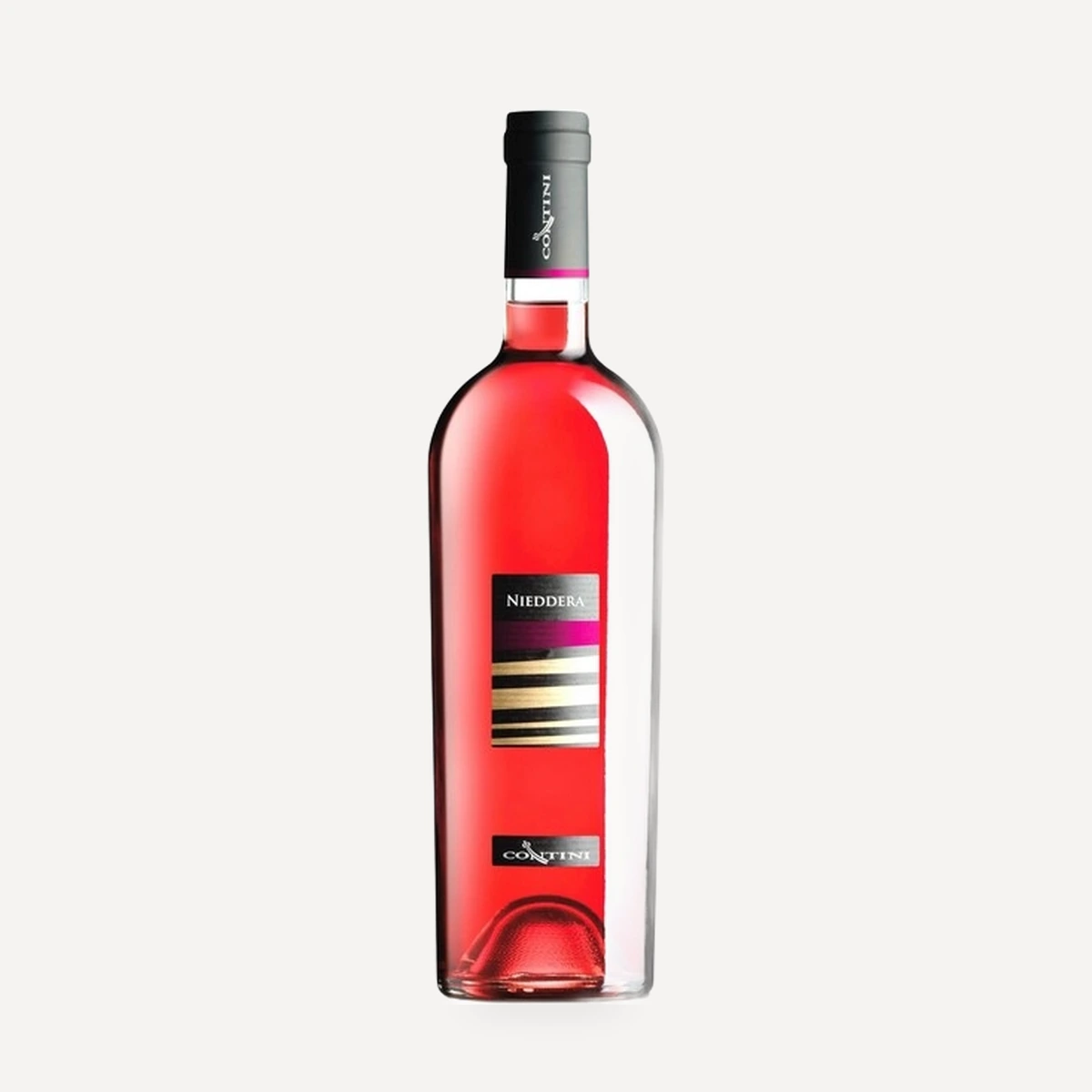
Nieddera Rosé
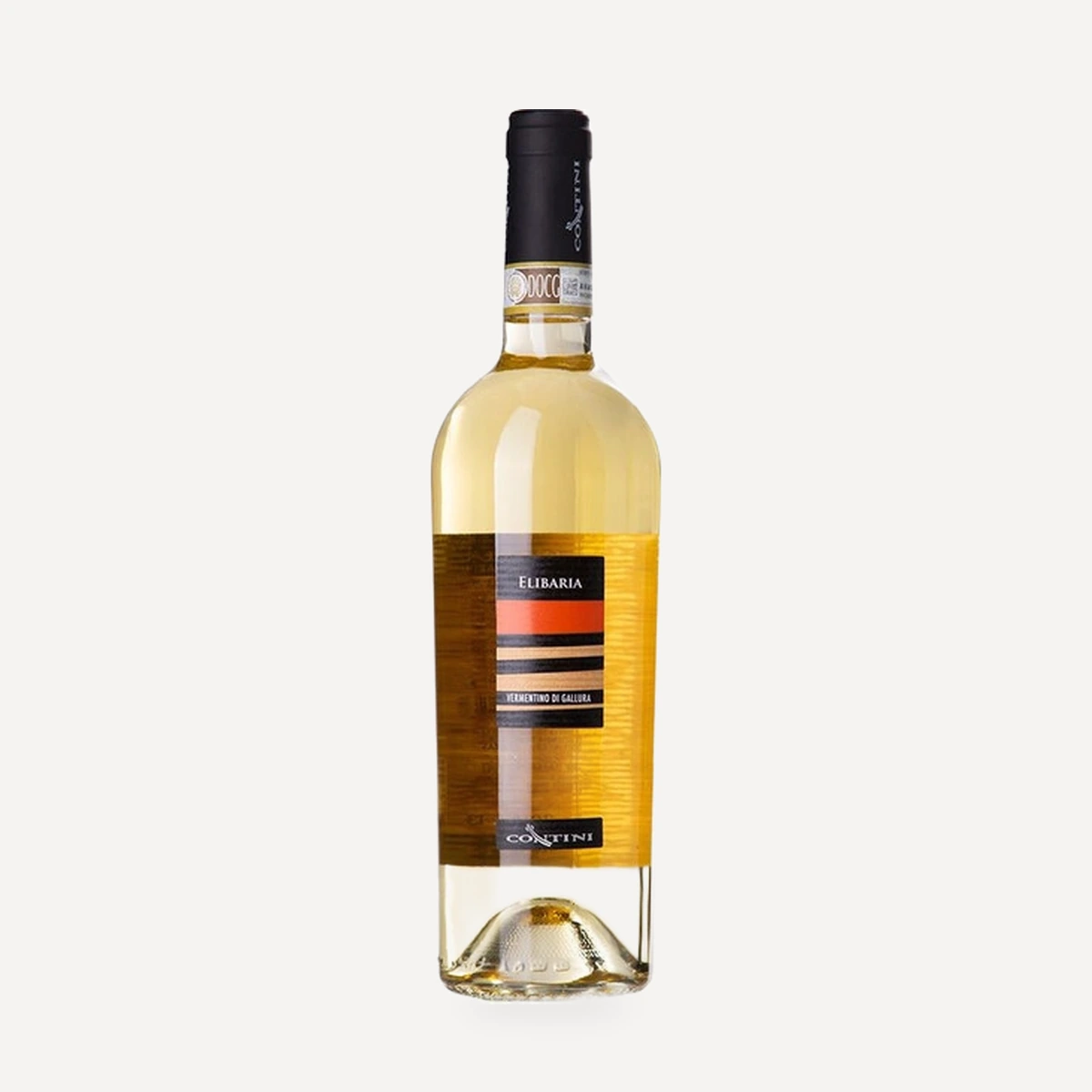
Elibaria
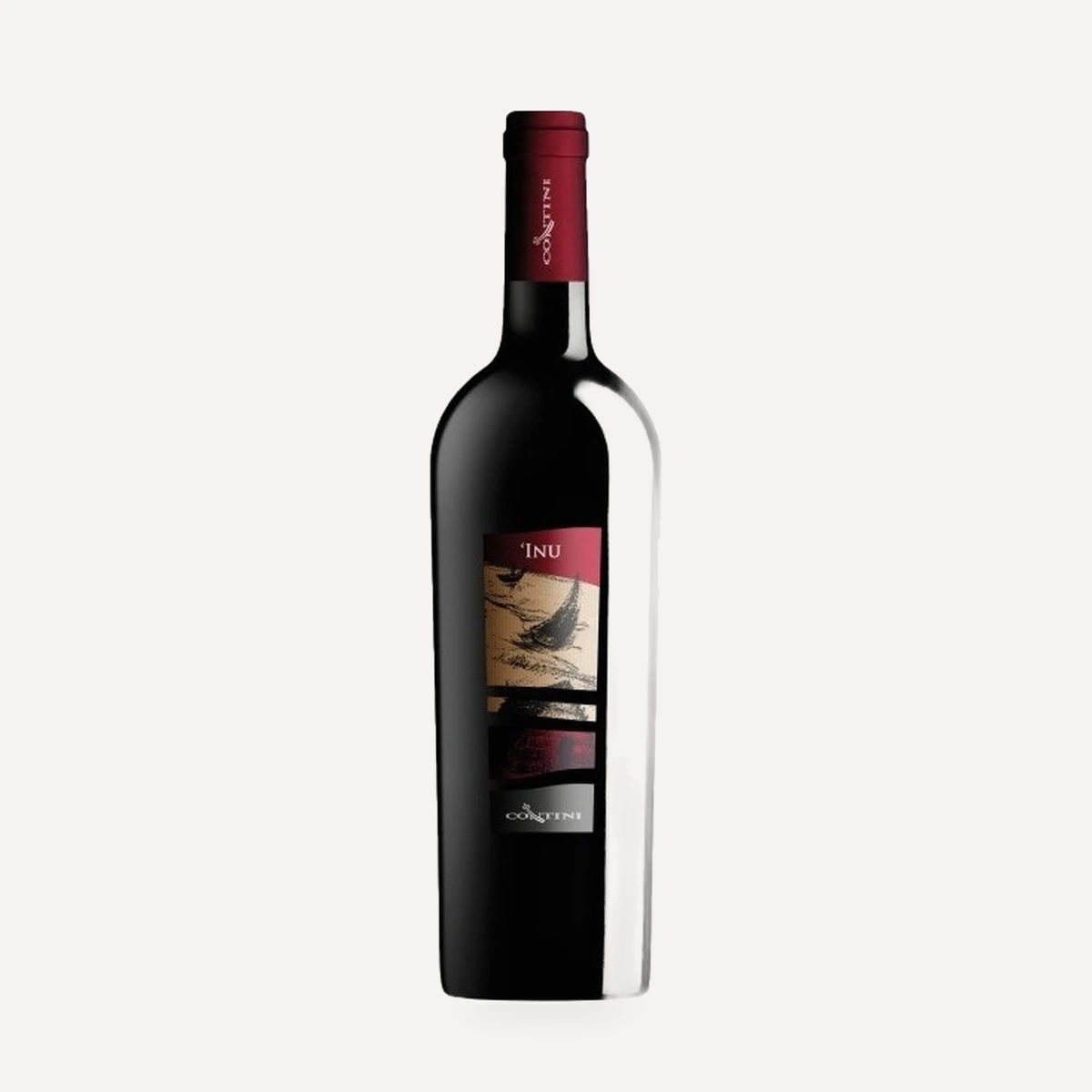
‘Inu
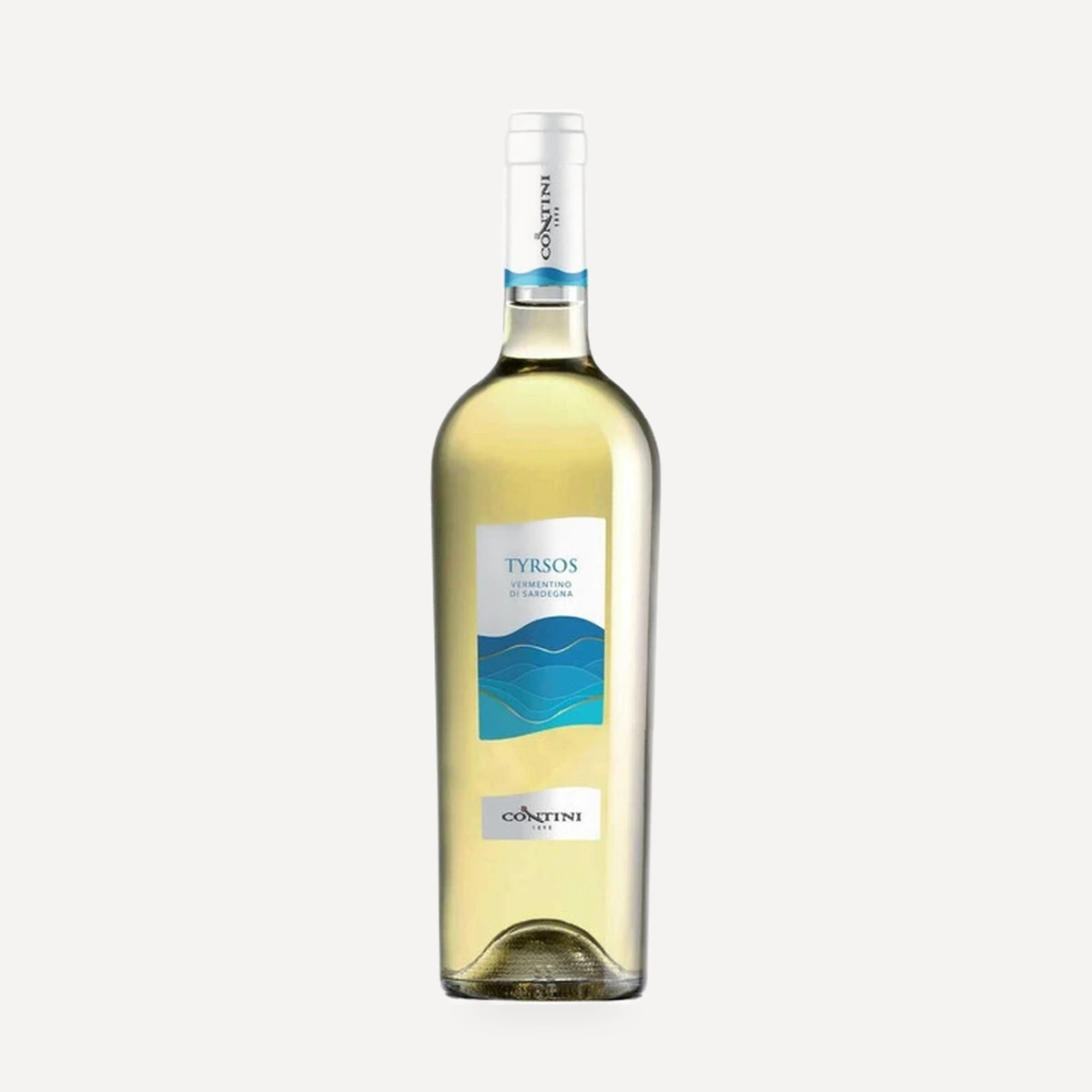
Tyrsos
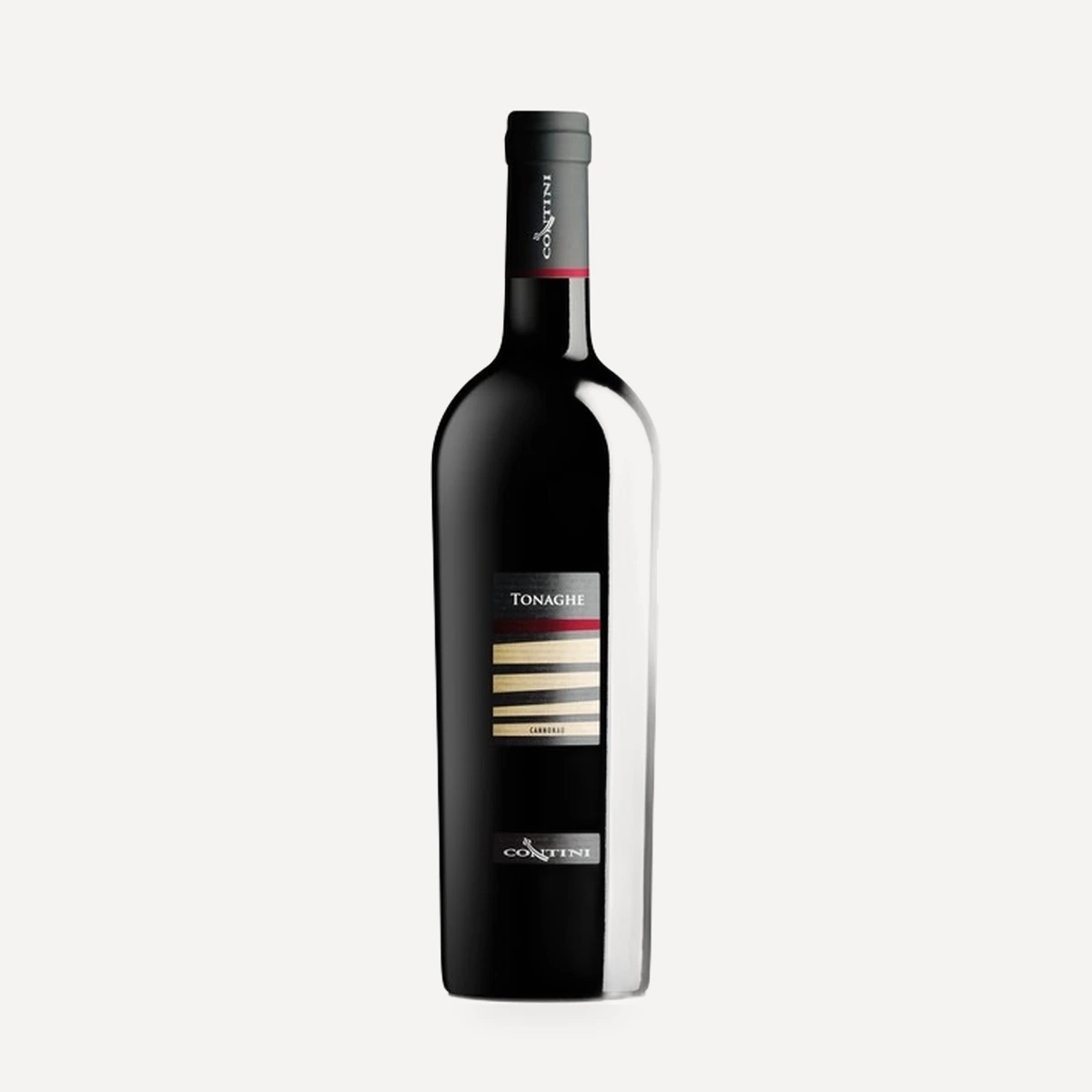
Tonaghe
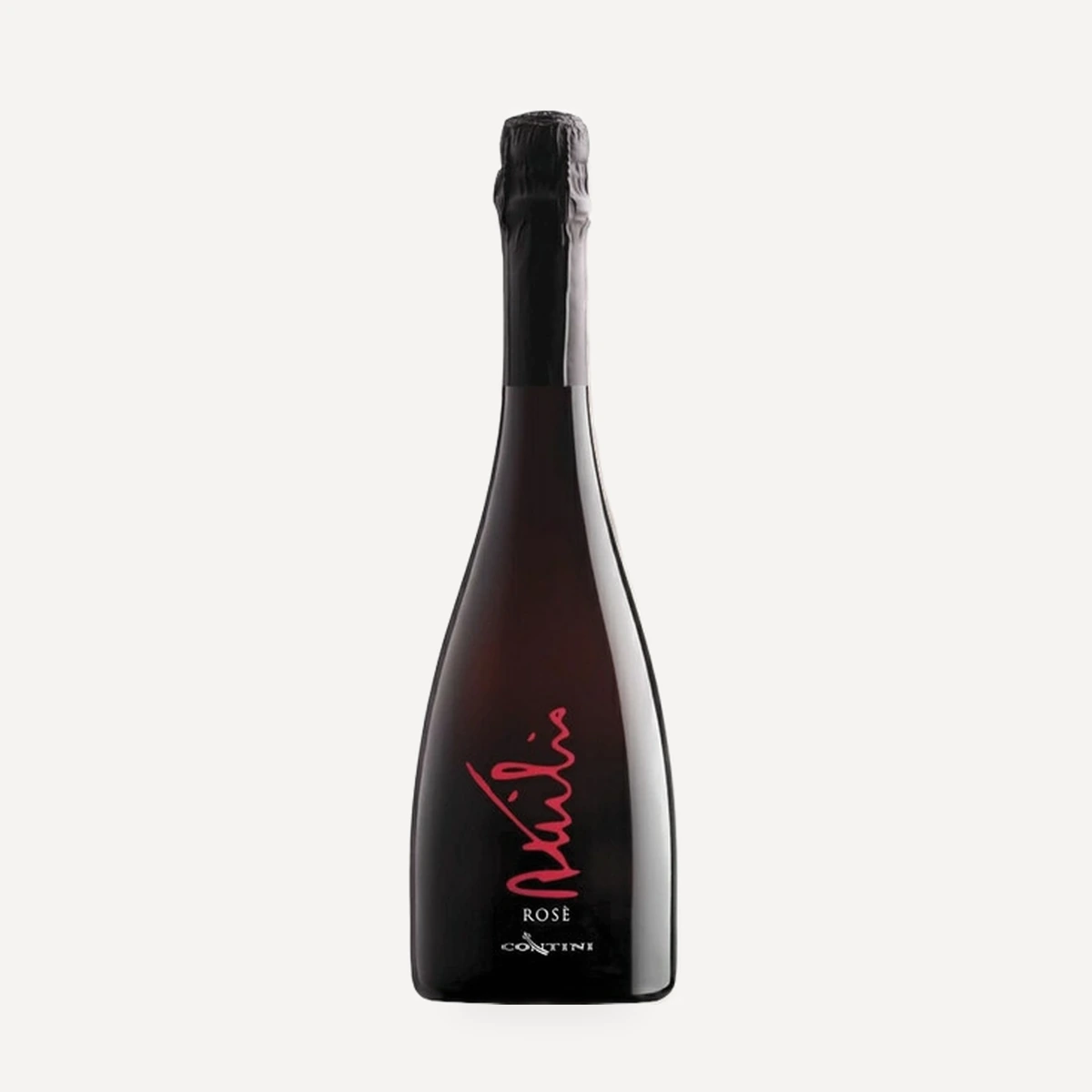
Attilio Rosé
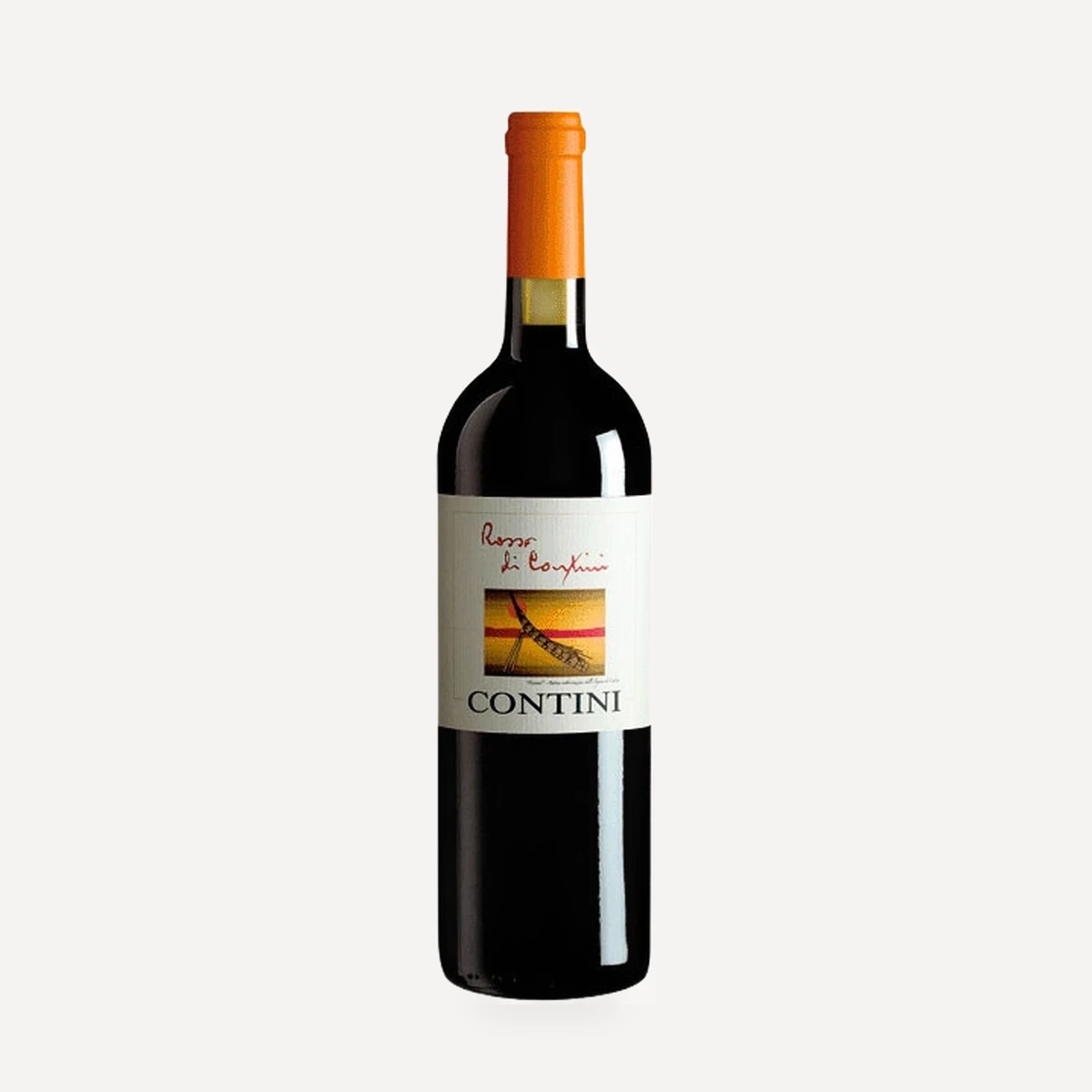
Rosso di Isola dei Nuraghi IGT