History
The Vermentino project
Capichera developed from a family wine estate in Arzachena, among the granite formations of Gallura. At the end of the 1970s, the family recognised the potential of pure Vermentino and began pursuing an interpretation centred on quality, territorial identity and continuous experimentation. In the early 1980s, this conviction became a defined programme for both vineyard and cellar work. The Ragnedda family invested resources and energy in establishing higher standards, with close attention to individual vineyards and plots.
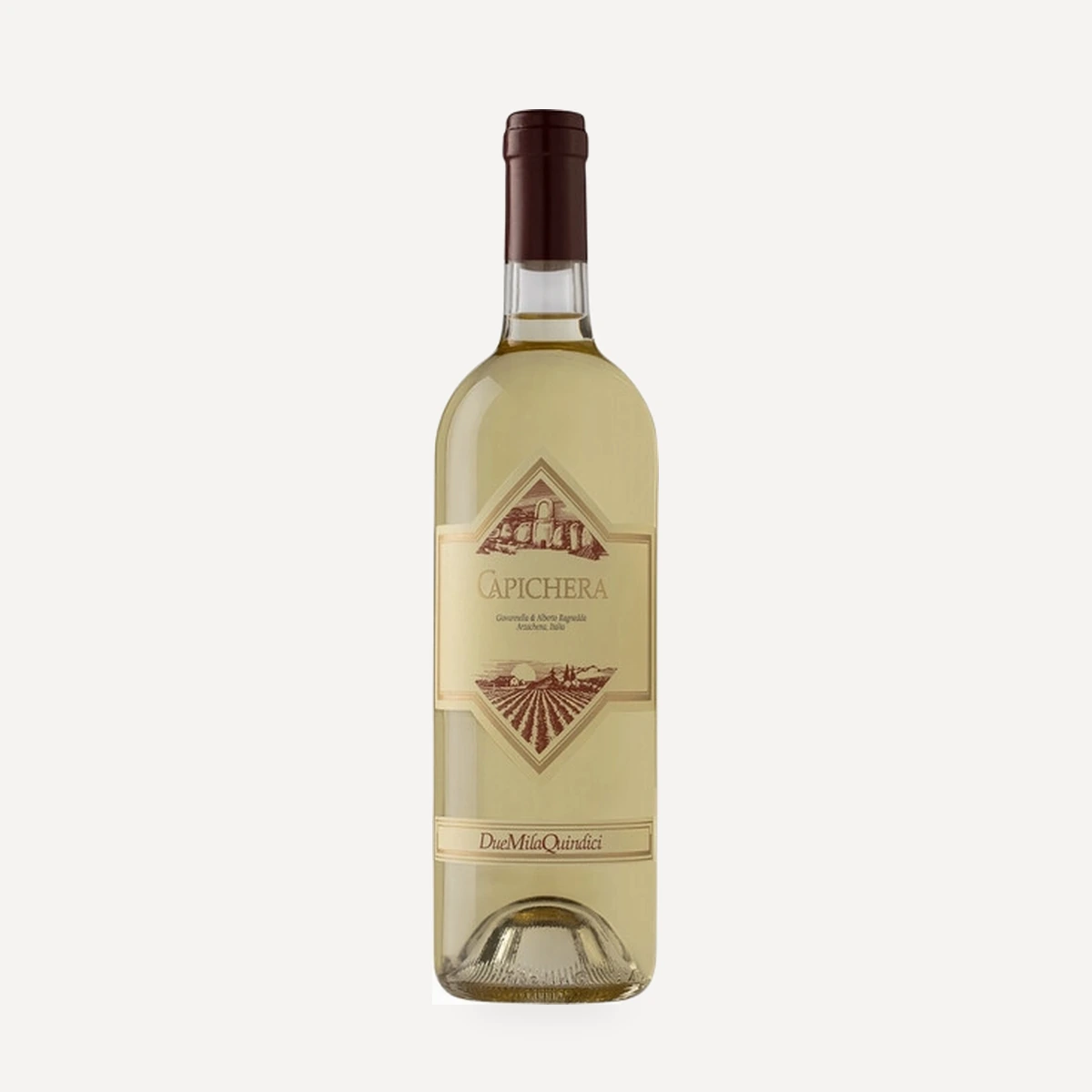
The first vintage of the estate’s namesake wine was produced in 1980. Capichera subsequently became the first winery to achieve notable success with barrique-aged pure Vermentino, helping demonstrate that the variety could produce structured wines intended for significant development rather than only immediate consumption.
Expansion of the white-wine range
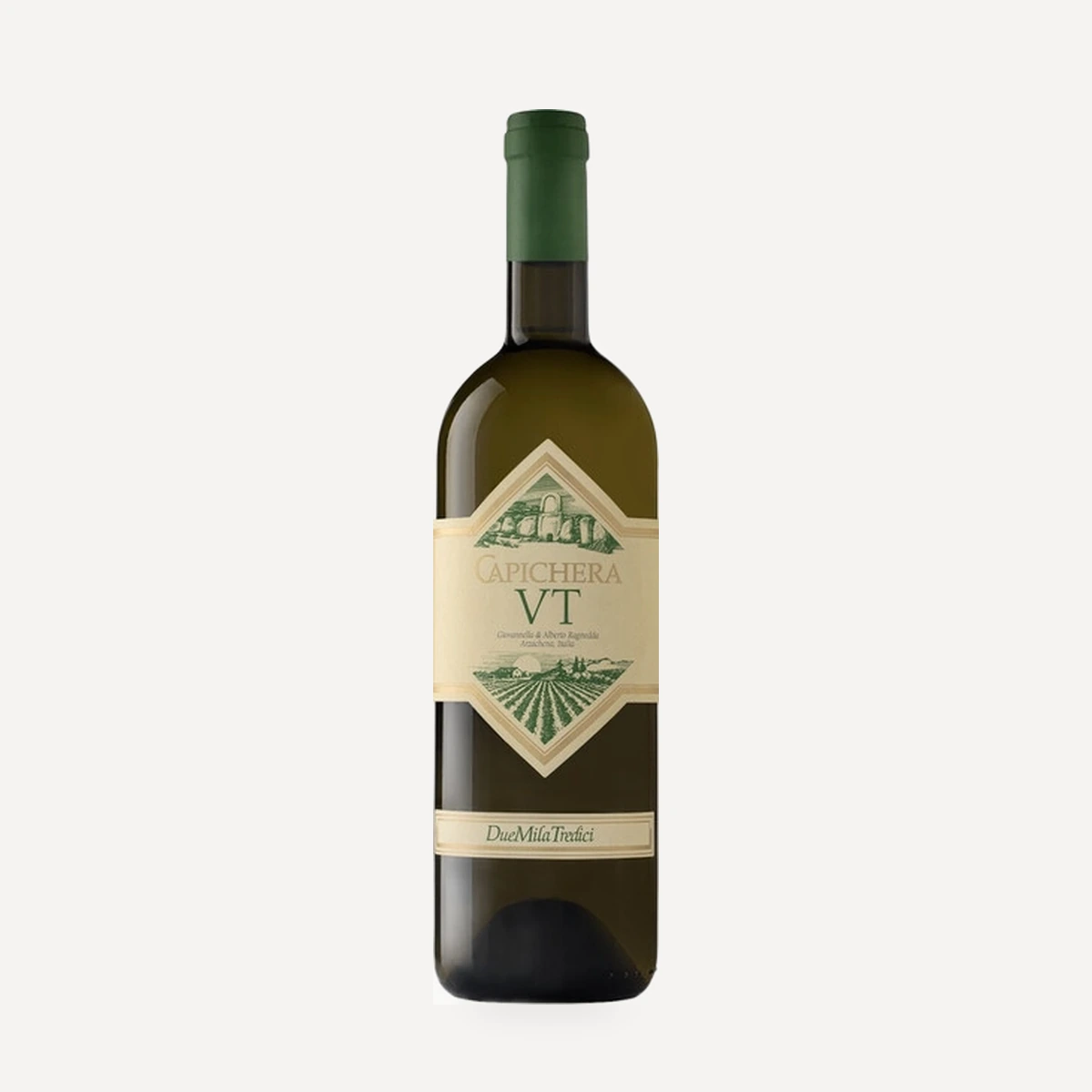
A second major expression of Vermentino appeared with VT in 1990. The project was built around the challenge of vinifying Vermentino in barriques and releasing it no earlier than two years after harvest.
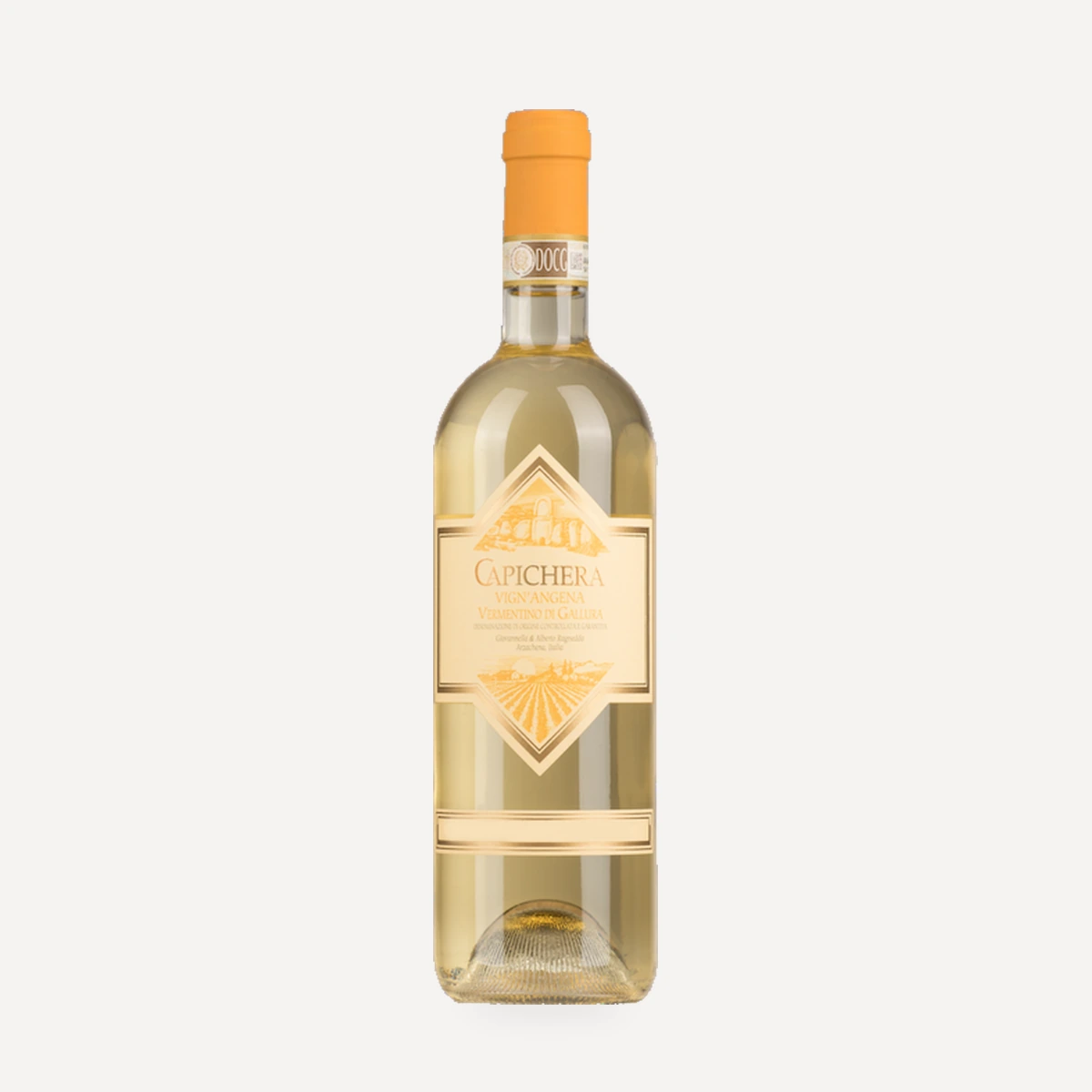
Vign’angena followed in 1994. Its name, meaning “someone else’s vineyard” in Gallurese, recalls the grapes used during the estate’s earliest years while newly planted vineyards were still reaching maturity. The wine introduced a Vermentino di Gallura expression vinified exclusively in steel.
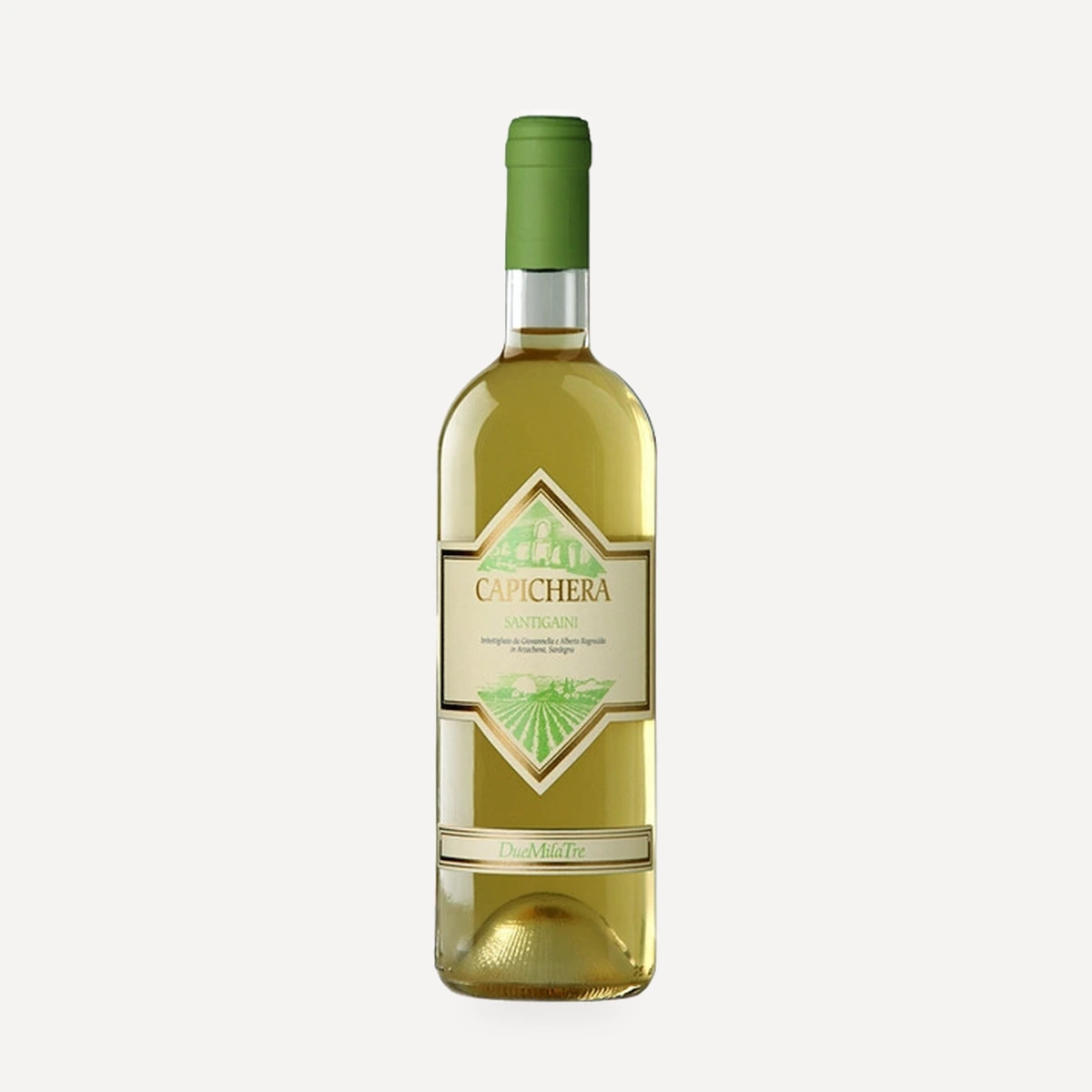
After repeated separate harvests had revealed the distinct character of the Coddhu ecchju plot, Capichera created Santigaìni. First produced in 2003 and released four years after harvest in very small quantities, it became the estate’s designated cru.
Lintóri was first produced in 2010 from younger vineyards, adding a deliberately fresher and more immediate interpretation of pure Vermentino.
Development of red and rosé production
The estate’s research extended from Vermentino to Sardinian red varieties and Syrah. Assajé debuted in 1997 after a period of selecting prominent native black-skinned grapes. It combined Carignano and another native variety with a small proportion of Syrah.
Mantènghja was first produced in 1999 as a pure Cannonau from estate vineyards in Mamoiada. Production resumed with the 2023 harvest in a limited edition of 3,000 bottles.
Two further red wines appeared in 2009. Liànti drew on east-facing younger vineyards, while Albóri di Làmpata presented a rigorously selected pure Syrah from vineyards exposed to the mistral and was bottled in very small quantities.
També followed in 2013. It was conceived through white vinification of Carignano and other native black-skinned grapes from the estate’s sea-facing vineyard at Palau. In 2024, Capichera produced the first vintage of Amistai, the result of further experimentation with white vinification of an important Sardinian red variety, including gentle whole-cluster pressing and partial fermentation and maturation in wood.
Continuing direction
The estate continues to define its work through sustained research, investment in vineyard and cellar standards, respect for nature and close attention to the identity of Gallura. Its experience with Vermentino has been extended to Carignano, Syrah, Cannonau and other native Sardinian red grapes without displacing Vermentino from the centre of the project.
Terroir
Capichera is based at Arzachena in Gallura, northern Sardinia, in a landscape marked by granite formations, wind and the influence of the sea. The estate treats the land, grapes, sunlight and wind as interconnected elements of its wines’ identity.
The vineyards form part of a Mediterranean environment containing myrtle, holm oaks and centuries-old oak trees. Breezes arrive from the sea, while panoramic areas of the estate look across the countryside toward distant mountains.
Individual locations introduce further distinctions. The Palau vineyard faces the sea and looks toward Corsica. Other young vineyards face east, toward the rising sun. The Syrah vineyards used for Albóri di Làmpata face the mistral. The historic vineyard occupies ancestral land where a nuraghe and a Giant’s Tomb survive within the viticultural landscape.
Winemaking
Capichera describes its viticulture as careful, continuous and deeply respectful of nature and the identity of the land. The production model gives priority to each vineyard and individual plot, seeking to recognise and enhance their particular characteristics. Long-term separate harvesting was used to identify the distinctiveness of Coddhu ecchju.
The vineyards are estate-owned. Simple Guyot is used for Vermentino, while red varieties are also trained as spurred cordon and bush vines. Depending on the parcel and variety, reported yields range from 45 to 70 q/ha. Harvest begins in late August for some early-picked fruit and continues through September, reaching early October for late-ripening or later-year selections.
Fruit selection varies by project. Younger vineyards supply the fresher interpretations of both white and red varieties; the Coddhu ecchju plot is reserved for the cru Vermentino; the best Cannonau bunches are selected at Mamoiada; and Syrah is rigorously selected from mistral-facing vineyards.
Capichera’s production model combines steel, concrete, wood and bottle ageing according to the intended expression. Its formative innovation was the successful use of barriques for pure Vermentino, a project intended to reveal greater depth and development potential in the variety.
Pure Vermentino may be fermented in stainless-steel tanks at 16–18 °C for four weeks. Maturation ranges from predominantly or exclusively steel to bottle ageing and programmes connected with barrique vinification. One Vermentino expression is not released until at least two years after harvest, while the Coddhu ecchju cru is released four years after harvest.
Red grapes generally undergo fermentation and maceration in stainless steel for approximately three weeks. Maturation may combine steel and concrete, while selected lots also use wood. Pure Syrah receives 12 months of maturation before bottling, and Cannonau matures for at least six months in wood followed by bottle ageing.
The estate also experiments with white vinification of black-skinned Sardinian grapes. This work includes gentle pressing of whole clusters, fermentation divided between stainless steel and wood, and partial maturation in both materials.
Philosophy
Capichera defines its work through continuous research, careful cultivation and respect for nature. Its founding conviction was that Vermentino could reach a level of structure, complexity and development comparable with internationally recognised white wines when cultivated and vinified with sufficiently ambitious standards.
Territorial identity remains the organising principle. Attention is directed not only to the grape variety but to every vineyard and individual plot, with the aim of bringing out its particular character. Granite, wind, sea, sunlight, Mediterranean vegetation and inherited cultural sites are treated as parts of the same Gallura landscape.
The estate presents itself as a custodian of this land and its traditions. Quality is linked to sustained investment and improvement in both vineyard and cellar, while experimentation continues through other Sardinian varieties and Syrah. This expansion is intended to retain the same relationship with place first developed through Vermentino.
Wines
VT
Capichera
Vign’angena
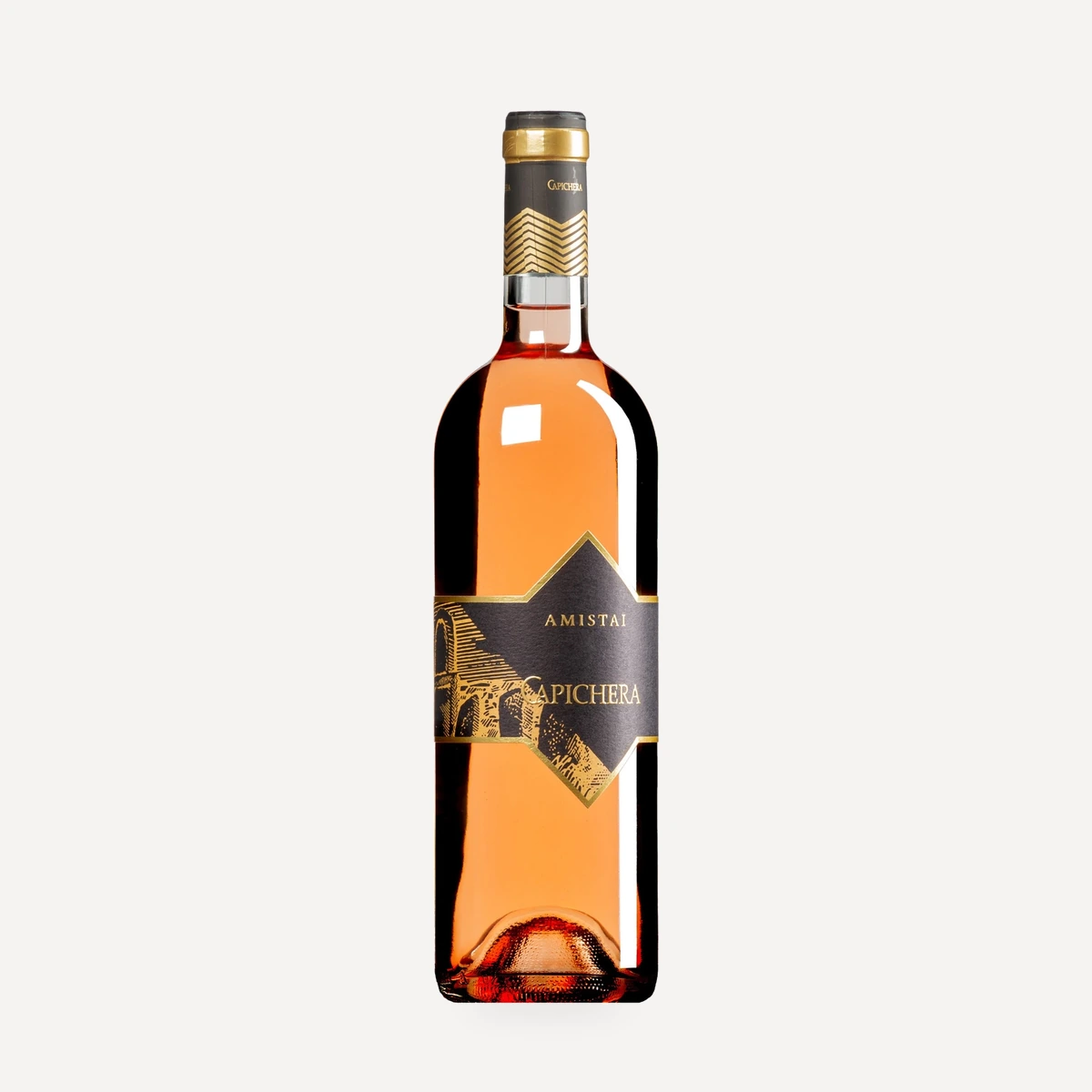
Amistai
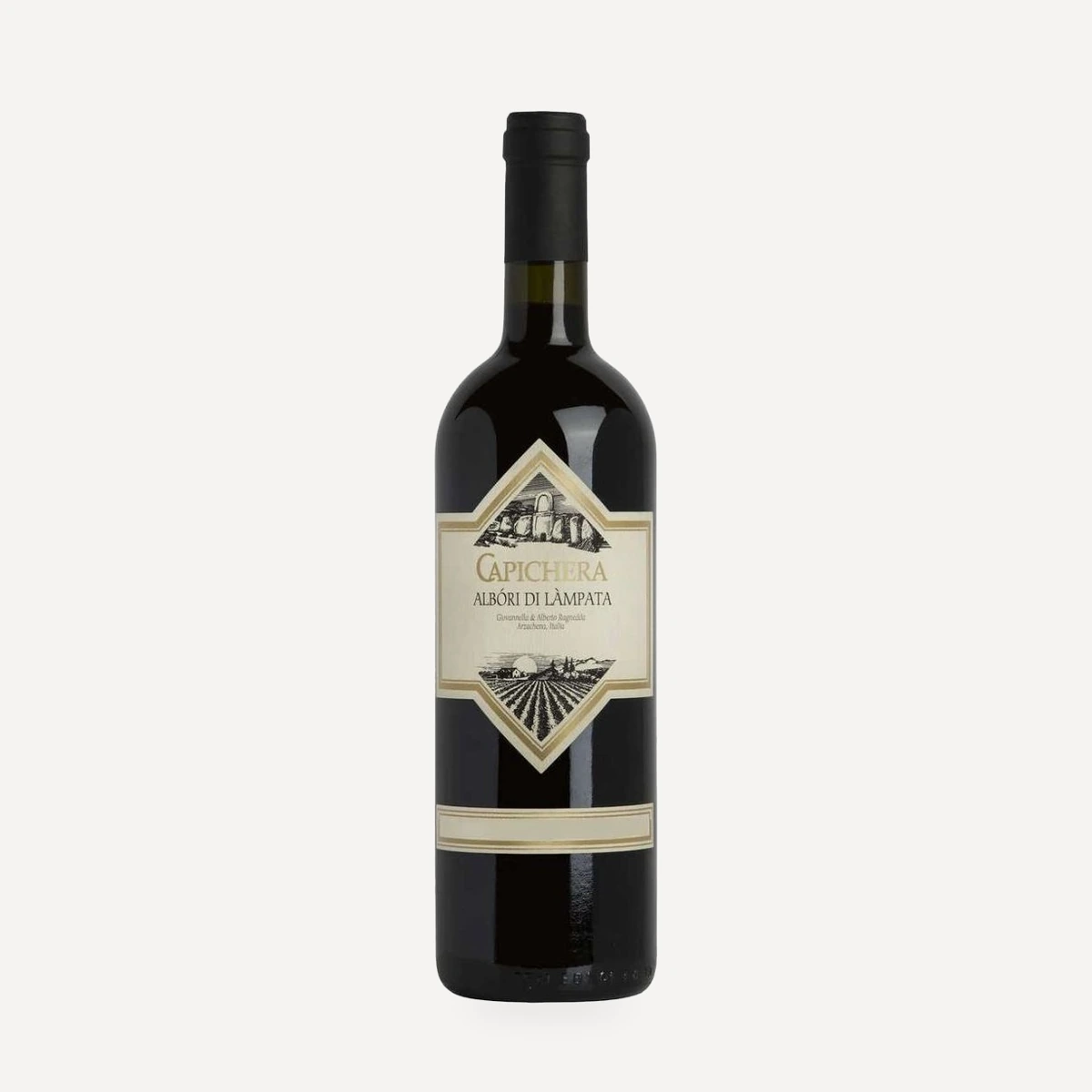
Albóri di Làmpata
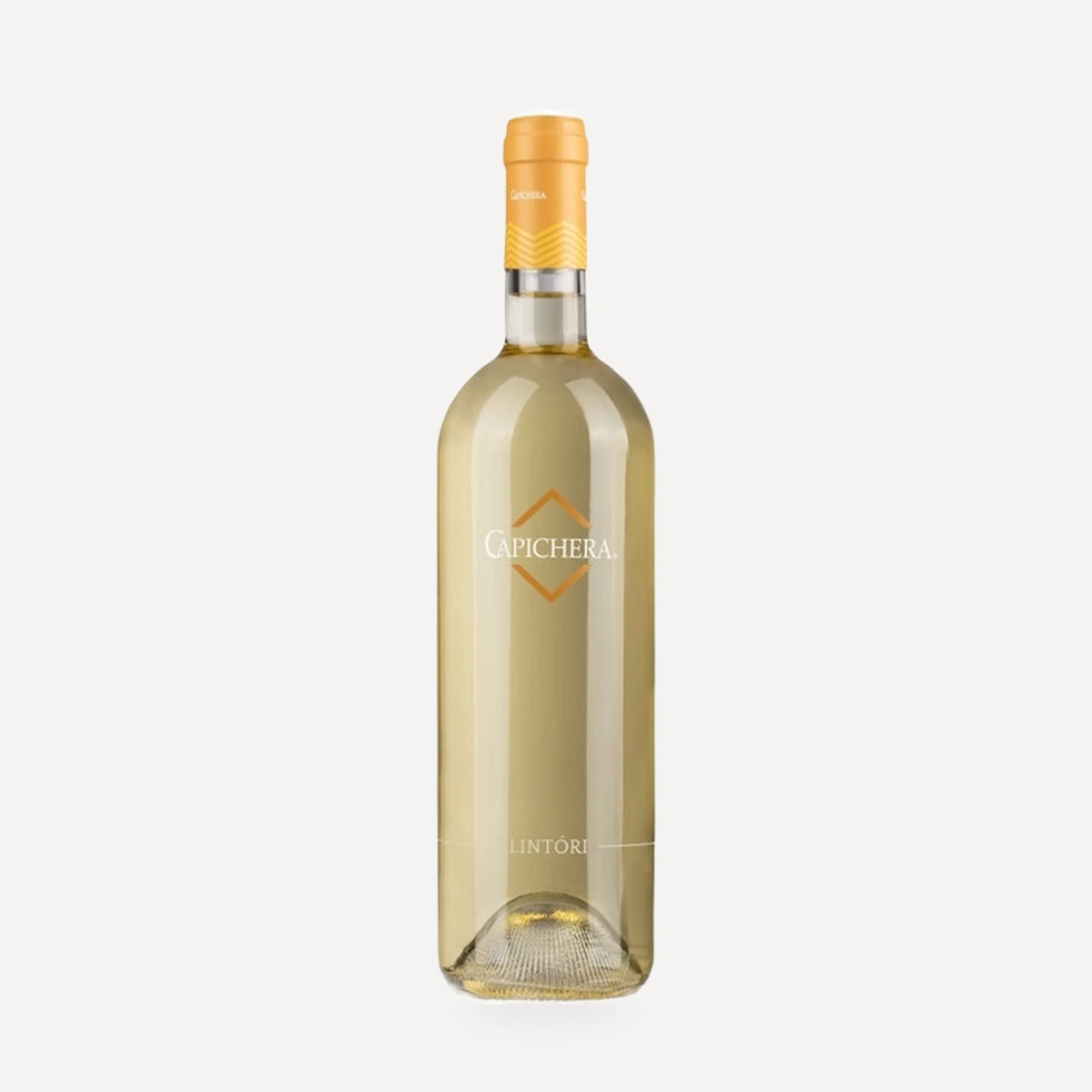
Lintóri
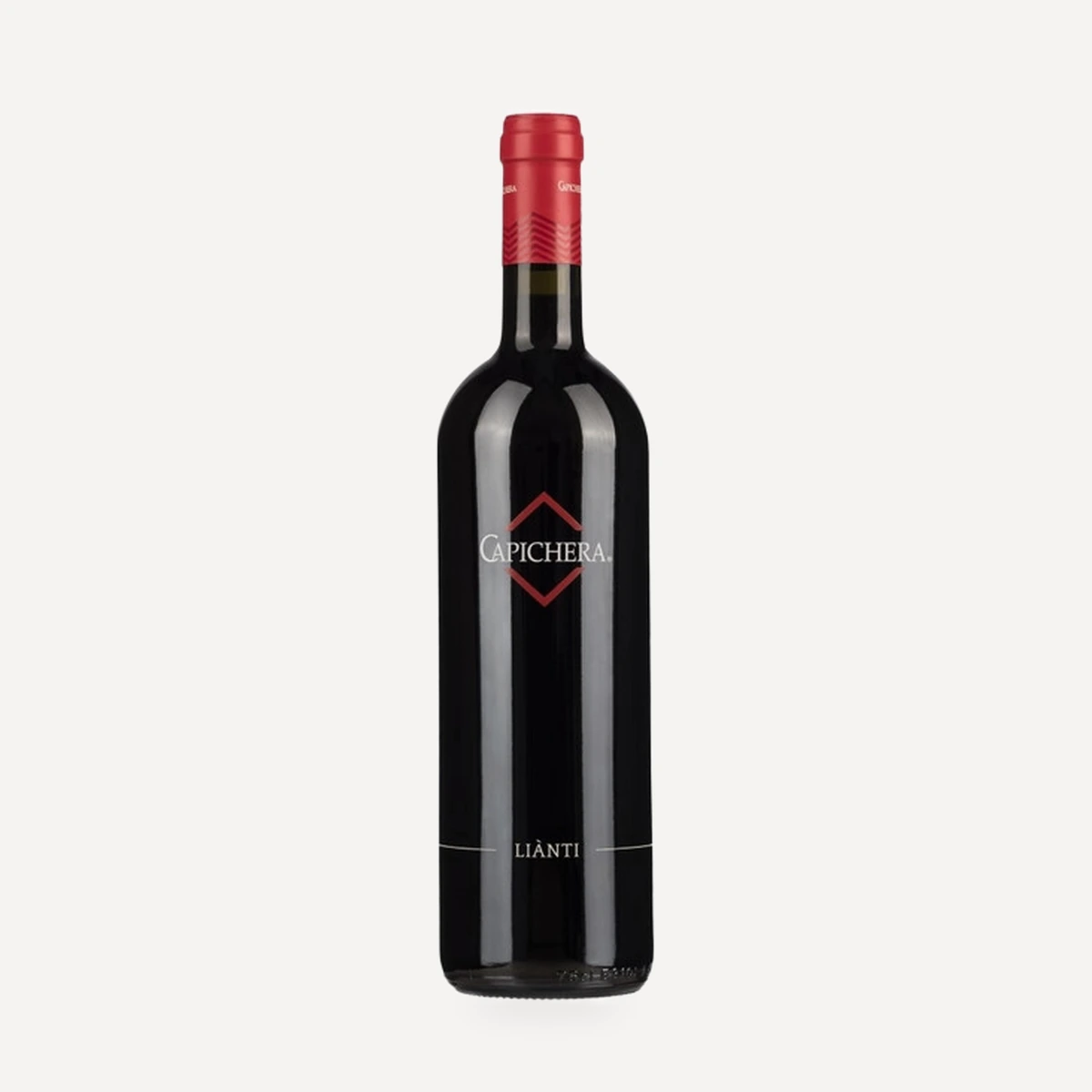
Liànti
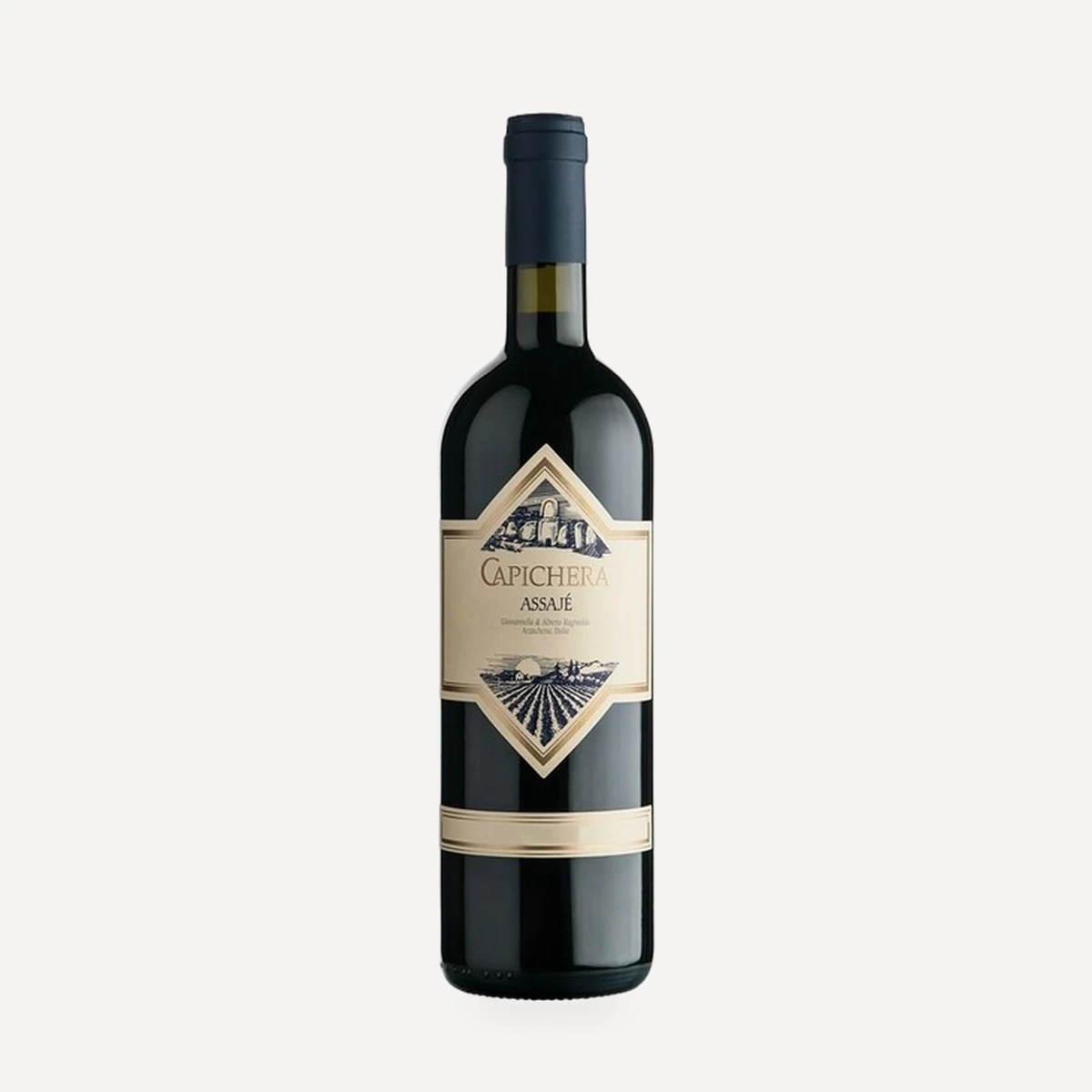
Assajé
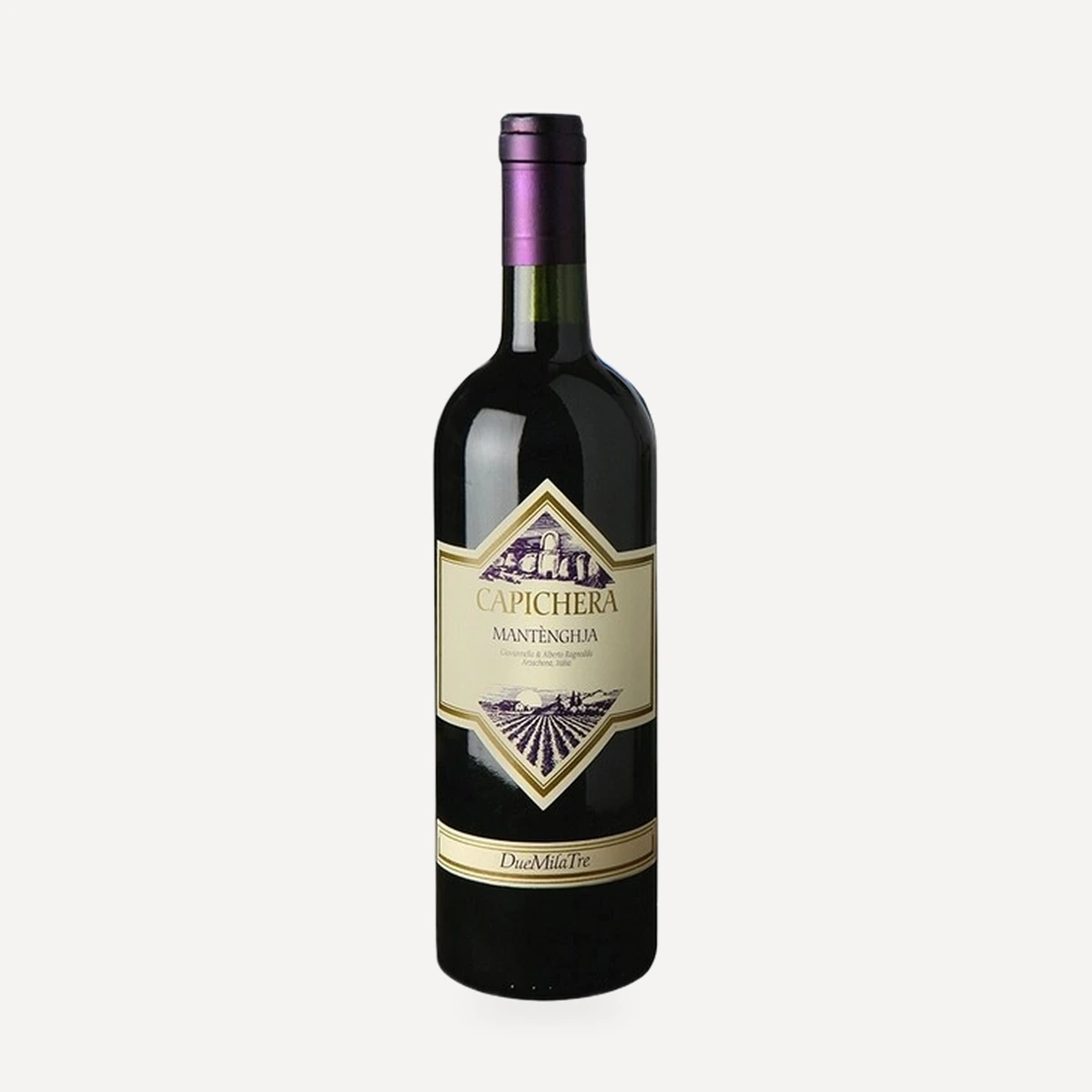
Mantènghja
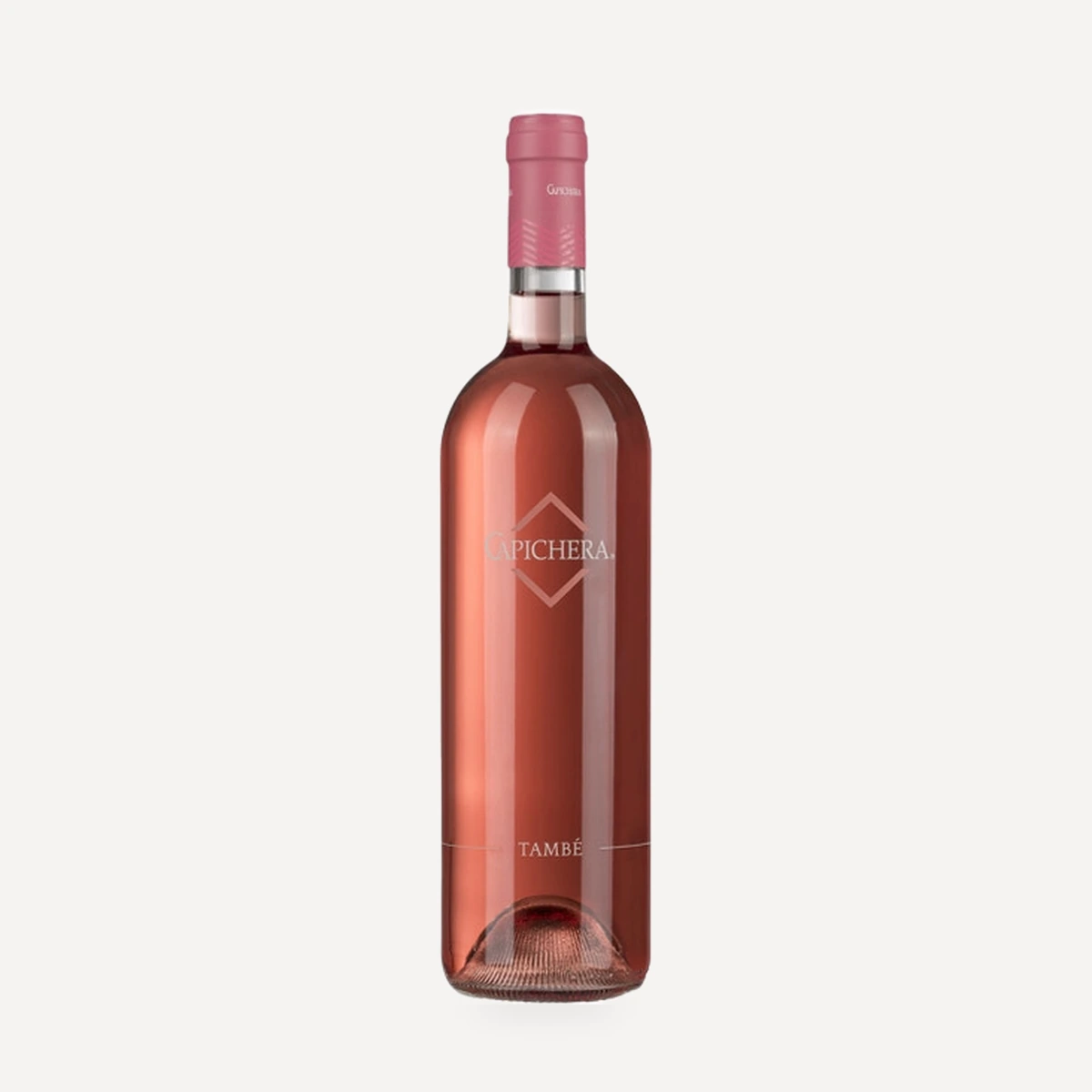
També
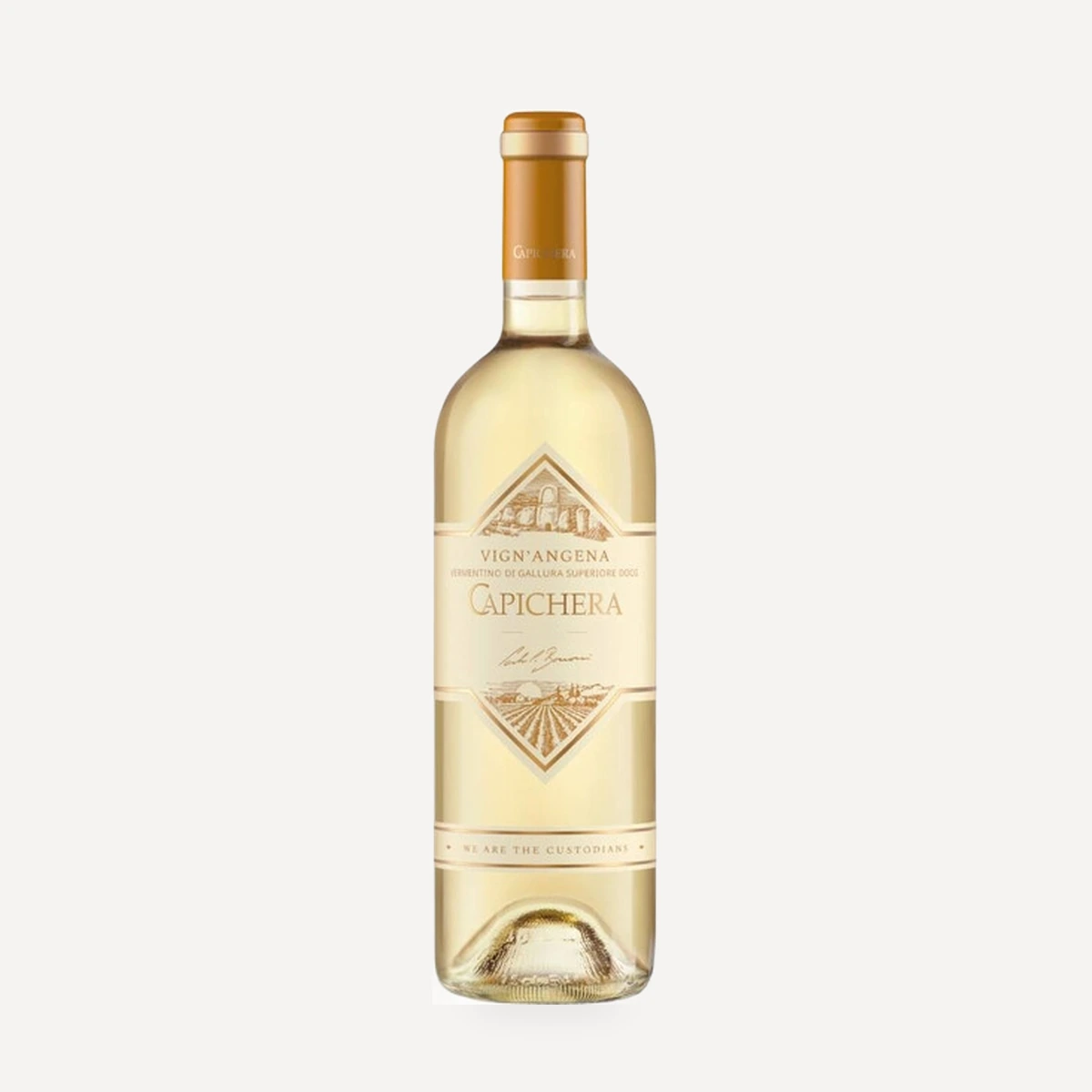
Vigna'ngena Vermentino di Gallura DOCG