History
1961: the beginning of the estate
Barberani was established in 1961. The family developed its agricultural estate on the hills overlooking Lake Corbara, along the road between Orvieto and Todi. The property lies within the historic Classico production zone of Orvieto and is crossed by the landscape of the Tiber Valley.
The 1970s: Vittorio Barberani and Luigi Barberani
Vittorio Barberani, remembered for his interest in botany, cultivated traditional grape varieties and used a small proportion of Vermentino to add complexity to the Orvieto blend. He was also attracted to Riesling Renano and planted old selections of the variety beside Lake Corbara.
In the late 1970s, Luigi Barberani began experimenting with grapes affected by Botrytis cinerea. The work explored the rare local sequence of humid autumn mornings followed by mild, sunny and ventilated afternoons, conditions under which grey rot can develop as noble rot. The resulting fruit dehydrates on the vine, concentrating sugar, acidity and aroma.
The 1980s: organic principles and Calcaia
During the 1980s the family committed the vineyards, olive groves and wider property to the principles of traditional organic agriculture. The objective was to preserve soils that had historically regenerated through the resources of the farm itself and to strengthen the identity expressed by the estate's wines.
The first official vintage of Calcaia was 1986. Luigi presented that vintage at Vinitaly, where Luigi Veronelli personally congratulated him. The wine subsequently became a reference point for other Italian producers working with noble rot.
In 1988, inspired by Burgundy, Luigi selected French Pinot Nero plants for a one-hectare vineyard. The project was based on his conviction that the estate's soils could produce a serious expression of the variety. The resulting wine is made only when the vintage provides the required pedoclimatic conditions.
2000–2002: recovering Aleatico
In 2000, the evolution of old bottles from the family's red-wine production inspired an experimental project devoted to Aleatico, a traditional variety of the hills around Lake Corbara. Following clonal selection intended to respect the traditional propagation material, the family planted the vineyard in 2002 on the estate's highest hill. Its layout was designed to increase ventilation and encourage the berries to dry slowly on the vine during the windy days of September.
From 2006: research into wine without added sulphites
In 2006, oenologist and production director Niccolò Barberani began continuous experimental work aimed at eliminating added sulphites from an entire vinification process. The project combined the family's accumulated vineyard experience with temperature control, active-oxygen sanitation, careful fermentation management, decantation and extended contact with lees. It led to the creation of VINOSO, produced without added sulphites.
2011: fifty years
The estate celebrated its fiftieth anniversary in 2011. The commemorative Luigi e Giovanna project united two recurring themes in the family's work: indigenous varieties and noble rot, associated respectively with the complementary visions of Luigi and Giovanna Barberani.
2013–2014: agricultural research and sustainability
In 2013, Barberani and the Faculty of Agriculture at Tuscia University in Viterbo placed first among Italian businesses in a national competition organized by the Italian Ministry of Agricultural and Forestry Policies through OIGA, the observatory for young entrepreneurship in agriculture. The initiative supported innovative research-and-development projects created by young agricultural entrepreneurs in partnership with research institutions.
A two-year project began in January 2014 to improve the sustainability and environmental compatibility of agricultural operations. Work included vineyard biosensors designed to detect volatile markers of infection at an early stage and trials using active oxygen against overwintering inocula. Active oxygen was applied to soil, vegetation between the rows, fruit and cellar equipment. The collaboration with Tuscia University also contributed to the sanitation method used for production without added sulphites.
Development of the winery and estate
The family built a modern winery in the centre of the vineyards at Cerreto, near Baschi, and equipped it with technology intended to support the natural evolution of each lot. Agronomy and oenology were placed under Niccolò Barberani's direction, with Maurizio Castelli supervising and Luigi Barberani remaining actively involved. The family retained direct control from grape reception through vinification and bottling.
Terroir
Barberani occupies hills overlooking Lake Corbara along the Orvieto–Todi road, where the River Tiber runs through the landscape. The vineyards stand on several hillside exposures within the Tiber River Park and the historic Classico production area of Orvieto.
The estate combines soils of volcanic origin with sedimentary calcareous clay, much of it dating to the Eocene. Individual vineyard descriptions add marine fossils, pebbles and calcareous agglomerations; the Riesling site is characterized by Eocene marly clay rich in marine fossils. The soils contain abundant microelements but have limited natural fertility, restricting vine vigour and grape volume without artificial yield reduction.
Most described vineyards lie between 200 and 300 metres above sea level, with individual sites extending from 200–250 metres and the olive-growing land reaching 250–450 metres. South-west and north-east exposures recur across the estate.
Lake Corbara and the Tiber Valley shape the local microclimate. Wind movement, morning humidity and marked day–night temperature differences aid aromatic concentration. In autumn, humid nights and mornings can alternate with mild, sunny and ventilated afternoons. In suitable years this allows Botrytis cinerea to develop as noble rot, gradually perforating and dehydrating the berries while concentrating sugars, acidity and aromatic compounds.
Winemaking
Barberani follows organic-agriculture principles across the vineyards, olive groves and wider property and describes current vineyard work as biodynamic-inspired. Herbicides and pesticides are excluded. Copper and sulphur are used at half the legally permitted amounts, supplemented by natural products intended to improve vine strength and resilience.
Fertilization is organic and plant-based. Vine shoots, grape stalks, grasses, pruning residues and other vegetal material are returned to the soil. Controlled grass cover increases soil organic matter and creates natural competition that regulates vine vigour. Each year the estate sows a hand-selected seed mixture to add organic matter and structure, limit erosion and increase ecosystem diversity. Green manure incorporates cereals, grasses and legumes, while plant-derived treatments replace conventional chemical inputs where possible.
All vineyard-management procedures are performed by hand. Harvest dates are chosen through sensory analysis of the grapes combined with detailed knowledge of the soils and the environmental patterns around Lake Corbara. Bunches are selected in the vineyard without damaging the vine canopy and with care to leave insects and other vineyard fauna behind. Manual harvesting avoids the sulphites and enzymes associated with mechanical collection. Fruit travels to the winery in containers holding approximately 200 kg, preventing broken skins.
Weather forecasting, phytosanitary monitoring and multipurpose agricultural machinery are used to reduce the number of field interventions. Research with Tuscia University introduced electronic biosensor strips for early detection of volatile infection markers and trials of active oxygen applied to soil, row vegetation and overwintering inocula.
Biodiversity is supported by 30 ha of mature woodland around Villa Monticelli. The forest is managed through the monitoring, ageing and replacement of individual trees and is credited with fixing more than 240 tonnes of CO₂ per year. It provides habitat for hedgehogs, porcupines, badgers, squirrels, wild boar, hawks, buzzards, barn owls, long-eared owls and tawny owls.
The winery stands in the centre of the estate vineyards at Cerreto, near Baschi. Niccolò Barberani personally directs the processes, while the Barberani family maintains control from grape reception through vinification and bottling. Each vineyard is vinified separately to preserve the distinctions among sites and grape varieties.
Hand-picked fruit reaches the reception area within 20 minutes of harvest. Stems are removed completely so that leaves and other green material cannot introduce unwanted compounds. Careful handling preserves the full range of juice fractions, from free-run must through the third pressing.
Pre-fermentation cold maceration takes place close to 0°C, extracting aroma while protecting the skins and avoiding chemical products or industrial processing aids. Fermentations are monitored daily and are commonly conducted with indigenous yeasts in stainless steel for approximately 20 days. White lots are generally fermented at 15–20°C, while red and rosé lots are handled at 25–30°C. Where used, malolactic fermentation occurs spontaneously with indigenous bacteria.
Physical processes are favoured over chemical treatment, and sulphite use is kept to the lowest practicable level. For production without added sulphites, grapes and equipment are sanitized with active oxygen. Fermentation, decantation, temperature-controlled processing and reductive ageing are closely managed. Extended maceration with lees in tank for at least six months supplies additional antioxidant protection; VINOSO remains in stainless steel on its lees for 36 months. Grechetto RAW undergoes fermentation and skin maceration for six months, is moved manually in relation to lunar phases, rests on its fine lees and receives no added sulphites.
Other cellar practices include short skin contact and fine-lees ageing for Vermentino. Riesling undergoes spontaneous malolactic fermentation in 225-litre French barriques, followed by one year in lightly toasted French oak and three years in bottle.
Noble-rot fruit is gathered through five or six selective passes. Its dense, concentrated must ferments slowly over an extended period and stops naturally. All wines are produced solely from estate-grown grapes.
Philosophy
Barberani presents wine as an expression of its birthplace and places territorial identity at the centre of its work. The stated foundations are respect for local morphology and microclimate, agronomic experience, oenological expertise and continuity across generations, combined with modern technical and commercial methods.
Technology is treated as a means of assisting the wine's natural evolution rather than standardizing it. Separate vinification by vineyard, hand work, indigenous microorganisms, physical cellar processes and low chemical input are intended to protect differences among sites, grapes and vintages.
The family's organic direction grew from the idea that the land had remained self-sufficient for centuries by regenerating through its own resources. Returning plant matter to the soil, maintaining grass cover, protecting woodland and reducing field intervention are practical expressions of that position. The estate also frames wine as a companion to food and shared occasions, linking agricultural responsibility with family life and hospitality.
Wines
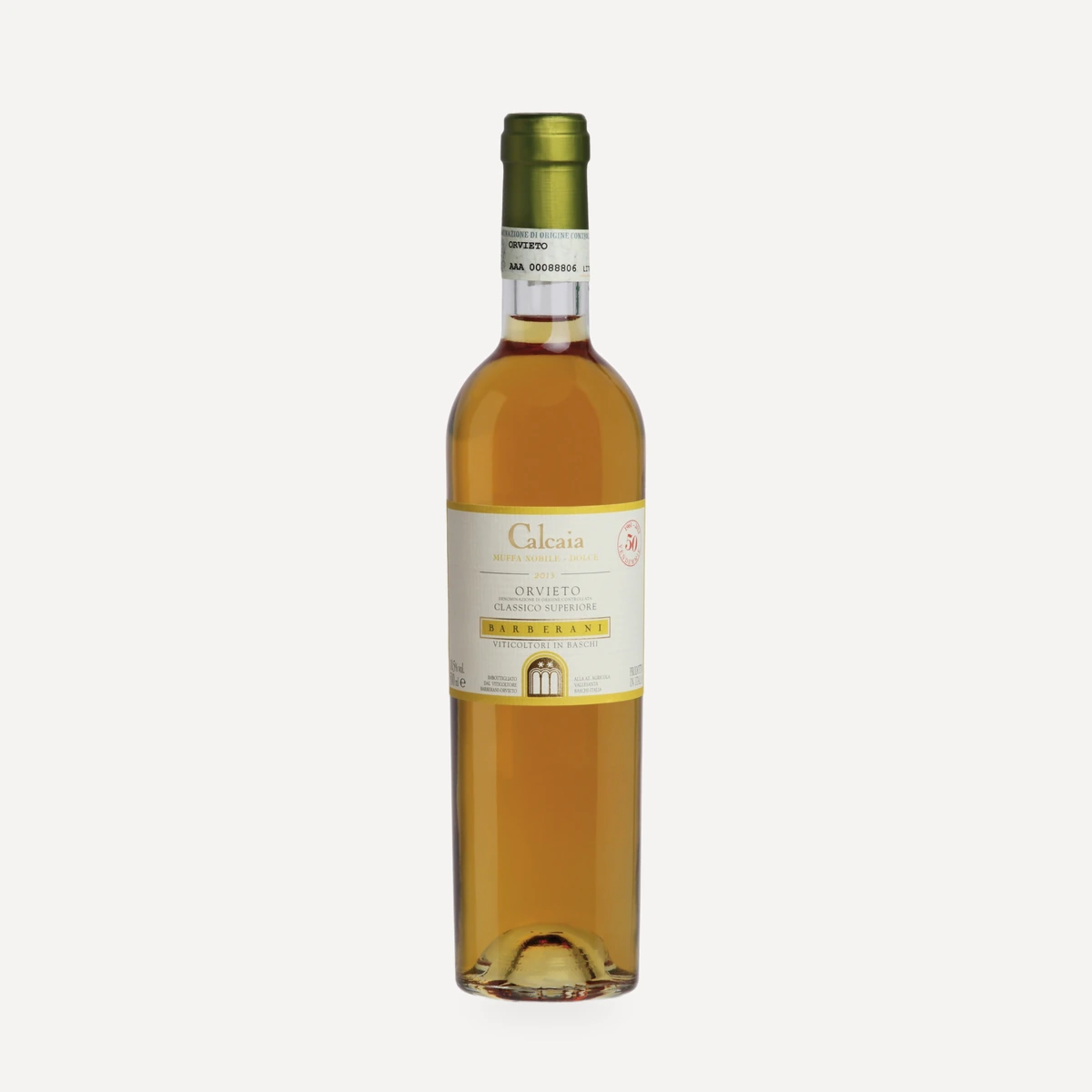
Calcaia

Pinot Nero
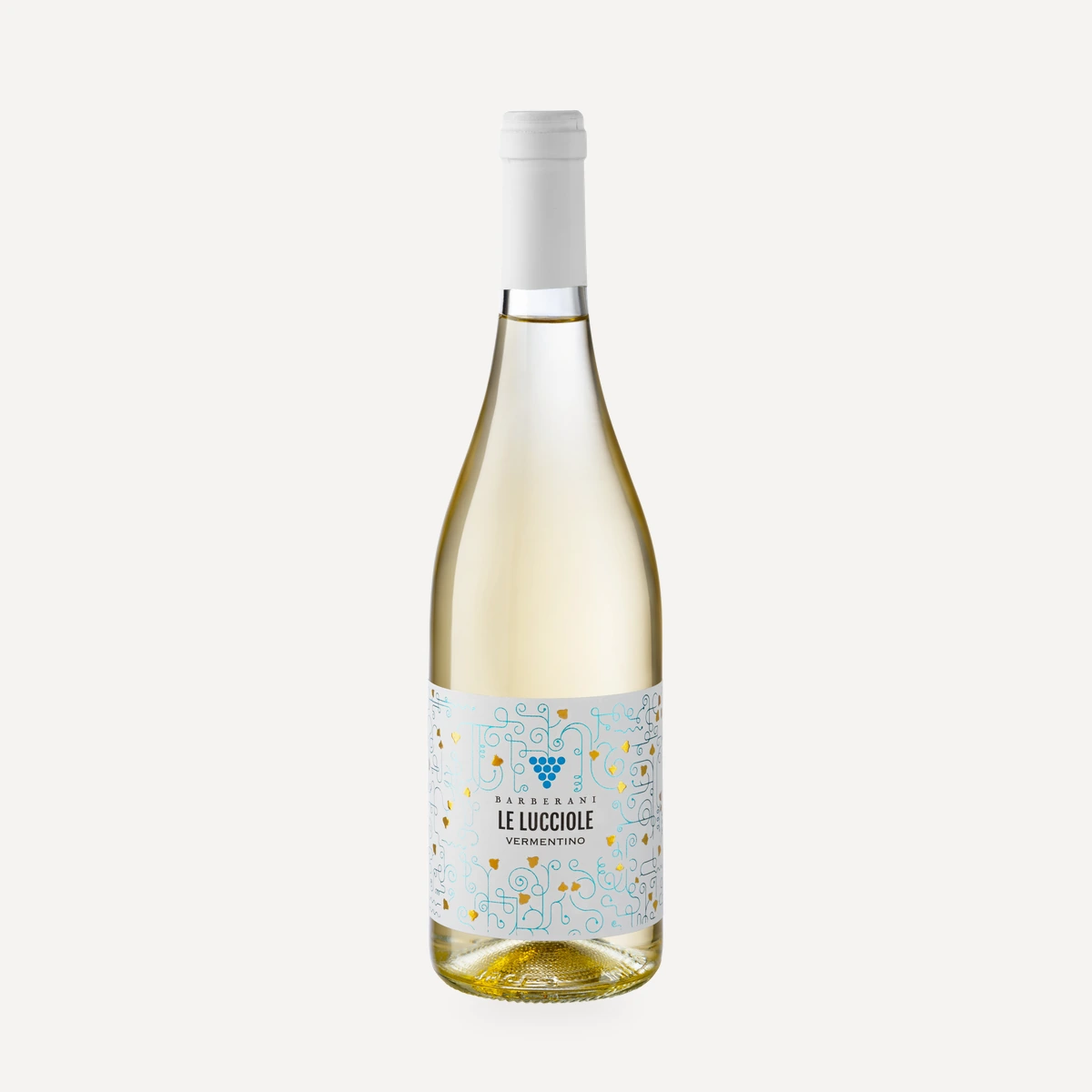
Le Lucciole
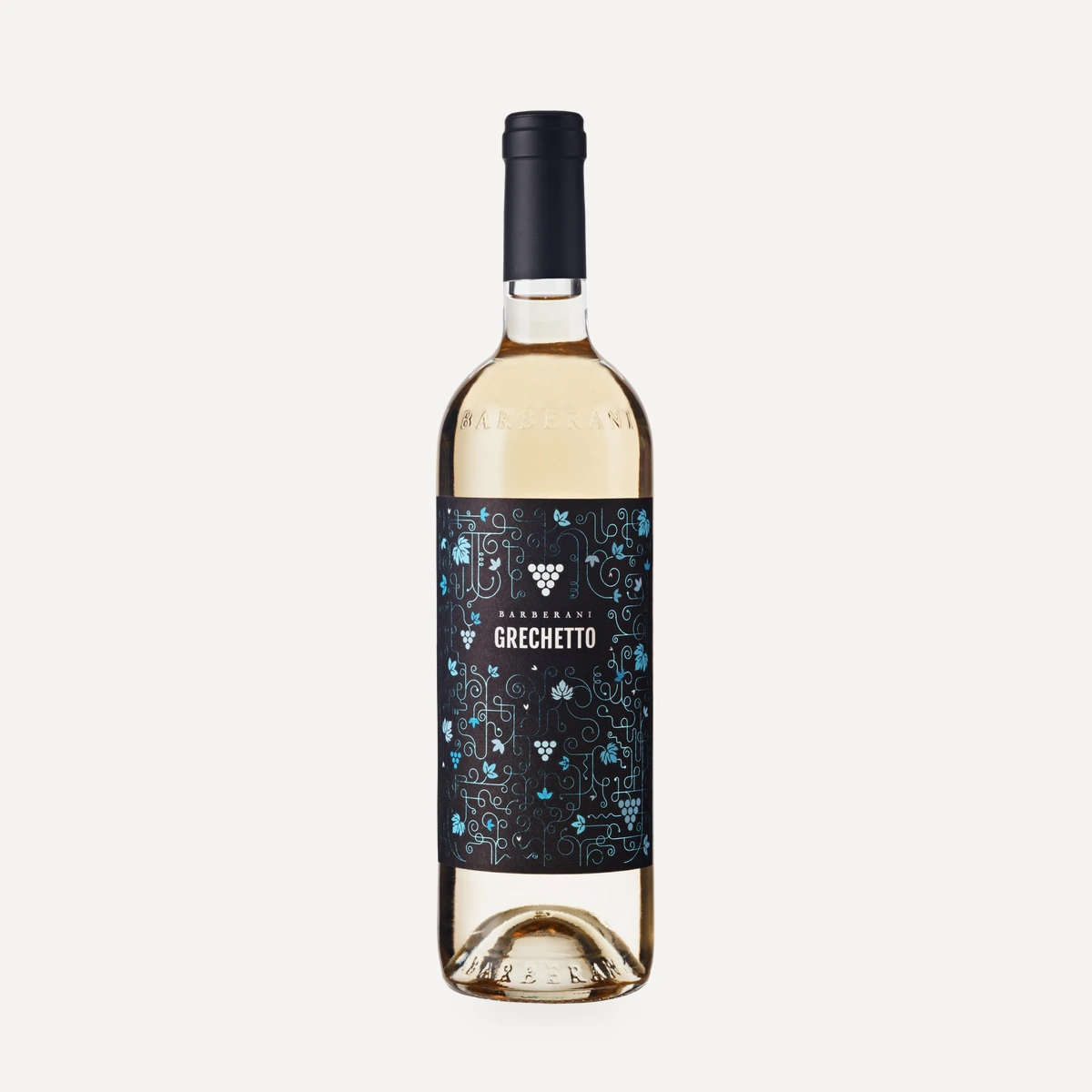
Grechetto

Marea

Grechetto RAW

Vinoso
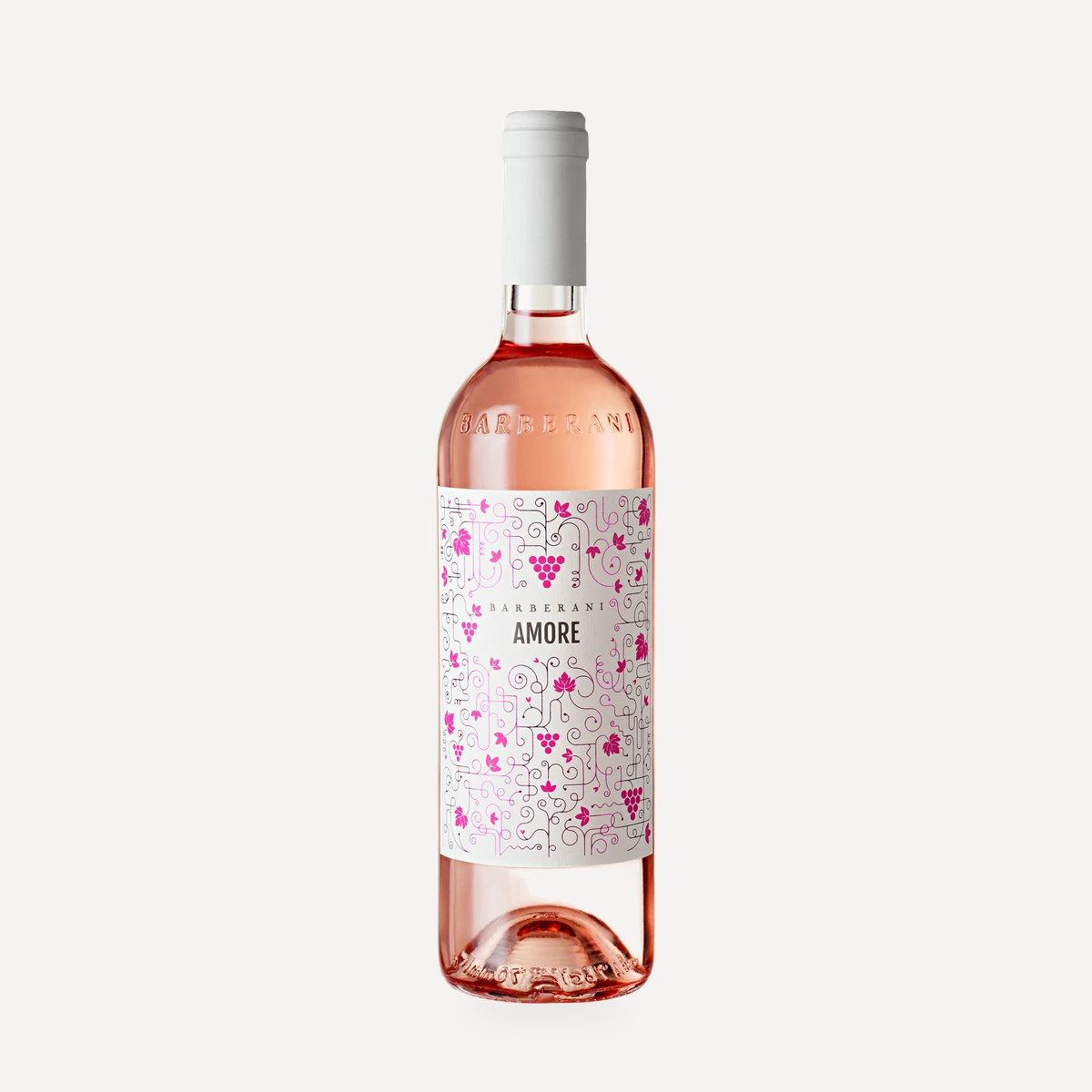
Amore

Moscato Passito
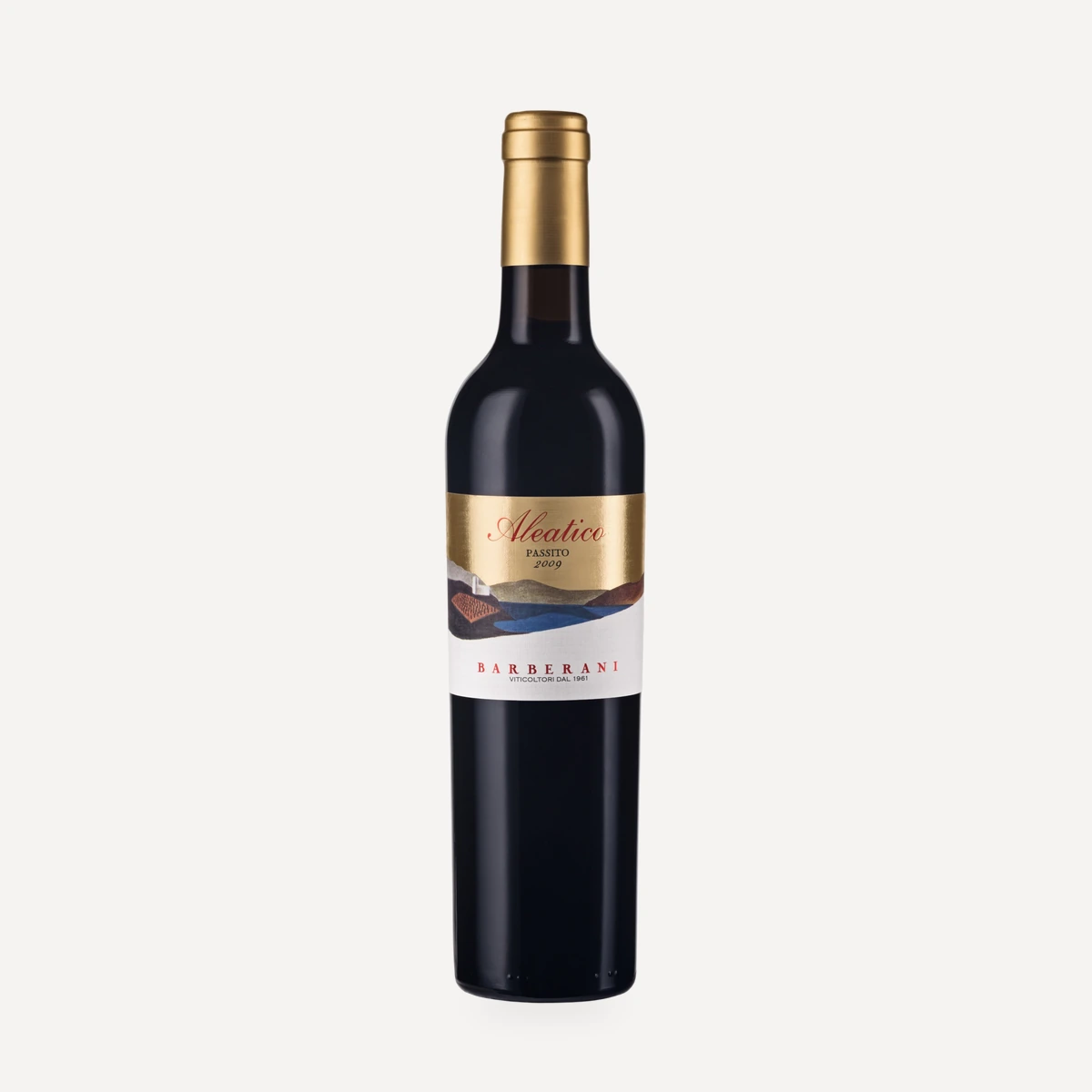
Aleatico Passito
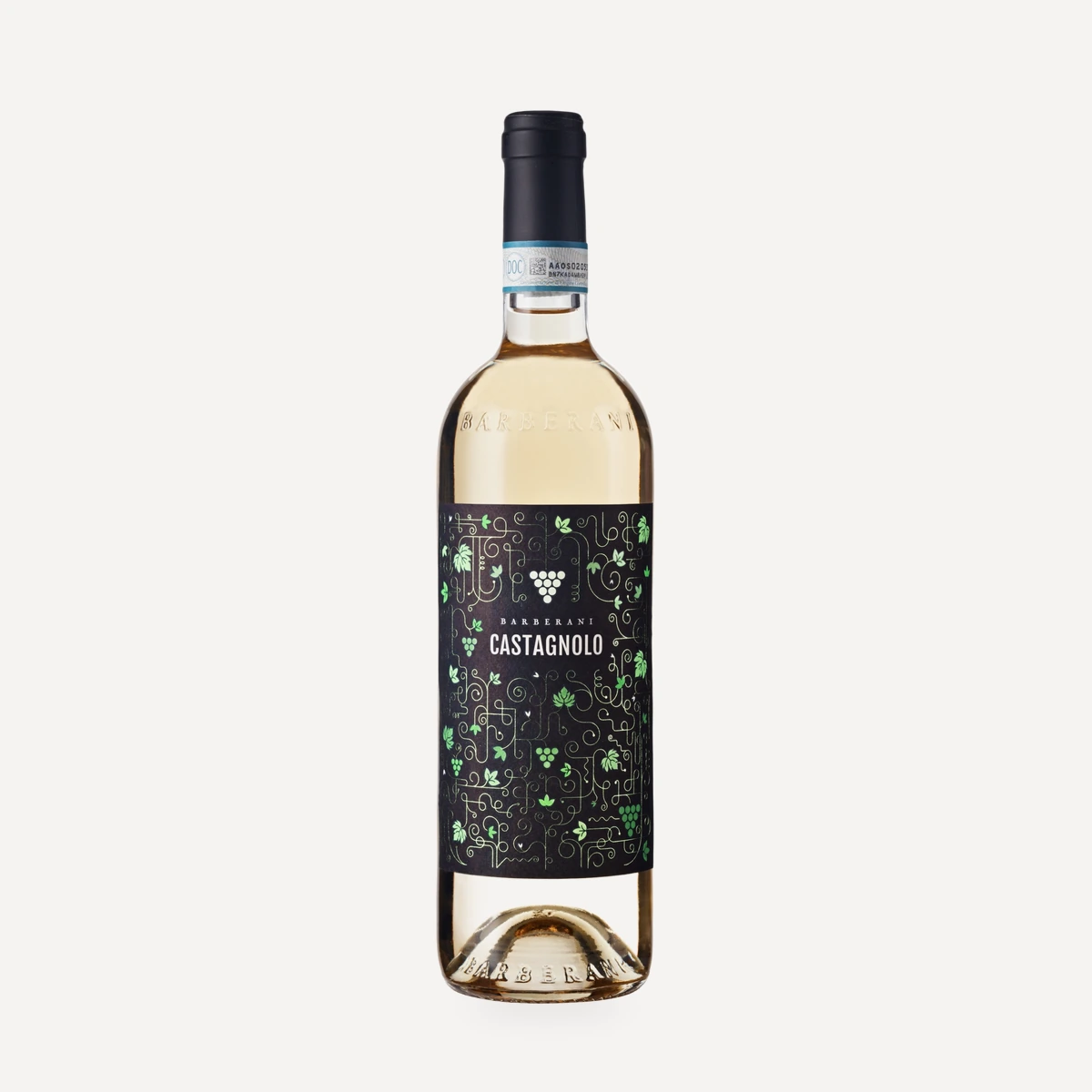
Castagnolo
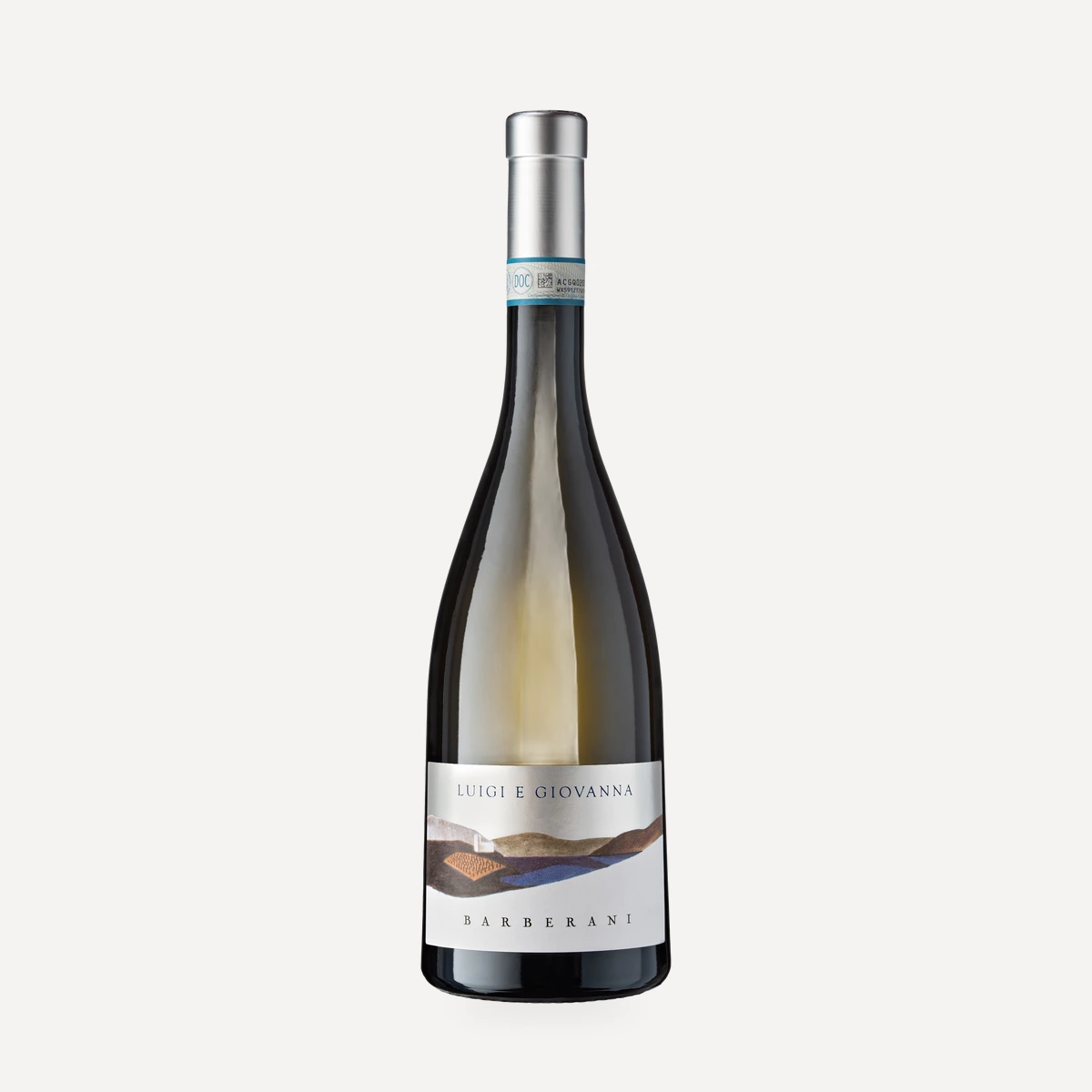
Luigi e Giovanna

Foresco
