History
Historic plantings
The oldest documented estate vines were planted in 1965. After years of neglect, parts of this vineyard had become overgrown and many rows were leaning, misaligned or otherwise compromised. A restoration project returned the old vineyard to production while preserving its layout, mature vines and genetic heritage. Vegetation that had deprived the vines of light, air and nutrients was cleared; the rows were realigned and supported with chestnut poles; and the vines were tied with biodegradable willow twigs rather than synthetic ties.
Mixed-variety plots planted around 1981–1982 form another historic component of the estate. Their field blend brings together Grechetto with Trebbiano, Malvasia, Drupeggio, Verdello and Cannaiolo Bianco and underpins the traditional expression of Orvieto Classico.
From agricultural project to wine resort
Emiliano Sirchia, a Rome-born musician, moved to Orvieto with his wife to establish an agricultural enterprise devoted to organic wine and extra-virgin olive oil, accompanied by hospitality. The project opened in 2002 as a small agriturismo among vineyards and olive groves near the boundary between Umbria and Tuscany. Cantina Altarocca is described as the family cellar that provided the initial impetus for the later Wine Resort.
In 2014, the agriturismo was transformed into a Wine Resort with 38 rooms and apartments. A large spa, gym, restaurant and swimming pools were created, integrating the estate’s organic wines and olive oil with hospitality, gastronomy, wine and oil tastings, and treatments based on grape and olive extracts.
Development of the range and cultural projects
The cellar’s early wine names were conceived as tributes to Orvieto Cathedral. Arcosesto refers to the cathedral’s round arches; Librato evokes its architectural and stylistic balance; Albaco derives from the Latin albus, recalling its white travertine; and Lavico refers to the dark basalt that contrasts with the travertine and to the volcanic ground beneath the vineyards. Bianco d’Altarocca and Rosso d’Altarocca subsequently established the estate-name wines.
A music-in-the-vineyard project brought Sirchia together with his long-time friend, multi-instrumentalist Primiano Di Biase. Di Biase improvised in the vineyard at sunset after hearing the story of its grapes. The initiative envisaged broadcasting this and later performances among the rows for visitors. At that time the cellar comprised six wines, while the current winery presentation contains eight.
Rilievo expanded the collection with a traditional-method sparkling wine whose name refers to the bas-reliefs on the façade of Orvieto Cathedral. Mosaico was prepared for release in autumn 2022 as a Charmat-method rosé sparkling wine. Its base came from the early picking used to thin the estate’s red grapes, and its name reflected the combination of the estate’s red varieties.
Renewal of the 1965 vineyard
The recovery of the 1965 planting returned an abandoned vineyard to productive use. Beyond repairing the rows, the project was conceived as landscape conservation and a return to traditional vineyard craftsmanship. Local, renewable chestnut replaced industrial supports, while willow ties avoided plastic and allowed the vines to grow without being constricted. The mature vines’ deep root systems and genetic legacy were retained as part of Cantina Altarocca’s long-term expression of its terroir.
Terroir
Cantina Altarocca lies on the hill of Rocca Ripesena in the commune of Orvieto, Umbria, close to the regional boundary with Tuscany. The vineyards occupy a rolling, panoramic landscape shared with the estate’s olive groves and are generally recorded at approximately 300 m elevation.
The soils are predominantly volcanic, sedimentary and clay-rich. Beneath the clay lies volcanic rock associated with the eruption that formed present-day Lake Bolsena. The estate connects this combination of clay and lava-derived material with the marked savoury and mineral character found across its wines.
Natural underground water sources are present, but the vineyards are not irrigated. The vines must therefore extend their roots into deeper soil horizons in search of water and nutrients, bringing them into contact with the volcanic material. The oldest vines, planted in 1965, have particularly deep root systems capable of reaching nutrients in the subsoil.
Winemaking
The vineyards are cultivated according to organic principles. Genetically modified organisms, chemical fertilizers, pesticides, fungicides and herbicides are excluded. Soil fertility is supported with natural fertilizers and grassing, while spontaneous vegetation is managed carefully so that it can contribute to the character and balance of the soil.
The estate does not irrigate its vineyards. Vines rely on natural water availability and develop roots into deeper layers where they encounter the lava-derived component beneath the clay. Grapes are harvested manually to preserve their integrity.
The restoration of the 1965 vineyard extends the organic approach into vineyard infrastructure. Chestnut poles were selected for their natural resistance to decay, insects and weather and for their renewable, biodegradable, locally sourced character. Flexible willow twigs are used as ties: they accommodate vine growth, can be applied and repaired by hand, biodegrade completely and avoid introducing plastic into the vineyard. Removing invasive vegetation restored air and light around the old vines and returned the formerly abandoned rows to production.
The cellar works with both traditional local grapes and international varieties. Its disclosed production repertoire includes stainless-steel vinification, new French-oak barriques and tonneaux, bottle maturation, blending after separate élevage, the Charmat process and traditional-method sparkling-wine production.
For white-wine production, Chardonnay may be handled separately in new French oak before blending with Grechetto and Procanico. Published cellar regimes include two months in new French oak for this component followed by eight months in bottle, while another estate Chardonnay is fermented and matured in French oak. Traditional Orvieto Classico is matured for two months in bottle.
Red-wine methods range from stainless-steel vinification intended to preserve freshness and supple tannins to maturation in French oak. Disclosed élevage includes 12 months in French-oak barriques followed by 12 months in bottle, and 14 months in new French-oak barriques and tonneaux followed by 12 months in bottle.
The sparkling programme uses two approaches. Rilievo is made by the traditional method from Trebbiano and Chardonnay. Mosaico is produced by the Charmat method from red grapes collected during an early harvest performed to thin the crop; the cuvée combines the estate’s red-grape production.
Philosophy
Cantina Altarocca treats good wine as the outcome of creativity, personality, agronomic and oenological ability, experience and an element of fortune. Its approach combines technical collaboration with individual interpretation: Emiliano Sirchia works with oenologists, agronomists and an experienced cellar team, while continuing to adjust the wines as his taste and artistic sensibility evolve.
Sirchia compares making wine with composing or rearranging music. A small set of raw materials can produce very different results according to the maker’s instincts and choices, and the wines are understood as living works that may change rather than remain fixed over time.
Organic farming is presented as both an agricultural discipline and the foundation of the wider estate experience. Natural fertilization, grassing, spontaneous vegetation, manual harvesting and the exclusion of synthetic agricultural inputs are intended to preserve soil characteristics, environmental balance and biodiversity. The restoration of the 1965 vineyard expresses the same values through preservation of old vines, traditional manual work and locally sourced biodegradable materials.
The winery also seeks to connect wine with the cultural identity of Orvieto. The names of its early wines refer to the architecture, materials and decoration of Orvieto Cathedral, while the music-in-the-vineyard project links agriculture with live artistic interpretation.
Wines
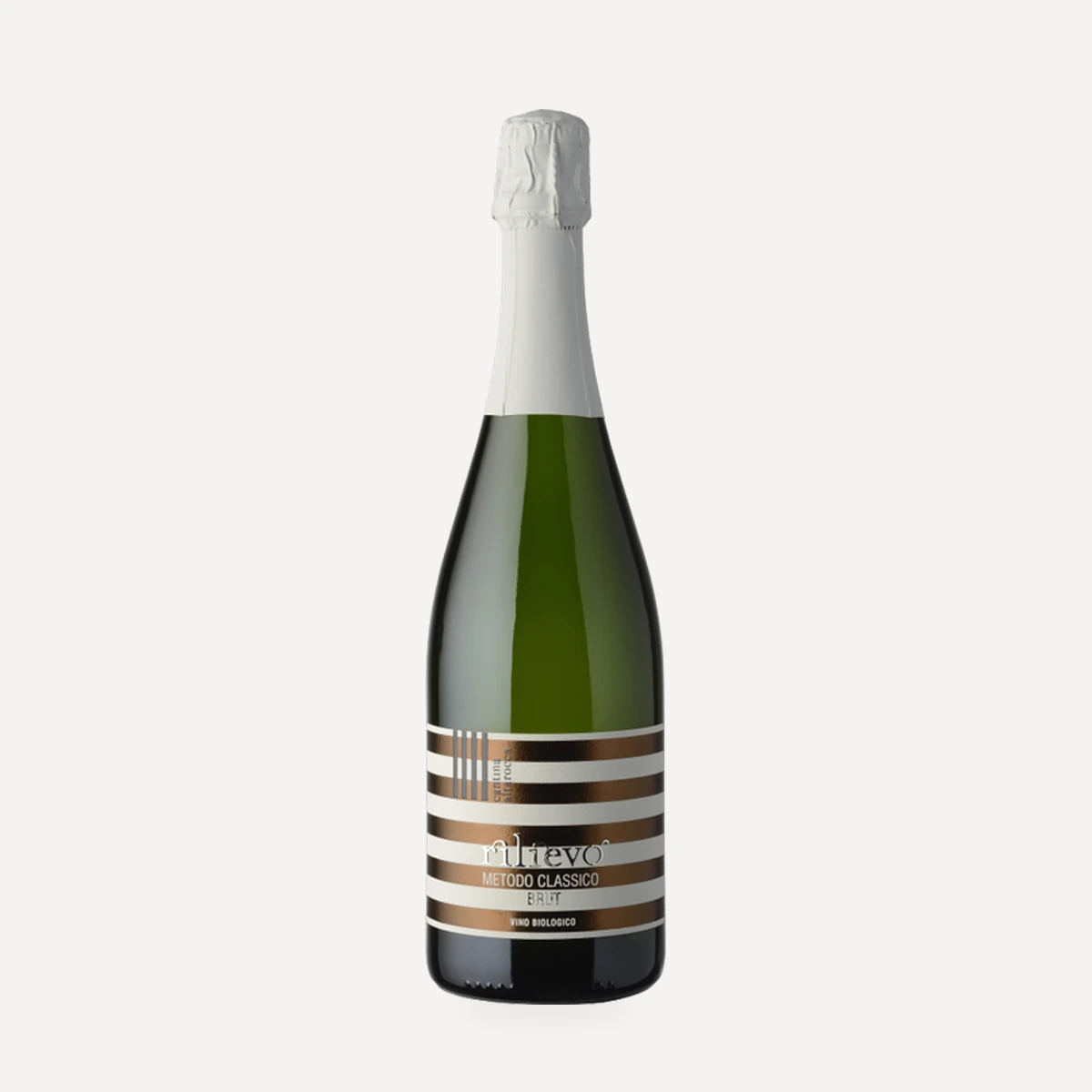
Rilievo
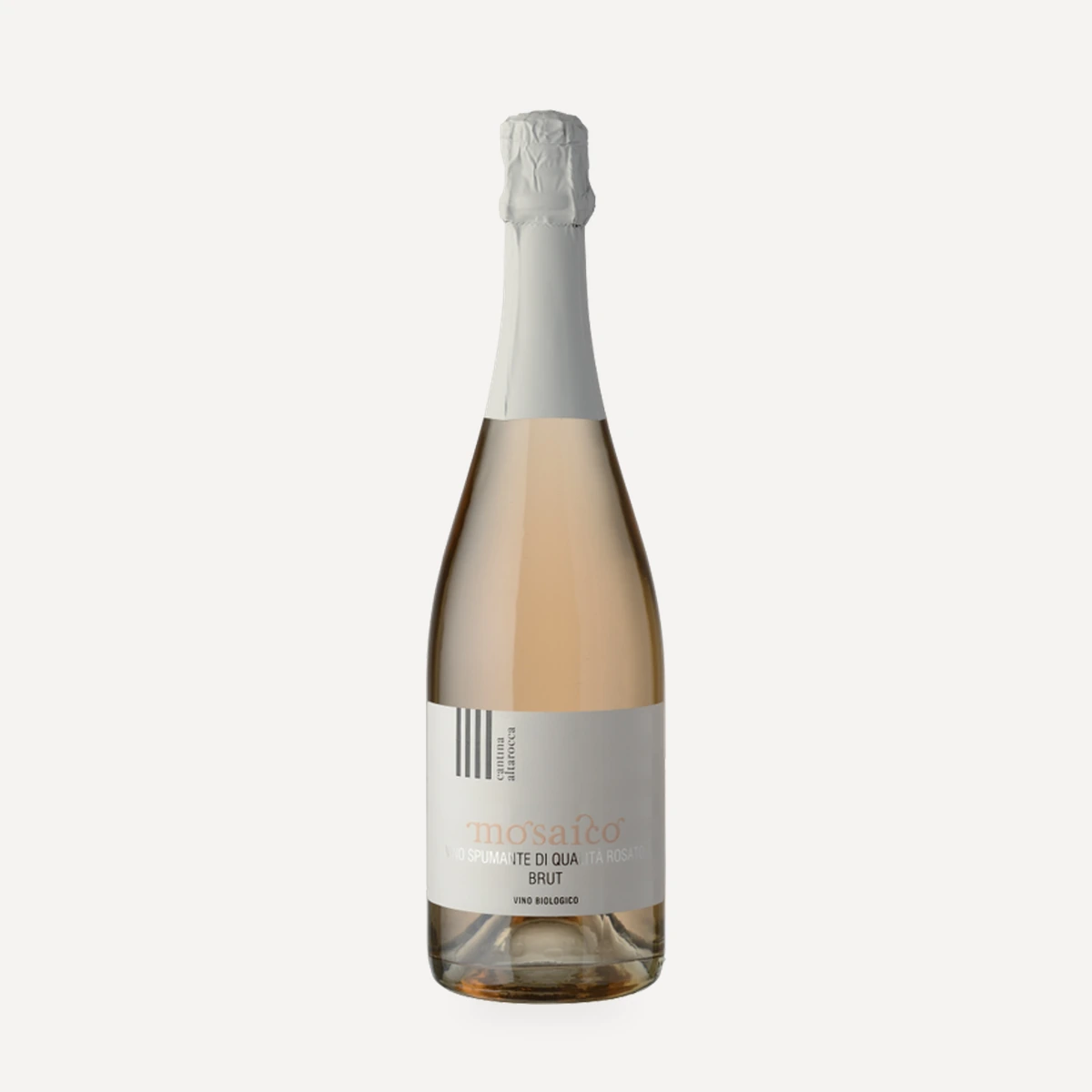
Mosaico
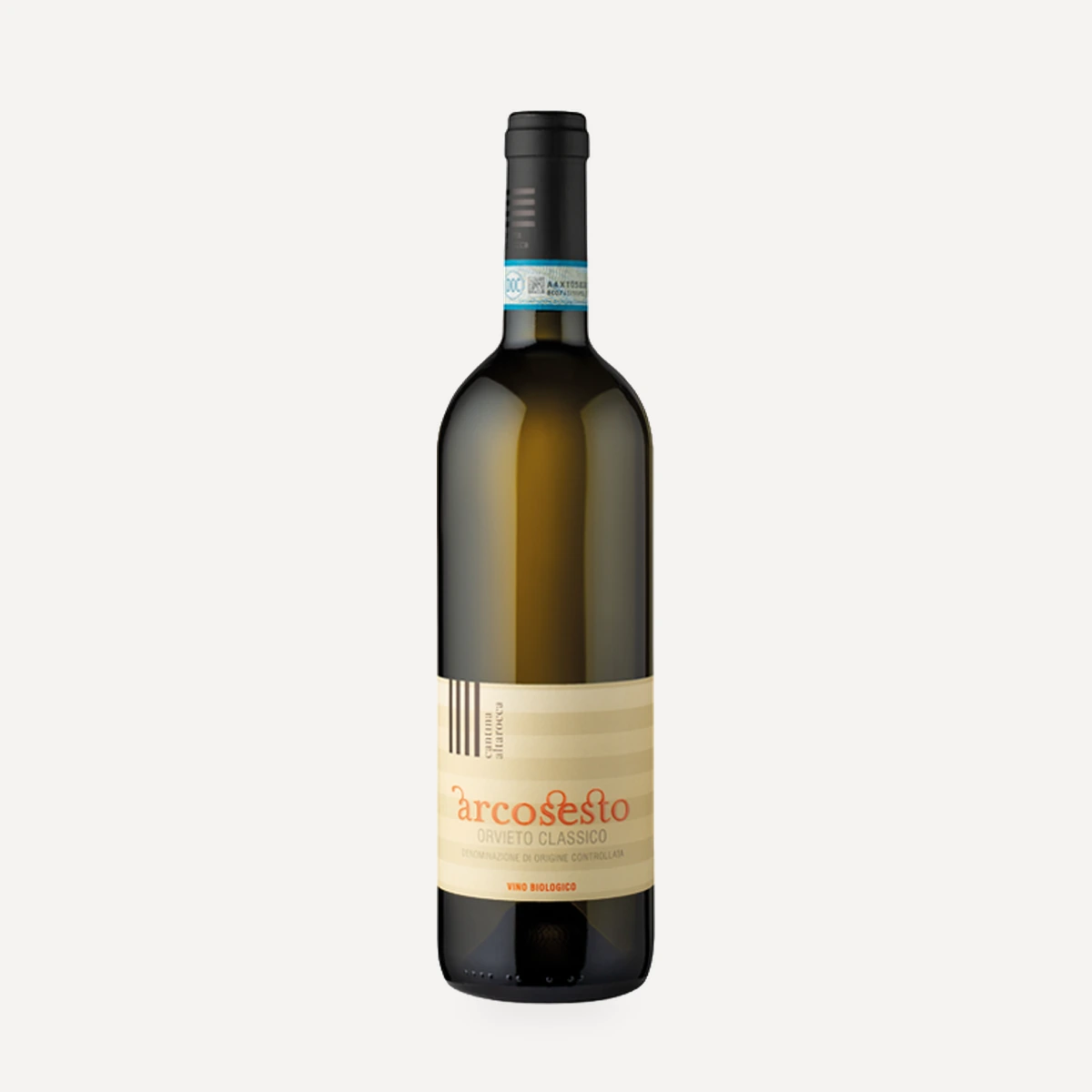
Arcosesto
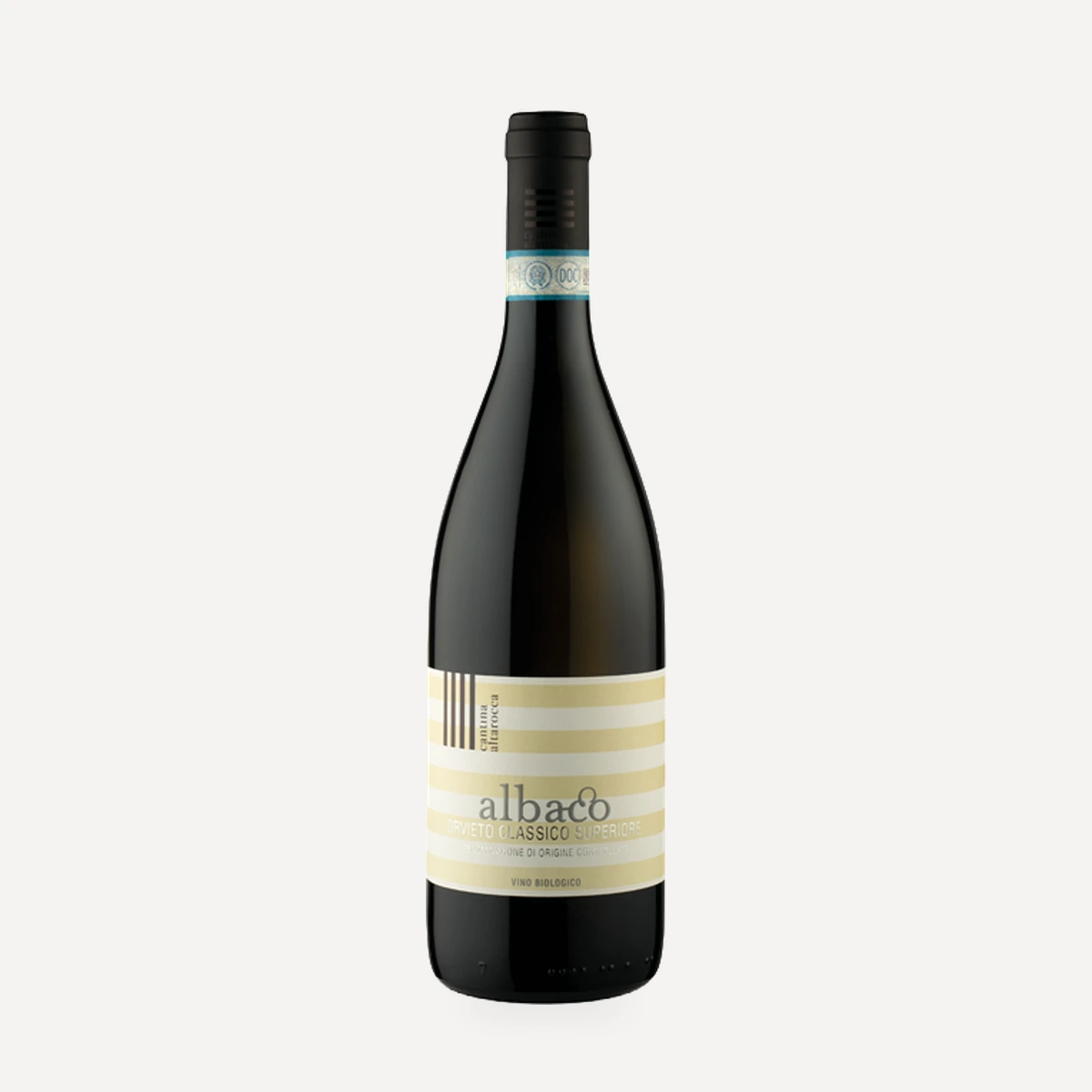
Albaco
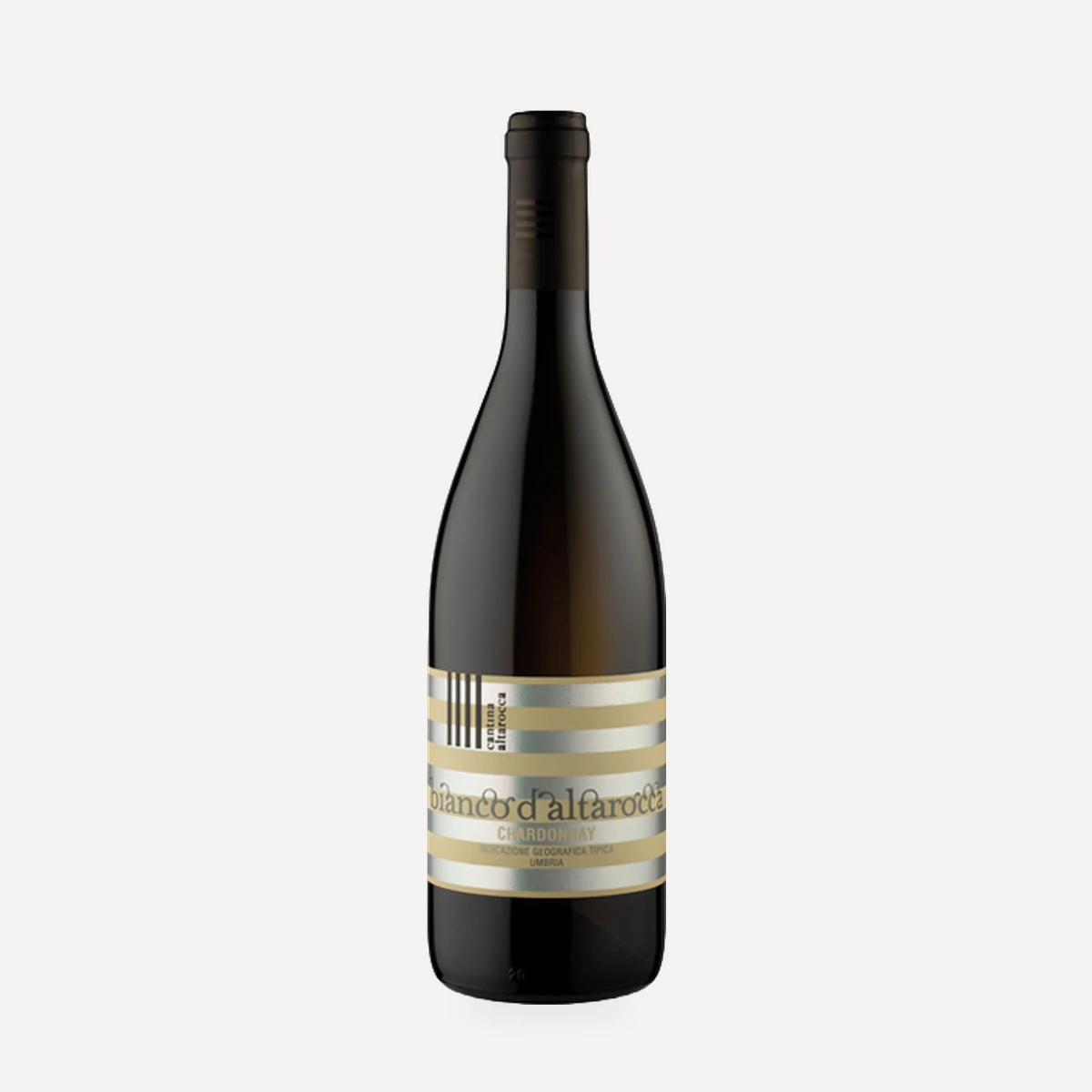
Bianco d'Altarocca

Librato

Lavico
