History
The Monaldeschi period
The Monaldeschi family reached Italy in the 9th century in the retinue of Charlemagne. From the 14th century, members of the family fought among themselves for control of Orvieto.
Castello della Sala was built in 1350 for Angelo Monaldeschi della Vipera. In 1437, Gentile, Angelo’s grandson, secured control of Orvieto and ruled the city as dictator for approximately a decade. His death in 1466 opened a more peaceful period at the castle. This reconciliation culminated in the marriage of Gentile’s son, Pietro Antonio della Vipera, to his cousin Giovanna Monaldeschi della Cervara.
The historical maturation cellar beneath the medieval fortress dates to the 16th century. The Monaldeschi della Cervara branch also gave its name to Cervaro della Sala.
The Antinori acquisition
In 1940, Marchese Niccolò Antinori—father of Piero Antinori—decided to expand into white-wine production and turned his attention to Umbria and Castello della Sala. The Antinori family acquired the property that year. Niccolò restored part of the castle, including its reception hall and several other rooms.
Experimentation and a new white-wine project
In spring 1979, the 25-year-old agronomist Renzo Cotarella arrived at Castello della Sala. Work began immediately on an ambitious project to create a white wine capable of developing and improving with age. Cotarella experimented with Chardonnay while studying Grechetto as a source of varietal typicity and territorial character. Several disappointing trial vintages followed.
The 1985 harvest produced the first Cervaro della Sala. Renzo Cotarella, then the estate’s chief oenologist, made the inaugural vintage. It was among the first Italian white wines to undergo malolactic fermentation and maturation in barriques.
Expansion of the estate range
Muffato della Sala was first produced in 1987. Its original blend was 50% Sauvignon Blanc, 30% Grechetto and 20% Drupeggio; the composition subsequently changed. The wine emerged from the estate’s mist-influenced conditions and the development of Botrytis cinerea on late-harvested grapes.
The first Castello della Sala Orvieto Classico was produced in 1990 and later became associated with San Giovanni della Sala. Pinot Nero della Sala also debuted with the 1990 vintage, establishing a red counterpart to the estate’s white-wine identity.
Bramìto della Sala followed in 1994 as an expression of Chardonnay grown around the medieval castle. Conte della Vipera was first produced in 1997 and was named in tribute to the castle’s earliest proprietors.
Terroir
Castello della Sala lies in Umbria near the Tuscan border, approximately 18 km from Orvieto. Its 600 ha extend midway between the Paglia river and the summit of Monte Nibbio. The estate occupies gently rolling hills, with its 229 ha of vineyards ranging from 220 to 470 m above sea level.
The soils are predominantly clay and limestone, with abundant fossil shells and other marine-fossil deposits. Individual sectors show variations within this framework: clay-rich marine sediments occur around vineyards used for several white wines, while the Pinot Nero vineyards contain calcareous fossil-bearing soils alternating with sedimentary sands dating to the Pliocene.
The vineyards face the rising sun and experience pronounced differences between daytime and nighttime temperatures. Ventilation and the elevation of the hillsides can moderate summer water stress and encourage gradual ripening. Morning mist is another defining feature. In autumn, frequent morning fog can favor the development of Botrytis cinerea on grapes intended for Muffato della Sala, concentrating sugars and aromas.
The conditions are especially suited to white varieties. Pinot Nero is the principal exception and occupies a distinct high-altitude, terraced sector where the variety finds suitable conditions for ripening and retaining territorial character.
Winemaking
The vineyards occupy elevated, ventilated hillsides with eastern exposure and substantial day–night temperature variation. Harvest timing is adapted to variety and site rather than treated as a single estate-wide operation.
The clearest site-specific canopy practice concerns Pinot Nero. Because intense summer sun can threaten the fruit, the shoots are allowed to lengthen and are then folded over the vines, positioning the leaves to shade the clusters.
Fruit intended for Muffato della Sala is picked by hand in successive passes during October and November as noble rot develops. The clusters undergo a further quality selection on sorting tables after reaching the cellar. Grapes for the estate’s gravity-handled Chardonnay and Grechetto project are picked in the early morning to preserve fruit integrity and protect them from high daytime temperatures. Conte della Vipera fruit is also hand harvested and rapidly cooled before pressing.
Castello della Sala combines a modern vinification facility with a historical maturation cellar beneath the medieval fortress. The modern cellar was conceived to preserve grape freshness and aromas and is designed to exploit gravity flow, allowing fruit, must and fermenting wine to move without mechanical pumps where that system is employed.
The maturation cellar dates to the 16th century. Its thick fortress walls naturally maintain stable temperature and humidity. Portions of Cervaro della Sala and Pinot Nero della Sala continue to mature there in French-oak barriques, and wines may also complete bottle ageing in the historical cellar before release.
The cellar can manage varieties and lots separately, using stainless steel and oak according to the intended expression. Its documented capabilities include gentle pressing, low-temperature skin contact, clarification, temperature-controlled fermentation, partial or complete malolactic fermentation, maturation in 228-litre oak, lees ageing in stainless steel and extended bottle ageing. These techniques are assigned selectively rather than presented as a uniform process for every estate wine.
Philosophy
Castello della Sala defines its identity through both indigenous and non-indigenous grape varieties, treating each wine as a contemporary expression of an ancient territory. Its white-wine project combines experimentation with close attention to site: Chardonnay supplies the foundation for a wine conceived to evolve over time, while Grechetto contributes typicity and territorial character.
The production architecture follows the same balance between old and new. A modern cellar is used to protect freshness and aroma and permit gentle handling, while the 16th-century maturation rooms beneath the fortress provide naturally stable conditions for oak and bottle ageing. The objective is not to reproduce a single traditional formula, but to use appropriate varieties and technology to articulate the estate’s territorial identity.
Wines
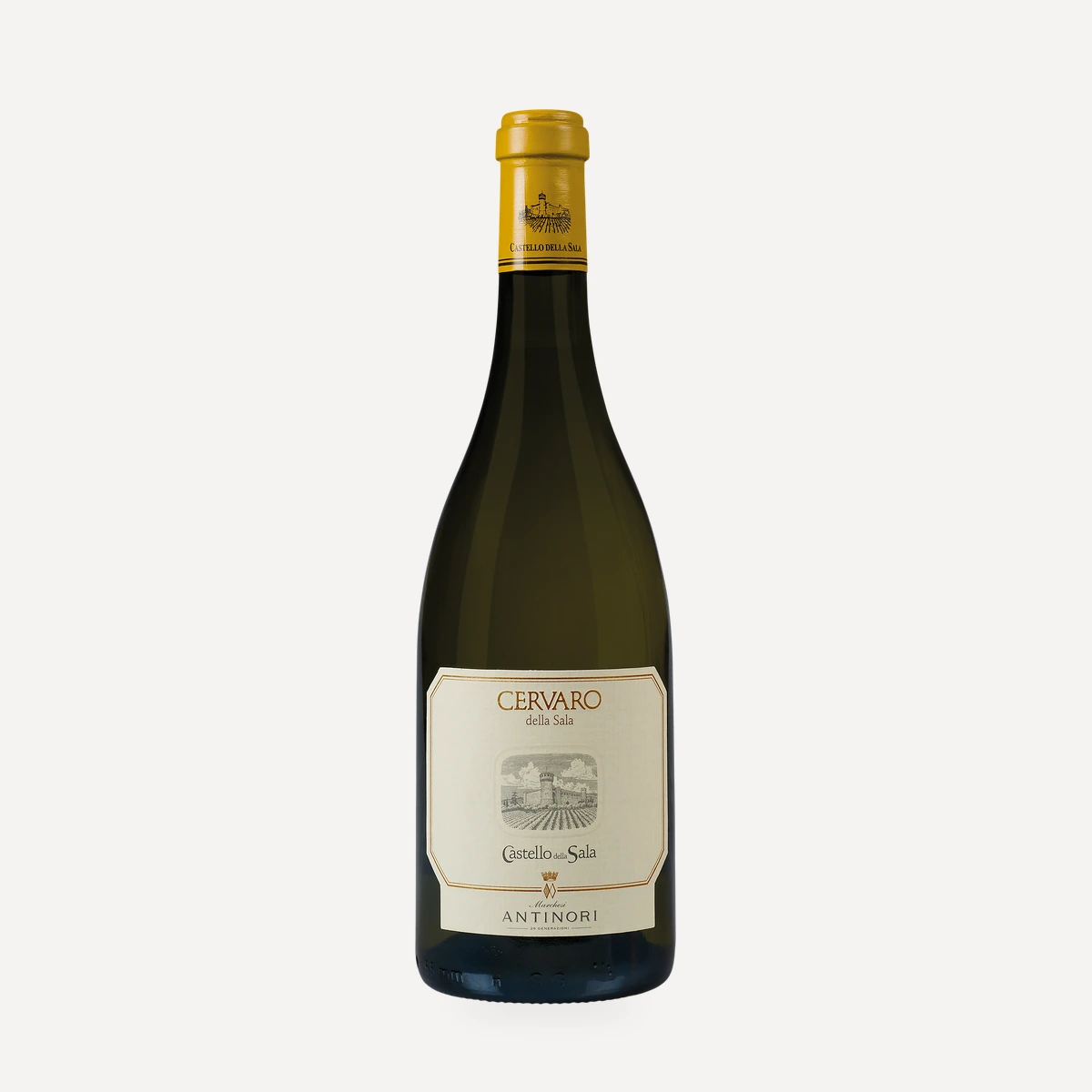
Cervaro della Sala
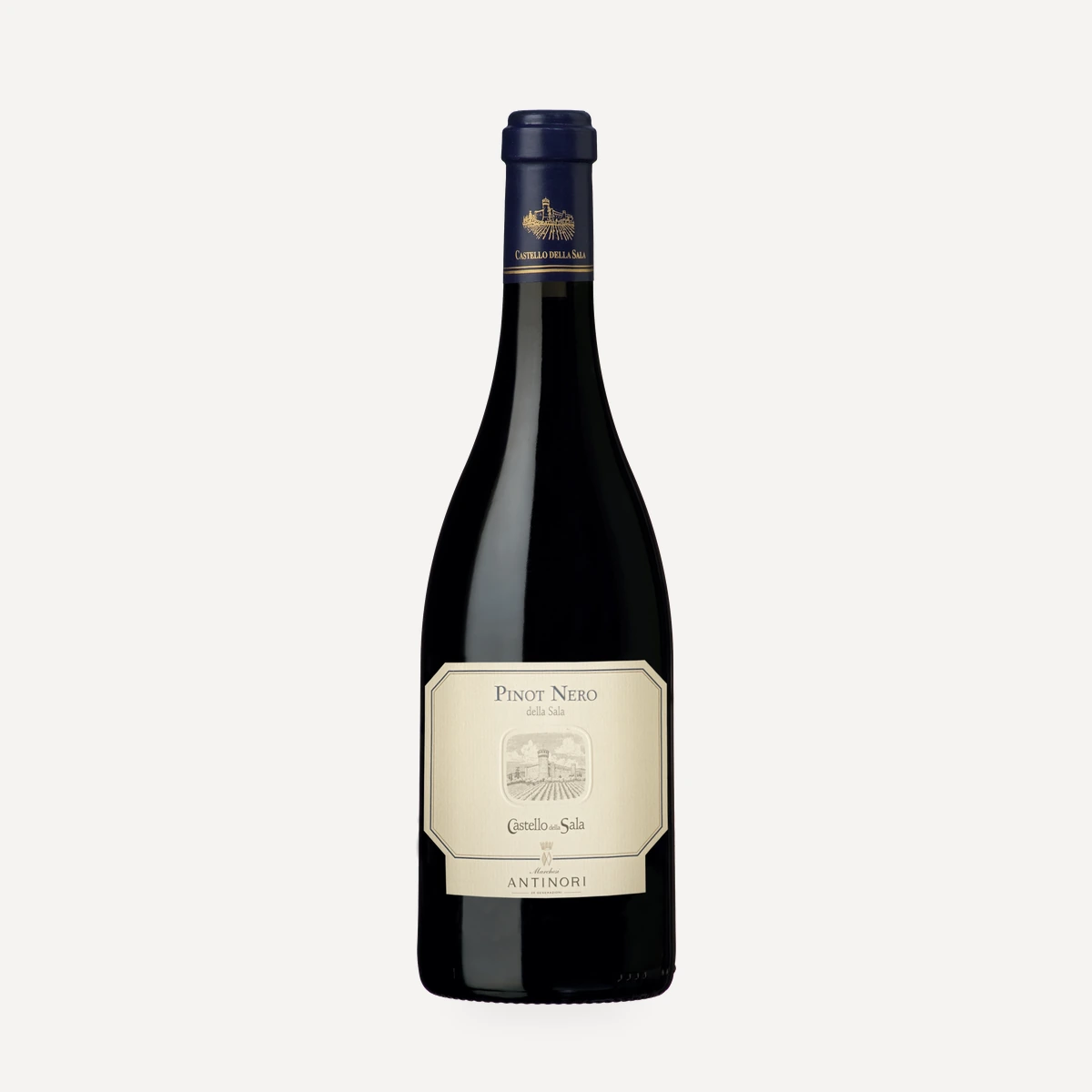
Pinot Nero della Sala
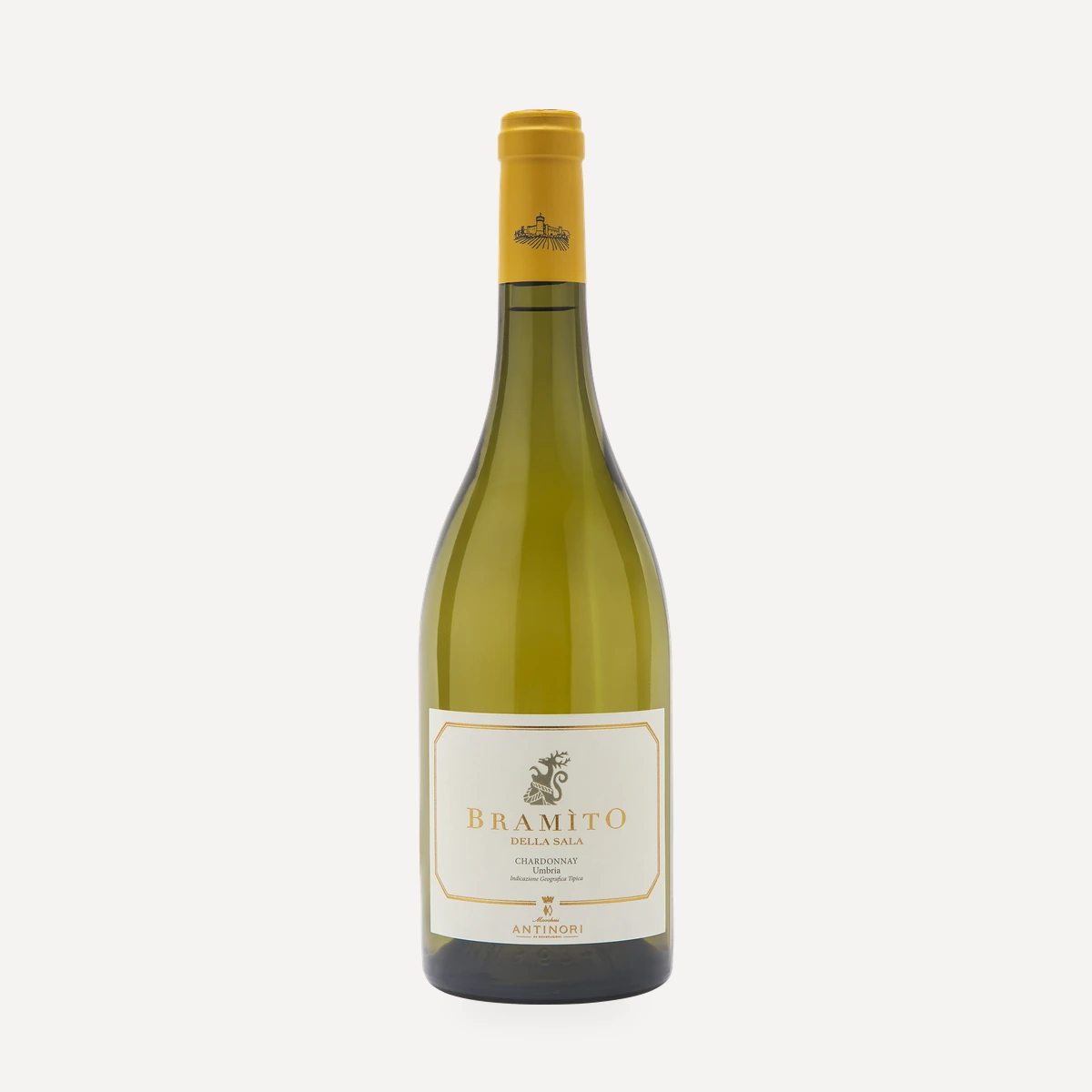
Bramìto della Sala
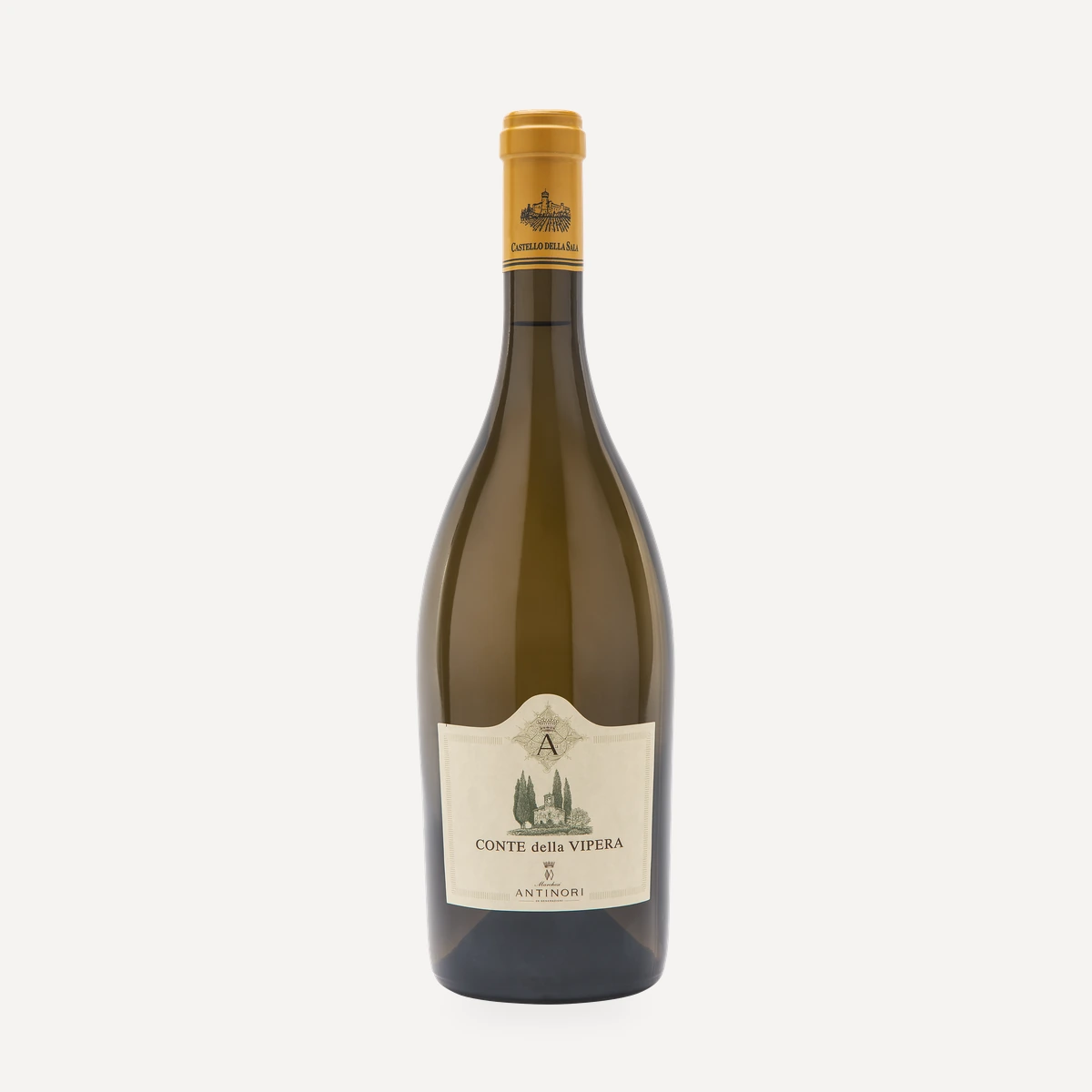
Conte della Vipera

San Giovanni Della Sala

Muffato della Sala
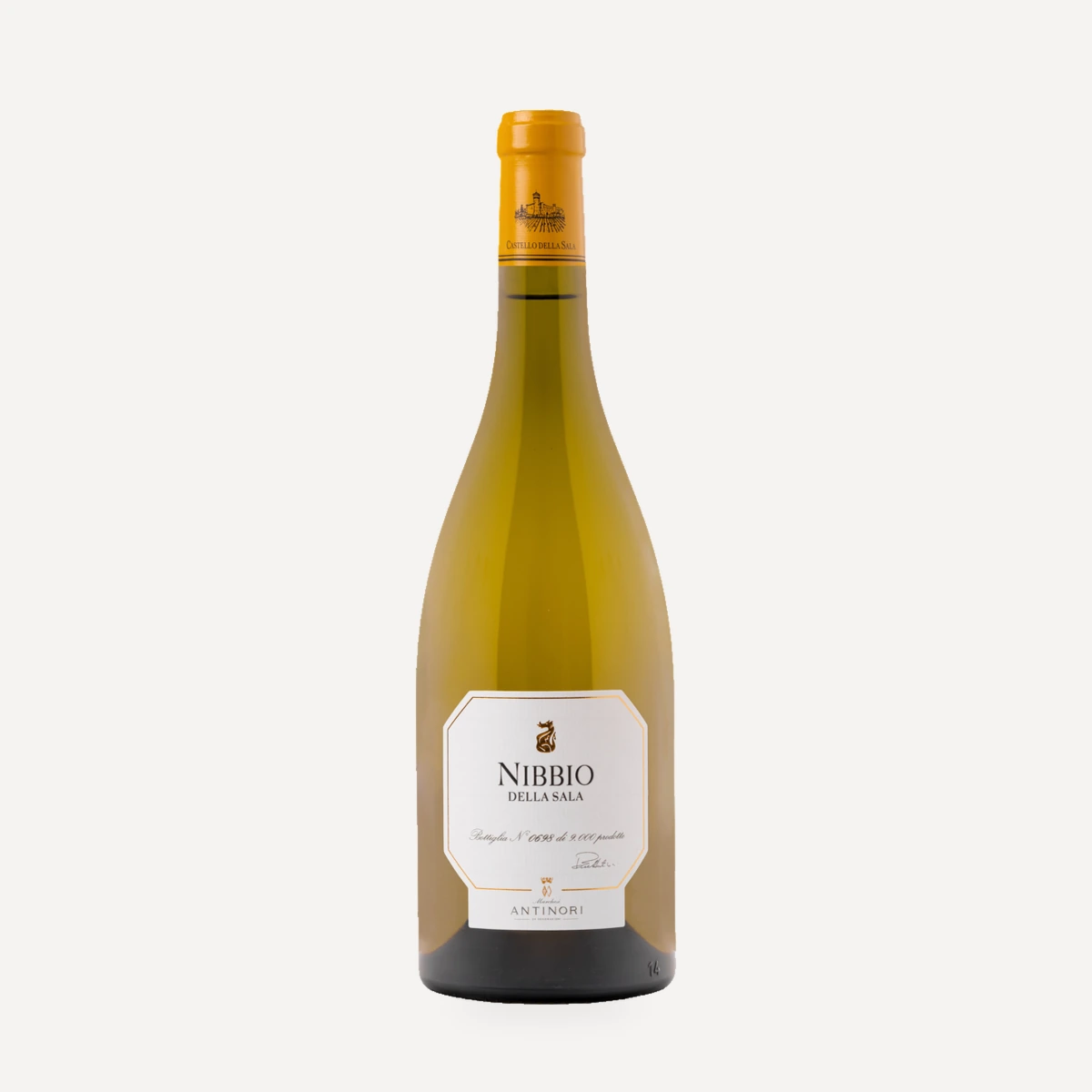
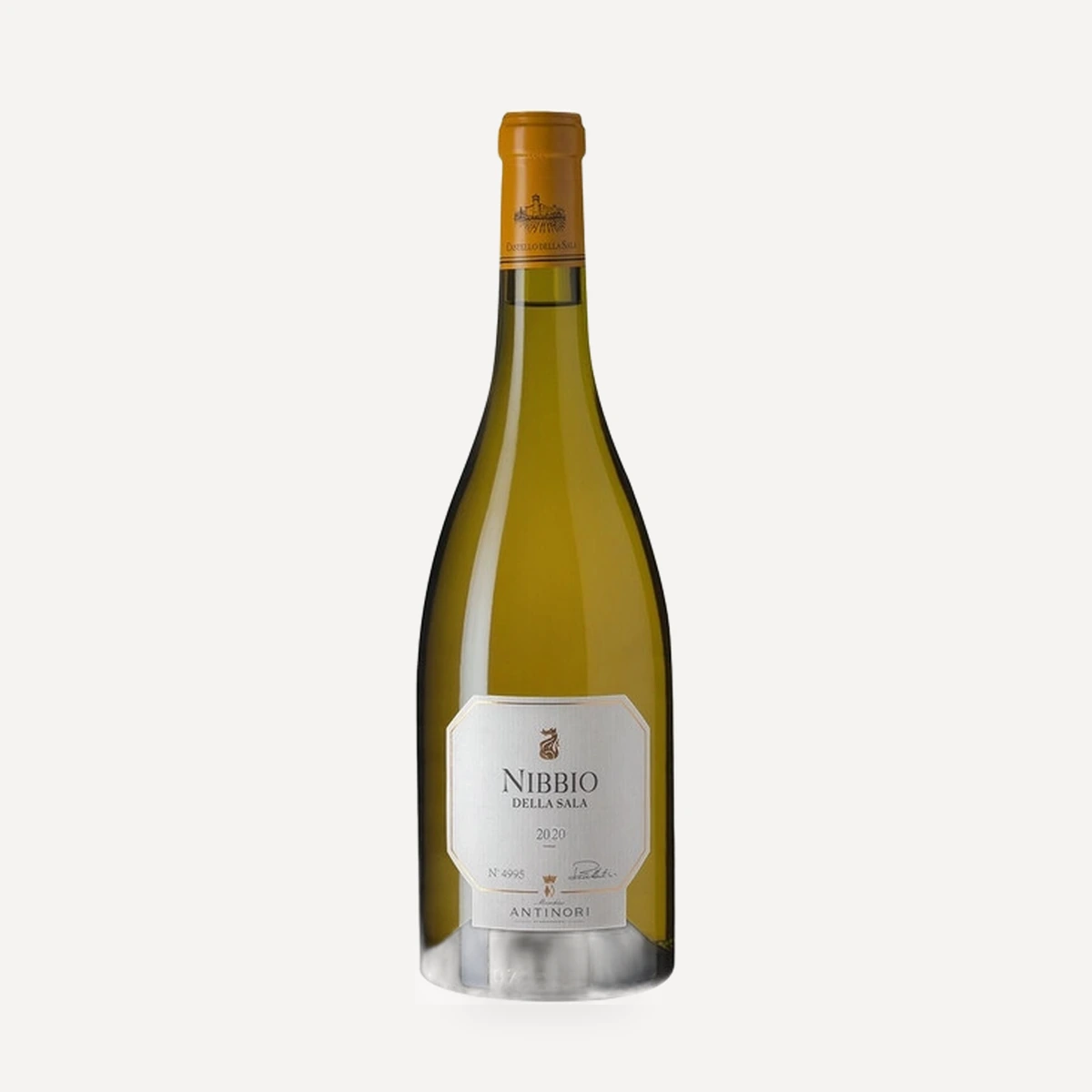
Nibbio