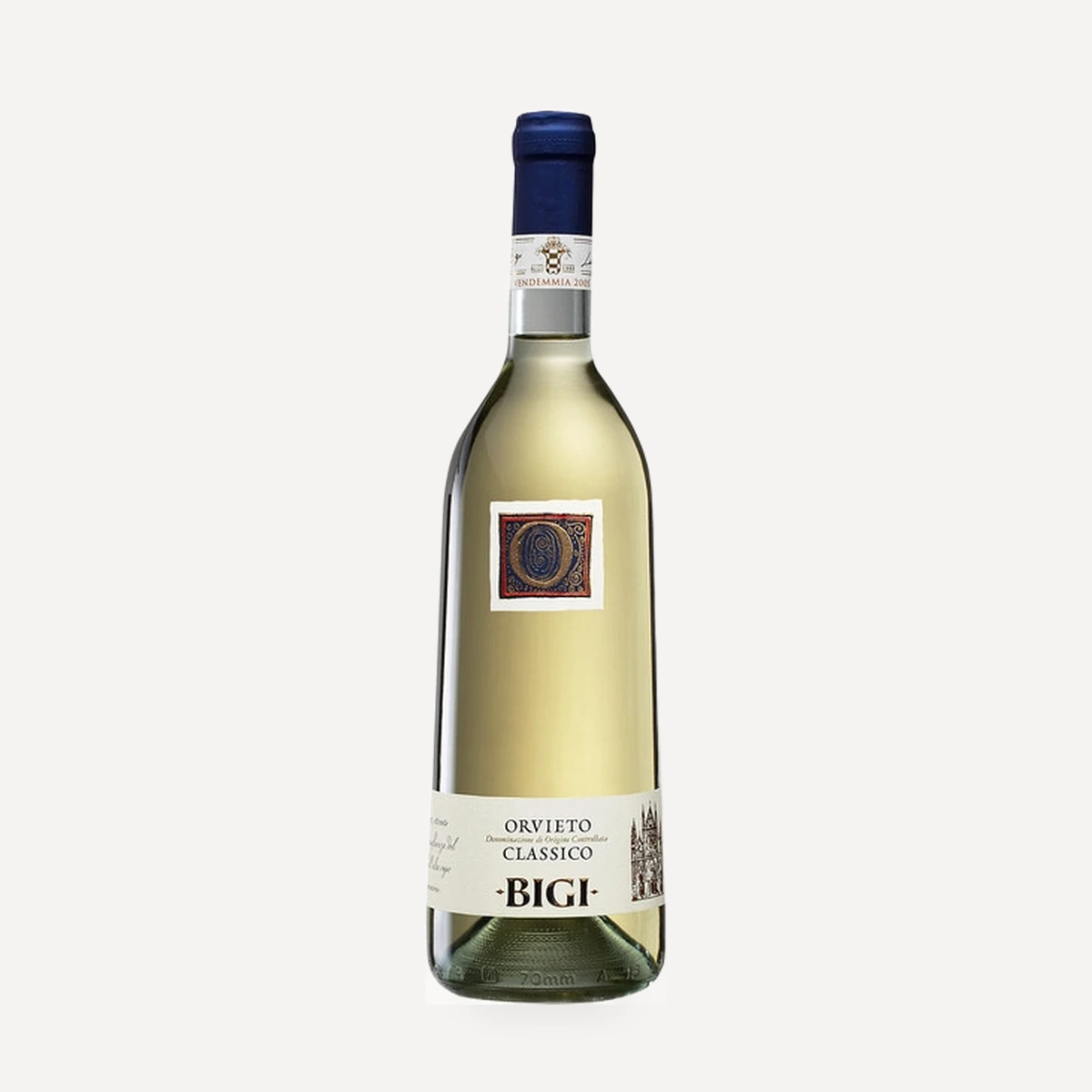
History
Early wine culture in Orvieto
Viticulture in Umbria is traced to Etruscan times. Orvieto wine was celebrated in antiquity and was particularly prominent in Rome, where it was served in the households of prelates and at banquets of the Vatican nobility.
In the late 13th century, the consuls of Orvieto appointed vineyard custodians known as the Sartiani. They were charged with checking that vineyard work was performed correctly and monitoring grape quality in Tenuta Civitatis, regarded as a particularly important growing area.
In 1496, while arranging to fresco the chapel of Santa Maria Maggiore in Orvieto, Pinturicchio included a provision for vin d’Orvieto quantum libuerit—as much Orvieto wine as he wished to drink while working.
La Trinità and the foundation of Casa Vinicola Luigi Bigi
Bigi’s first home was La Trinità, an ancient Franciscan monastery in Orvieto that had been taken over by the Italian state in 1870. Casa Vinicola Luigi Bigi was founded in 1880 by Luigi Bigi. His commercial initiative helped take Orvieto wine beyond its local market and establish it internationally.
The modern winery
In 1972, the need for improved production facilities led Bigi to leave La Trinità and move to a modern winery at Ponte Giulio, close to historic Orvieto. The facility was equipped for contemporary vinification and developed with a production capacity of 30,000 hl and a large maturation cellar containing both traditional casks and barriques.
In 1980, Bigi created Vigneto Torricella from the vineyard of the same name overlooking Lake Corbara. In 1993, the winery began producing Grechetto as a monovarietal wine, extending a portfolio that had long been associated with Orvieto.
Over time, the range expanded beyond the established white wines—Orvieto Classico, Grechetto and Est! Est!! Est!!!—to include monovarietal and blended red wines based on Umbrian Sangiovese.
Paolo Nardo
Paolo Nardo took the helm of Bigi in 2017. His responsibilities expanded in 2026 when he also assumed management of the Fontana Candida winery.
Terroir
Orvieto and the classic growing area
Umbria lies between northern and southern Italy and between the Adriatic and Tyrrhenian seas. Orvieto is a walled city established by the Etruscans on a tuff spur and later known to the Romans as Urbs Vetus.
Bigi owns 145 ha of vineyards in the classic area of Orvieto DOC, identified as the denomination’s oldest district. The vineyards occupy hilly ground at elevations ranging from 150 to 450 metres. Their soils are predominantly clay, and 70% of the planted area is devoted to white-berried grapes.
Lake Corbara
Vigneto Torricella overlooks Lake Corbara. Its growing conditions are distinguished by the interaction of the vineyard’s microclimate and soil type.
Winemaking
Ponte Giulio winery
Bigi has operated at Ponte Giulio, near historic Orvieto, since 1972. The move was made to provide improved conditions for production. The facility has a capacity of 30,000 hl and is equipped with modern vinification technology.
A large maturation cellar accommodates both traditional casks and barriques, allowing the winery to combine contemporary technical facilities with established maturation vessels. This infrastructure supports a portfolio encompassing white, red and sparkling wines, including Orvieto Classico, Grechetto and Sangiovese-based wines.
Philosophy
Bigi combines modern technical resources with the traditions associated with its long history in Orvieto. The winery’s production philosophy is framed around authenticity and purity, with wine intended to express the territory, local traditions, nature and the character of the seasons. Its portfolio development reflects this balance: established Orvieto whites remain central while Grechetto, Sangiovese-based reds and other expressions broaden the interpretation of Umbrian wine.
Wines
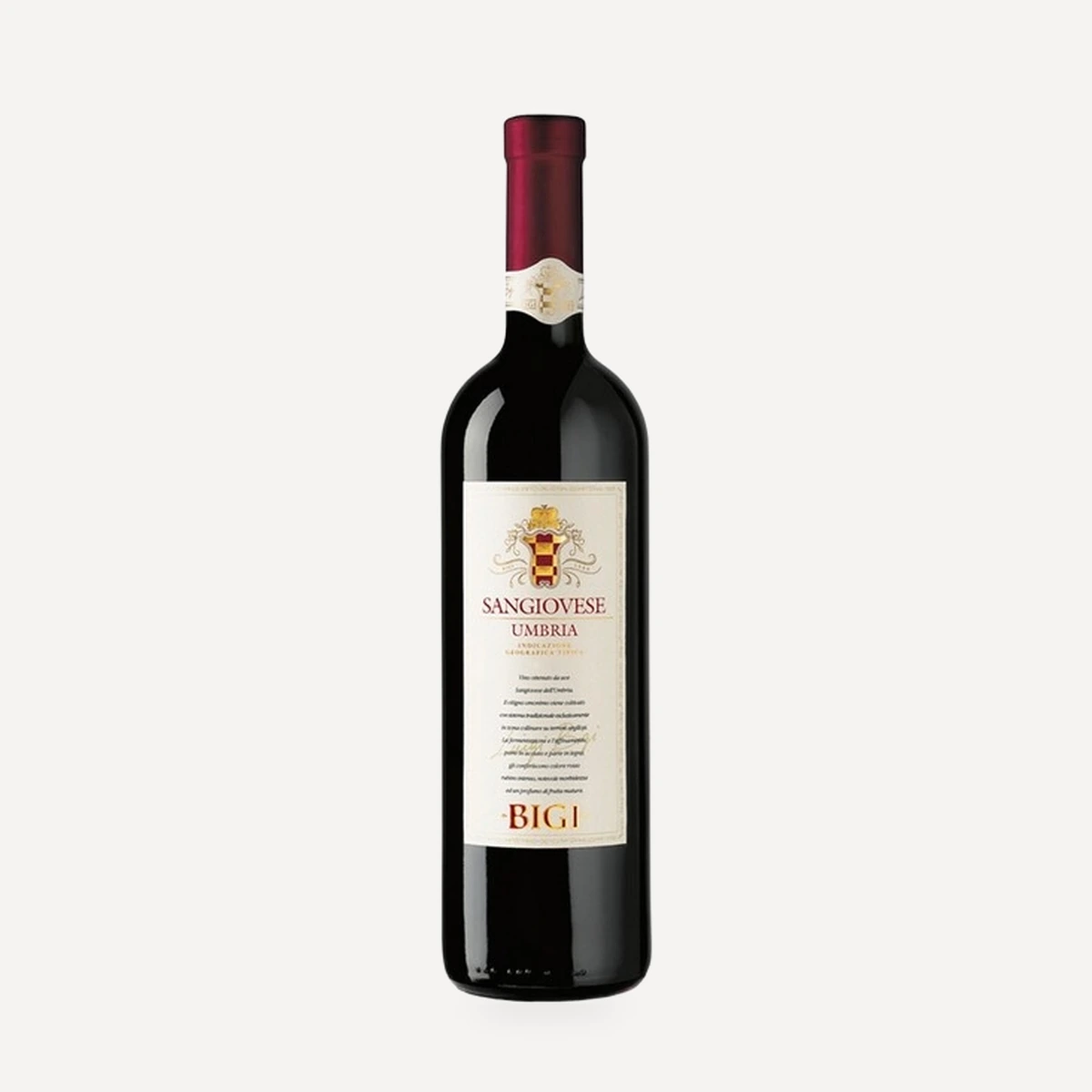
Sangiovese Umbria IGT
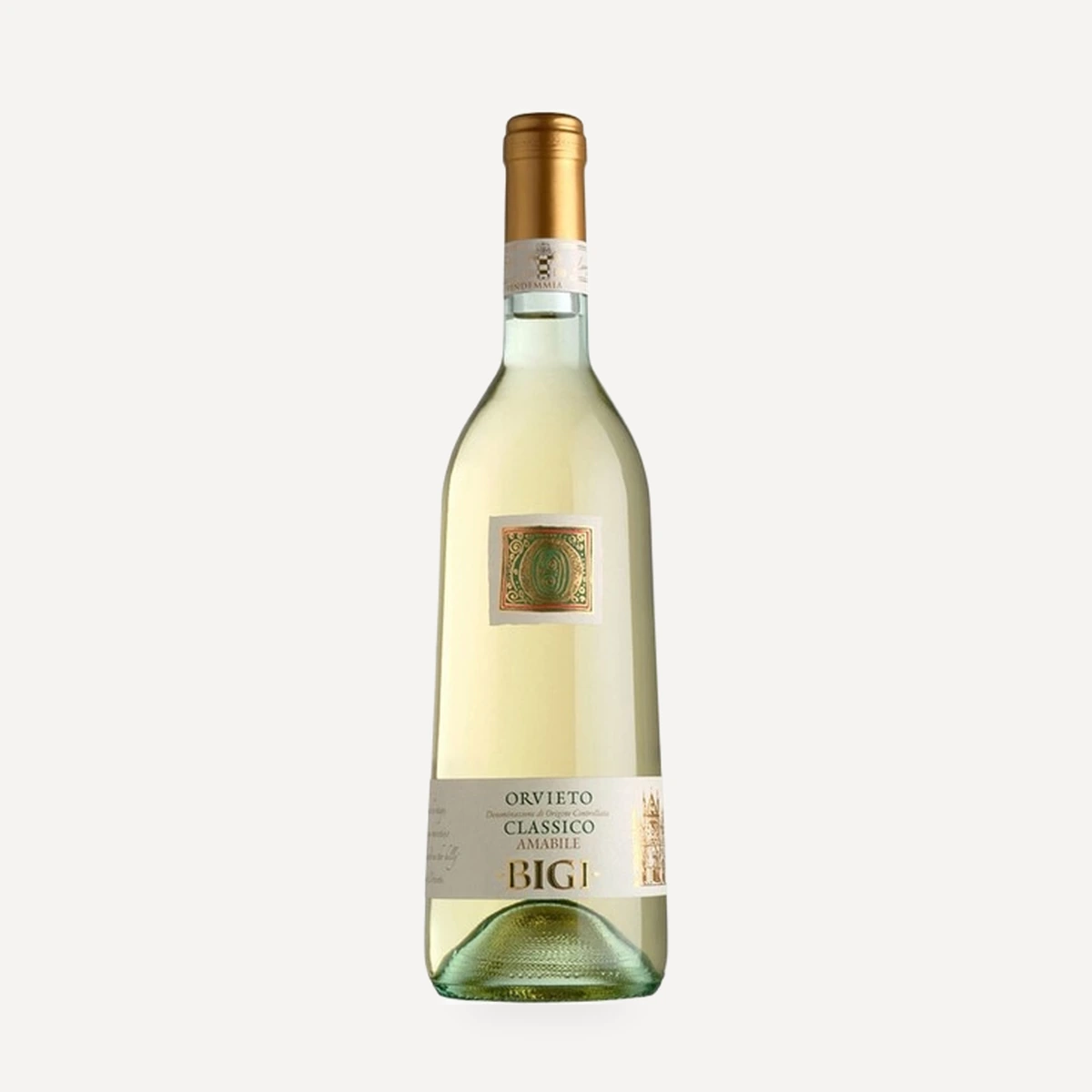
Orvieto Classico Amabile DOC
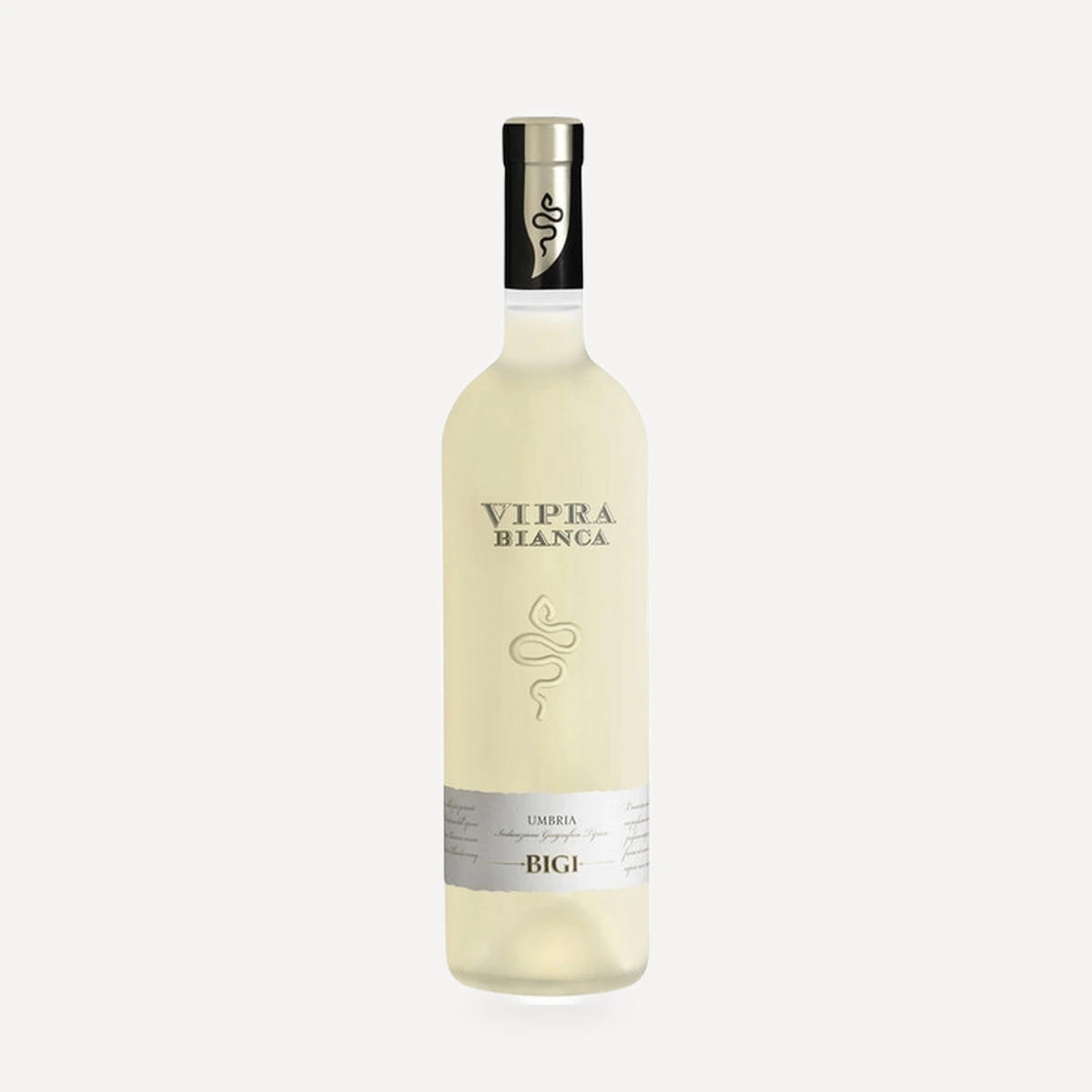
Vipra Bianca Umbria IGT
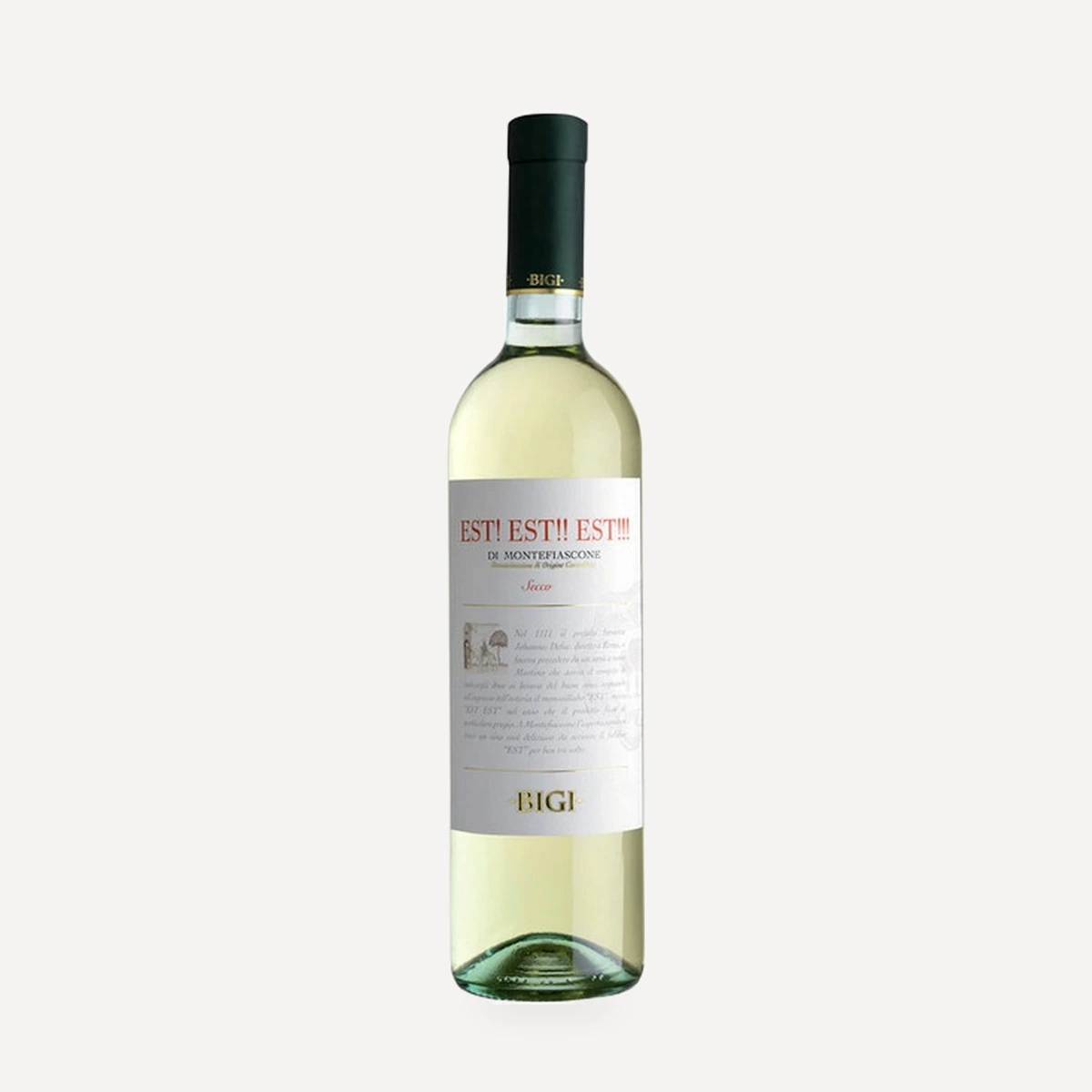
Est! Est!! Est!!! di Montefiascone DOC
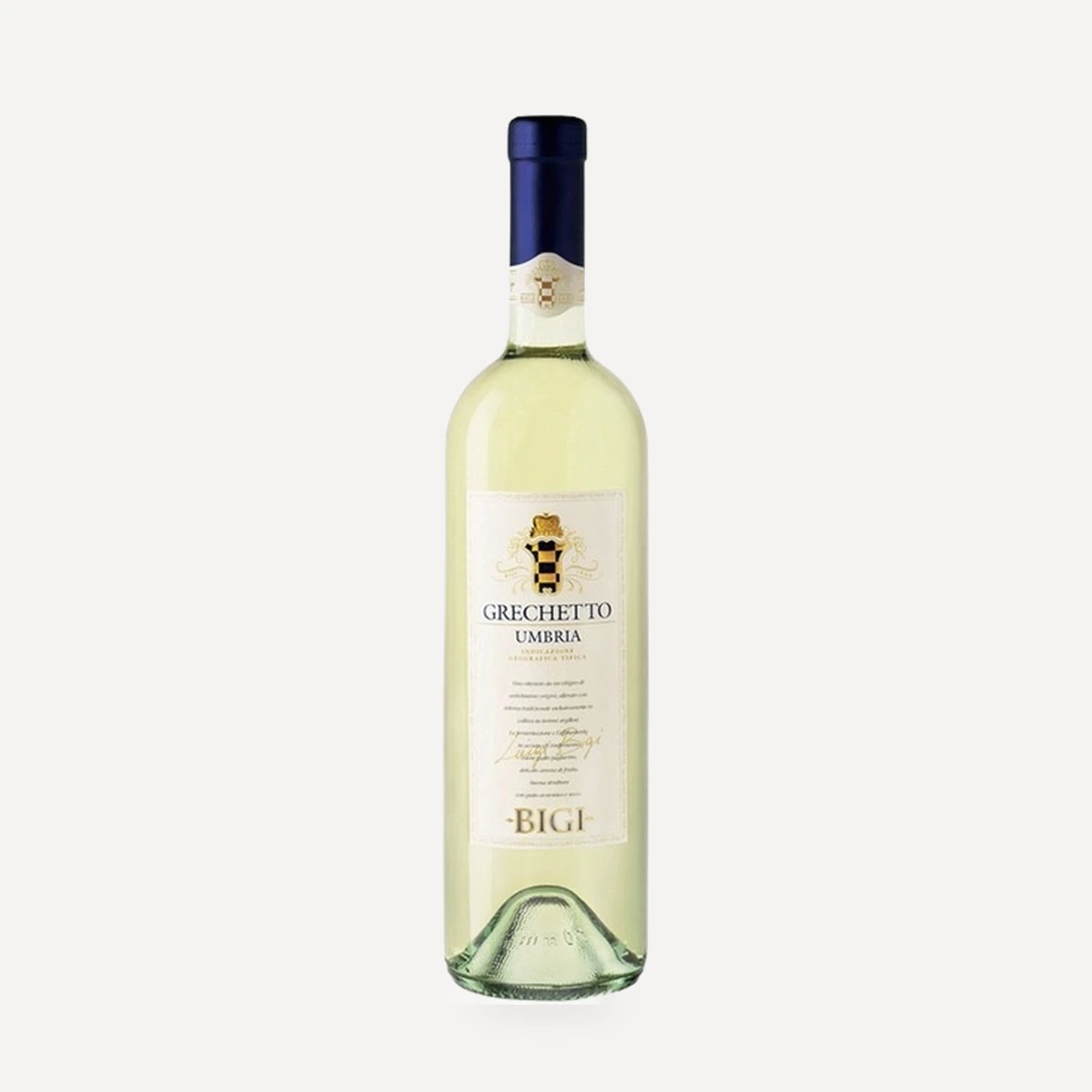
Grechetto Umbria IGT
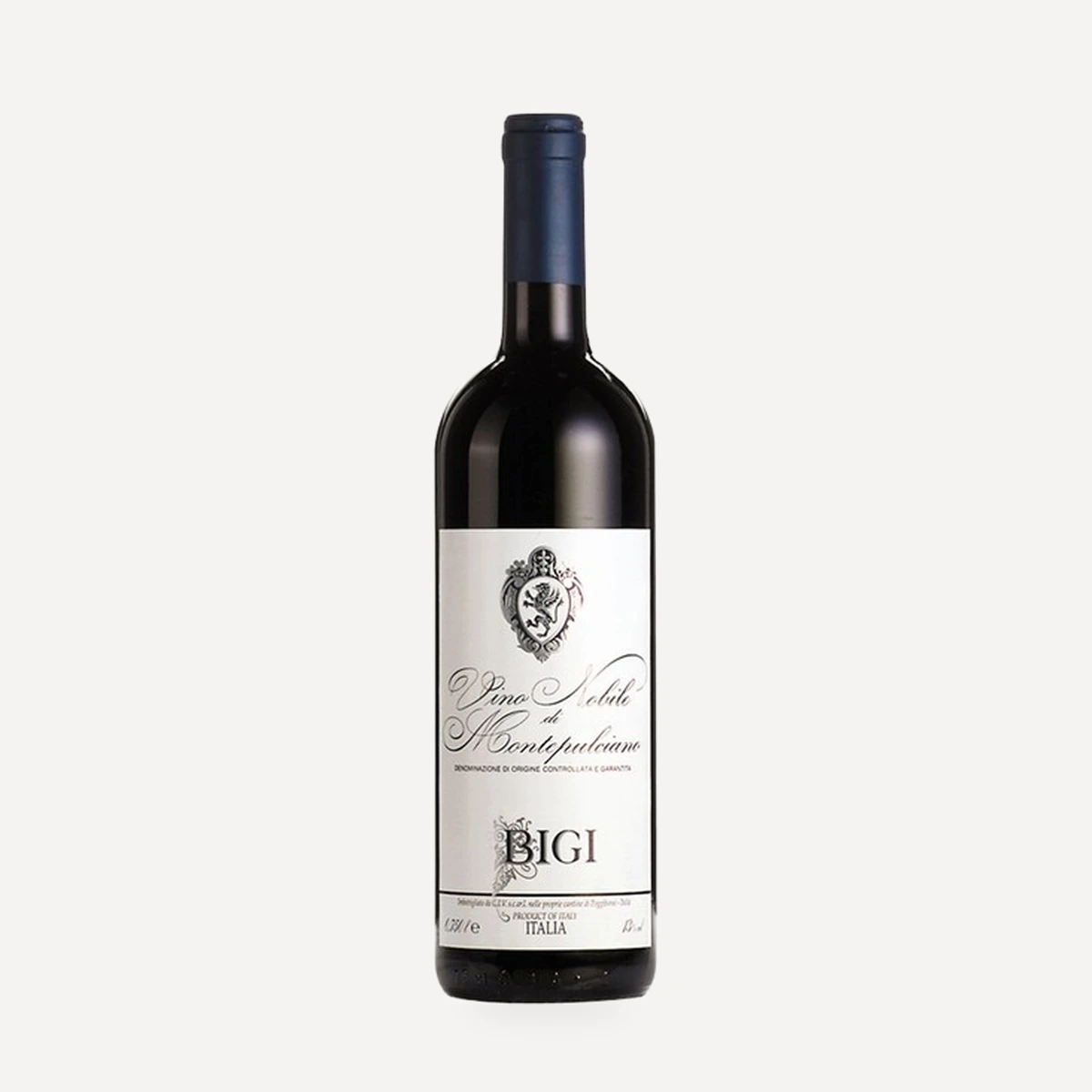
Vino Nobile di Montepulciano DOCG
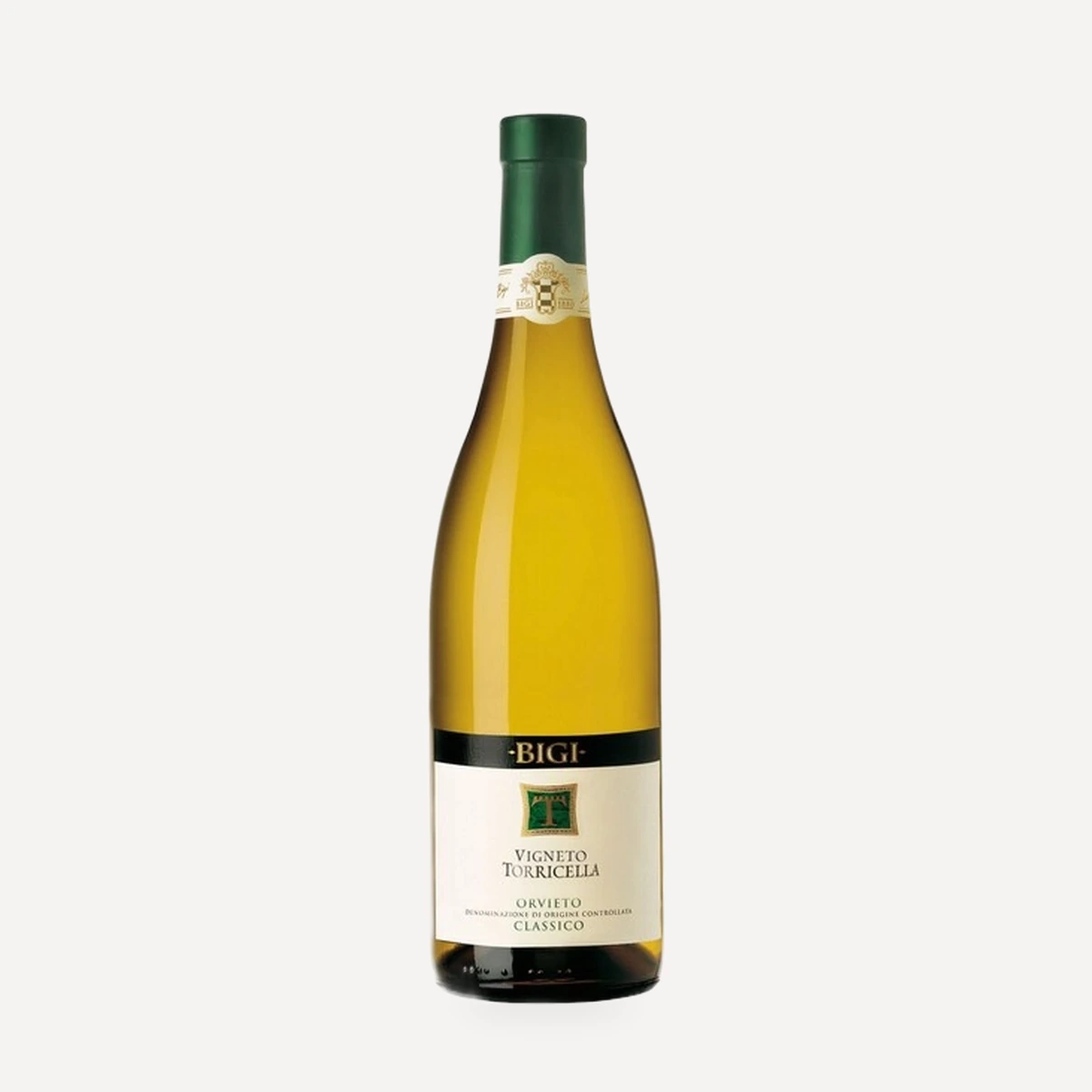
Vigneto Torricella Orvieto Classico DOC
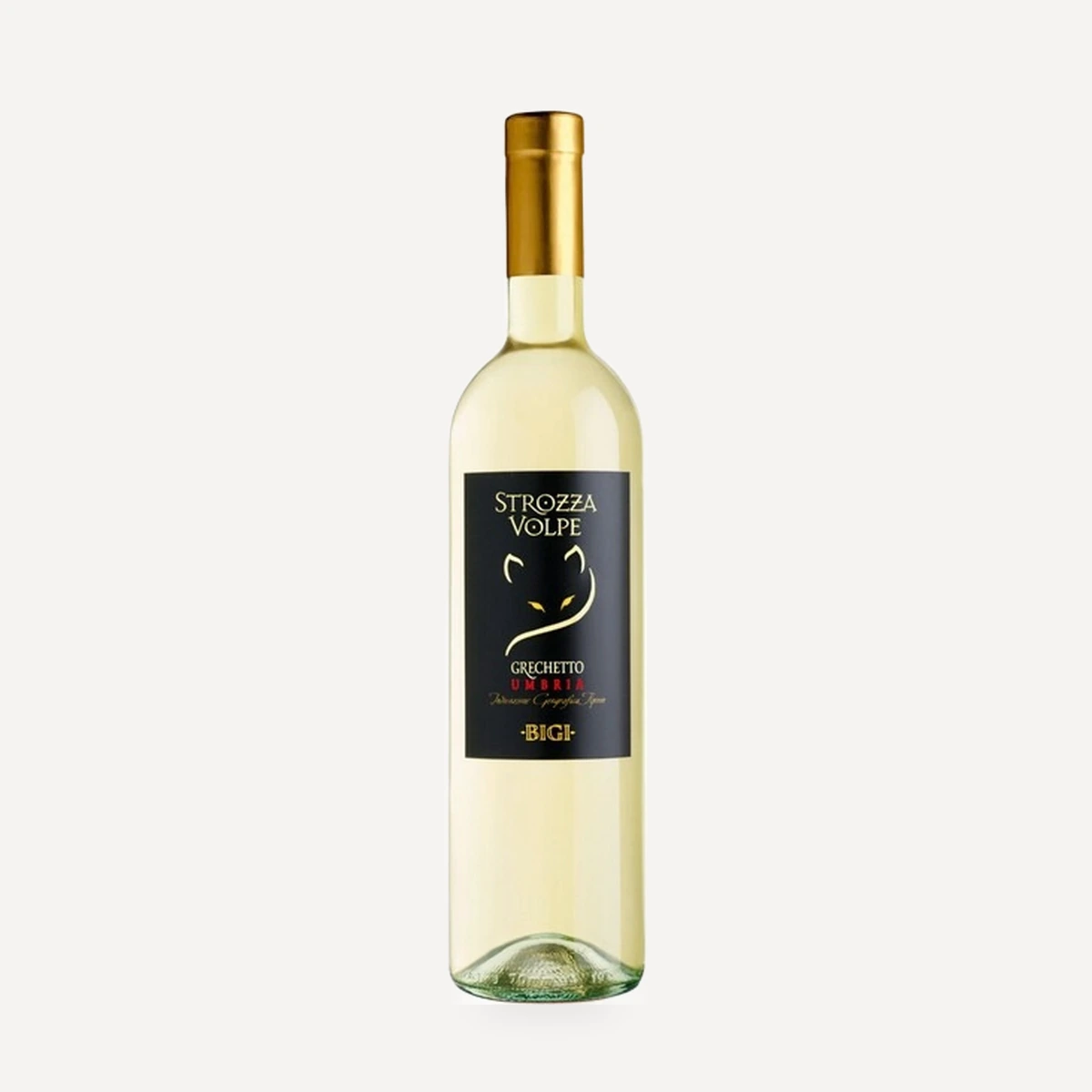
Strozzavolpe Grechetto Umbria IGT
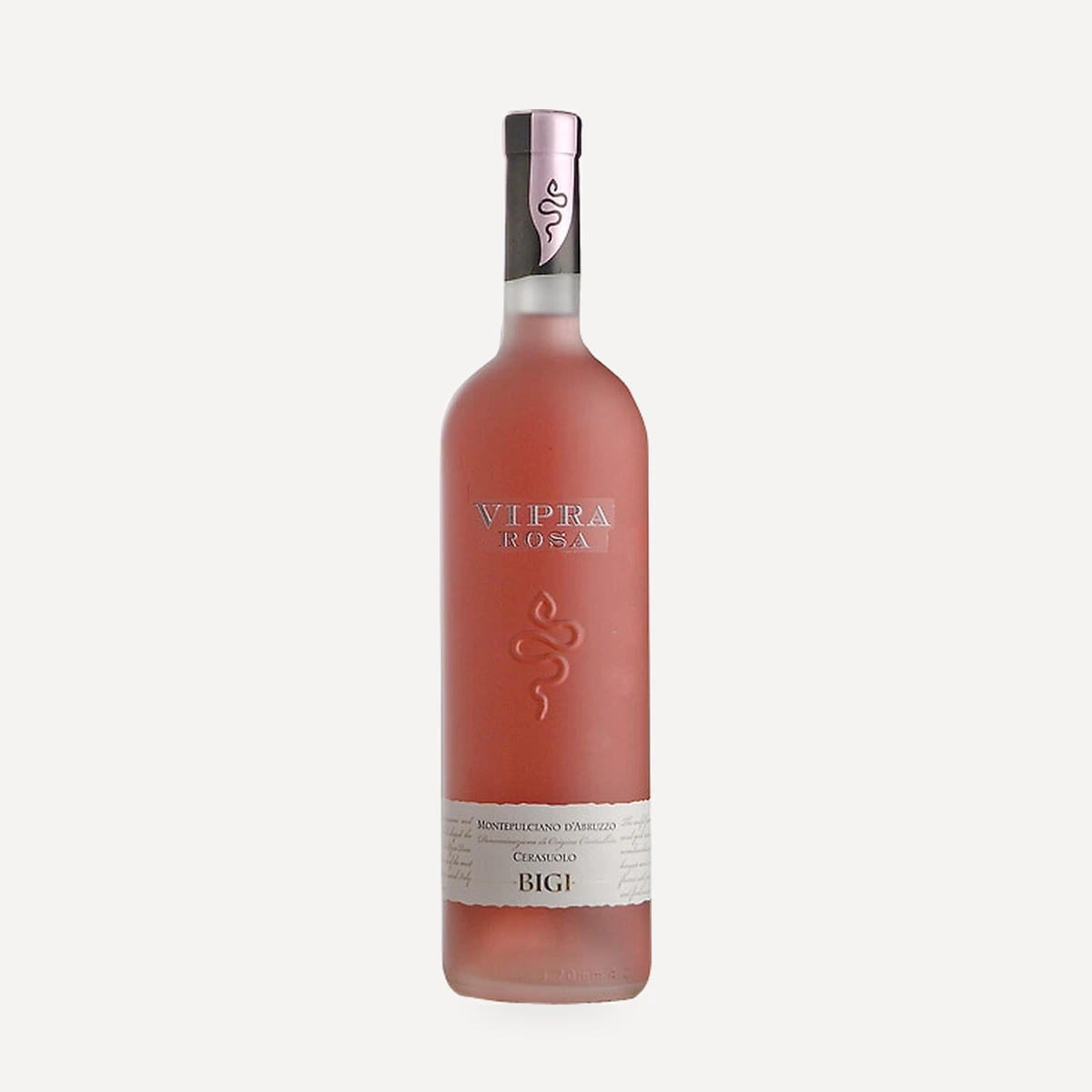
Vipra Rosa Umbria IGT
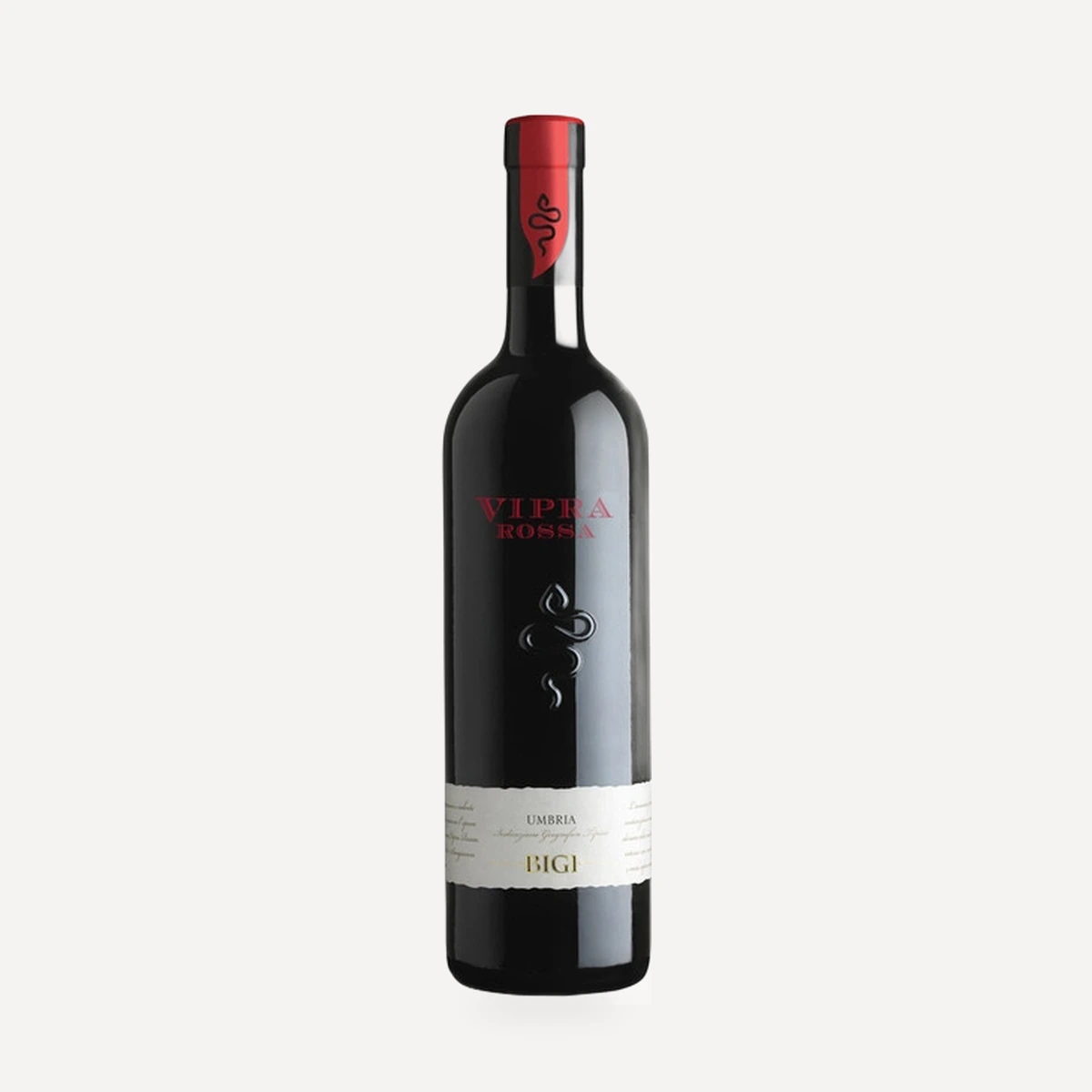
Vipra Rossa Umbria IGT
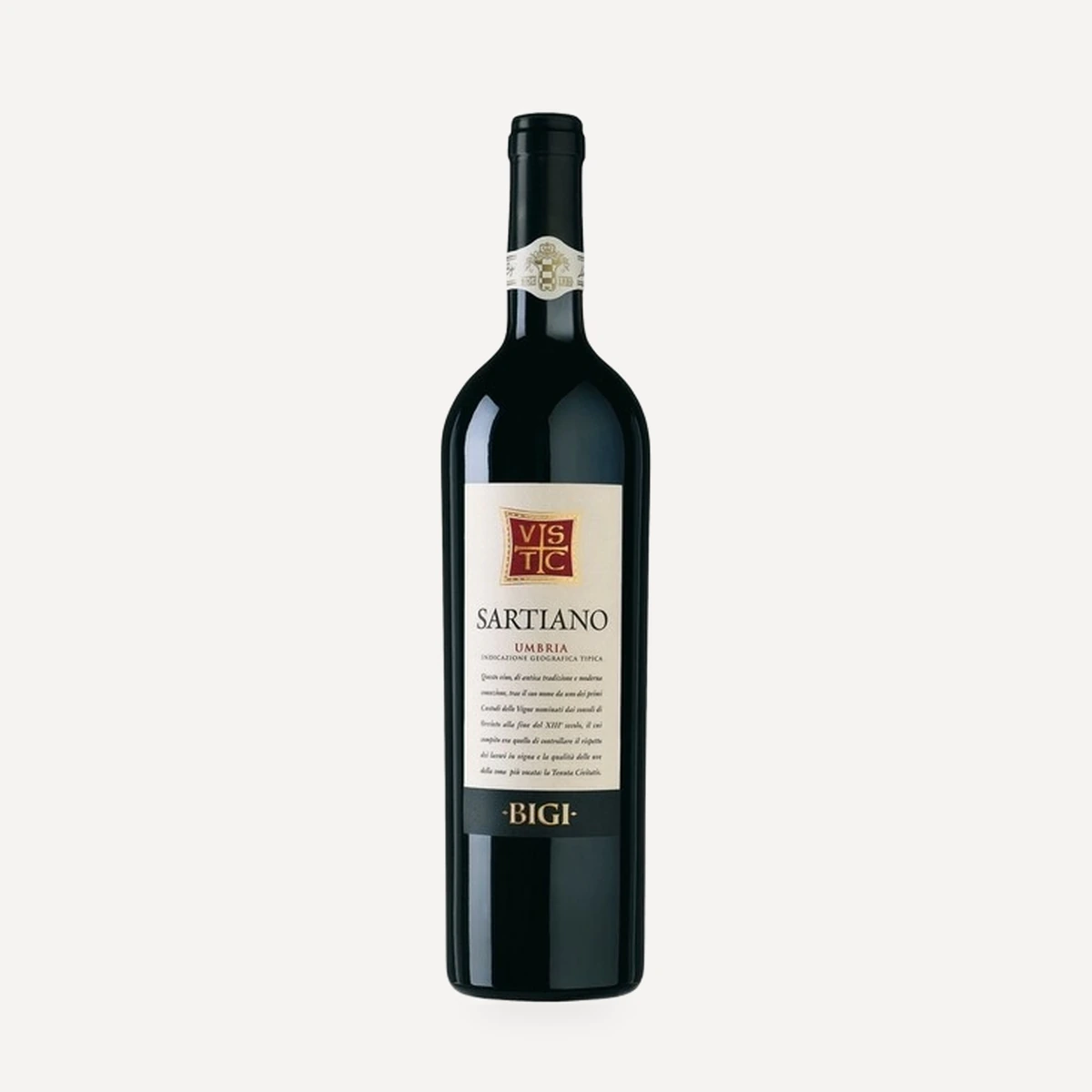
Sartiano Umbria IGT