History
Origins: 1949
The Cooperativa Vitivinicola per la zona di Orvieto, abbreviated CO.VI.O., was established on 30 August 1949. One of the older wine cooperatives in central Italy, it grew out of a founding initiative involving the Associazione dell’Agricoltura and 13 producers. Its first premises stood in Viale I Maggio at Orvieto Scalo and were enlarged several times as the organisation developed.
Recognition and expansion: 1971–1991
In 1971, white Orvieto wine received Denominazione di Origine Controllata recognition by decree of the President of the Italian Republic. Its production regulations were approved in the same year and subsequently amended. The resulting impetus to local viticulture was followed in 1975 by the cooperative’s first major expansion: a new storage facility was built in the hamlet of Sferracavallo.
The cooperative began producing its first own-brand bottles in 1987, using a mobile bottling plant. During the following years it constructed a new vinification and storage cellar and installed its first small permanent bottling line. The new building at Sferracavallo was completed, inaugurated and placed in operation in 1991.
Bottled-wine development: 1998–2002
Arciato’s inaugural vintage was 1998. It was conceived to mark the cooperative’s 50th anniversary and to create a Cabernet Sauvignon-based “Super Umbrian.”
Rosso Orvietano received DOC recognition in 2002. The denomination drew upon a local tradition of producing red wine around the Orvieto cliff that extended back to the Middle Ages, particularly in estates once held by the Della Greca family. That family supplied the historical reference for Nero della Greca, one of Cardèto’s leading wines.
The modern winery and the Cardèto name: 2004–2005
A further expansion was completed in 2004, adding a bottling hall, warehouses and a barrel cellar. The enlarged wine complex covered 12,000 m². Its bottling plant, operated by four staff members, was designed for an output of 6,000 bottles per hour.
In 2005, CO.VI.O. adopted the name Cantina Cardèto. The name refers to the locality of the new winery and derives from the former practice of carding hemp cultivated near the Paglia river.
A wholly controlled commercial subsidiary, Picco d’Umbria Srl, was also created in 2005 to diversify the offer with wines from other Italian regions, private-label production and third-party bottling services.
Seventieth anniversary and organic range: 2019–2020
On 30 August 2019, Cantina Cardèto marked 70 years of production and work on behalf of Orvieto wine. The anniversary brought the launch of Cardèto Vintage, a range intended to represent the accumulated culture, traditions and knowledge of the cooperative’s members and their families. Historical labels were redesigned around traces of medieval symbols for four selected wines: the reds Nero della Greca and Arciato and the whites Febeo and Colbadia.
The word “Vintage” was chosen for its associations with the Latin vindenia—harvest—as well as retro labels in English usage and fine wine in French usage. In April 2020, the cooperative introduced its first two organic wines as part of a broader environmental eco-sustainability programme encompassing the production chain.
Terroir
Cantina Cardèto is based at Sferracavallo in Orvieto, Umbria, and processes fruit from approximately 500 ha cultivated by its grower-members in the Orvieto area.
Orvieto rises on a tuff cliff at 325 m above sea level, overlooking a valley formed by the eruptive activity of the Vulsini volcanic system. Tuff caves beneath the city historically provided humid conditions and stable temperatures for vinification and maturation.
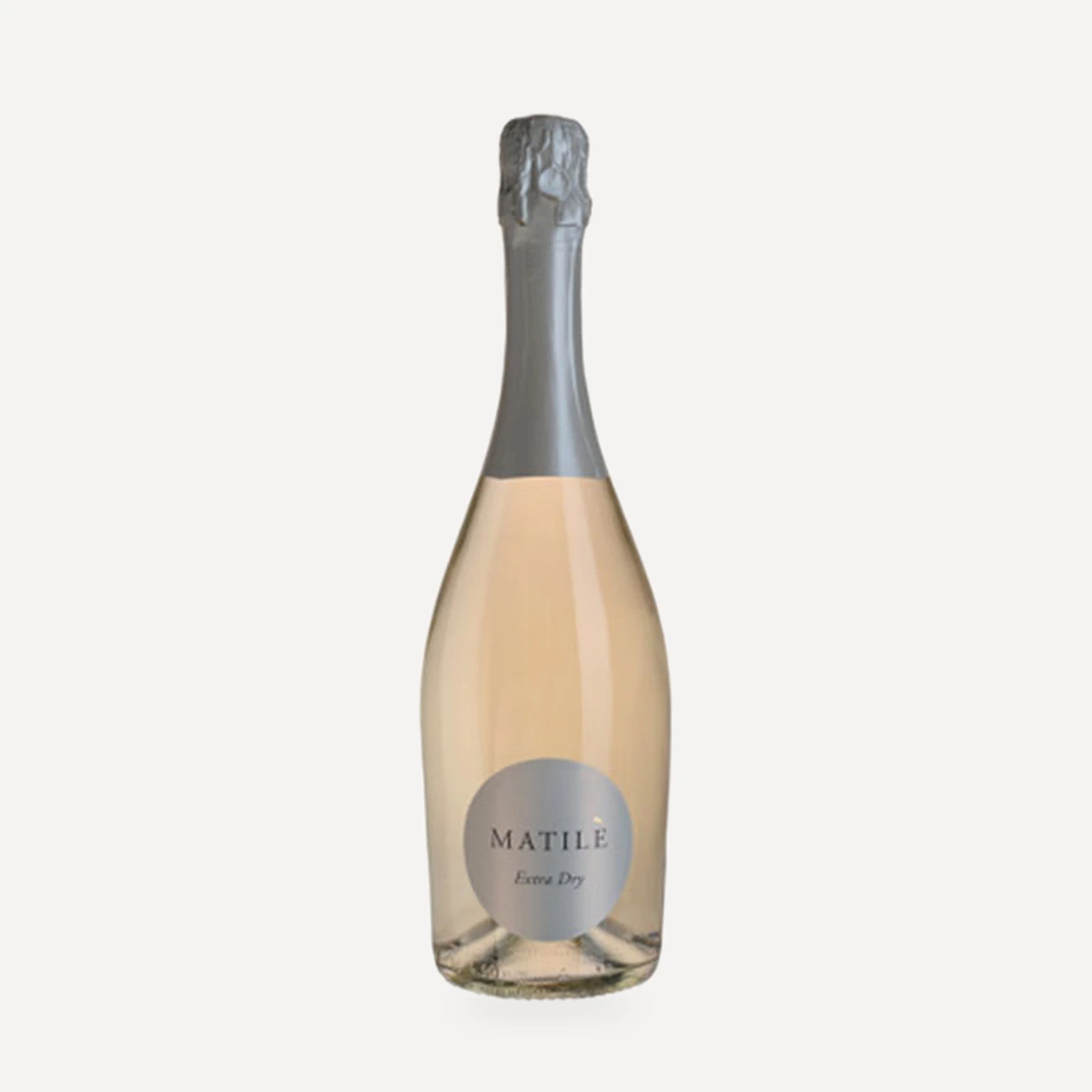
One specifically identified vineyard-soil type is known as Matile. It is yellowish, very hard yet friable once broken up, rich in potassium and contains volcanic material that glints in sunlight. White wines from vineyards on these soils are associated with marked acidity and mineral and fruit aromas, while the corresponding rosé and red wines retain a persistent mineral underpinning.
Winemaking
Cantina Cardèto has adopted an environmental eco-sustainability programme intended to increase care and oversight across the production chain. The programme led to the release of the cooperative’s first two organic wines in April 2020.
The winery at Sferracavallo is a vinification, storage, maturation and bottling complex covering 12,000 m². It has approximately 104,000 hl of storage and ageing capacity, together with equipment for filtration and stabilisation and systems for continual product monitoring.
A modern bottling line handles different bottle formats at a rate of 6,000 bottles per hour. It can apply either traditional corks or Stelvin closures and is operated by four staff members. The installation supports Cardèto’s own production as well as customer-specific packaging, private-label work, vinification for other wineries and third-party bottling.
Attention to grape quality and control throughout production is supported by certification to the international GSFS (Global Standard for Food Safety) and IFS (International Food Standard) standards. Total production is approximately 3,000,000 bottles per year.
Philosophy
“Vineyards, People, Flavors” expresses Cardèto’s conception of the cooperative: vineyards, growers and the culture of the Orvieto area form a single relationship. The vineyards are treated as part of the identity of the territory, while the members and their families represent the cooperative’s accumulated culture, practical knowledge and traditions.
Although organised as a cooperative, Cardèto follows a managerial structure and project-led approach directed toward quality wine production. Its commercial objective is to combine wine quality with highly competitive pricing for direct customers, importers and distributors.
The cooperative also presents environmental responsibility as a production-chain concern rather than an isolated vineyard measure. This approach underpins its eco-sustainability programme and the introduction of organic wines.
Wines
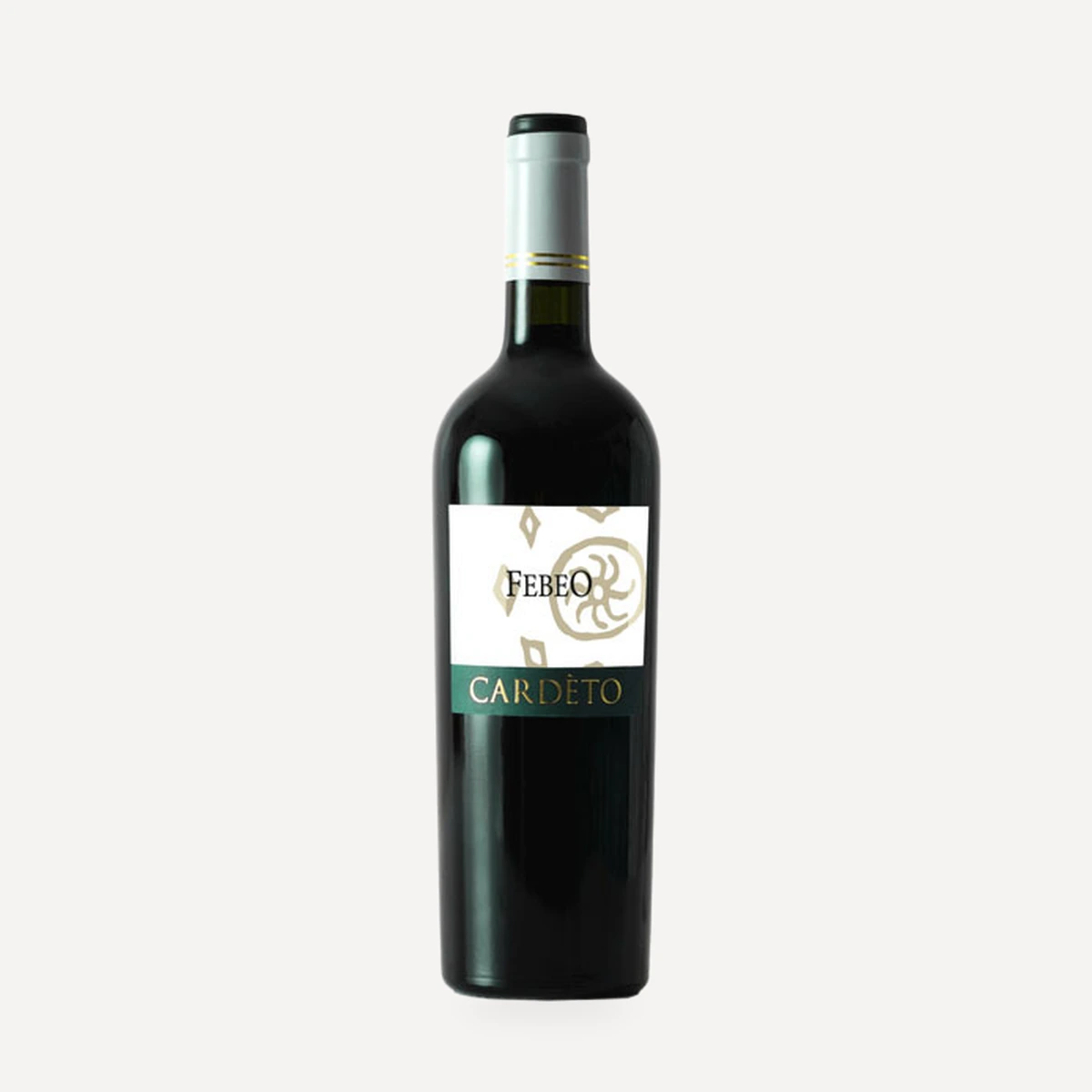
Febeo Cardèto — Linea Cardeto Vintage
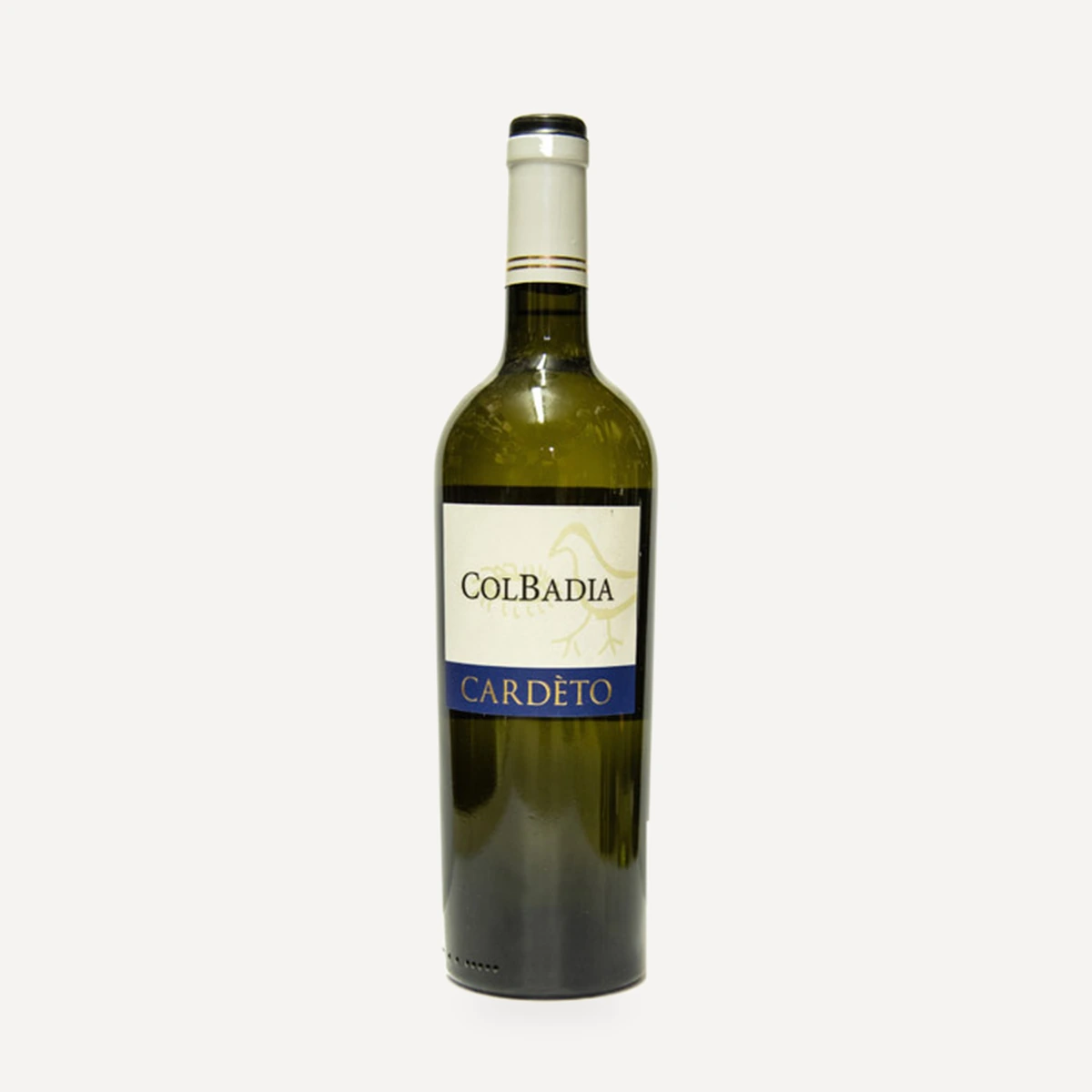
Colbadia Cardèto — Linea Cardeto Vintage
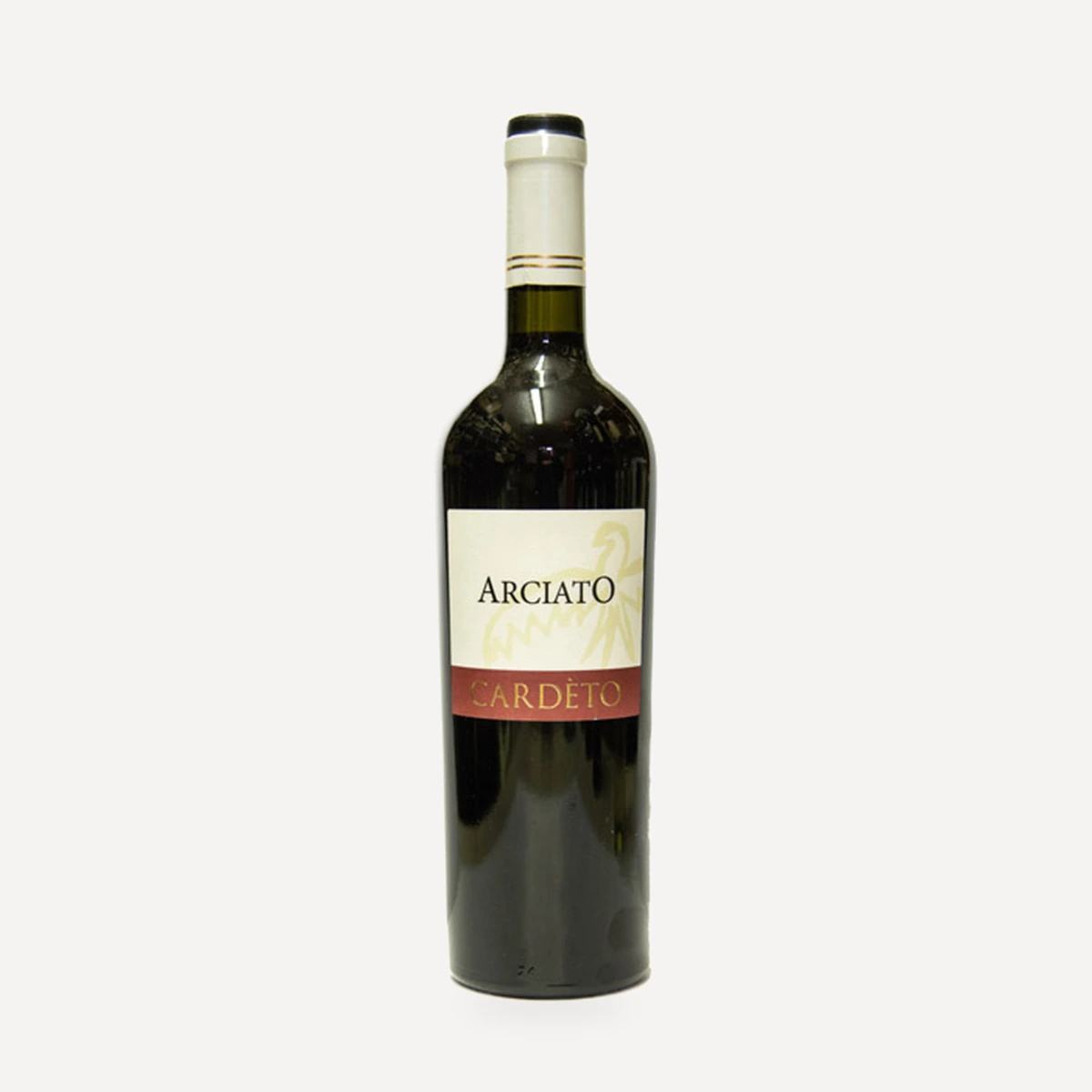
Arciato Cardèto — Linea Cardeto Vintage
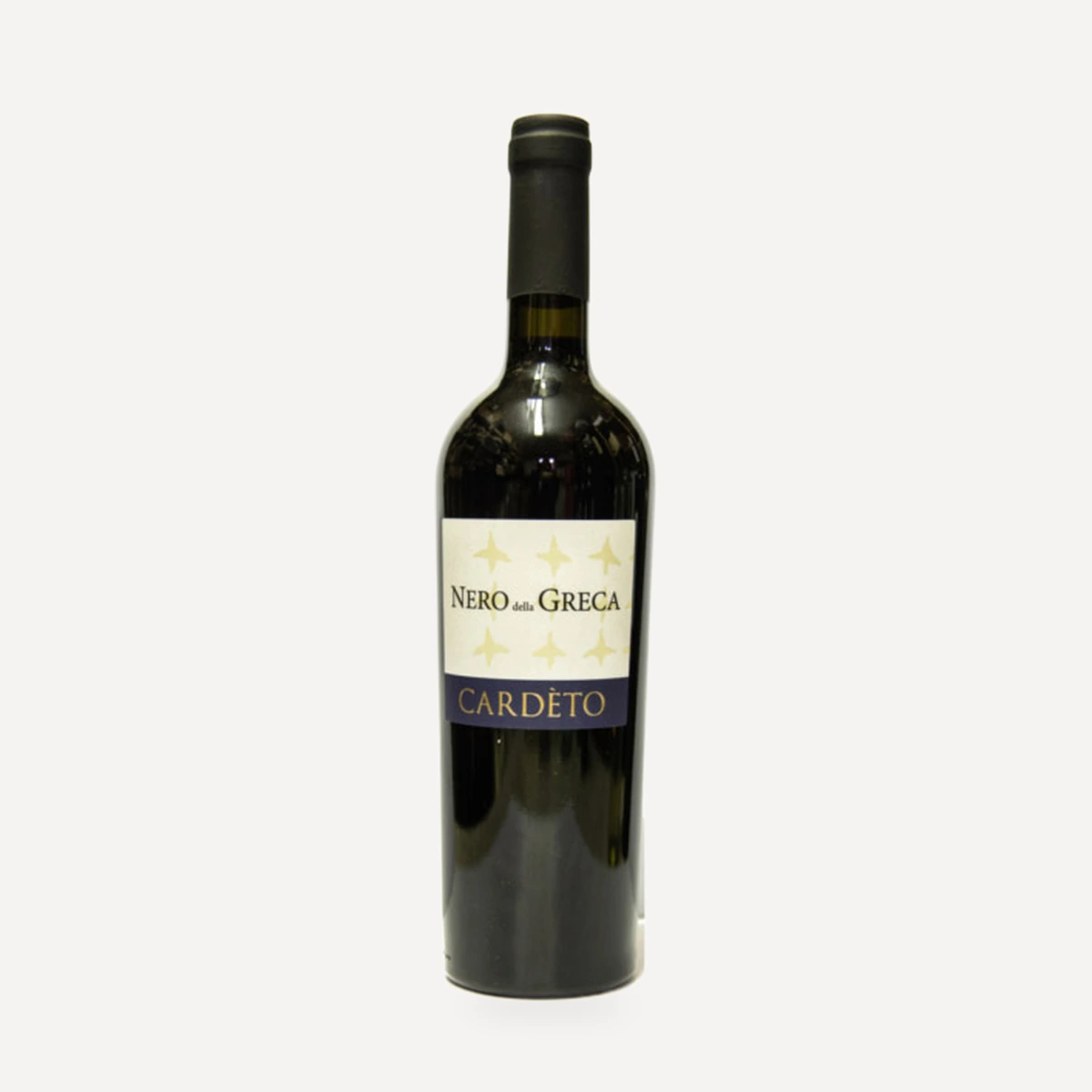
Nero della Greca Cardèto — Linea Cardeto Vintage
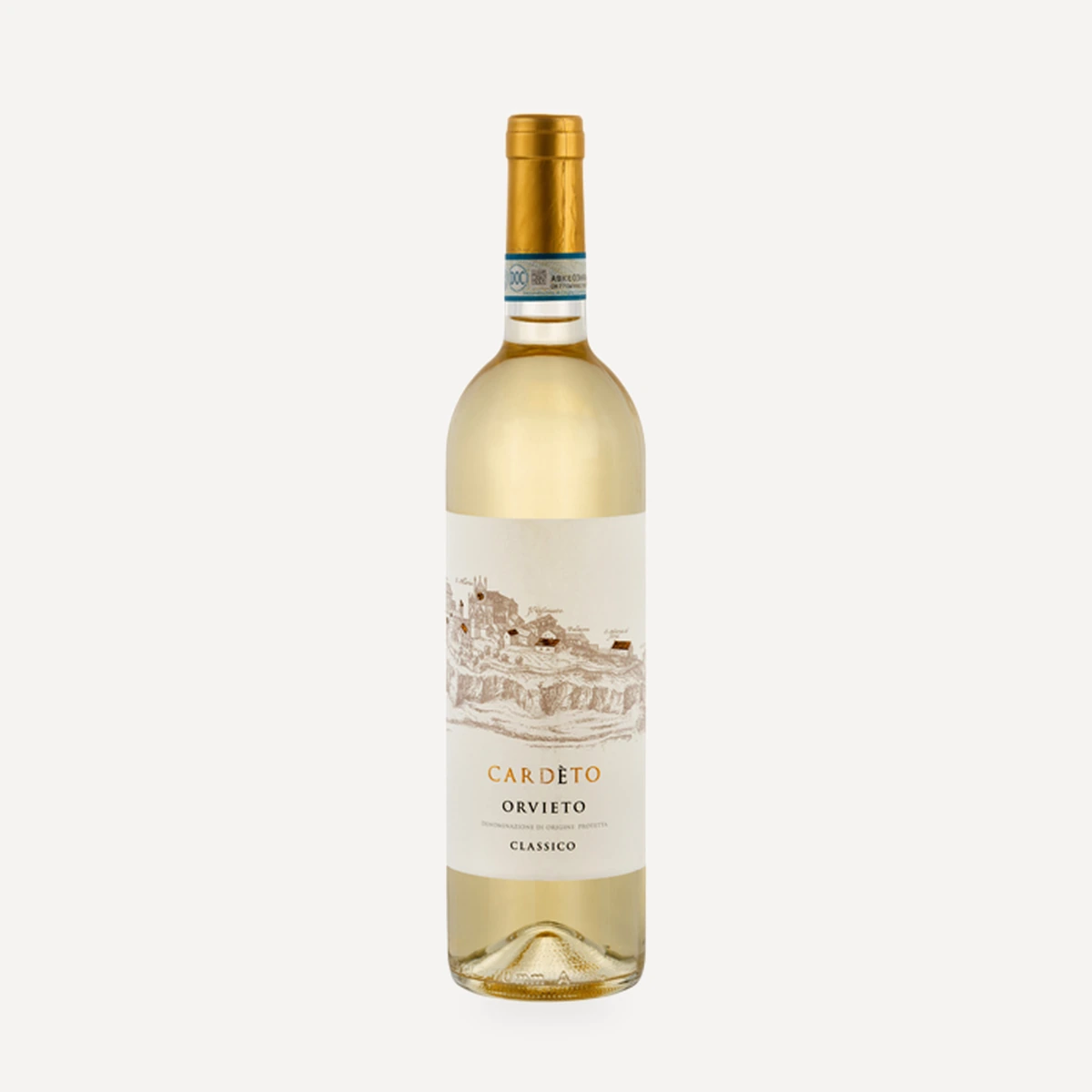
Orvieto Classico Cardèto — Linea Cardeto Città
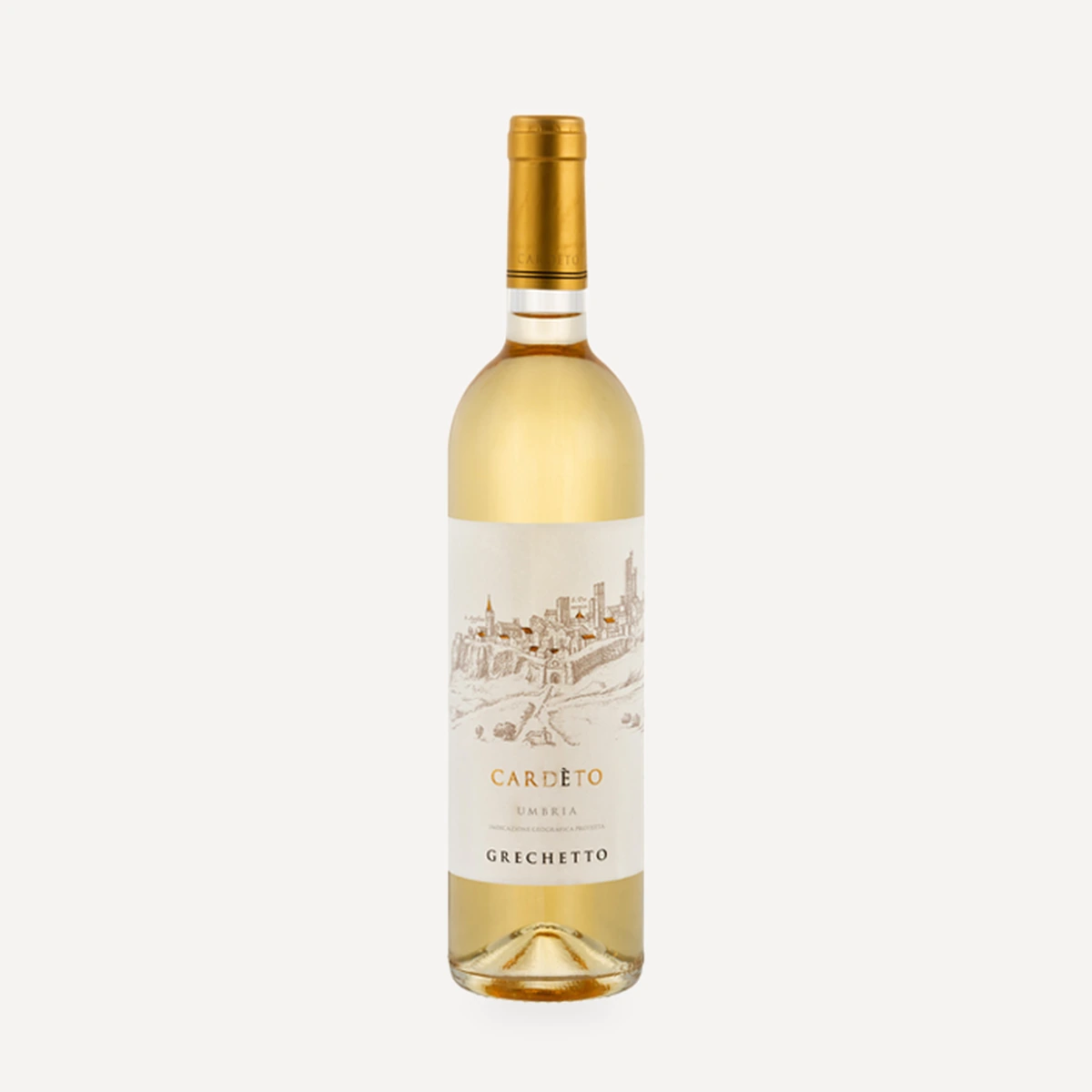
Grechetto Cardèto — Linea Cardeto Città
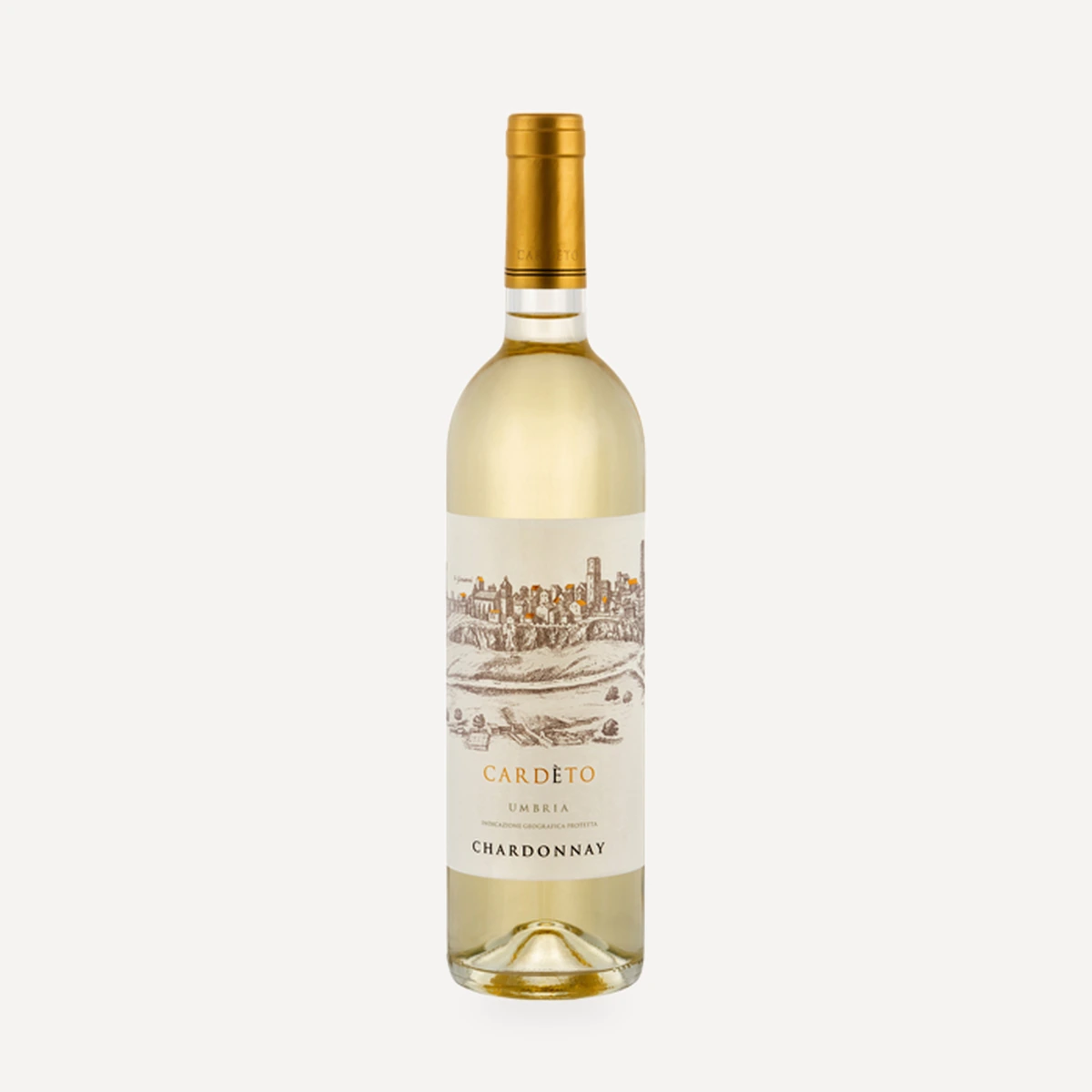
Chardonnay Cardèto — Linea Cardeto Città
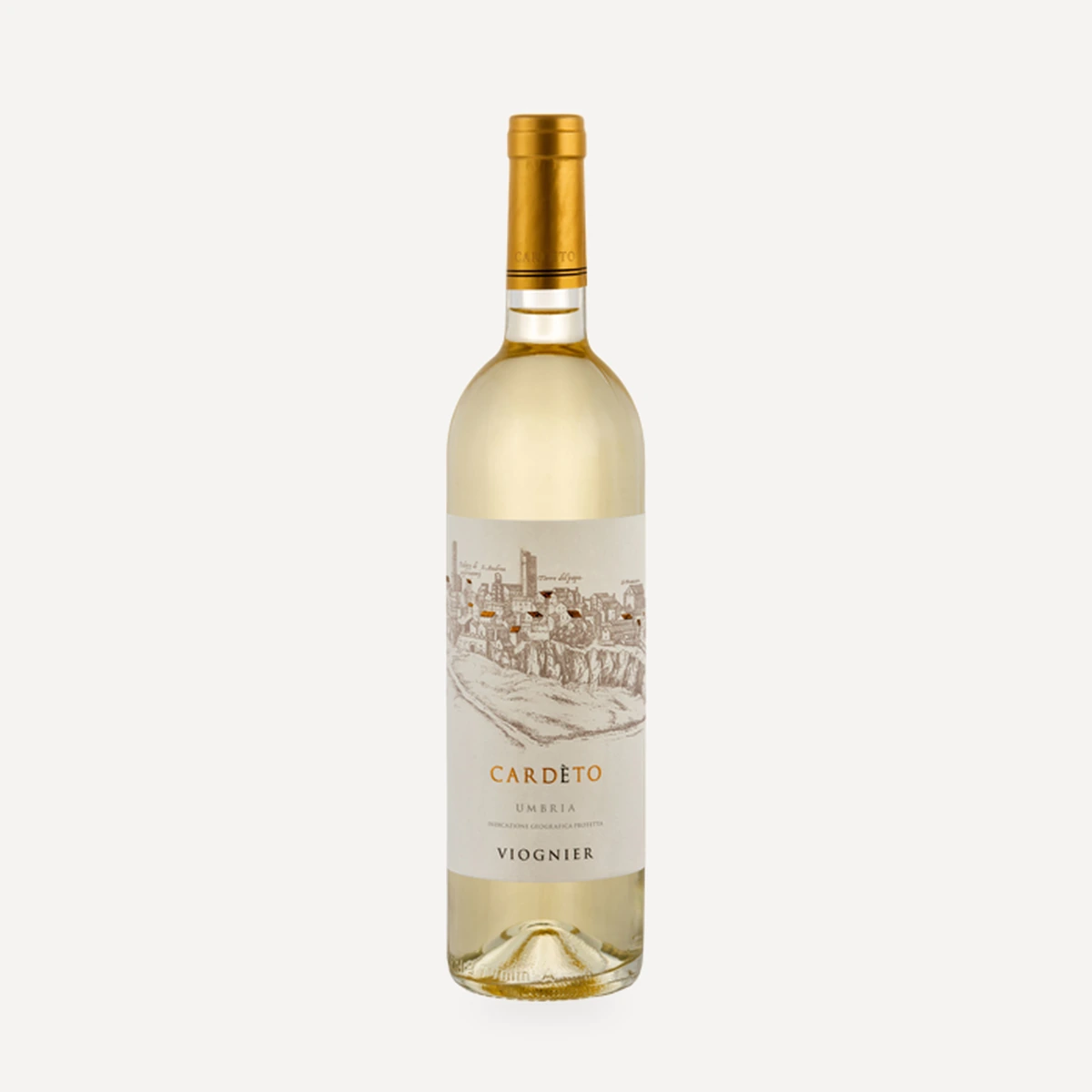
Viognier Cardèto — Linea Cardeto Città
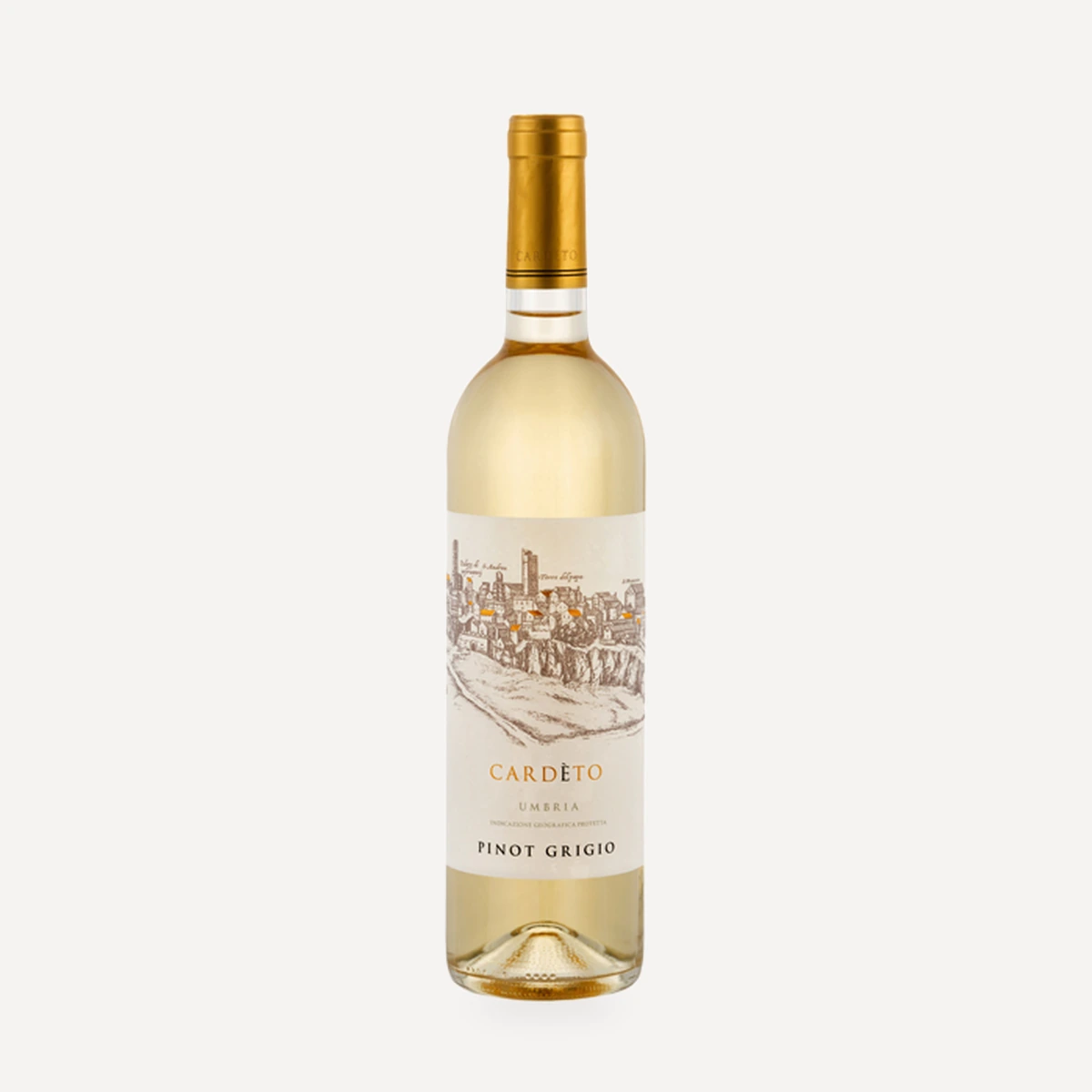
Pinot Grigio Cardèto — Linea Cardeto Città
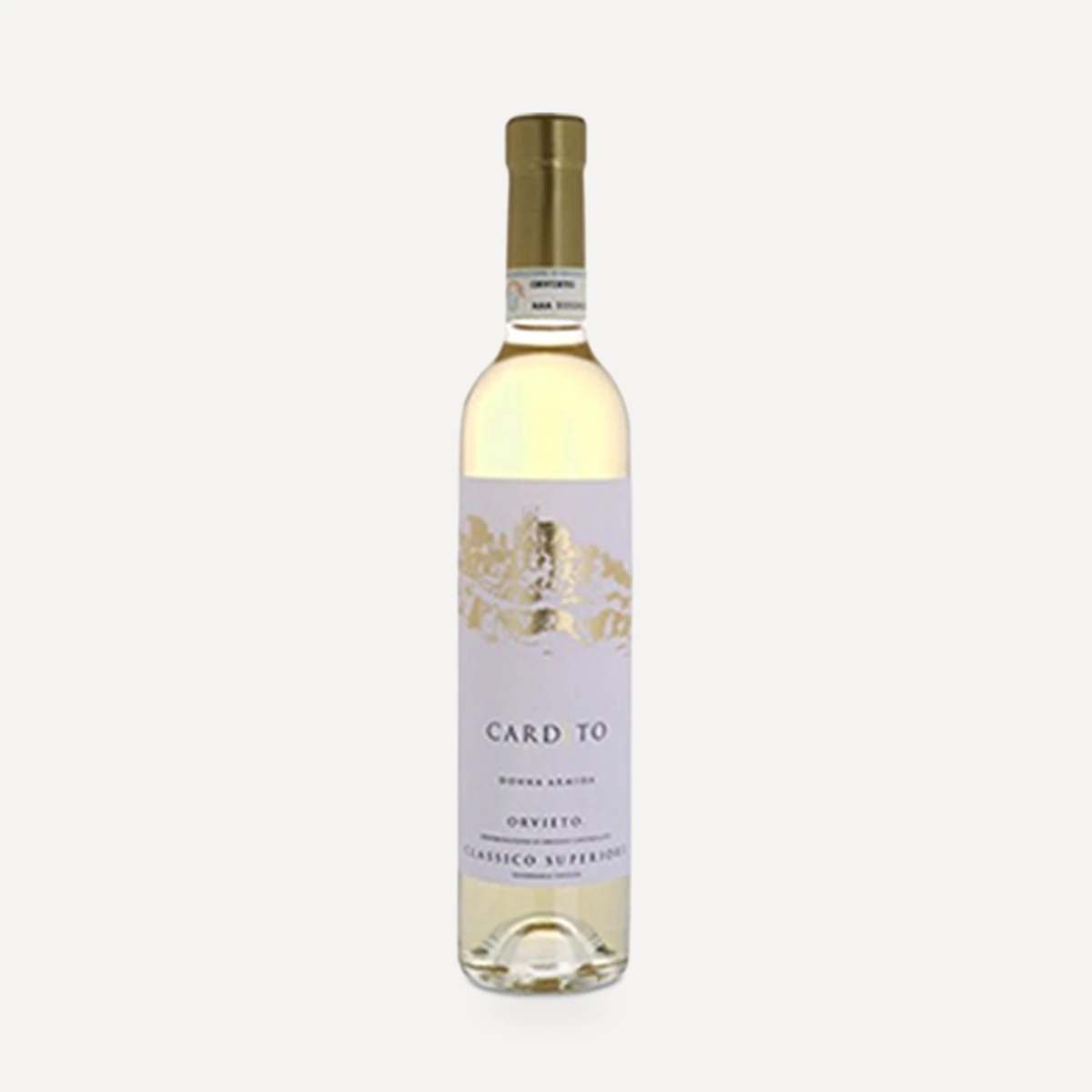
Donna Armida Cardèto — Linea Cardeto Città
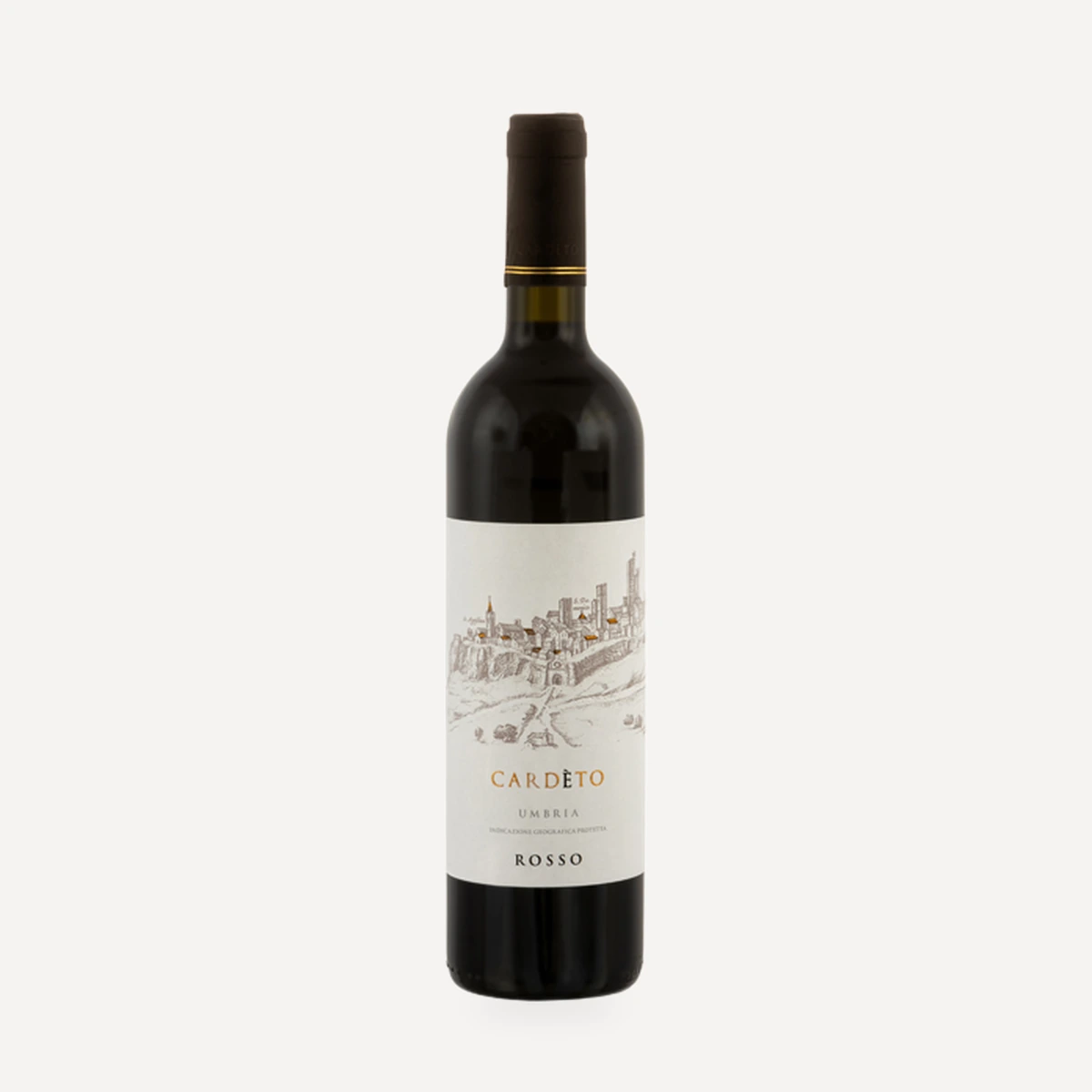
Rosso Umbria Cardèto — Linea Cardeto Città
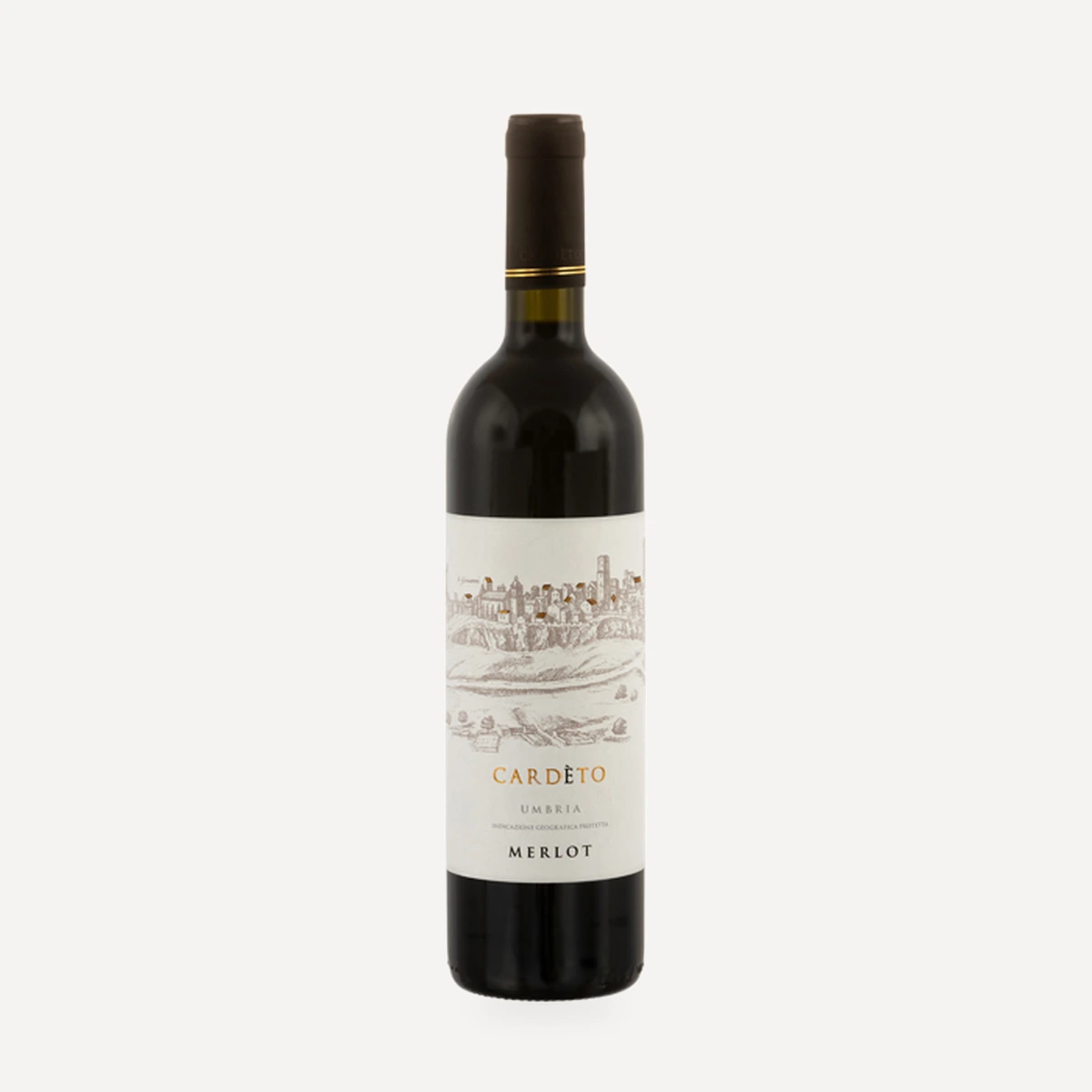
Merlot Cardèto — Linea Cardeto Città
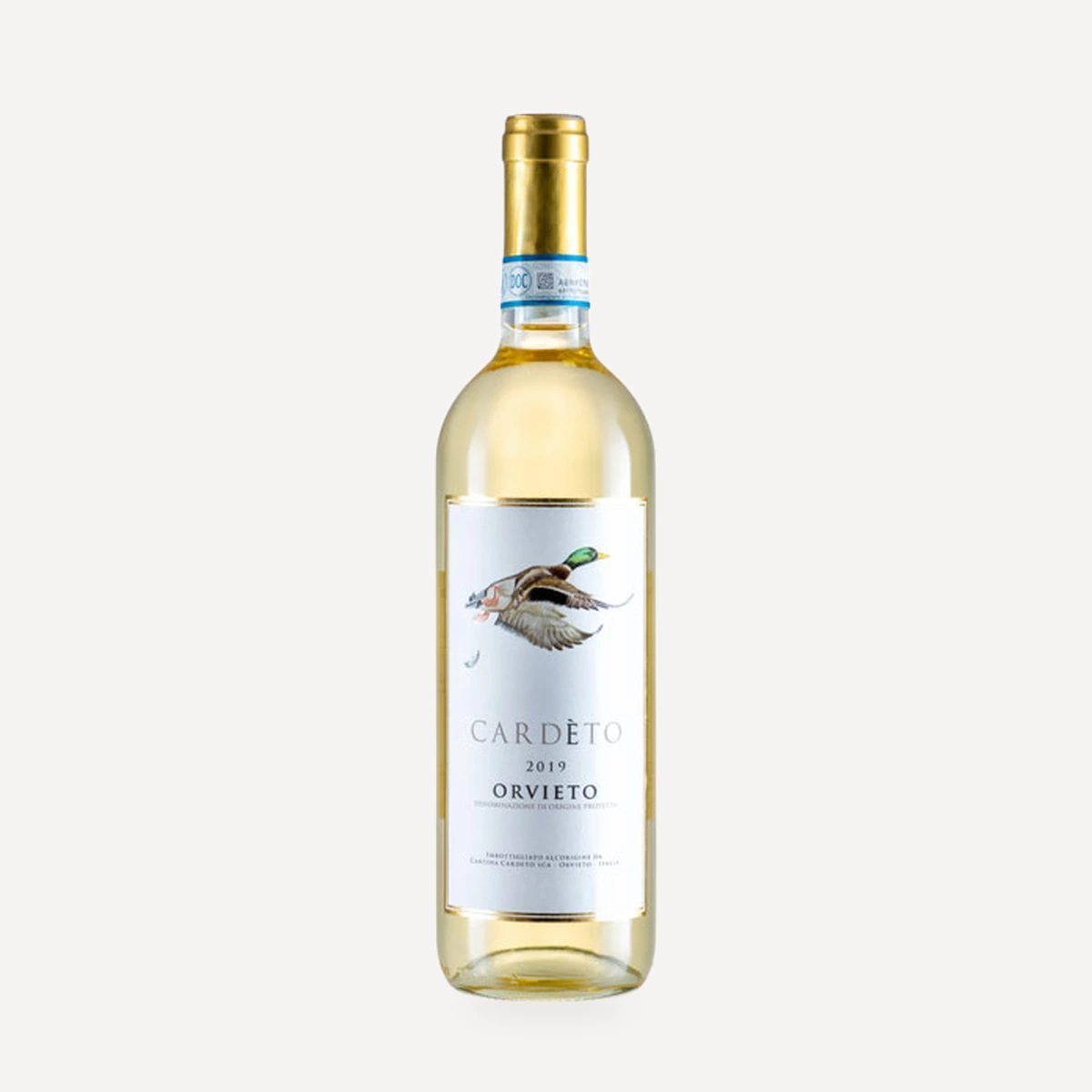
Orvieto — Linea Germano Reale DOC
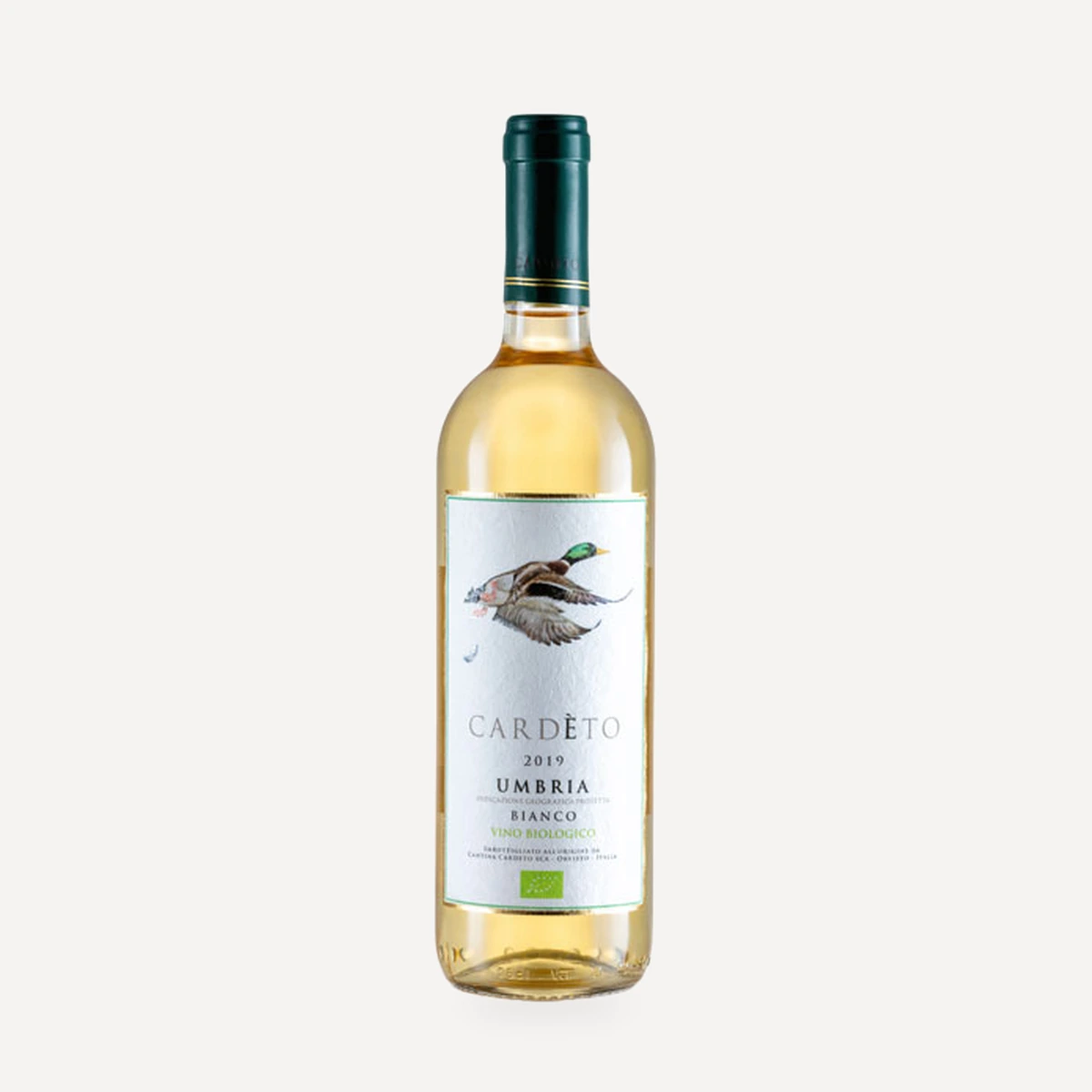
Bianco Umbria Bio — Linea Germano Reale IGP
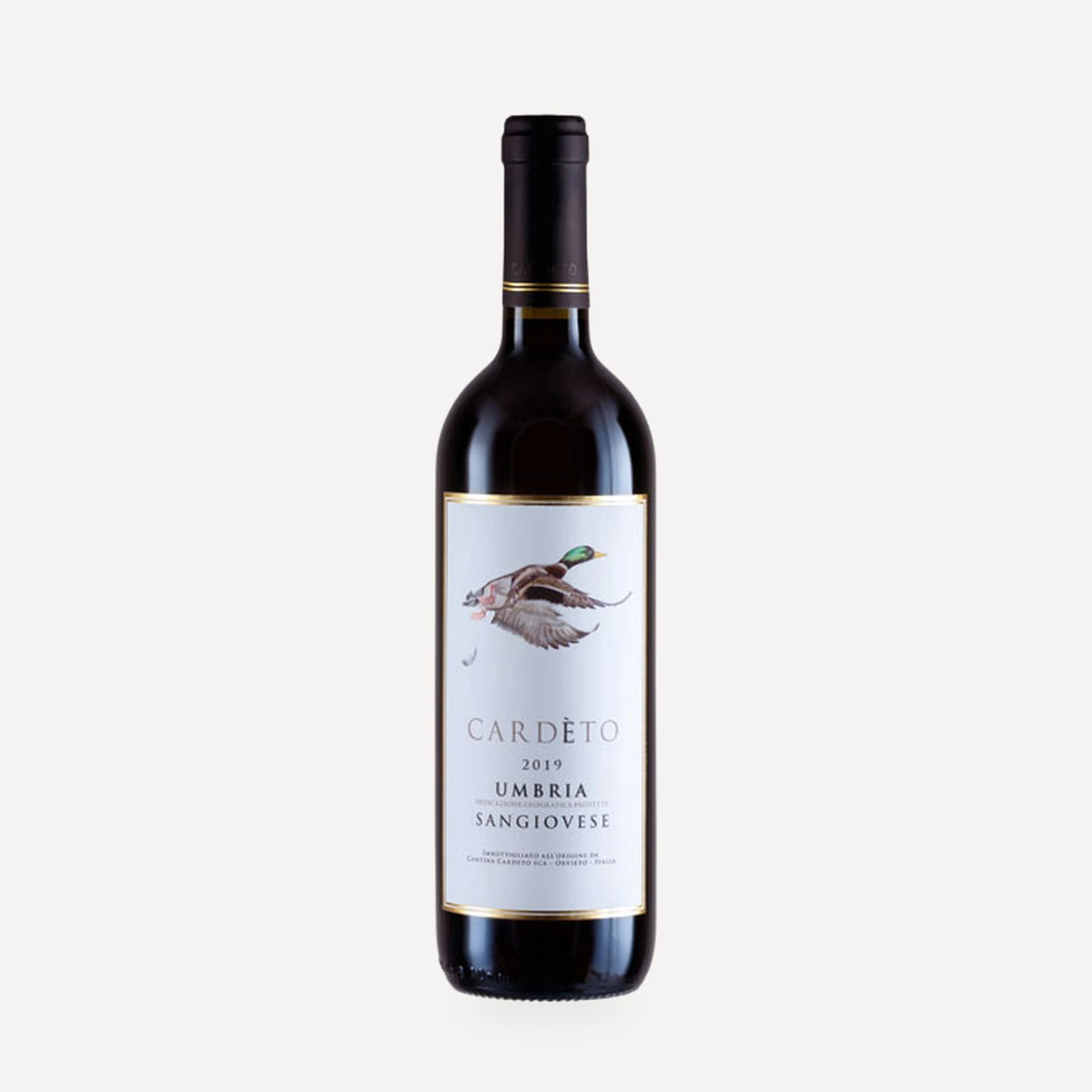
Sangiovese Umbria — Linea Germano Reale IGP
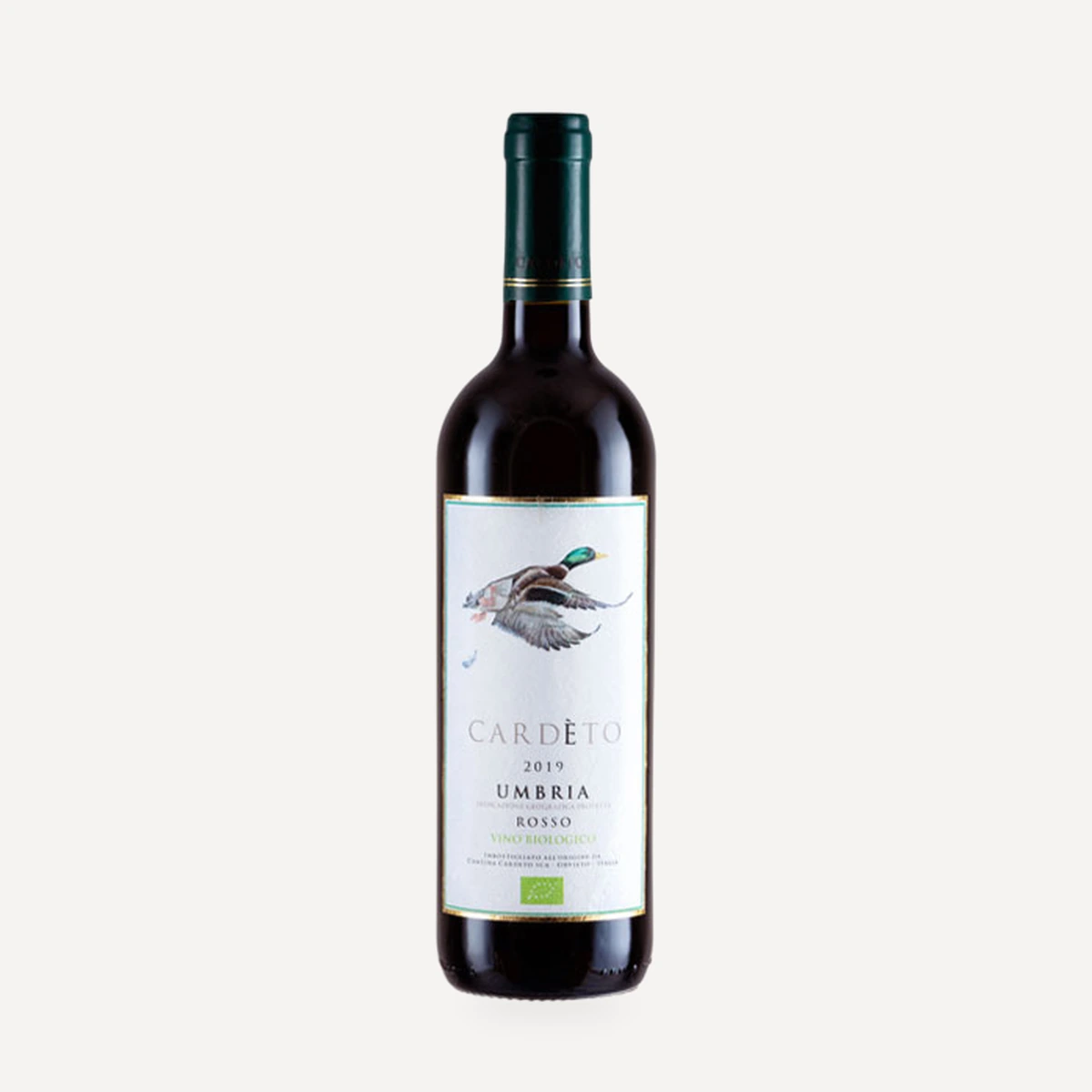
Rosso Umbria Bio — Linea Germano Reale IGP
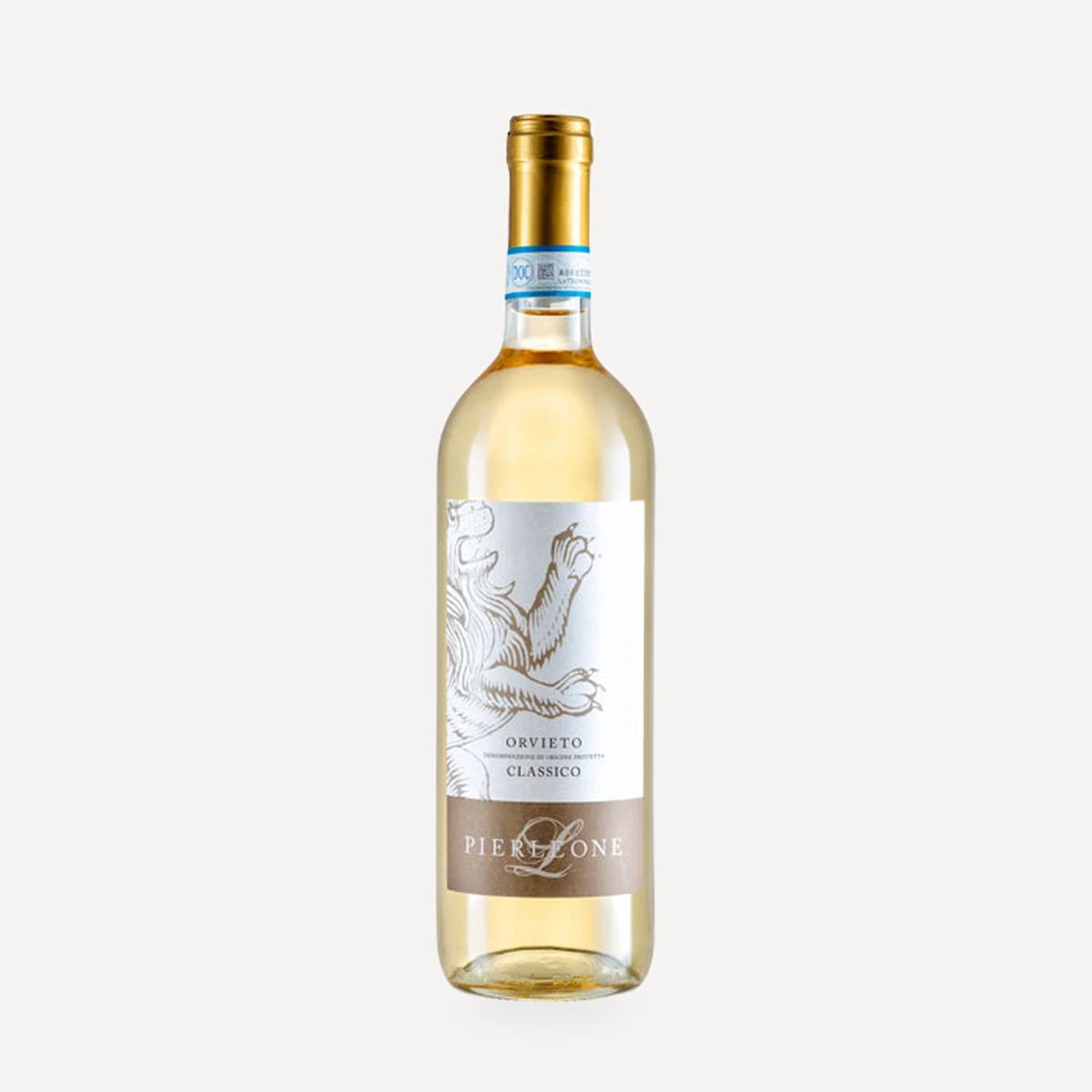
Orvieto Classico — Linea Pierleone
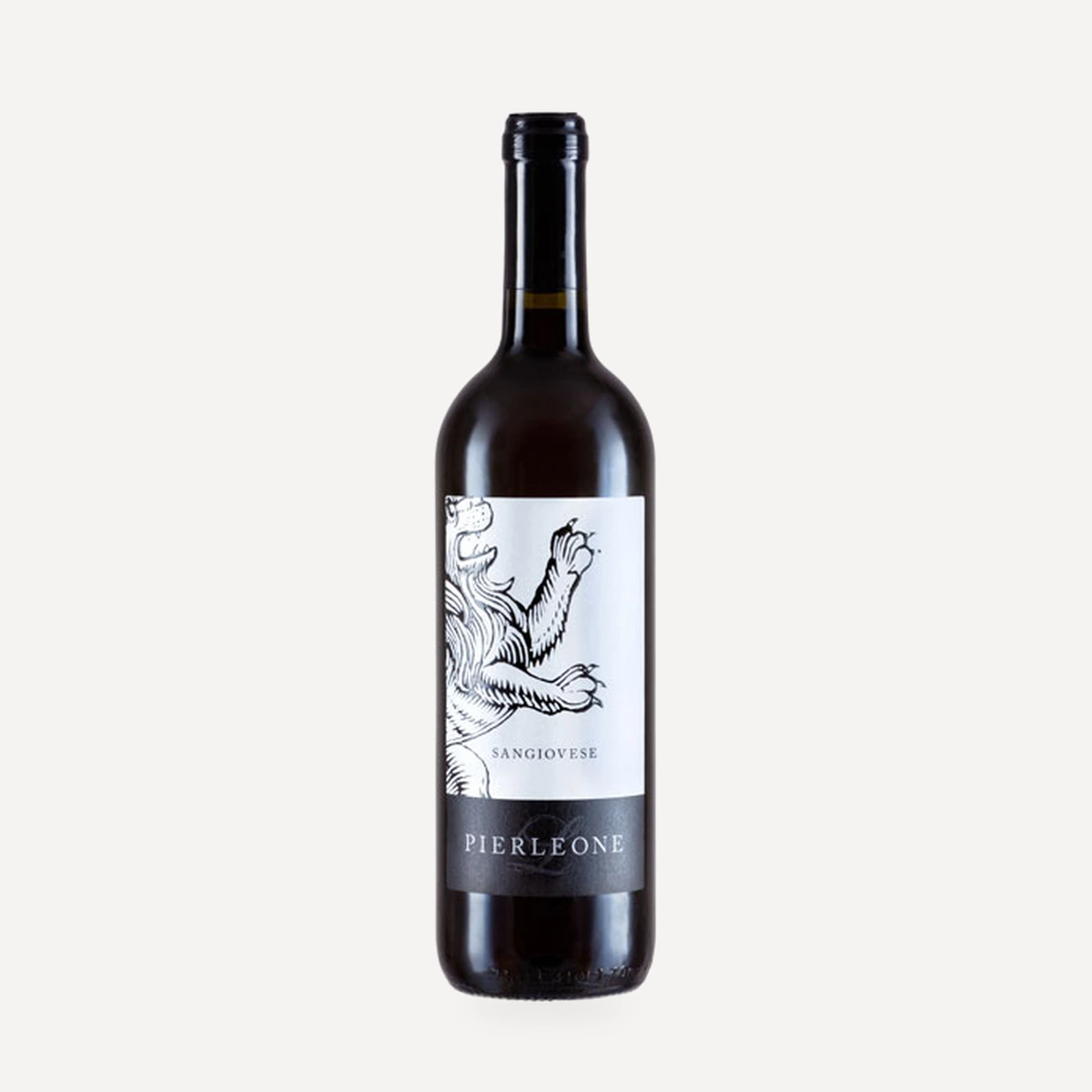
Sangiovese — Linea Pierleone
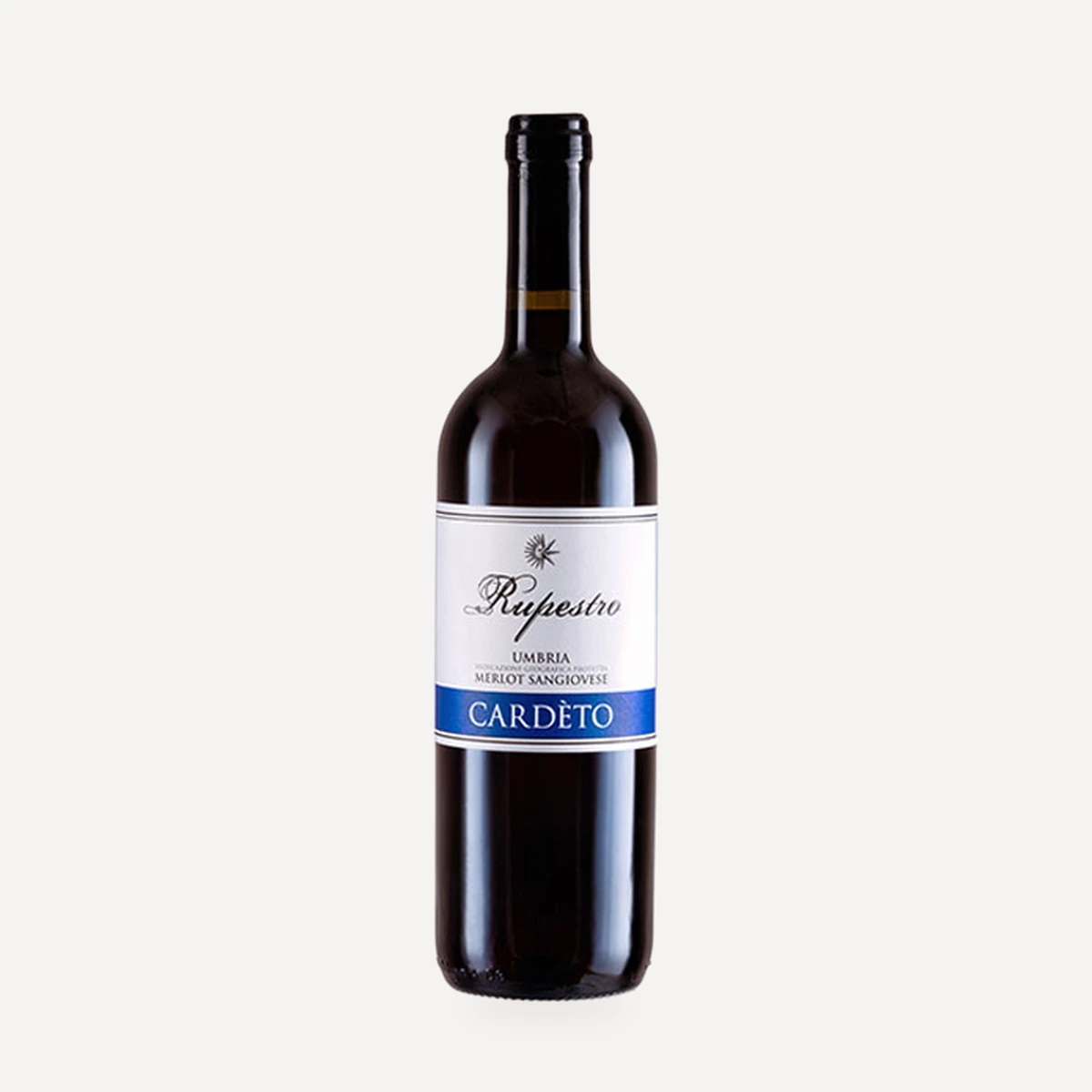
Merlot Sangiovese — Linea Rupestro
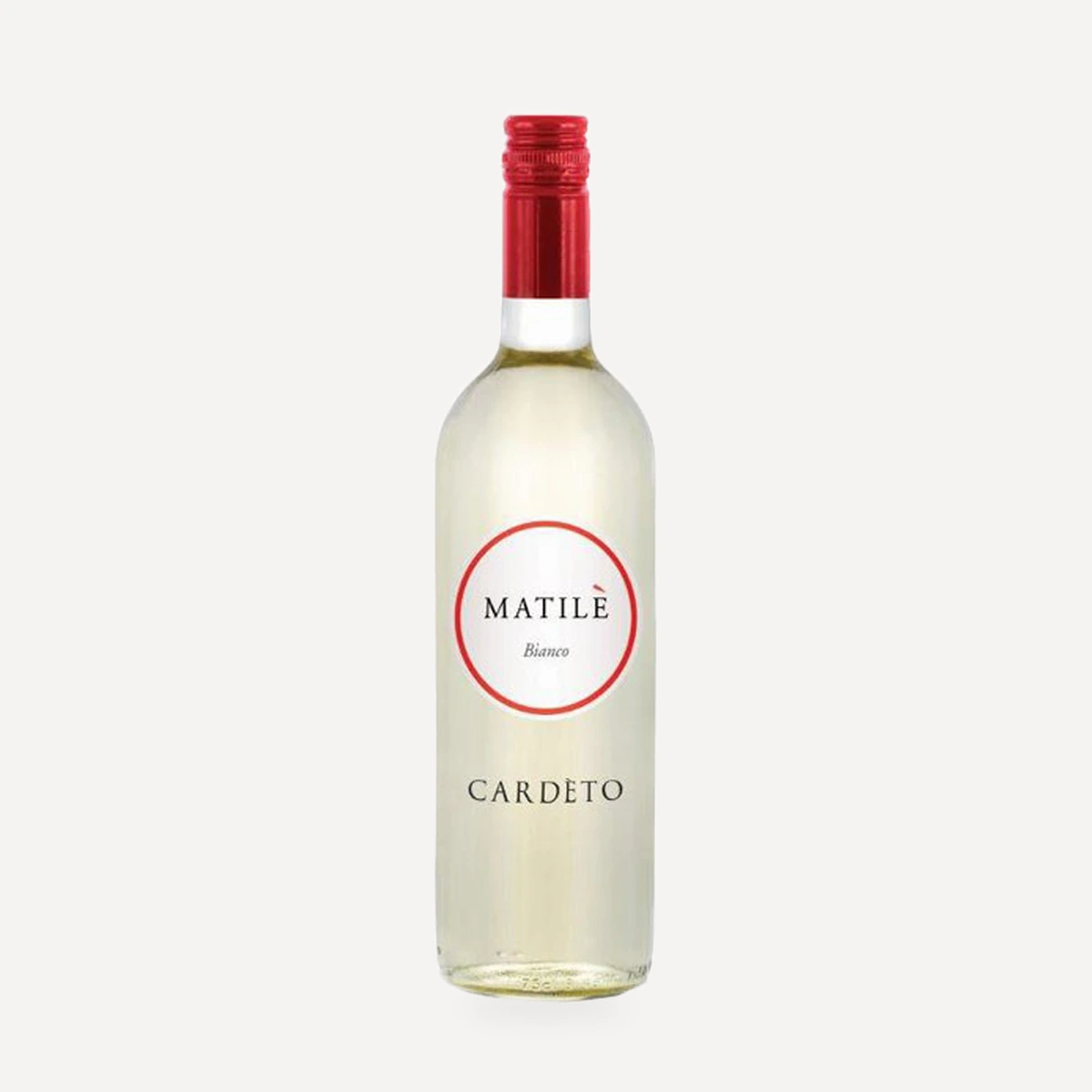
Matile Bianco — Linea Matile
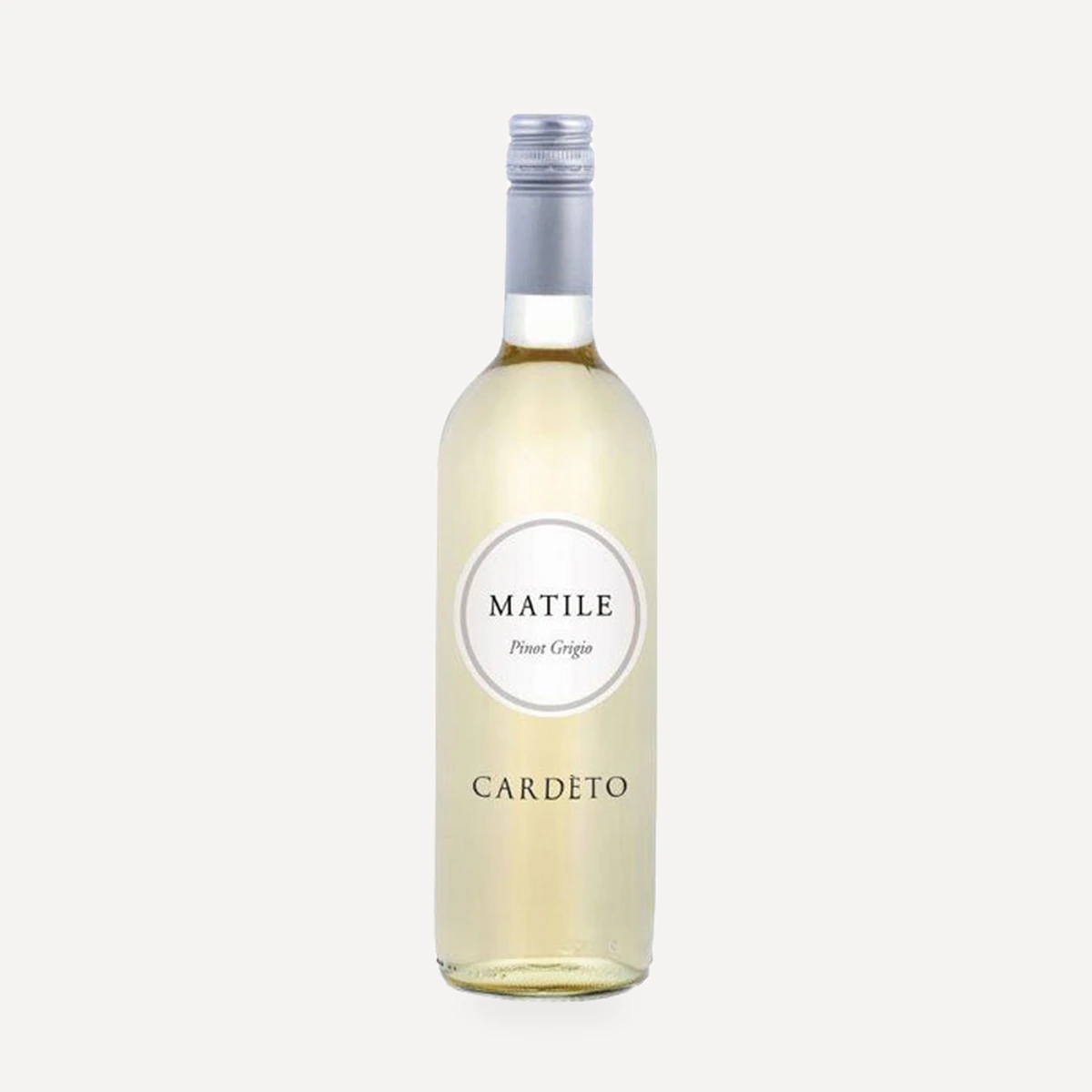
Matile Pinot grigio — Linea Matile
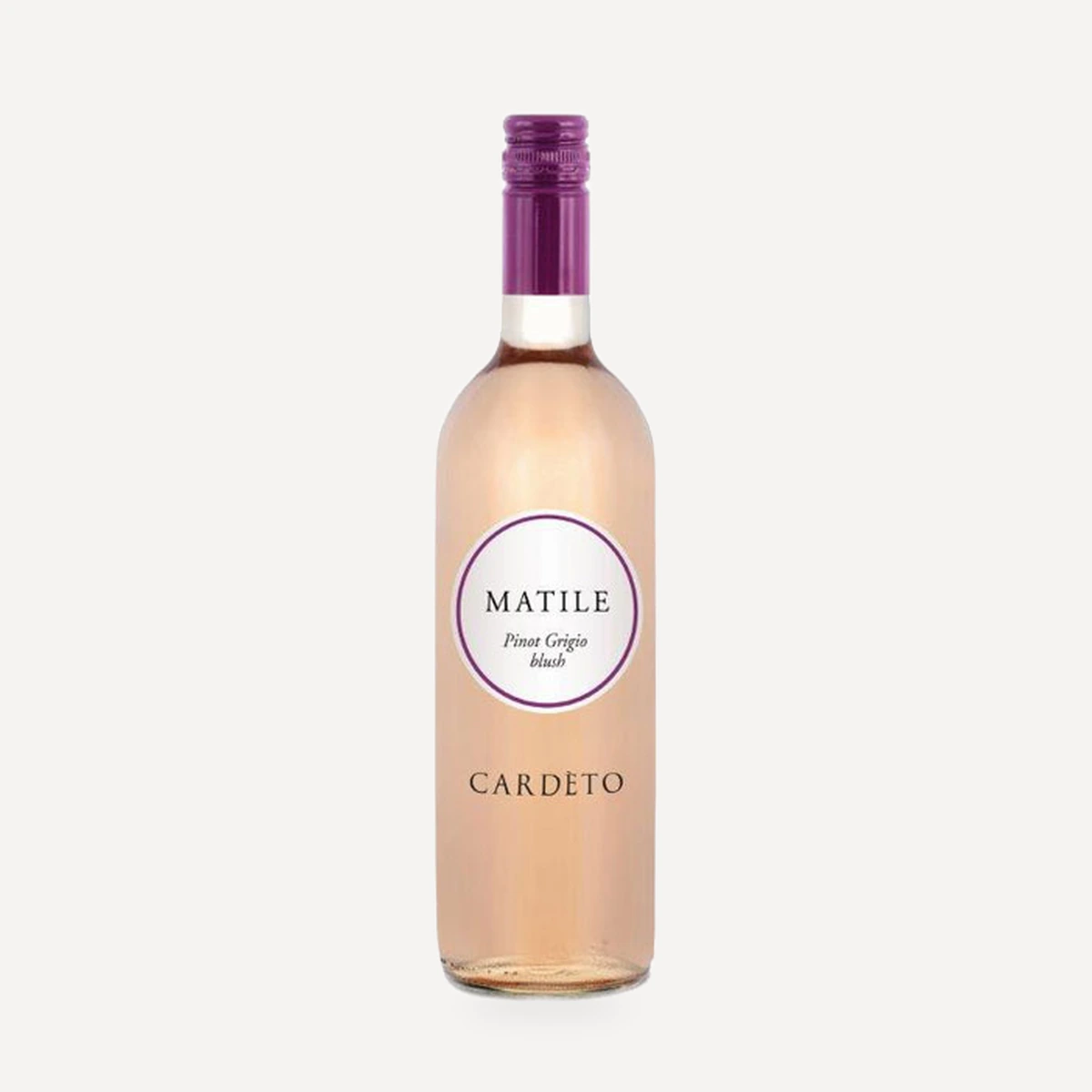
Matile Pinot Grigio Blush — Linea Matile