History
Foundation in 1922
Borgo Molino was founded by the Nardin family in 1922. The founding decision was framed as a commitment to making the land the family’s life rather than treating agriculture merely as an occupation. From the beginning, the family’s vision centred on understanding what the land requires, caring for both vines and fruit, and working with the relationship between soil, subsoil and local climate.
The estate developed a production encompassing white and red wines. Frizzante and fully sparkling wines subsequently completed its range, expressing the same emphasis on the interaction between vineyard conditions and local climate.
Sergio Nardin and the second generation
Sergio Nardin became the leading figure of the family’s second wine-growing generation in the heart of the Marca Trevigiana. He accumulated experience in both vineyard work and winemaking and personally supervised activity in vineyards managed by the business. This oversight extended to grapes from family-controlled land and from partner growers working under the supervision of Borgo Molino’s agronomists.
During this period, vineyard management grew to encompass more than 200 hectares, partly owned by Borgo Molino and partly belonging to other growers. The cellar was organised around modern technology for vinification, maturation and bottling, with the purpose of preserving and enhancing the original characteristics of the grapes.
Transfer to Paolo and Pietro Nardin
Sergio transmitted his experience and attachment to winegrowing to his sons. Paolo Nardin, an oenologist, assumed responsibility for production and the technical side of the business. Pietro Nardin took responsibility for its commercial activity, business development and marketing, including coordination of international sales.
The brothers’ management is based on complementary responsibilities, close cooperation and the ability both to delegate and to assume responsibility. Their period of leadership has been associated with continued growth, an increasingly international market presence and a continuing programme of new projects.
Expanded vineyard and production network
Borgo Molino’s footprint came to include estates at Valdobbiadene, Asolo, Ormelle, San Biagio di Callalta, Spilimbergo, Chions, Pramaggiore and Chiarano. A separate vinification facility is identified at Col San Martino, while Borgo Molino’s headquarters is at Ormelle. The network places the company across the core production territory represented as the “True Prosecco Heart.”
Technological development
A new technological complex was conceived to match the winery’s growing market potential and production capacity. The project brought together specialist oenologists under the experienced direction of winemaker Marzio Pol, with the objective of handling Borgo Molino’s grapes with greater precision and extracting their best qualities. It continued the estate’s established investment in modern vinification, maturation and bottling infrastructure.
Terroir
Borgo Molino is based at Ormelle in the Marca Trevigiana, near the hills of Conegliano and Valdobbiadene. Its vineyard geography combines plains, foothills and steep Rive sites and extends through estates at Valdobbiadene, Asolo, Ormelle, San Biagio di Callalta, Chiarano, Pramaggiore, Chions and Spilimbergo.
The Marca Trevigiana vineyards are characterised by subsoil compositions suited to both white and red grapes. The relationship between this soil structure and the microclimate of the hills underpins the production of frizzante and sparkling wines. More broadly, Borgo Molino associates the character of its white and red wines with the harmony between the land and the local climate.
Rive di Guia
Rive di Guia lies in the hills of Valdobbiadene at 250–350 metres above sea level. The site is hilly, with soils of morainic and sandstone origin over a clay-rich, medium-textured base.
Other named Rive sites
Rive di Miane and Rive di Col San Martino are identified as cru hillside sites for Glera. Together with Rive di Guia, they represent distinct hillside origins within the Valdobbiadene production area.
Winemaking
Borgo Molino’s vineyard work is coordinated across both company holdings and vineyards belonging to partner growers. The external growers operate under the oversight of the business’s agronomists, while Sergio Nardin has personally followed vineyard production.
The family’s viticultural approach begins with close attention to the land: understanding both soil and subsoil, caring for the vine and its fruit, and responding to the needs of the ground. The stated purpose is to work with the natural relationship between vineyard soils and local climate rather than treating grape production as an isolated cellar process.
At Rive di Guia, Glera is trained with the doppio capovolto system and harvested in September. The broader territorial network encompasses plains and hills, including the cru slopes of Rive di Guia, Rive di Miane and Rive di Col San Martino.
Borgo Molino operates a modern cellar equipped for vinification, maturation and bottling. Its technological infrastructure is intended to preserve and enhance the original qualities of the grapes throughout production.
A further technological complex was conceived in response to growth in market potential and production capacity. It provides a working environment for specialist oenologists guided by winemaker Marzio Pol, with the objective of handling Borgo Molino’s grapes more precisely and obtaining the best possible expression from them.
The company produces white and red wines alongside frizzante and fully sparkling wines. The sparkling programme includes slow secondary-fermentation work for its Rive wines. For Rive di Guia, the documented process includes destemming, soft pressing under a controlled atmosphere to limit oxidation and microbial proliferation, first fermentation at 14–16°C, and a Martinotti-method second fermentation in autoclave lasting at least 120 days. Fermentation is monitored automatically, with controlled additions of nutrients and oxygen to support yeast performance, followed by 2–3 weeks of bottle maturation.
Philosophy
Borgo Molino defines its outlook through foresight: imagining the future of the business and choosing a direction before change becomes unavoidable. Passion, personality and a continuing programme of projects form the central elements of this self-description.
Its approach to the land is expressed through observation and responsiveness. The family presents the ability to understand what nature requires—and what the territory can offer—as fundamental to winegrowing. Care extends from the soil and subsoil to the vine and its fruit, while wine quality is linked to harmony between the land and the local climate.
Family continuity is equally important. Sergio Nardin’s experience is presented as an inheritance of courage, persistence, strength and structure. Paolo and Pietro translate that inheritance into a collaborative management model: technical and commercial responsibilities remain distinct, but decisions and accountability are shared. The family also emphasises creating a professional environment in which responsibility can be delegated to people committed to their work.
Technology is treated as a means of caring more precisely for the grapes rather than as an end in itself. Investment in vinification, maturation and bottling is directed toward retaining and enhancing the fruit’s original attributes.
Wines
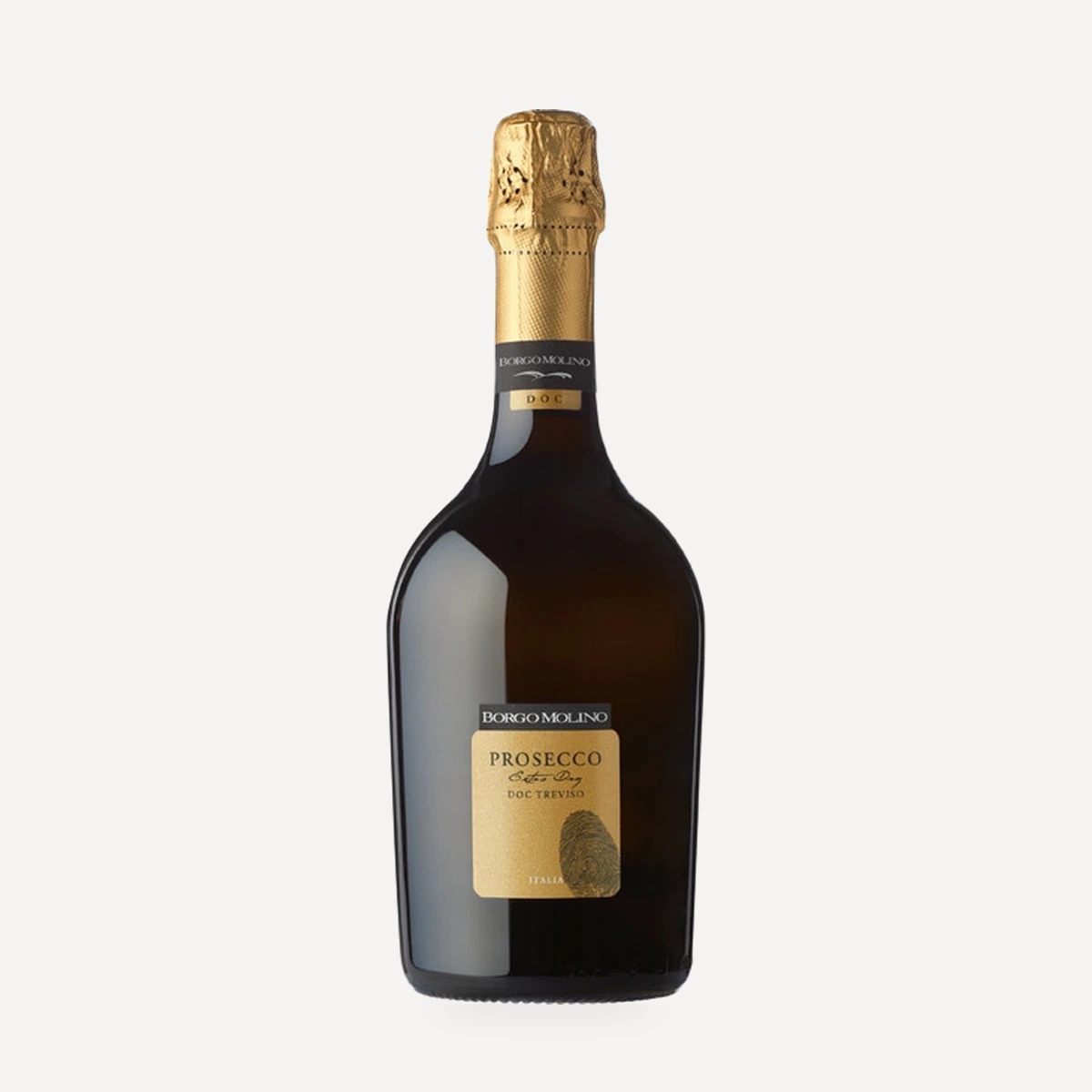
Prosecco Treviso Extra Dry DOC