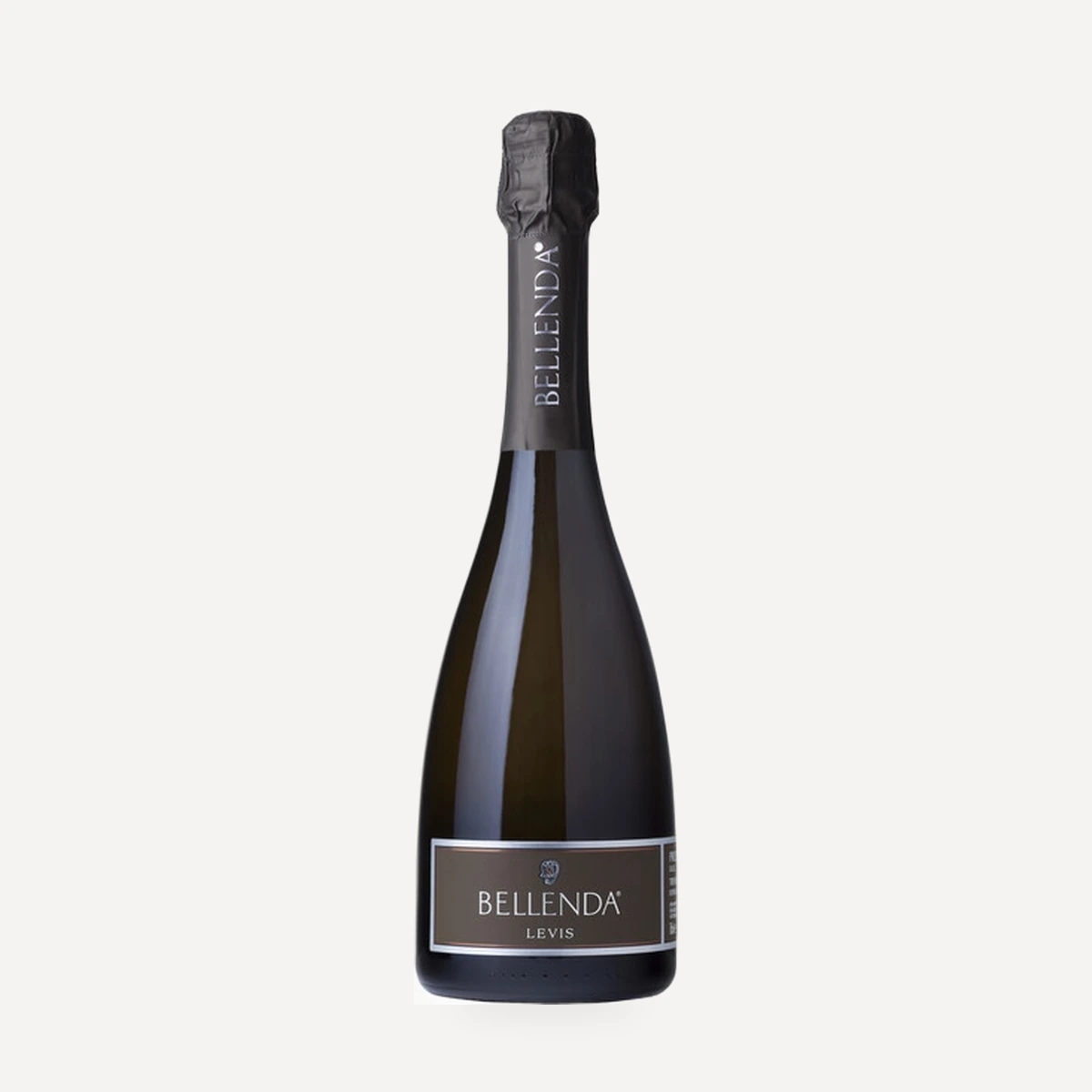
History
Origins and early direction
Bellenda was founded by Sergio Cosmo, born in 1931. From its first years, the company pursued bottle-fermented sparkling wines alongside the Italian or Charmat method. Its work with Glera revived an approach that had been widespread in Conegliano Valdobbiadene until about 1930 and was subsequently largely forgotten. San Fermo was Bellenda’s first wine, while the classic-method S.C. 1931 took its name from Sergio Cosmo’s initials and birth year and became the company’s interpretation of bottle-refermented Prosecco Superiore.
Bellenda’s first maturation cellar stood in Ceneda, Vittorio Veneto, at a place identified by the old toponym Contrada di Concenigo. The name was later retained for the company’s Colli di Conegliano Rosso DOCG.
More than thirty years of sparkling-wine research
Over more than thirty years, Bellenda developed a broad study of sparkling and lightly sparkling wines made from the traditional grapes of its territory. Its production came to encompass fully sparkling, frizzante and lightly sparkling expressions; clear wines and wines retaining their natural sediment; Italian-method, classic-method and ancestral bottle-fermented approaches.
The company’s early commitment to long classic-method maturation also extended beyond Glera. Hillside Chardonnay and Pinot Nero became the basis of long-aged Blanc de Blancs and Blanc de Noirs wines matured in the underground cellar at constant temperatures of approximately 13–14°C. Bellenda describes this methodical use of time as part of the style established in its earliest years.
Recovery of local fermentation traditions
Bellenda progressively returned to older forms of bottle fermentation. Così è preserves the traditional local custom of Prosecco rifermented in bottle with its natural yeast sediment. Con Alti emerged from more than fifteen years of work aimed at placing a more integral representation of the grapes in the bottle: its single fermentation finishes in bottle, without the addition of cold-stored must or sulphites. Radicale took the investigation further through skin fermentation, local yeasts, long lees ageing, no filtration, no disgorgement and no added sulphur dioxide.
The research also produced different contemporary readings of Glera. Sei Uno returned Rive di Carpesica fruit to bottle fermentation and was first made for the family to commemorate an event associated with 1961. LEI investigated the historical tradition of bottle-fermented wines with higher residual sugar. Ànzolo later extended the work to a single old-vine vineyard in San Michele di Feletto, combining more than nine months on the first-fermentation lees with a subsequent Martinotti-method second fermentation.
Diversification
Bellenda also maintained a small production of Colli di Conegliano Rosso DOCG from Merlot, Cabernet Sauvignon, Cabernet Franc and Marzemino, made only in favourable years. With the 2020 vintage, Prosecco DOC Rosé from Glera and Pinot Nero entered the Bellenda range.
Alongside its own production, Bellenda developed an importing and distribution activity focused on small producers encountered through years of travel and tasting in regions including Champagne, Bordeaux, Spain and Slavonia. Hospitality, cellar visits, vineyard walks, tastings and a winery shop became additional parts of the company’s activity in Carpesica.
Terroir
Carpesica and the glacial hills
Bellenda is based at Carpesica di Vittorio Veneto in the hills of the Conegliano Valdobbiadene area. Its principal Glera sites around Carpesica generally face south to southwest at an average elevation of approximately 180 m. The soils are limestone-clay formations rich in morainic material deposited by the ancient Piave glacier, which descended through the Fadalto saddle between Monte Pizzoc and Monte Visentin.
The Würm glaciation left the Treviso piedmont hills covered with morainic debris. Glacial plucking—the erosion and transport of blocks of bedrock by a valley glacier—accounts for the abundant stones that remain characteristic of these hills. In Chardonnay and Pinot Nero sites, the mixed limestone-clay soils contain a substantial stony fraction associated with the wines’ structural and saline character.
Climate
The local climate is temperate. Winters are cold, while summers are warm but generally well ventilated rather than muggy. Day-to-night temperature differences are marked, especially in summer. Sites used for the broader range extend from approximately 60 to 250 m and retain south- or southwest-facing positions.
San Michele di Feletto
The single vineyard used at San Michele di Feletto faces southwest. Its fine, silty soils contain abundant small- to medium-sized stones and derive chiefly from fluvioglacial deposits more than 20,000 years old; their age is visible in the reddened colour. Water availability is moderate and reaches its lowest level toward the end of July, while the soil permits roots to penetrate deeply.
Wider Treviso sources
Glera for Prosecco DOC comes from the northern province of Treviso and from productive parcels close to the hills of the Alta Marca Trevigiana. Pinot Nero for the rosé is selected from areas with a particularly rich limestone-derived stony fraction. These DOC vineyards occupy south- to southwest-facing ground between roughly 70 and 250 m.
Winemaking
Bellenda does not use herbicides. Weed and grass control combines soil cultivation, mowing and grazing by sheep. Vineyard treatments are reduced as far as possible and restricted to products recommended by the Protocollo Viticolo del Conegliano Valdobbiadene, a programme developed by an expert commission to protect the production area and its landscape.
Woodland is retained within the property to support biodiversity. Pruning residues are collected and reused as an energy source rather than discarded.
Harvesting is manual in the individually described vineyards. Chardonnay and Pinot Nero are picked between late August and early September; most Glera is harvested from mid-September through the second half of the month; different red varieties are collected separately during September; and the Prosecco DOC Rosé harvest is around mid-October. Training systems include Sylvoz, Guyot, Cappuccina or double-arched cane, spurred cordon, simple trellises, old radial Bellussera systems and a small number of vines married to trees. Stated densities range from approximately 3,500 to 5,000 vines/ha, while reported yields range from 60 to 95 hL/ha depending on site and intended production.
Environmental work beyond the vines includes recycled-glass bottles, packaging made from certified renewable sources, progressive replacement of conventional roofs with green roofs to slow rainwater runoff, heat pumps and natural gas for space heating, and solar panels supplying a large proportion of the company’s electricity.
Fruit reception and primary fermentation
Across the sparkling-wine range, grapes are generally destemmed and softly pressed; pneumatic presses are specified for several wines. Must is settled statically before fermentation. Many base wines ferment in stainless steel at 18–20°C and then remain on fine lees for periods ranging from one to three months or longer.
Bellenda also employs variations suited to its research programme. Some Glera base wine ferments partly in steel and partly in wooden vessels without temperature control. Chardonnay for long-aged Blanc de Blancs may ferment partly in new and used barriques and partly in steel. Certain ancestral wines receive light skin contact, while Radicale ferments on the skins in a combination of 60% wooden vats and 40% steel. The red-wine process includes a 48-hour pre-fermentation maceration at 12°C, approximately 15 days of alcoholic fermentation, two délestages, post-fermentation skin contact and immediate initiation of malolactic fermentation.
Italian or Martinotti method
Italian-method sparkling wines undergo secondary fermentation in pressure tanks. Bellenda uses 100 hL stainless-steel autoclaves for cycles of approximately 50 days to two months, while smaller 30 hL vessels are used for a roughly three-month Prosecco DOC Rosé cycle. Ànzolo remains for more than nine months on its first-fermentation lees before Martinotti-method refermentation and bottling with minimal dosage.
Classic-method production
Bottle fermentation is central to Bellenda’s work. Depending on the cuvée, lees ageing lasts approximately 12 months, 16–18 months, 18 months, 24 months, 60 months, 100 months or more than 150 months. Some wines receive a further six to twelve months in the cellar after disgorgement. The underground cellar maintains approximately 13–14°C for long maturation.
Disgorged wines may be topped with the same wine and no dosage, with no liqueur d’expédition, with minimal dosage or with a dosage below 3 g/L. This allows Bellenda to produce styles ranging from Brut Nature and Pas Dosé to Extra Brut and Dry.
Ancestral and sediment-retaining methods
Così è is vinified white, with soft pressing, static settling and partial light maceration. A second fermentation begins in bottle after the addition of must, traditionally with the first warmth of spring around Easter. The natural yeast deposit remains in the bottle.
Con Alti follows a single fermentation rather than a conventional second fermentation. After destemming, crushing and light maceration, the still-active wine is bottled with residual sugar so fermentation can finish there. No cold-stored must and no sulphites are added; the wine remains unfiltered with its natural sediment.
Radicale ferments on the skins, settles statically before bottling and undergoes bottle fermentation with local yeasts. It remains on its lees for 24 months without filtration, disgorgement or added sulphur dioxide and is stored neck-down to limit further development.
Red-wine maturation
The Colli di Conegliano red blend is made in steel with approximately 18 days of maceration and is matured in barriques and tonneaux for about 24 months, followed by bottle ageing.
Philosophy
Bellenda defines its approach through four principles: accepting challenges, pursuing research continuously, breaking established models and never becoming complacent. These ideas have shaped more than thirty years of wine, travel, conviviality and hospitality.
The company’s central objective is to produce wines representative of Conegliano Valdobbiadene while demonstrating the versatility of its traditional grapes. Rather than treating Prosecco as a single style, Bellenda explores sparkling, lightly sparkling and frizzante forms; wines with or without natural sediment; and classic, ancestral and Charmat or Martinotti methods.
Its historical research focuses particularly on bottle fermentation of Glera, a local practice that had largely disappeared after about 1930. The approach combines recovery of older methods with technical experimentation, long lees ageing and contemporary interpretation. A parallel line of research seeks a more integral transfer of the grape into the bottle through reduced additions, natural deposits, local yeasts, skin contact and, in selected cases, no added sulphur dioxide.
Environmental responsibility begins with the premise that the family lives among the vineyards and consumes their fruit. The stated goal is therefore a healthy product in harmony with its surroundings, supported by herbicide-free vineyard management, restrained treatments, biodiversity protection, renewable and recovered materials, lower-impact energy and measures to slow rainwater runoff.
Travel and engagement with other growers form another element of the philosophy. Bellenda regards tasting the work of fellow producers as a source of comparison, learning and continued improvement.
Wines
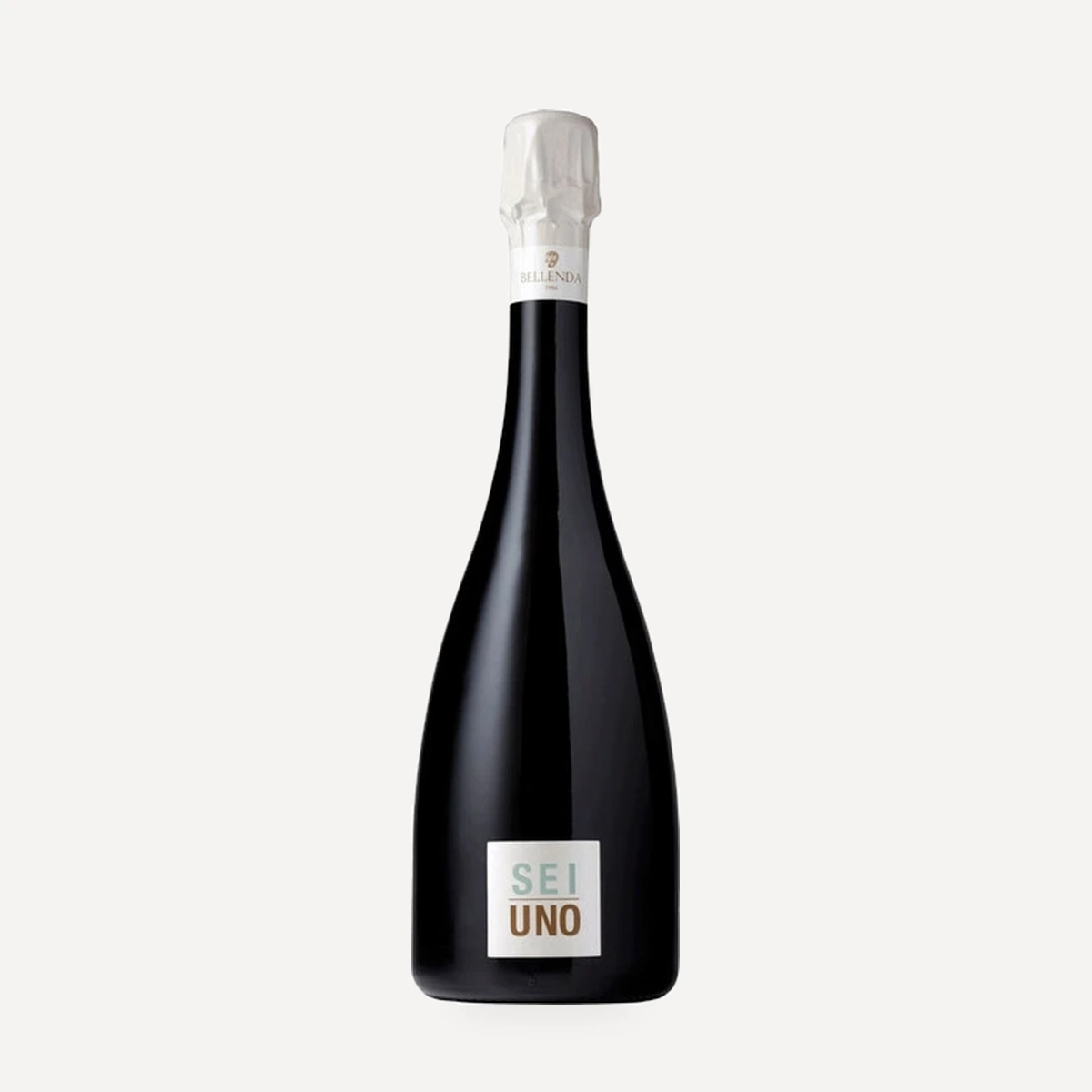
Sei Uno — Conegliano Valdobbiadene Prosecco Superiore Rive di Carpesica Extra Brut DOCG
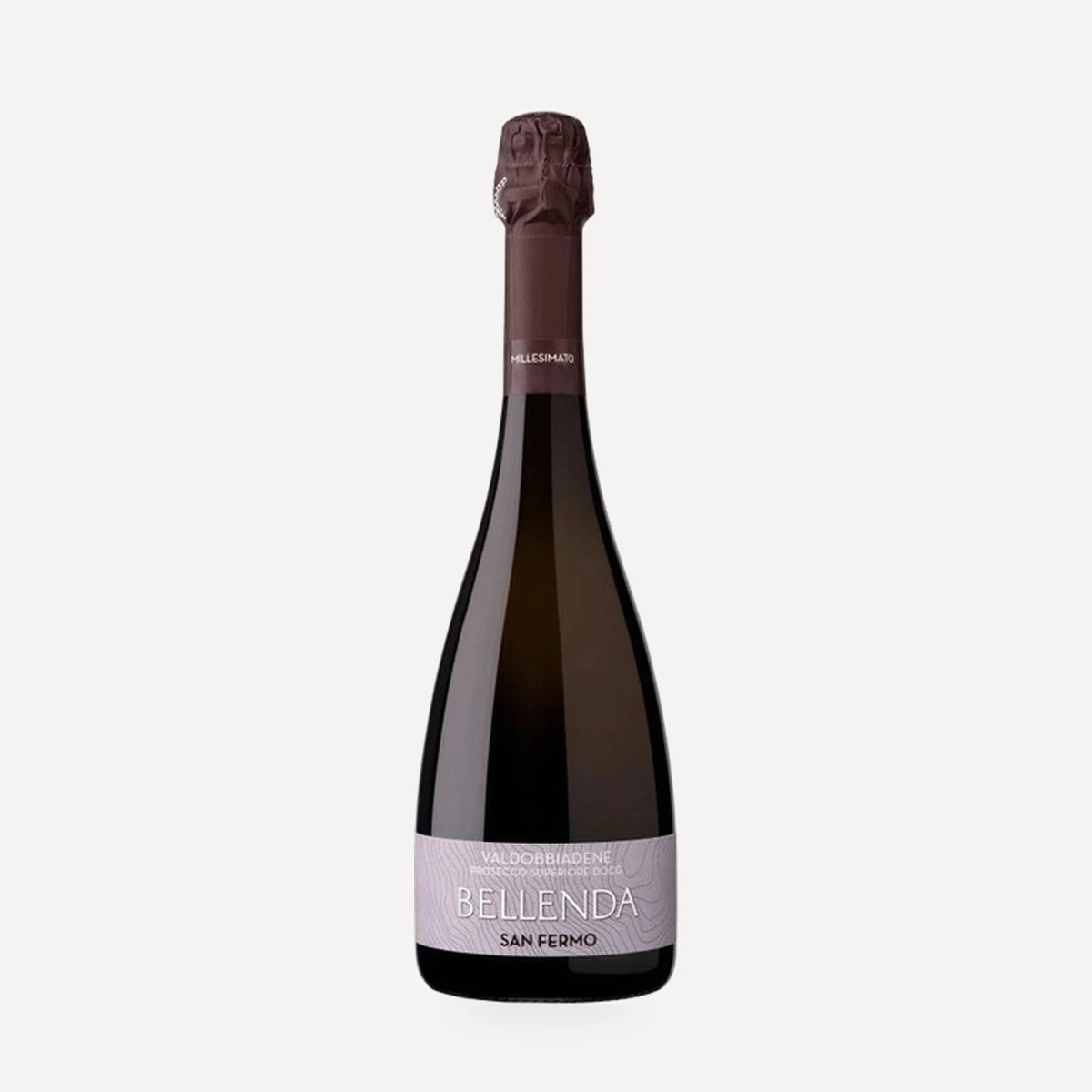
San Fermo — Conegliano Valdobbiadene Prosecco Superiore Brut DOCG
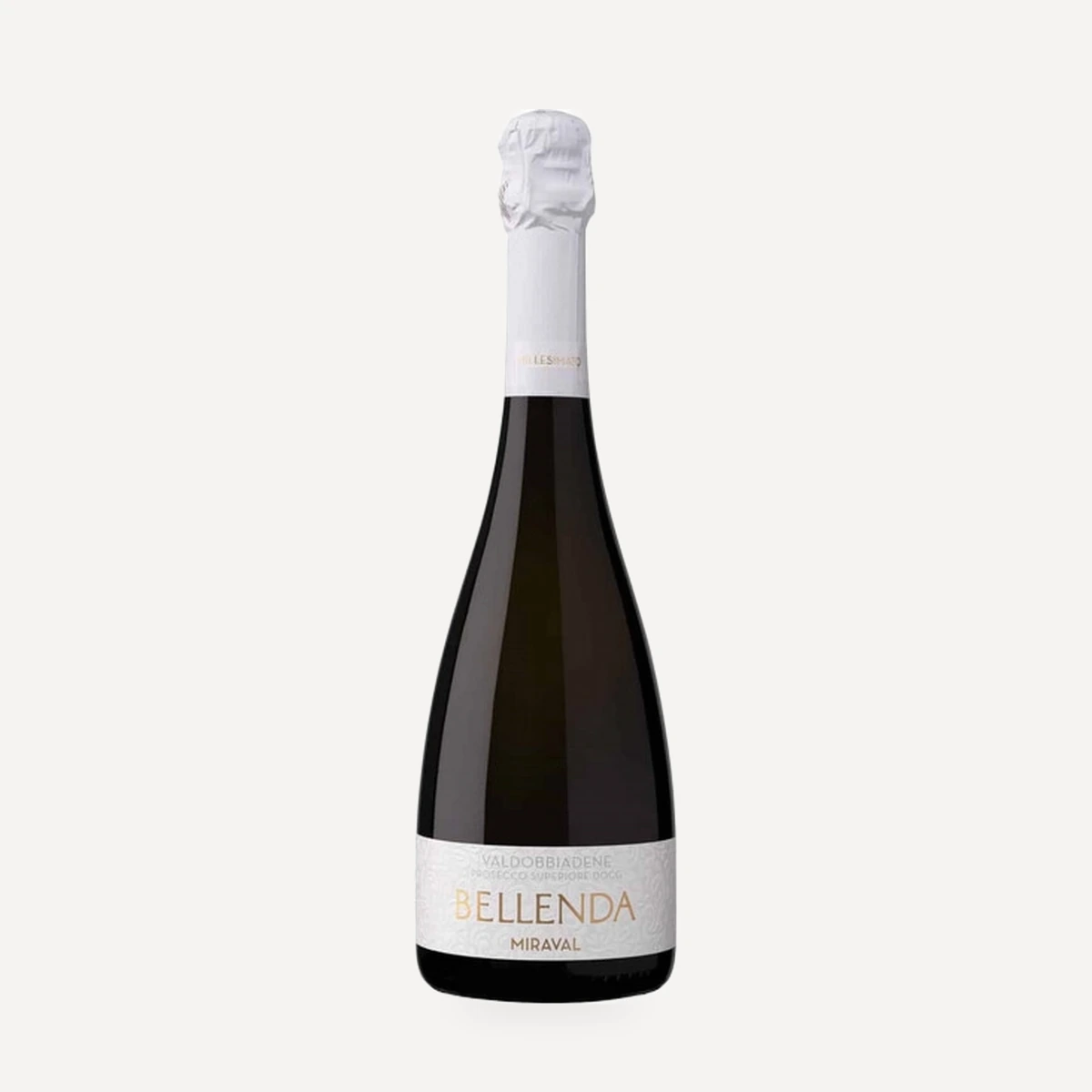
Miraval — Conegliano Valdobbiadene Prosecco Superiore Extra Dry DOCG
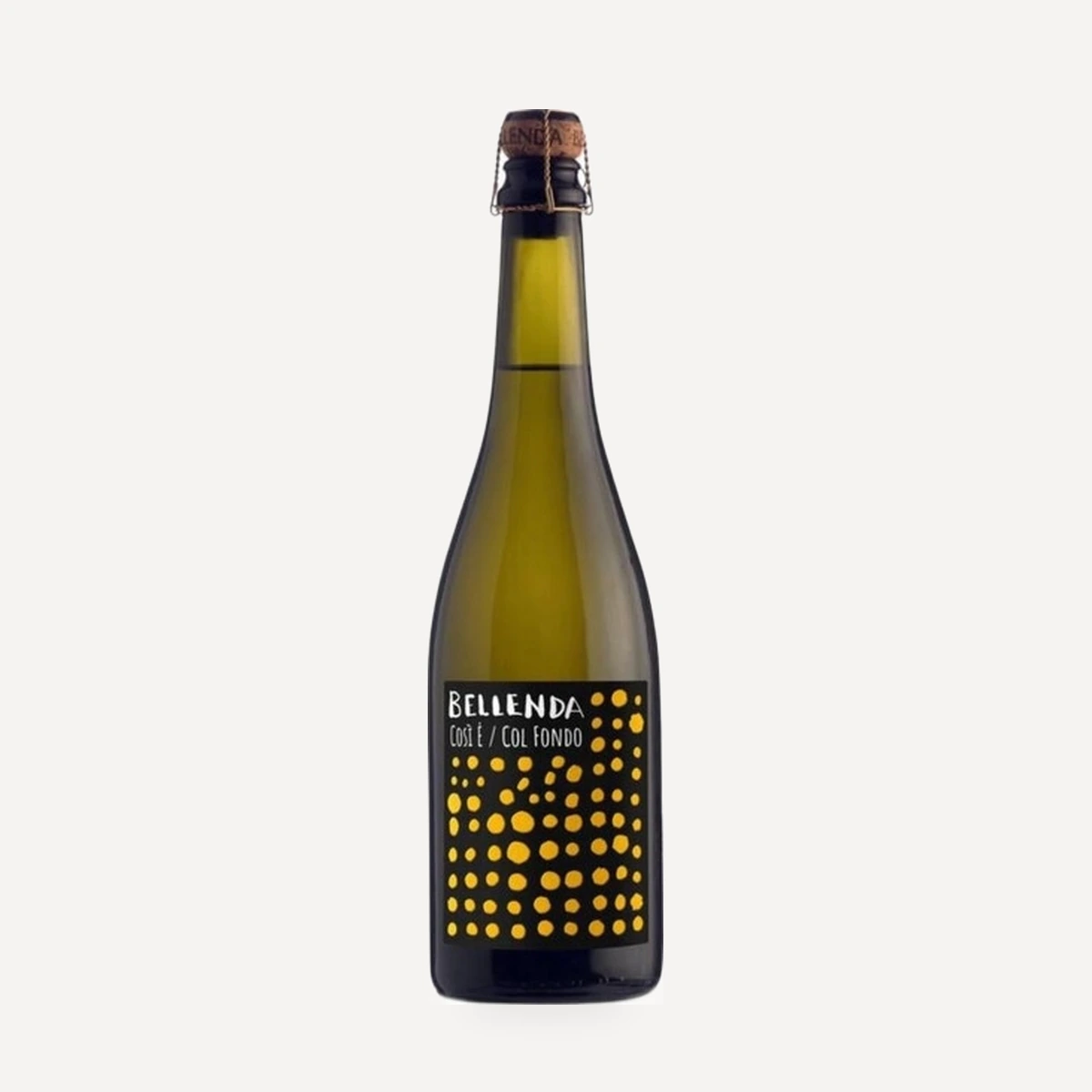
Così è (Col Fondo) — Conegliano Valdobbiadene Prosecco Frizzante Fermentazione in bottiglia DOCG
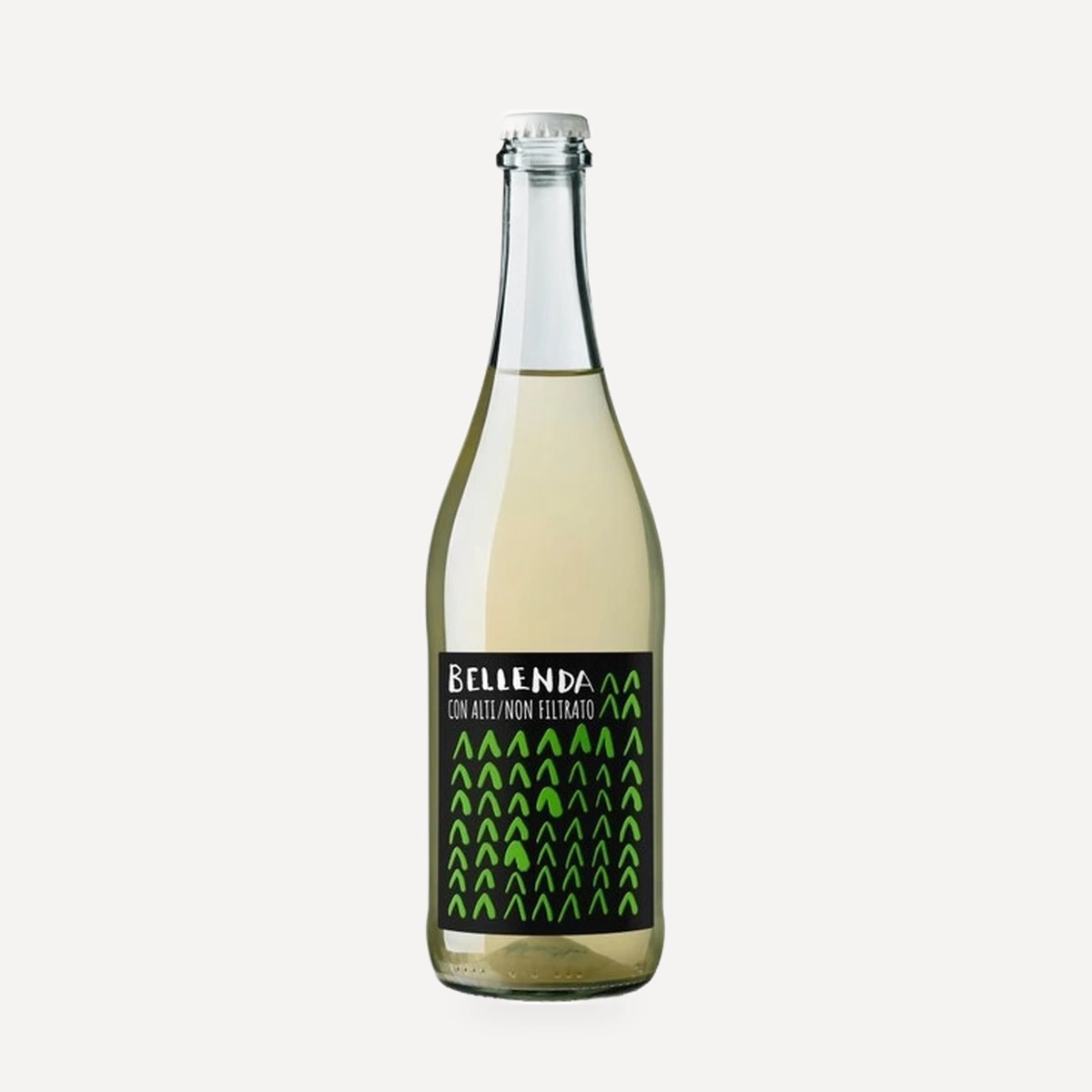
Con Alti — Colli Trevigiani Integrale non filtrato IGT
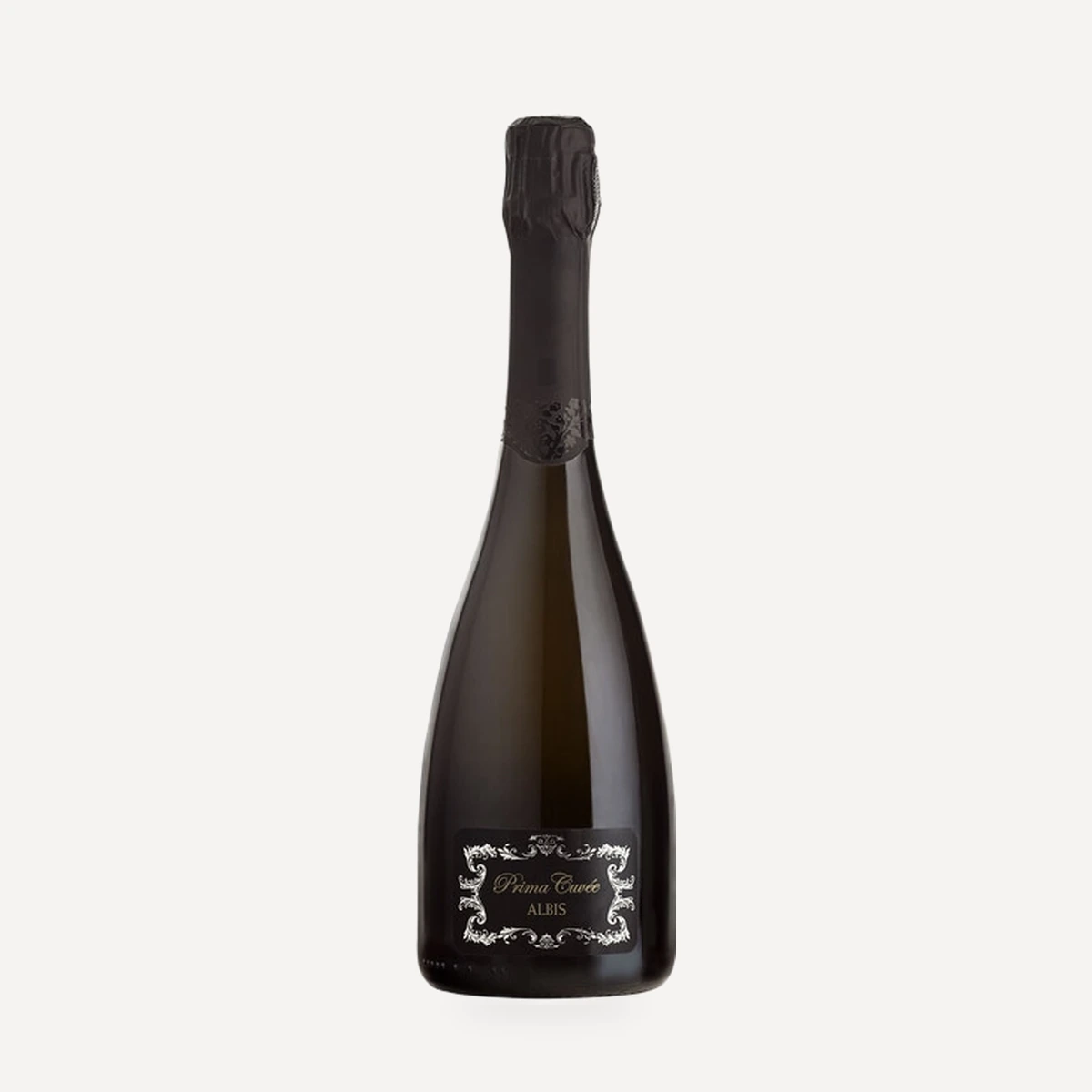
Albis — Spumante Extra Dry
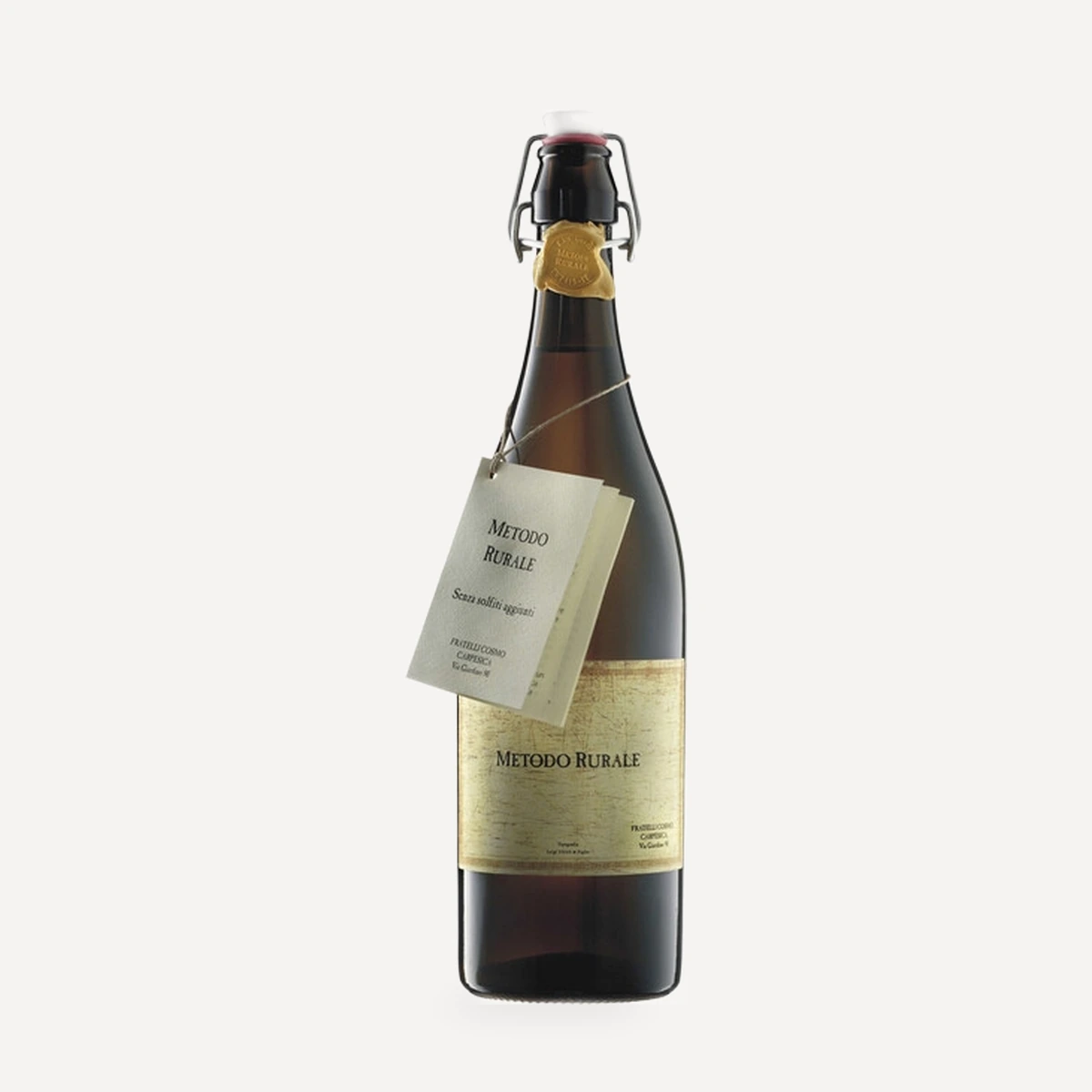
Metodo Rurale
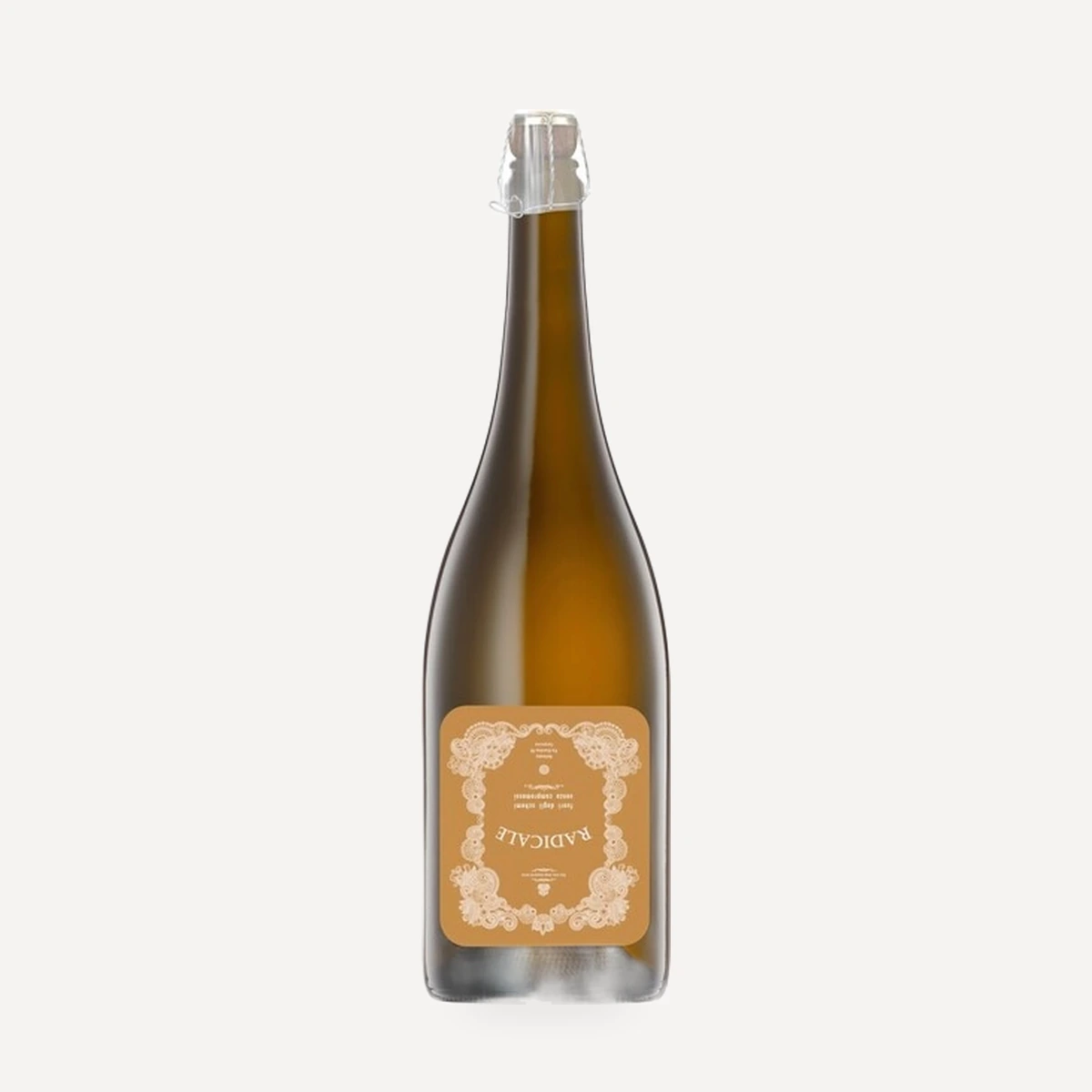
Radicale — Spumante Nature Metodo Classico Ancestrale non sboccato, senza solfiti aggiunti, Extra Brut
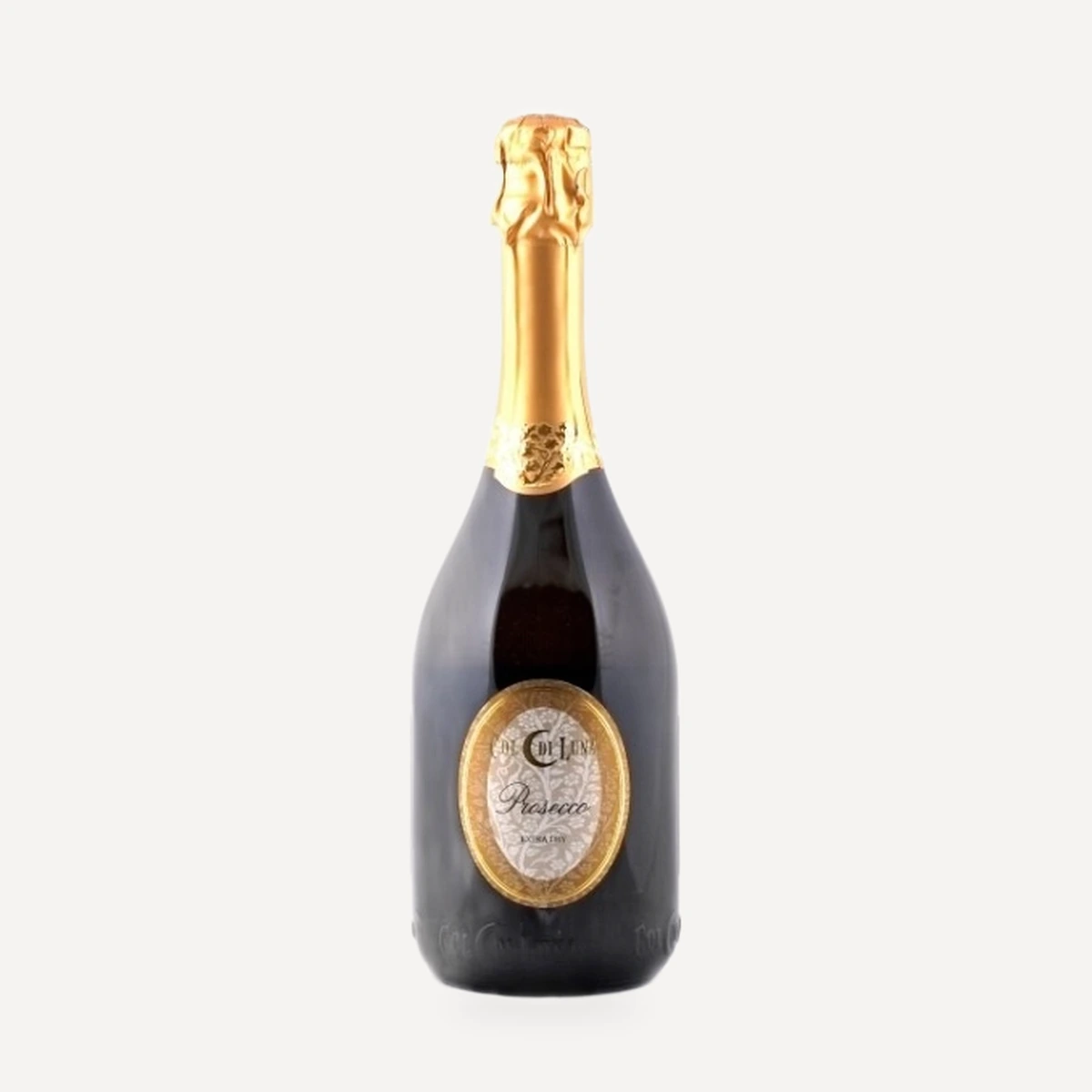
Bellenda Prosecco Col Di Luna
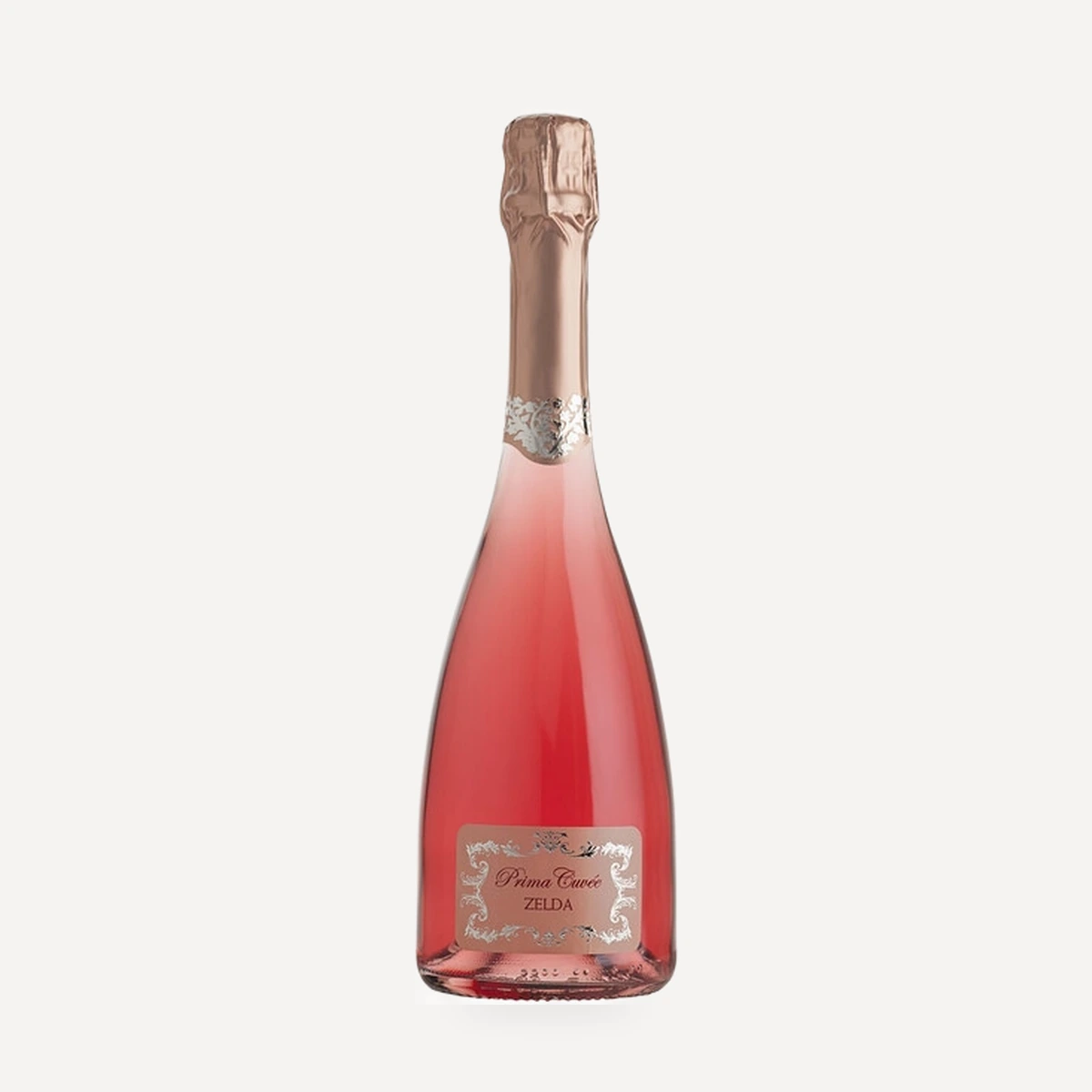
Prima Cuvee Zelda Pose Extra Dry