History
Winegrowing origins: 1635
The Bottega family traces its viticultural history to Andrea Bottega, who cultivated vines in 1635 in the hills near Molinetto della Croda at Refrontolo. The family initially worked as tenant farmers for a local noble household. After gaining independence, its members began farming land of their own.
Domenico and Aldo Bottega
During the 1920s, Domenico Bottega worked as a wine merchant and oenologist. He was reputed within the family history for his ability to identify the best grapes while they were still in the vineyard.
In the 1950s and 1960s, his son Aldo extended the family’s interest from wine to grappa. He developed technical innovations that included an early single-variety grappa and accumulated more than thirty years of experience as a master distiller before establishing his own business.
Foundation of the family company: 1977–1983
Aldo Bottega and his wife, Rosina Zambon, founded Distilleria Bottega at Pianzano di Godega in 1977. At the end of that decade it remained a small producer serving the local grappa market.
Aldo died in 1983. His children Sandro, Barbara and Stefano subsequently assumed responsibility for the company, with Sandro taking the leading managerial role. An innovative distillation system and a reduction in the alcoholic strength of the grappa helped create a softer, more delicate style and brought the distillery wider recognition.
Expansion and entry into wine: 1987–1995
The Alexander brand joined Bottega in 1987. Its introduction brought refined blends and the first artistic blown-glass bottles, while the business began expanding beyond Italy.
In 1992, the family added a winery to the distillery and launched Il Vino dei Poeti Prosecco Spumante. This marked Bottega’s entry into the wine market and established sparkling wine as a second major branch of production.
Designer Monica Lisetto joined the company in 1993, contributing to the development of its distinctive packaging. The collaboration with actress Stefania Sandrelli was consolidated during this period, and Chianti Acino d’Oro was created. Fragolino followed in 1995.
Establishment at Bibano
The 2024 corporate chronology dates the move to Bibano di Godega di Sant’Urbano to 1997, when the business occupied a large historic farmhouse surrounded by vineyards near Conegliano. Other historical materials date the move or formal inauguration of the Bibano headquarters to 2007. The property was named Villa Rosina in memory of co-founder Rosina Zambon.
Villa Rosina was restored while preserving its historic architectural character and incorporating contemporary environmental measures. The property contains the winery for Prosecco and other sparkling wines as well as the family’s distilling facilities. Ten hectares of vineyards surround the building.
During the early 2000s, Bottega Gold was launched in its metallised golden bottle. The company subsequently took legal action against imitations of this presentation. In 2004 it introduced a spray-format grappa in a small bottle fitted with an atomiser.
Development of the Bibano operation
Distilleria Bottega became Bottega SpA in 2013. A closed-loop cooling-water system was introduced for distillation in 2014. The company opened the first Bottega Prosecco Bar on a Viking Line ship in Scandinavia on 25 January of the same year; the original prototype of this hospitality format is also represented at Villa Rosina.
Bottega entered the RafCycle programme in 2018 to recover silicone-coated label backing paper. That summer, it also completed the restoration of the neighbouring church of San Cristoforo and marked the conclusion of the work with a thanksgiving Mass.
The Bibano winery and associated plants obtained Equalitas certification under the Sustainable Organisation standard in 2021. The same year brought participation in the RE.WIND programme, through which polyethylene packaging from incoming empty bottles is separated and recycled into new stretch or shrink film.
A photovoltaic installation was added to the Bibano winery in 2023. The 500 kWp system produced 396,976 kWh during its first partial year of operation. Expansion continued in 2024: the adjacent liqueur operation moved to a dedicated site at Brugnera, making room at Bibano for a third automatic sparkling-wine bottling line. The winery also increased its available tanks and autoclaves in response to growth in production volume and the number of products. Bibano processed 100,332 hL of wine and 14,275 hL of must or partially fermented must in 2024, a combined 114,607 hL and an increase of 15% over 2023.
Terroir
Bottega Bibano lies at Bibano di Godega di Sant’Urbano in the province of Treviso, approximately 45–50 km north of Venice. The headquarters stand between the Venetian lagoon and the Dolomites, with the Venetian Prealps and more distant Alpine relief visible from the property. Villa Rosina and its vineyards occupy level ground in the Prosecco DOC production area.
The surrounding Prosecco territory has a mild climate and mineral-rich clay soils of alluvial origin. Farther north and west, the Prosecco Superiore DOCG zone extends across the hills from Conegliano towards Valdobbiadene. Numerous watercourses cross this hilly landscape, where vineyards alternate with historic castles, Venetian villas and rural houses. Glera is the principal grape associated with both the Bibano vineyards and the wider Prosecco hills.
Winemaking
The vineyards around Villa Rosina are cultivated according to organic principles. Across the directly managed vineyard portfolio, which includes holdings in the Prosecco production areas, every vineyard is SQNPI certified and is either organically certified or progressing through organic certification. Cultural work is performed by contractors under the guidance and supervision of the company’s technical manager.
No chemical herbicides are used beneath or between the rows. Spontaneous ground cover is encouraged and alternate rows are mown. Pruned vine shoots are shredded and returned to the soil to add organic matter and improve its structure. Green manures—principally vetch, clover and mustard—are incorporated near flowering to supply nutrients mechanically without synthetic inputs while also providing forage for bees.
Soil analyses have indicated that fertilisation was unnecessary in the recent period. Irrigation has not been used, although rainwater-harvesting projects are under study. Vine management plans consider expected production, bud load, shoot trimming, leaf removal and cluster thinning. Yields are kept within the applicable production rules and aligned with the intended oenological objectives.
Integrated or organic crop-protection principles are coordinated with the surrounding winegrowing district. Decisions draw on weather bulletins, direct vineyard inspections and sexual traps used to monitor pest populations and determine the appropriate timing of interventions.
Ripeness is followed through field visits and laboratory analyses. Harvest timing is selected according to the intended wine style, the minimum ripeness indices required by the relevant production rules and the winery’s own oenological targets. Managed parcels adjoin woodland, while spontaneous vegetation and alternate-row mowing support biodiversity.
Bibano is the principal production site for Bottega’s white and rosé sparkling wines. The winery contains storage and fermentation vessels, autoclaves for secondary fermentation and three automatic sparkling-wine bottling lines. Visitors to the production area can follow and taste three stages of sparkling-wine fermentation.
Production planning and cellar work operate through an integrated quality- and food-safety-management system. Incoming musts and wines, intermediate products and finished products undergo daily controls. Analyses are performed both in the internal laboratory and by accredited external laboratories, while purchasing and processing decisions draw on a multi-year analytical database.
The cellar uses defined protocols for processing, storage, cleaning and sanitation. These procedures are reviewed annually and audited internally and by third parties. Storage procedures are designed to conserve energy and water. Supplier selection gives preference, where quality and service are equivalent, to businesses holding environmental or sustainability certifications.
Bibano processed 100,332 hL of wine and 14,275 hL of must or partially fermented must in 2024, for a combined 114,607 hL. Market growth produced a 15% increase over 2023 and led to the addition of tanks and autoclaves. Moving liqueur production to Brugnera freed space for a third automatic sparkling-wine bottling line, which entered production at the end of 2024 and reduced dependence on outsourced services and associated transport.
Cleaning efficiency has been improved through CIP systems and continual monitoring, rationalising steam use without compromising hygiene. Specific LPG consumption for wine processing fell from 1.86 L/hL in 2022 to 1.19 L/hL in 2023 and 1.15 L/hL in 2024.
Wastewater from the winery is treated in an activated-sludge purification plant followed by centrifugation of the thickened sludge. Expansion completed in 2022 increased treatment capacity to 100 m³ per day. The system operated at full capacity in 2023 and discharged water with COD below 100 mg/L. A separate plant-based treatment system filters domestic wastewater through gravel and directs it to trees and shrubs.
Bibano also uses geothermal climate control. Water at a constant 14°C is drawn from an aquifer reached at approximately 90–100 m, passed through a heat pump and returned underground through a separate well. A 500 kWp photovoltaic system supplied 417,440 kWh in 2024, equivalent to 17% of the site’s annual electricity requirement; electricity drawn from the grid is covered by Guarantees of Origin for 100% renewable generation.
Philosophy
Bottega’s philosophy joins quality, regional identity, design and environmental responsibility. Production is monitored from vineyard to bottle with an emphasis on detailed, craft-oriented care and on straightforward flavours connected to their place of origin.
The family presents research and responsible innovation as compatible with continuity of tradition. Its long-term vision combines production quality, environmental sustainability and social responsibility, with respect for employees, suppliers, customers and public institutions. Future development is intended to respond to climate change and changing consumer needs, including growing interest in low- and no-alcohol products.
Environmental priorities include renewable energy, lower water and chemical consumption, waste recovery and recyclable packaging. The Bibano operation is managed under BRCGS, IFS Food, ISO 9001 and Equalitas systems. Quality and sustainability commitments are formalised in an integrated policy and translated into measurable improvement objectives.
The wider mission is to transform agricultural raw materials—especially grapes—while respecting people and the environment, and to encourage quality, conviviality and responsible drinking.
Wines
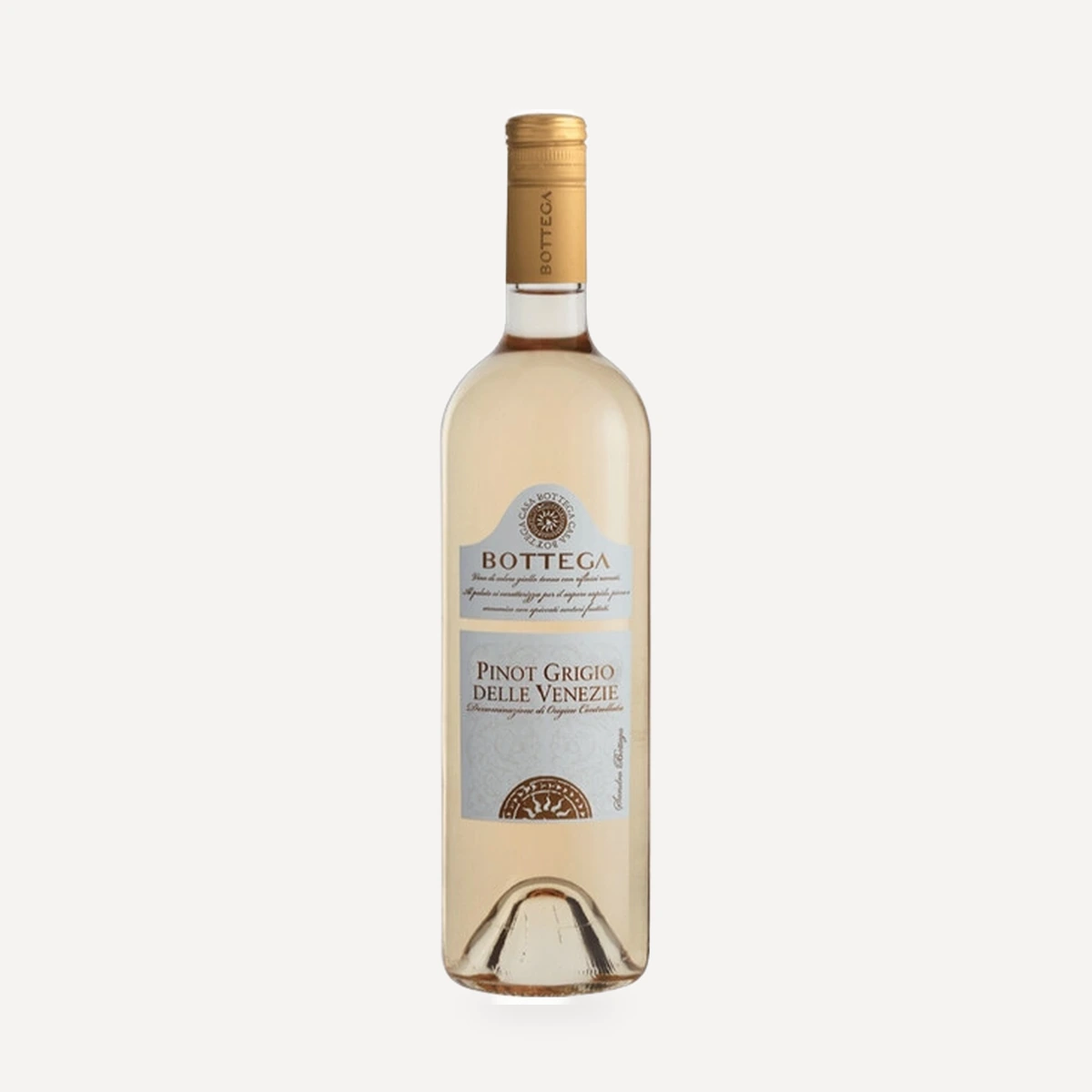
Pinot Grigio
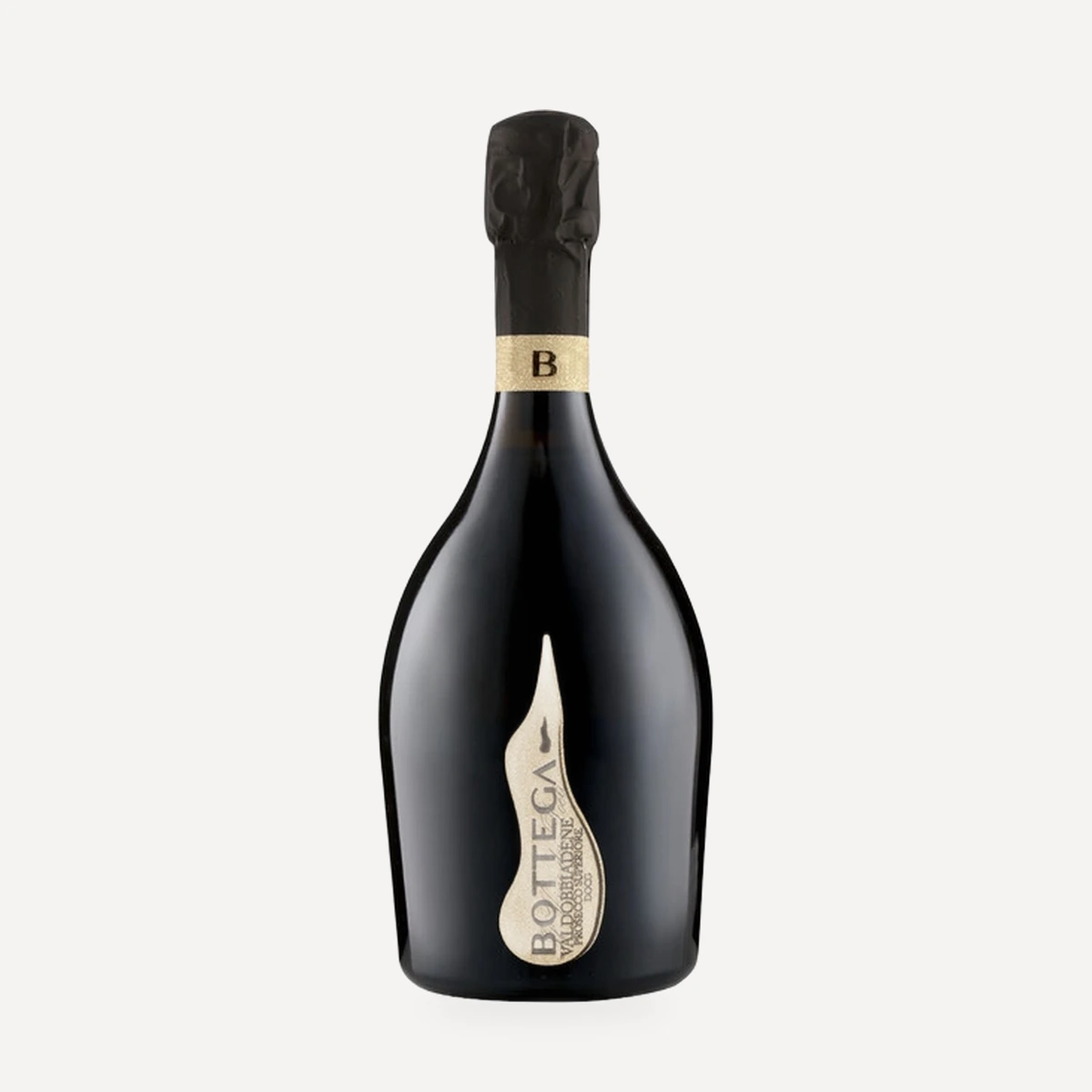
Il Vino dei Poeti Valdobbiadene Rive DOCG
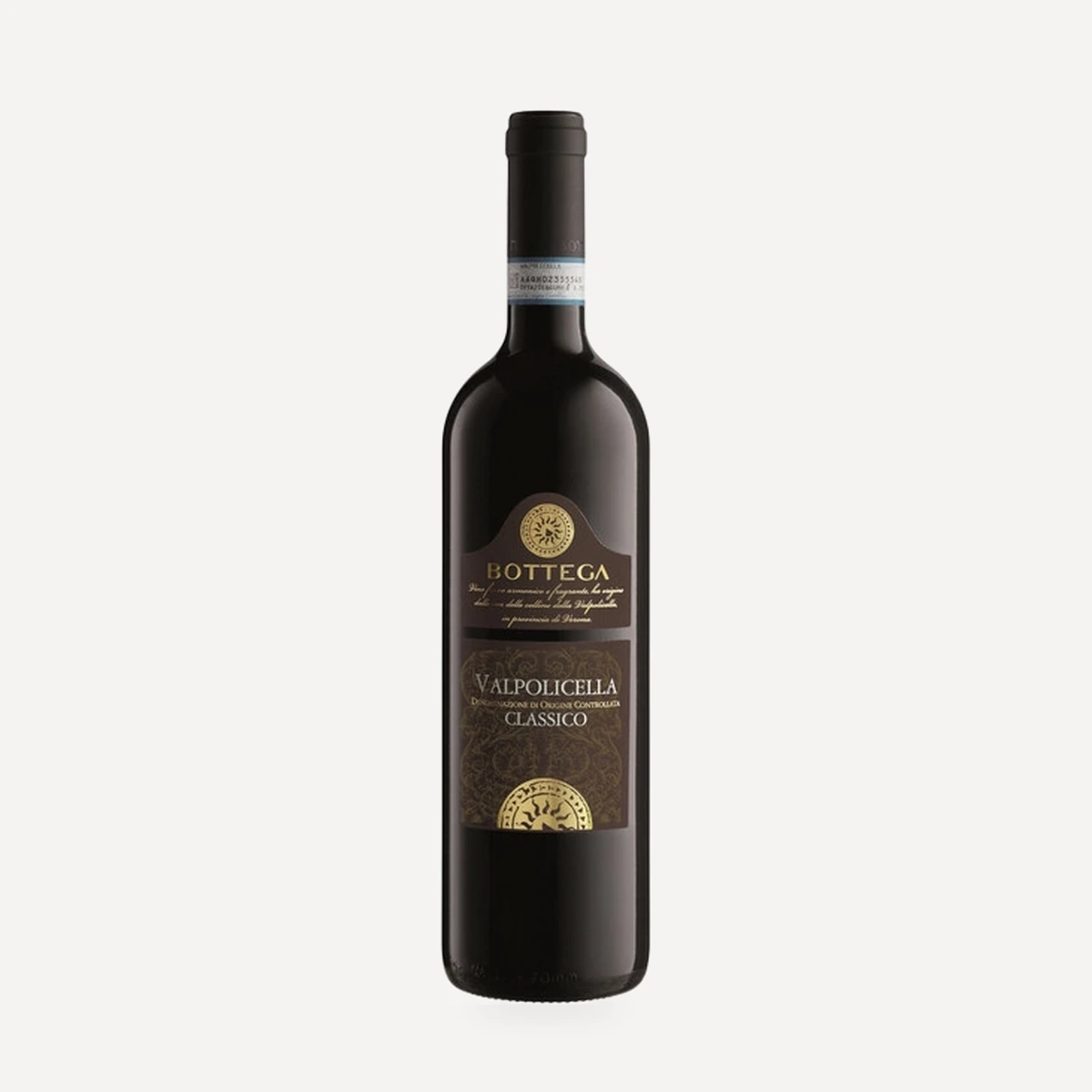
Valpolicella Classico DOC
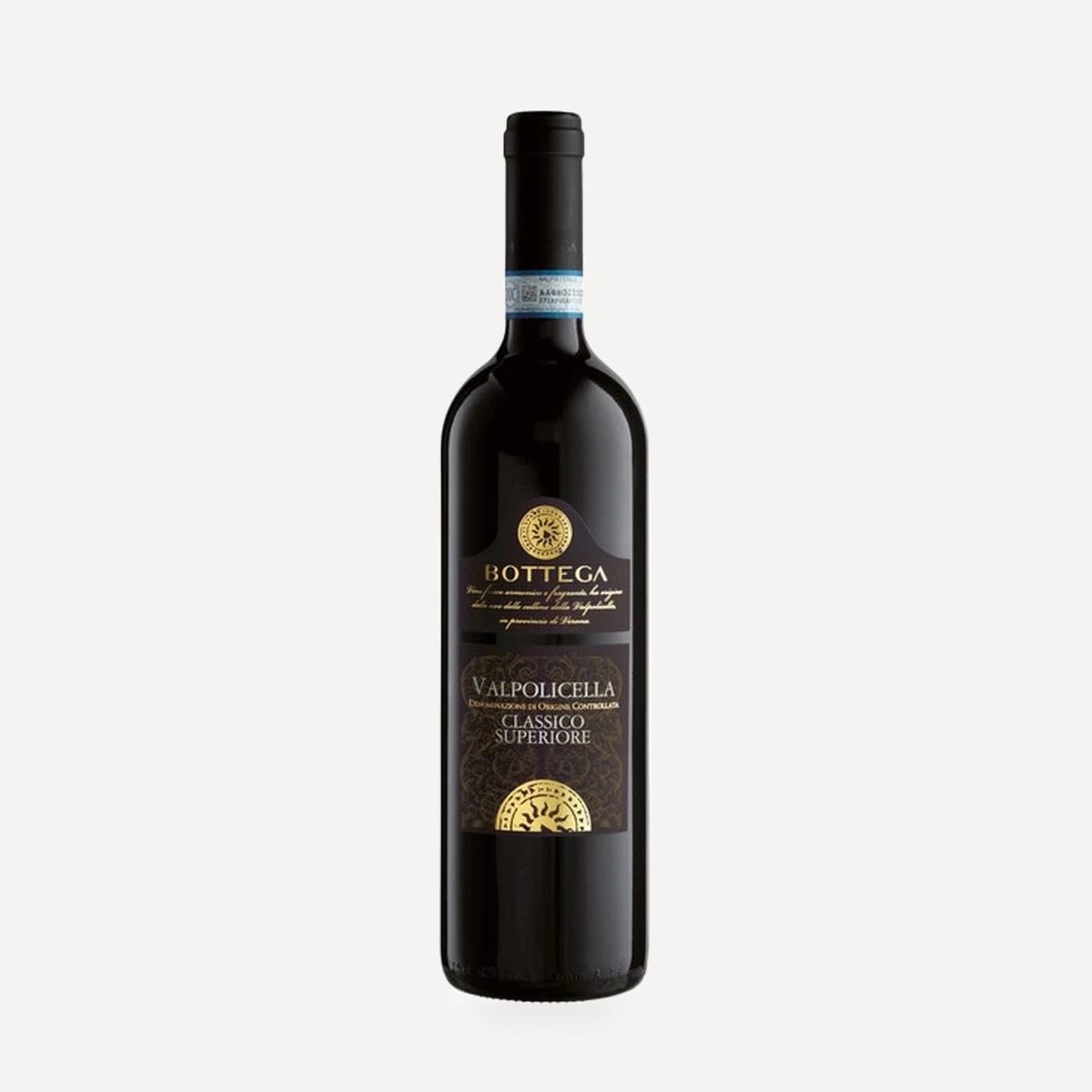
Valpolicella Classico Superiore DOC
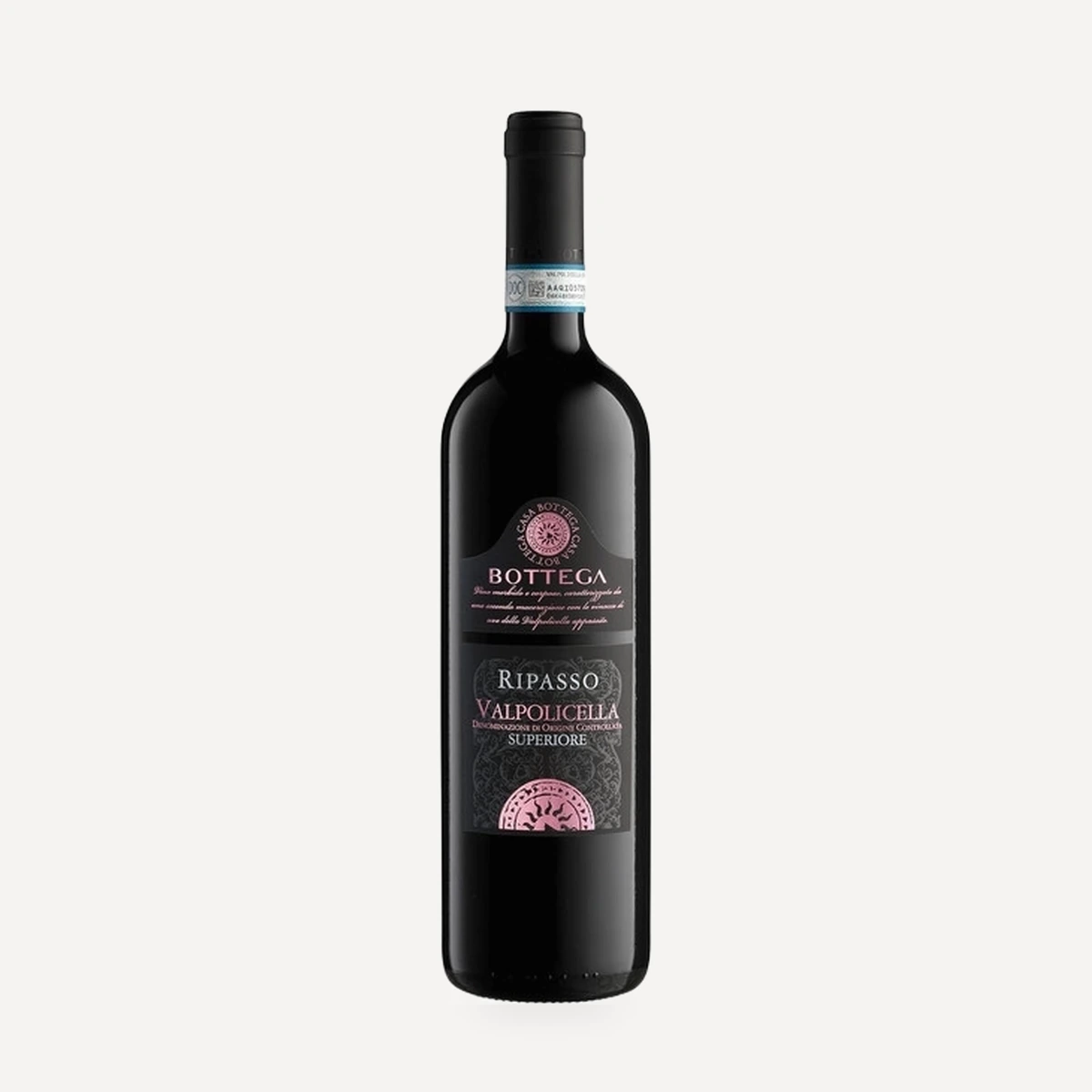
Ripasso Valpolicella Superiore DOC
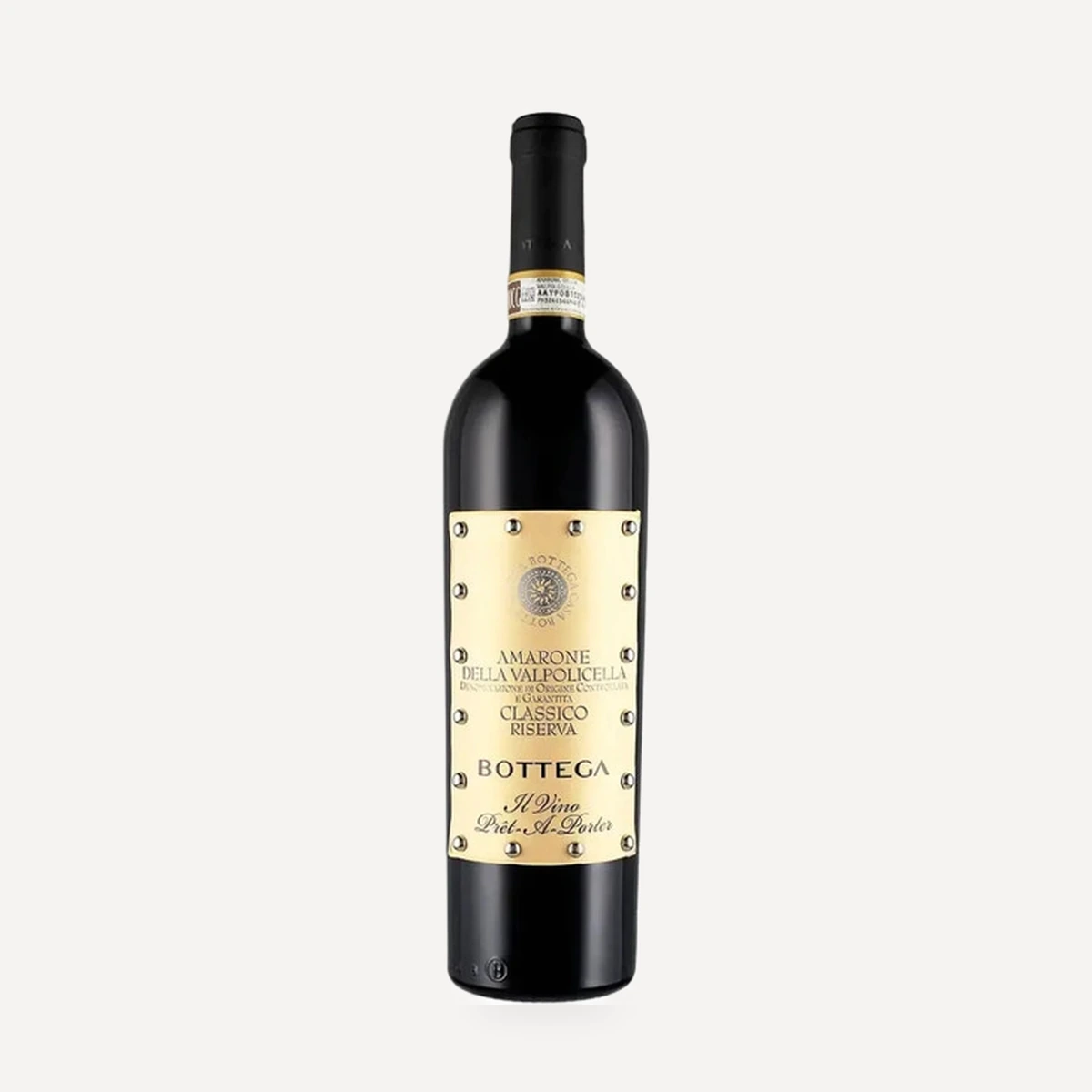
Prêt-à-Porter Amarone della Valpolicella Classico Riserva DOCG
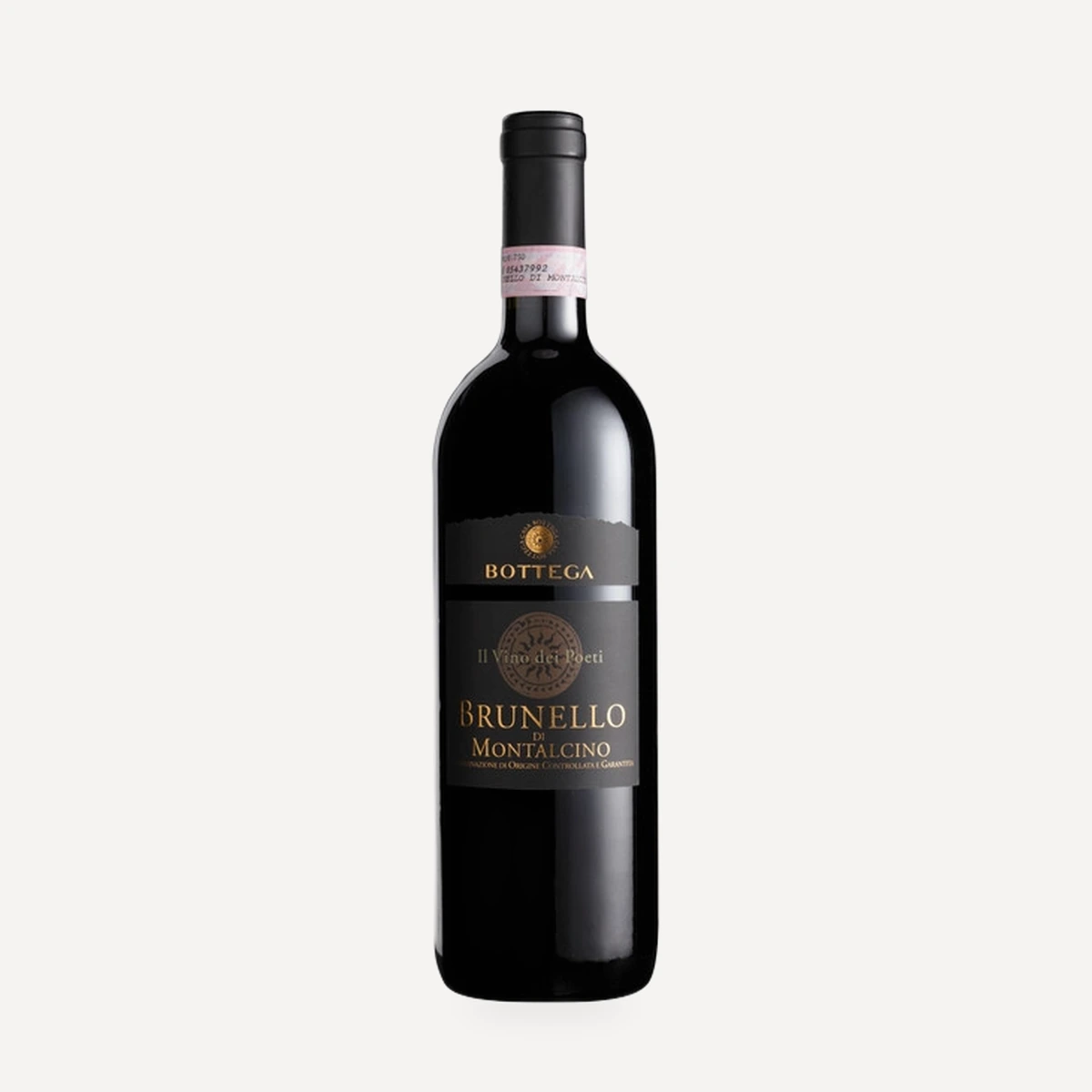
Brunello di Montalcino DOCG
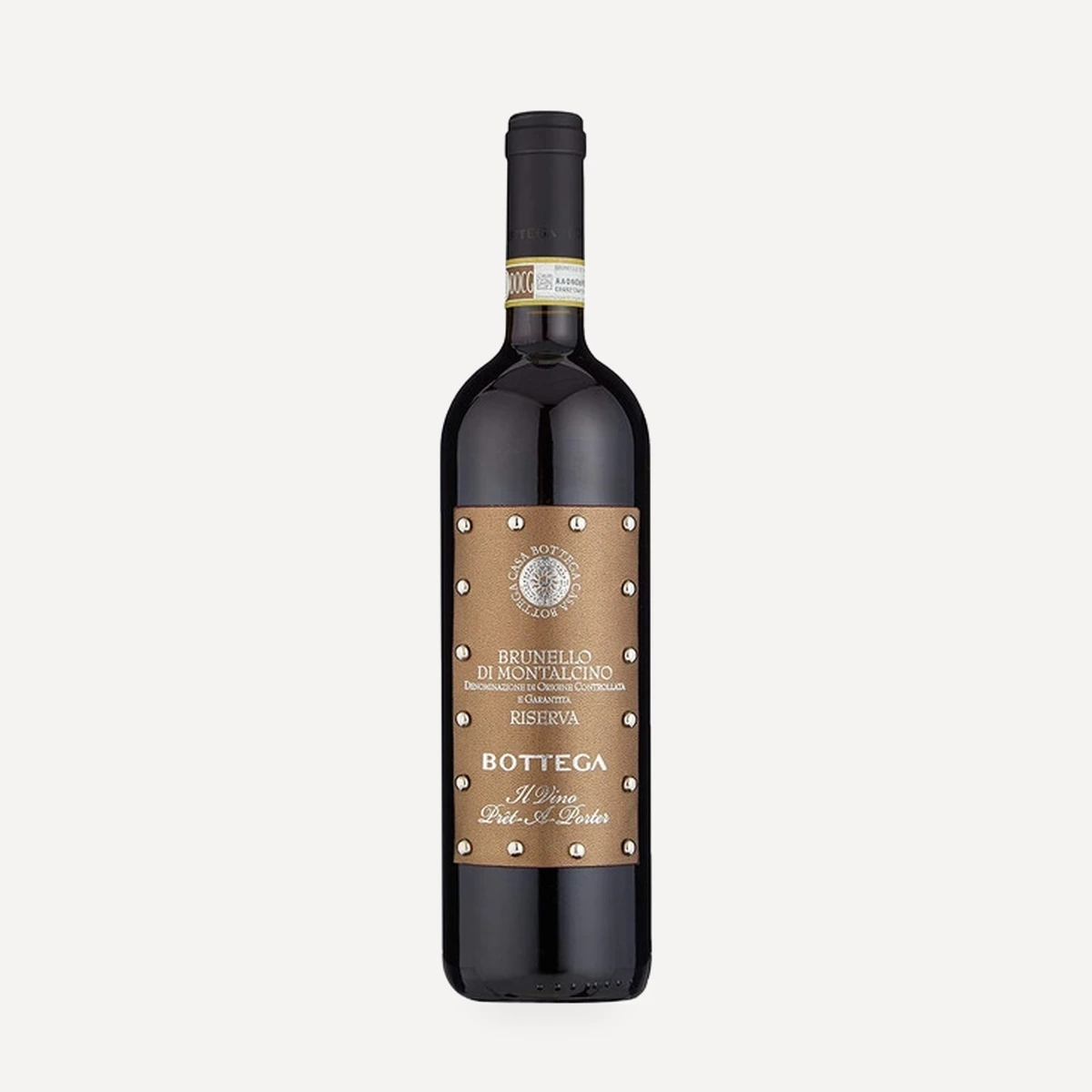
Prêt-à-Porter Brunello di Montalcino Riserva DOCG
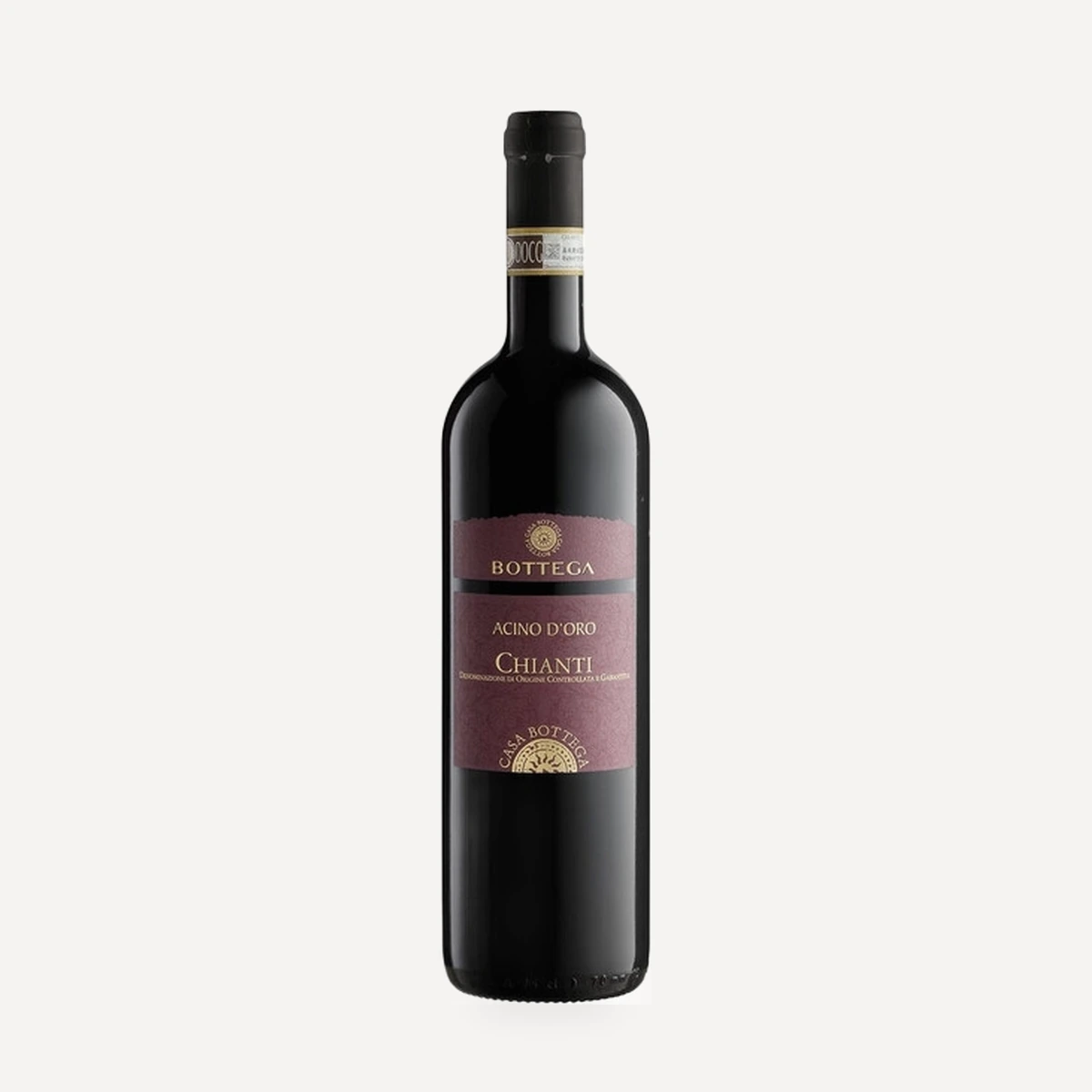
Acino d’Oro Chianti DOCG
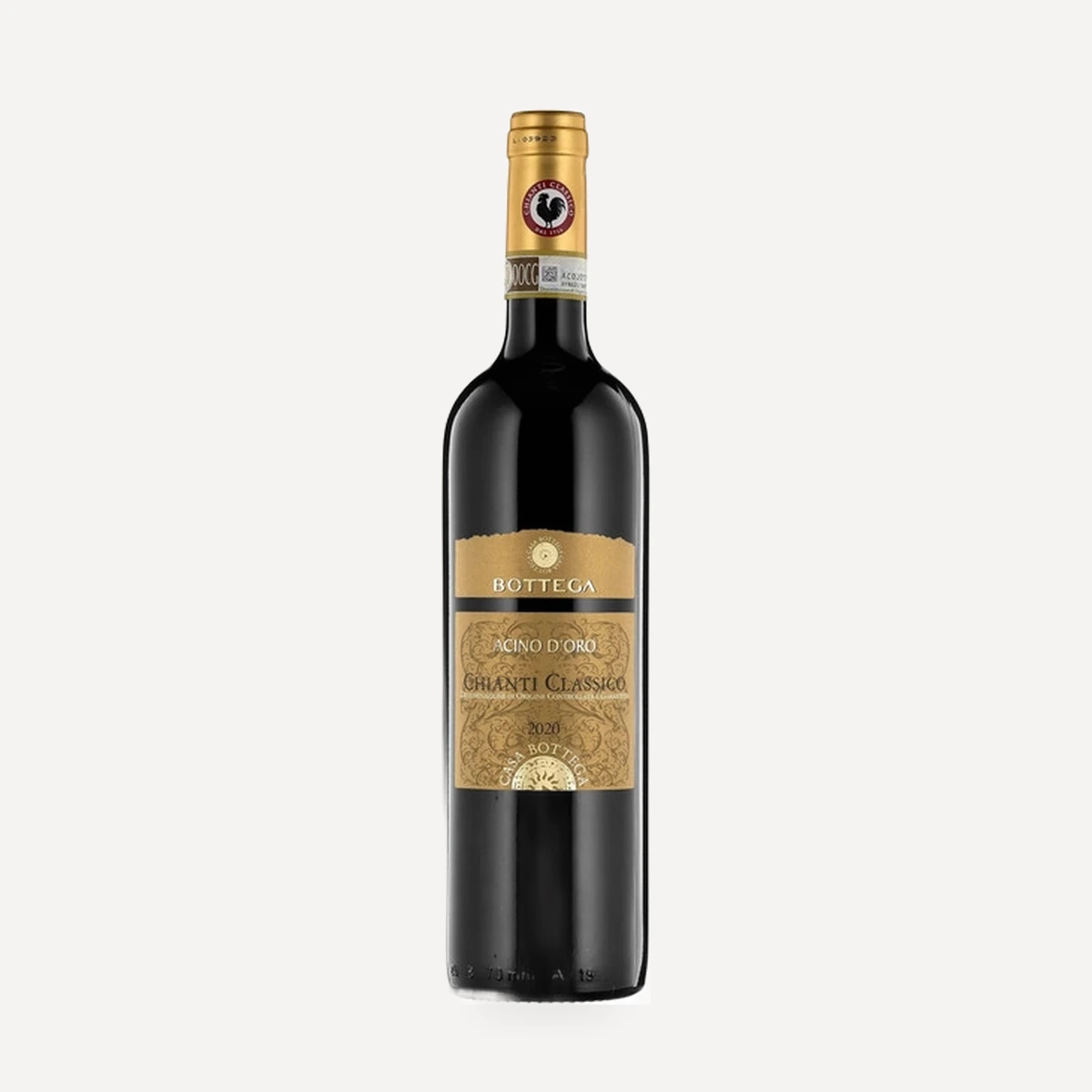
Acino d’Oro Chianti Classico DOCG
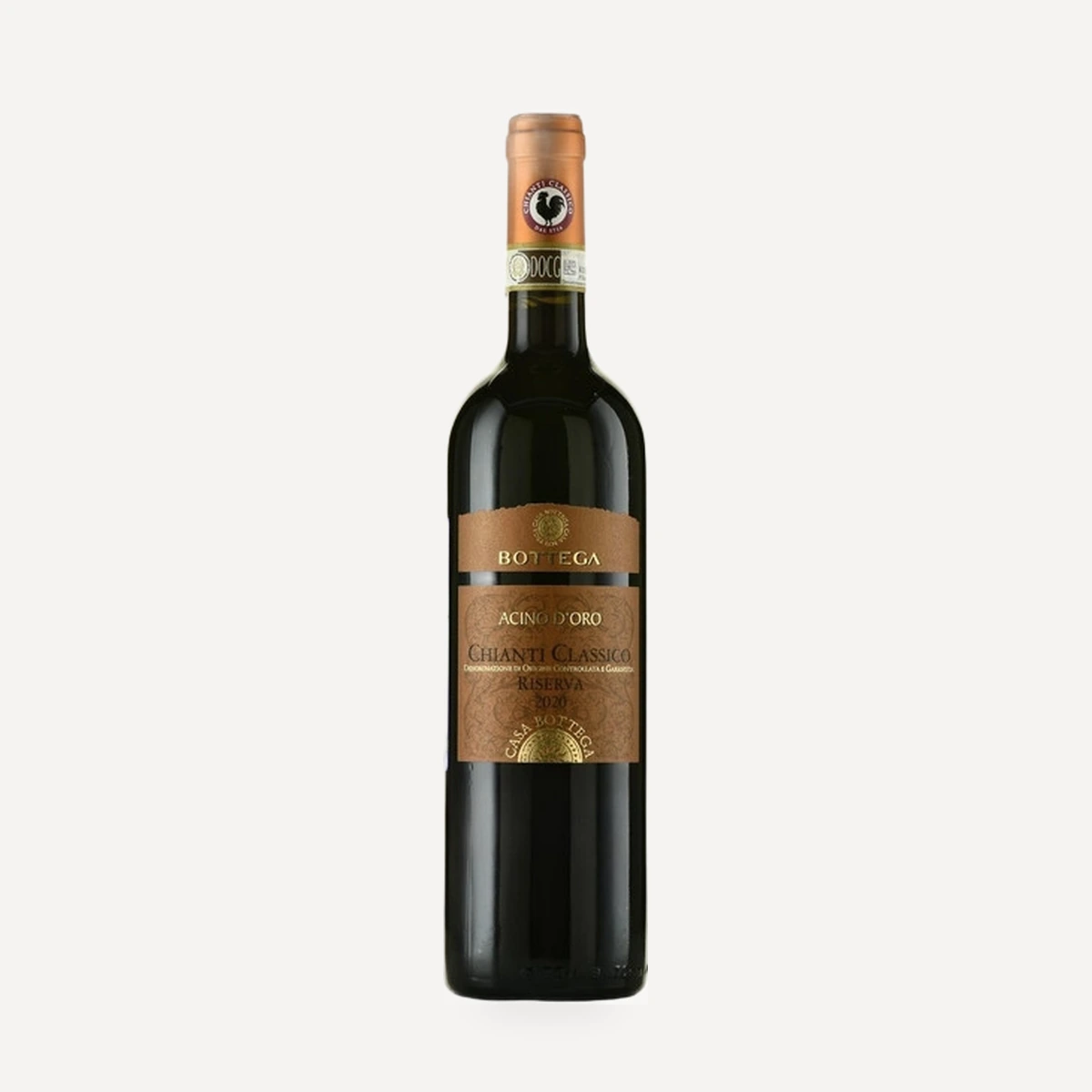
Acino d’Oro Chianti Classico Riserva DOCG
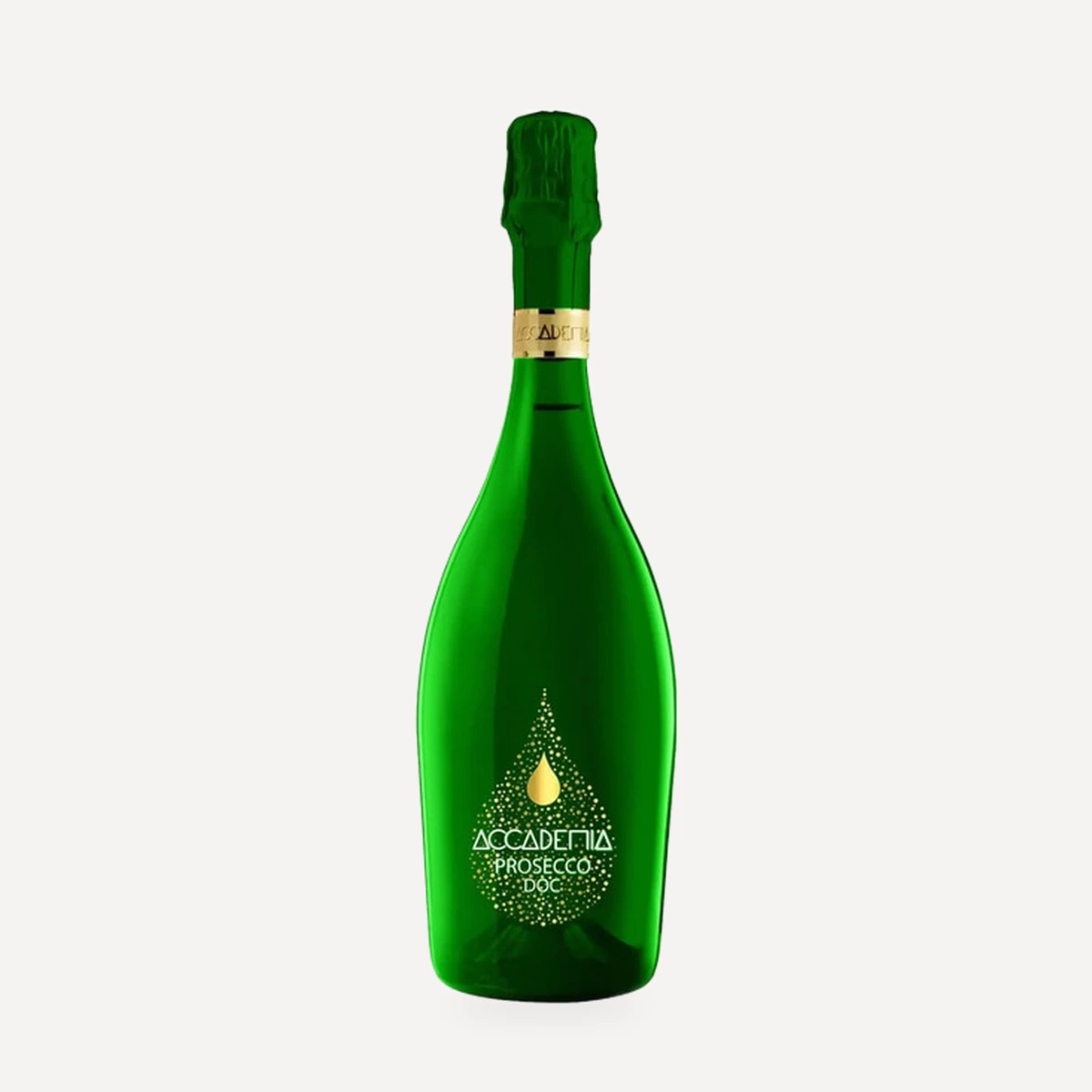
Accademia Prosecco Brut DOC
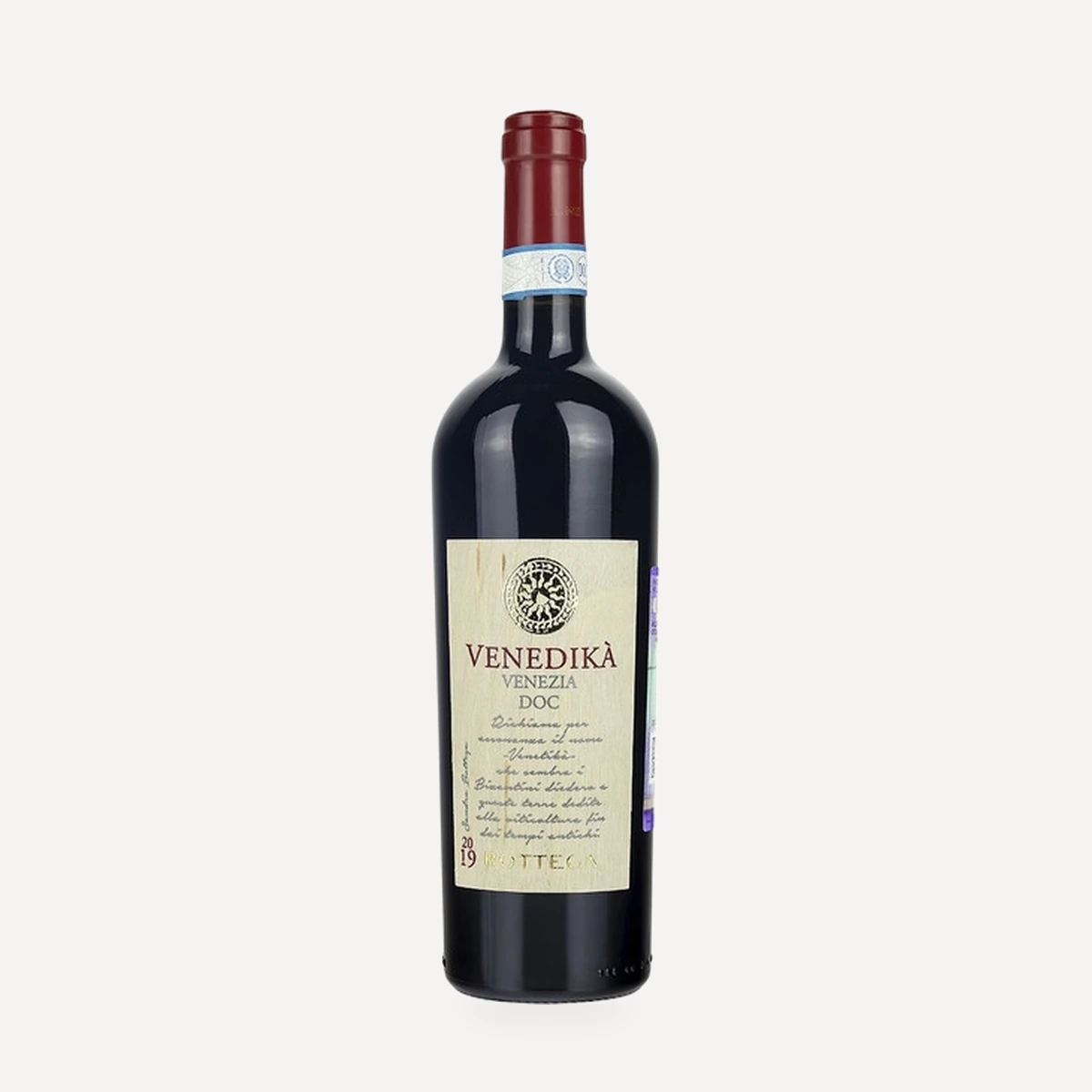
Venedika’ Venezia DOC
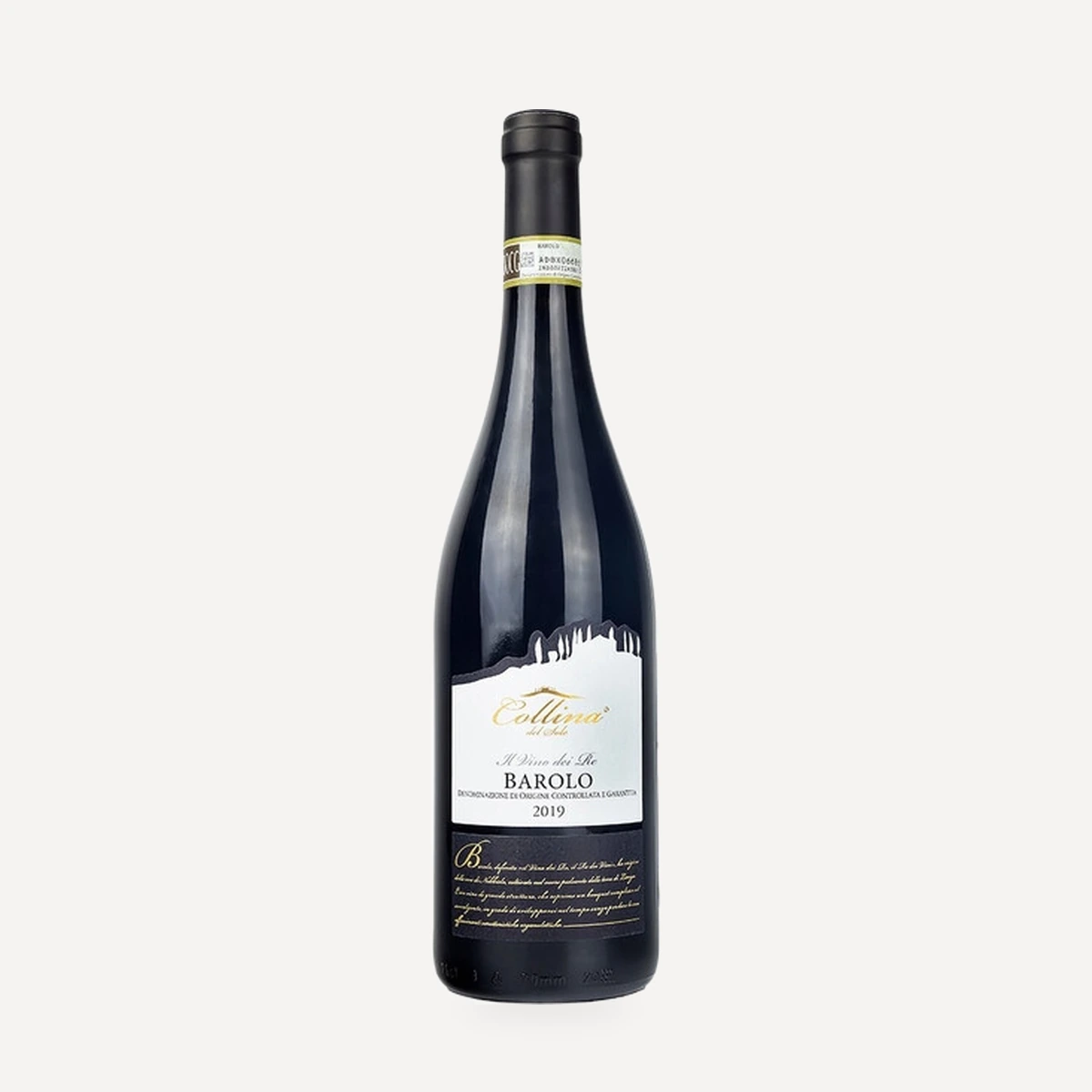
Collina del Sole Barolo DOCG
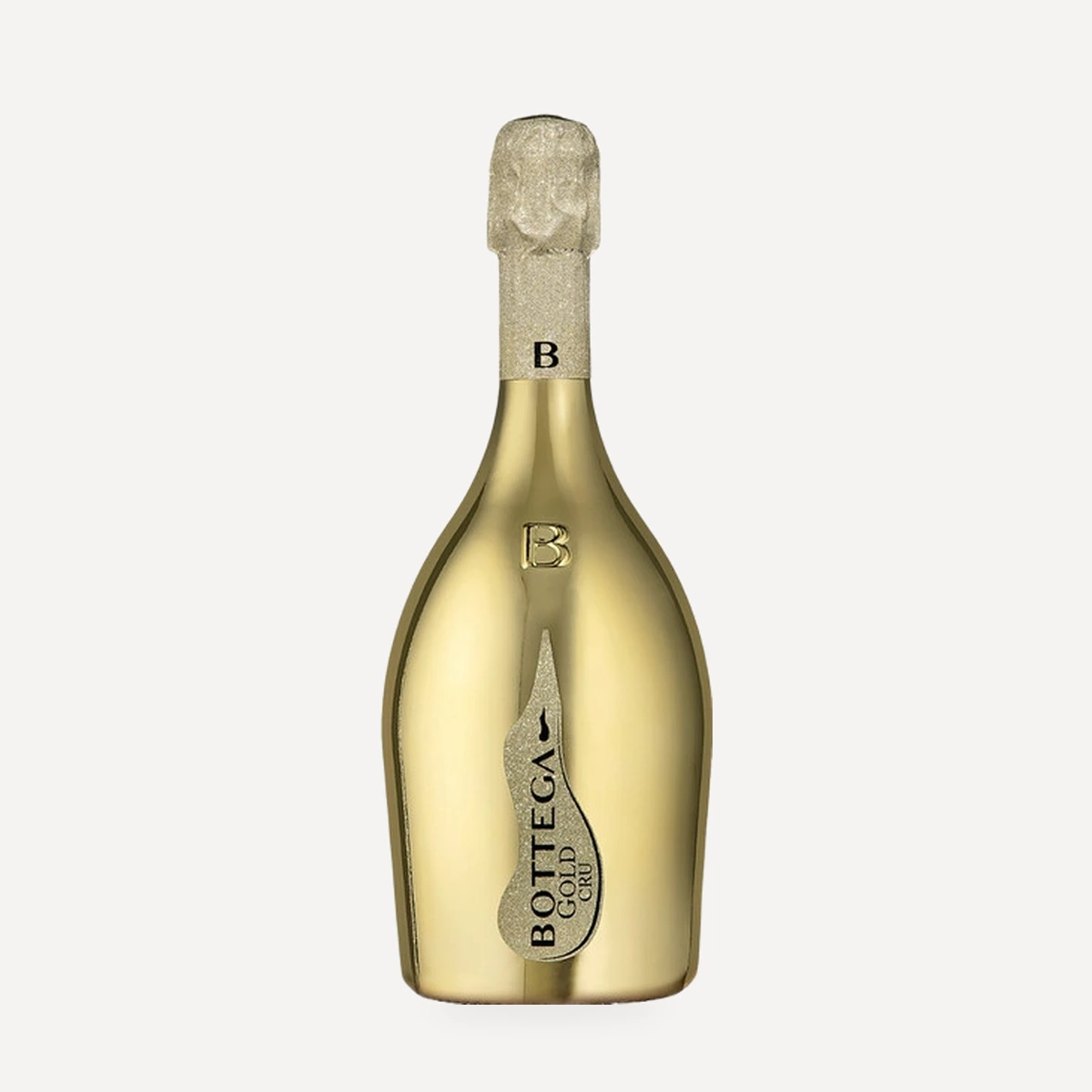
Bottega Gold Cru
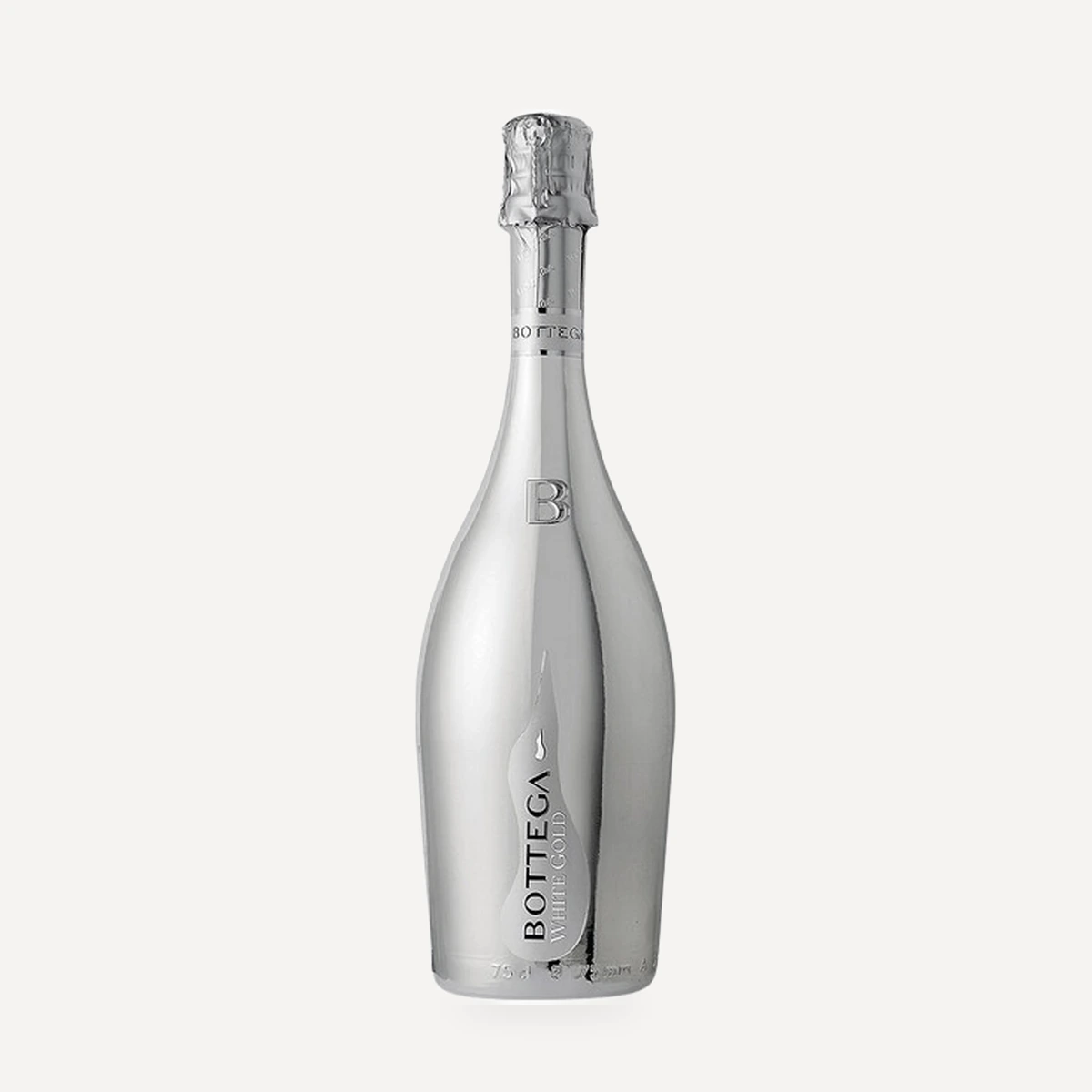
Bottega White Gold
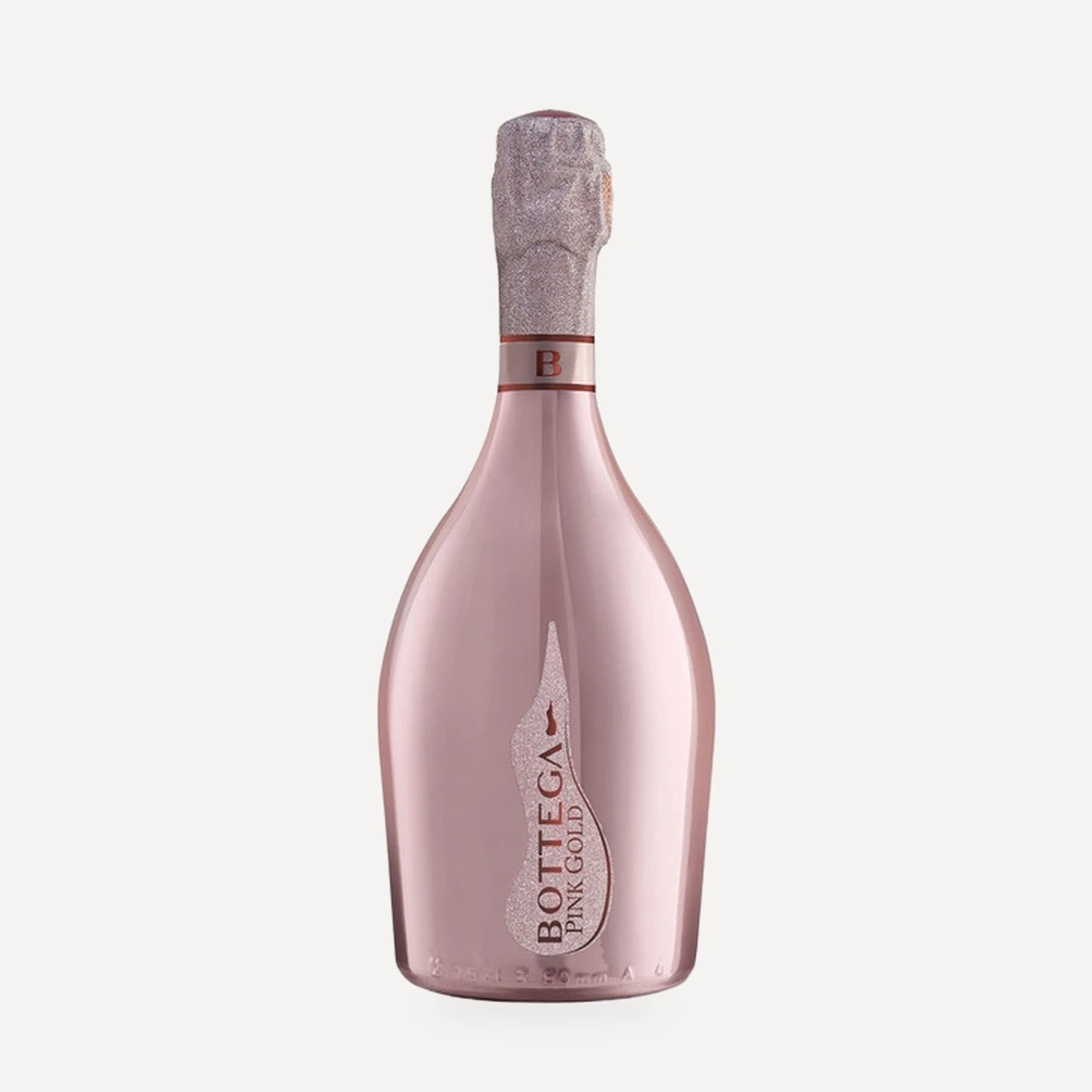
Pink Gold Prosecco Rosé DOC
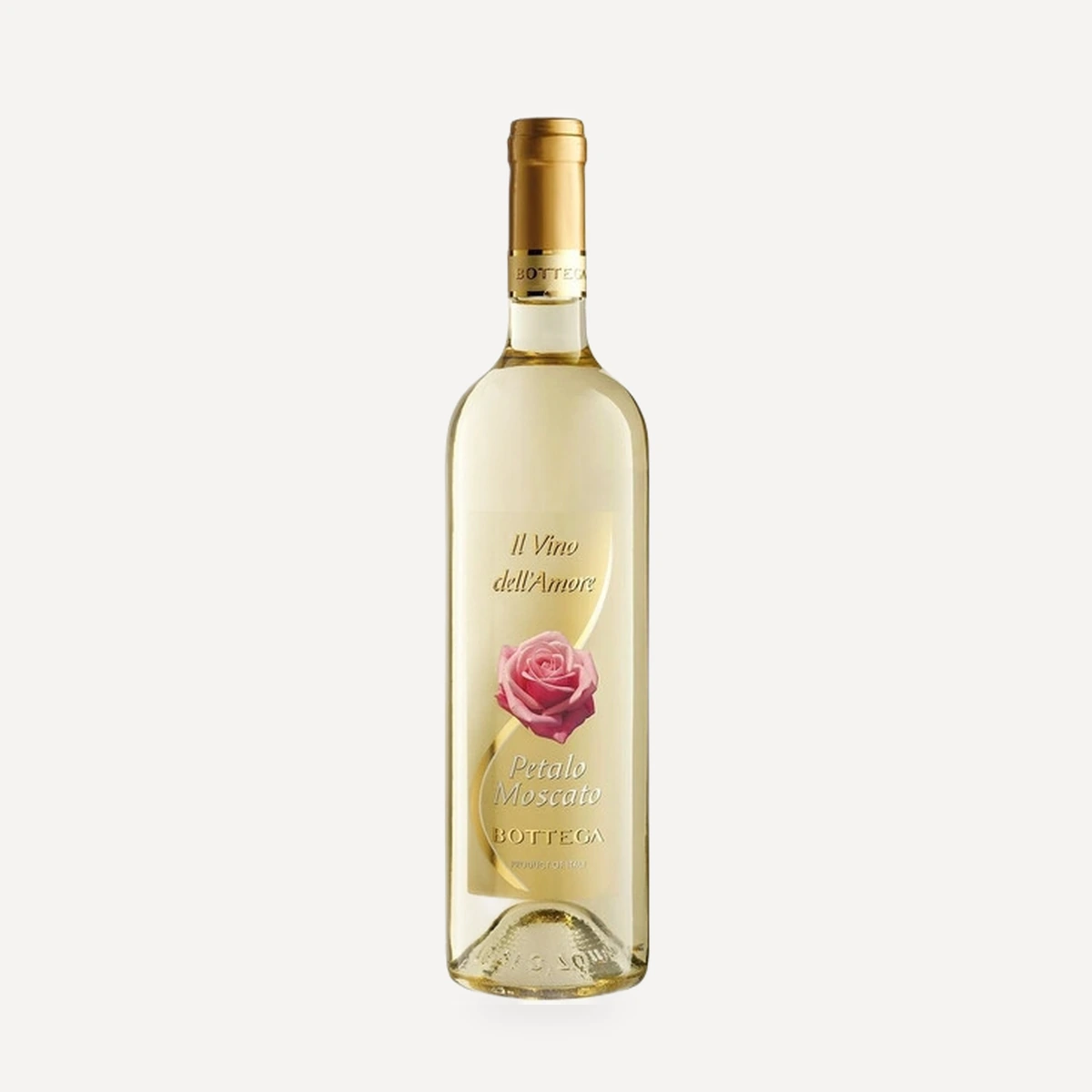
Petalo Moscato
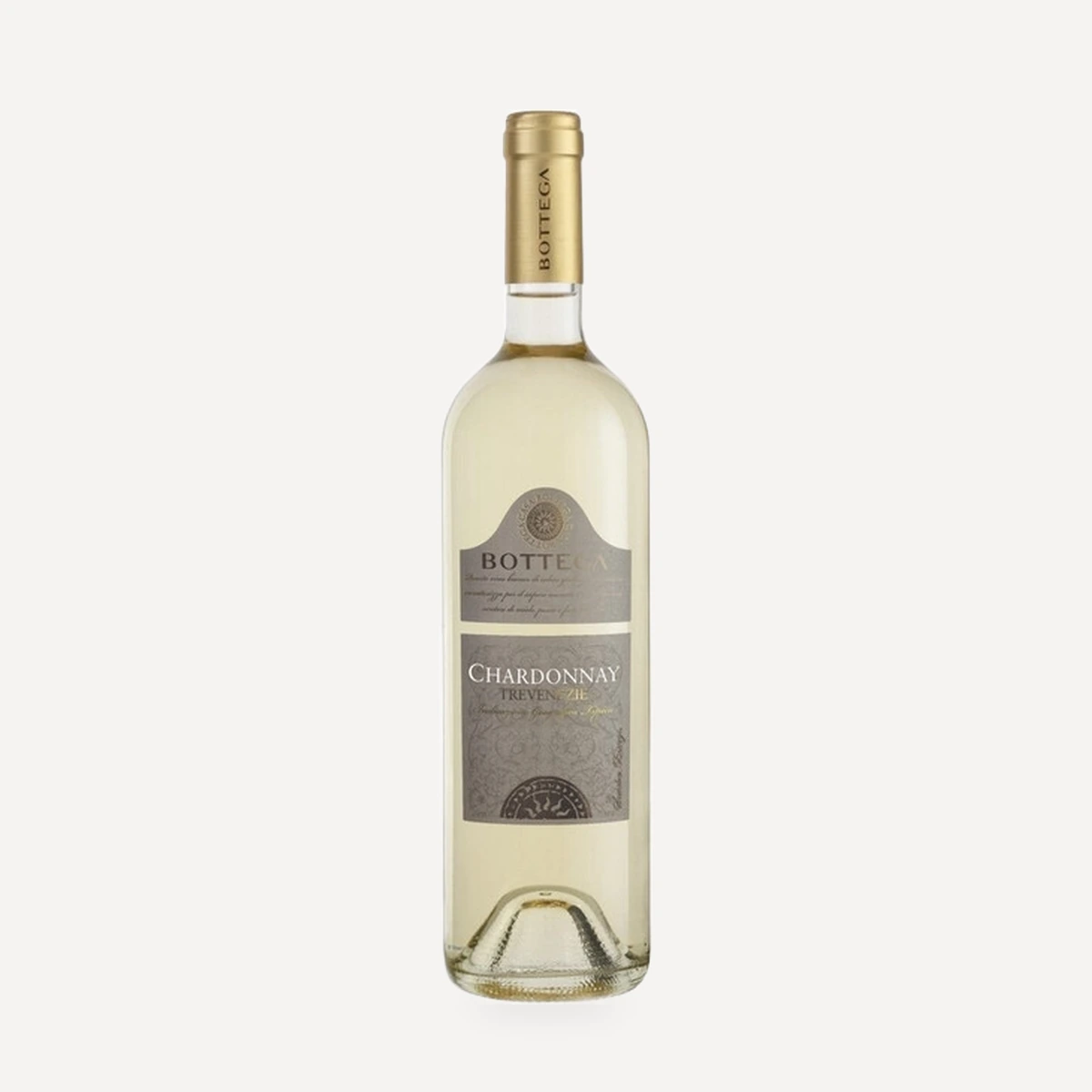
Chardonnay
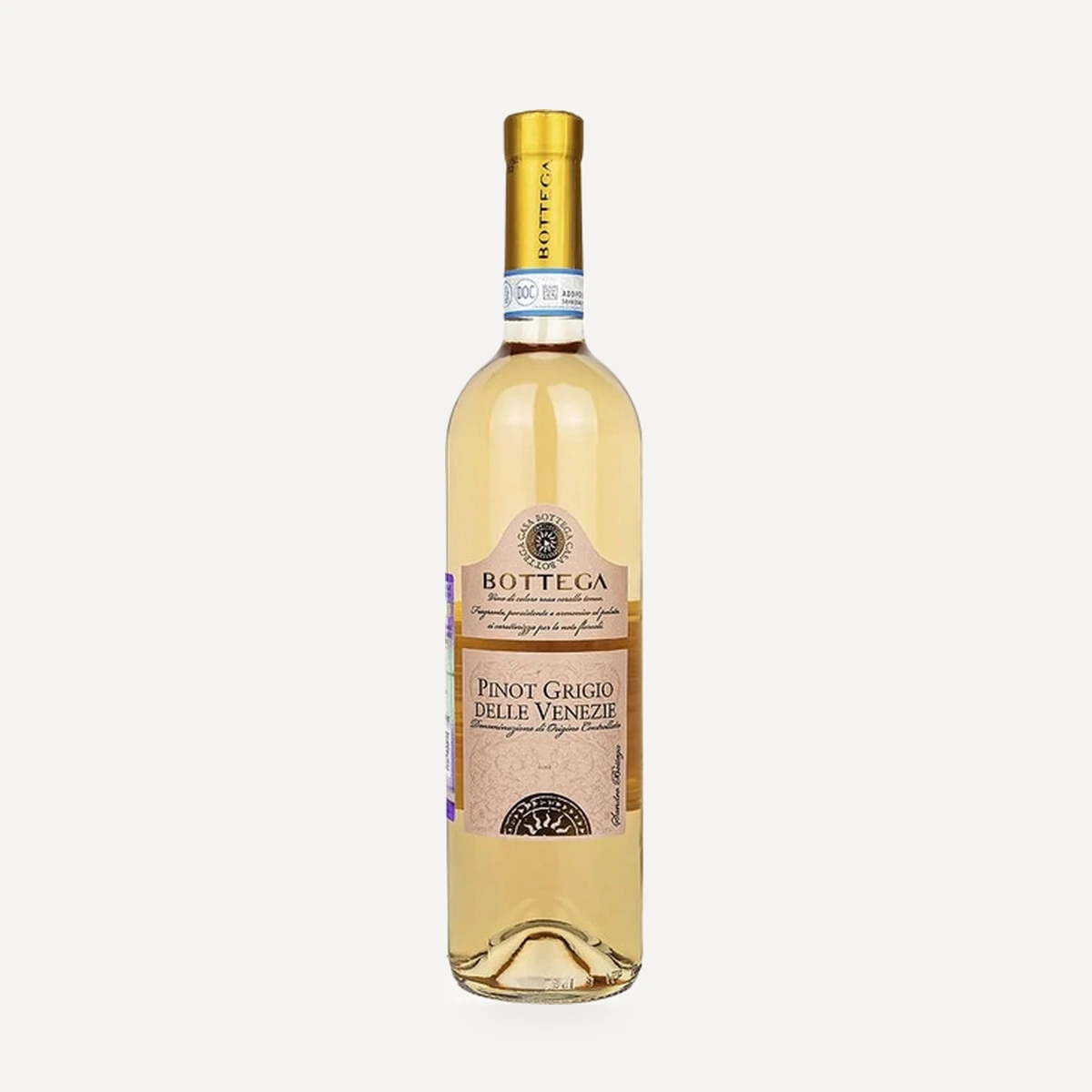
Pinot Grigio Rosé
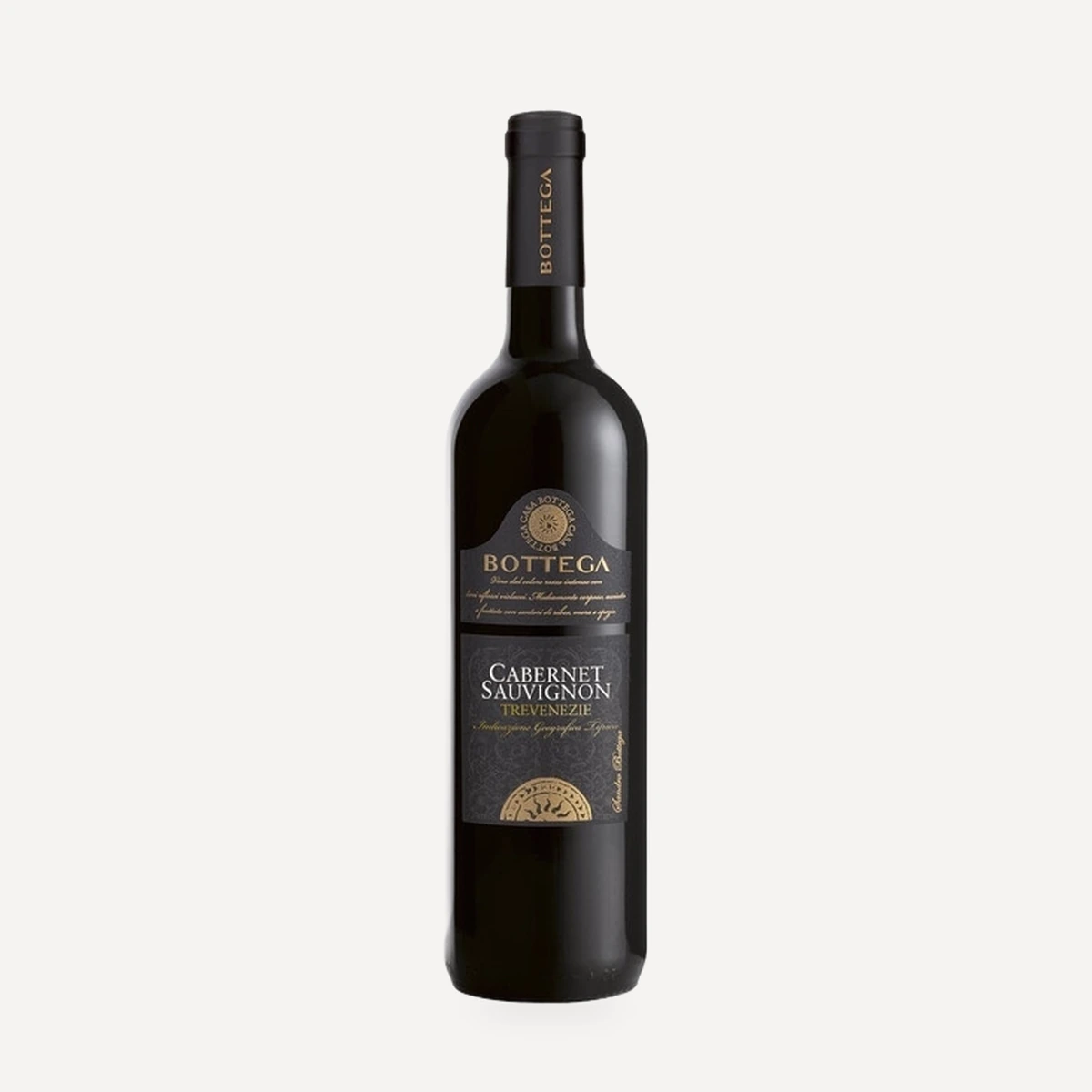
Cabernet Sauvignon
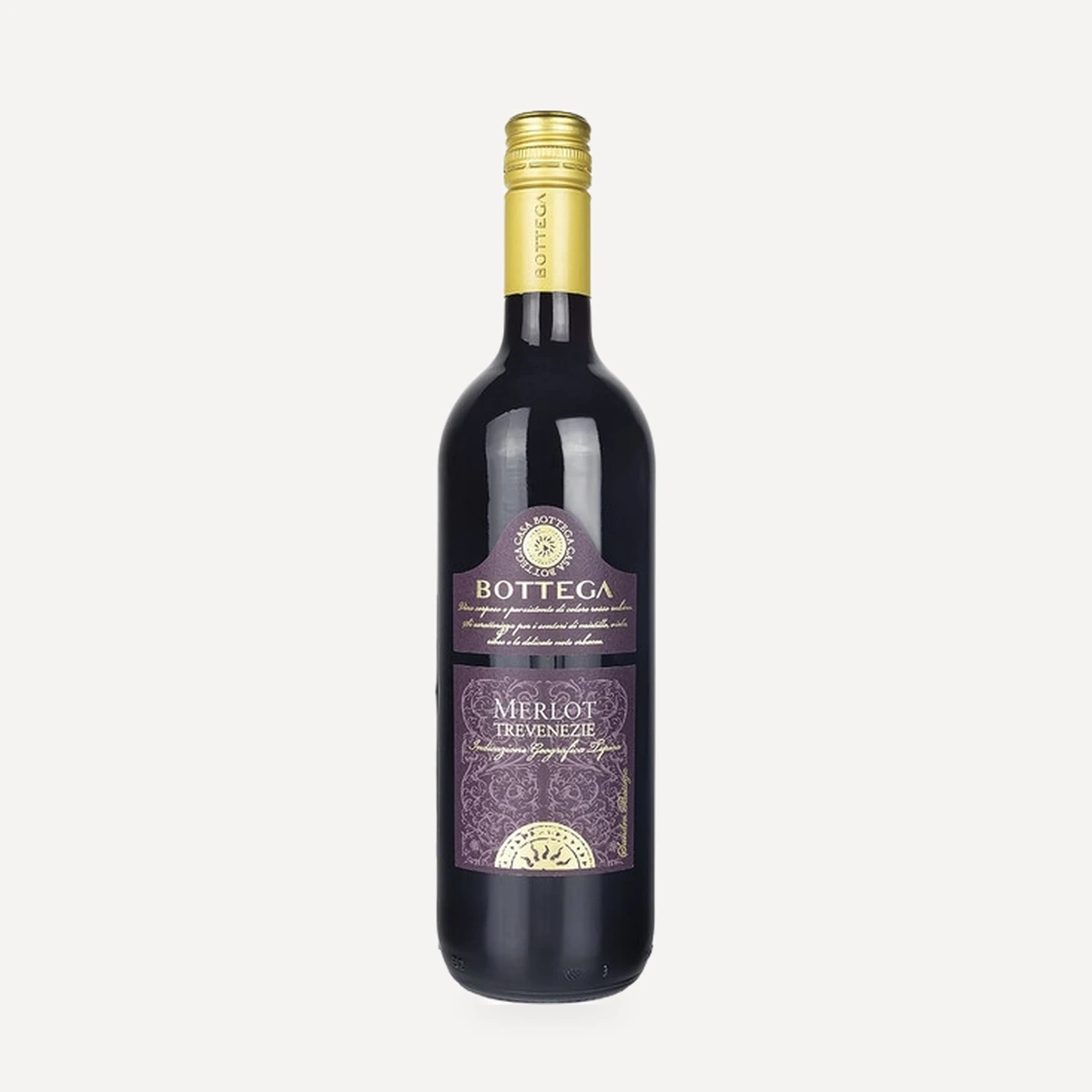
Merlot
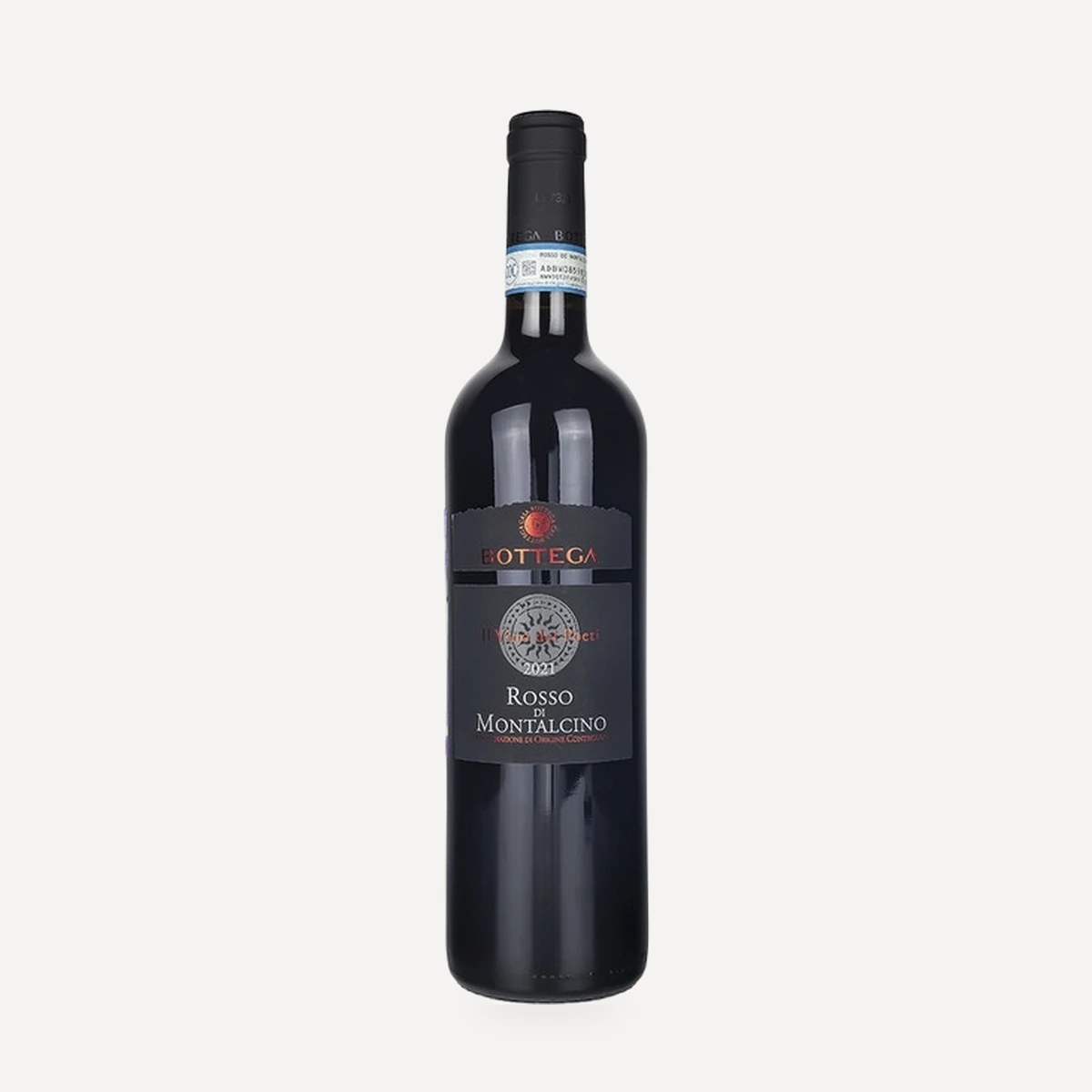
Rosso di Montalcino DOC
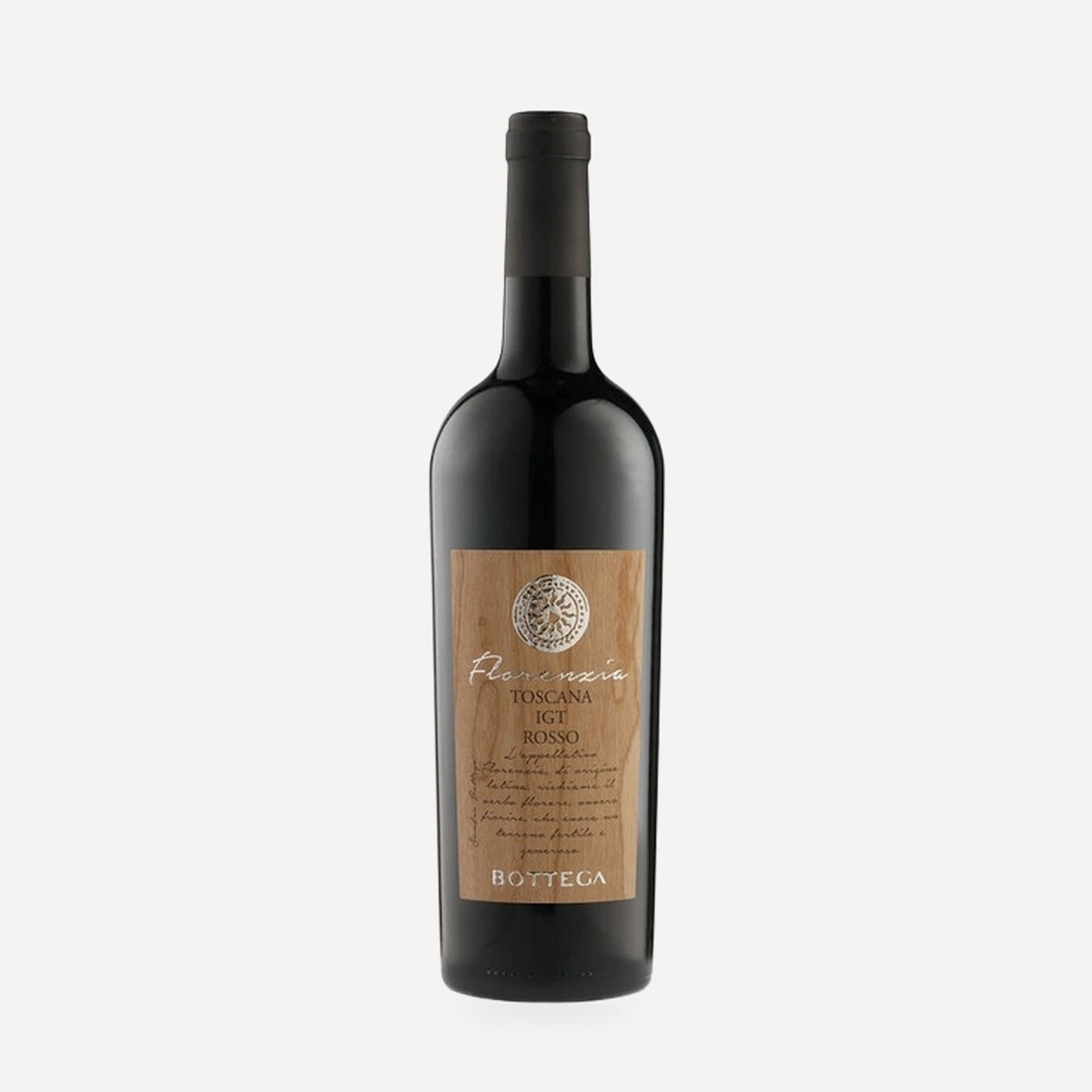
Florenzia
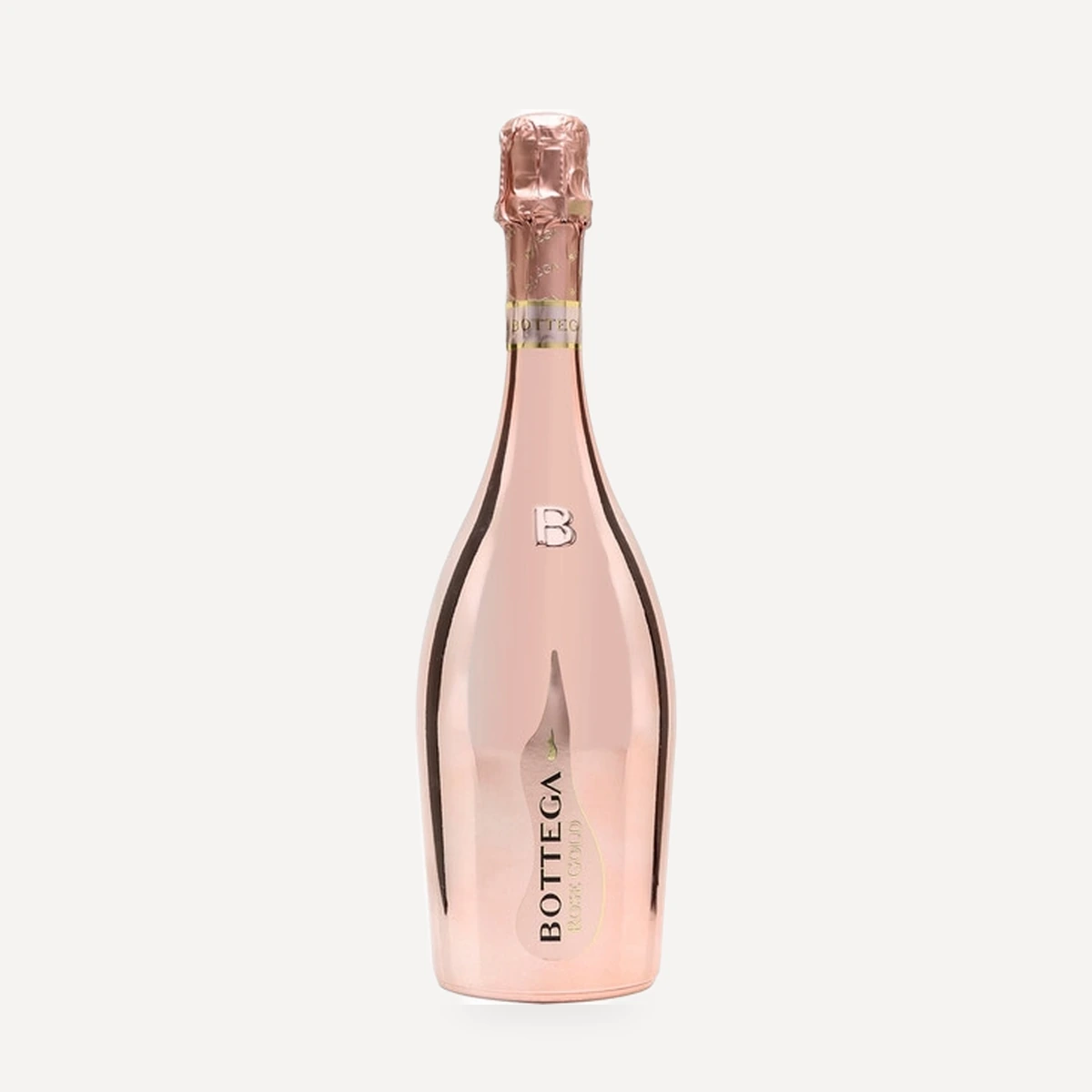
Bottega Rose Gold
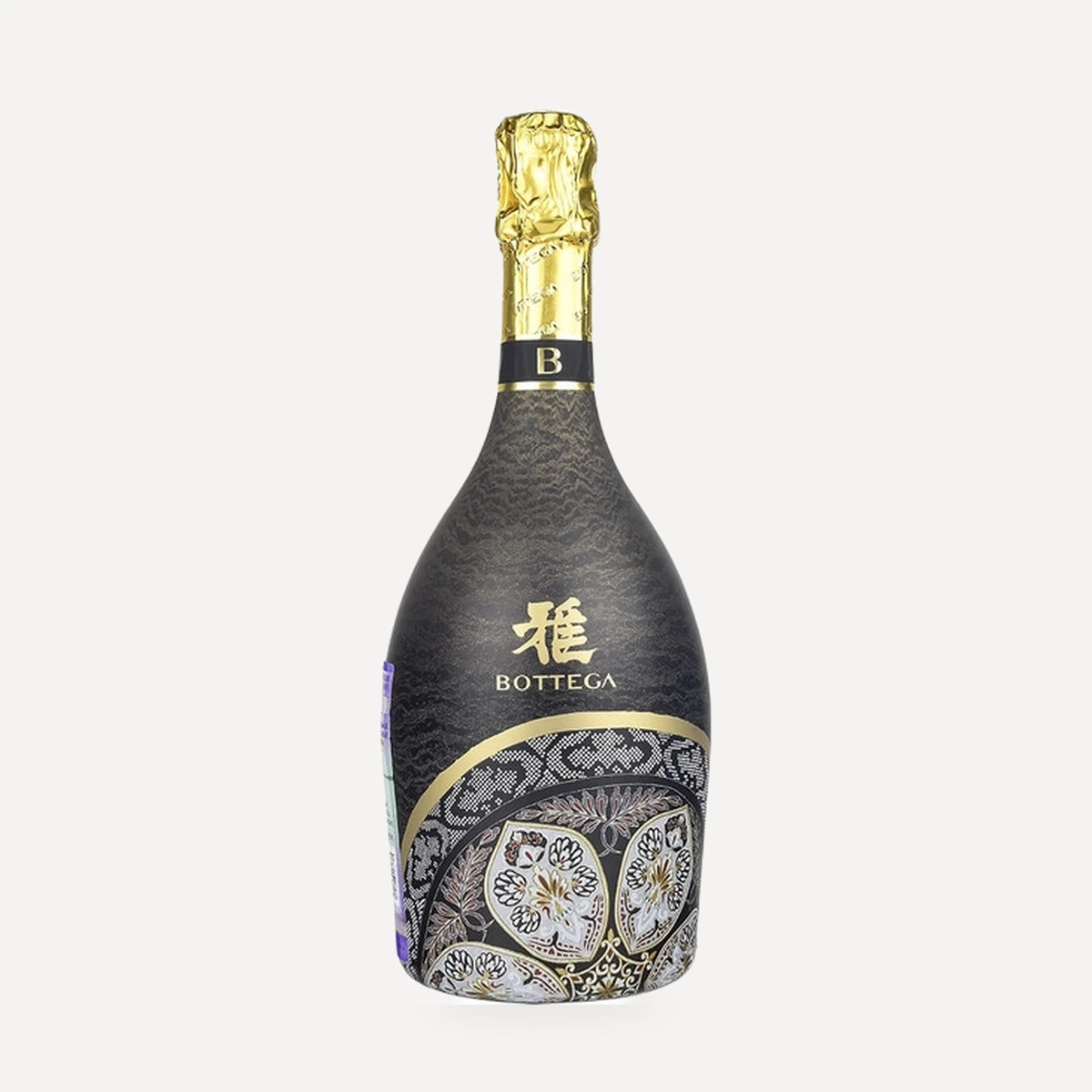
Bottega Miabi
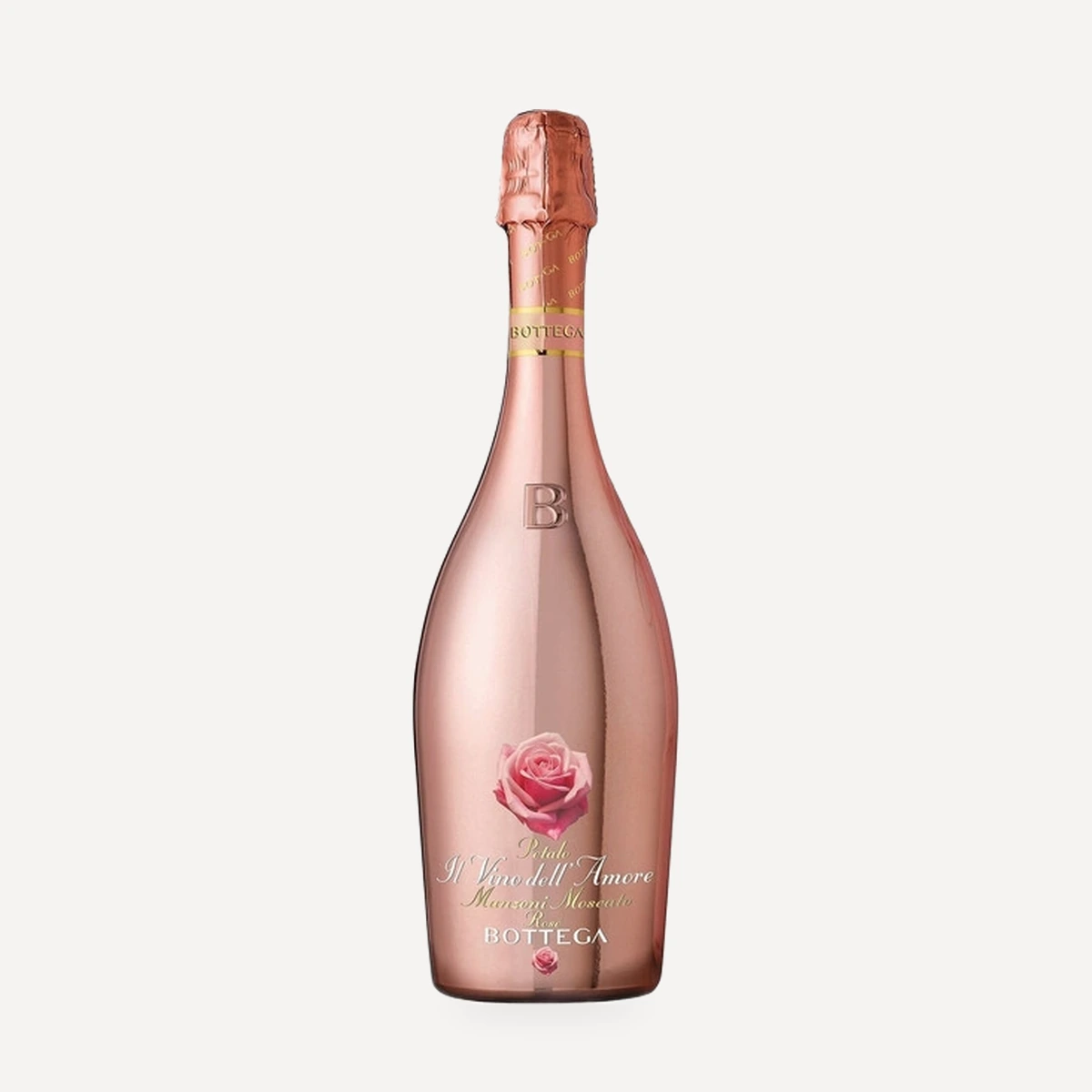
Petalo Manzoni Moscato Rosé
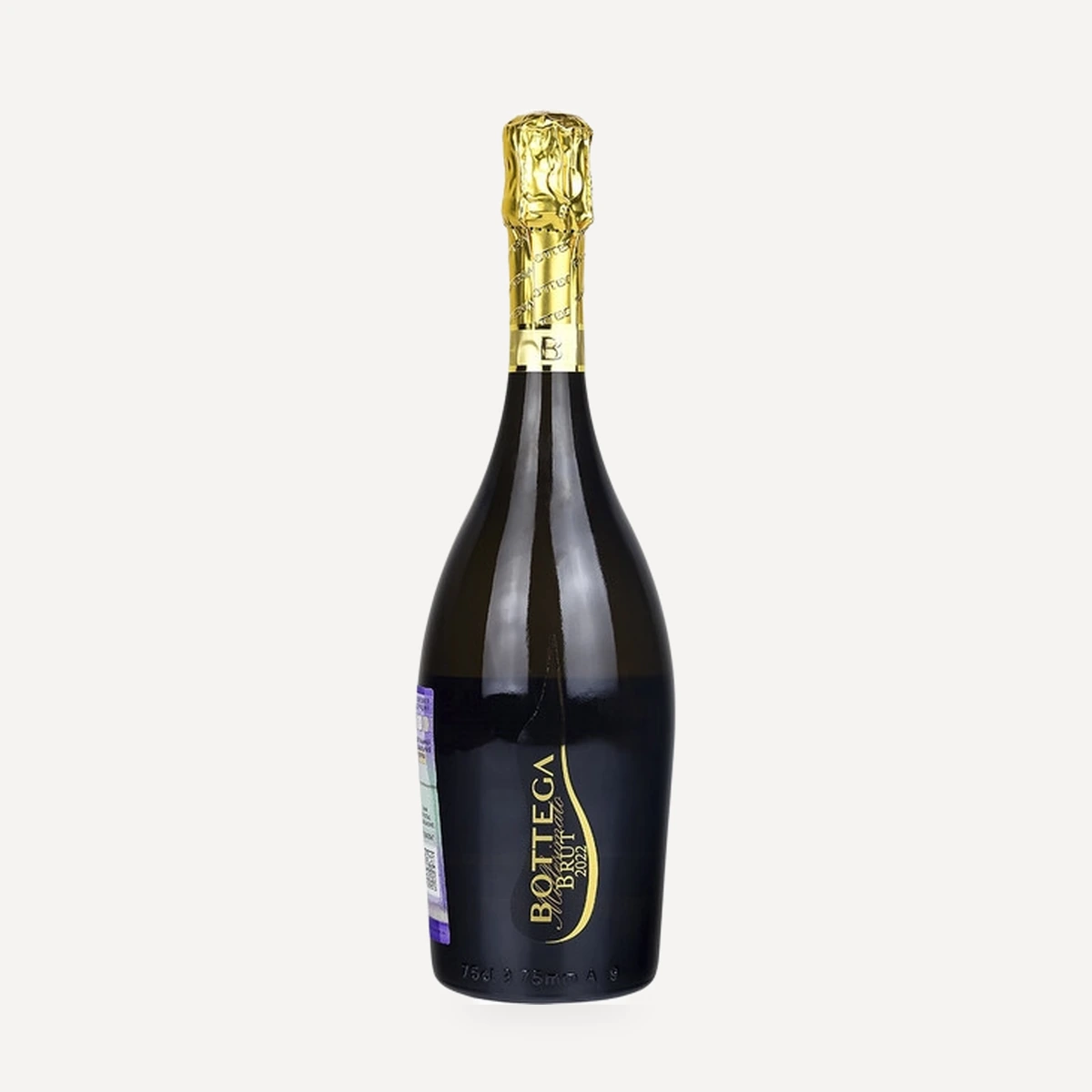
Millesimato Brut
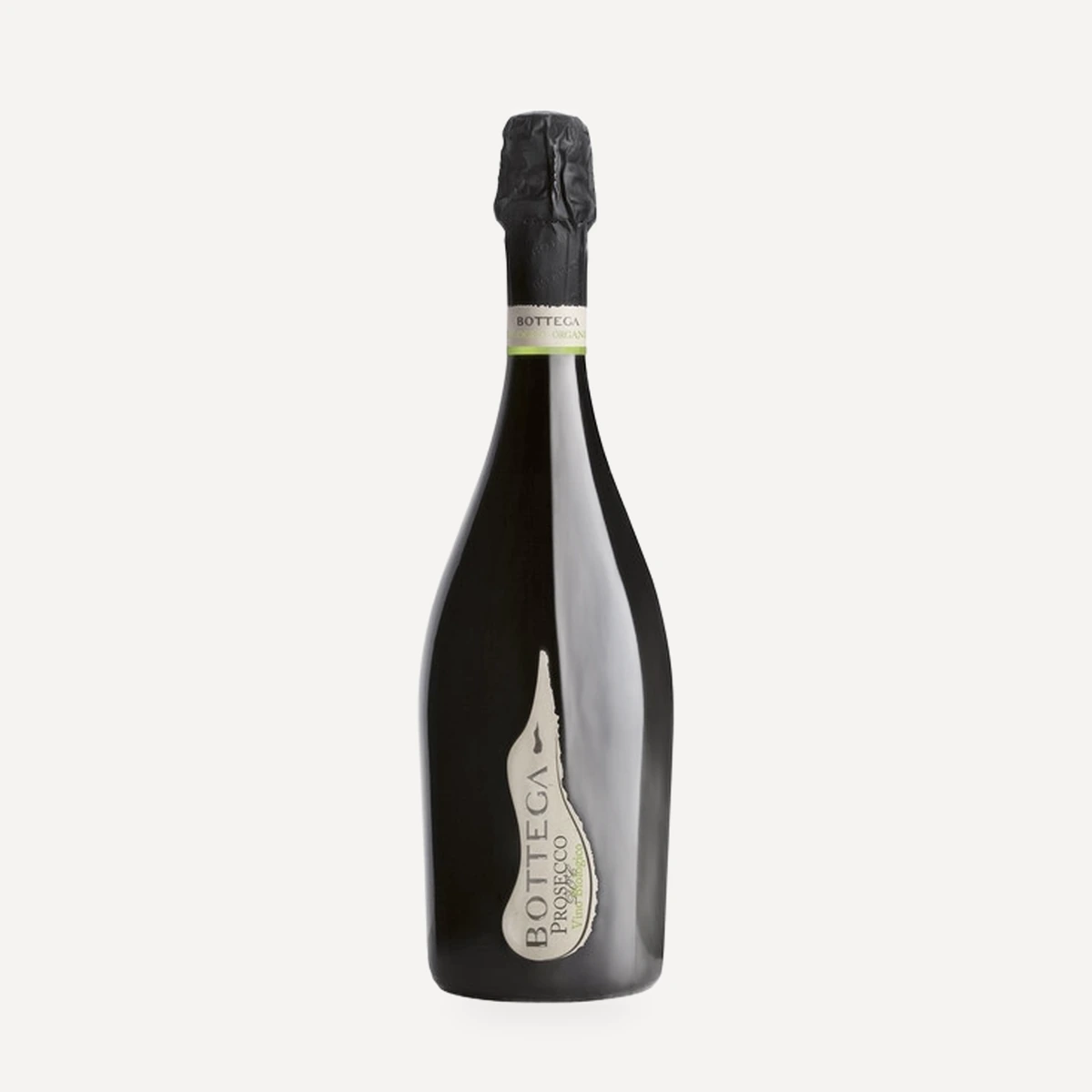
Il Vino dei Poeti Prosecco Extra Dry DOC
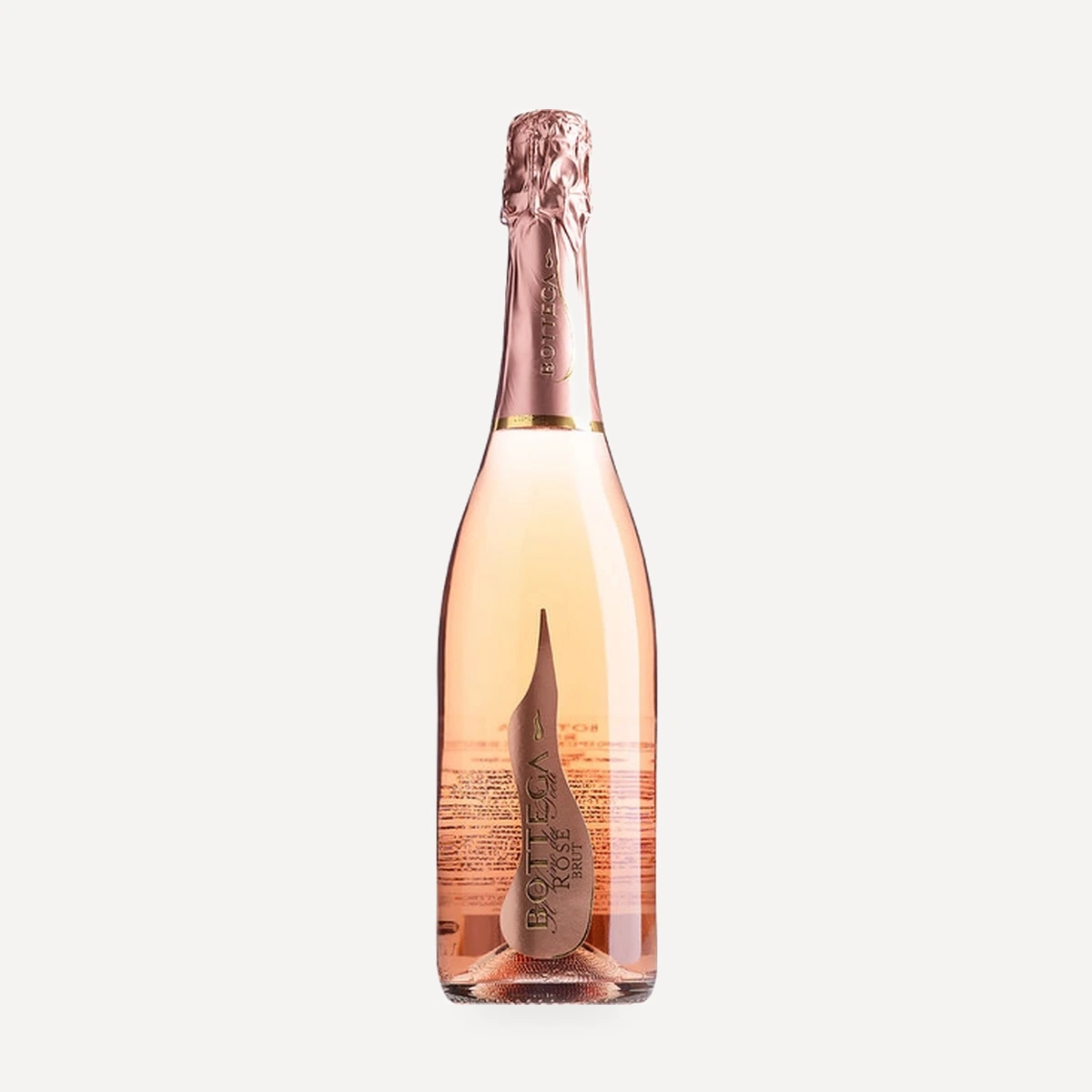
Il Vino dei Poeti Rosé Spumante Brut
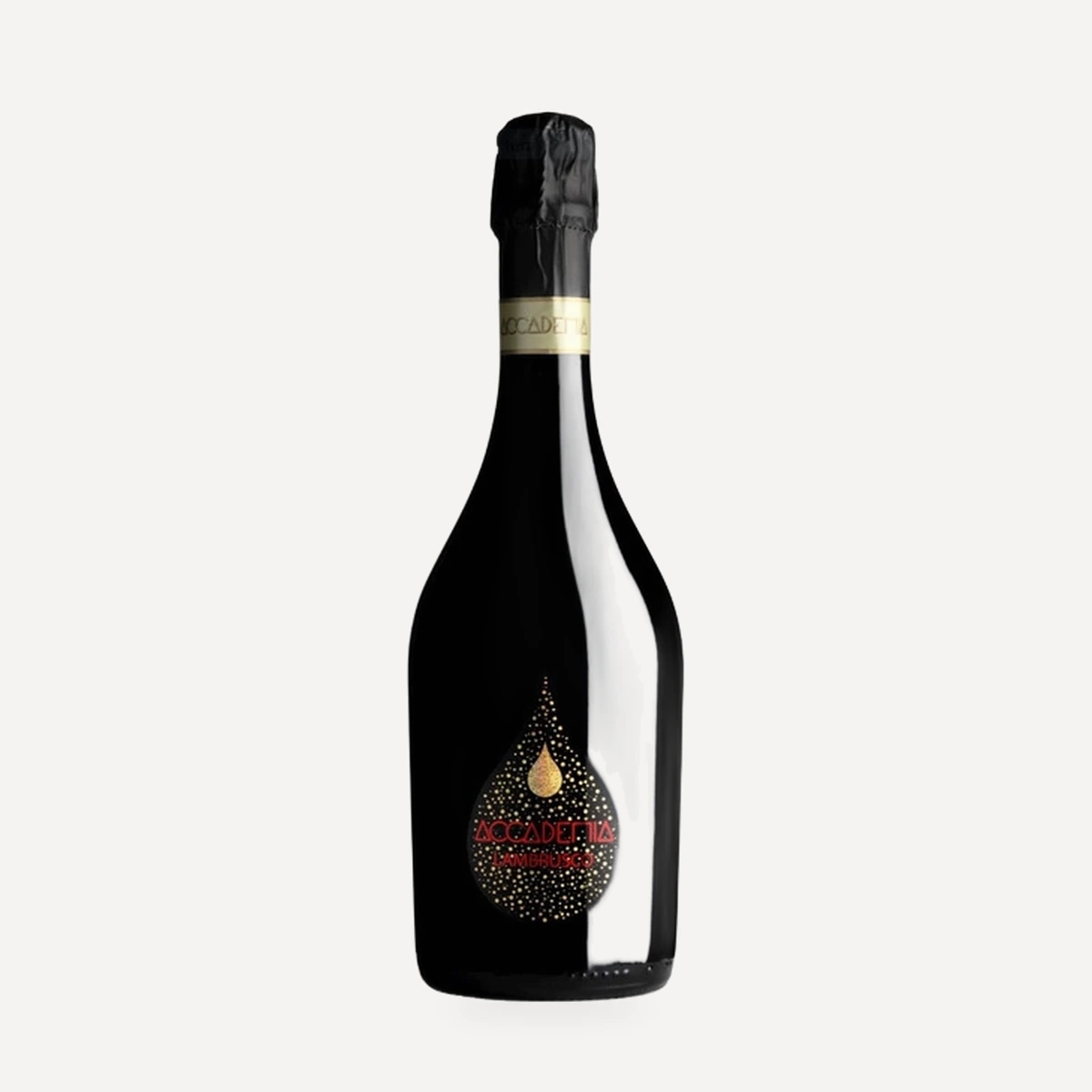
Accademia Lambrusco Rosso dell'Emilia IGT
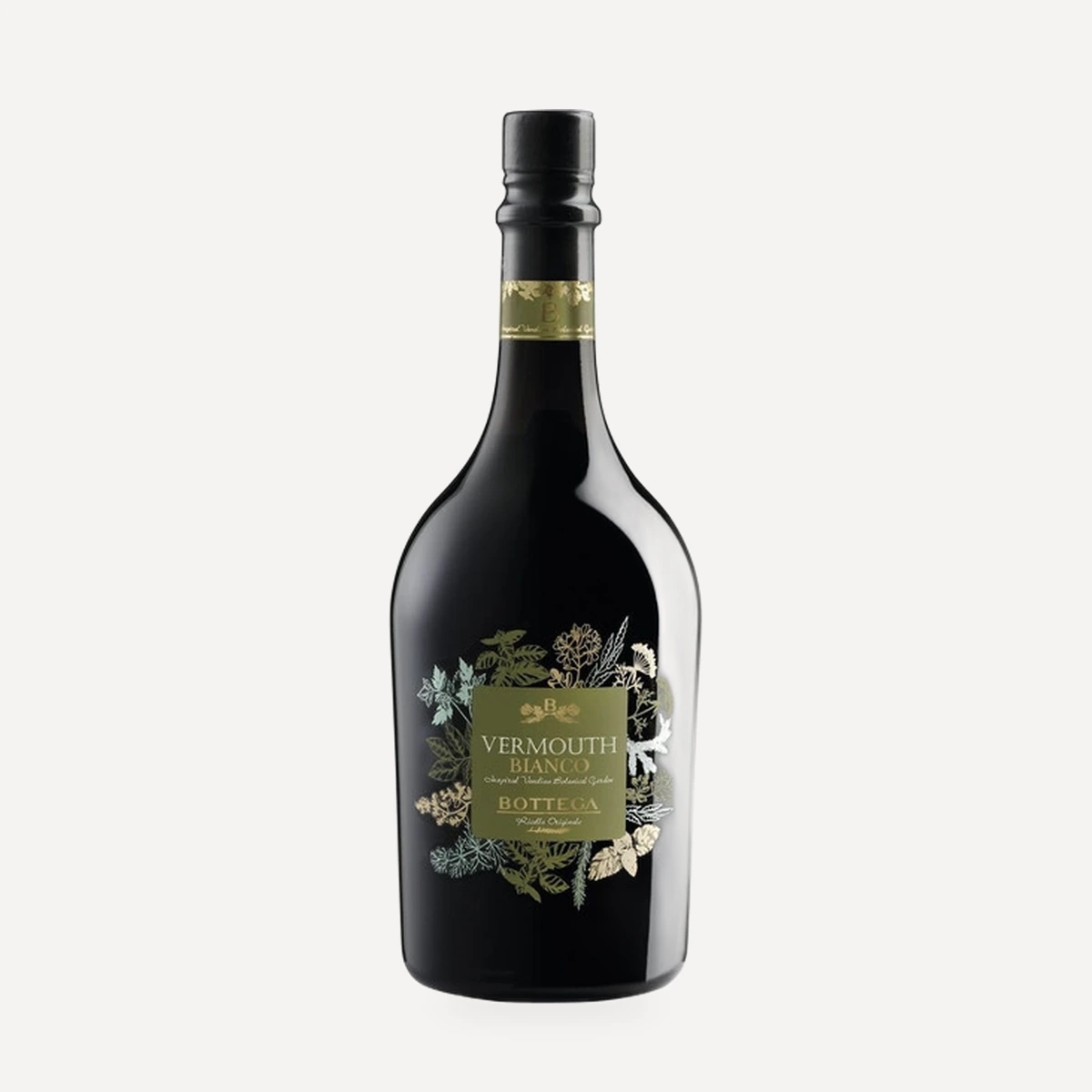
Vermouth Bianco
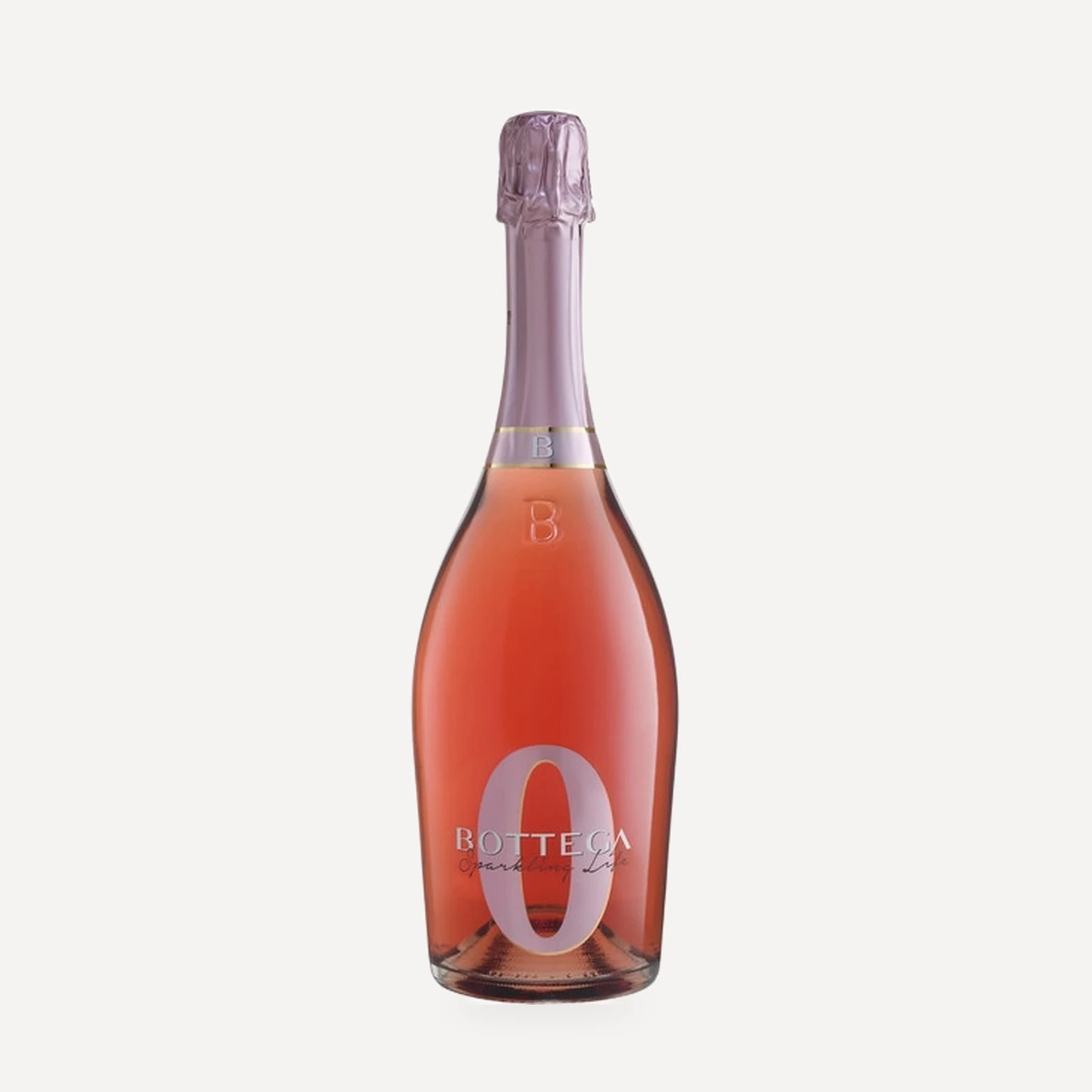
Zero Rose Sparkling Life
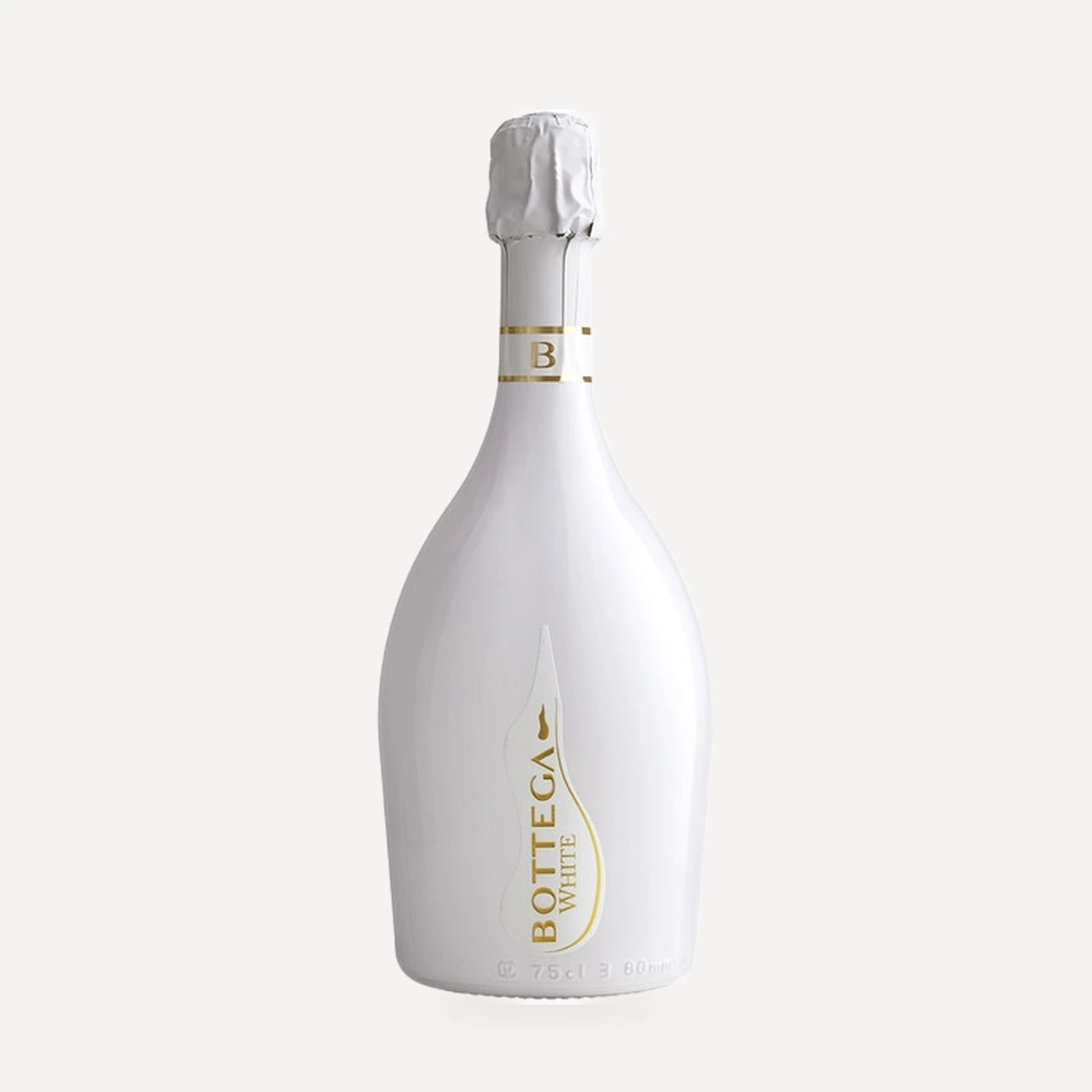
Bottega White
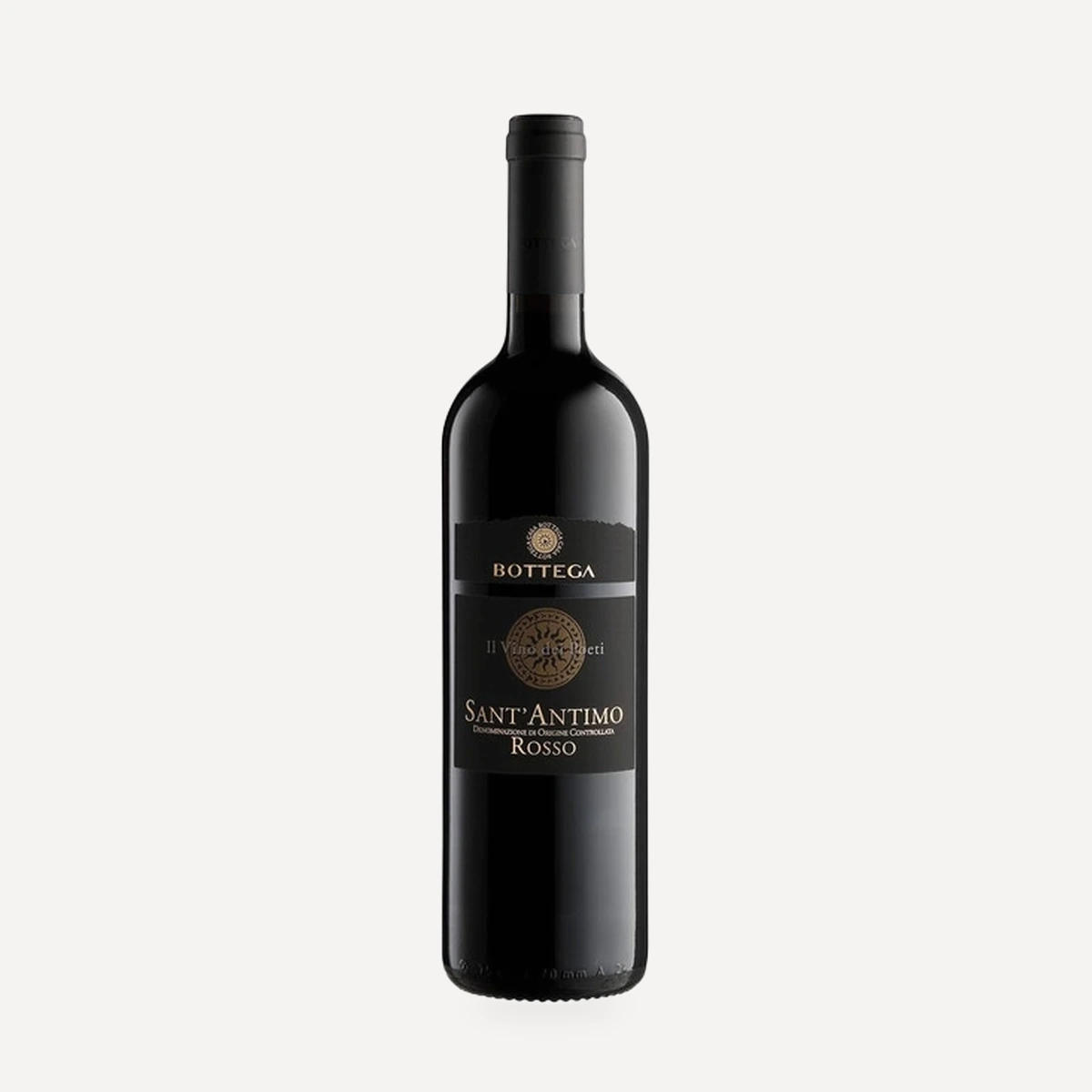
Sant’Antimo Rosso DOC
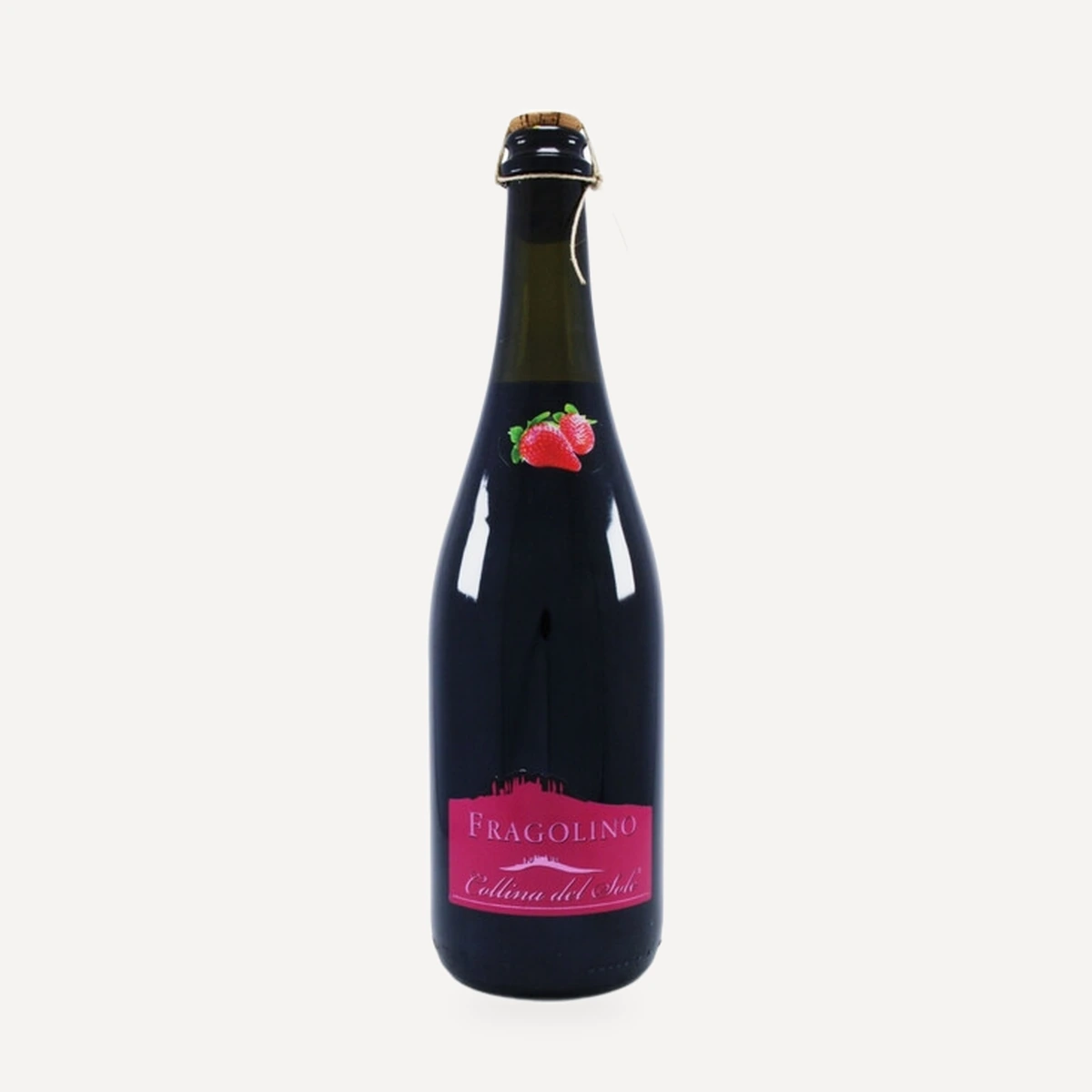
Collina del Sole Fragolino
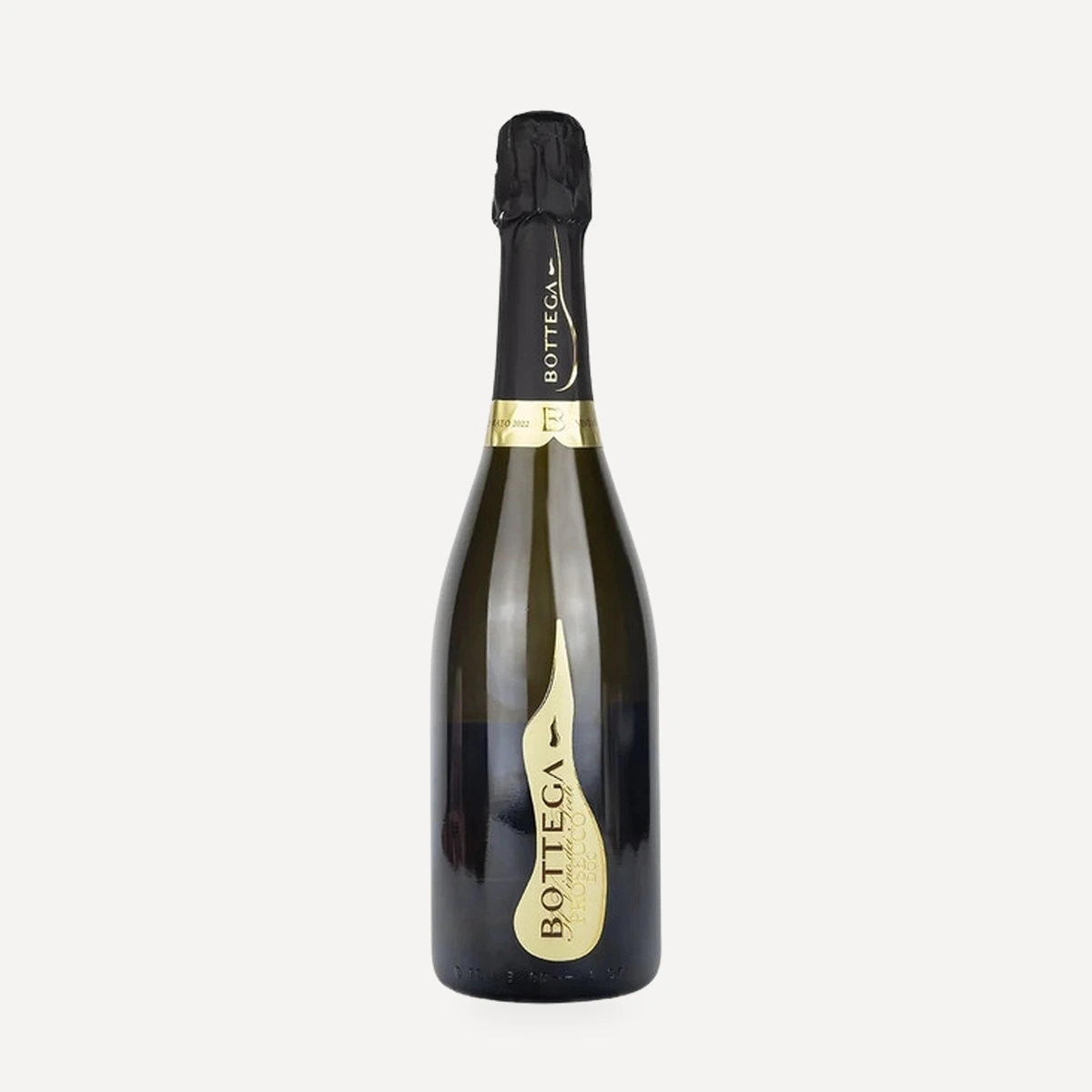
Il Vino dei Poeti Prosecco DOC
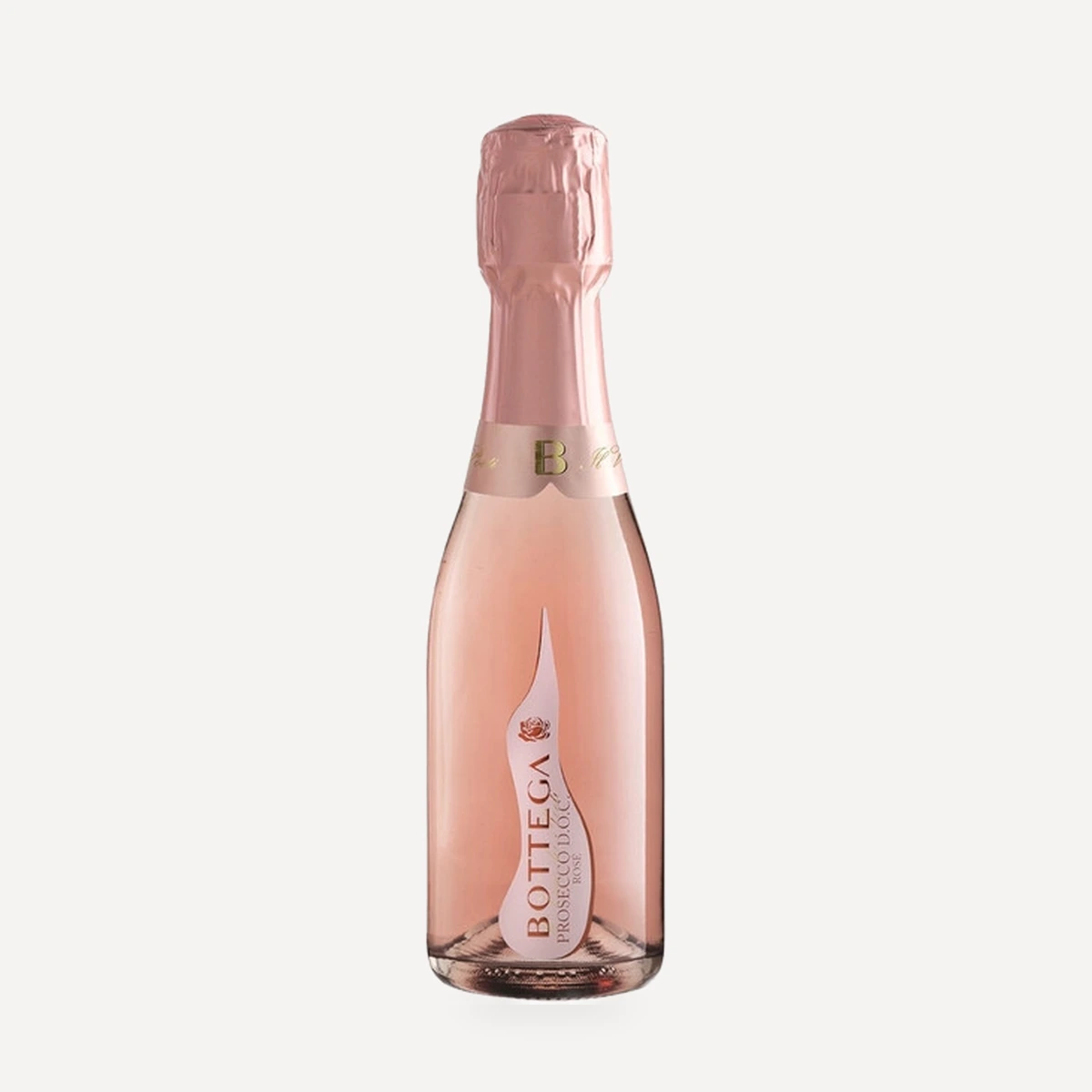
Il Vino dei Poeti Prosecco Rosé DOC
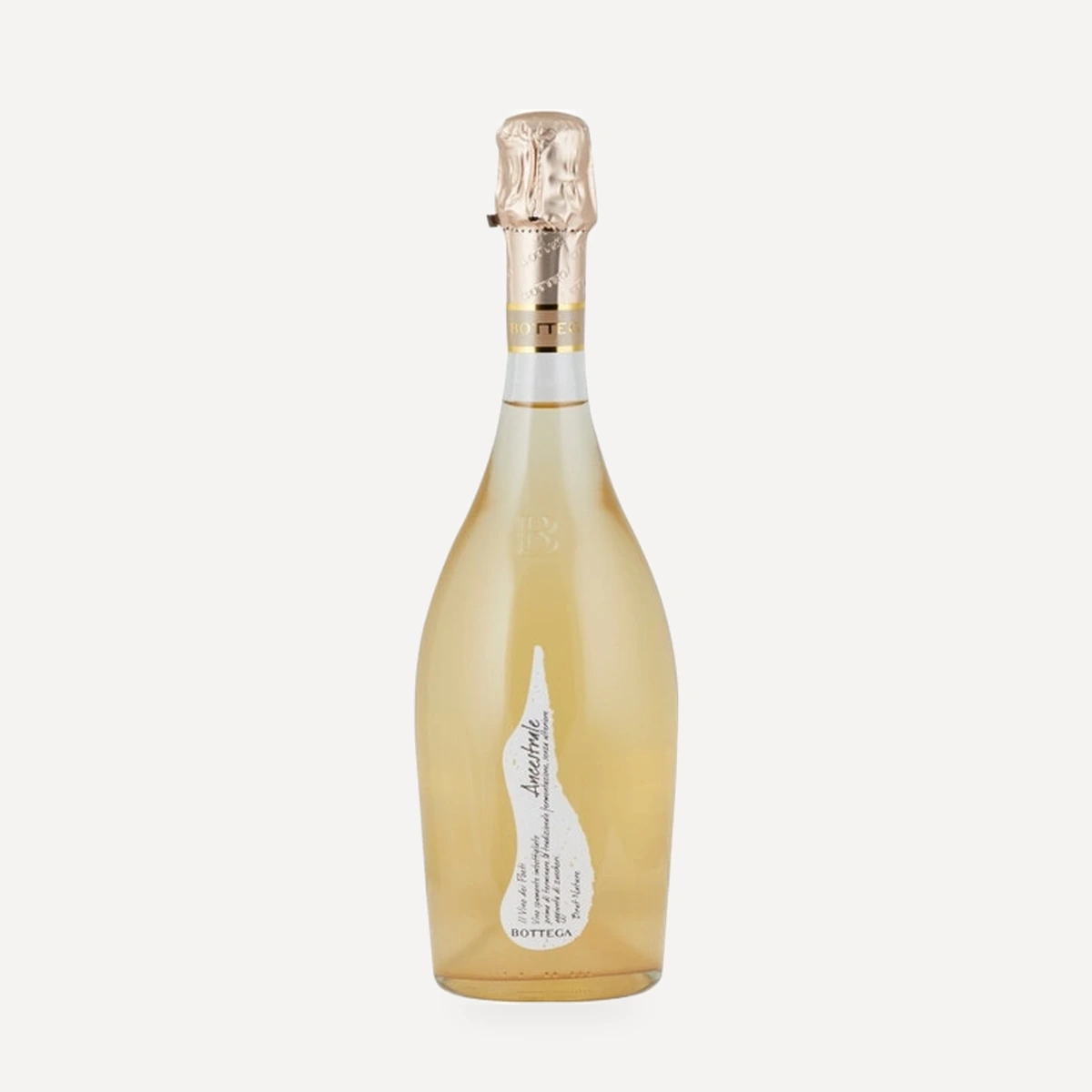
Ancestrale Brut Nature
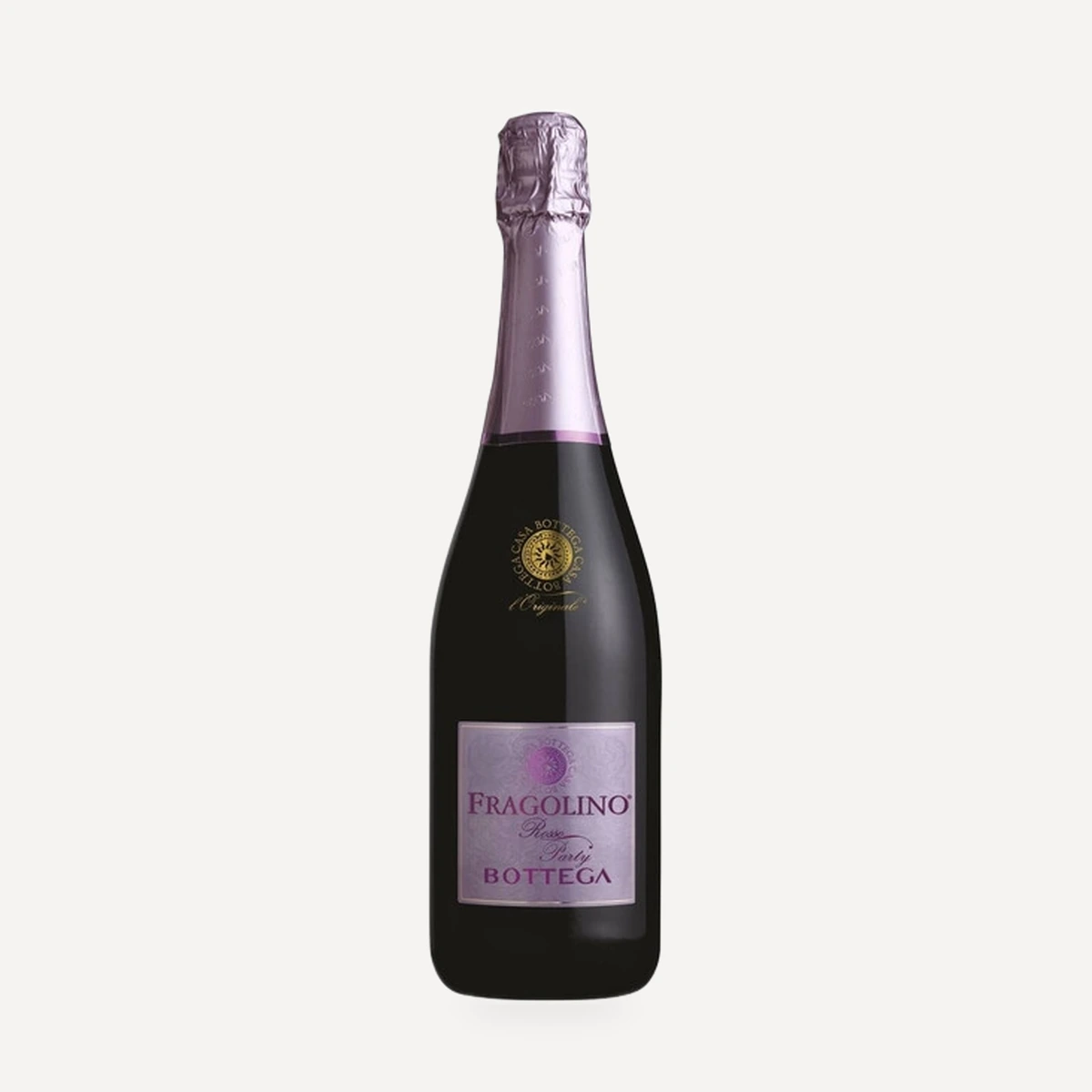
Fragolino Rosso Party
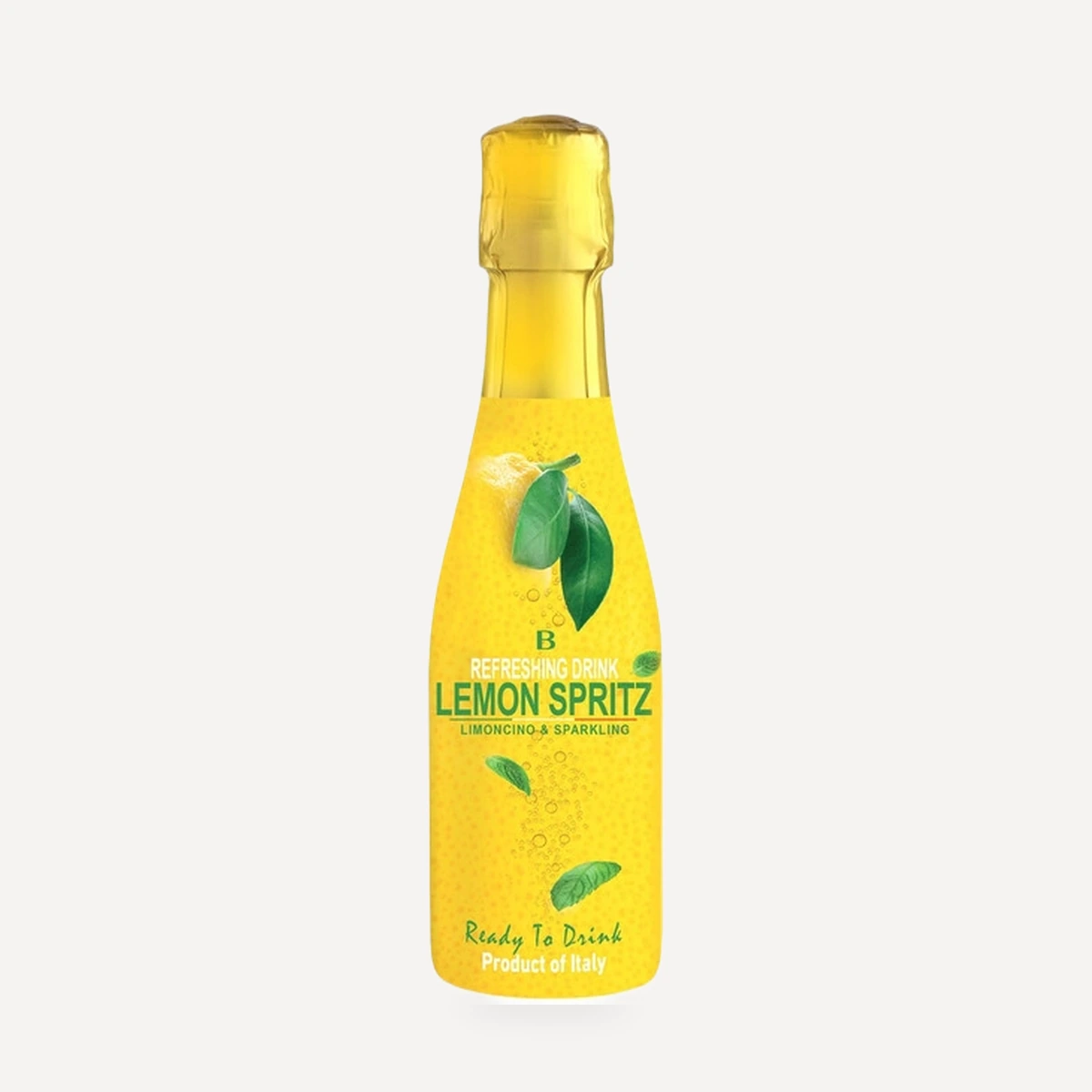
Lemon Spritz