History
Foundation and the first decade
Canevel was founded in Valdobbiadene in 1979 by the Caramel family. Mario Caramel is identified as the founder, while his son Carlo later carried the founding family’s involvement into the partnership with Masi. From its beginnings, Canevel pursued a model that was unusual in Valdobbiadene: responsibility for the full production chain rather than separating grape growing from winemaking. Its activity encompassed grape production, vineyard selection and care, vinification and sparkling-wine production.
In 1989, Canevel celebrated its first ten years by producing Valdobbiadene’s first vintage-dated wine, Il Millesimato Extra Dry. The cuvée subsequently became a recurring part of the range, made from selected grapes.
Partnership with Masi
On 27 September 2016, Masi Agricola acquired 60% of Canevel Spumanti S.p.A. and equal interests in Società Agricola Canevel a r.l. and Canevel Spumanti Tenuta Le Vigne Società Agricola a r.l. The cash transaction was valued at approximately €7 million. The three companies then owned approximately 26 ha of land in the Valdobbiadene Superiore DOCG area, about 15 ha of which were planted with vines.
Masi acquired the interests from Carlo Caramel, Tatiana Milanese, Silvia Caramel, Roberto De Lucchi and Roberto Covre. Carlo Caramel retained 40% of all three companies, became chairman of their boards and took on the role of brand ambassador. A shareholders’ agreement between Masi Agricola and Caramel established governance provisions and rules governing transfers of shares. The partnership was intended to preserve Canevel’s identity, local roots and founding-family values while adding Masi’s resources, distribution platform and technical expertise.
At the time of the acquisition, Canevel produced approximately 800,000 bottles and generated turnover of around €4.2 million. Grapes came both from estate vineyards and, predominantly at that time, from a stable network of local growers working to Canevel production protocols. Its principal international markets included Germany, the United States, Switzerland, the United Kingdom and Austria, while Italian distribution focused chiefly on the hospitality sector through approximately 60 multi-agency representatives.
Integration into the Masi Group affected Canevel’s organisation, sales network and operating systems during 2017, creating temporary commercial difficulties. Product and technical synergies followed. In 2018, Canevel launched Campofalco, its first organic Valdobbiadene Prosecco Superiore DOCG, together with a Black Label Valdobbiadene Prosecco Superiore DOCG made with prolonged yeast contact.
Development of the range and production identity
Canevel and the Masi Technical Group refined the Setàge sparkling-wine protocol through scientific analysis and new technology. The method uses selected yeasts and a slow prise de mousse at a controlled temperature of 12–14°C to produce especially fine, silky bubbles. The name combines seta, Italian for silk, with perlage.
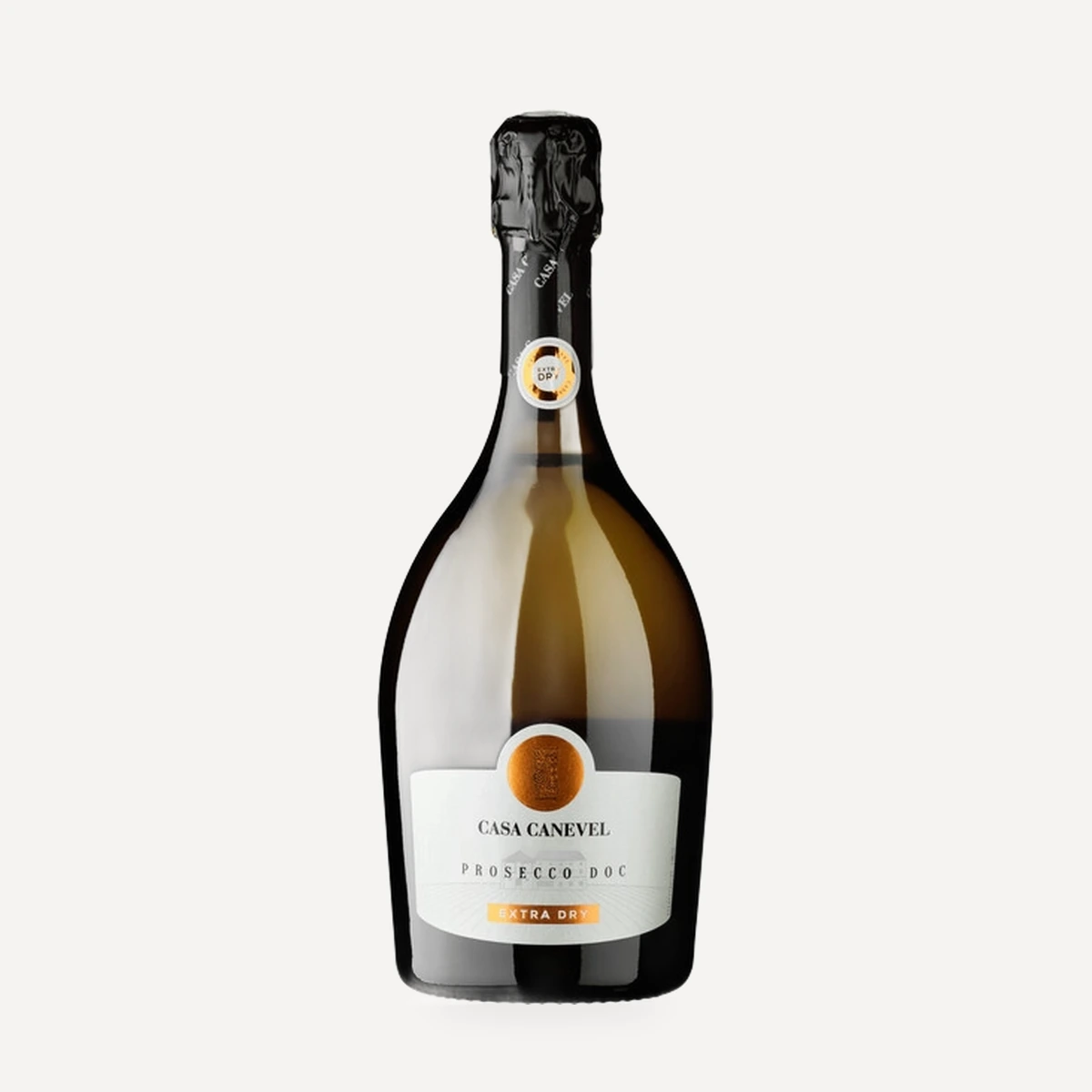
In July 2021, Canevel launched an organic Prosecco DOC Extra Brut developed as a co-branding project with Diesel and linked to the two brands’ emphasis on sustainability.
By 2022, Chardonnay picking in Canevel’s Valdobbiadene vineyards began during the final ten days of August, followed by Glera in early September. The grapes were healthy, ripening regularly and accumulating sugar well despite the hot, dry season.
Late-July hail affected the vineyards in 2023, slightly delaying ripening. Dry August weather helped the grapes recover. Volumes declined moderately, including for Terre del Faè and Campofalco, without compromising harvest quality.
Recent developments
At Vinitaly in April 2024, Canevel presented a redesign of its Setàge Brut and Extra Dry range and previewed San Biagio Brut Nature. The Setàge wines received a custom bottle with an engraved Canevel logo, lighter brand lettering and a crest combining the letter “C” with the outline of the panoramic hill beside the winery. The production protocol itself remained unchanged. Rosa del Faè 2023 also received new presentation in a transparent Champagne-style bottle.
San Biagio Brut Nature became available as a limited release in September 2024 after its Vinitaly preview. Its name comes from the Valdobbiadene hill where Canevel is based. Made from Glera grown in Valdobbiadene’s hillside vineyards, it revived the local sui lieviti or col fondo tradition through secondary fermentation in bottle without disgorgement. By that time, Canevel had developed distribution in at least 40 countries.
A light summer hailstorm affected Canevel’s vineyards in 2024, but dry August weather offset much of the impact. Production was slightly lower, while grape quality remained intact. Harvesting for Setàge, Terre del Faè and Campofalco was scheduled for the second week of September.
In 2025, the estate vineyards entered the pre-harvest period with healthy grapes and ideal analytical parameters. DOCG picking was scheduled for the first ten days of September, followed by the Terre del Faè and Campofalco crus. Masi Agricola’s consolidated accounts for the year ending 31 December 2025 continued to record a 60% interest in both Canevel Spumanti S.p.A. and Le Vigne di Canevel Soc. Agr. a r.l.
Terroir
Canevel stands on a hill in Valdobbiadene, surrounded by Glera vines, within the historic Conegliano Valdobbiadene Prosecco Superiore DOCG zone. The surrounding Conegliano and Valdobbiadene hills form part of the UNESCO World Heritage landscape.
The Valdobbiadene area has very ancient soils formed from moraines and sandstones. These geological conditions are associated with finesse and predominantly floral and fruity expression. Individual Canevel sites add further distinctions: San Biagio is linked to calcareous soils; Faè occupies a natural hillside bowl enclosed by dense woodland; and the organic Monfalcon vineyard lies at 300–400 m on an extremely steep, favourably exposed slope. The Cartizze hill is described as a self-contained biosphere with distinctive pedoclimatic conditions and is regarded as the “Grand Cru” of Prosecco.
Winemaking
Canevel’s founding model integrates grape growing with vinification and sparkling-wine production. Vineyard selection and care therefore form part of the same chain as cellar work, an arrangement presented as comparatively uncommon in Valdobbiadene.
The estate has 26 ha of its own vineyards and also works with a stable network of local growers who apply Canevel production protocols. Monfalcon is explicitly cultivated organically; no estate-wide organic claim is made.
Harvest schedules vary by grape and season. In 2022, Chardonnay was picked during the final ten days of August and Glera followed in early September. Late-July hail in 2023 delayed ripening slightly, but dry August conditions enabled recovery; selection at harvest was particularly important during that meteorologically difficult season. A light summer hailstorm again affected the estate in 2024, with dry August weather limiting its effects. The 2025 crop entered harvest with healthy grapes and ideal analytical values; DOCG fruit was scheduled first, followed by the Terre del Faè and Campofalco crus.
Canevel manages an integrated process extending from grape production and vineyard care through vinification and sparkling-wine production.
Setàge
The principal production protocol is the Setàge method, developed through Canevel’s sparkling-wine expertise and the scientific analysis and technological support of the Masi Technical Group. Prise de mousse proceeds slowly at a controlled low temperature of 12–14°C with selected yeasts. The objective is a particularly fine, elegant bubble with a soft, creamy texture. The name joins seta, meaning silk, and perlage.
Charmat production
The core Valdobbiadene Prosecco Superiore DOCG range is made by the Charmat method. Campofalco receives an extended Charmat process, associated with natural softness and pronounced floral character. A Black Label Valdobbiadene Prosecco Superiore DOCG introduced in 2018 was distinguished by prolonged contact with yeast.
Bottle refermentation and sui lieviti
San Biagio follows Valdobbiadene’s older sui lieviti or col fondo practice. Secondary fermentation occurs in the bottle, and the wine is not disgorged, leaving the yeasts visible and in contact with the wine. During its first months it is fresh, fruity, acidic and slightly angular; continued contact with its own yeasts brings more developed notes and an increasingly soft, complex profile.
Scientific work and new technology are used alongside these established regional methods, with the aim of preserving a recognisable Canevel identity rather than standardising the wines.
Philosophy
Canevel’s identity rests on control of the complete chain from vines to finished sparkling wine, a model chosen at its foundation and retained through the partnership with Masi. The objective is to combine local roots and the values of the Caramel founding family with scientific analysis, technological development and the Masi Technical Group’s research capacity.
The Setàge protocol expresses this balance: technology and temperature control are used to refine, rather than replace, the character sought from Valdobbiadene fruit. The intended stylistic markers are freshness, fragrance, complexity and an especially fine, silk-like perlage.
The development of San Biagio presents tradition as a living practice. Canevel frames the wine as a tribute to Valdobbiadene’s oldest sparkling-wine form while approaching it through a contemporary, internationally oriented company. Environmental principles are most concretely expressed through the organic Monfalcon vineyard and Campofalco.
Wines
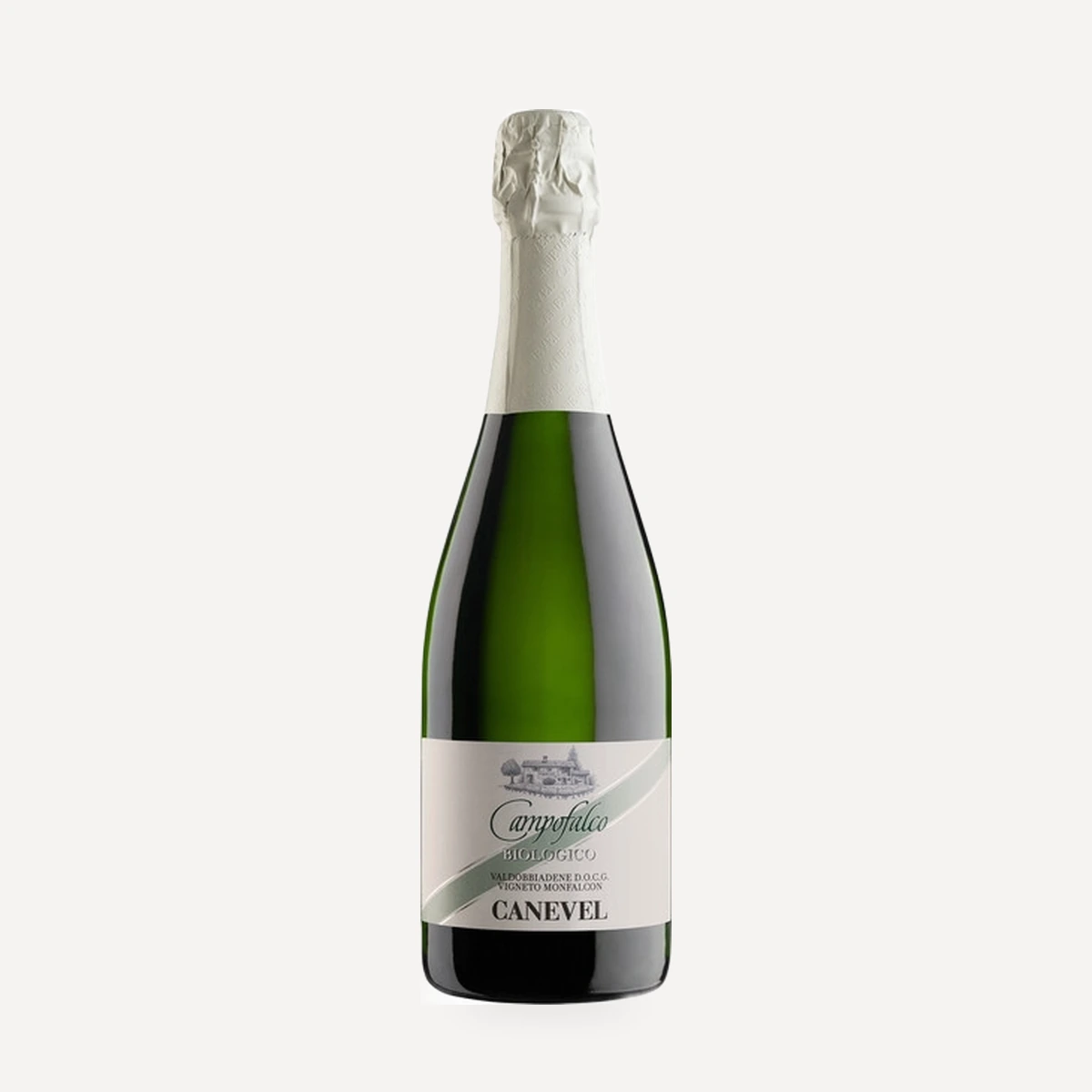
Campofalco Bio Prosecco Superiore Valdobbiadene DOCG
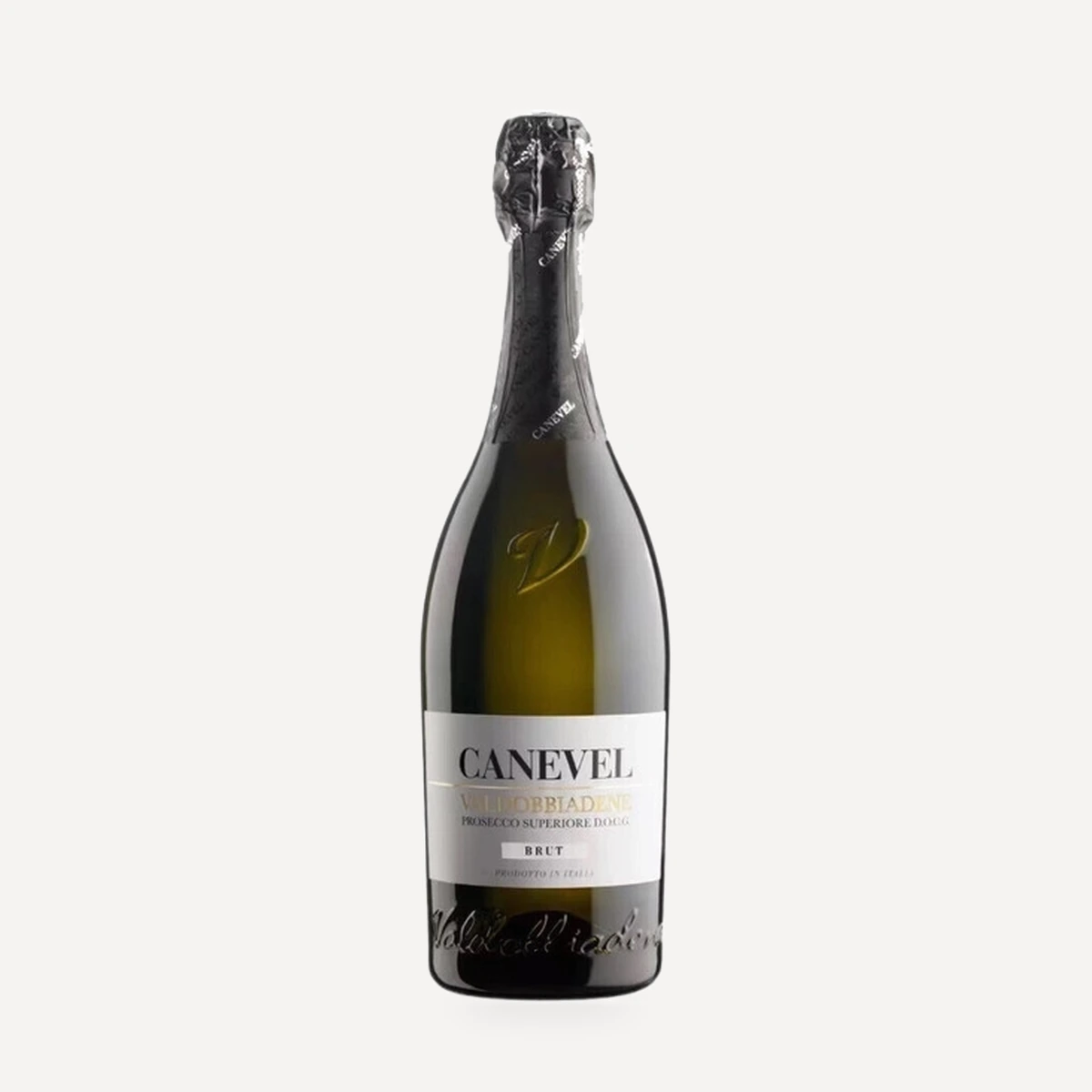
Prosecco Valdobbiadene Superiore Brut DOCG
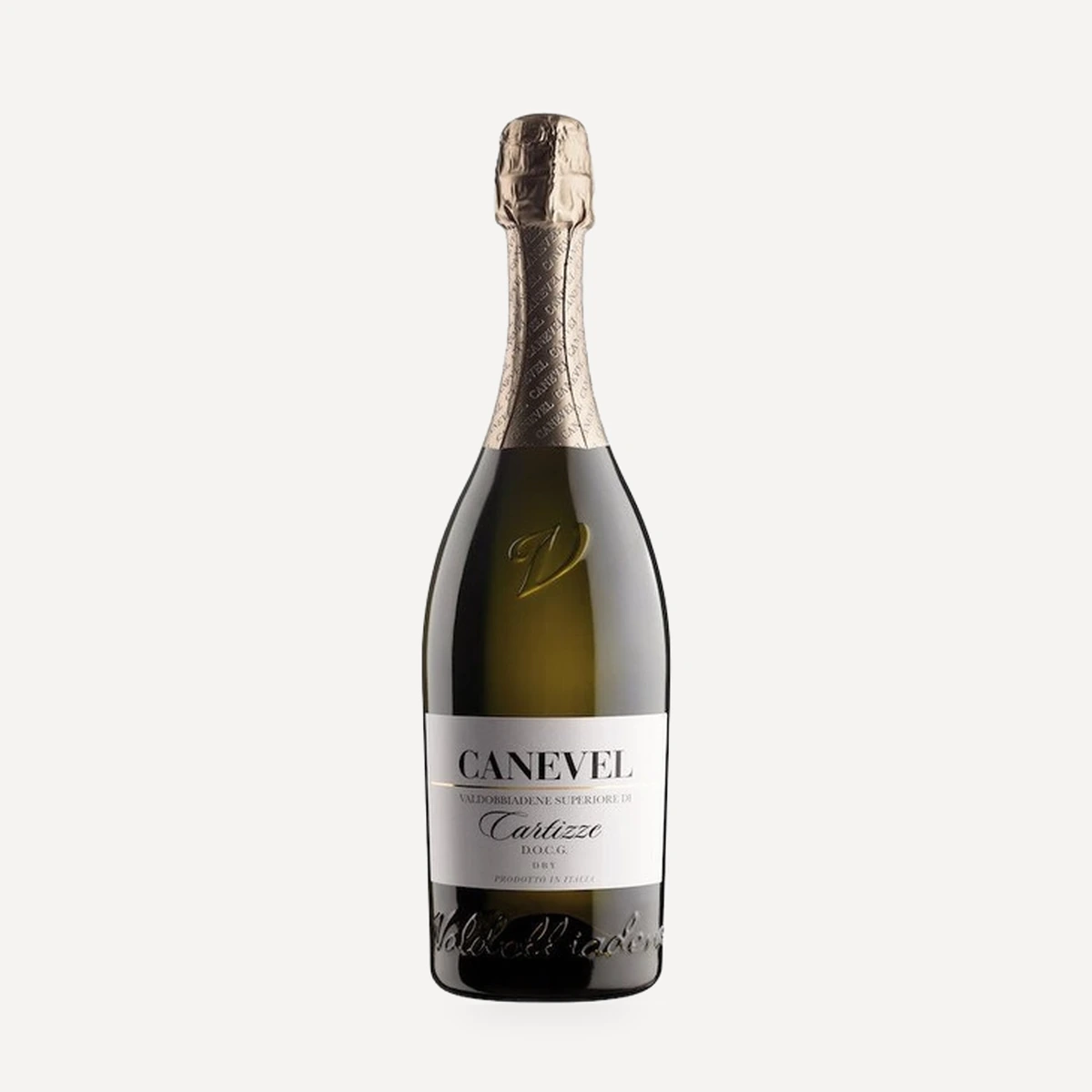
Valdobbiadene Superiore Cartizze Dry DOCG
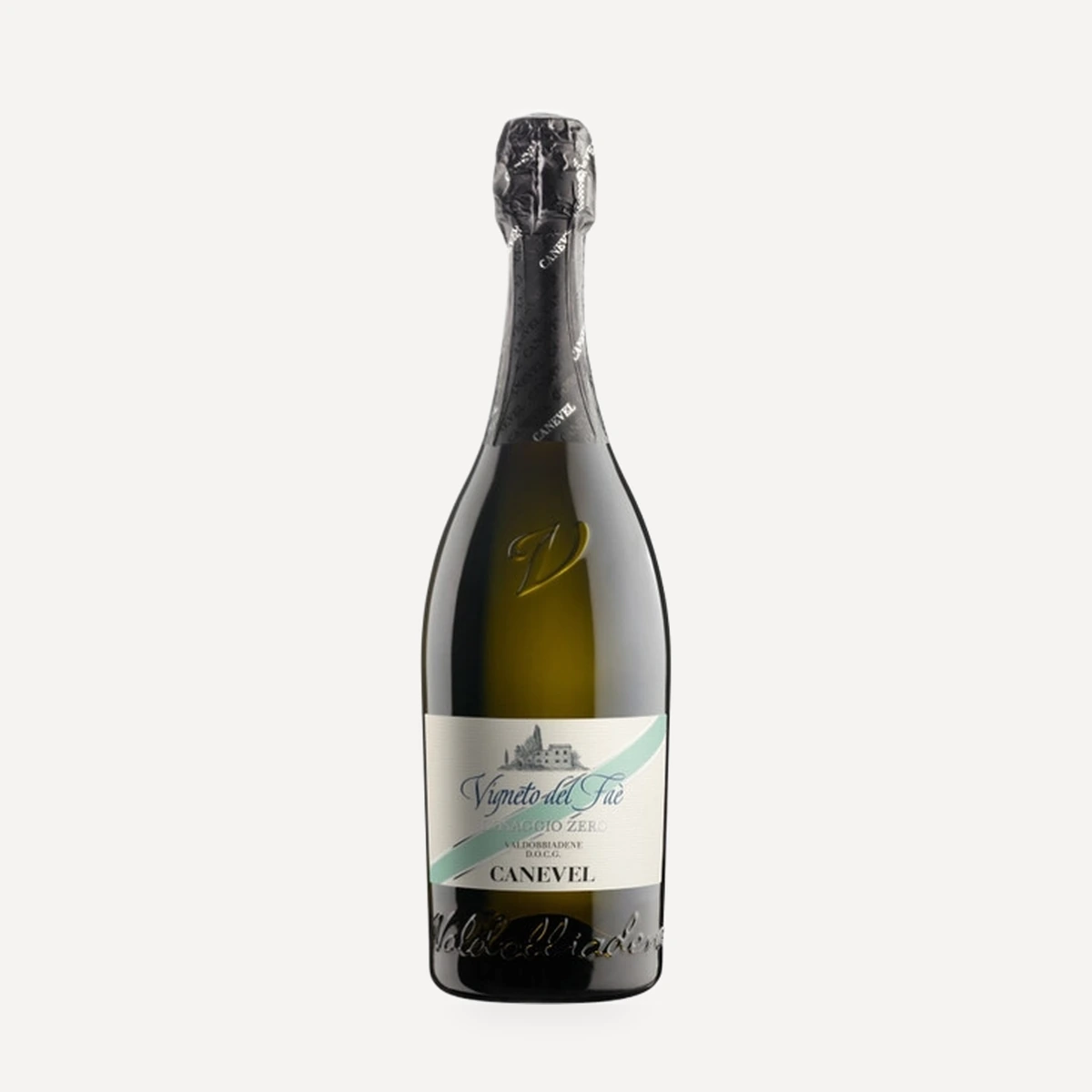
Vigneto del Fae Valdobbiadene Superiore DOCG
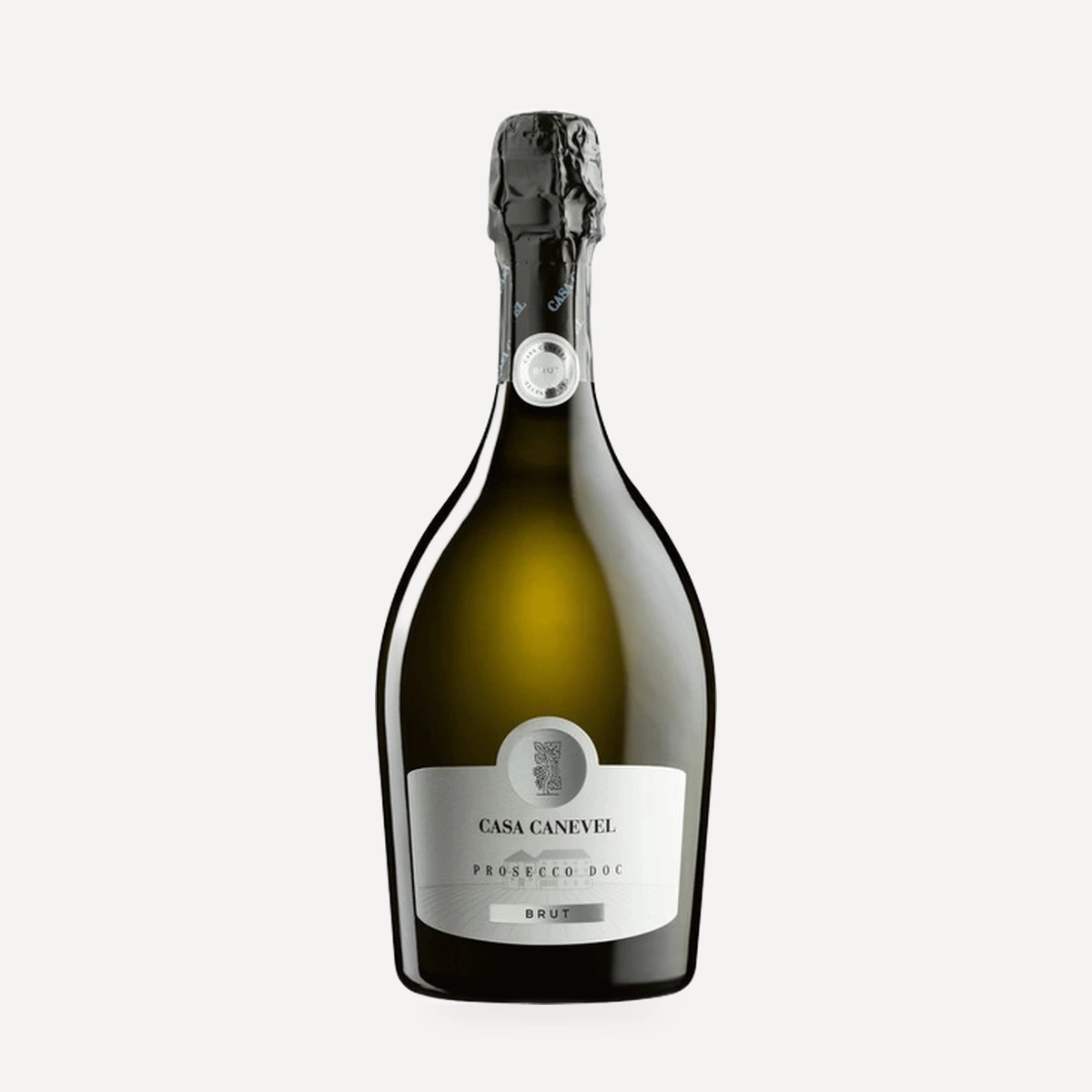
Prosecco Brut DOC
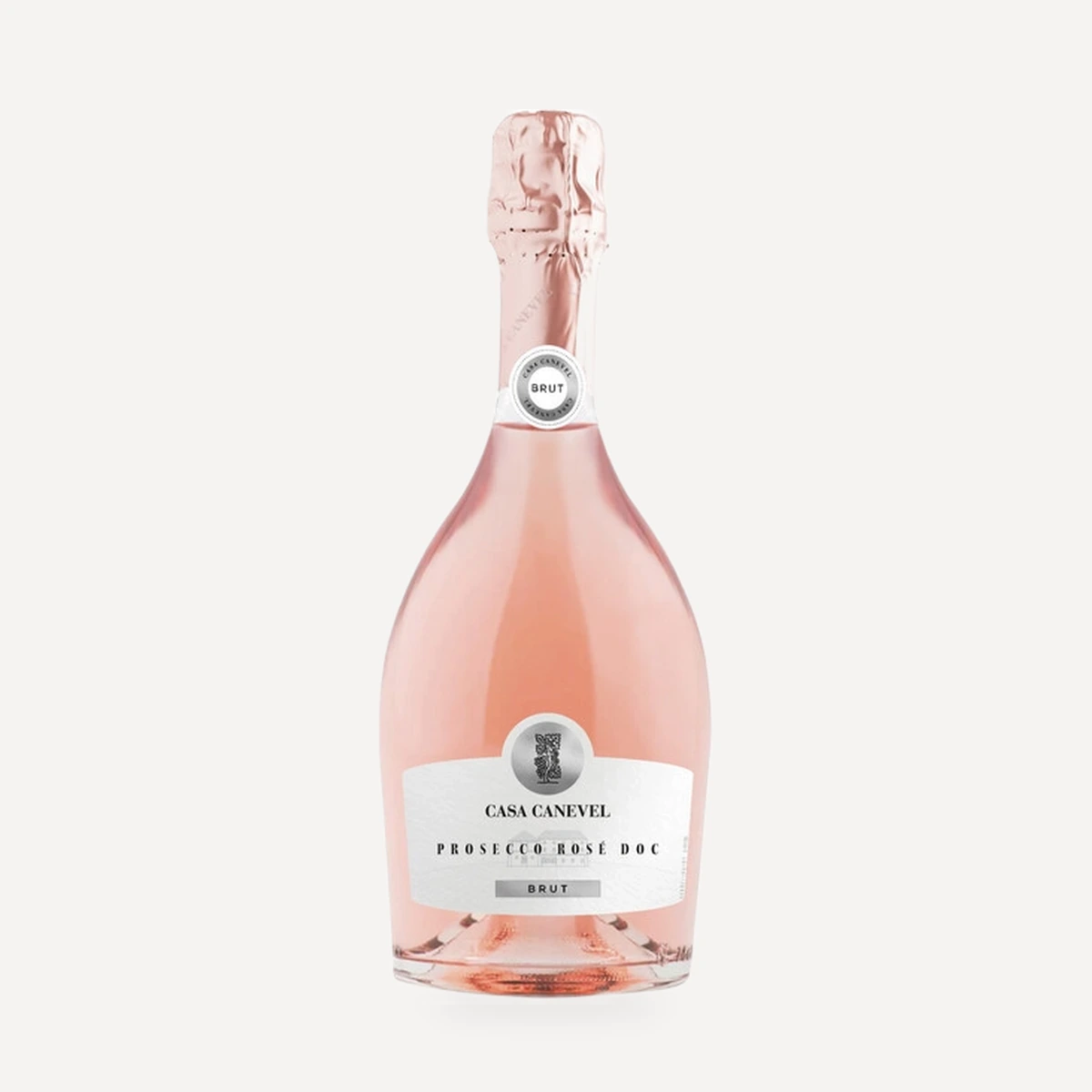
Casa Prosecco Rose Brut DOC
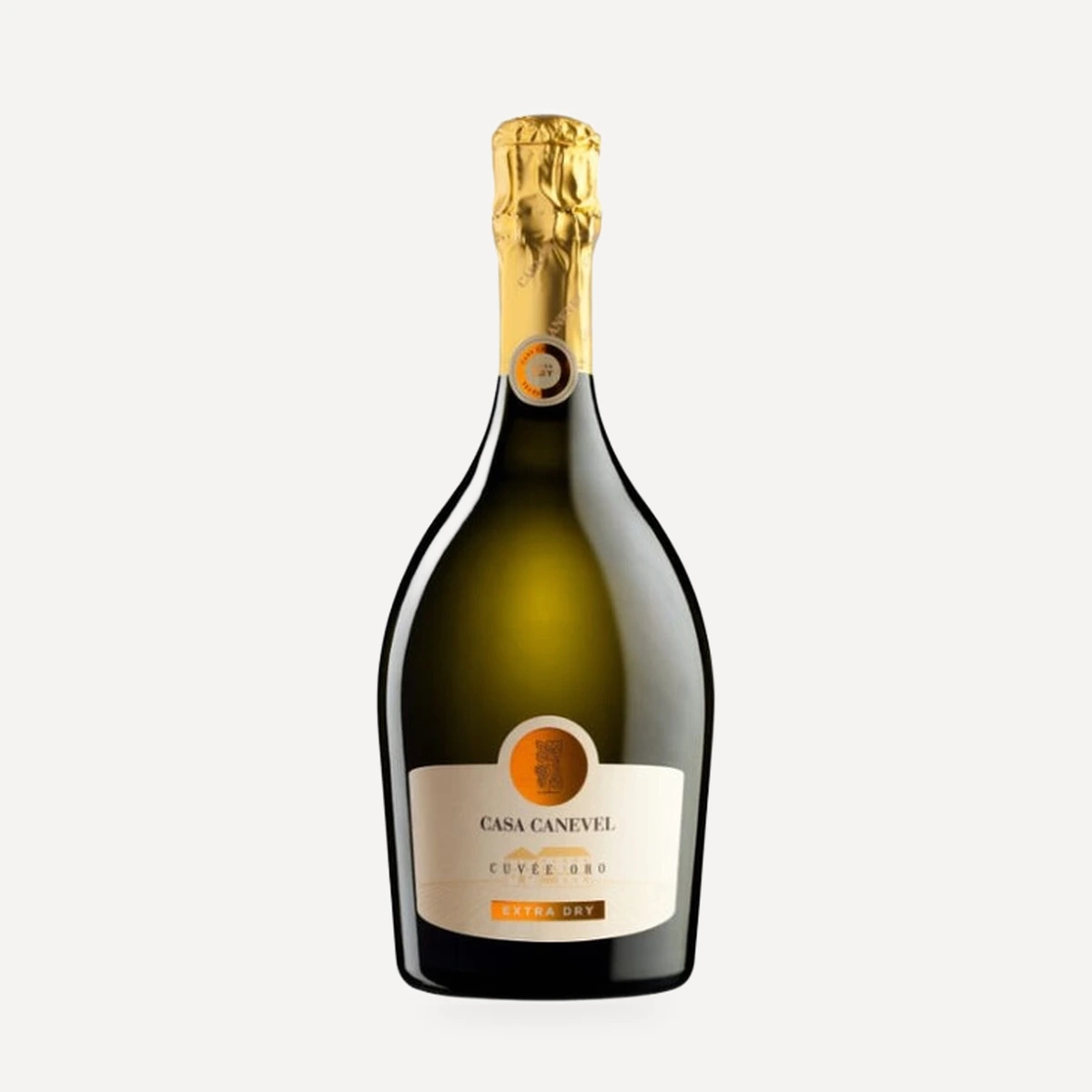
Cuvee Oro Extra Dry
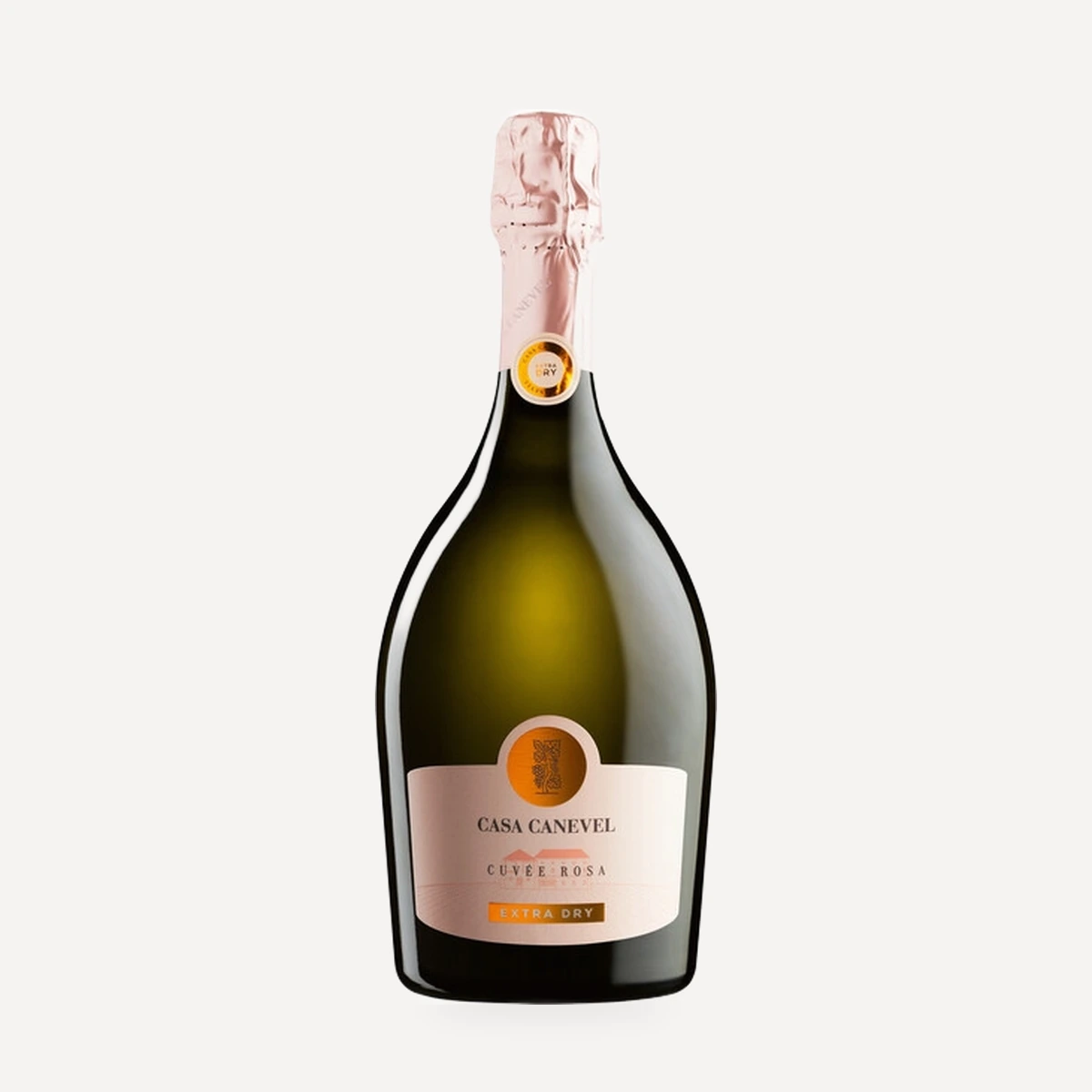
Cuvee Rosa Extra Dry