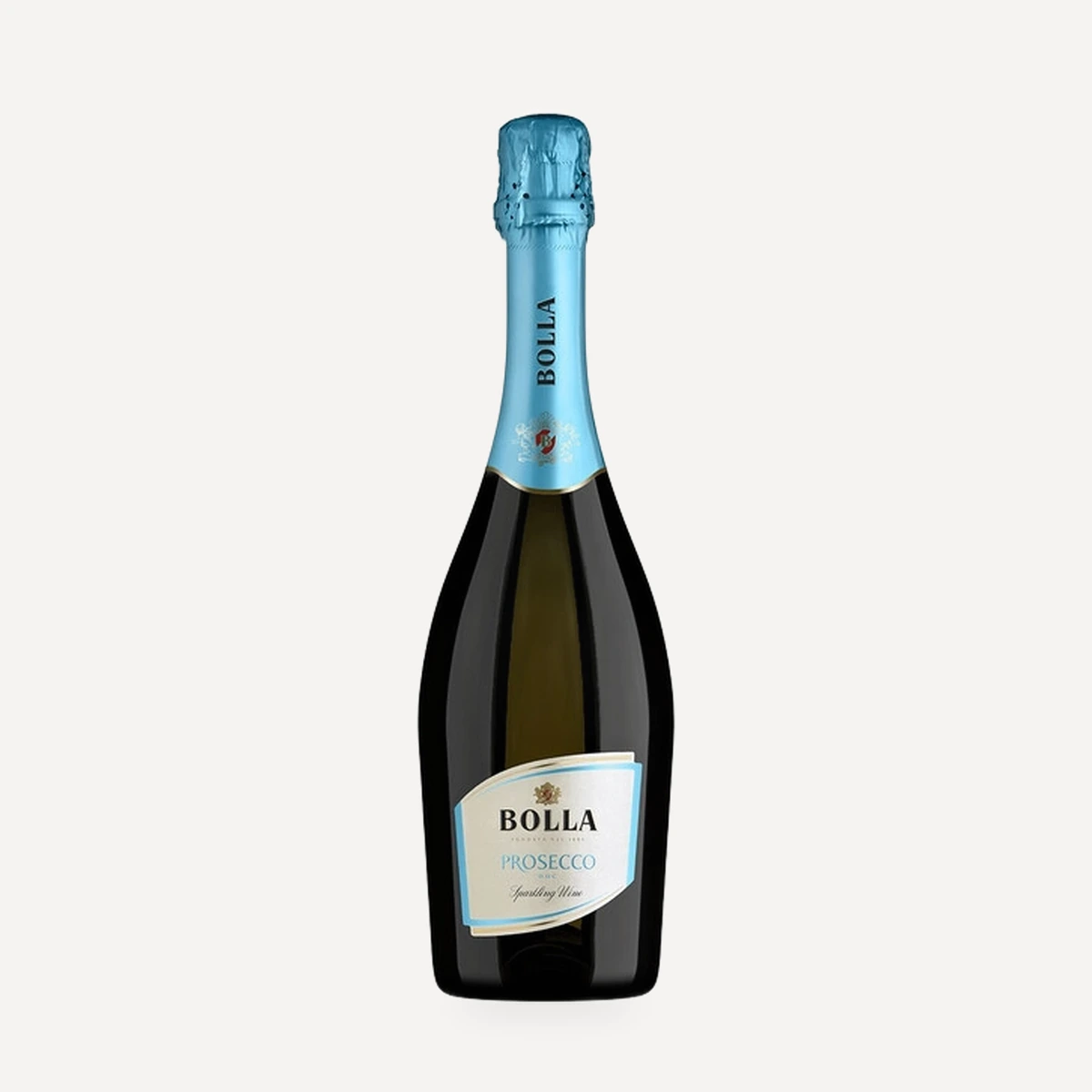
History
Origins in Soave
Bolla’s beginnings are associated with the Soave tavern Al Gambero, owned by Abele and Giulia Bolla. Their son Alberto developed his interest in wine while spending time in its cellar as a child. He eventually began selling the local white wine to other taverns in Soave, an initiative that established markets first in the surrounding area and subsequently as far as Verona and Venice.
Alberto Bolla founded the winery in Soave in 1883. The original cellar continued to produce the white wine of Soave even after the business later expanded into Valpolicella.
In 1902, Alberto and his brothers opened the restaurant Il Calice in Venice’s San Salvatore district.
The 1920s: from bulk wine to a quality product
During the 1920s, Alberto anticipated that wine—then commonly served loose in taverns—would become a product for a much wider market. He consequently saw the need to invest in quality and in presenting wine as a product of greater value.
Giorgio Bolla, Alberto’s eldest son and an oenologist, carried this approach further. He considered demijohns and straw-covered flasks appropriate for everyday table wine but inadequate for fine wine. Bolla therefore decided to sell its finer wines only in bottles closed with corks and finished with labels and aluminium capsules.
The 1930s: expansion into Valpolicella Classica
Giorgio’s arrival in the family business marked a turning point during the 1930s. In 1931, after recognising the potential of the area for high-quality red wine, Alberto opened Bolla’s second production cellar at Pedemonte in the heart of Valpolicella Classica. Production there began with reds including Recioto and Valpolicella, followed later by Amarone, while Soave remained in production at the original cellar.
The two original Pedemonte buildings survive as the winery’s offices, hospitality area and tasting rooms. Their historic wing contains the Cantina del Nonno, together with nineteenth-century and 1883-era oak vessels preserved from Bolla’s early history.
The 1940s and the emergence of Amarone
By the 1940s, Valpolicella was associated with wines made from dried grapes. Alongside everyday Valpolicella, the local tradition included the sweet Recioto. Complete fermentation could occasionally consume all the residual sugar and leave a dry wine known as Amarone or, in Veronese dialect, Recioto scapà. Producing and ageing it demanded time and oenological expertise, limiting its early commercial development.
This dry wine was a favourite of Alberto Bolla, who kept several casks in his private Cantina del Nonno and opened them for family and friends on special occasions. Giorgio decided to create a lasting gift for his father’s eightieth birthday by bottling the wine, which required at least three years of maturation. He also recognised its commercial potential.
Through oenological study and work on the vinification, Giorgio gave the wine a defined identity and bottled the first Amarone del Nonno, from the 1950 vintage. It was presented in Milan on 13 April 1953, Alberto’s eightieth birthday, before the Bolla family, company collaborators and leading journalists. This marked Bolla’s role in promoting Amarone beyond its former place as a wine shared privately among family and friends.
1968 and the appellation
Bolla’s name became closely associated with Amarone before the denomination received formal recognition. The first production regulations were approved and the DOC established in 1968.
The 1970s: Castellaro
During the 1970s, Bolla was already vinifying grapes grown on the volcanic cone of Castellaro in the Soave Classico zone and placing the site’s name on its label. The relationship linked the range to a vineyard distinguished by its elevation, soils and winds.
International expansion
Bolla continued to expand in Italy and overseas, particularly in the United States, where the brand became strongly associated with Italian taste and style. A company anecdote holds that Frank Sinatra would not sit at a restaurant table unless Soave Bolla appeared on the wine list.
Gruppo Italiano Vini and the present period
In 2006, Gruppo Italiano Vini completed its acquisition of Bolla. Its stated objective was to preserve the family values transmitted through successive generations: quality, passion and respect for the territory.
Cristian Ridolfi had followed the stylistic development of Bolla’s wines for several years before becoming Director of the Pedemonte winery in March 2026. His appointment followed his assumption of technical and oenological coordination across Gruppo Italiano Vini’s wineries in 2025.
Terroir
A vineyard base across the Veronese territories
Bolla’s vineyard heritage comprises more than 300 hectares across Valpolicella Classica, the Soave area and the territory of Lake Garda.
Valpolicella Classica
Valpolicella Classica is a hilly area northwest of Verona where cold winds descending from the Alps meet warm breezes from Lake Garda. Its adjoining valleys differ in their terroirs, and Bolla’s vineyard base extends through three of them: Negrar, Marano and Fumane.
Negrar, the easternmost of the three, has calcareous-marly terrain rich in iron minerals and marked by the red hues of Scaglia Rossa Veronese. The terrain is associated with volcanic origins. Wines from this valley are characterised as full-bodied and strongly fruit-driven.
Marano, in the centre of Valpolicella Classica, has volcanic basalt terrain rich in calcarenite and vulcanite. Its wines are associated with elegance and finesse.
Fumane occupies the western side of Valpolicella Classica toward Lake Garda. Stratified limestone rocks characterise the area, whose wines are associated with body, softness and floral notes.
Soave and Castellaro
Bolla’s historic Soave Classico vineyards occupy volcanic soils in the heart of the denomination. The Castellaro vineyard lies on a volcanic cone in the Soave Classico zone, evidence of intense volcanic activity millions of years ago. Its identity is shaped by the site’s elevation, soils and winds, while the soil itself is basaltic in origin.
Winemaking
Bolla’s viticultural base combines vineyards in Valpolicella Classica, Soave and the Lake Garda territory with the work of 100 supplier families. These relationships have continued for more than three generations.
In the historic hills of Valpolicella Classica, Corvina, Corvinone and Rondinella are grown using pergoletta veronese training. The Soave Classico vineyards include historic plantings on volcanic terrain, while the Castellaro site occupies a basaltic volcanic cone shaped by its elevation and winds.
Pedemonte and the historic cellar
Bolla’s Pedemonte winery was constructed in 1931 as the company’s second production site after Soave. Its two original buildings now accommodate offices, hospitality facilities and tasting rooms.
The historic wing contains the Cantina del Nonno, the core of Bolla’s cellar heritage. The winery has accumulated 1,700 barriques and 35 tonneaux, while preserving a series of Slavonian-oak casks dating to 1883. Other nineteenth-century casks remain part of the visitor route, alongside rooms used for vinification.
Drying grapes in Negrar
A dedicated fruttaio stands on the hills of the Negrar valley. Grapes destined for Recioto and Amarone della Valpolicella undergo appassimento there.
Historical development of bottling and Amarone
Bolla’s move toward fine bottled wine replaced demijohns and straw-covered flasks with cork-closed bottles carrying labels and aluminium capsules. In developing the 1950 Amarone del Nonno, Giorgio Bolla studied the vinification closely enough to give the dry wine a defined identity. The wine required at least three years of maturation before its presentation in 1953.
Philosophy
Bolla identifies passion for viticulture, a strong relationship with place and a willingness to experiment as the foundations of its oenological approach. These principles are paired with respect for tradition and attention to changes in consumer tastes.
The Bolla family expressed its outlook through the motto “Pride in the past, passion for the future.” The phrase joins an awareness of family history with an innovative response to the market. Alberto Bolla’s early insistence on investing in quality and presentation, Giorgio Bolla’s advocacy of proper bottles for fine wine, and the family’s promotion of Amarone in the early 1950s embody that position.
Quality, passion and respect for the territory remained the values identified for preservation when Gruppo Italiano Vini acquired Bolla in 2006.
Bolla also frames its identity through an Italian conception of slow life: pausing to experience a moment fully, with beauty, elegance and creativity, and learning the value of waiting through a close relationship with the vineyard.
Wines
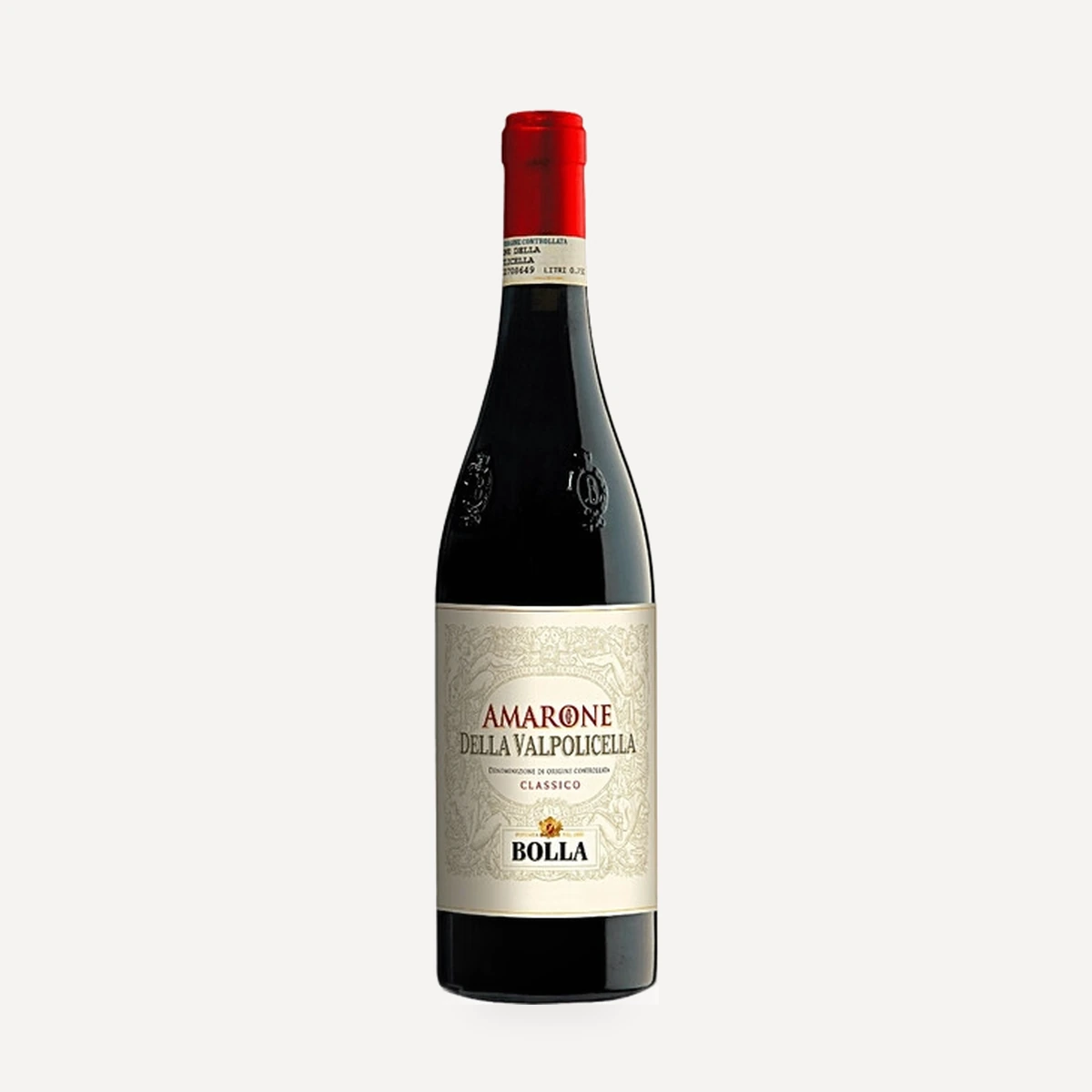
Amarone della Valpolicella Classico DOC
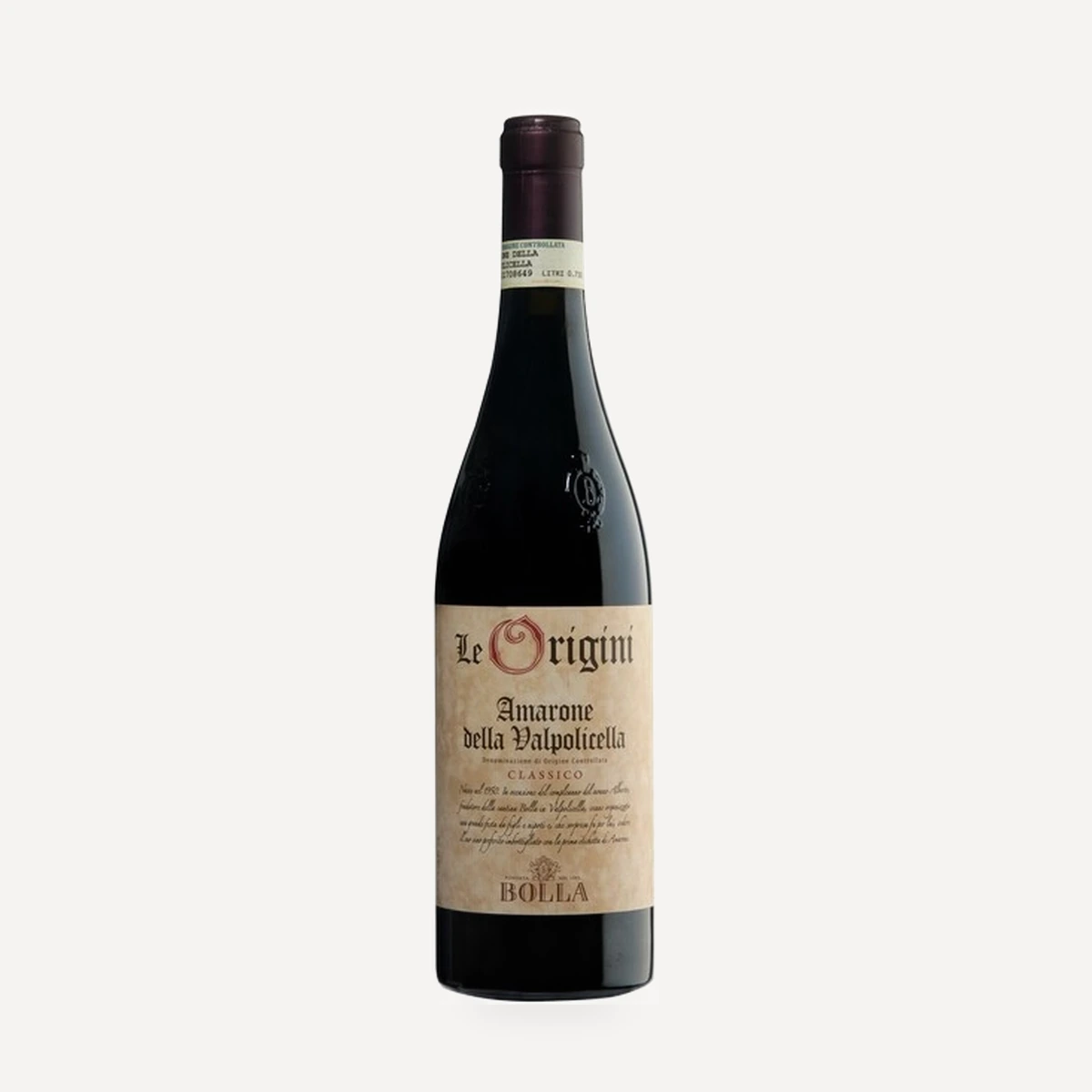
Le Origini Amarone della Valpolicella DOC
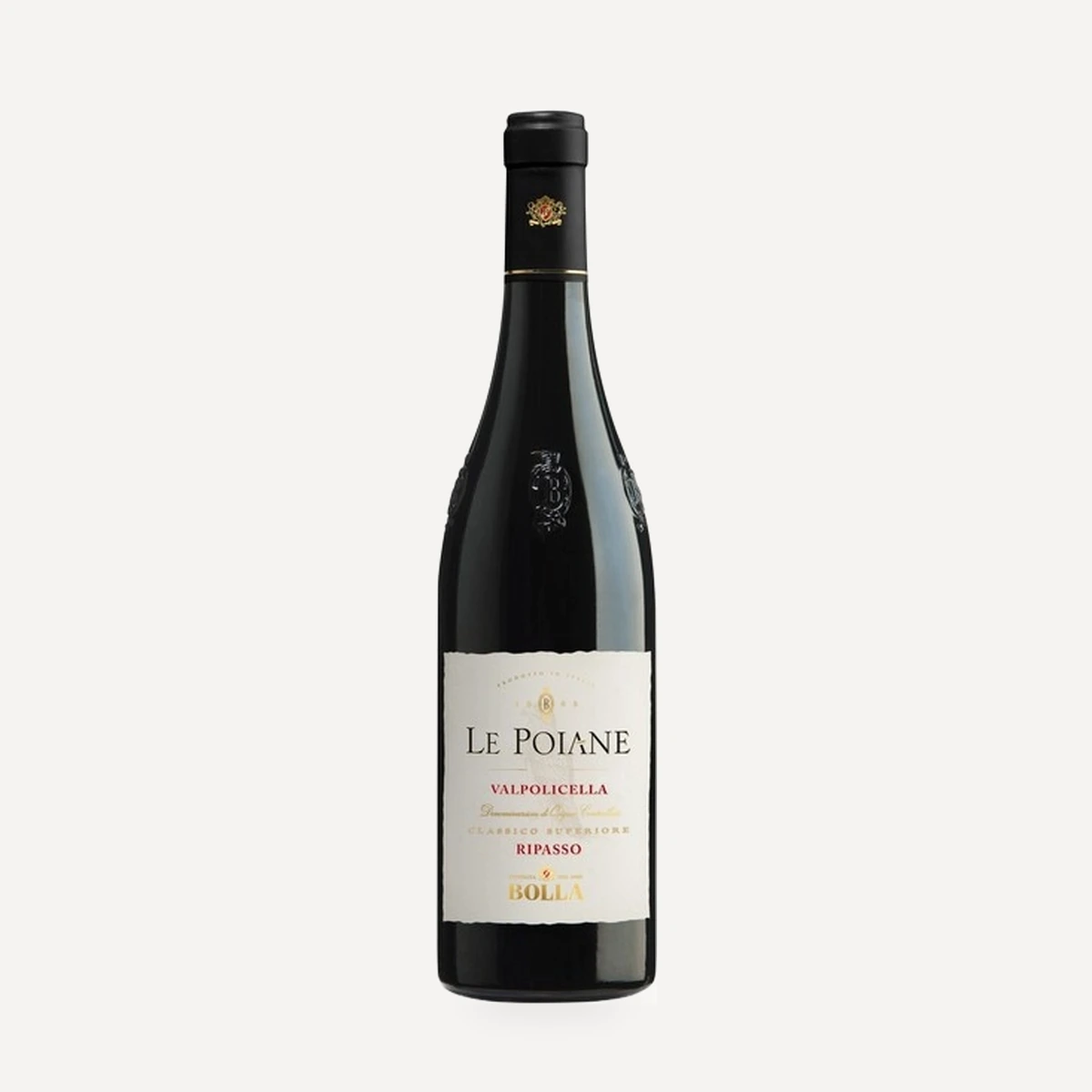
Le Poiane Ripasso Valpolicella Classico Superiore DOC
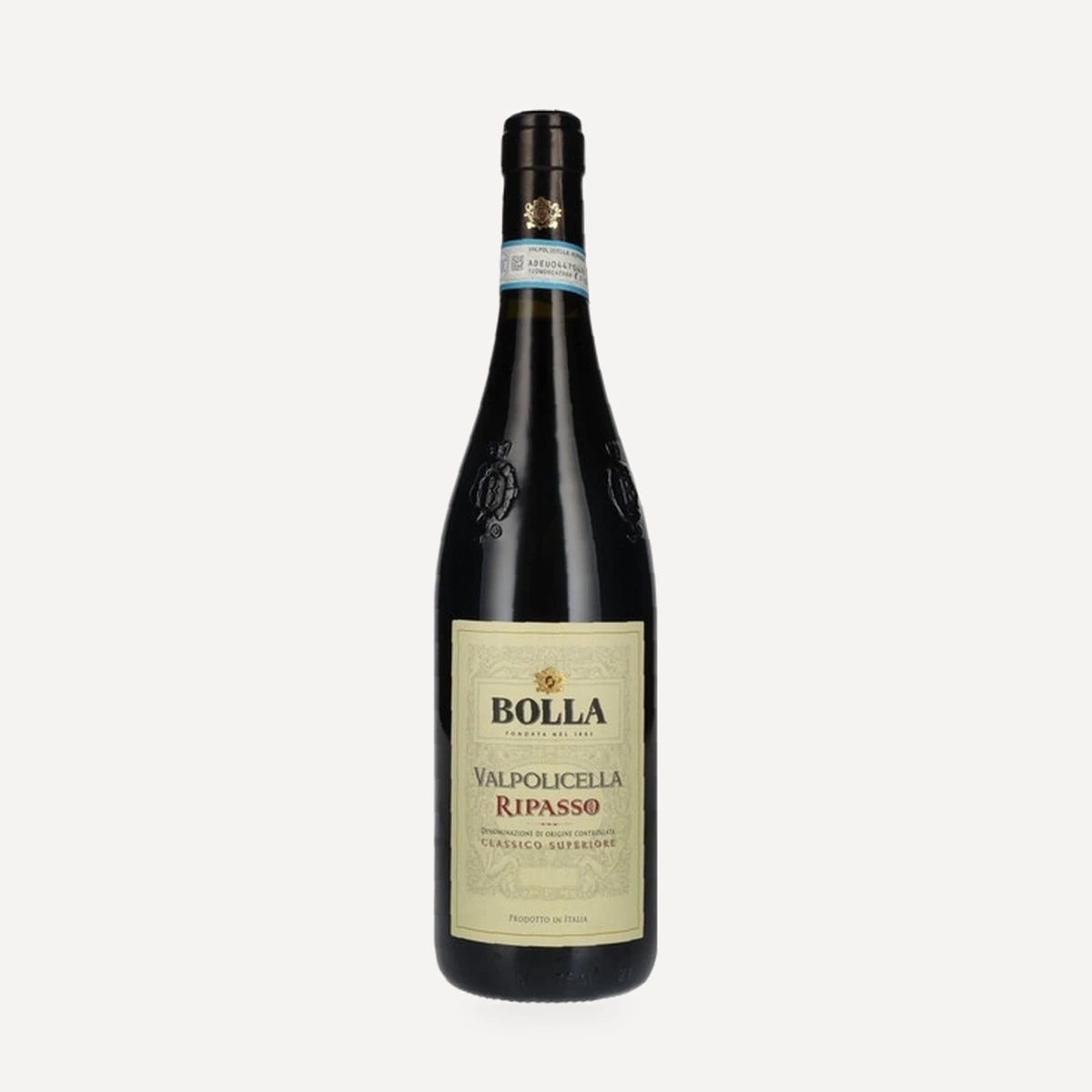
Ripasso Valpolicella Classico Superiore DOC
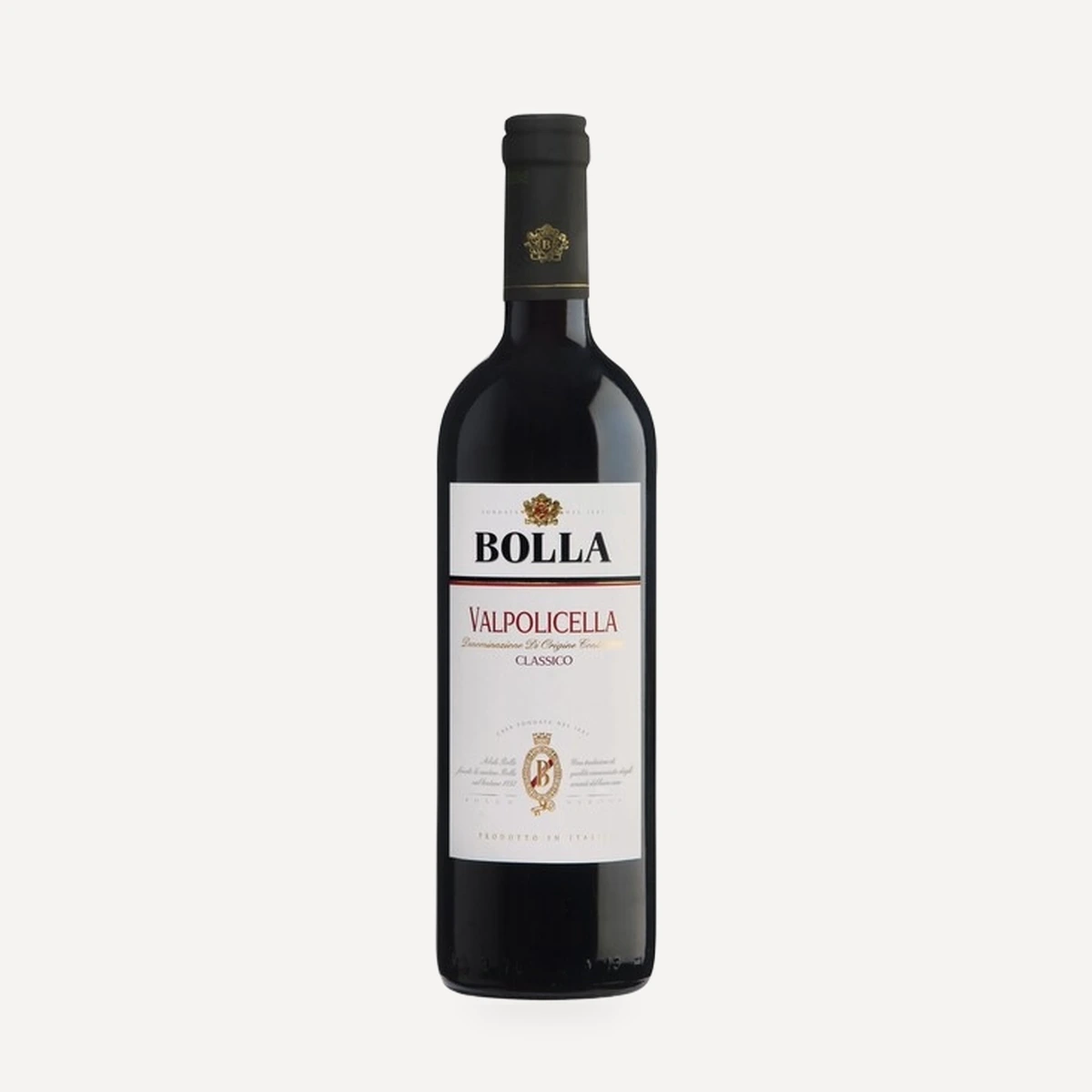
TTT Valpolicella Classico DOC
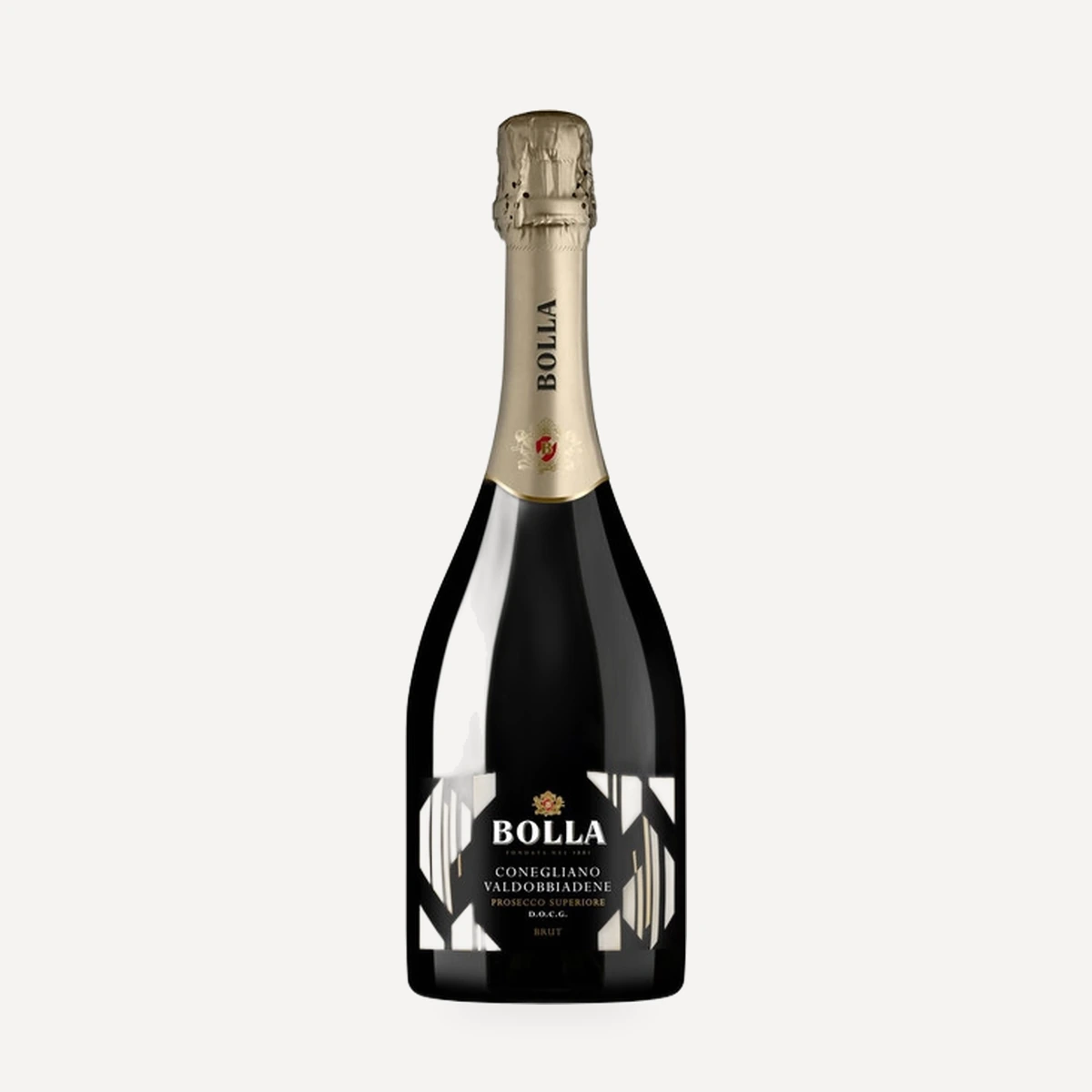
Prosecco Superiore Conegliano Valdobbiadene DOCG
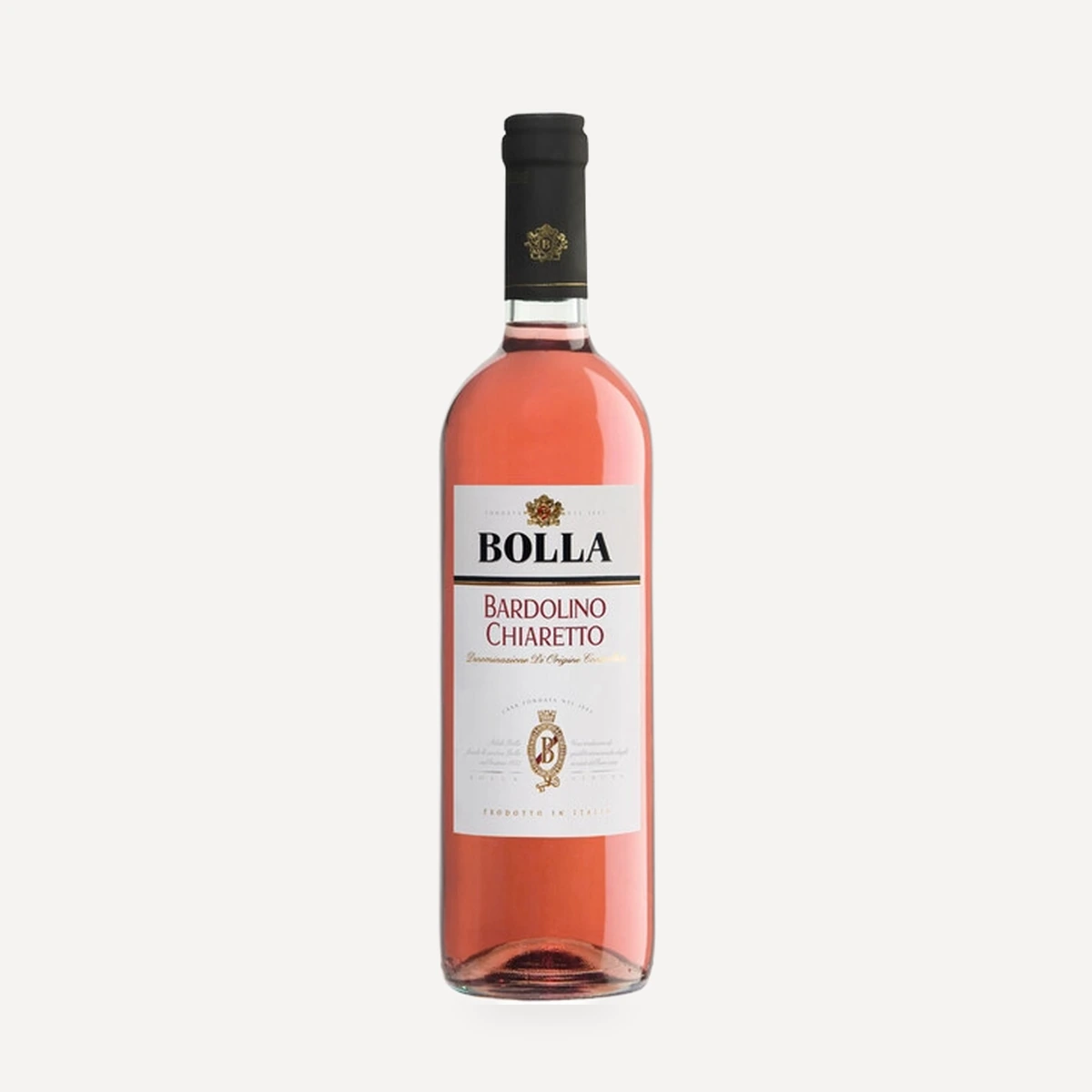
TTT Bardolino Chiaretto DOC
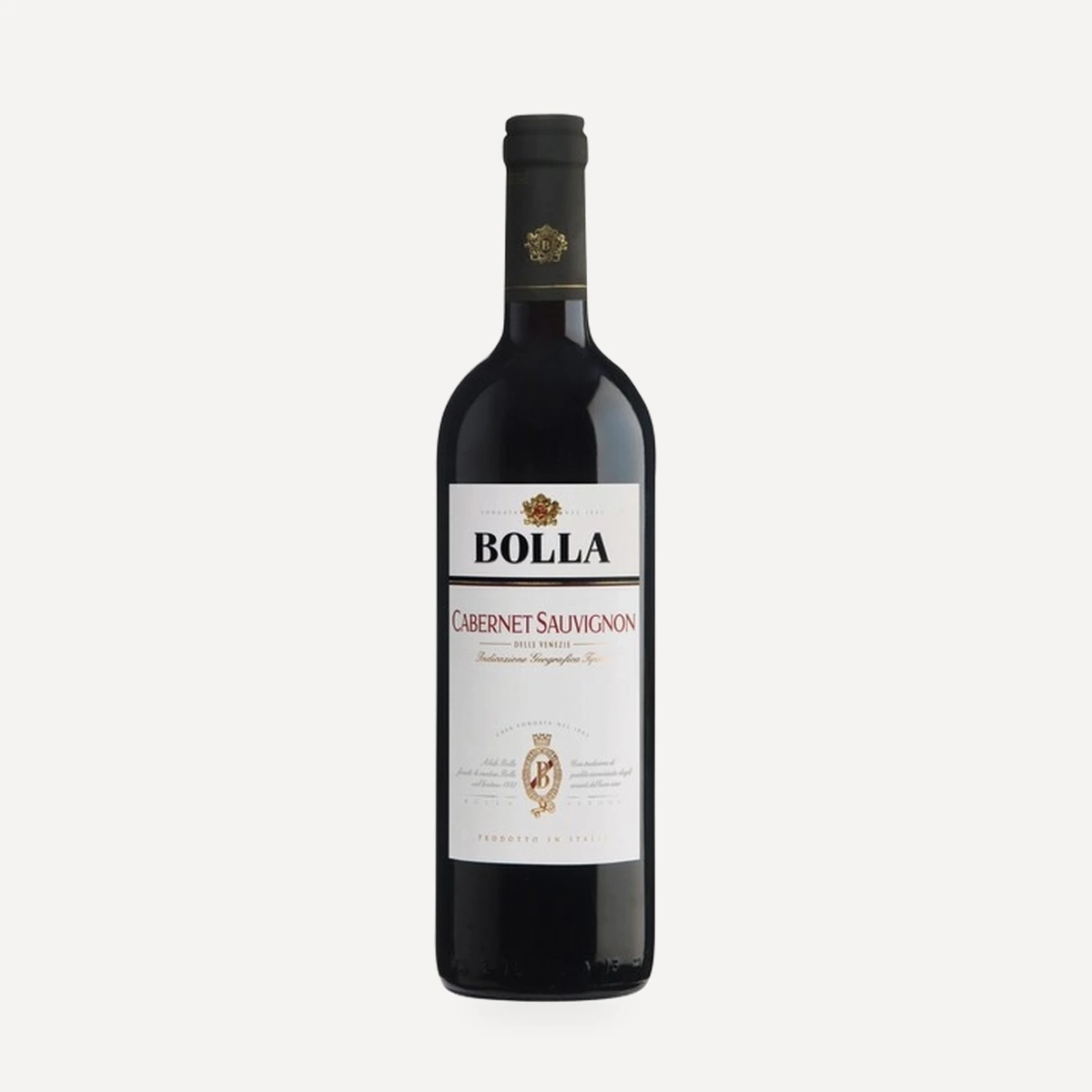
TTT Cabernet Sauvignon delle Venezie IGT
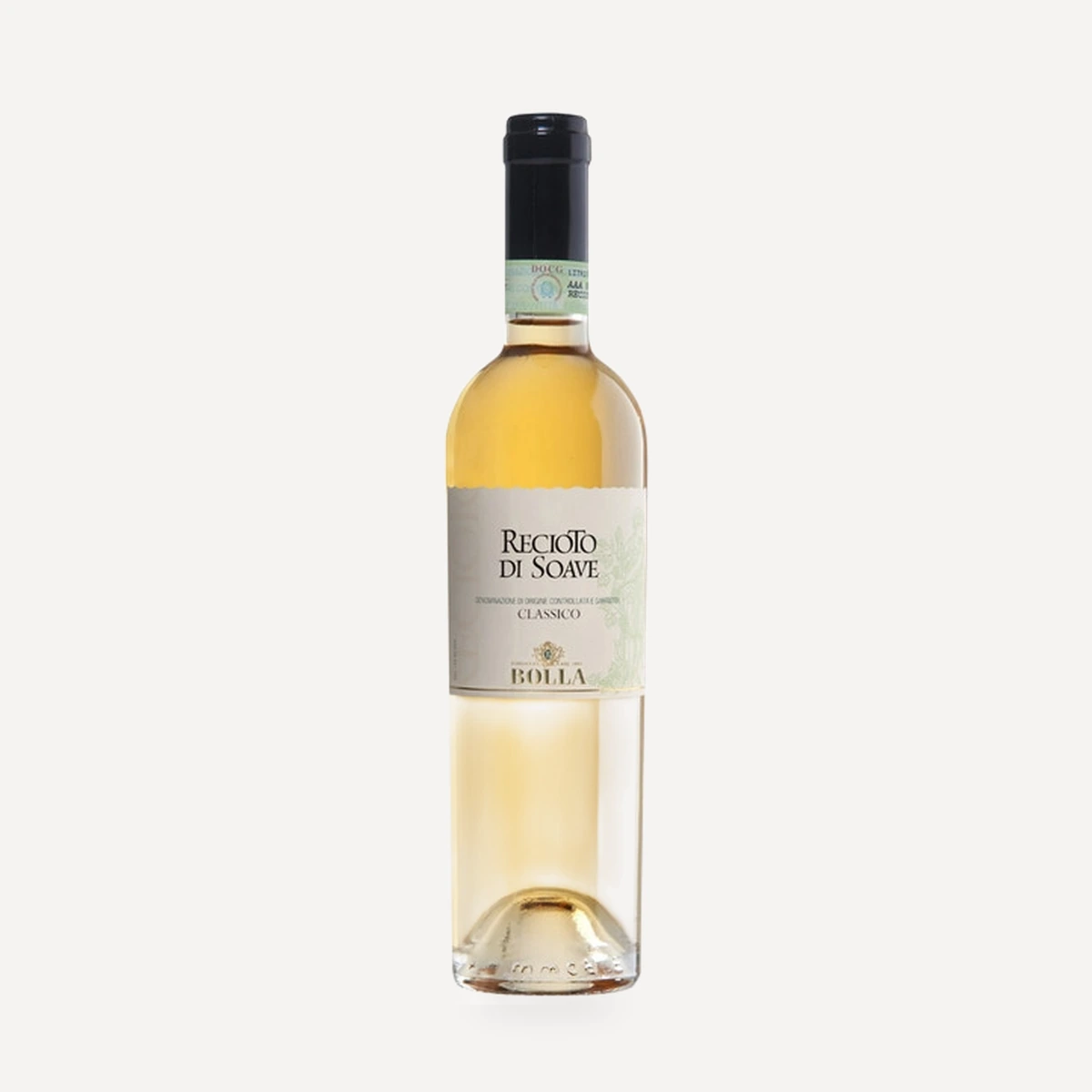
Recioto di Soave Classico DOCG
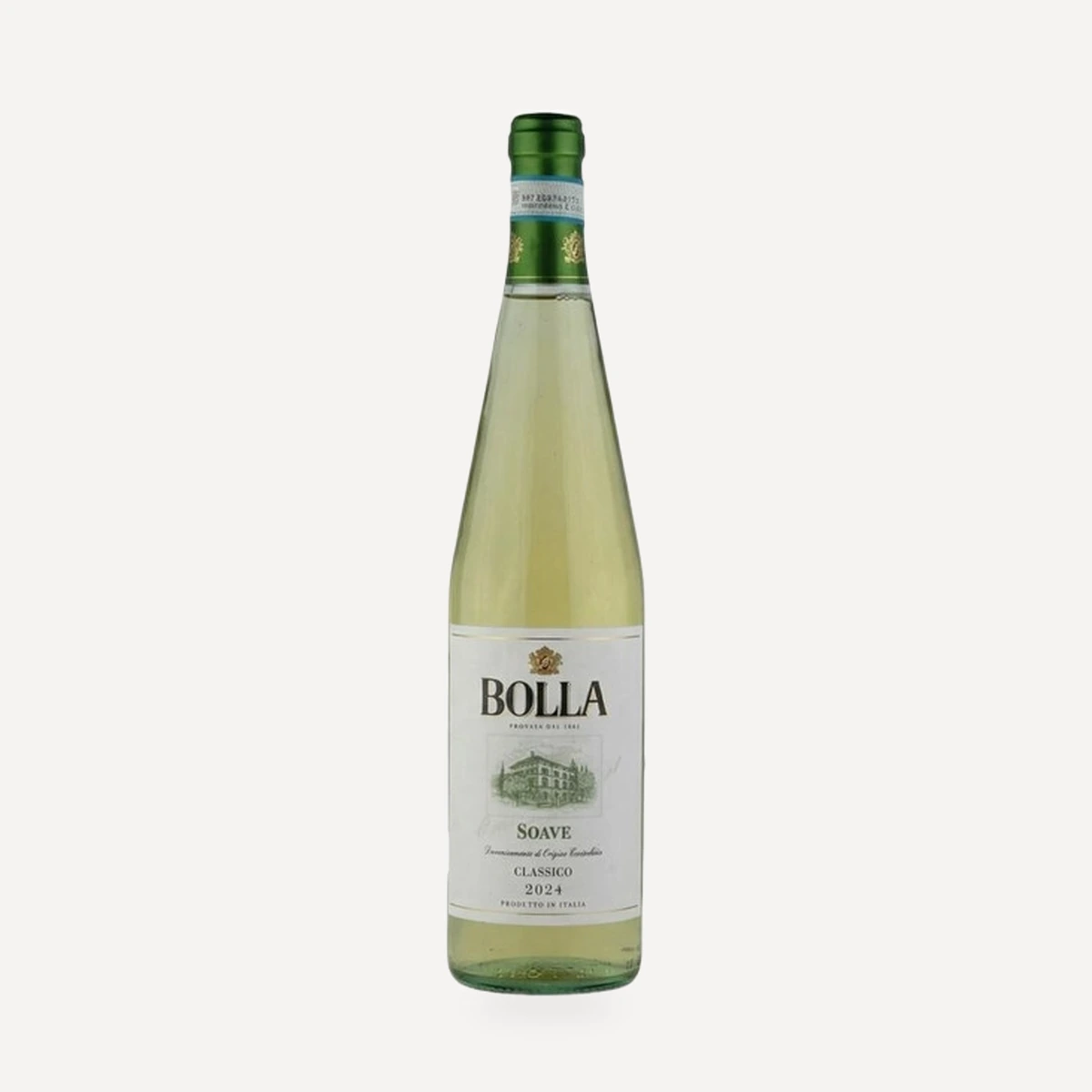
Soave Classico DOC
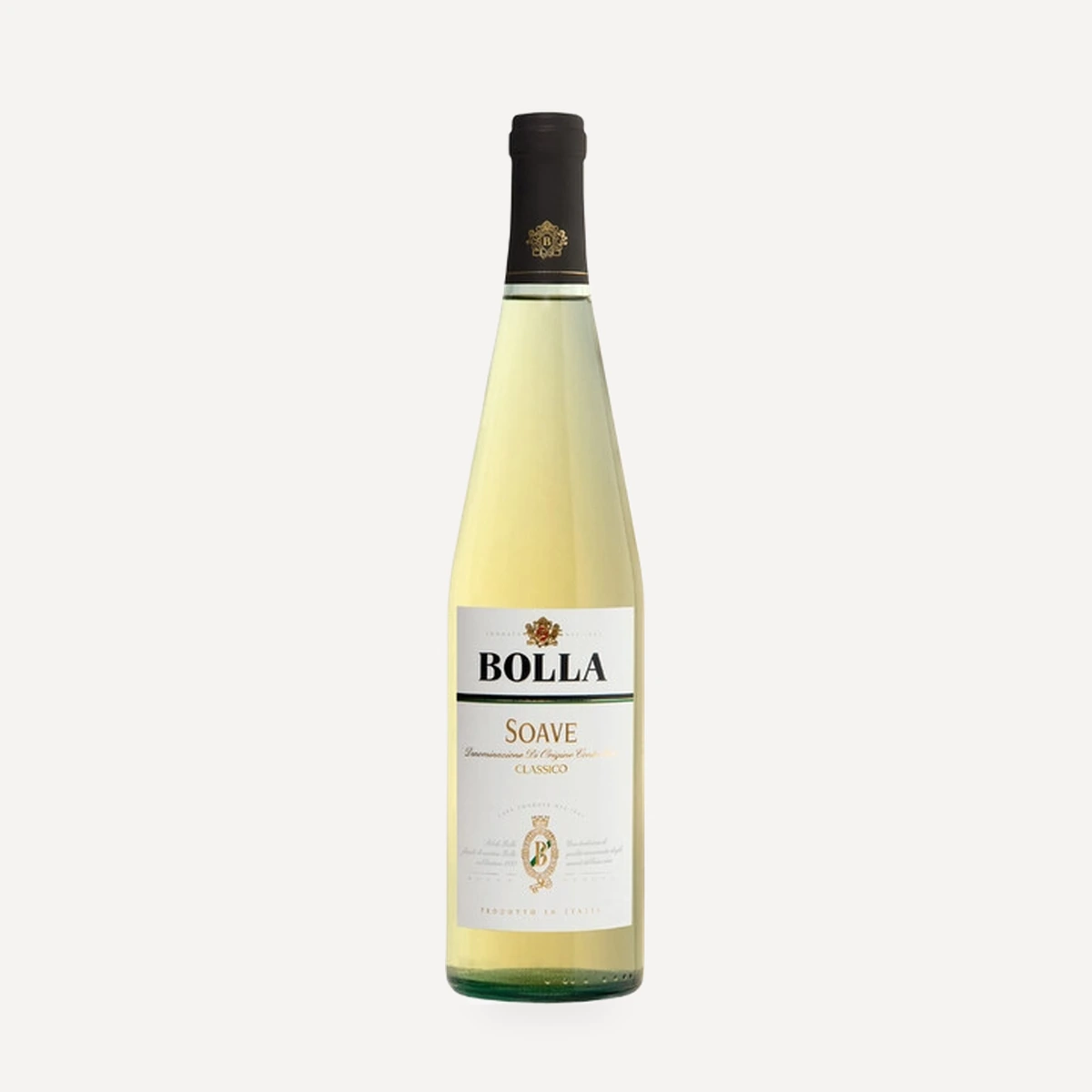
TTT Soave Classico DOC
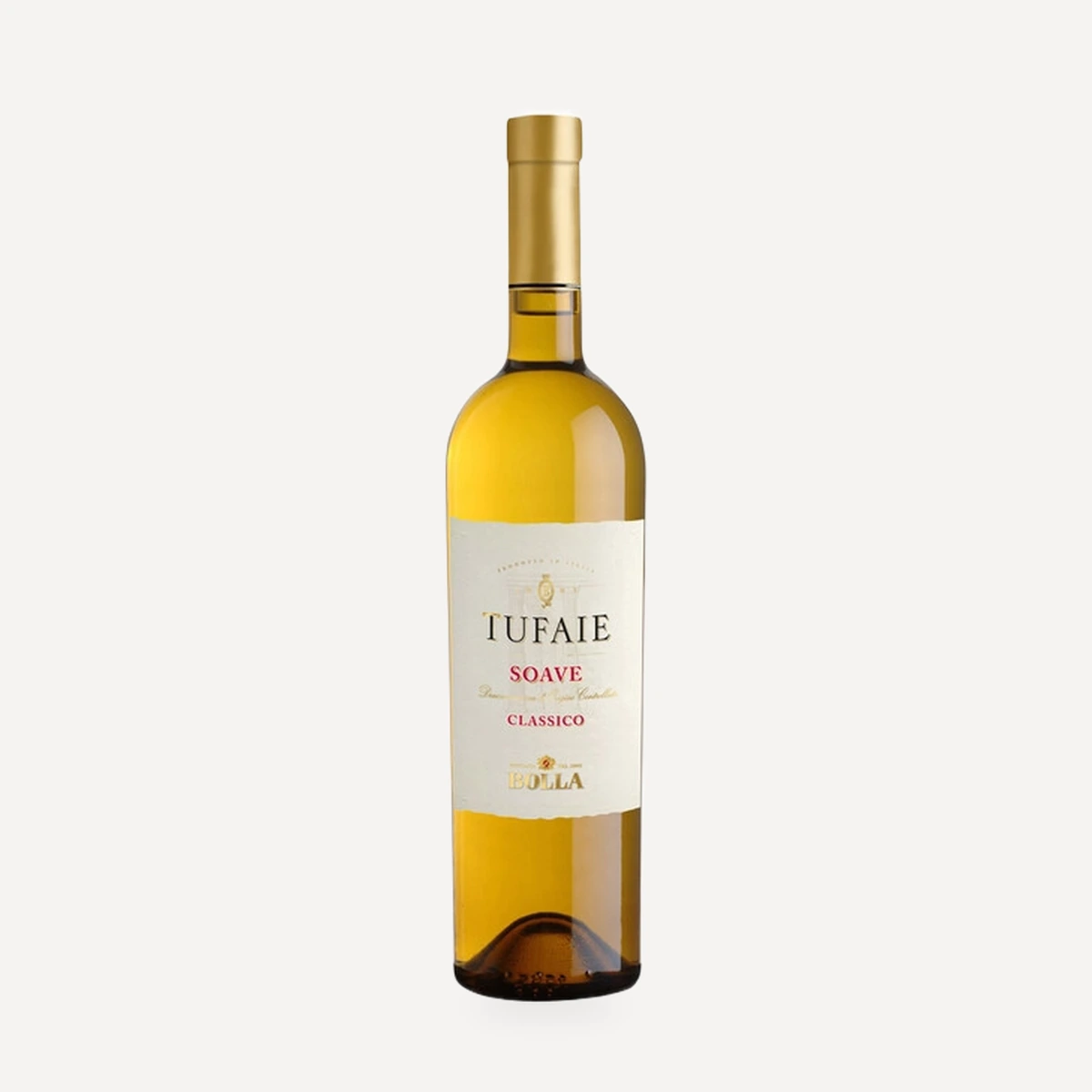
Tufaie Soave Classico DOC
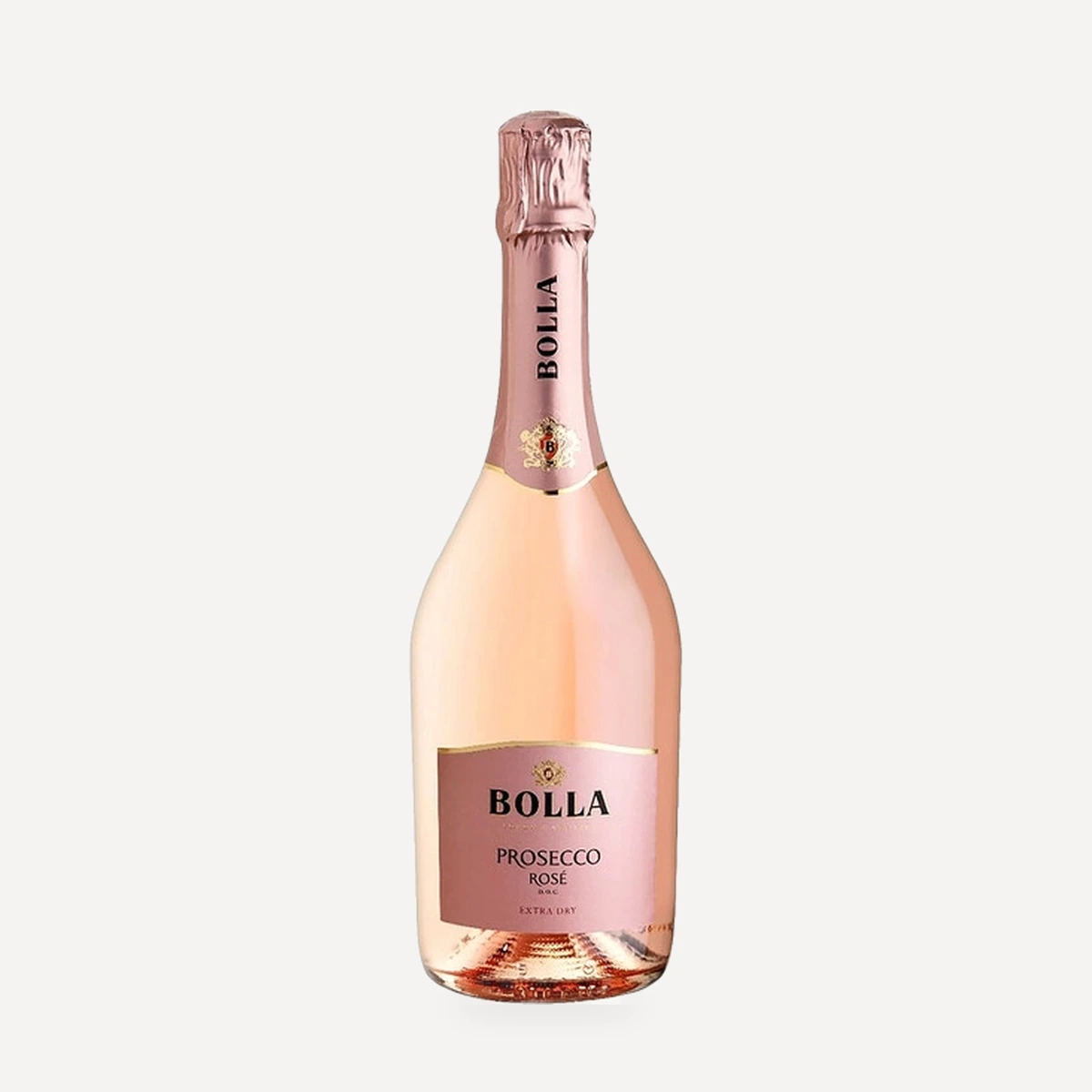
Prosecco Rose Extra Dry DOC
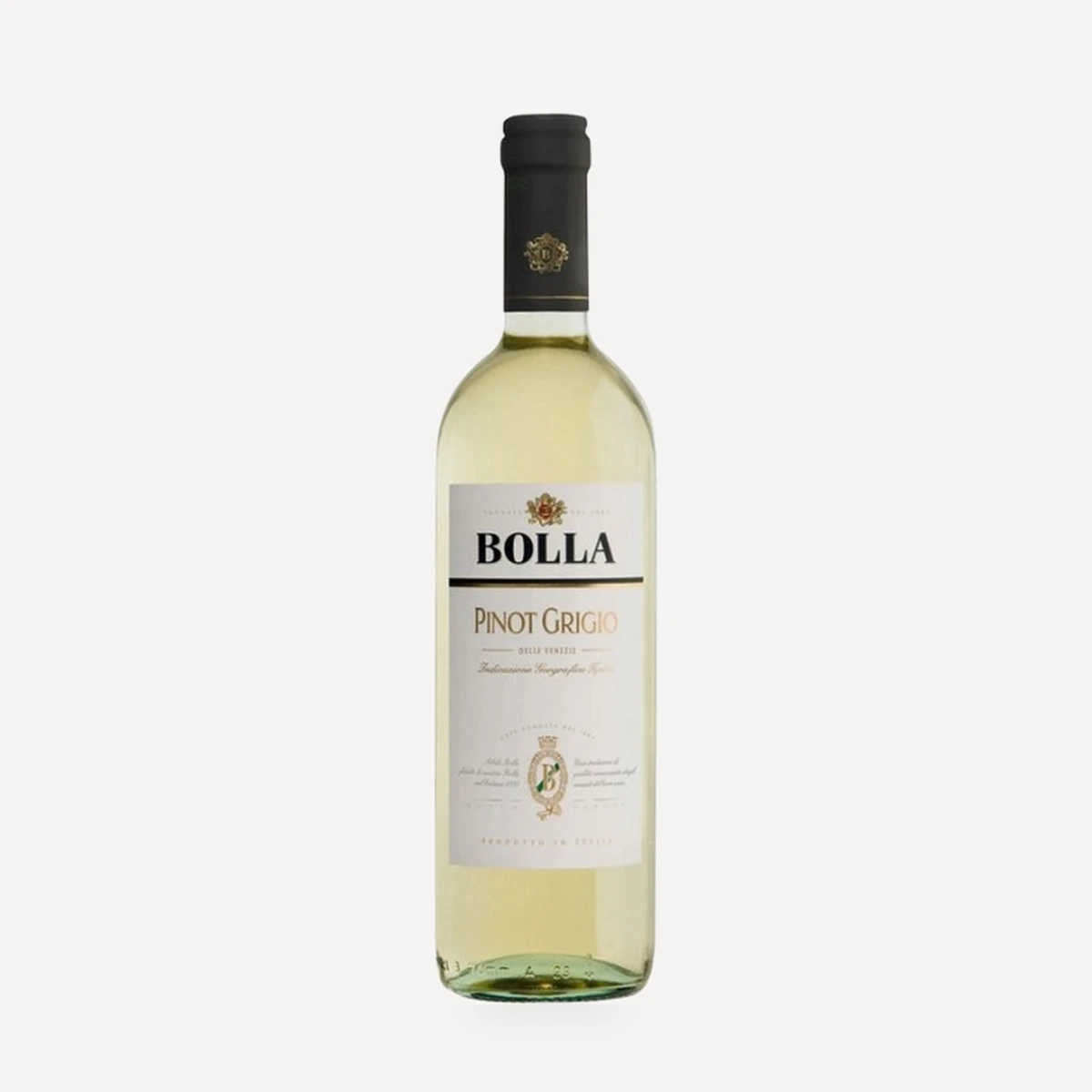
TTT Pinot Grigio delle Venezie IGT
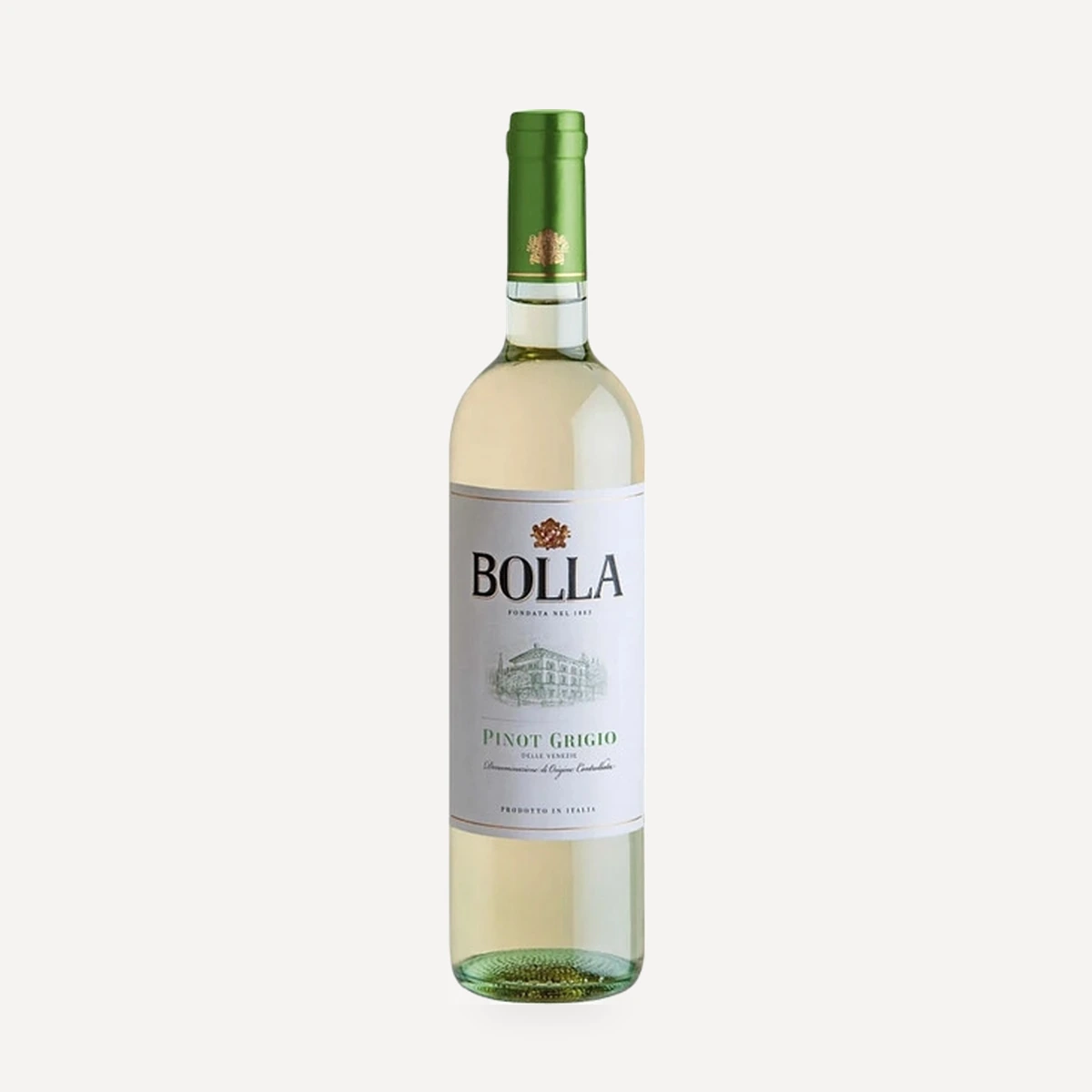
Pinot Grigio delle Venezie DOC
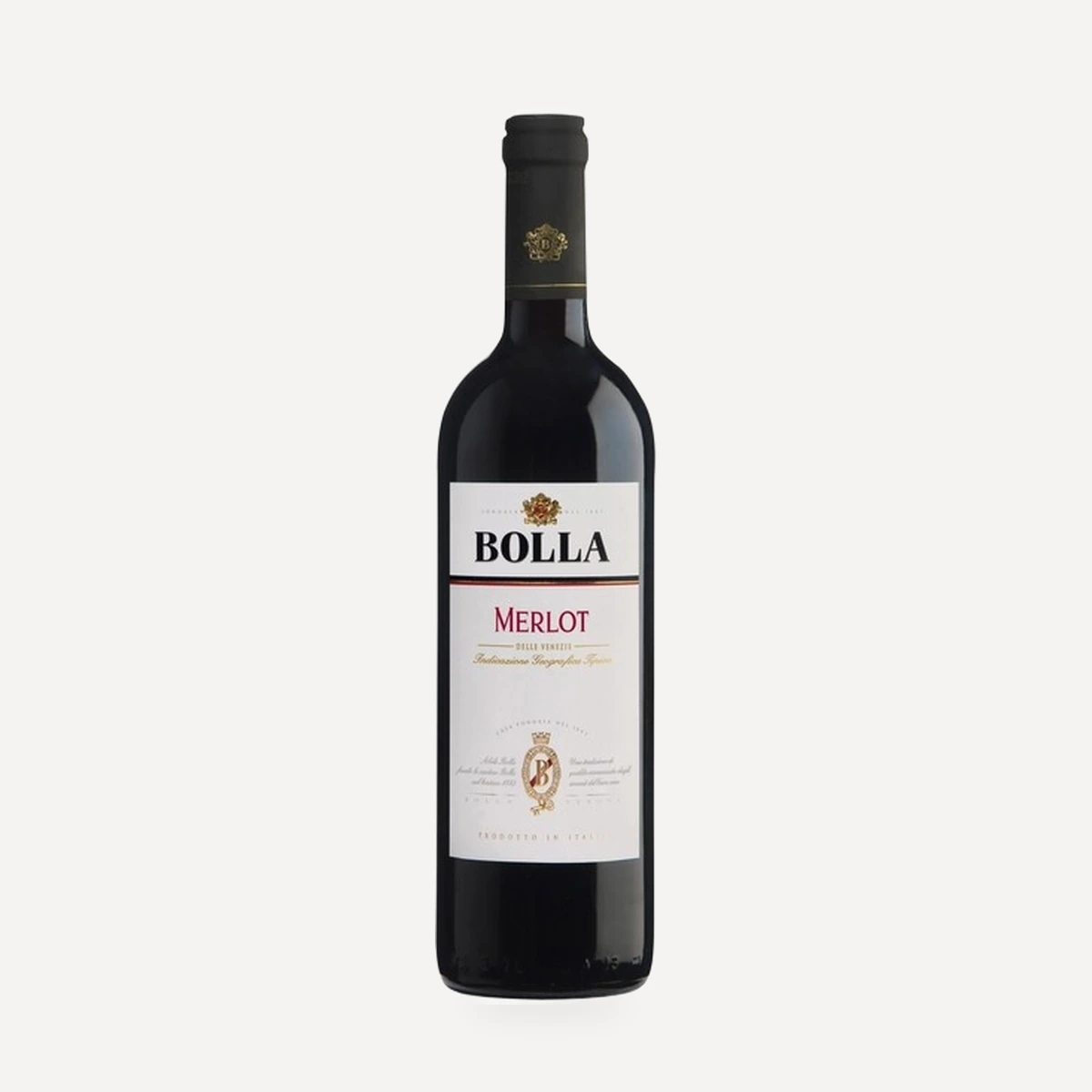
TTT Merlot delle Venezie IGT
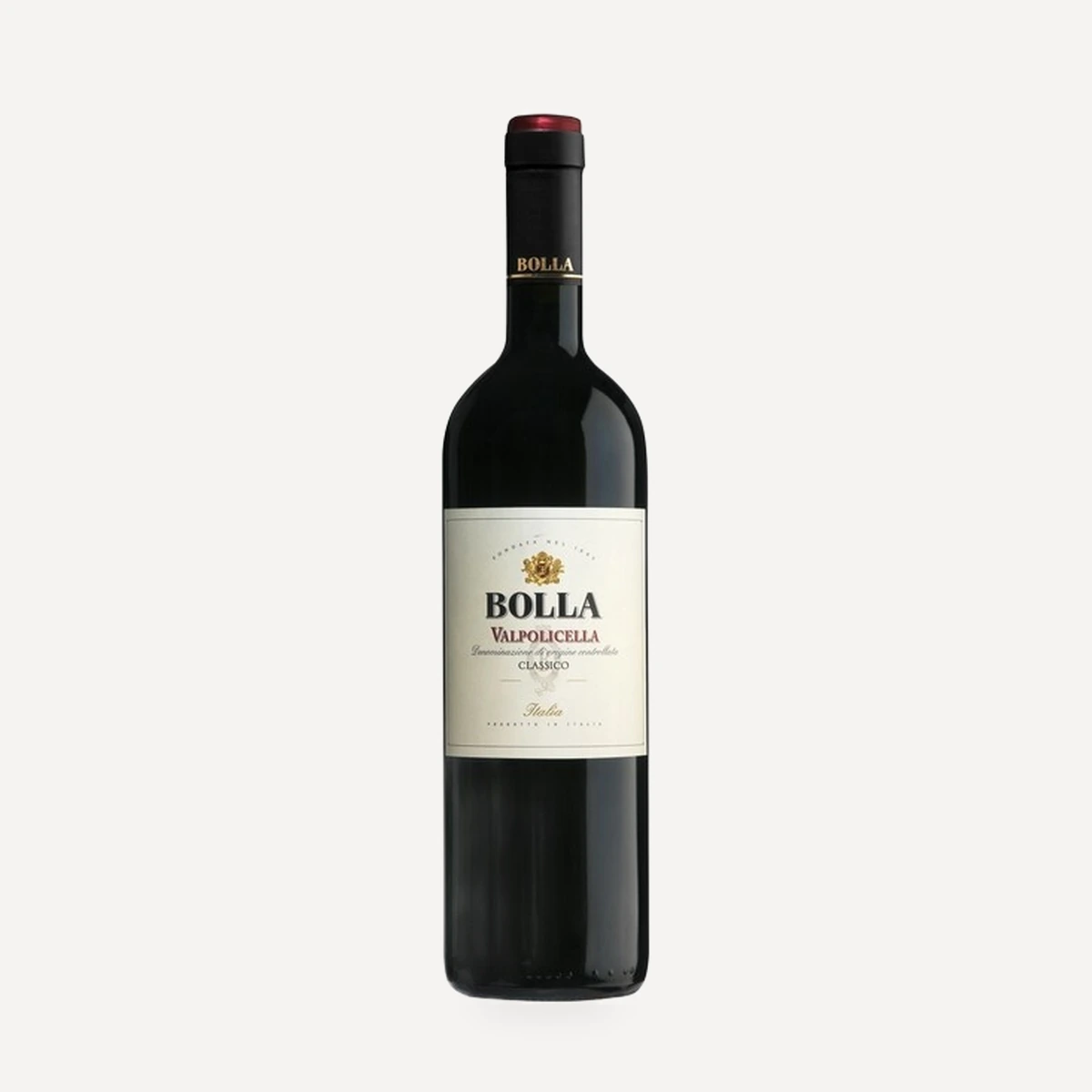
Valpolicella Classico DOC
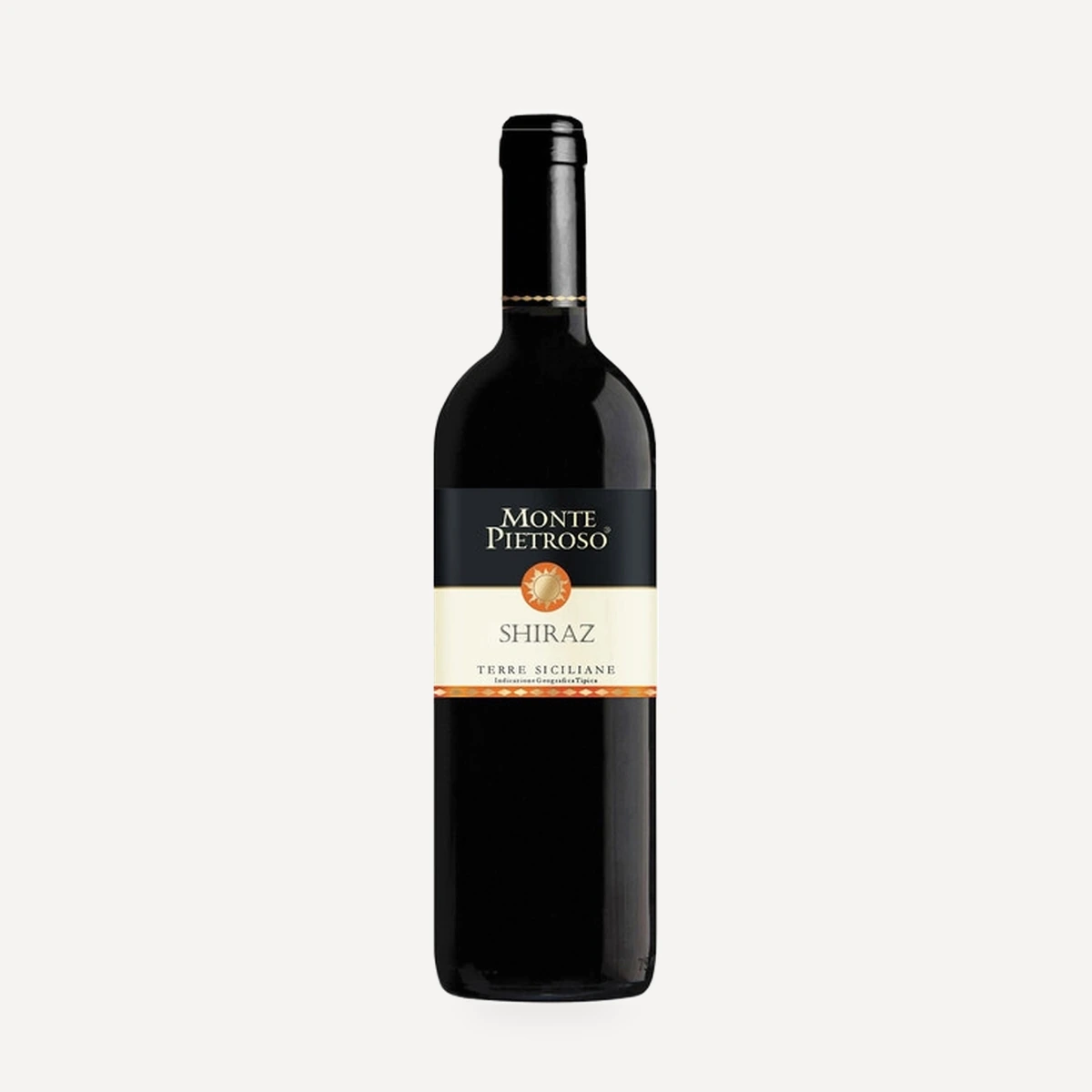
Monte Pietroso Shiraz Terre Siciliane IGT
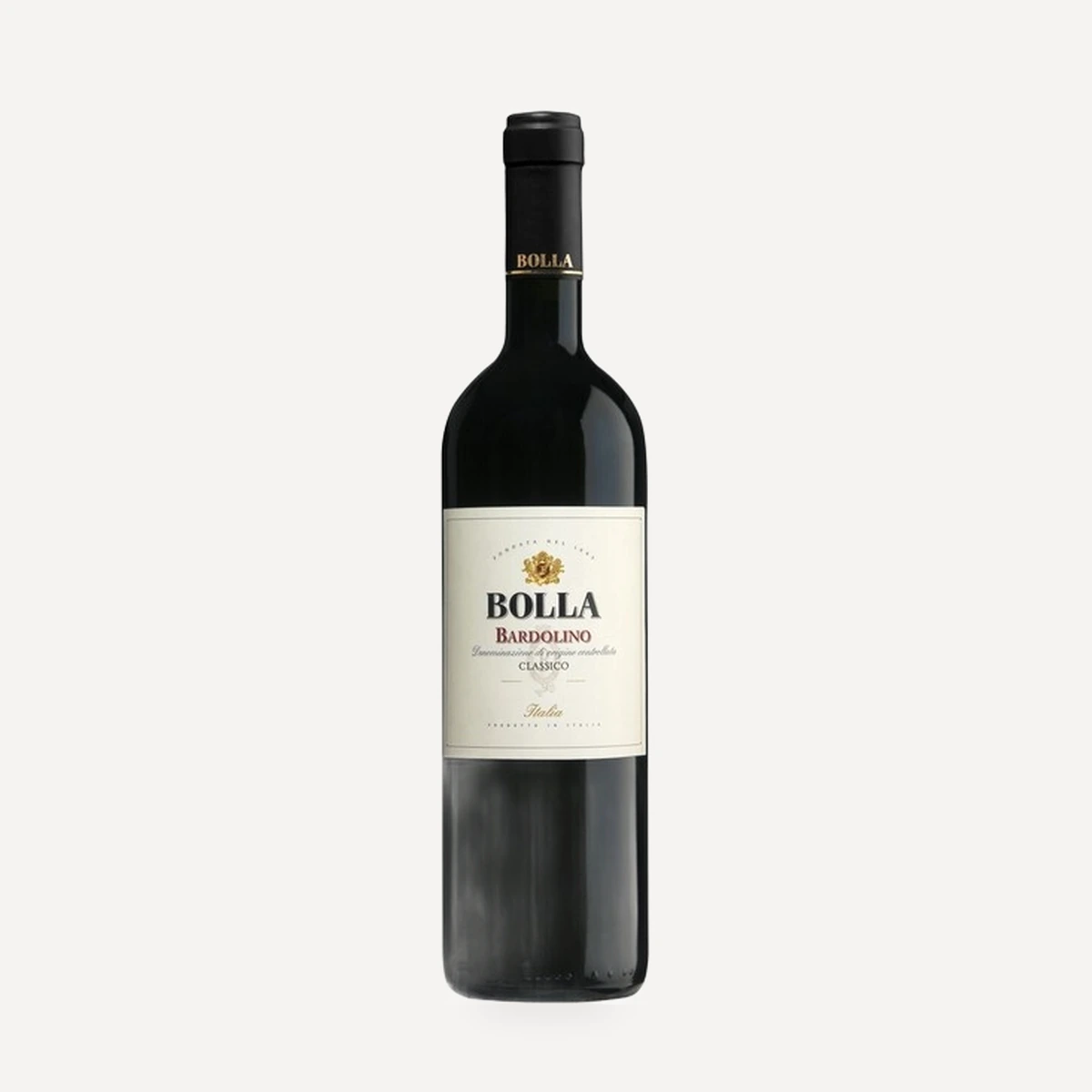
Bardolino Classico DOC
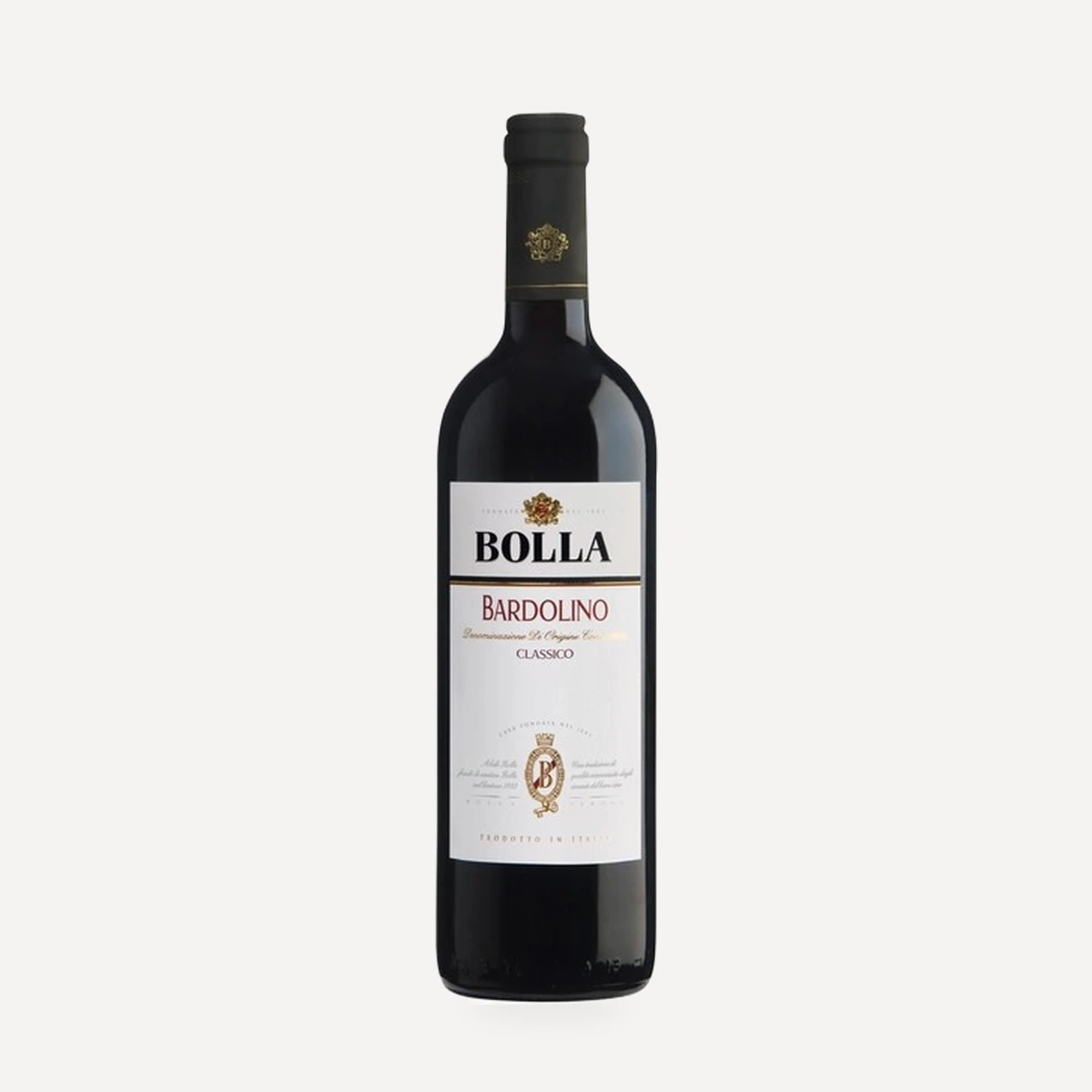
TTT Bardolino Classico DOC
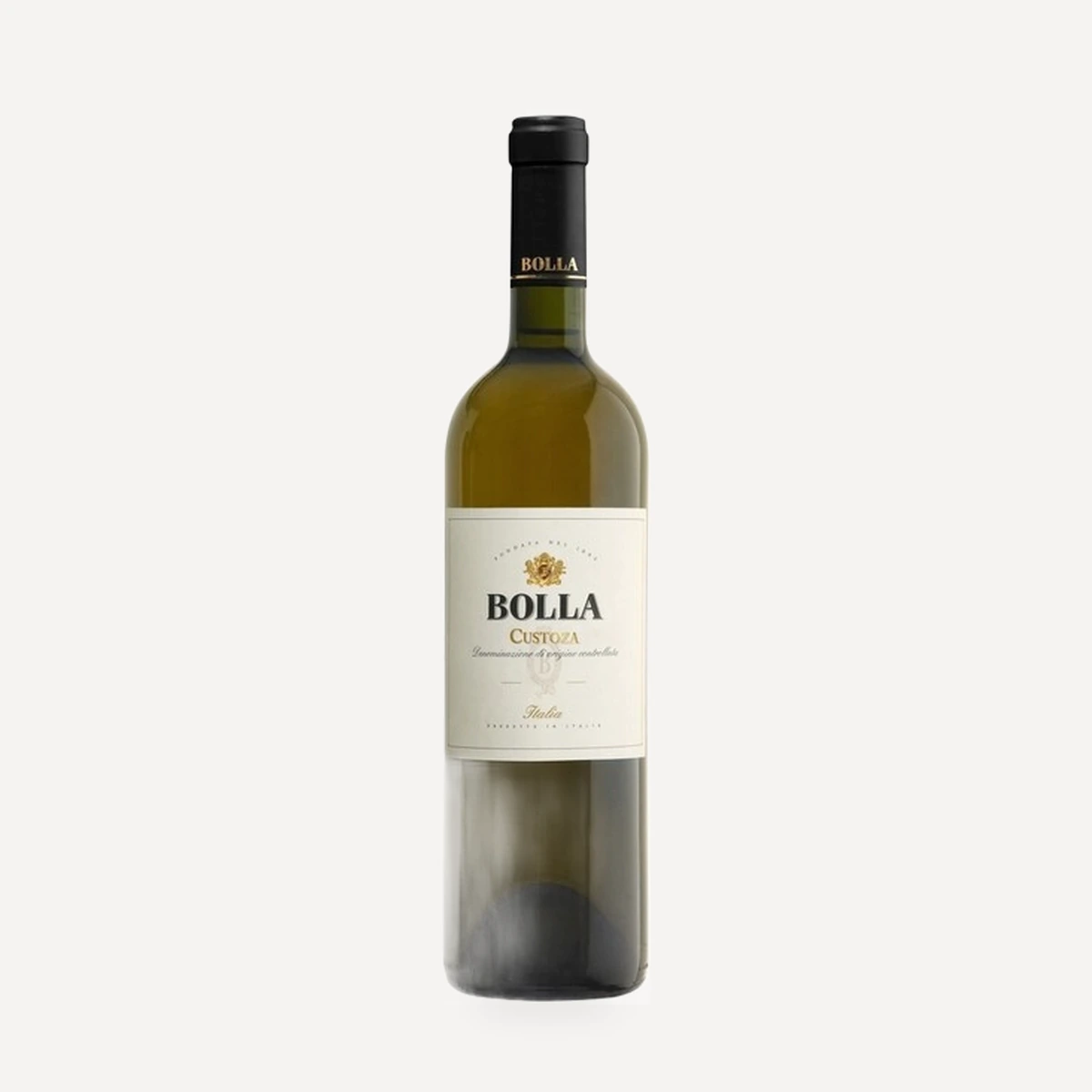
Bianco di Custoza DOC
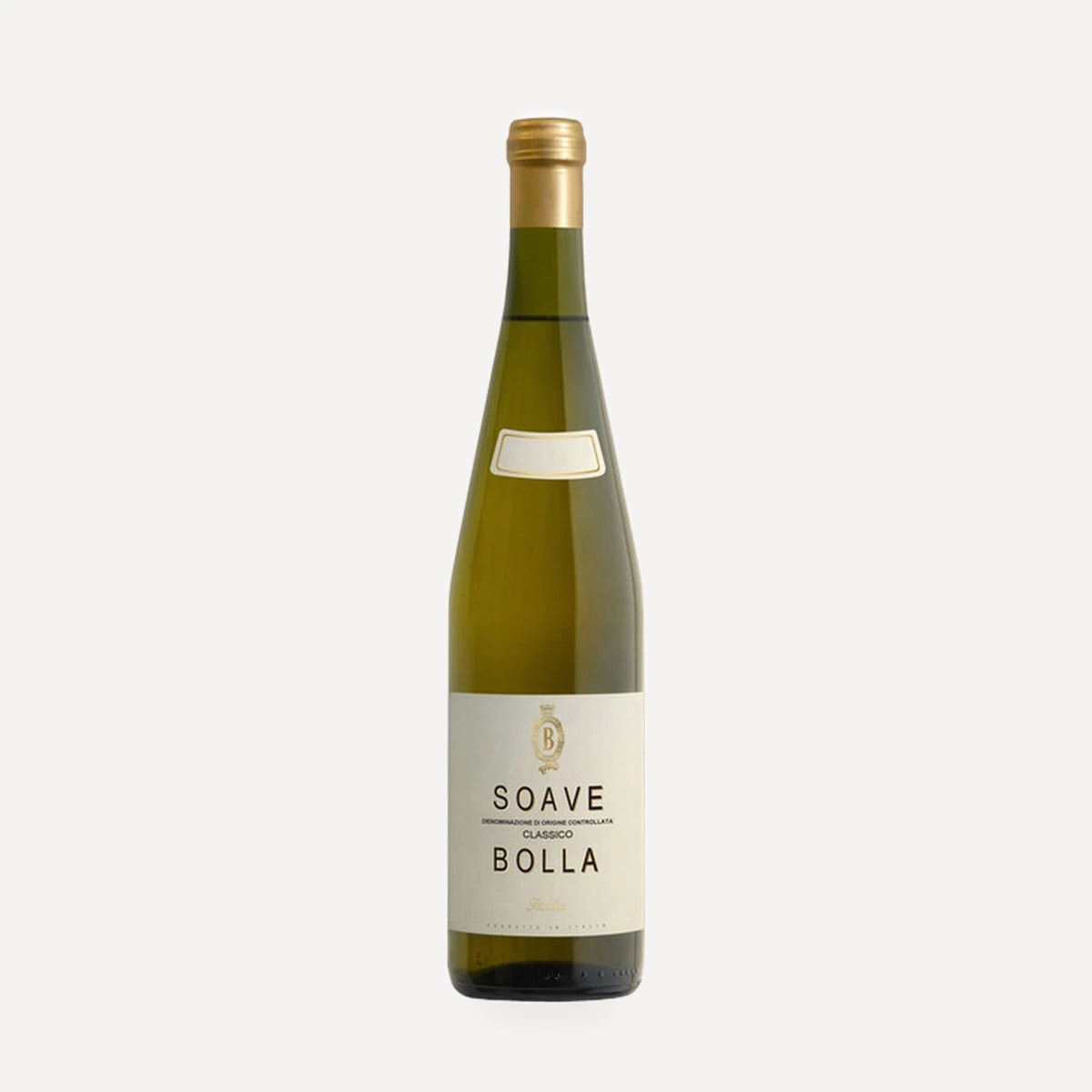
Retro Soave Classico DOC
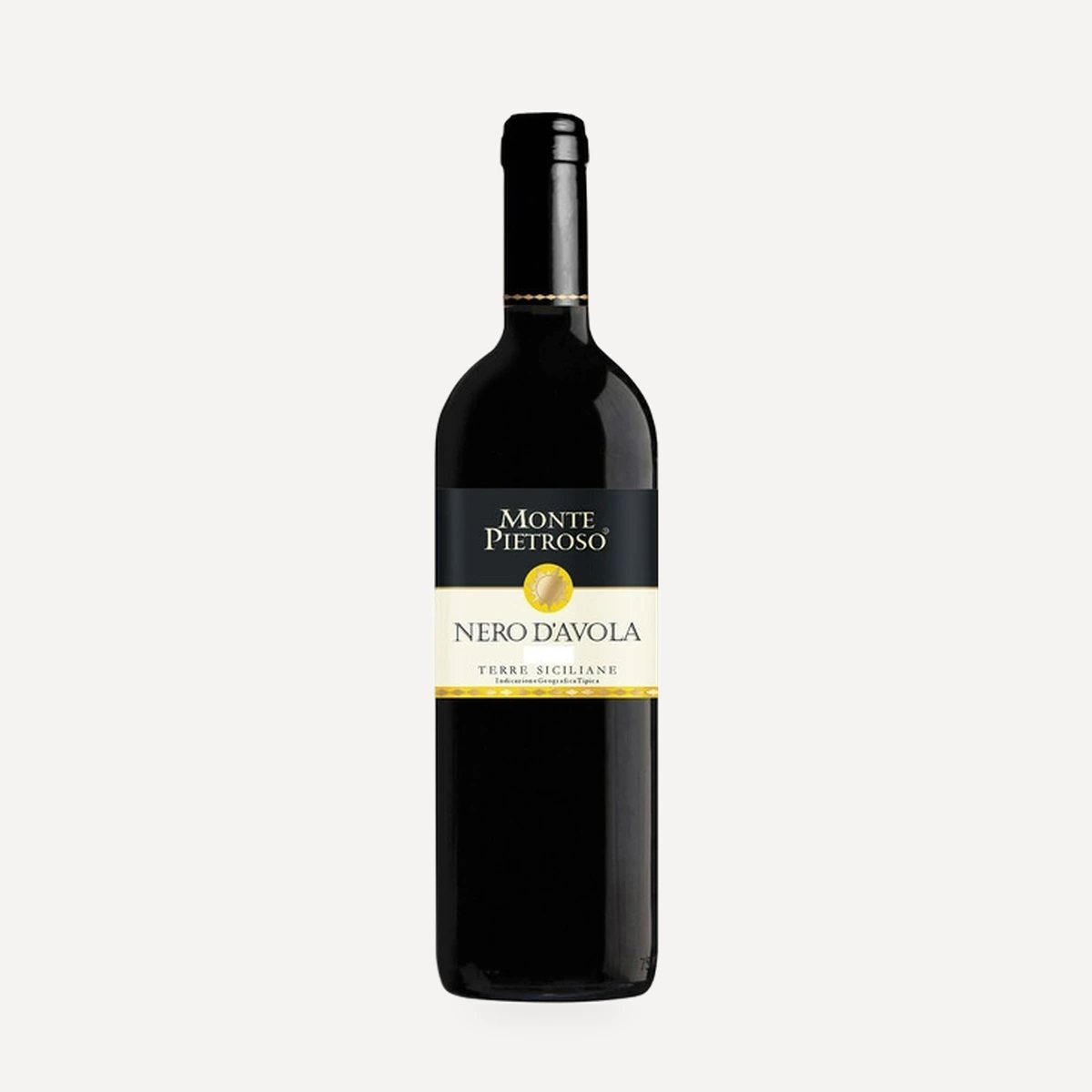
Monte Pietroso Nero d'Avola Terre Siciliane IGT
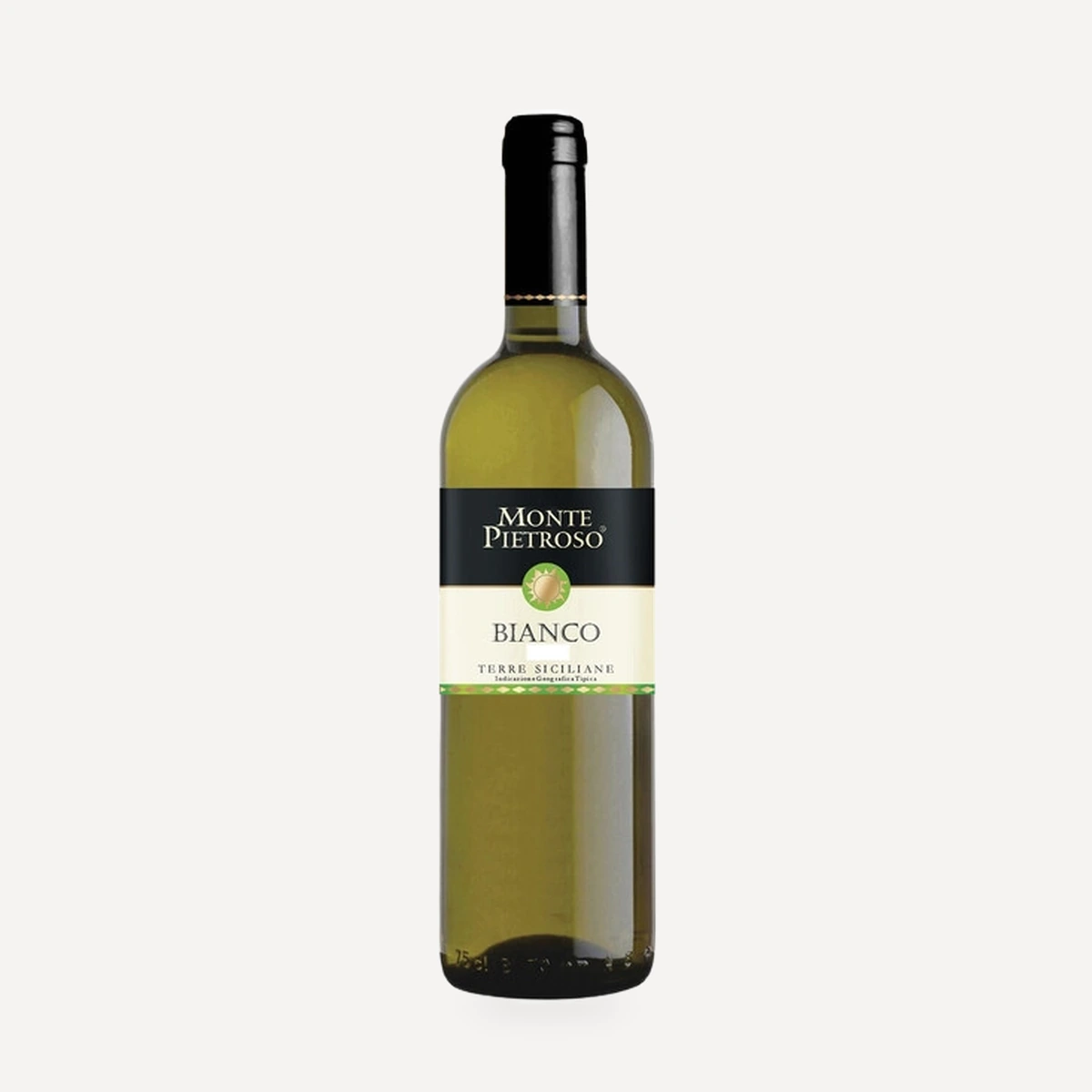
Monte Pietroso Bianco Terre Siciliane IGT
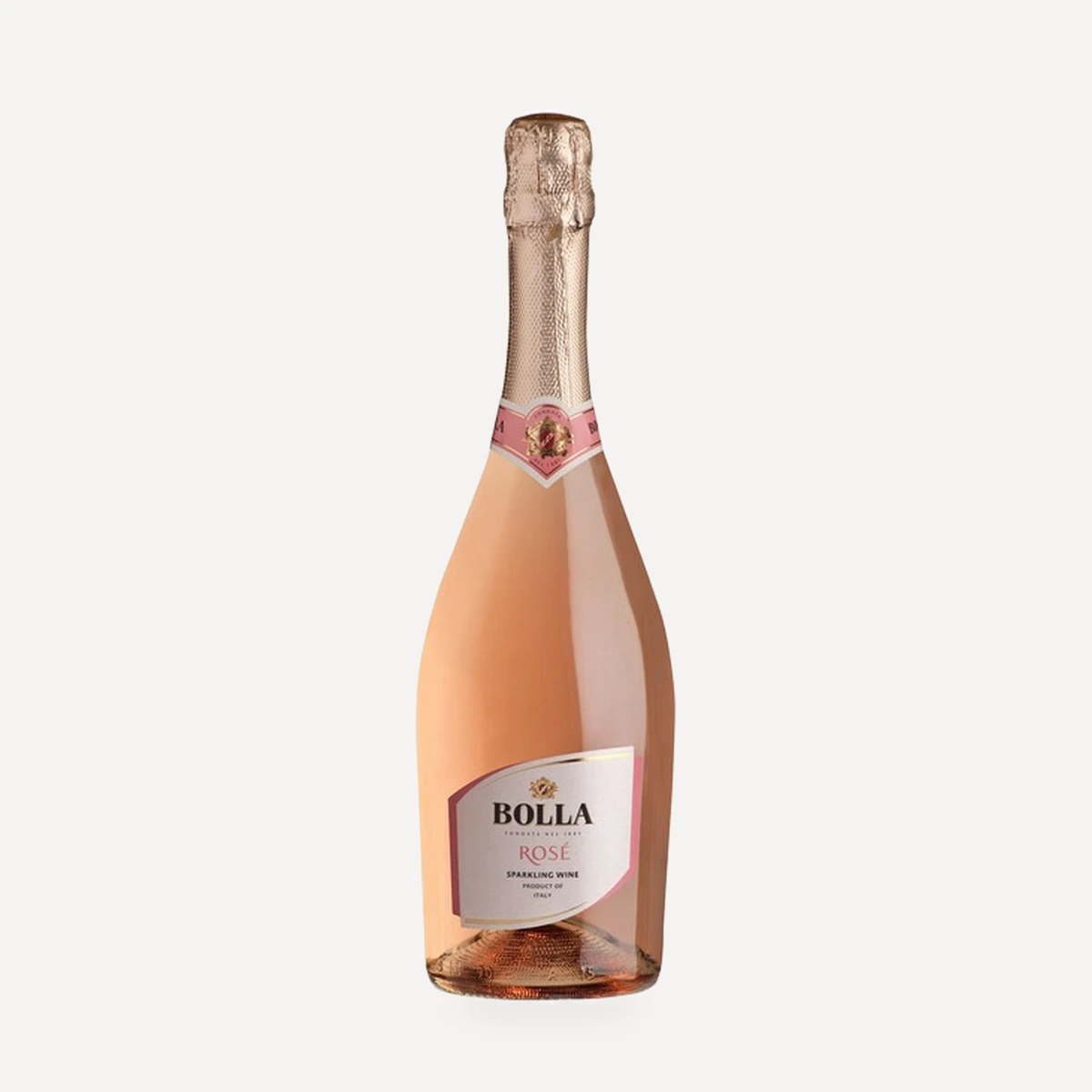
Rose Spumante Extra Dry
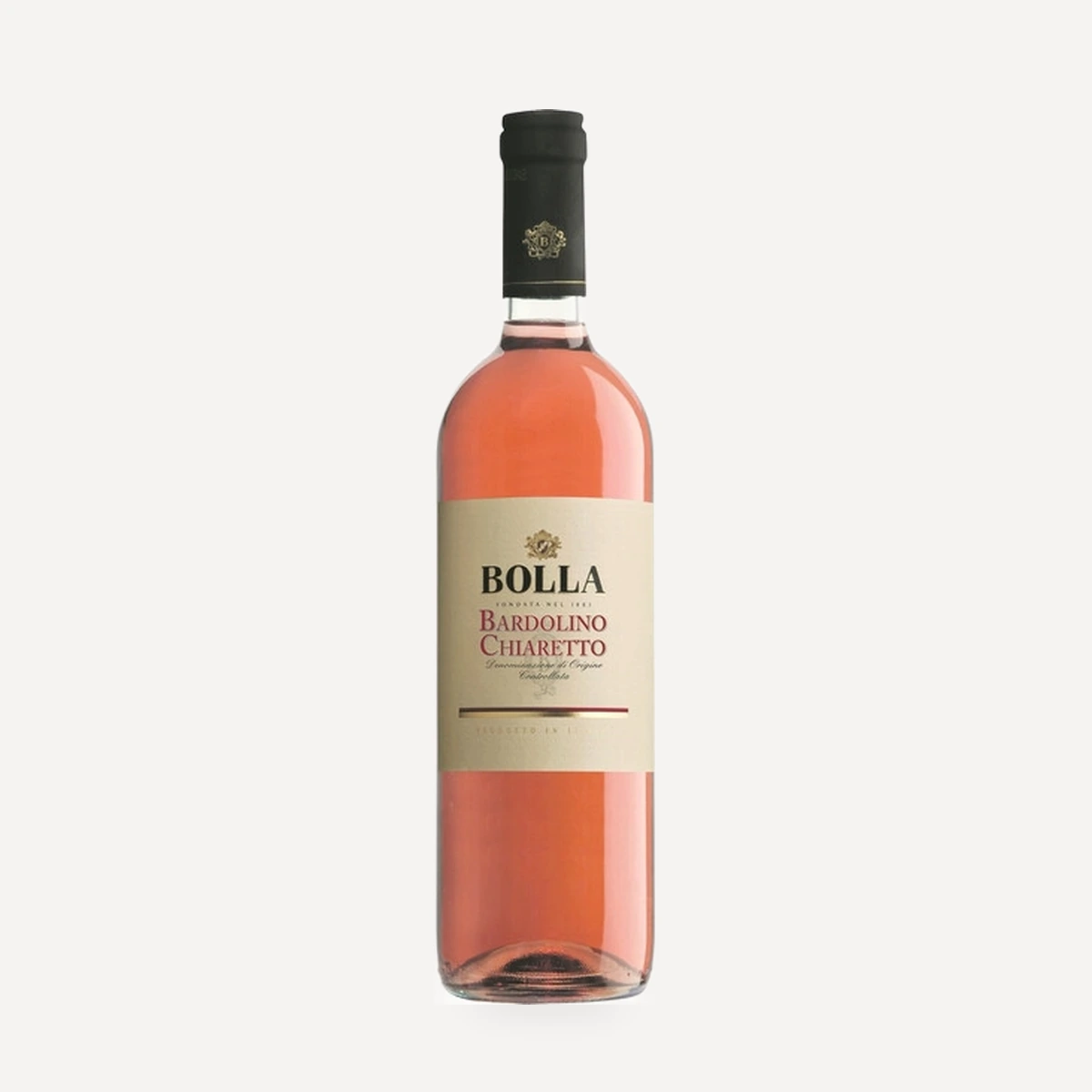
Chiaretto di Bardolino DOC