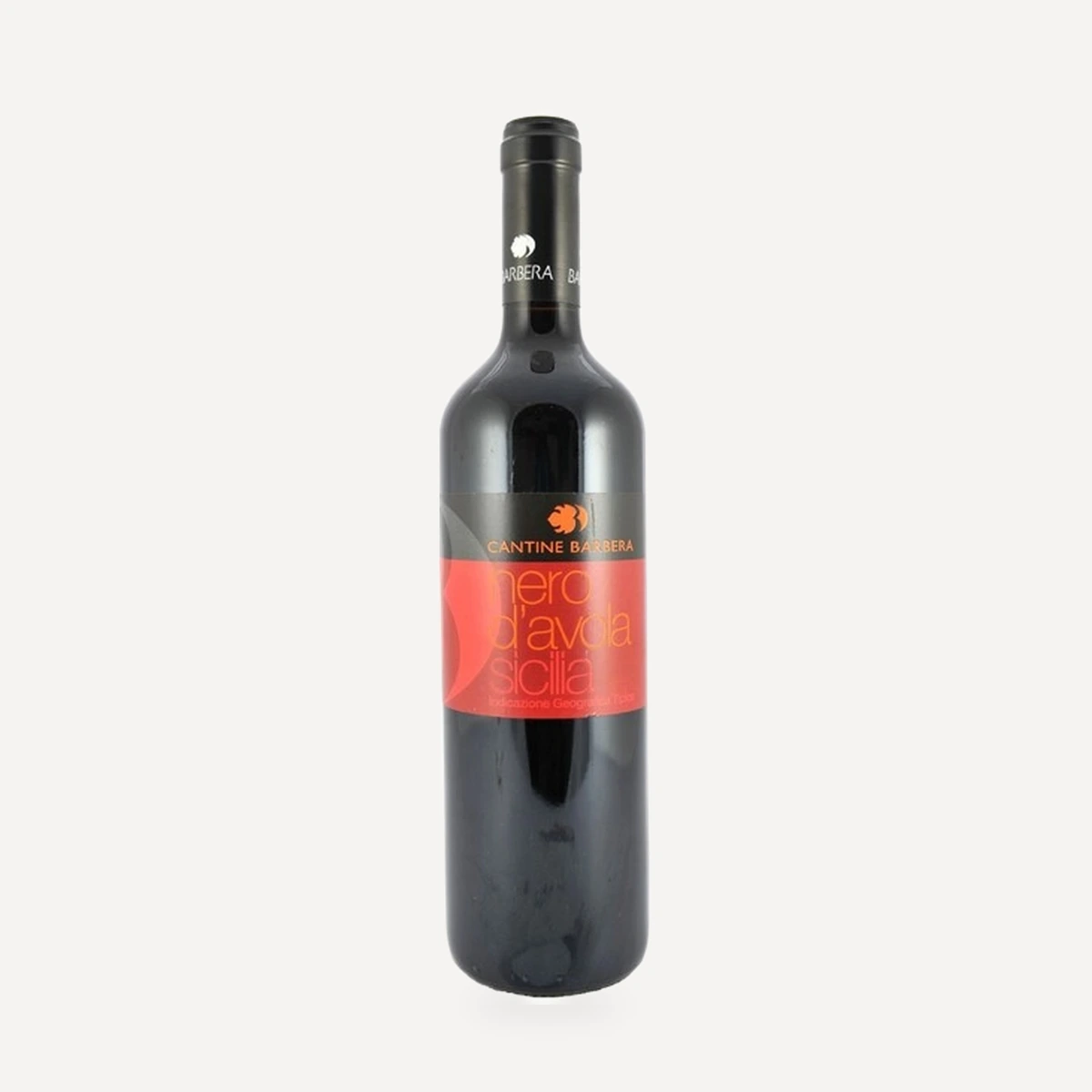
History
The first generation: the 1920s
The Barbera family has cultivated vines at Tenuta Belicello for three generations. Marilena Barbera’s grandfather, Lilly Barbera, planted the family’s first vineyards there during the 1920s. Wine was then made only for household consumption, while most of the grapes were sold to large wineries in the Marsala area. The old local Inzolia material selected during this period later became the genetic foundation for subsequent family plantings.
Pietro Barbera and the reorganization of Belicello
Marilena’s father, Pietro Barbera, devoted his working life to restoring and reorganizing the estate. He invested in land improvement and selected varieties for their ability to adapt successfully to Belicello’s terroir.
In 1958 the family was among the founders of Cantine Settesoli, Menfi’s cooperative winery. Pietro subsequently experimented with international varieties at Belicello. Chardonnay, Merlot, Petit Verdot and Cabernet Sauvignon were introduced during the 1980s; some international plantings were renewed in 1995 and again in 2004.
The old Dietro le Case Inzolia vineyard was established from the family’s older massal-selected material. Its planting date is now presented as approximately 1965, while an earlier account dated it to 1970. Four phenotypes developed among its Inzolia vines, preserving considerable intra-varietal diversity.
Experiments and the creation of Cantine Barbera
In 1996 the family began experimental vinifications from grapes grown at Tenuta Belicello. Marilena joined the business in 2000, initially managing sales, marketing and relationships with customers, importers and distributors in 14 countries.
Pietro, a professional engineer, designed the small, modern winery at Contrada Torrenova in 2000. Cantine Barbera was formally established in 2001, when the first estate harvest was bottled under its own label. The family moved production into Pietro’s new winery in 2003. Its deliberately simple equipment was chosen to provide only the essential technology required for closely supervised, low-intervention production.
Marilena Barbera takes responsibility
Pietro died suddenly in 2006. Marilena consequently assumed full responsibility for production and began following both vineyard cultivation and winemaking directly. What began as commercial and export work became a complete commitment to farming and cellar work. The winery now reflects her preference for Sicilian varieties, single vineyards, biodynamic agriculture and minimally invasive vinification.
Preserving the old Inzolia material
In 2007 Marilena created a younger Inzolia vineyard by grafting buds collected in Dietro le Case onto new rootstocks. This continued the massal-selection work begun by her grandfather and preserved the old vineyard’s phenotypes and intra-varietal variability.
She later began regenerating severely aged Dietro le Case vines whose trunks were compromised but whose root systems remained alive. Suckers from those roots were trained until sufficiently strong and then regrafted with genetic material from the same vineyard. The objective was to retain root systems already balanced with Belicello’s dry, saline environment while prolonging the life and genetic continuity of the parcel.
Perpetual wine and renewed local tradition
In 2012 Marilena started a single perpetual barrel with Inzolia from the old vineyard, reviving Menfi’s former vino di casa tradition. The barrel remains with its sediment and is replenished with new wine after each harvest. Small quantities were drawn for bottling in 2018, 2021, January 2023 and January 2026. Each withdrawal contains material from the successive harvests accumulated in the barrel since 2012.
Organic and biodynamic certification
The estate obtained organic certification in 2016. Biodynamic certification followed in 2023, formalizing an approach based on manual vineyard work, cover crops, compost, algae, biodynamic preparations and homeopathic applications, with copper and sulphur reserved for strictly necessary treatments.
Today Marilena runs the boutique winery with her mother and a small team. Production remains divided among approachable Menfi wines, site-focused crus, very small handmade lots and long-aged wines rooted in local tradition.
Terroir
Coastal Menfi
Cantine Barbera is based in Menfi on Sicily’s south-western coast. Tenuta Belicello lies close to the Mediterranean, with the Belìce River running along its western boundary. The estate borders the Belìce River Nature Reserve, established in 1984. Contrada Torrenova, where the winery and a Zibibbo vineyard are located, is nearby, while Vigneto Serralunga lies north of Belicello beside the Serralunga Creek.
The landscape combines a deep-blue sea, sandy dunes, reeds, tamarisks, dwarf palms and sea lilies with vineyards and old olive trees. The wider Menfi terrain rises gently from the coast through mildly undulating valleys, alluvial plains, calcareous formations and marine terraces.
Climate, light and maritime influence
Summers are hot and dry and winters are mild. Rain is concentrated between November and March; the dry season generally extends from May or June through October. Late spring and summer normally bring very little rain, reducing humidity and making downy mildew, powdery mildew and other fungal diseases comparatively rare.
The Mediterranean’s cold water moderates air temperatures. During the day wind generally moves inland from the sea; at night the direction reverses. This daily breeze cycle maintains ventilation and dries atmospheric humidity. Saline air interacts with vine metabolism and helps inhibit mould infections. Belicello also experiences marked differences between daytime and nighttime temperatures.
Sunlight is intense and is amplified by reflection from the sea. Solar radiation is described as approximately 45% greater than in northern Italian regions, supporting vine metabolism and full aromatic development.
Estate soils
Belicello contains four principal soil environments:
- La Costa: deep, cool calcareous soil with abundant stones, associated with ancient volcanic sediments and emergent marine terraces. Its gentle slope and good drainage support the old and young Inzolia vineyards and Nero d’Avola.
- Sottostrada: at the foot of the hill, volcanic and calcareous deposits meet sedimentary alluvial clay. The dark soil is well drained and rich in organic matter.
- Il Pozzo: very deep, fertile alluvial and sedimentary clay banks, rich in nutrients and minerals of marine origin. Fresh groundwater moves through the soil from the upper Belìce Valley.
- La Vota: deep, permeable yellowish alluvial sands with fine silty and clay fractions, strongly influenced by the adjacent Belìce River. Flooding during particularly wet seasons deposits additional sediment.
Vigneto Serralunga has a rocky soil rich in volcanic sand. The site is surrounded by old olive trees, receives constant ventilation and overlooks the Mediterranean.
Biodiversity
The boundary with the protected Belìce landscape gives the estate an ecological role beyond viticulture. Vineyards and uncultivated spaces provide interior habitat for birds, reptiles, insects and flowering plants. The coastal environment includes wild rosemary, ampelodesma, sea lilies and Carpobrotus acinaciformis, while nearby dunes shelter ungrafted, pre-phylloxera Inzolia vines growing in the sand.
Winemaking
Biodynamic vineyard management
The vineyards are certified organic and biodynamic. Synthetic fertilizers, herbicides and systemic crop-protection products are excluded. Mineral fertilization and other forcing practices are avoided, as is routine top trimming, because each vine is allowed to find and express its own balance.
Cover crops, compost, algae, biodynamic preparations and homeopathic treatments support soil nutrition and vine health. Copper and sulphur are used only when strictly necessary. Marilena also explores agro-homeopathy within a holistic approach that treats the health of visible and microscopic organisms as part of the same agricultural system.
Manual work and old-vine conservation
Pruning, tying, canopy work, green harvesting and leaf removal are performed mainly by hand. Manual care is intended to respond to individual plants without forcing growth. Harvesting begins at dawn so that grapes arrive cool and retain their aromatic integrity.
Massal selection is central to the conservation of Dietro le Case. In 2007 buds from its old Inzolia vines were grafted onto new rootstocks to reproduce the vineyard’s four phenotypes and genetic variability. Further work has involved preserving living root systems of aged vines, training suckers from those roots and regrafting them with material from the same parcel.
Biodiversity and resources
Belicello borders the Belìce River Nature Reserve and provides habitat for birds, reptiles, insects and flowering plants. The estate uses 100% renewable energy, recyclable materials and lightweight bottles, and manages natural resources under monitoring systems based on international ISO standards for quality, environmental management and traceability.
Winery and production model
The small, modern winery at Contrada Torrenova was designed by Pietro Barbera in 2000 and entered service in 2003. It is equipped with the essential technology needed for controlled but minimally invasive production. The approach combines close human supervision with spontaneous biological processes rather than corrective cellar techniques.
Indigenous-yeast starter and fermentation
A few days before harvest, a small quantity of white grapes is collected and allowed to ferment spontaneously with skins and stems. Once active, this pied-de-cuve is pressed manually and fed repeatedly with fresh grape must until it is clean and vigorous. It then inoculates fruit harvested later. As the cellar becomes populated by the same wild yeasts during harvest, subsequent lots can begin spontaneously without additional inoculation.
Malolactic fermentation is also spontaneous, driven by bacteria naturally present in the must. In exceptionally hot vintages, a small quantity of unripe grapes may be pressed manually and its high-acid juice added during alcoholic fermentation to preserve freshness and acidity.
Oxidation control and additives
Harvesting at dawn and pressing immediately are the first measures used to protect aroma and limit oxidation. Cellar additions are restricted to two inputs. Vitamin C may be applied directly to freshly harvested bunches in exceptionally hot years when temperatures exceed 35°C, preventing must browning. Sulphites are used sparingly after alcoholic and malolactic fermentation or immediately before bottling, and may be omitted entirely. Total sulphur dioxide is generally maintained between 30 and 50 mg/l.
Ageing, stabilization and filtration
Natural stabilization is achieved through extended contact with fine lees and manual bâtonnage in stainless steel, wooden casks or amphorae. The wines are not fined and are therefore suitable for vegan diets. Some whites receive a very gentle filtration through cellulose sheets, which are subsequently composted. Red wines and skin-macerated orange wines are bottled without filtration.
The cellar employs stainless steel, clay amphorae, oak barrels and large neutral Slavonian oak casks according to the lot. The handmade range relies on spontaneous fermentation and manual work, with nothing deliberately added or removed beyond the narrowly defined protective inputs. The Tradition range is based on long ageing in large oak vessels. The perpetual Inzolia barrel, begun in 2012, retains its sediment, is replenished after each harvest and is bottled directly from the cask only at long intervals.
Philosophy
Marilena Barbera describes winegrowing as a life choice and her role as that of a witness and guardian of Menfi’s terroir. Her objective is to preserve the land’s integrity, understand its character and translate the fruit of each season without disguising its origin.
The guiding phrase is “No tricks, no frills. Just wine.” In practice, this means biodynamic farming, spontaneous fermentation, limited additions, no fining and gentle or absent filtration. Vintage variation is allowed to remain visible: malolactic fermentation, for example, is not forced to fit a predetermined style.
The estate favours Sicilian native varieties while retaining part of Pietro Barbera’s international-variety legacy. Single vineyards and small lots are used to express distinctions among soils and microclimates. Menfi DOC is preferred where possible, while Terre Siciliane IGT or simple table-wine categories are accepted when techniques such as extended skin contact or prolonged lees ageing require greater freedom.
Old-vine conservation is understood as both environmental and cultural work. The genetic variability inherited through Dietro le Case is propagated rather than replaced with uniform material, and old root systems are preserved wherever possible. The same principle informs the revival of perpetual vino di casa: tradition is treated as a continuing method capable of producing new expressions over time rather than as a fixed historical style.
Environmental responsibility extends beyond the vines to renewable energy, lighter packaging, recyclable materials, composting of cellulose filters, responsible resource use and protection of habitat along the Belìce reserve. The stated holistic aim is to support the equilibrium and well-being of every organism, visible or microscopic, sharing the agricultural environment.
Wines
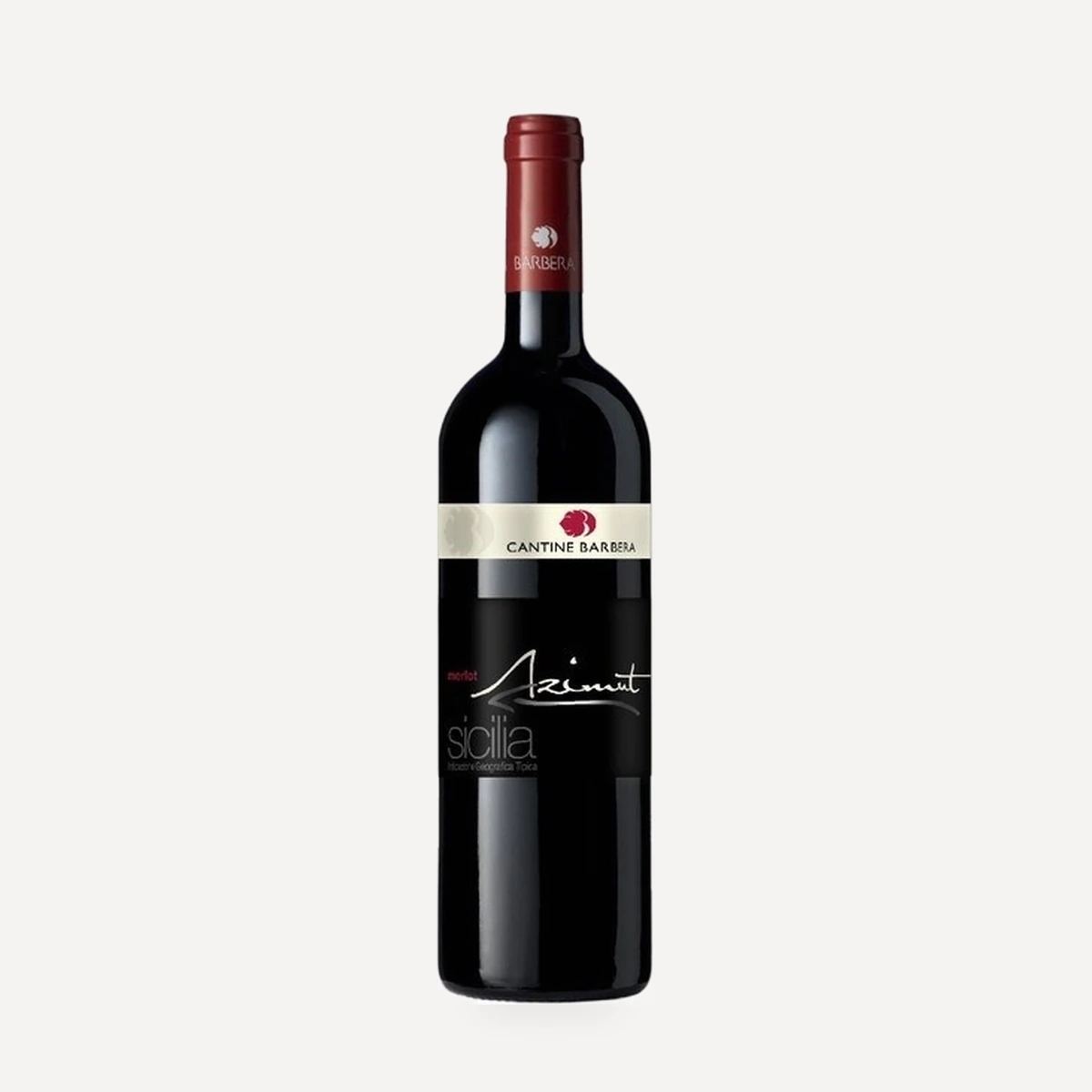
Azimut Merlot Menfi DOC
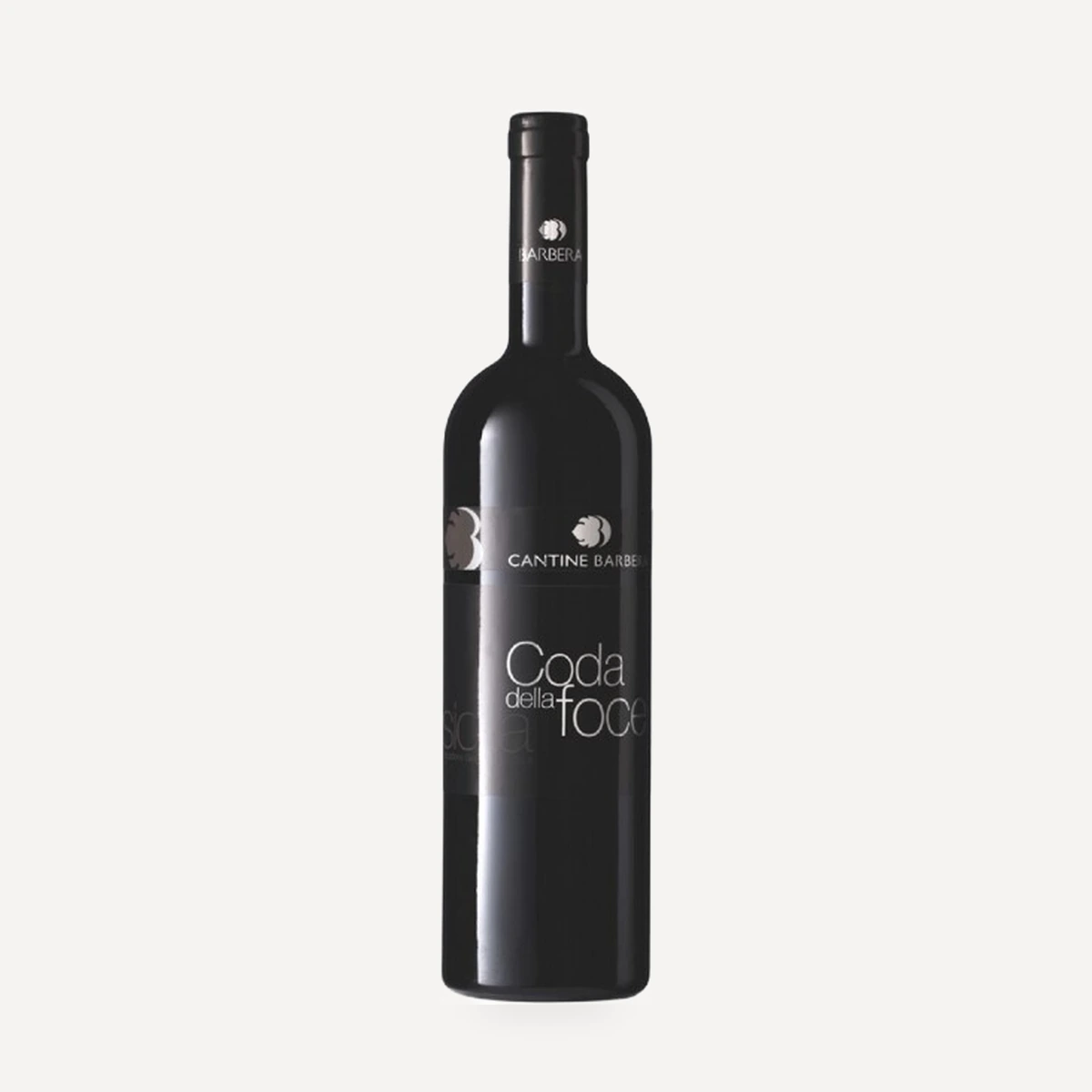
Cantine Coda della Foce Menfi DOC
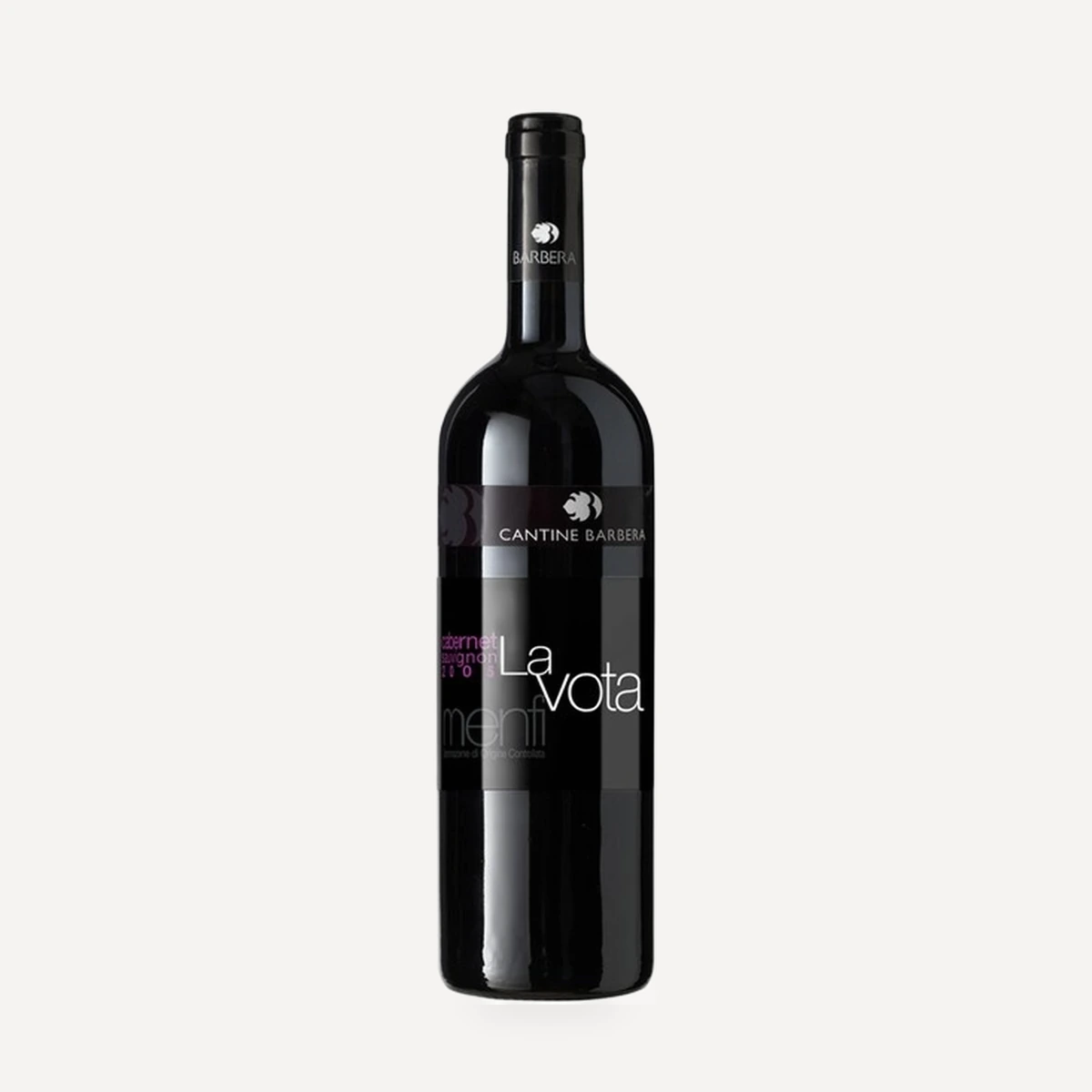
La Vota Cabernet Sauvignon Menfi DOC
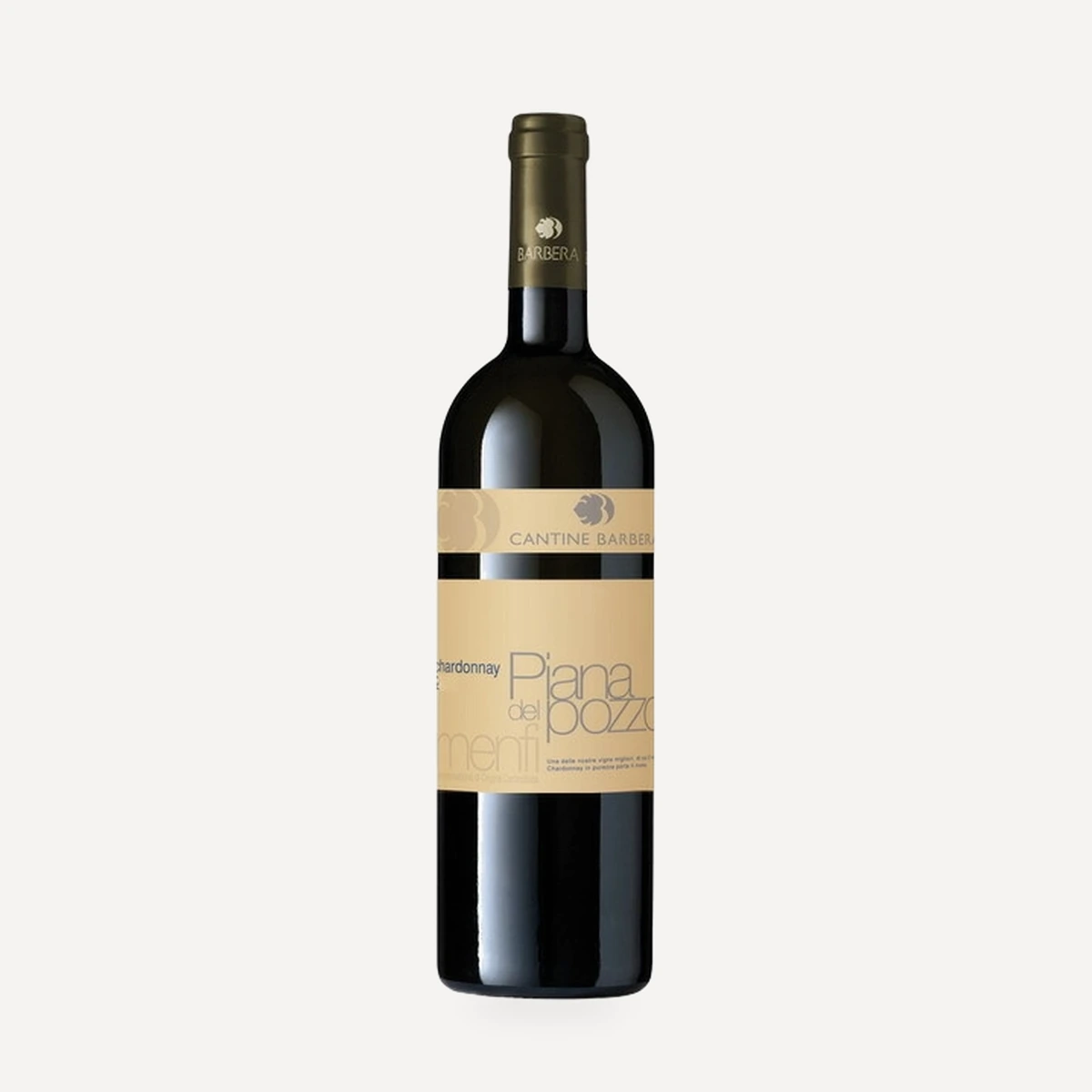
Piana del Pozzo Chardonnay Menfi DOC
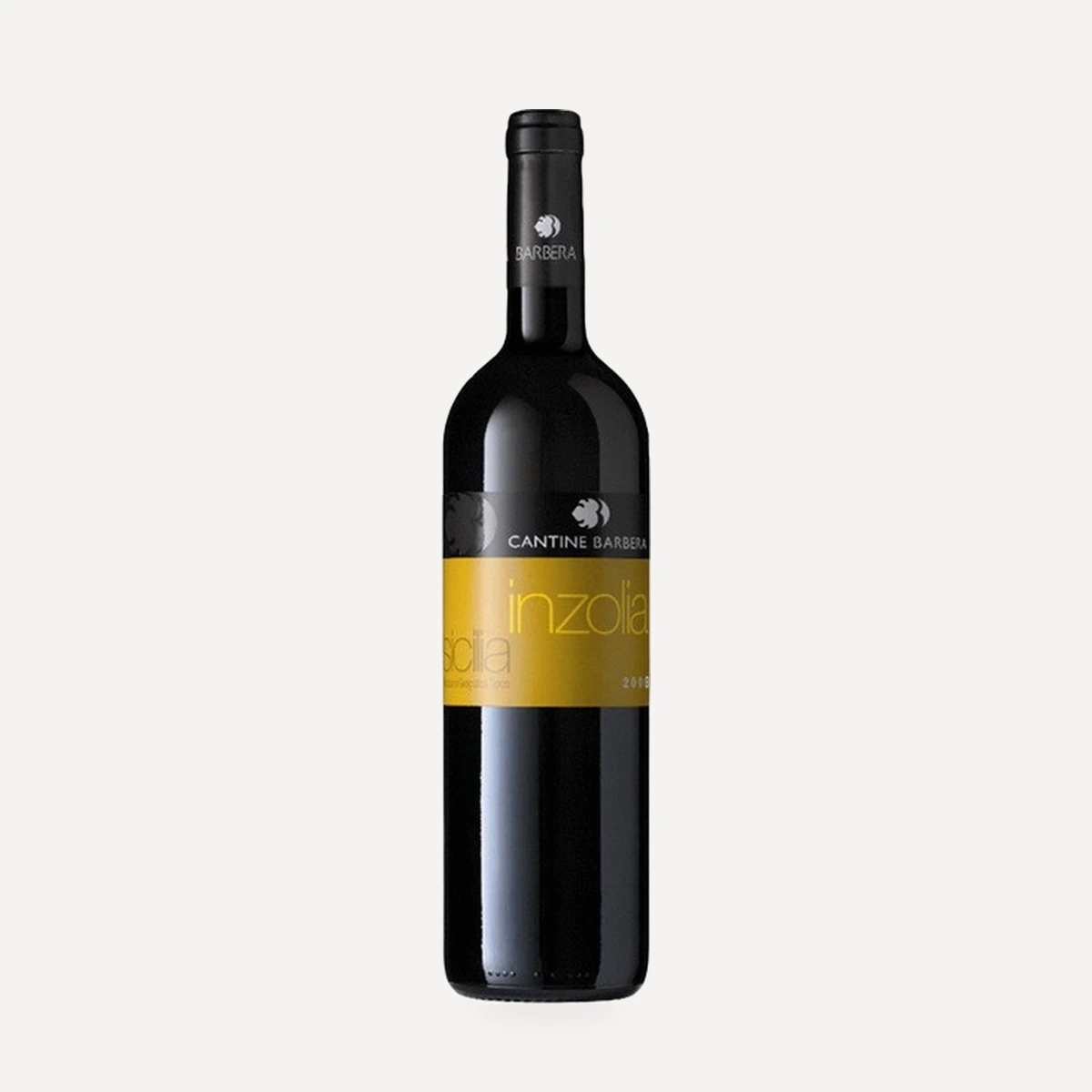
Cantine Inzolia Menfi DOC