History
The winegrowing history of Vittoria
Viticulture around Vittoria is documented as far back as the third century BC. The present form of Cerasuolo di Vittoria is linked to the foundation of the city in 1607. Vittoria Colonna Henriquez-Cabrera granted one hectare to each of the first 75 settlers on condition that each cultivate another hectare with vines. The denomination received DOC status in 1974 and DOCG status in 2005, becoming Sicily’s first and, at that time, only DOCG.
1980: three friends and a first harvest
COS was founded in 1980 by three friends from Vittoria: Giambattista Cilia, Cirino Strano and Giusto Occhipinti. Its name combines the initials of their surnames: Cilia, Occhipinti and Strano. They were preparing to begin university and were the youngest wine producers in Italy that year.
Giuseppe Cilia, Giambattista’s father, leased them the family’s old cellar and an adjoining 3.60.40-hectare alberello vineyard at Bastonaca. He also helped the friends with their first winemaking effort. They harvested their inaugural vintage on 5 October 1980 and produced 1,470 bottles. The wine was sold in Palermo.
The founders approached wine as a means of recovering the practices and character of earlier Sicilian generations. Their project would contribute to a far-reaching reconsideration of Cerasuolo di Vittoria and to renewed activity in the Vittoria wine district. Biodynamic ideas were adopted early, treating plant and soil as a single system whose natural requirements should guide cultivation.
1985–1995: changes among the founders
In 1985, Cirino Strano chose medicine rather than winemaking and transferred his share to his sister Pina Strano. She remained involved for approximately ten years before leaving to marry the proprietor of Ristorante Sakaleo in nearby Scoglitti. By 2011, COS was being run by Giambattista Cilia and Giusto Occhipinti, both trained architects.
Recovering amphora winemaking
COS gradually moved away from small French barriques in favour of neutral terracotta amphorae and large Slavonian oak vessels. The intention was to reduce overt oak influence and make the fruit, soil and vintage more legible. Curiosity about the historical use of clay vessels led the team to Kakheti in Georgia, where they studied a living amphora tradition.
The name Pithos honours the Greek language of Sicily’s ancestors: a pithos is the clay jar in which wine is fermented and matured. Terracotta was chosen because it contributes no wood-derived aroma or flavour. In 2000, COS introduced Pithos as a Cerasuolo di Vittoria fermented and matured entirely in amphora.
2003–2007: Fontane and the amphora cellar
Restoration of the rural complex at Fontane was completed in 2003, and the estate headquarters moved there. The 2005 harvest produced COS’s first wine under the new Cerasuolo di Vittoria DOCG, then the only DOCG in Sicily.
The 2007 harvest inaugurated the winery’s new working spaces. Small wooden casks gave way to a collection of 150 amphorae, creating one of the largest cellars of its type. Large Slavonian vessels continued to be used for selected production. The new winery was described as spacious and earthquake-resistant, reflecting the architectural training of Cilia and Occhipinti.
Subsequent scale and direction
By 2011, production was reported at approximately 160,000 bottles per year. In 2012, the estate comprised just under 30 hectares of vines and 18 hectares of olive trees. COS continued to combine indigenous yeasts, amphorae, large Slavonian wood and biodynamic cultivation, with Cerasuolo di Vittoria at the centre of its identity.
Terroir
Position and landscape
COS is based near Vittoria in the province of Ragusa, at the southeastern tip of Sicily. Vittoria lies between the Ippari and Dirillo rivers, where the land descends gently from the Hyblaean Mountains towards the Mediterranean. The surrounding vegetation includes vines, olives, carob and almond trees.
The Vittoria area and the Comiso plateau sit lower than the hill country typical of the Ragusano. This difference produces milder temperatures than in the Hyblaean uplands and a distinctly Mediterranean climate. The estate has also characterised the local climate as suitable, hot and dry. Its winery is approximately 10 km from Vittoria.
Soils
The Vittoria vineyards are generally at about 230 metres above sea level. Their red, medium-textured soils derive from sub-Apennine sands of Pliocene origin. Limestone or limestone-siliceous material is interspersed with siliceous sand and clay; in some places, compact layers of fresh clay occur below the surface.
An earlier account describes the vineyard soils as poor despite the fertility of the wider agricultural plain. Red clay forms the upper layer, with limestone commonly encountered 30–60 cm below ground. The limestone acts like a sponge, retaining moisture and reducing the amount of supplementary water required during hot summers.
Contrasting sites
Fontane and Bastonaca share red Pliocene-derived soils at approximately 230 metres, including limestone, siliceous sand and clay. Bastonaca contains mature plantings, including 45-year-old Guyot-trained vines and 50-year-old alberello vines. A Zibibbo site near Marsala in western Sicily lies much lower, at approximately 12 metres above sea level, on red, medium-textured Pliocene sands with a calcareous component.
Winemaking
COS works according to biodynamic principles derived from Rudolf Steiner’s philosophy while describing the vineyard agriculture for its wines as organic. The approach incorporates organic farming but treats the soil, vines and other life developing on the land as one interdependent system.
The principles are applied critically rather than as a fixed fashion, adapting biodynamics to local experience and inherited agricultural knowledge. Pruning is intended to respect both vine and fruit. The guiding limit is not to demand more than nature can provide, with vineyard protection regarded as an investment in the estate’s future.
Chemical products are excluded. COS has also described avoiding soil amendments, including organic fertilisers, because added nutrients would alter the expression of the terroir. Small amounts of water may be supplied during particularly hot summers; the moisture-retaining limestone beneath the red clay reduces the need for irrigation.
Winery wastewater is treated through a phytoremediation project. Pruning residues are composted without chemicals or artificial preparations. These measures connect cellar operations with the estate’s holistic view of soil and plant life.
The individual vineyard descriptions identify Guyot, trellised fruiting-cane, spur-pruned cordon and traditional alberello systems. Typical planting density is 5,000 vines per hectare, rising to 8,000 vines per hectare in a mature alberello parcel at Bastonaca.
Cellar and vessels
COS combines terracotta amphorae, concrete tanks, large Slavonian wooden vessels and bottle maturation. The restored Fontane complex became the headquarters in 2003, while the 2007 harvest inaugurated the new, spacious and earthquake-resistant winery. Its collection of 150 amphorae made it one of the largest cellars of its kind.
The move towards amphorae and large Slavonian vessels followed a deliberate retreat from small French barriques. Limiting the aromatic and flavour contribution of oak was intended to expose the character of the fruit, soil and vintage more directly. Terracotta is regarded as neutral: it permits fermentation and maturation without the aromatic mediation associated with wood.
Fermentation
Fermentations are spontaneous and rely on indigenous yeasts. Red and skin-contact white production ferments on the skins; amphora-fermented examples remain in terracotta for maturation before bottle ageing. Other wines undergo spontaneous skin fermentation followed by maturation in Slavonian vessels and bottle.
For direct-pressed sparkling production, the juice ferments in terracotta amphorae with indigenous yeasts before ageing in concrete. Secondary fermentation is initiated with fresh must from the following vintage rather than added sugar or cultured yeast. The wine remains on its lees for 20 months and is finished at zero dosage.
Amphora research
The modern amphora program emerged from a journey to Kakheti, Georgia, to examine the continued use of clay vessels. The name Pithos refers to the Greek clay jar used for vinification and maturation. COS interprets the vessel as a way to remove external aromatic influence and judge a wine’s origin with greater precision.
Intervention
The production philosophy favours natural yeast populations, low external input and vessels selected for neutrality rather than flavouring power. An earlier cellar account characterised the wines as very low in sulphites, while the estate’s treatment of Cerasuolo pursued purity without chemical intervention or barrel-derived influence.
Philosophy
COS presents wine as body, work, patience and art. It is the substance of fruit nourished by sunlight and earth; the product of knowledge applied to matter; the outcome of seasonal rhythms and waiting; and an act that gives form and meaning to natural complexity.
The founders reject fashion as a motive for either biodynamics or amphorae. Their stated direction combines passion and curiosity with the recovery of practices that had once existed in Sicily but had largely been forgotten. Modern knowledge is used to transmit and refine that inheritance rather than to erase it.
The estate’s biodynamic outlook rests on restraint: nature should not be asked to provide more than it can sustain. Soil and vine are considered a single living system, and vineyard work should preserve their balance. COS links this balance to the ability of wine to express the depth and character of its soils.
Neutral terracotta embodies the same goal in the cellar. Because it contributes no wood-derived aroma, it is intended to reveal origin with less mediation. COS describes Pithos in terms of purity and freedom from contamination, while its approach to Cerasuolo di Vittoria represents decades of research, work and reflection.
Ancestral practice is not treated as static reproduction. The founders travelled to Georgia to learn from a surviving clay-vessel tradition, adapted biodynamic principles critically to local conditions and combined amphorae with concrete and large Slavonian wood. The resulting philosophy joins historical memory, observation and practical experimentation.
Wines
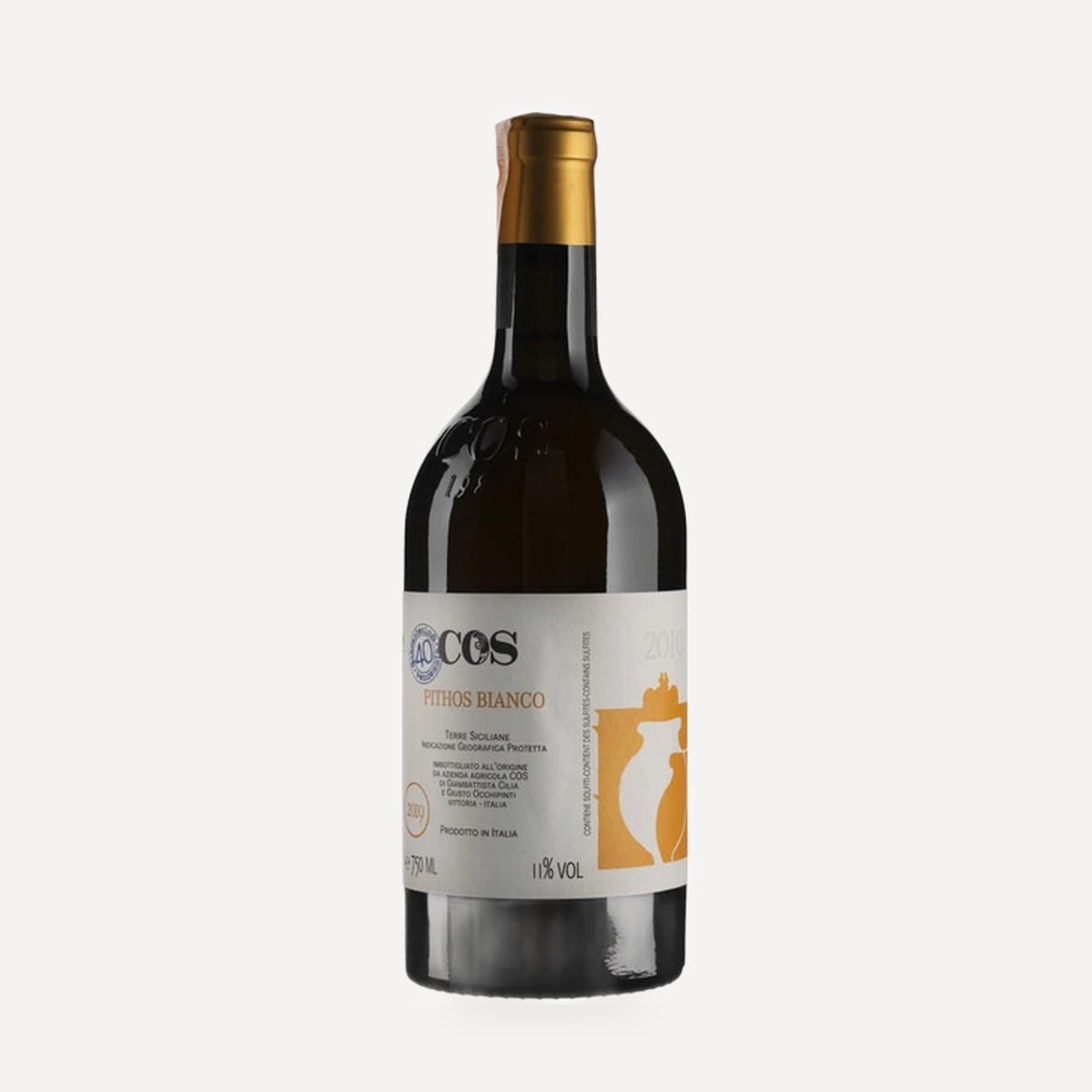
Pithos Bianco IGP
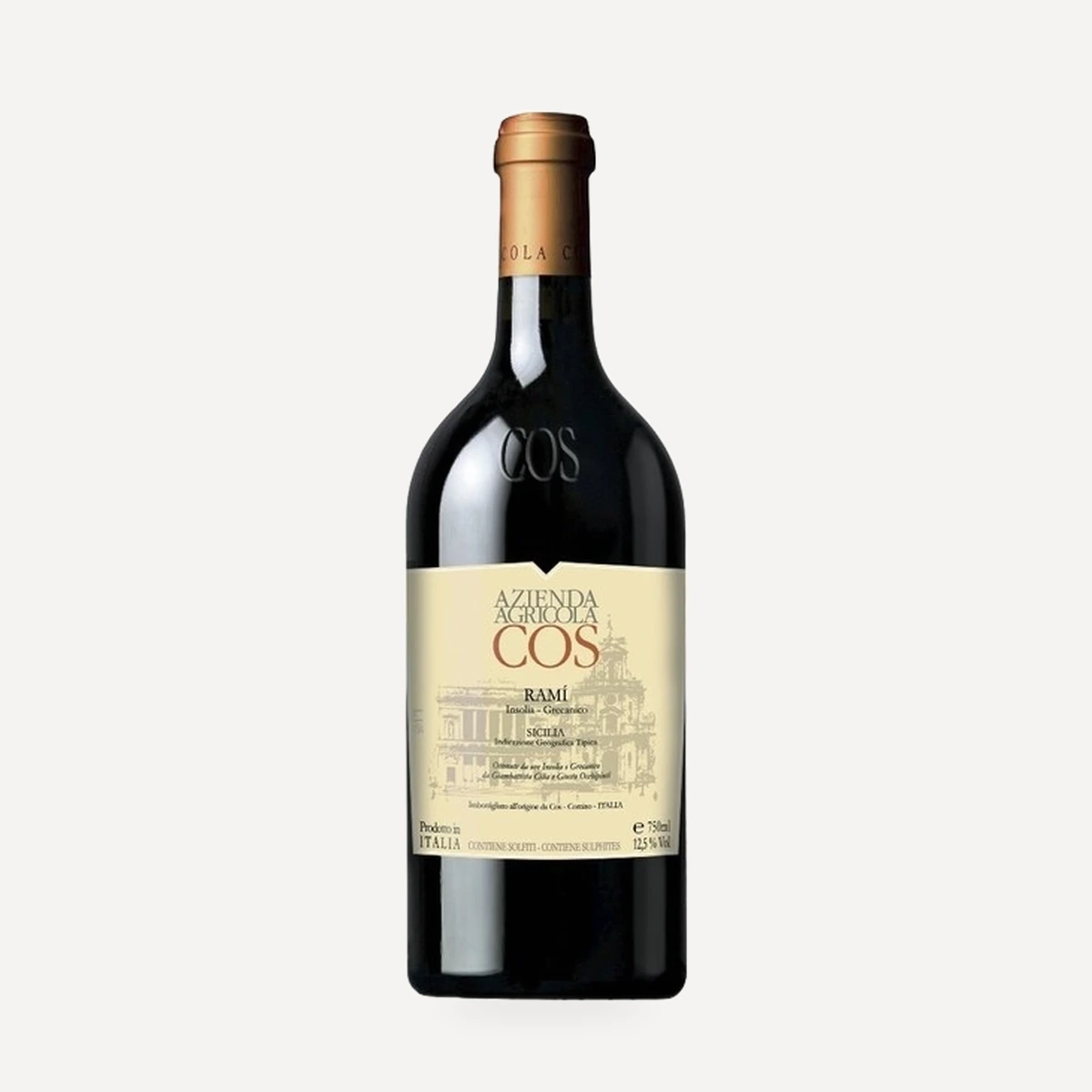
Ramì IGP
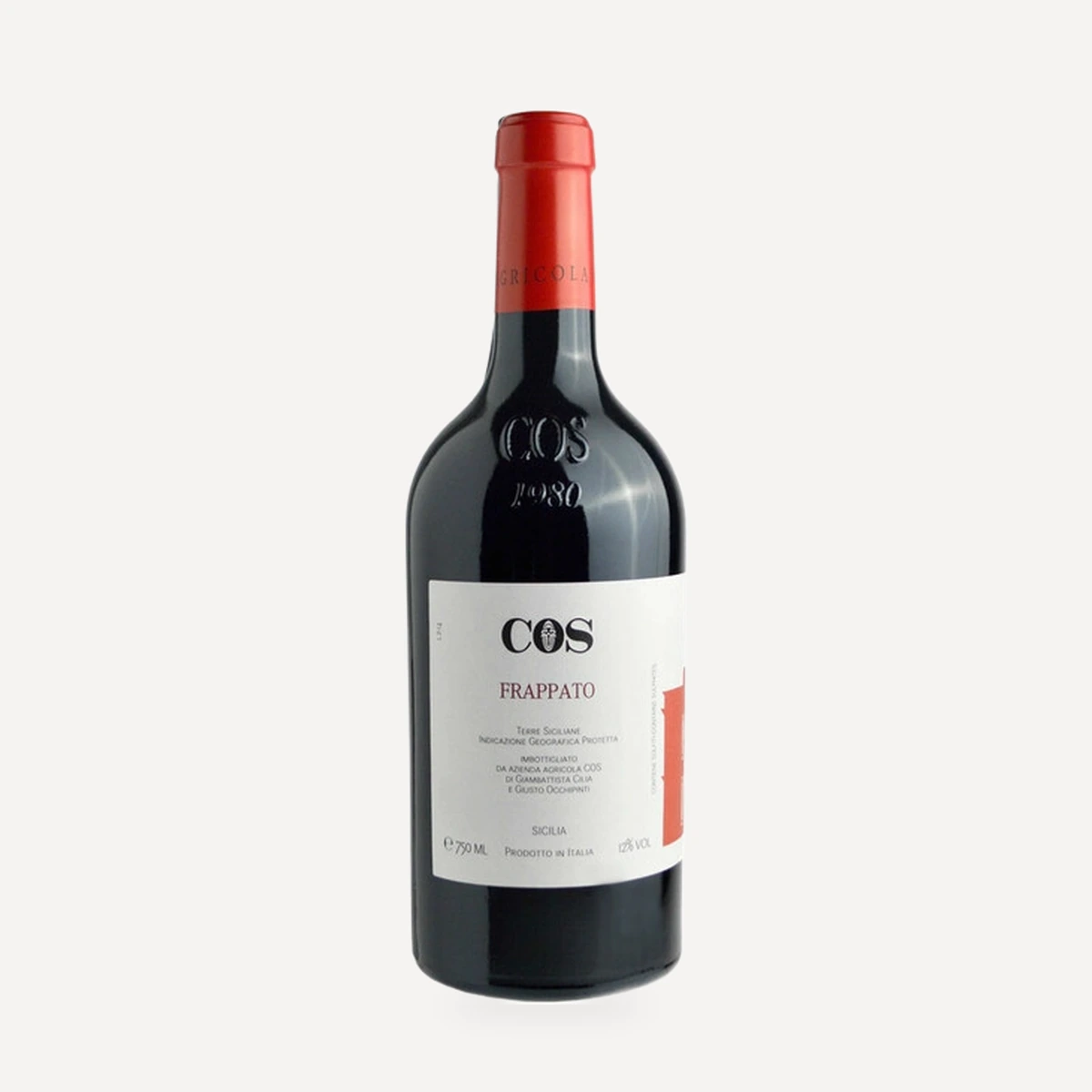
Frappato IGP
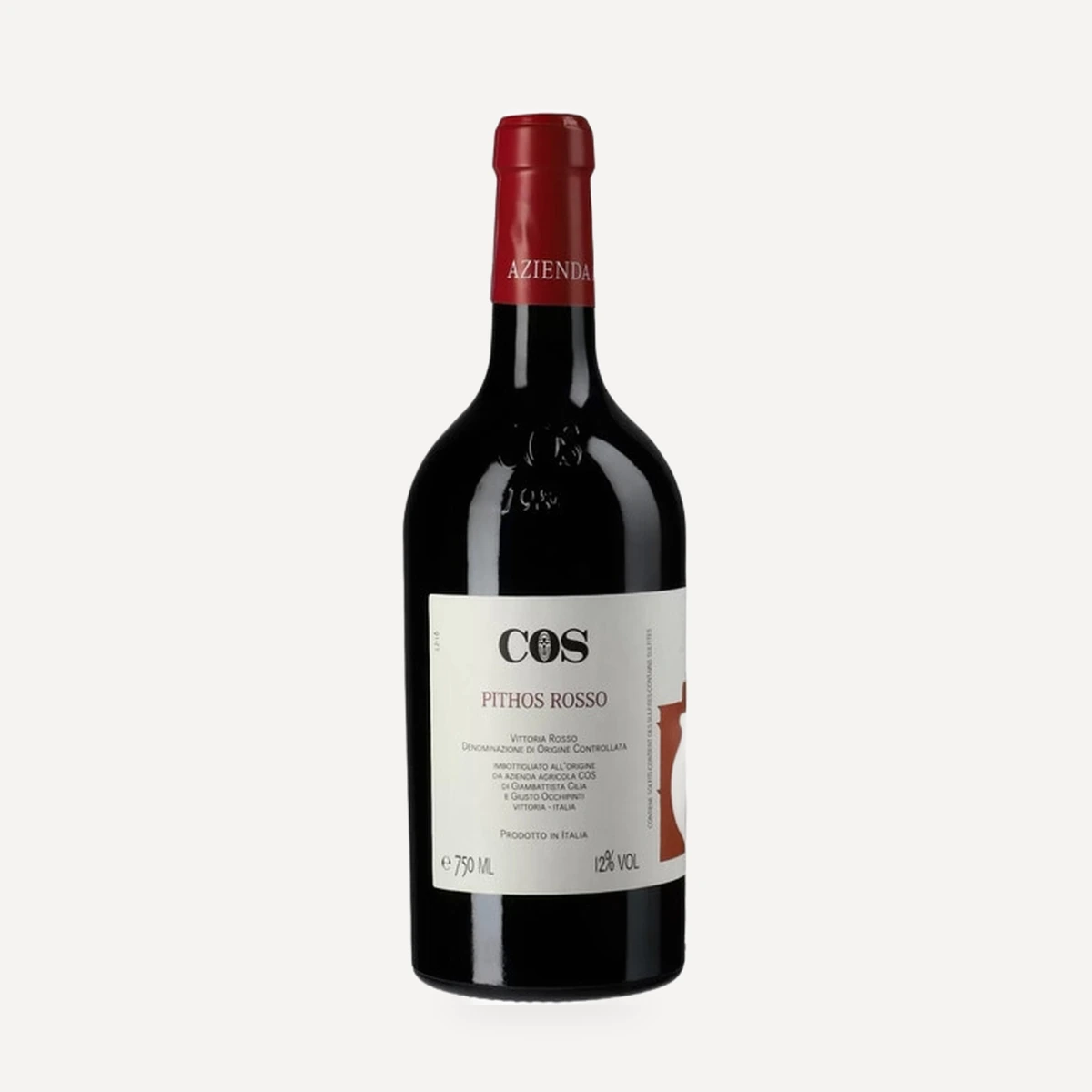
Pithos Rosso IGT
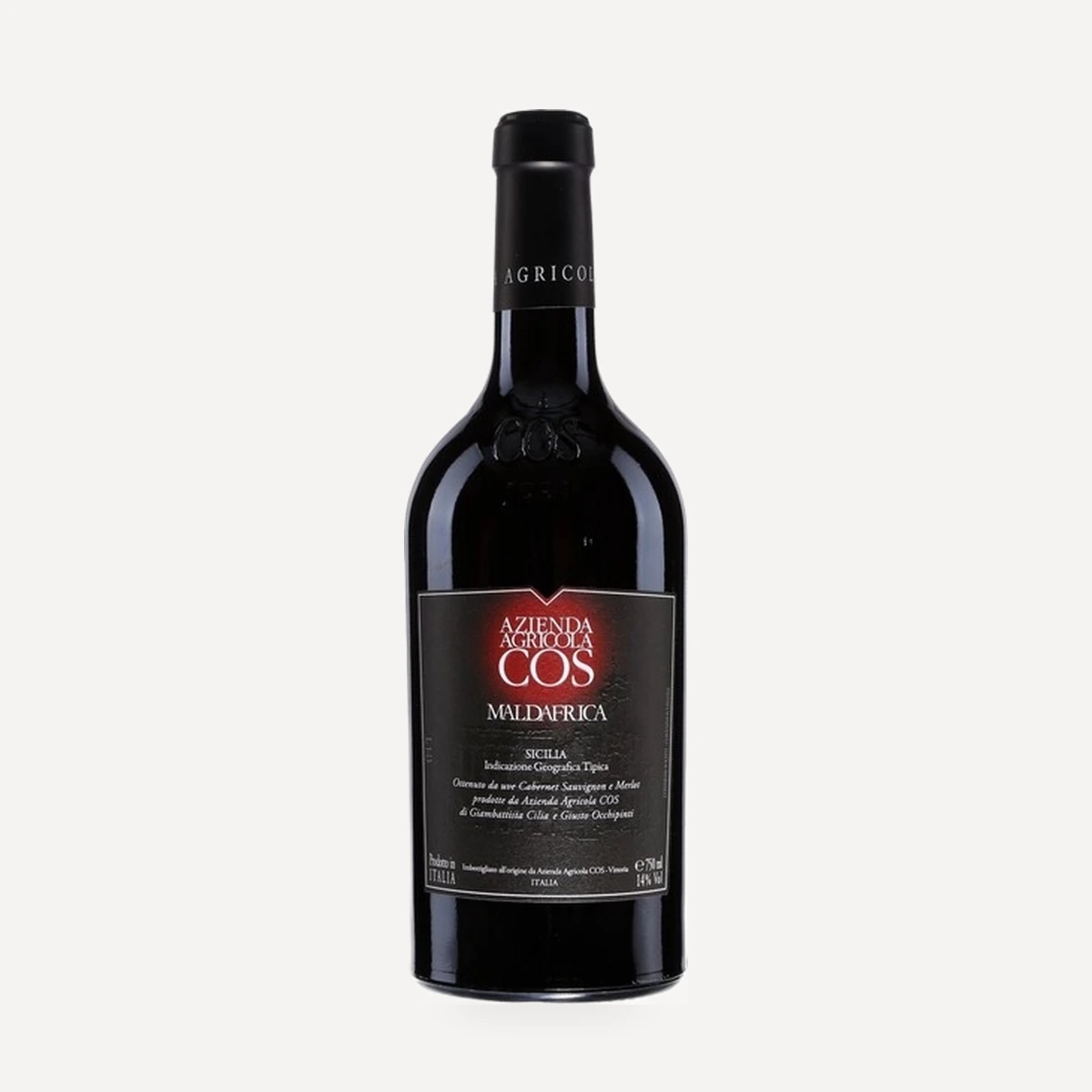
Maldafrica IGP
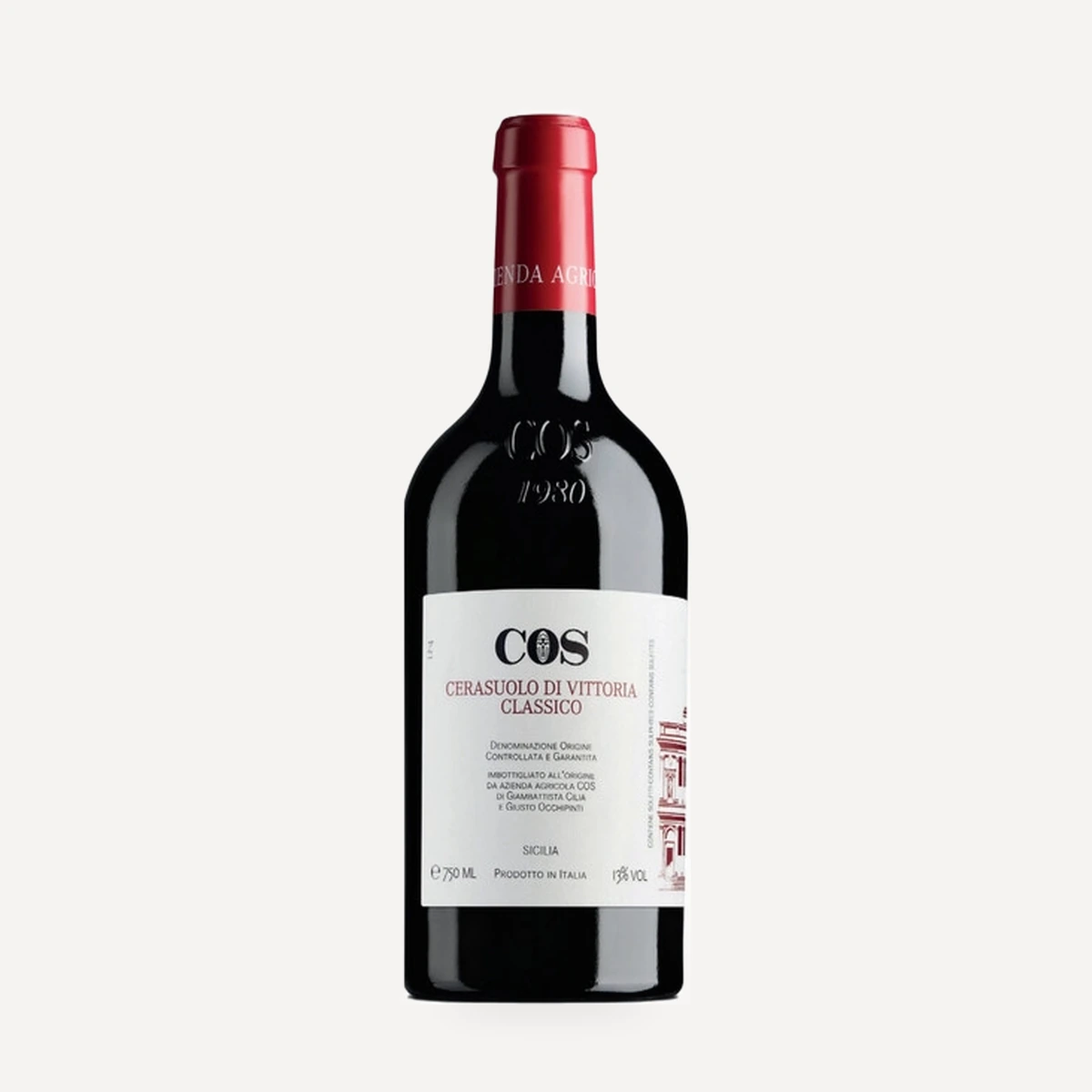
Cerasuolo di Vittoria Classico DOCG
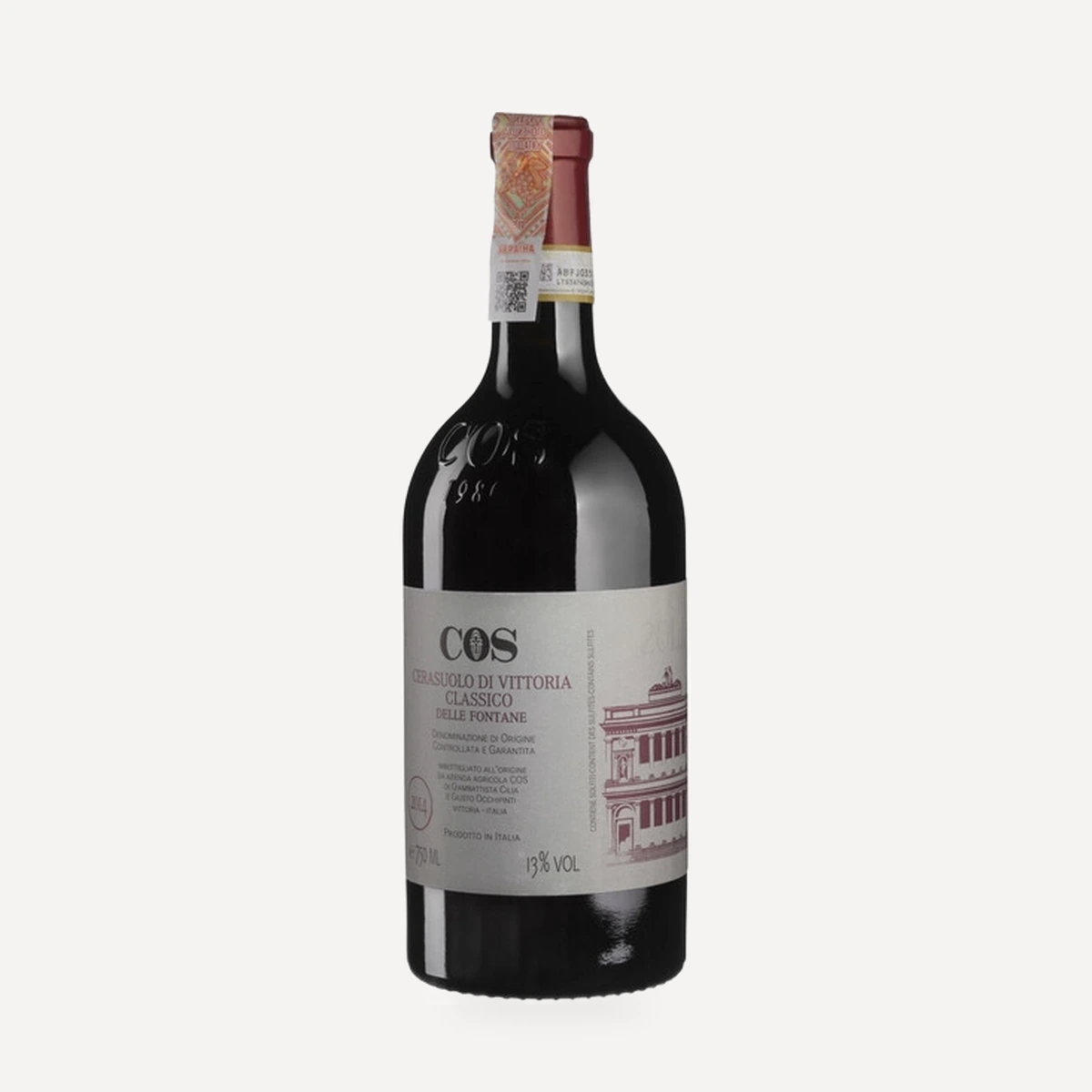
Cerasuolo di Vittoria Classico delle Fontane DOCG
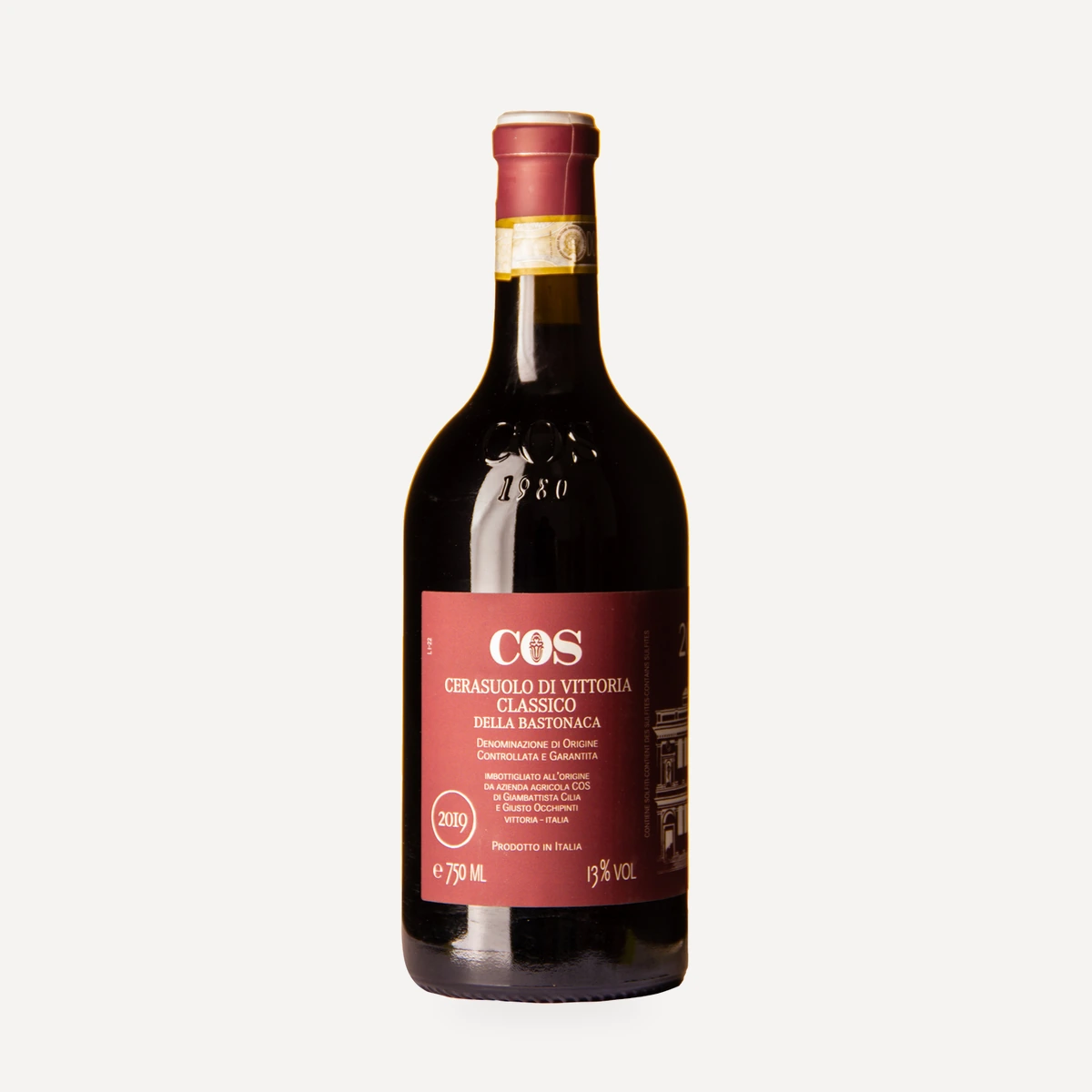
Cerasuolo di Vittoria Classico della Bastonaca DOCG
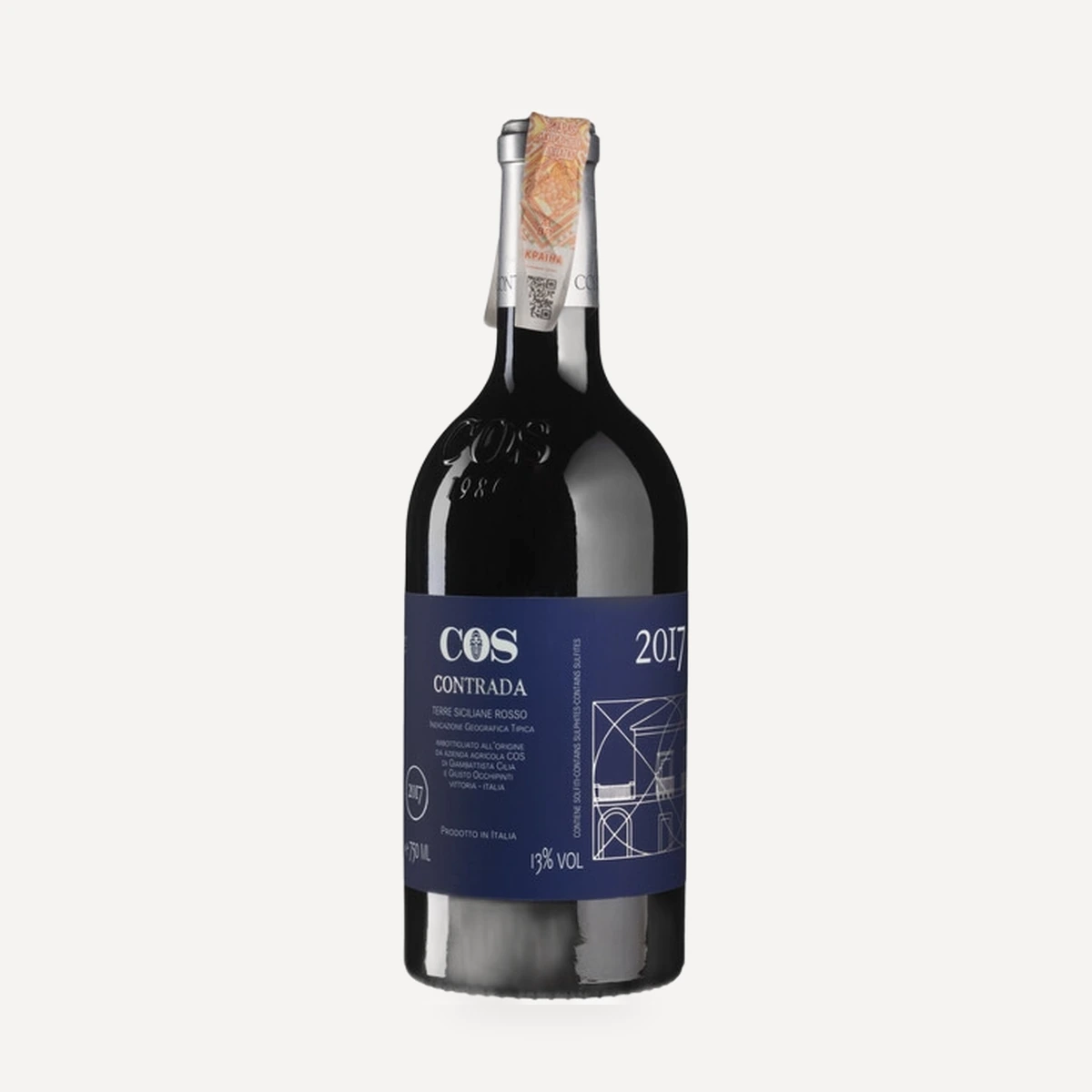
Contrada IGP
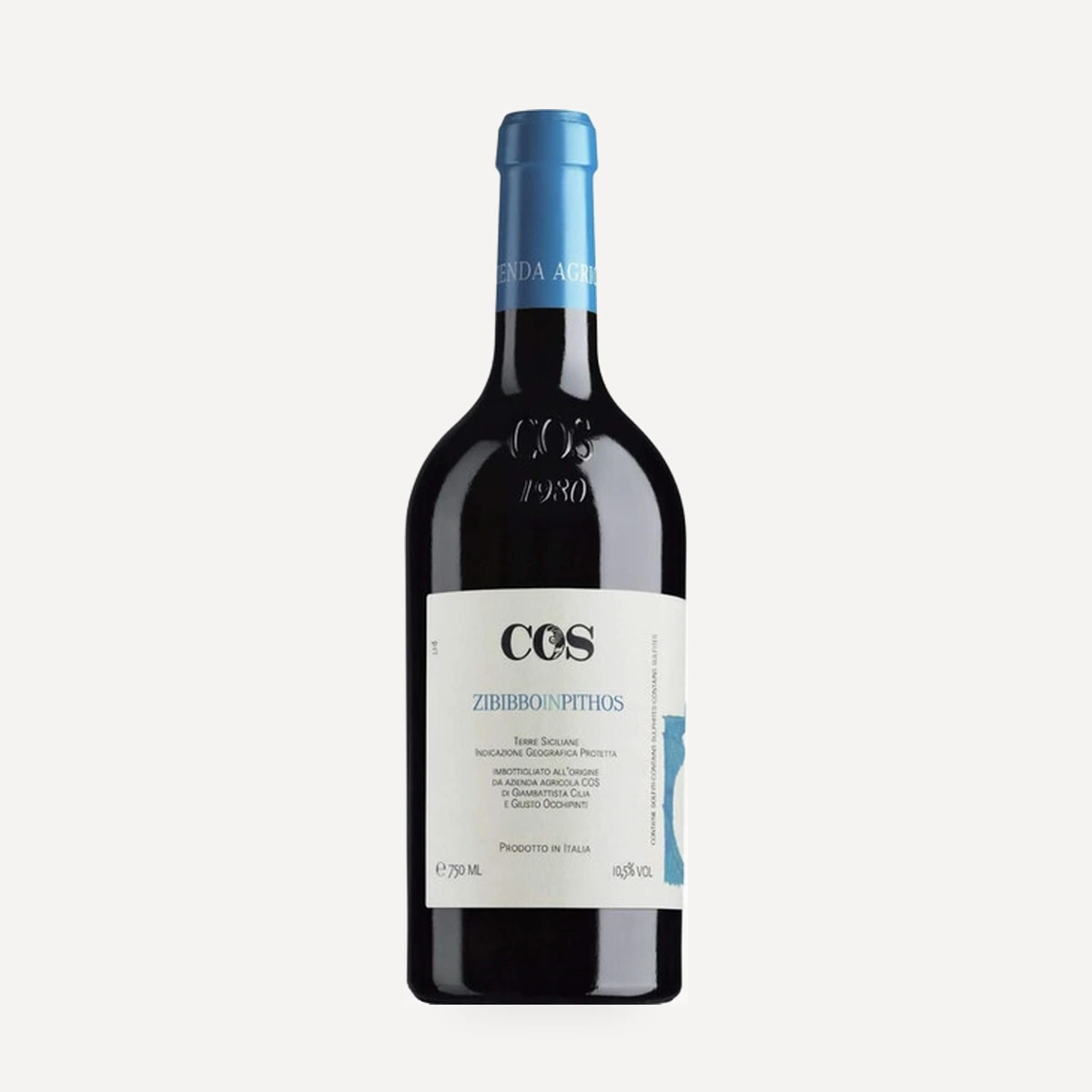
Zibibbo in Pithos
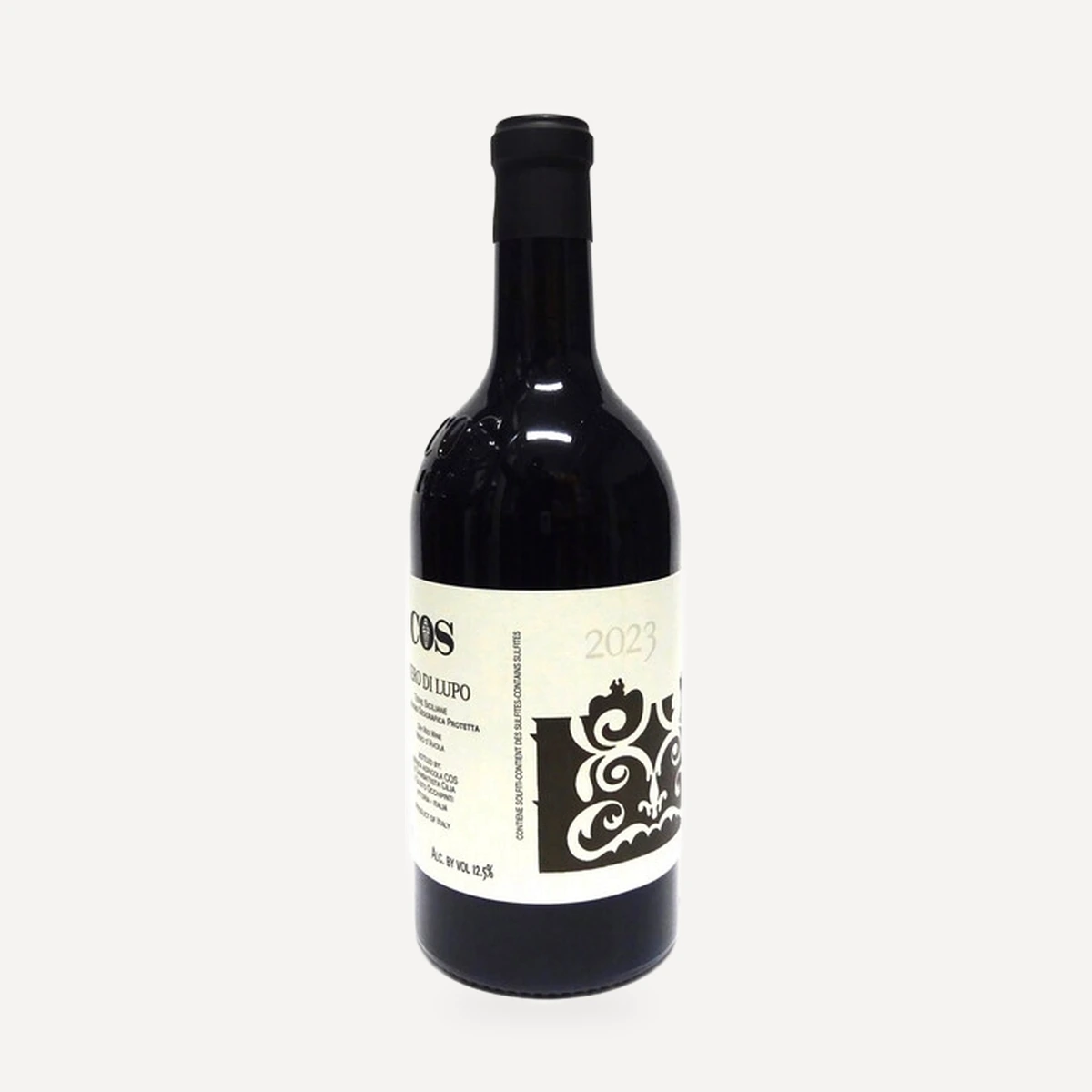
Nero di Lupo