History
Before the Cavallotto estate
The history of Bricco Boschis predates the modern estate. In the 18th century the hill, then called Bricco Bastia, belonged to Countess Juliette Colbert, the last Marchesa di Barolo. She later left it to Giuseppe Boschis, who managed vineyards on her properties. The hill subsequently took his surname and became known as Bricco Boschis.
1928: the family estate begins
In 1928, Giacomo Cavallotto acquired the entire Boschis property and created the family estate. This year is treated as the formal foundation of the farm. The estate, its vineyards and its cellar subsequently became the shared focus of successive generations of the Cavallotto family.
1946–1948: estate vinification and the Cavallotto label
Giacomo’s sons Giuseppe and Marcello passed their knowledge of viticulture and winemaking to Giuseppe’s sons, the brothers Olivio and Gildo. In 1946, immediately after the Second World War, Olivio and Gildo vinified the estate’s entire grape crop themselves for the first time, despite the severe practical difficulties of the period. They were among the earliest growers in Castiglione Falletto to take this step.
The cellar was enlarged in 1948 to handle the increased activity. That year the first estate-grown Barolo was commercialized under the Cavallotto name and registered trademark, beginning the continuous practice of vinifying and bottling the family’s own grapes under its own label.
1952–1971: cellar development and vineyard identity
A dedicated bottling room was constructed in 1952. The 1967 Barolo was the first label to carry the name Bricco Boschis. In 1970 the component vineyards began to be identified: Vigna San Giuseppe, Colle Sudovest and Punta Marcello for Nebbiolo, together with Vigna Cuculo for Barbera d’Alba. From 1970, the best fruit from Vigna San Giuseppe was selected, vinified and bottled separately as Barolo Riserva.
Olivio built the vinification room in 1971. Its design centred on horizontal and vertical temperature-controlled stainless-steel tanks and purpose-built rotating blades for long, semi-submerged-cap maceration.
1974–1976: a new approach to the vineyard
Olivio and Gildo became concerned by the rapid spread of miticides, insecticides, herbicides and systemic chemicals during the 1960s. Working with specialists from the University of Agricultural Sciences in Turin, the Institute for Experimental Viticulture in Asti, the agricultural institute at San Michele all’Adige and the agronomists of the Direct Cultivators Group of Alba, they began redesigning their farming practices.
Trials with controlled native ground cover began in 1974. The practice was subsequently extended across the estate, replacing herbicides and mechanical cultivation between the vines. In 1976, the family introduced predatory phytoseiid mites collected and bred from abandoned, unsprayed vineyards in northern Italy. These beneficial mites controlled red spider mites and allowed the abandonment of synthetic pesticides.
Late 1980s–1995: fourth generation, Vignolo and cellar expansion
From the end of the 1980s, Olivio’s children—Alfio, Giuseppe and Laura—continued the gradual development and quality-focused work begun by their father and uncle.
In 1989 the family purchased approximately 60% of the neighbouring historic Vignolo MGA. Its southwest-facing Nebbiolo was vinified separately, and Cavallotto became the first producer to bottle the cru independently as Barolo Riserva Vignolo.
A new cask-ageing cellar was excavated into the Bricco Boschis hill in 1994 and connected with the existing bottling and bottle-ageing areas. In 1995 the fruit of Colle Sudovest and Punta Marcello was reunited in a non-riserva Barolo called Bricco Boschis, reviving the estate’s approach of 1948–1967.
1991–2010: refinement of vineyard and ageing practices
Green harvesting was introduced in 1991. The bottle-ageing cellar was enlarged in 2008. The estate also introduced propolis in the vineyards in 2008, using this bee product as a natural treatment against Botrytis.
In 2010, trials aimed at lasting vineyard sustainability produced a drastic reduction in copper treatments, extending as far as their complete elimination. Water-based preparations of essential oils and extracts—including sage, ivy, aloe vera, yucca, cinquefoil, quillaia and selected algae—were developed as natural protection against downy mildew.
The former Dolcetto parcel Vigna Melera, whose last separate vintage was 2008, was replanted with Nebbiolo for Barolo in 2010.
Fourth-generation stewardship
Laura, Giuseppe and Alfio Cavallotto now lead the family estate as its fourth generation. Alfio and Giuseppe are enologists and personally oversee the vineyards. The family continues to vinify only fruit grown in its own vineyards, following the estate’s established sequence of direct vineyard management, natural fermentation, traditional large-cask maturation and bottle ageing within Bricco Boschis.
Terroir
Location and climate
Cavallotto lies on the Bricco Boschis hill in the commune of Castiglione Falletto, within the Lower Langhe around Alba and at the centre of the Barolo growing zone. The vineyards form a contiguous estate incorporating the Bricco Boschis and Vignolo MGA.
Winters are cold and snowy, while summers are hot and dry, with an average summer temperature of approximately 26°C. Mild spring and autumn periods separate these seasonal extremes and support the vine’s natural development.
Geological setting
The Langhe hills originated as marine sedimentary deposits during the Miocene, approximately 23–5 million years ago. Their substrates are principally compact white-to-bluish marl and calcareous clay, with permeability governed by the proportion of clay and sand.
Most of Castiglione Falletto lies in the eastern, Langhian geological sector, formed approximately 16–13 million years ago and formerly called Helvetian. The western Barolo sector is Tortonian, dating to approximately 11–7 million years ago. Bricco Boschis occupies the meeting point of these formations.
The centre of Bricco Boschis contains a complex mixture of white, yellow and grey marl interrupted by sandy layers derived from sea-floor, shallow-sea and beach deposits. The older calcareous marl and younger sand veins create pathways through which water can move and supply the vines. Deep roots encounter layers with differing chemical and physical properties. This combination provides both the structure associated with calcareous-clay marl and the aromatic character associated with sandier soils.
Bricco Boschis
Bricco Boschis has been farmed by the Cavallotto family as a monopole since 1928. Its principal Nebbiolo sectors are Punta Marcello at the highest point, with southeast, south and southwest exposures; the lower Colle Sudovest, facing principally south and southeast; and the central, southwest-facing Vigna San Giuseppe.
Vigna San Giuseppe has its own particularly favoured microclimate. Its old vines were described as having been replanted in nine separate lots between 1932 and 1956. The parcel’s best fruit has been selected separately since 1970.
Vignolo
Vignolo occupies the southern side of the long hill whose ridge carries the Strada del Grosso between Castiglione Falletto and the hamlet of Garbelletto. The Cavallotto holding faces southwest. Its Langhian soil is rich in calcareous clay marl with a small, evenly distributed component of sandy beach deposits.
Vine age and selection
Nebbiolo vines must reach at least 12–15 years of age before their fruit is used for Barolo. Fruit from younger vines in Bricco Boschis and Vignolo goes principally into Langhe Nebbiolo, together with Nebbiolo from other older Castiglione Falletto sites. Depending on the vintage, further portions of potential Barolo production may also be declassified to Langhe Nebbiolo.
Winemaking
Estate-grown fruit and vineyard structure
The estate’s vineyards form one contiguous holding incorporating Bricco Boschis and Vignolo. Cavallotto owns all the land it farms and vinifies only its own grapes. Approximately 17 ha are devoted to Nebbiolo for Barolo, with an average yield of about 38 hl/ha. The current vineyard overview assigns 3 ha to Dolcetto and 2 ha to Barbera; the remaining ground carries Freisa, Grignolino, Pinot Nero and Chardonnay.
Planting density is approximately 5,000 vines per hectare. All vines are trained to low classic Guyot with one fruiting cane. Winter pruning retains 8–10 buds on Nebbiolo and 5–7 buds on the other varieties, plus a two-bud renewal spur. Green harvesting has been used since 1991. All seasonal vineyard operations are performed by hand, and Alfio and Giuseppe Cavallotto personally supervise the work.
Ground cover and soil protection
Controlled spontaneous cover crops were first tested in 1974 and then extended across the estate. Native plants and grasses grow between the rows rather than being sown. Their use eliminated herbicides and inter-row mechanical tillage, avoiding the soil compaction caused by heavy tractor passes.
The grass is cut and mulched two to four times per year, depending on weather, while the strip directly beneath the vines is cut by hand. The cut vegetation decomposes into humus, helping preserve organic matter, aerate the surface layers and support subsurface bacterial microflora. The resulting soil structure absorbs water more effectively and limits erosion and rapid runoff during thunderstorms.
Biological pest control
In response to increasing chemical use during the 1960s, Olivio and Gildo Cavallotto worked with university, research-institute and agricultural specialists to develop a more sustainable system. The family replaced traditional copper-sulfate Bordeaux mixture with copper oxides and hydroxides, described as six to eight times more efficient against downy mildew and therefore usable in much smaller quantities.
In 1976, predatory phytoseiid mites were introduced to control red spider mites. The beneficial populations originated in abandoned northern Italian vineyards that had never received chemical sprays. The technique enabled the estate to stop using synthetic pesticides.
Plant-based treatments
Trials undertaken in 2010 drastically reduced copper use, in some cases eliminating it. Water-based preparations of essential oils and extracts from sage, ivy, aloe vera, yucca, cinquefoil, quillaia and selected algae are sprayed to provide natural protection against downy mildew.
Propolis has been used since 2008 as a natural antibiotic treatment against Botrytis. Mustard flour is combined with cave-quarried sulfur against oidium. The family continues to test natural preparations and practices intended to reduce the use of heavy machinery and tractors.
Four-part cellar
The cellar is organized into four spaces corresponding to vinification, cask ageing, bottling and bottle maturation. Several sections are excavated into the Bricco Boschis hillside so that the cellar’s temperature and humidity can interact with the hill’s natural microclimate.
Vinification
The vinification room, built by Olivio Cavallotto in 1971, contains horizontal and vertical temperature-controlled stainless-steel tanks. Grapes are destemmed but are not passed through a crusher, leaving the berries uncrushed. Fermentation begins with indigenous yeasts.
Purpose-built, slowly rotating blades in the horizontal fermenters keep the floating skins below the liquid, producing a long semi-submerged-cap maceration. Temperature is controlled throughout this stage.
Malolactic fermentation and élevage
After alcoholic fermentation, Dolcetto and Freisa are transferred to concrete tanks for malolactic fermentation. Wines intended for ageing—Barolo, Nebbiolo and Barbera—are initially racked into large Slavonian-oak casks in the ageing cellar. The following spring or summer they return to concrete tanks in the vinification room. Its ambient temperature of approximately 18–19°C starts malolactic fermentation naturally, without inoculated bacteria.
The ageing cellar is cut into the Bricco Boschis hill. It contains untoasted Slavonian-oak botti ranging from 20 to 100 hl. Tubular wall vents expose the cellar air to the hill’s subterranean calcareous marl, helping maintain constant temperature and humidity. This ventilated space is called the Camera d’Aria.
Bottling and bottle maturation
The bottling room was constructed in 1952 and combines the historic structure with a modern GAI monobloc filling machine made locally.
Bottles mature lying on their sides in an underground room. Vents opening onto the calcareous marl help maintain approximately 15°C and 80% humidity. Bottled wines generally rest for 6–12 months before preparation for sale, after which bottles are packaged and individually numbered.
Philosophy
Cavallotto’s approach is built around continuity between a single family, its estate-grown fruit and the Bricco Boschis hill. The family presents direct control—from vineyard work through cellar ageing—as essential to preserving the identity of its land. Only estate grapes are vinified, and all vineyard activity is personally supervised.
The estate’s farming philosophy combines respect for family tradition with continuing experimentation. Olivio and Gildo’s reaction against systemic agricultural chemicals led to native ground cover, biological pest control and lower-impact mildew treatments. The fourth generation continues this programme through trials of plant-based preparations and practices designed to reduce copper, tractors and other heavy machinery.
In the cellar, technological control is used selectively rather than as a replacement for traditional methods. Temperature-controlled steel, purpose-built fermenters and a modern bottling line operate alongside indigenous yeasts, natural malolactic fermentation, concrete tanks and large untoasted Slavonian-oak casks. The intention is to allow each vintage and the Bricco Boschis microclimate to retain their character.
Alfio and Giuseppe describe their objective as leaving a personal mark while respecting the land and the family’s inherited tradition. Continuous improvement, rather than a fixed historical formula, links the estate’s vineyard and cellar decisions.
Wines
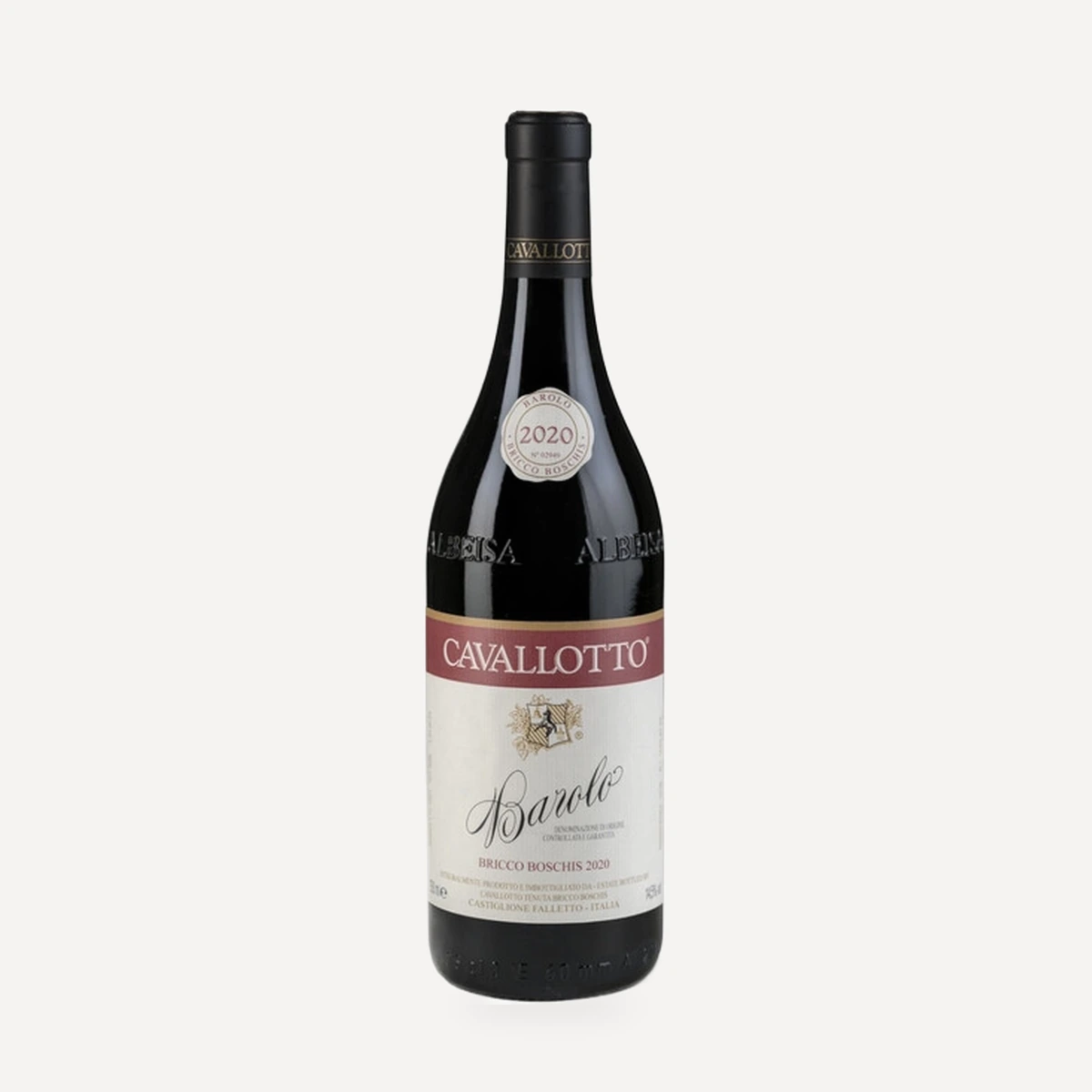
Barolo Bricco Boschis
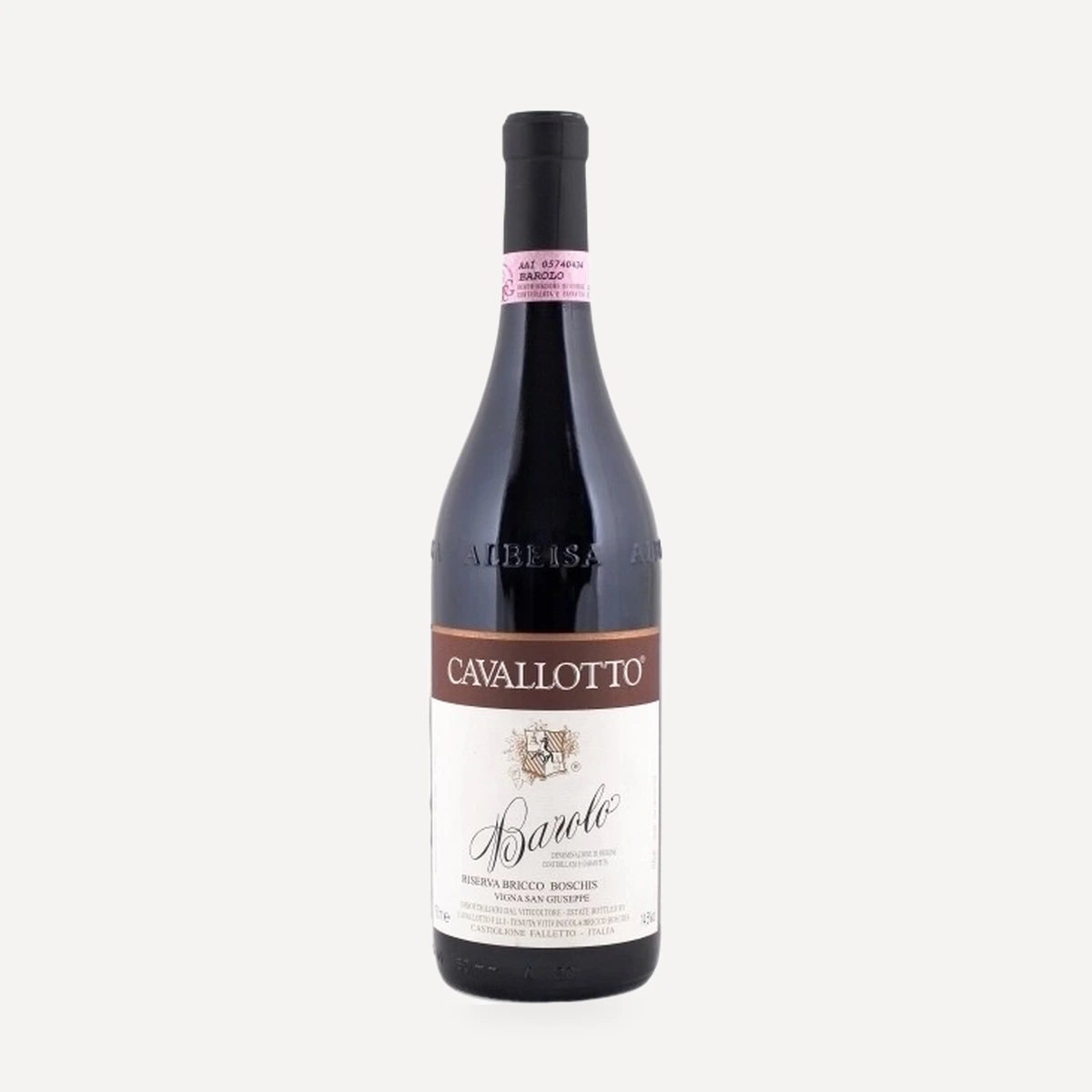
Barolo Riserva Bricco Boschis Vigna San Giuseppe
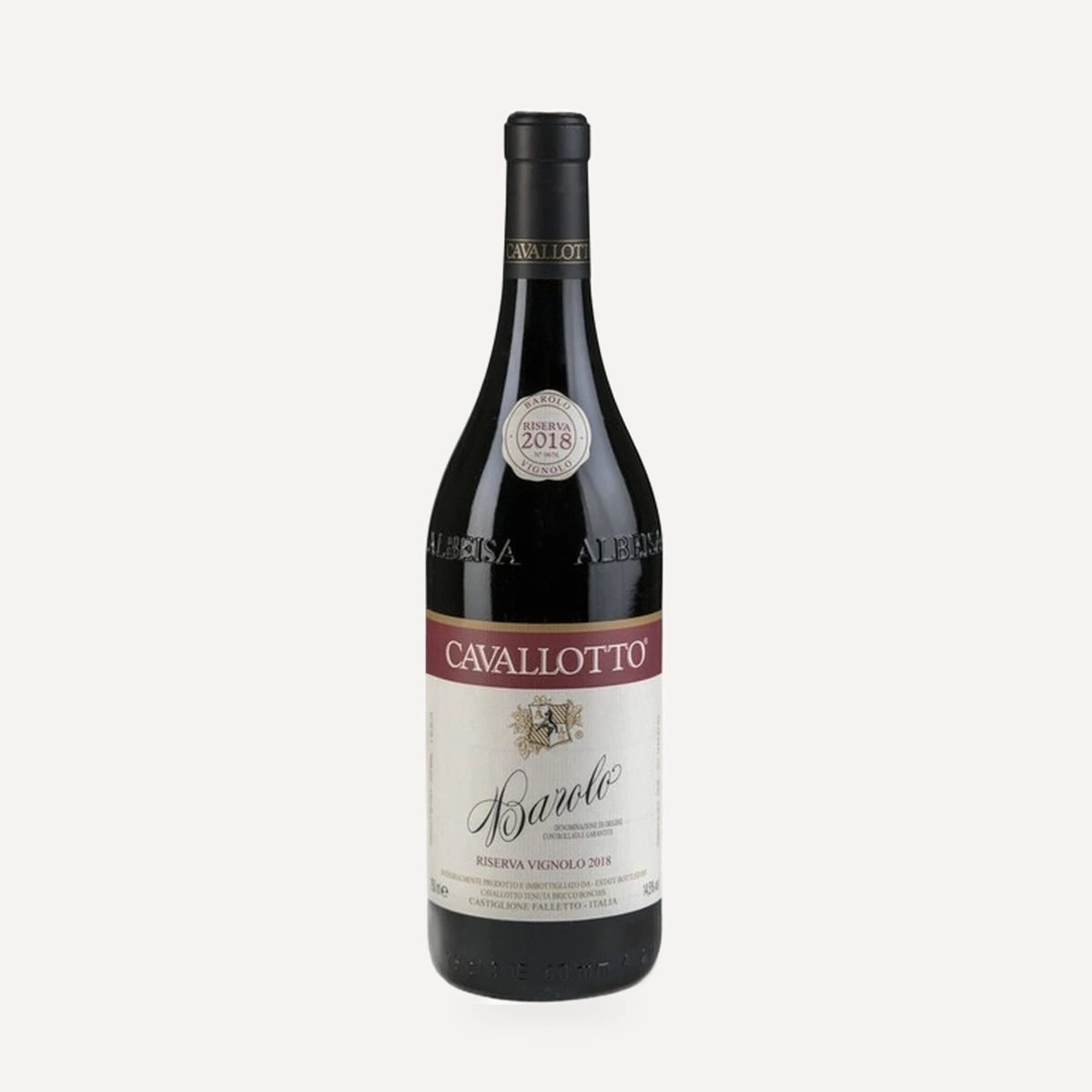
Barolo Riserva Vignolo
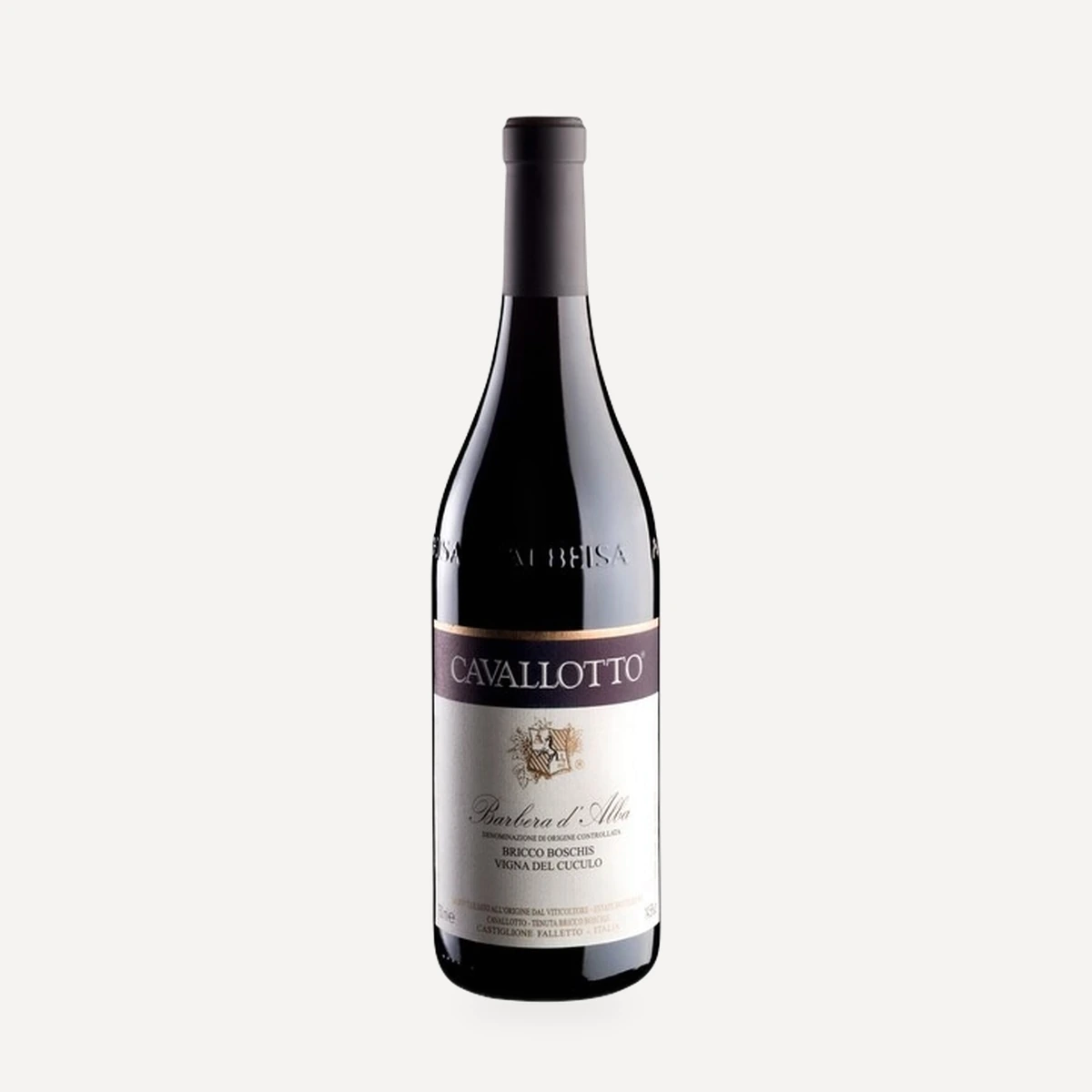
Barbera d’Alba Vigna del Cuculo
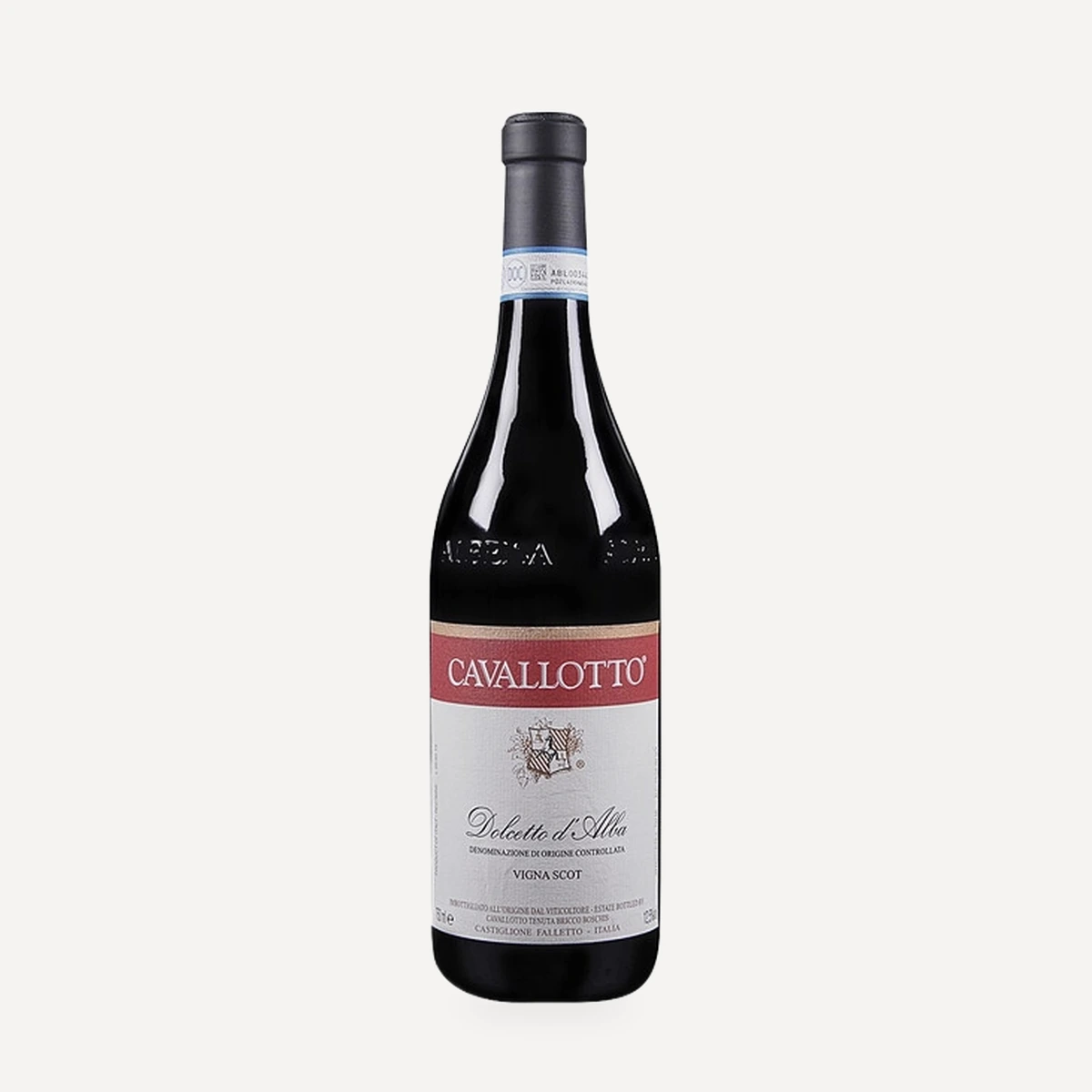
Dolcetto d’Alba Vigna Scot
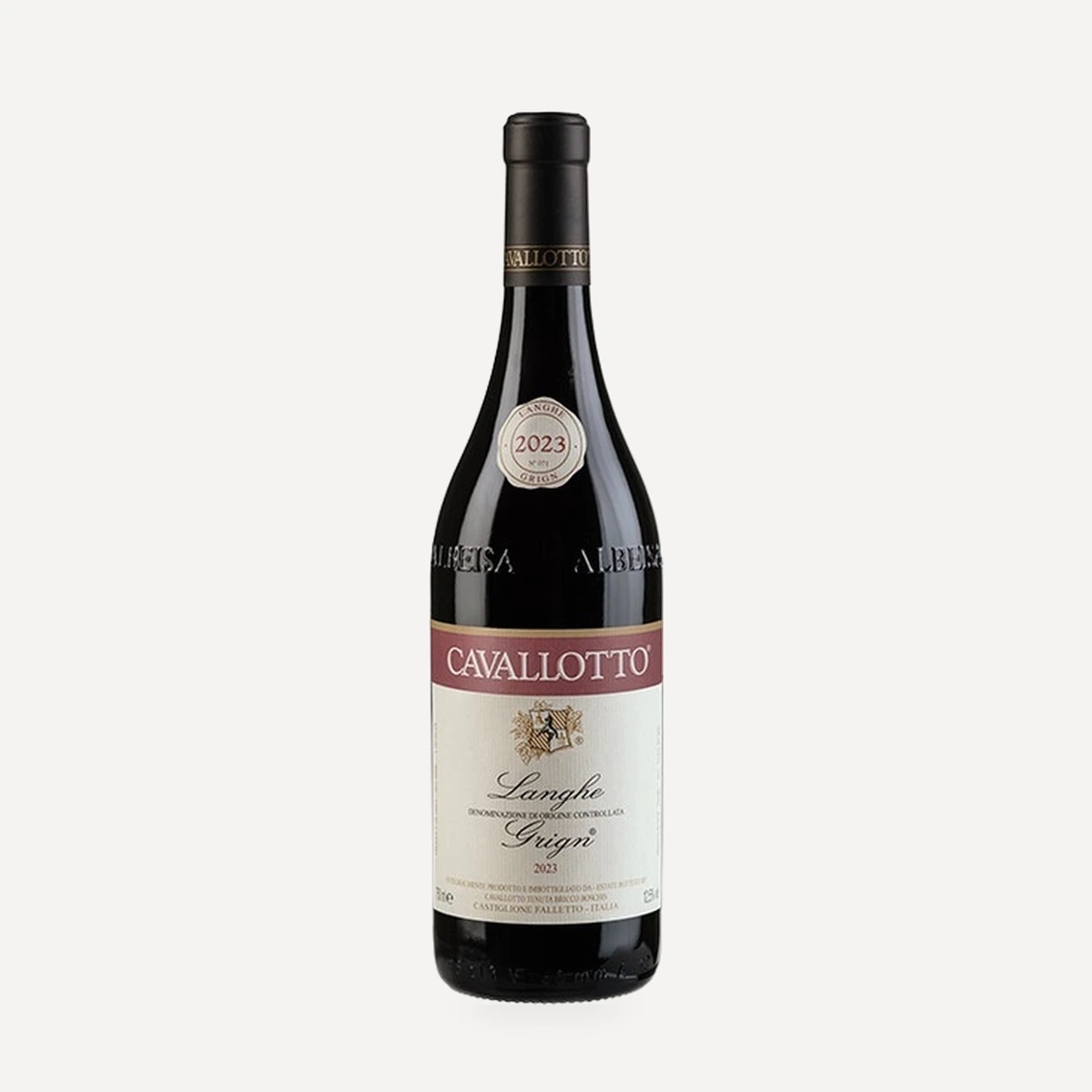
Langhe Grign
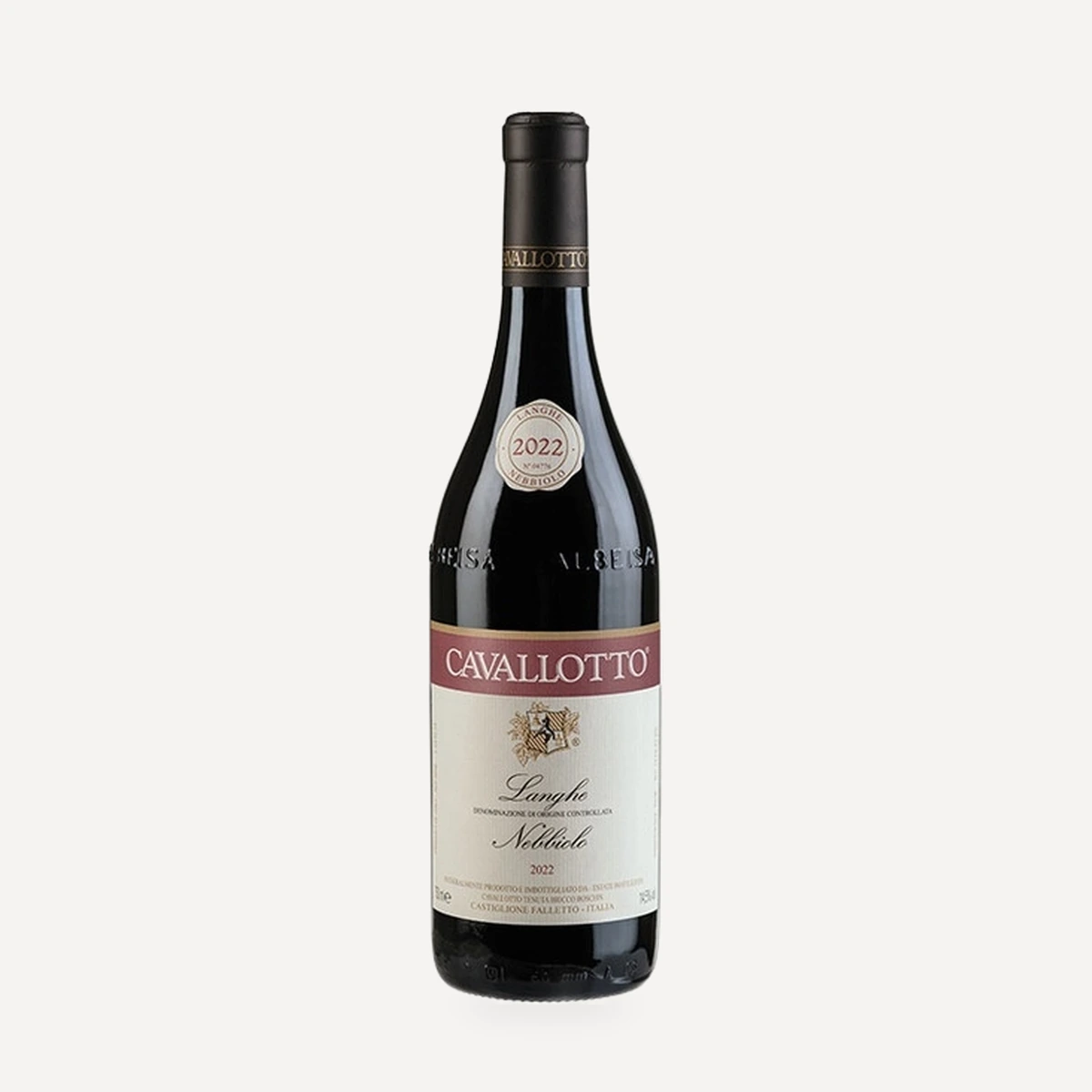
Langhe Nebbiolo
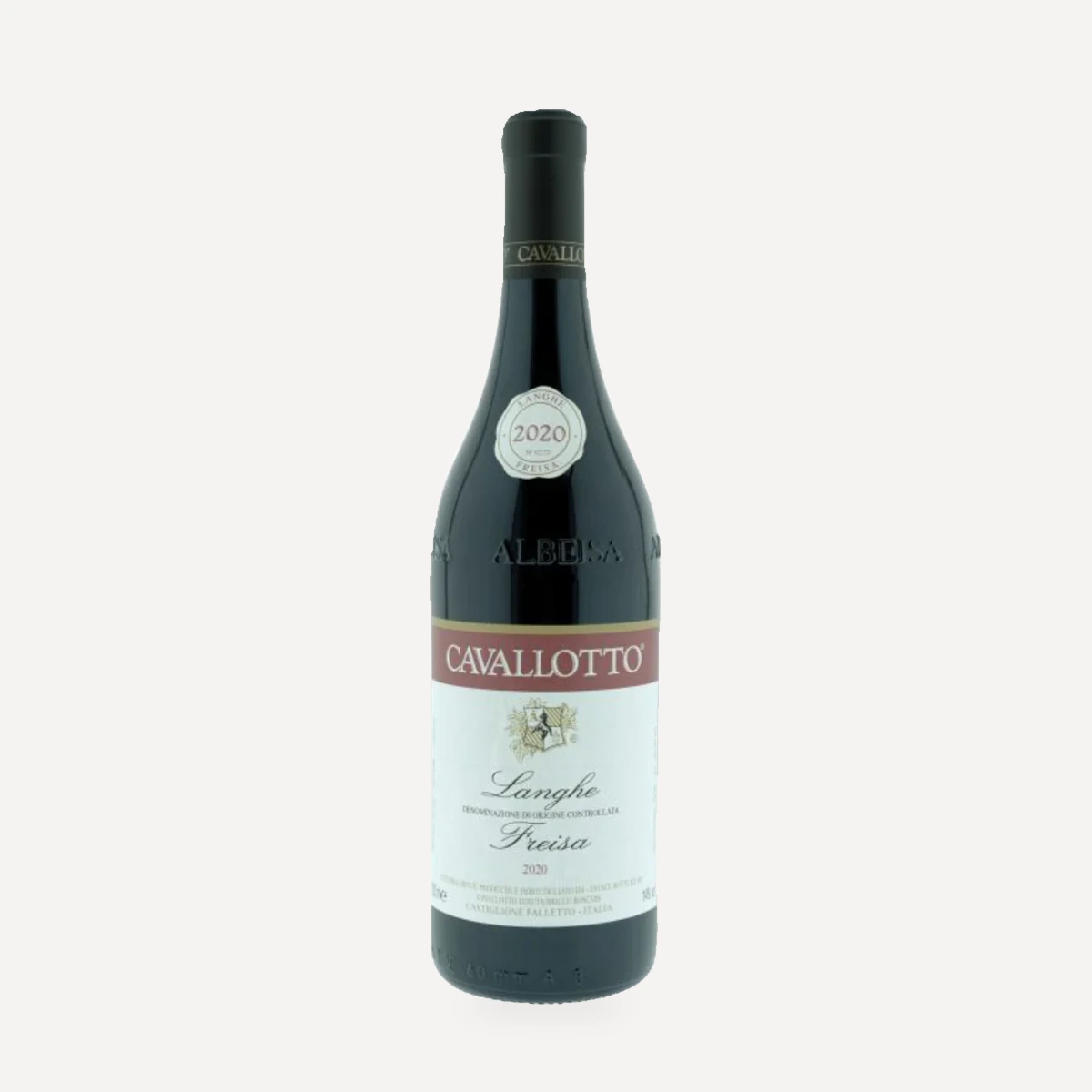
Langhe Freisa