History
Origins and Umberto Cavicchioli
The story begins with a piece of land: a vineyard surrounding a country farmhouse. This remembered place later inspired the name Antica Foresteria, meaning “old guesthouse.”
In 1928, founder Umberto Cavicchioli began producing his Lambrusco “Tradizione.” This event established the documented connection between the Cavicchioli family, the land and Modena’s winemaking tradition. The later Tre Medaglie range was conceived as a continuation and representation of that heritage.
1987: Vigna del Cristo
In 1987, Vigna del Cristo was created from Lambrusco di Sorbara grown in the 5 ha Cristo vineyard. The release was presented as a milestone in the history of Lambrusco in Modena, combining a modern interpretation with fidelity to local tradition.
Expanding the interpretation of Lambrusco
Rosé del Cristo subsequently developed another expression of Lambrusco di Sorbara through vintage traditional-method sparkling production. Its creation reflected a continuing pursuit of quality and innovation and broadened the winery’s interpretation of the variety beyond established semi-sparkling styles.
Lo Scarlatto di Umberto was created as a tribute both to founder Umberto Cavicchioli and to the Lambrusco di Sorbara territory. It brings together the traditional method and an approach explicitly framed around the union of tradition and innovation.
The portfolio also preserves the family narrative through Marchio Storico, associated with Modena’s winemaking heritage and Emilian conviviality, and Antica Foresteria, whose name recalls the vineyard farmhouse at the beginning of the story.
Terroir
Cantine Cavicchioli works with grapes from several parts of Modena and its surroundings.
The principal Lambrusco di Sorbara territory lies north of Modena around the Secchia and Panaro rivers. The 5 ha Cristo vineyard is situated at the heart of the Lambrusco di Sorbara DOC zone, in the hamlet of Cristo, only 200 m from the Secchia River.
Lambrusco Grasparossa is also sourced from the foothills south of Modena, while other Lambrusco vineyards are distributed across the province of Modena. Grechetto Gentile for Pignoletto DOC comes from the eastern part of Modena province and the adjoining province of Bologna.
Winemaking
Selected Lambrusco di Sorbara programs use manual harvesting. Grapes intended for these wines are processed promptly after picking, with immediate gentle pressing or crushing followed by short contact with the skins, depending on the intended style.
The available vineyard descriptions identify Lambrusco di Sorbara in the Cristo and Secchia–Panaro areas, Lambrusco Grasparossa in the foothills south of Modena, Lambrusco Grasparossa and Lambrusco Salamino elsewhere in Modena province, and Grechetto Gentile in eastern Modena and neighbouring Bologna province.
Cantine Cavicchioli employs both tank and bottle-fermentation methods across its sparkling and semi-sparkling production.
Initial processing and extraction
Production protocols include destemming, gentle pressing and brief low-temperature skin contact. Depending on the intended expression, cold maceration lasts 24–36 hours or 2–3 days. A Lambrusco Grasparossa protocol uses 5–6 days of skin contact.
For selected Lambrusco di Sorbara production, the extracted must is divided into separate, qualitatively homogeneous fractions. The earlier fraction is finer and richer organoleptically, while later fractions carry progressively more colour and aroma. These lots ferment separately before selected portions are assembled into the cuvée.
Tank fermentation
Charmat and Martinotti production takes place in pressure-rated stainless-steel tanks at controlled temperatures. Documented protocols include secondary fermentation with the addition of must, fermentation at 15–18°C, and a Charmat cycle lasting approximately 20–25 days or about three weeks.
Lees ageing varies by program. Examples include another 4–5 weeks after the second fermentation, 12 weeks before bottling, and at least 120 days for the long Martinotti method.
Traditional method
Traditional-method wines undergo alcoholic fermentation in temperature-controlled stainless steel before the cuvée is selected and bottled for secondary fermentation. Documented lees-ageing periods include 18 months and approximately 24–30 months.
After disgorgement, one protocol tops the wine with a portion of the same wine together with the liqueur d’expédition. This house-developed finishing procedure is intended to achieve balance in the finished sparkling wine.
Philosophy
Cantine Cavicchioli presents its identity through a close connection to the land, the winemaking traditions of Modena and the convivial culture of Emilia. Historical ranges are intended to preserve the legacy begun by Umberto Cavicchioli, while newer interpretations pursue quality through both technological precision and established sparkling-wine methods.
Tradition and innovation are treated as complementary principles. Vigna del Cristo is framed as modern while remaining faithful to tradition; Rosé del Cristo explores a different side of Lambrusco through the traditional method; and Lo Scarlatto di Umberto explicitly unites tradition with innovation in a tribute to the founder and the Lambrusco di Sorbara territory.
The portfolio’s stated values also include conviviality, accessibility, respect for territorial identity and the pursuit of balanced, technically accomplished sparkling wines.
Wines
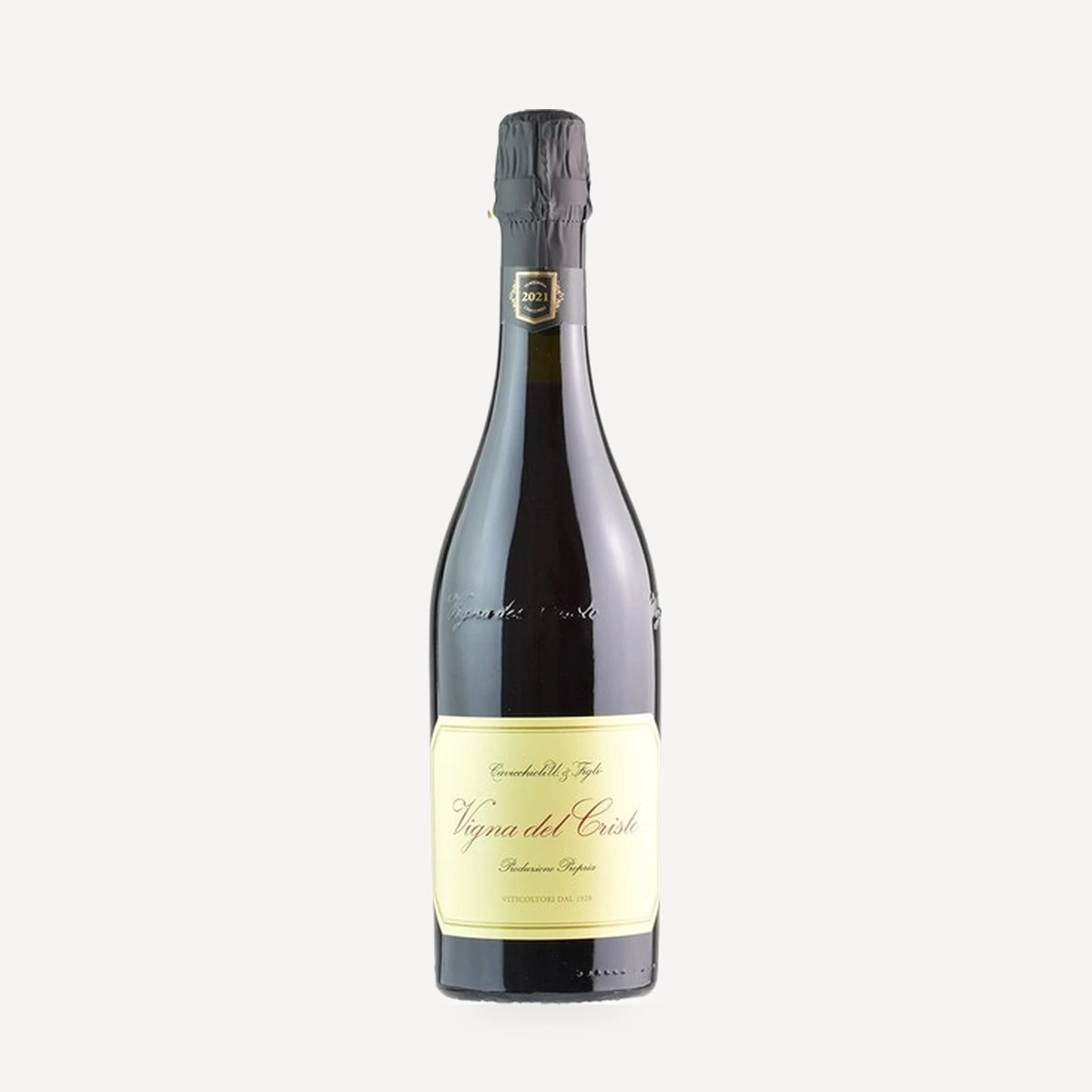
Vigna del Cristo Lambrusco di Sorbara Vino Frizzante Secco DOC
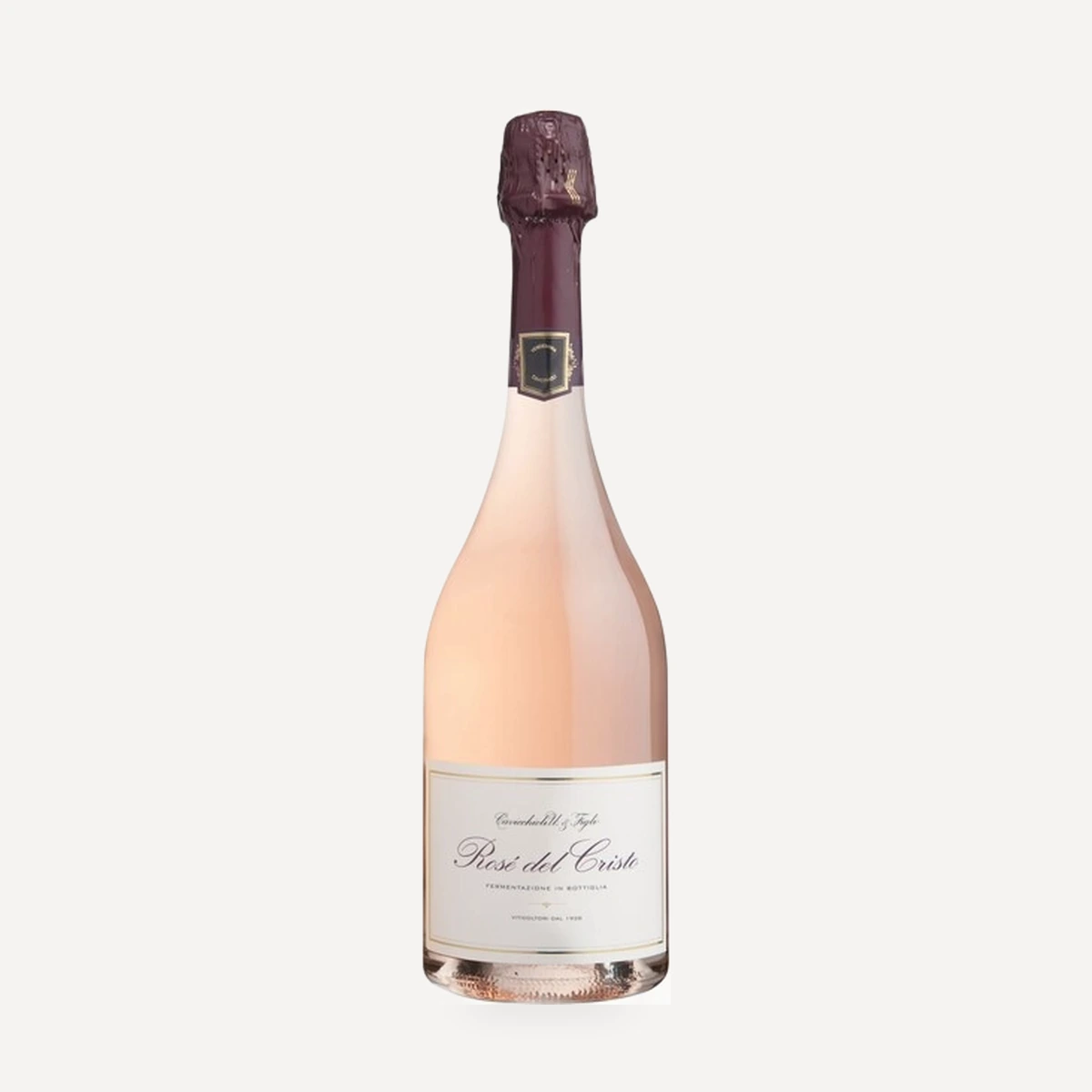
Rosé del Cristo Lambrusco di Sorbara Spumante Brut Metodo Classico Millesimato DOC
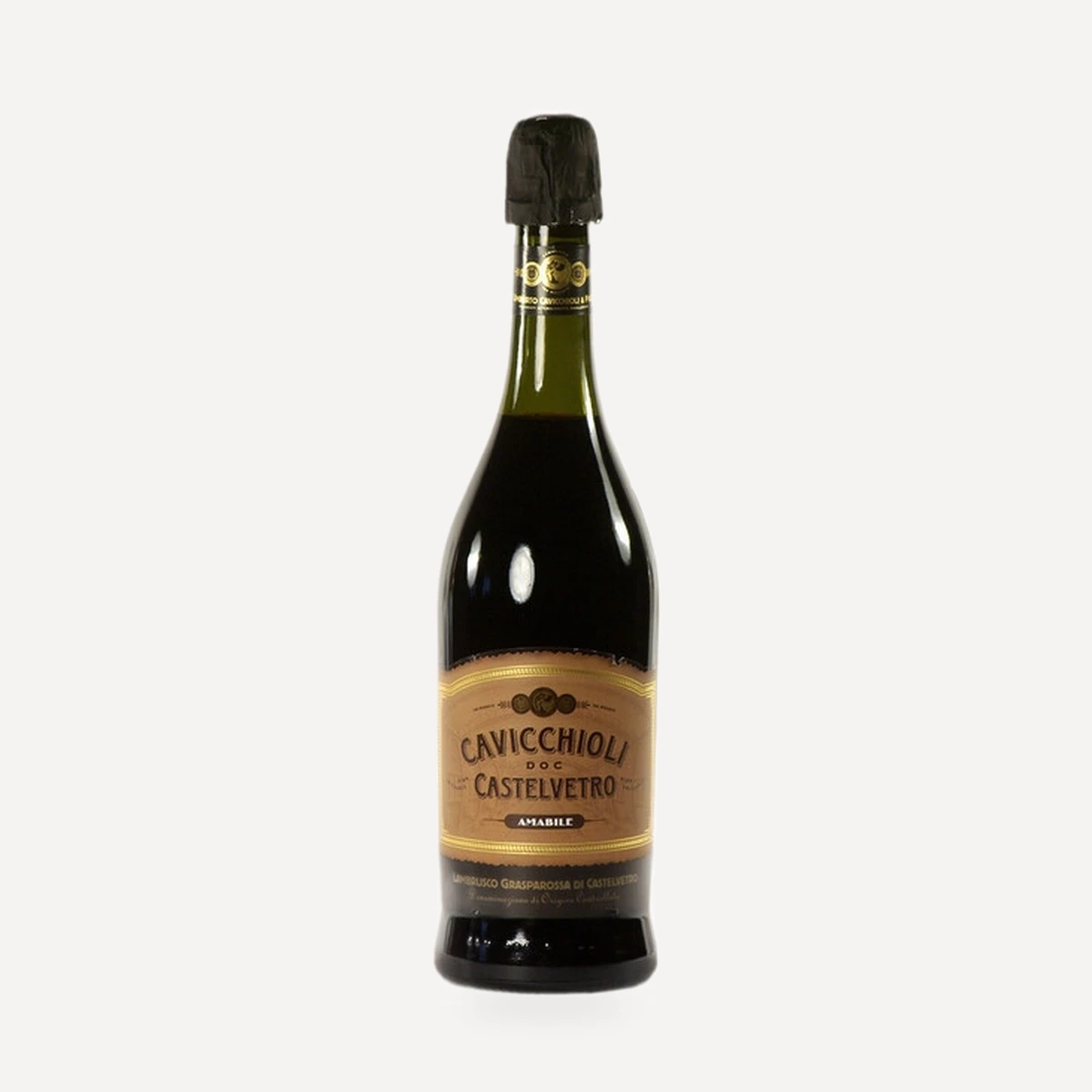
Tre Medaglie Lambrusco Grasparossa di Castelvetro Vino Frizzante Amabile DOC
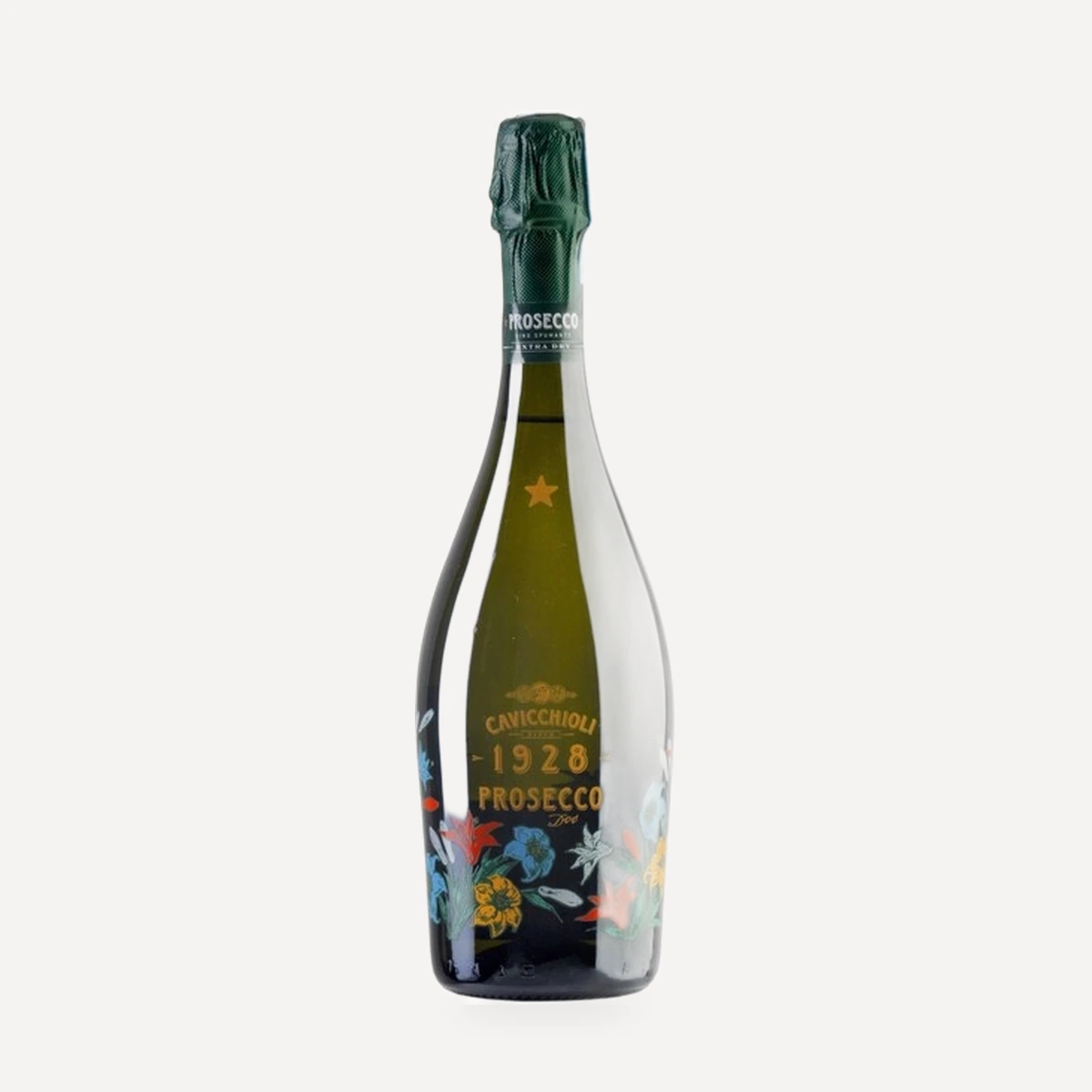
Prosecco Brut DOC
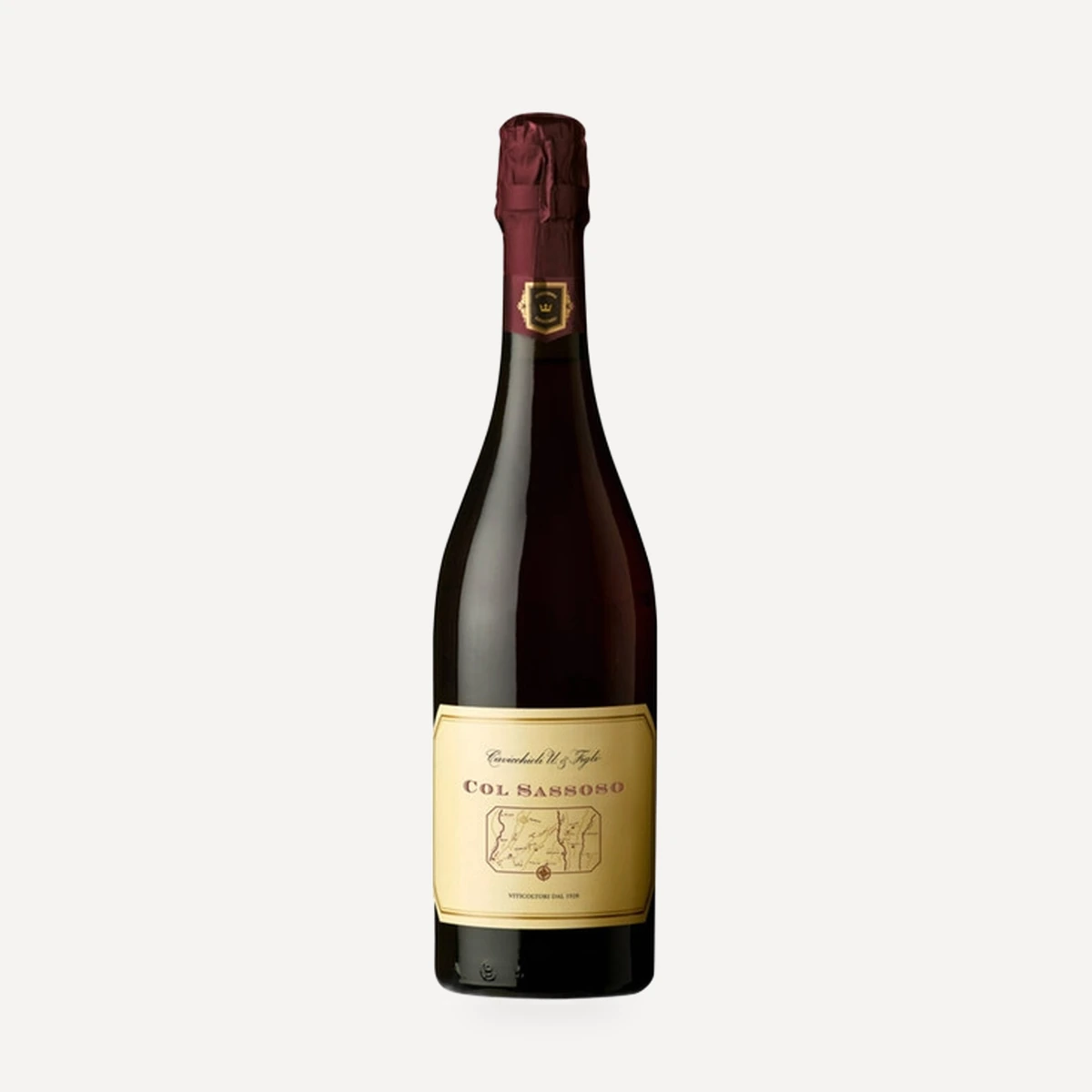
Col Sassoso Lambrusco Grasparossa di Castelvetro Secco DOC
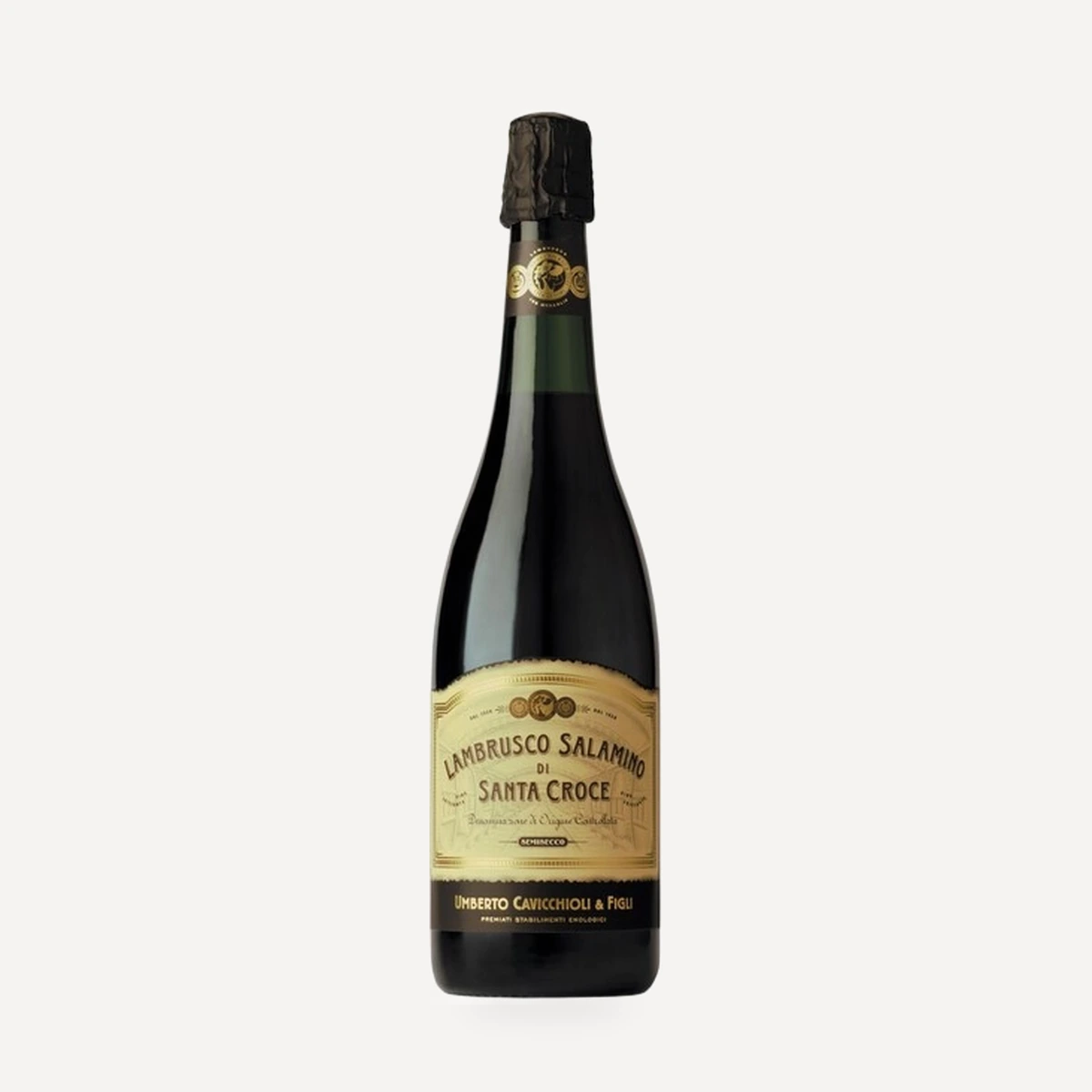
Lambrusco Salamino Di Santa Croce Semisecco
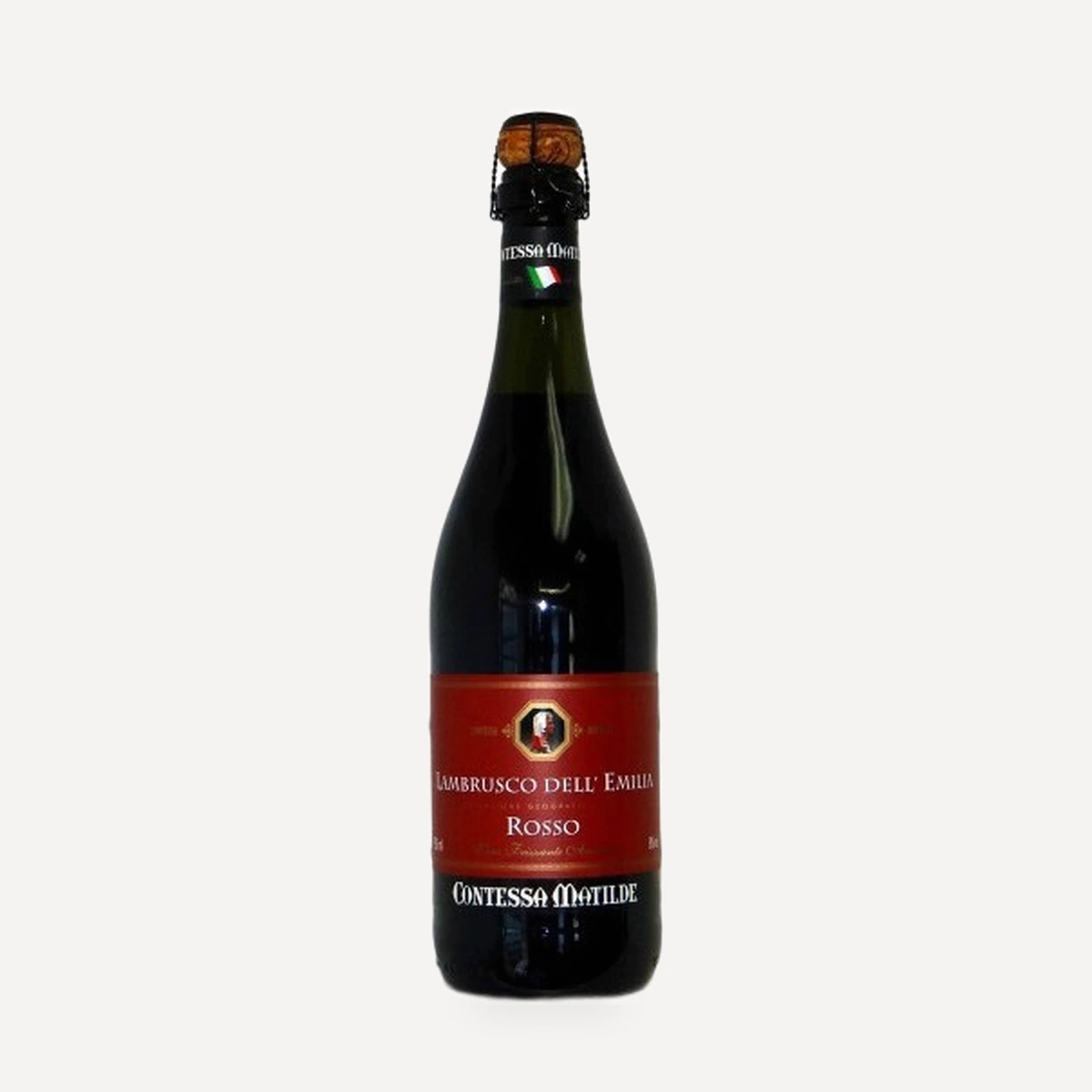
Contessa Matilde Lambrusco dell'Emilia Rosso Amabile IGT
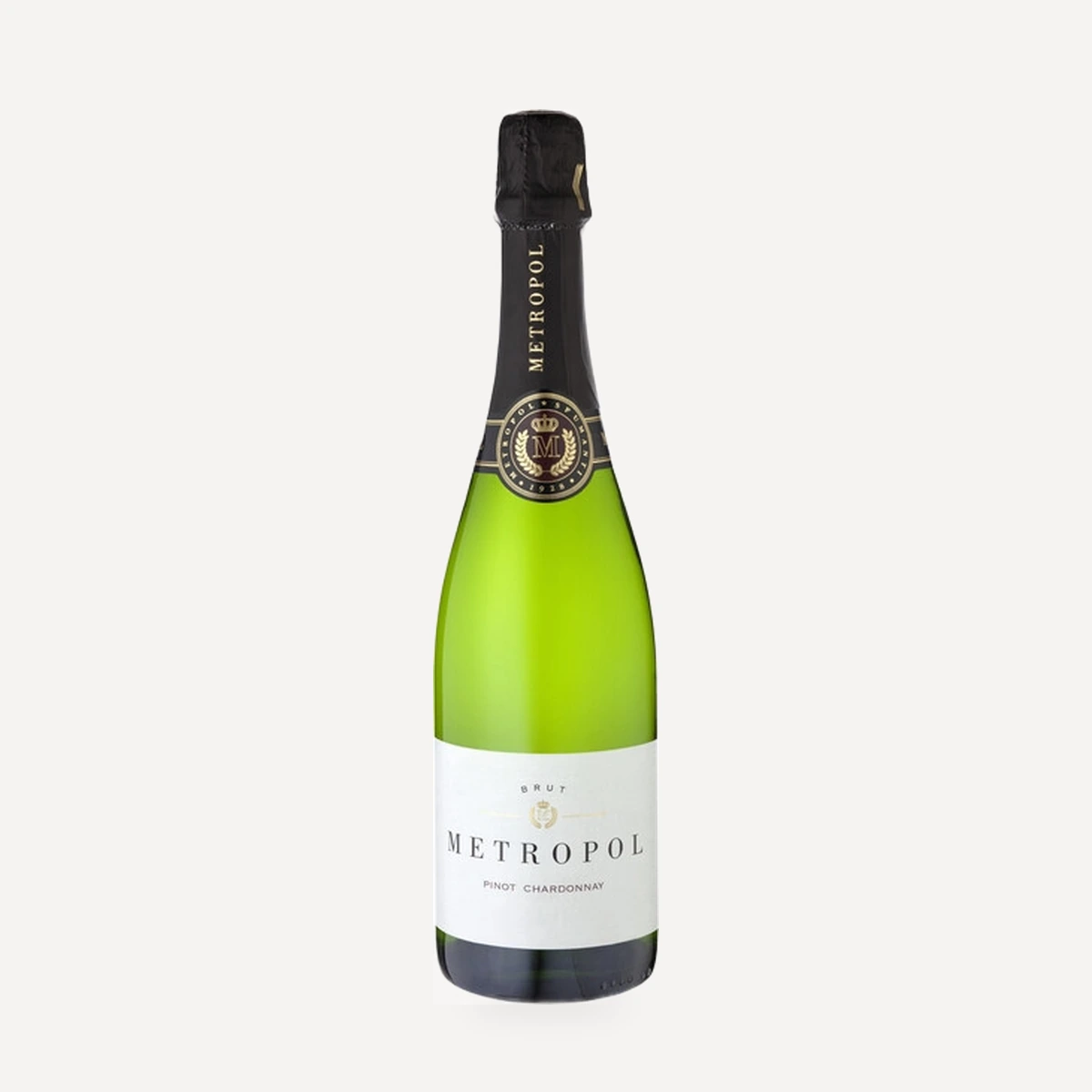
Metropol Pinot Chardonnay Brut
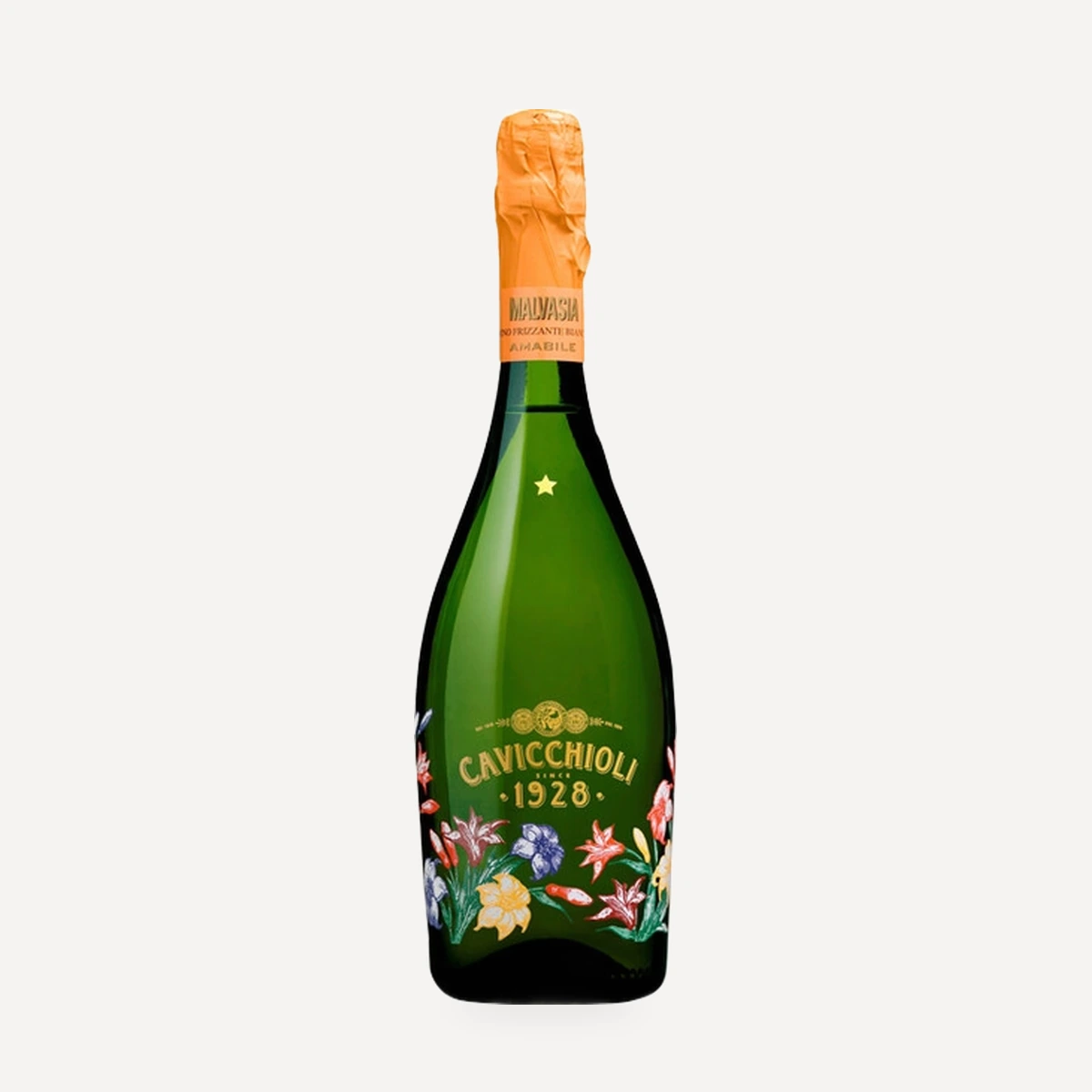
Malvasia
Lo Scarlatto di Umberto Lambrusco di Sorbara Spumante Brut Metodo Classico DOC
Marchio Storico Lambrusco di Sorbara Vino Frizzante Secco DOC
Marchio Storico Lambrusco di Sorbara Vino Frizzante Amabile DOC
Tre Medaglie Lambrusco di Sorbara Vino Frizzante Secco DOC
Tre Medaglie Lambrusco di Sorbara Vino Frizzante Amabile DOC
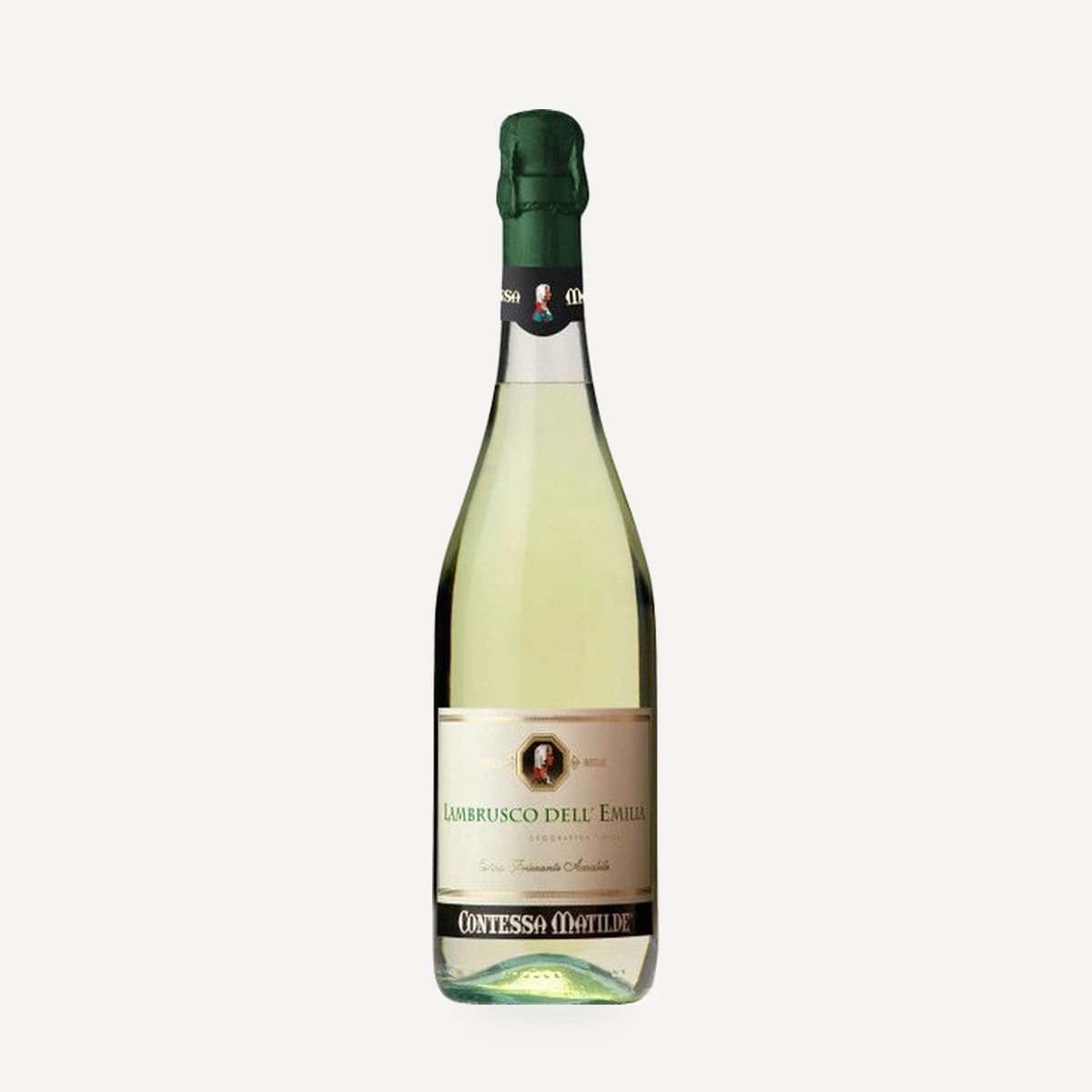
Contessa Matilde Lambrusco dell'Emilia Bianco Amabile IGT