About this wine
Vineyard and terroir
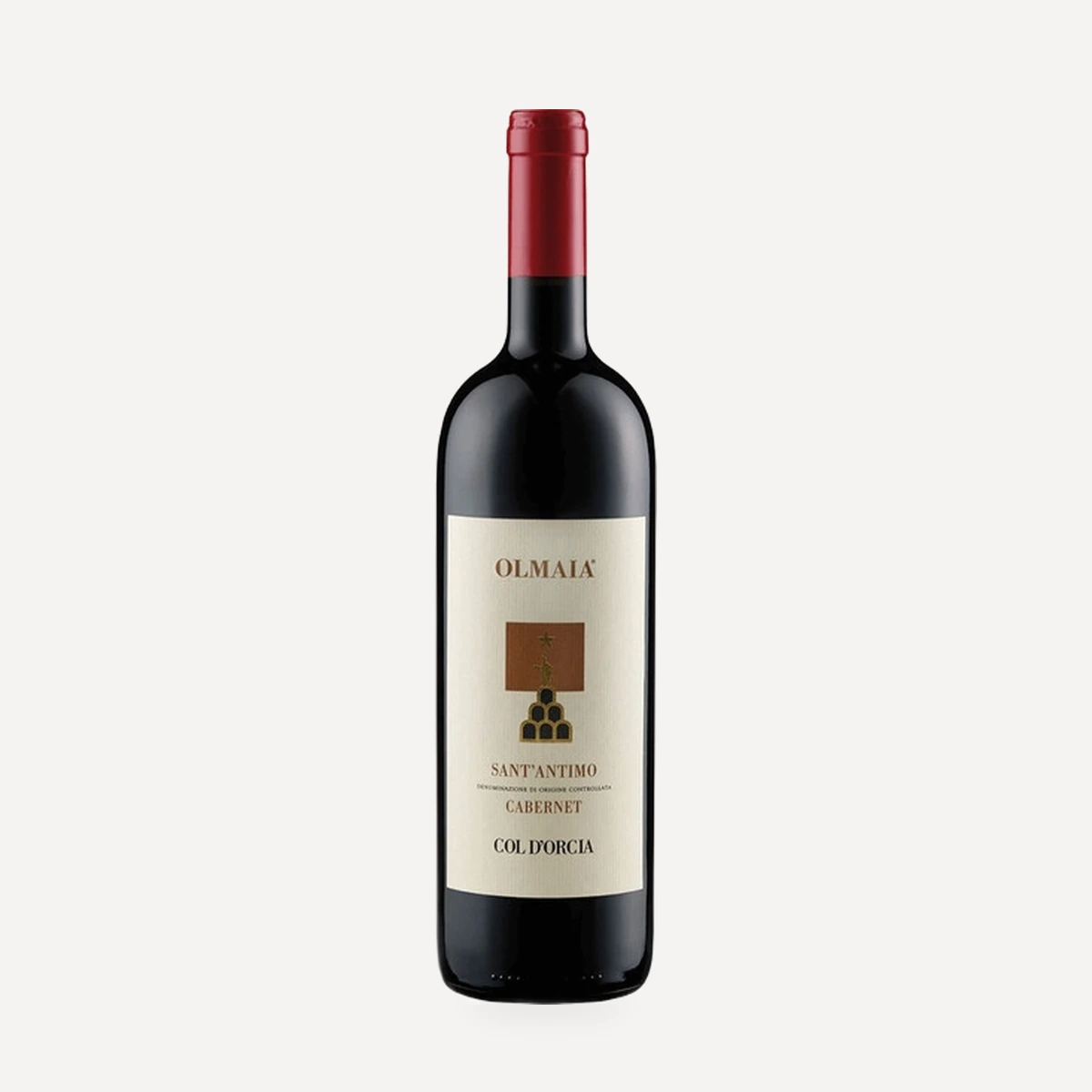
The Cabernet Sauvignon grows in biodynamic vineyards in the hills of Sant’Angelo. Planted in 2005 at 350 metres above sea level, the vineyards have southern and south-western exposure. Dry summers and moderate winter rainfall allow the grapes to reach optimal ripeness.
Grapes
The vines are a Bordeaux clone of Cabernet Sauvignon that produces small bunches.
Vinification
The 2018 harvest began in mid-September, yielding grapes with freshness, concentration and balance. Fermentation took place in 50 hL steel tanks. Maceration lasted 12–15 days at a controlled 25 °C, with two pump-overs each day and three long délestages on days 5 and 7 of fermentation. Malolactic fermentation also took place in steel tanks. The process preserved varietal freshness while softening the texture.
Ageing
The wine was first racked directly into barriques in April–May 2019. It aged for 24 months in medium-toast barriques made from French oak (95%) and American oak (5%). During the second winter after harvest, it remained in barrel through the seasonal cold, achieving stability and clarifying naturally. It was bottled on 9 July 2021 and underwent further bottle ageing to complete the development of its structure.
Tasting profile
Rich and complex, with excellent structure, freshness and a soft texture. Ageing in barrique contributes a spicy character to the bouquet.
Vintage notes
The 2018 growing season proceeded without particular difficulties. Winter rainfall replenished the soil’s water reserves before the hot summer, while occasional rain during the following months helped maintain them. Temperatures ranged from 25–30 °C during the final days of summer and the first week of autumn.
Label / history
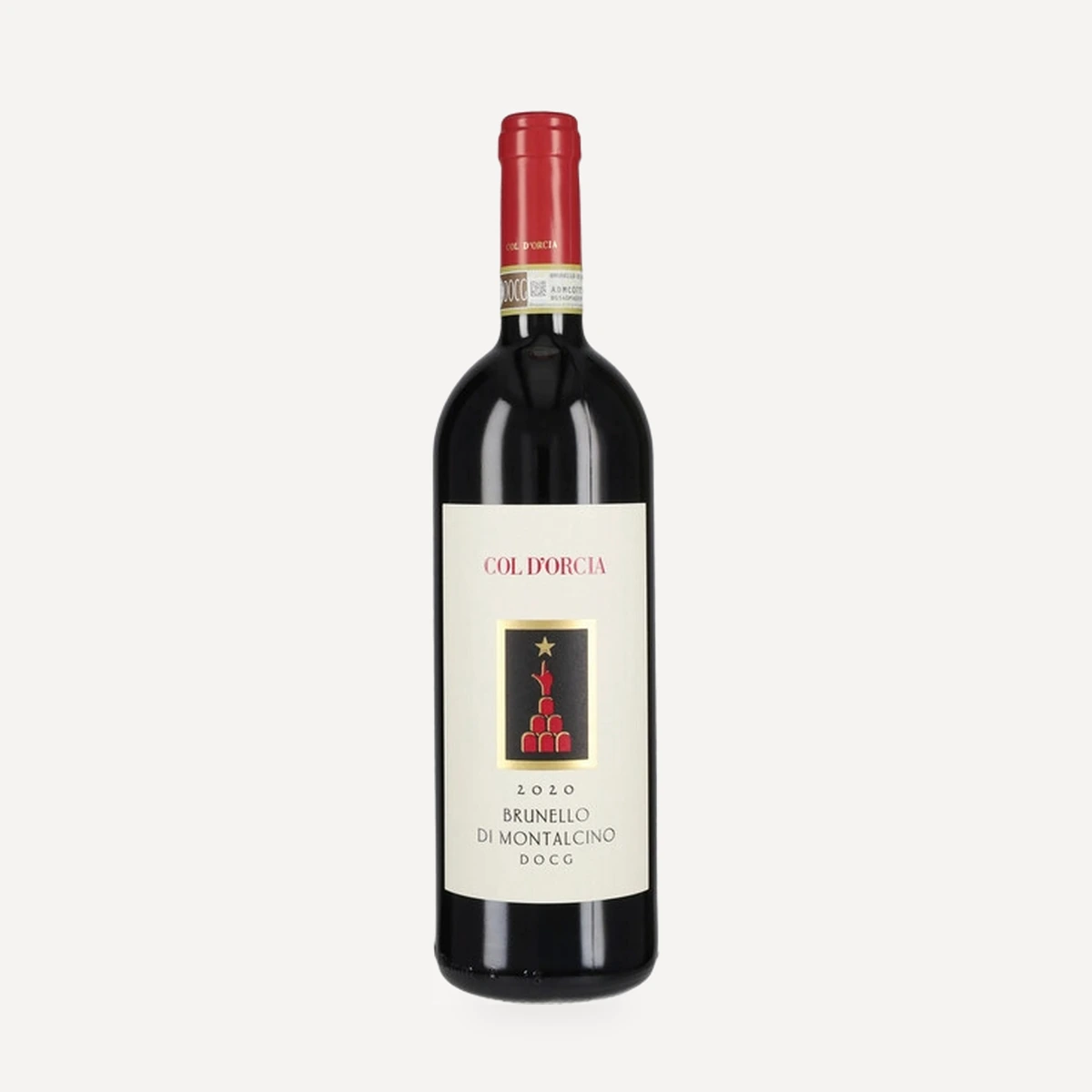
Col D’Orcia was founded in 1700 and purchased in 1973 by the family of Count Cinzano, whose business was established in Turin in the mid-sixteenth century. The estate’s current owner is Count Francesco Marone Cinzano.