About this wine
Vineyard and terroir
The vineyards stand between 240 and 360 metres above sea level on medium-textured soils with Eocene-origin marl.
Grapes
Sangiovese, Cabernet Sauvignon and Merlot. Blend proportions vary by vintage.
Vinification
Fermentation and refinement take place in stainless-steel and vitrified-concrete vats. Cooling plates and jackets provide temperature control.
Tasting profile
Intense ruby red. The bouquet combines pronounced herbal aromas with ripe red fruit and balancing spicy notes. The wine is structured and full-bodied yet quite soft and balanced, with pronounced tannins, a distinct personality and good persistence.
Serving and pairing
Serve at 18°C in a large balloon-shaped crystal glass. Store bottles horizontally, away from light and protected from extreme or fluctuating temperatures. Pair with elaborate first courses dressed with red-meat sauces or structured main courses such as roast pork and lamb.
Vintage notes
The current page presents 2024, 2023, 2022, 2021 and 2020. Earlier technical sheets show that the blend and élevage have changed over time, but their historical percentages are omitted here in favour of the current non-percentage composition.
Label / history
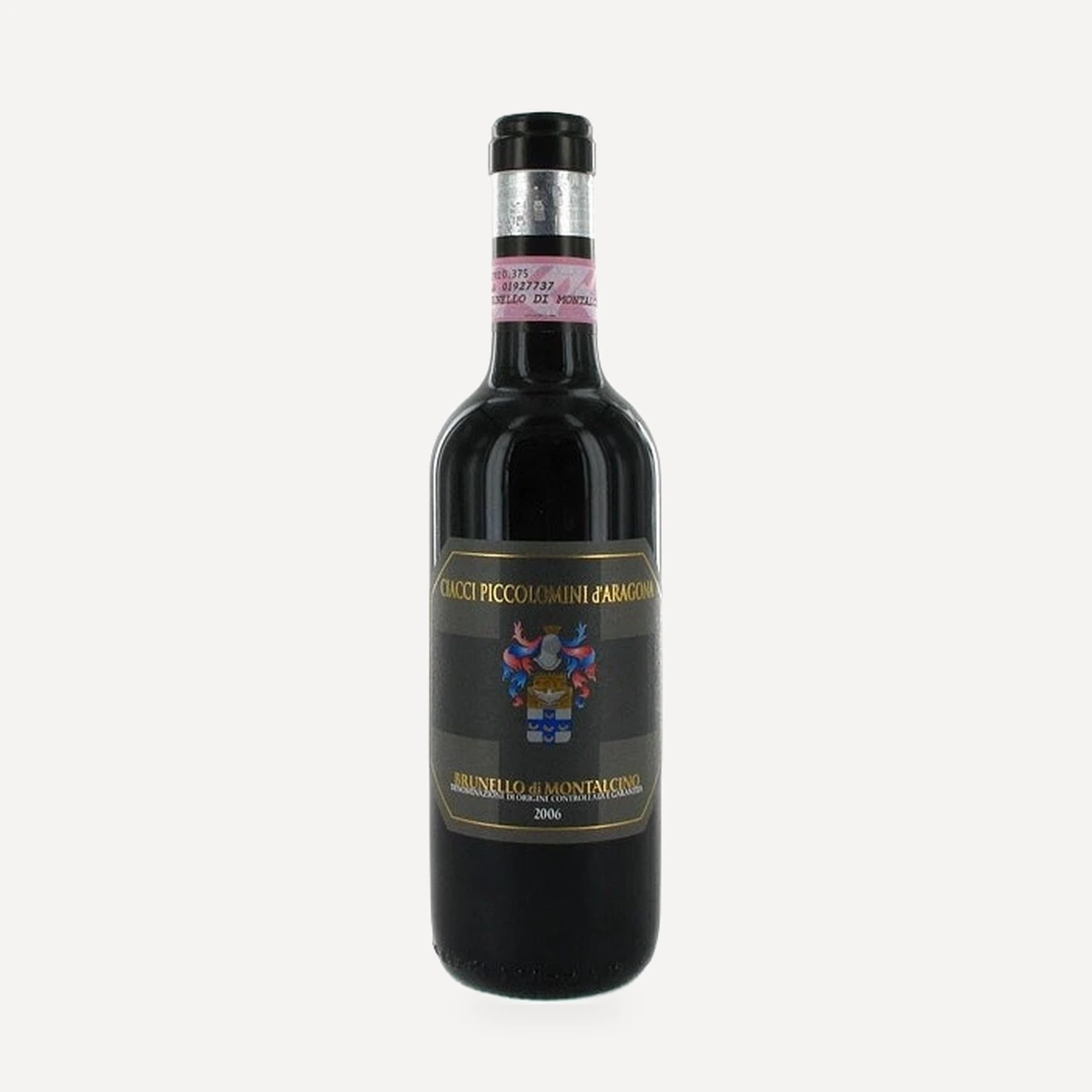
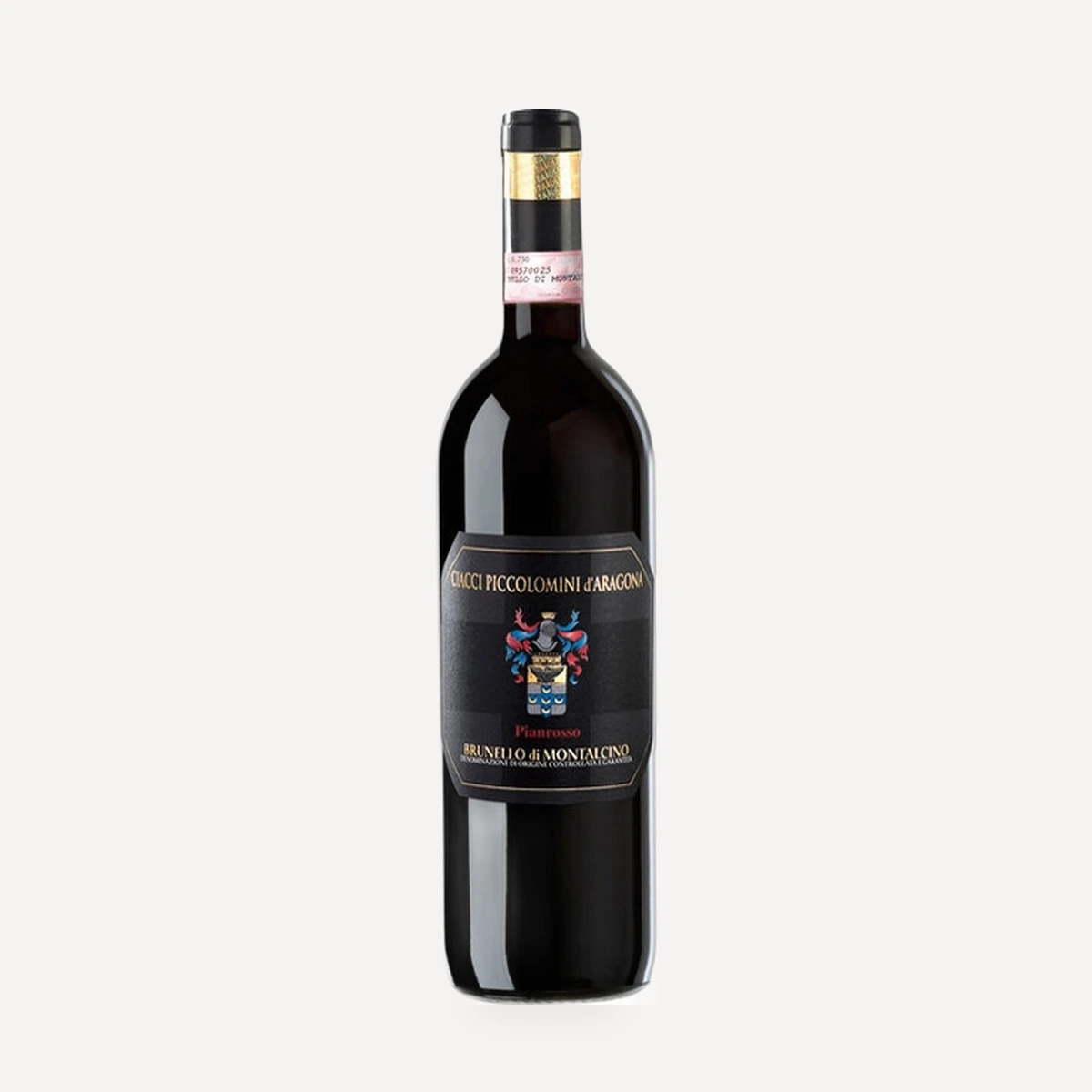
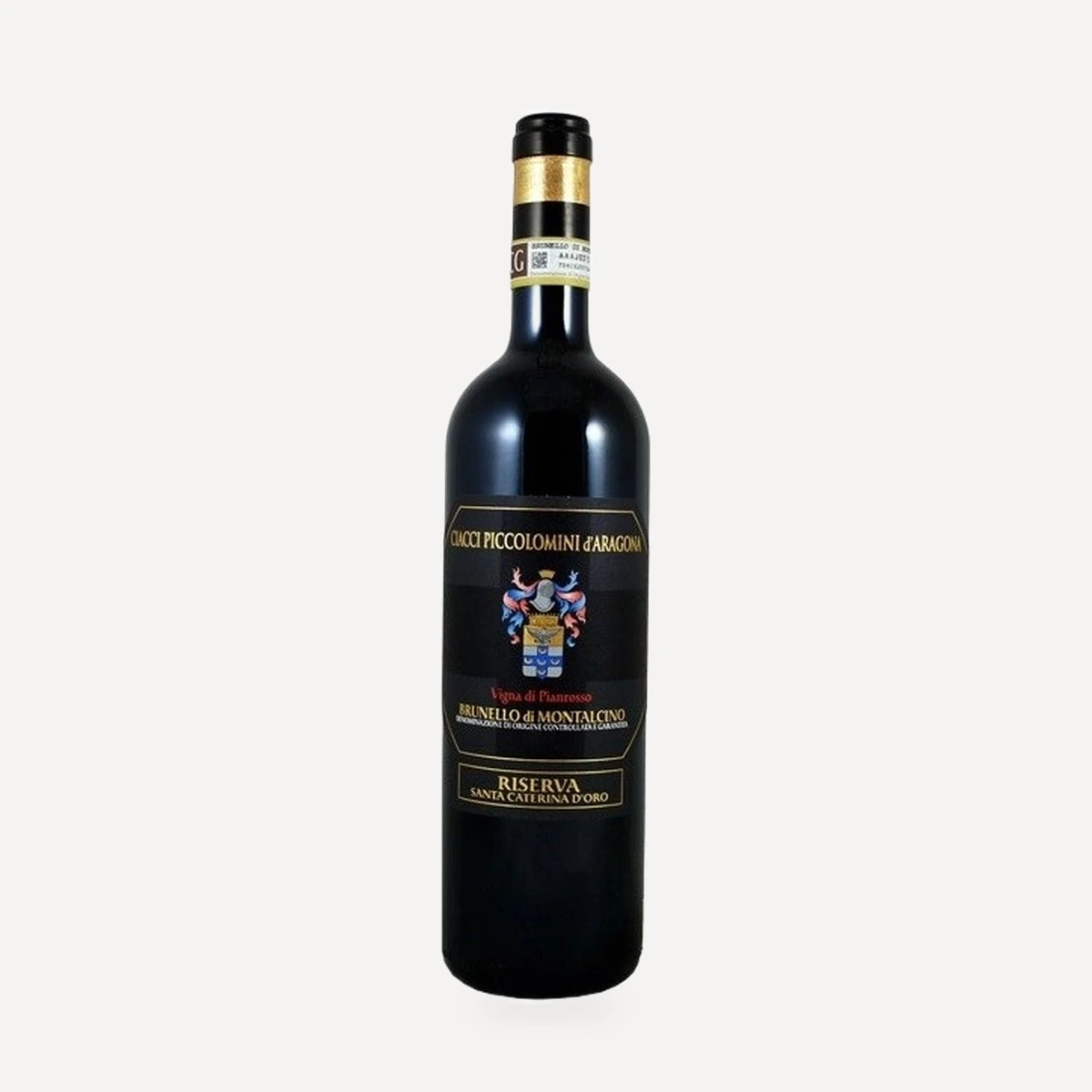
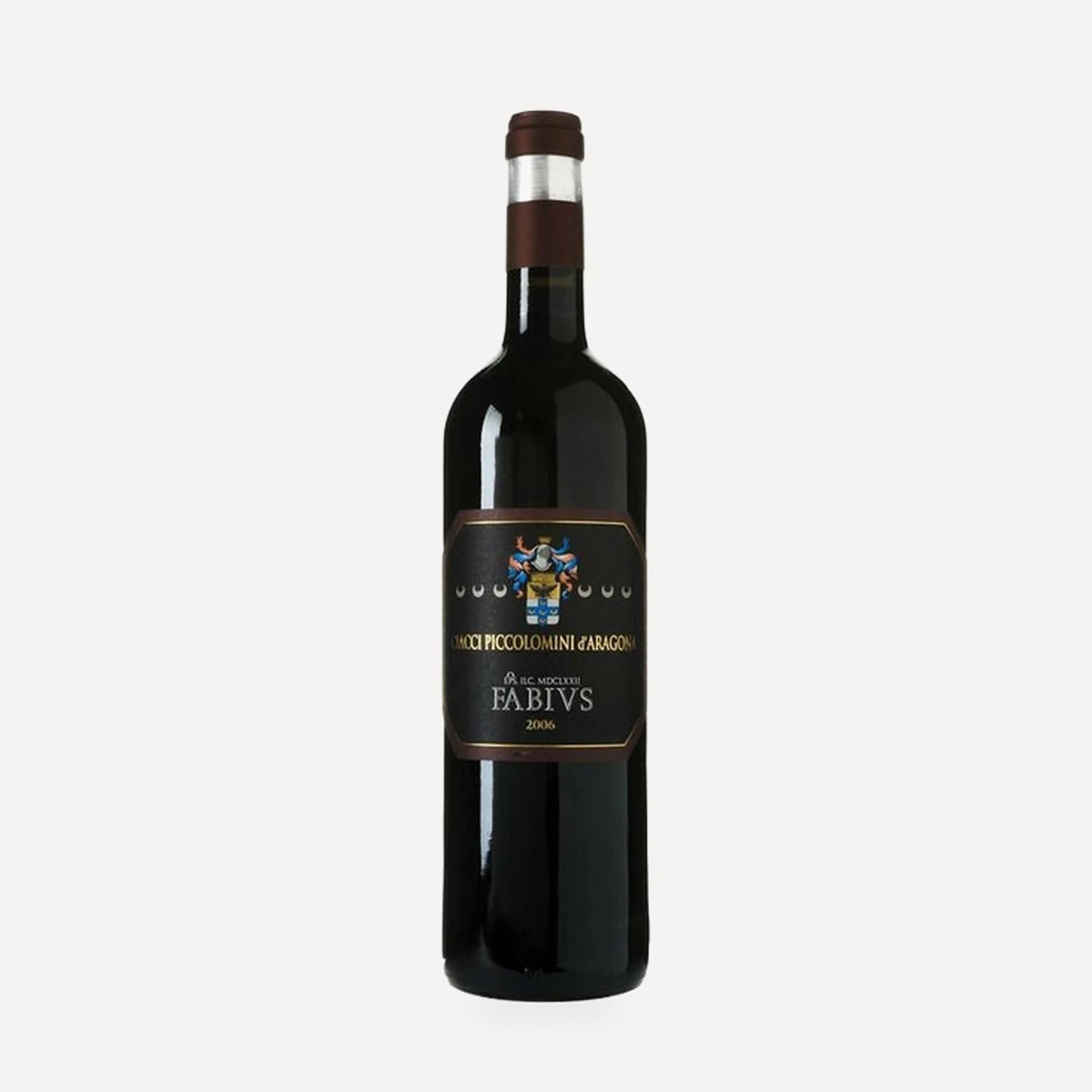
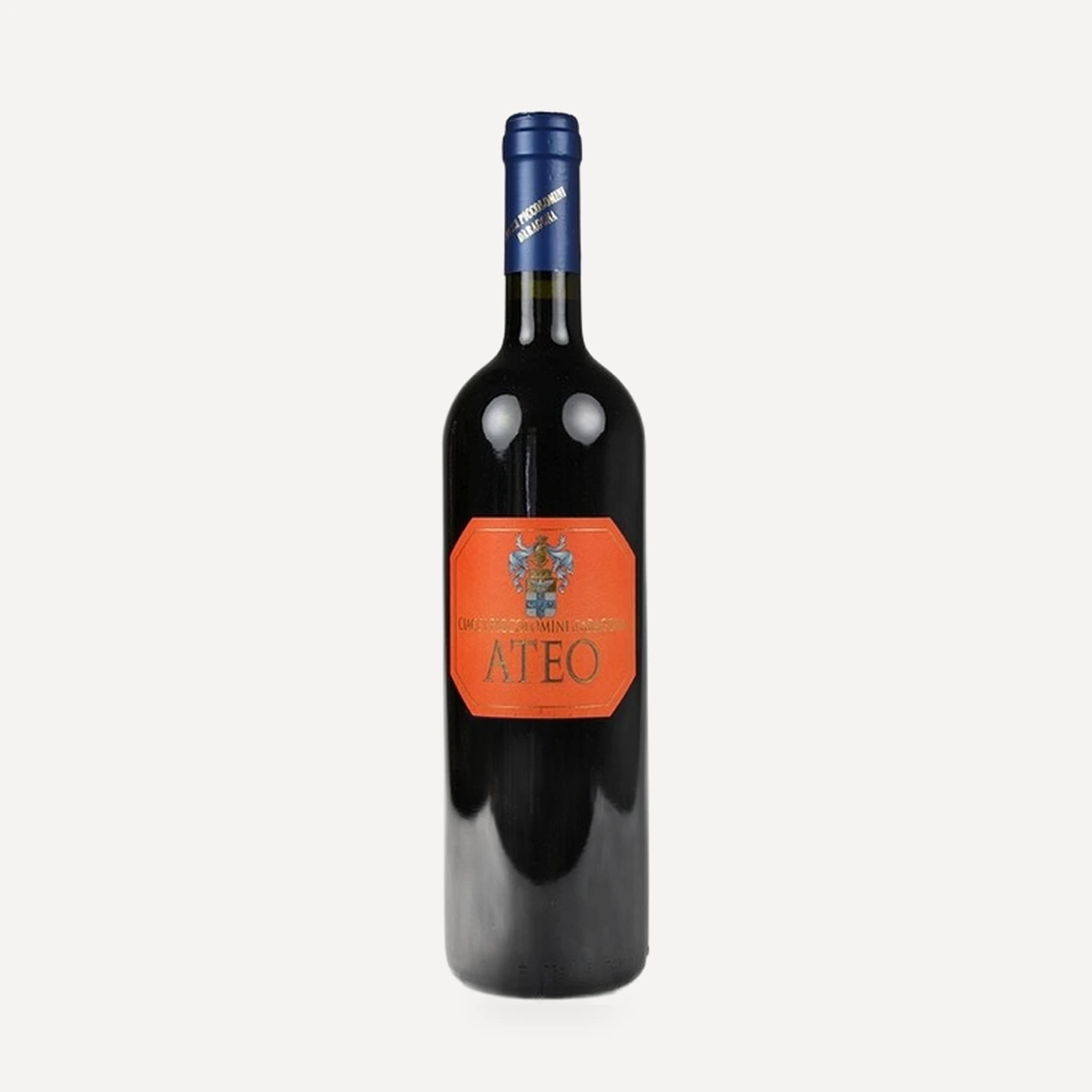
Ateo originated in 1989, between two excellent vintages and alongside the first harvests from the estate's Cabernet Sauvignon and Merlot vineyards. Its name—Italian for “atheist”—referred to the decision not to produce Brunello in a less-than-ideal year. Initially conceived as a provocation, it became an estate classic combining international varieties with native Sangiovese. An anti-counterfeiting hologram protects the capsule.