History
Franceschi origins: 1890–1958
The estate’s documented modern lineage reaches back to at least 1890, when the Franceschi family of Florence acquired the property then known as Fattoria di Sant’Angelo in Colle. The farm already had a place in the early commercial history of Brunello: in 1933 it presented several Brunello vintages at the Wine Exhibition of Siena, among Italy’s earliest wine trade exhibitions.
Brothers Leopoldo and Stefano Franceschi subsequently inherited the property. In 1958 they divided their holdings, and the terms of the separation prevented either brother from retaining the existing Fattoria di Sant’Angelo in Colle name. Stefano called his portion Col d’Orcia—“the hill above the Orcia”—after the river crossing the property. He later married into the royal family of the future Spanish king Juan Carlos. The couple had no children.
The Cinzano acquisition and vineyard expansion: 1973–1983
In 1973 Stefano Franceschi sold Col d’Orcia to the Piedmontese Cinzano family, whose established spirits distribution network helped bring the estate’s early vintages to a wider market. The mixed farm then cultivated wheat, tobacco, olives and grapes, and only a few hectares were under vine. One principal estate building preserves the former mill of Fattoria di Sant’Angelo in Colle.
Count Alberto Marone Cinzano progressively replaced tobacco and wheat with vineyards. Poggio al Vento was replanted in 1974 using cuttings from existing vines. Agronomist Giuliano Dragoni joined full-time in 1975, followed by estate manager Edoardo Virano in 1977. Vineyard holdings reached approximately 70 hectares by the early 1980s.
The family also helped define Rosso di Montalcino as a distinct category. When the Cinzanos arrived, most bottled Montalcino wine was Brunello, while a younger wine called “Vino Rosso dai Vigneti di Brunello” was largely sold in bulk. Alberto Marone Cinzano championed it as an everyday Sangiovese. By 1976 Col d’Orcia represented more than half of Montalcino’s Rosso production, and its efforts contributed to Rosso di Montalcino receiving DOC status by presidential decree in 1983.
Single-vineyard wines and research: 1980–1997
Poggio al Vento became an experimental site for Sangiovese clonal selection in 1980. Its first separately bottled Brunello di Montalcino Riserva vintage was 1982; before then, fruit from the site had entered the estate’s blended Riserva. The project established a long-maturation model based on large oak casks and extended bottle ageing.
In 1984 Col d’Orcia was among the early Montalcino estates to plant Cabernet Sauvignon. Those vines supplied Olmaia, whose first vintage was 1989 and which was released in 1991.
Research with the University of Florence intensified in 1988 under Sangiovese specialist Roberto Bandinelli. In the same year, consultant oenologist Maurizio Castelli began working with the estate. Their work addressed clonal material, rootstocks, planting density and vineyard management. A new ageing cellar was built in 1990. Francesco Marone Cinzano, Alberto’s son, assumed control in 1992 and continued expanding the vineyards. Estate-selected Sangiovese clones were used for new plantings from 1997. That vintage also marked the introduction of French oak alongside Slavonian oak for Poggio al Vento and a move from 50–75 hl casks toward 25–50 hl formats.
Certified clones, historic bottles and organic conversion: 2003 onward
More than two decades of work at Poggio al Vento culminated in the 2003 certification of the estate’s first two Sangiovese clones, SG-CDO-4 and SG-CDO-5. Rather than reserve them for its own vineyards, Col d’Orcia made the material available to other Brunello producers. A third clone, SG-CDO-8, was certified in 2011.
In 2003, marking 30 years of Cinzano family activity at the estate, historic Brunello bottles began to be released from a library now numbering more than 50,000 bottles. Each bottle is inspected against the light for sediment and colour while retaining its original label. Selected bottles are packed in three- or six-bottle wooden cases with a certificate of authenticity signed by Chairman Francesco Marone Cinzano.
On 27 August 2010 the estate placed its vineyards, olive groves, arable fields and gardens under exclusively organic agricultural practices. Its current organic certification records the business as under control since 30 August 2010. Organic certification was subsequently achieved, and the estate also attained Equalitas Sustainable Winery status.
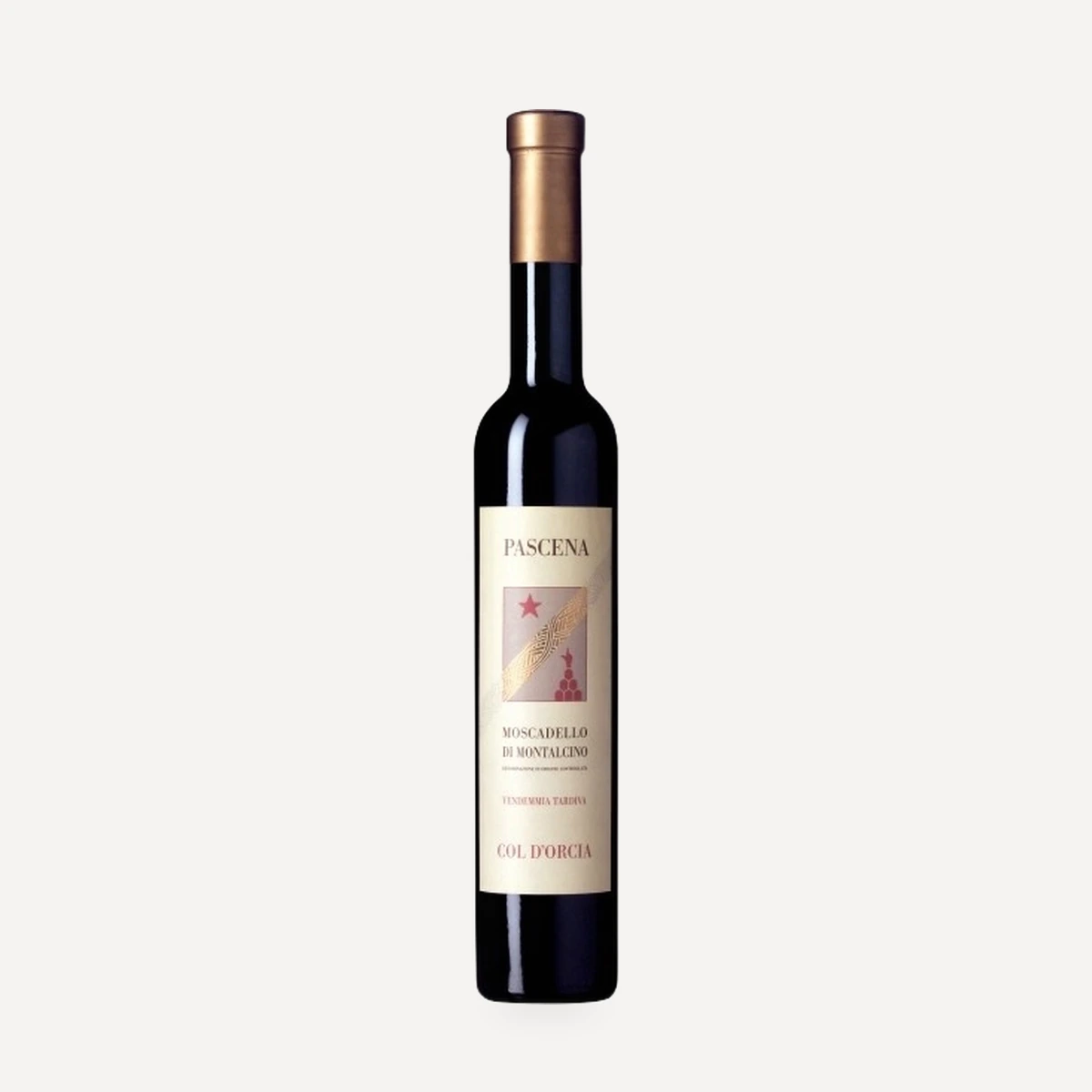
A biodiversity project with the University of Florence assembled a collection of 600 endangered historic Tuscan varieties and Sangiovese clones. Micro-vinifications conducted in 2011 led to the 2015 release of Rosso Col d’Orcia, combining selected Sangiovese clones with Ciliegiolo and Foglia Tonda.
Terroir
Col d’Orcia occupies the southern slope of the Montalcino territory and forms part of the Val d’Orcia, designated a UNESCO World Heritage landscape in 2004. The estate extends across approximately 540 hectares from the Orcia River toward the village of Sant’Angelo in Colle, reaching roughly 450 m above sea level. Its vineyards occupy hilly, predominantly south-facing ground.
Mount Amiata, rising to 1,750 m, forms a protective barrier against severe weather such as hail and flooding. Approximately 35 km to the west, the Tyrrhenian Sea moderates the climate. Fog, ice and late frost are described as uncommon, while frequent breezes support vine health. The climate is Mediterranean, with limited rainfall concentrated principally in March, April, November and December. Numerous sunny days throughout the growing season permit gradual, complete ripening.
The soils are generally loose, low in clay and rich in limestone and inert skeletal material. Within Poggio al Vento, Eocene-origin soils are sandy and limestone-rich, with abundant skeletal material corresponding to the Tuscan formation known as albarese. The site’s exposed, windy position and well-draining calcareous soil are associated with particularly firm tannic structure.
Rows of olive trees more than four centuries old survive on the hill above the Orcia River. Their longevity records the area’s long agricultural use and the suitability of its microclimate.
Winemaking
The entire property—including vineyards, olive groves, other fields and gardens—has followed organic agricultural practices since 27 August 2010. Col d’Orcia S.r.l. Società Agricola is certified under EU Regulation 2018/848 by Suolo e Salute Srl, control code IT-BIO-004. The current certificate was issued on 5 June 2025 and remains valid through 4 June 2028; it records the operator as under organic control since 30 August 2010. The certified scope covers agricultural production, preparation, distribution, storage and wine production. The estate has also achieved Equalitas Sustainable Winery status.
Vineyard design is adjusted to individual sites through selected rootstocks, estate and other selected clones, and relatively high planting densities intended to limit production per vine. An experimental rootstock field compares three rootstocks at densities ranging from 2,500 to 8,000 vines/ha. The results remain under continuing study.
Grass mulching and cover crops form an important part of the farming system. Cover-crop research evaluates biodiversity, erosion reduction and the working environment. Further trials cover green harvesting, Moscadello clonal selection, winter pruning and canopy management. Clusters may be thinned at veraison, and ripening is allowed to complete on the vine.
Harvesting is exclusively manual. Analytical monitoring determines the point of optimum phenolic maturity for each parcel and bunch selection begins in the vineyard. A sorting table at the cellar provides a second, more detailed selection.
Research is conducted principally with the University of Florence. Poggio al Vento has supported Sangiovese clonal selection since 1980, producing certified clones SG-CDO-4 and SG-CDO-5 in 2003 and SG-CDO-8 in 2011. These clones were shared with other Brunello producers. A separate conservation project assembled 600 endangered historic Tuscan varieties and Sangiovese clones for study and micro-vinification.
Col d’Orcia’s wines are produced and bottled at the estate. Most fruit comes from its own vineyards; additional grapes may come from nearby farms whose vineyards remain under Col d’Orcia supervision throughout the production cycle.
The vinification cellar occupies original farm premises and contains temperature-controlled stainless-steel tanks with an aggregate capacity of 8,400 hl. The tanks are designed with broad contact between juice and skins so that colour and polyphenols can be extracted efficiently but gently. Traditional Brunello production has also used cement alongside stainless steel.
All grapes are harvested by hand at analytically determined phenolic maturity. Selection occurs first in the vineyard and again on a sorting table at the cellar entrance. Fermentation takes place under temperature control, with vessel shape and extraction adapted to preserve fruit quality and avoid unnecessarily aggressive extraction.
A dedicated ageing cellar, built in 1990 and integrated into the surrounding Mediterranean landscape, contains Slavonian and Allier oak casks of 25, 50, 75 and 150 hl. Their combined capacity is 7,000 hl. A further 800 barriques provide 1,800 hl of capacity. Barrel size and maturation time are selected lot by lot, and some wines remain in wood for as long as four years. French oak was added alongside Slavonian oak for Poggio al Vento from the 1997 vintage, when its cask regime also shifted from larger 50–75 hl vessels toward 25–50 hl casks.
Traditional Brunello and Rosso are matured principally in large, relatively neutral casks to avoid overt oak flavour and support long ageing. Poggio al Vento spends four years in large Slavonian and French oak and receives a further three years of bottle maturation before release. Bottles across the range remain at the estate for additional refinement until ready for release.
Philosophy
Col d’Orcia defines its central purpose as obtaining the best wines possible from the particular combination of soil and climate on the southern side of Montalcino. Its research program rests on the principle that quality begins with a balanced relationship between vine and environment and that a faithful expression of place requires healthy, concentrated grapes.
The estate combines long-established Brunello practice with controlled technical experimentation. Large, relatively neutral casks remain fundamental for traditional Sangiovese because they avoid obvious wood flavour and support longevity. At the same time, research into clones, rootstocks, density, cover crops, pruning and canopy management is used to refine the balance of each vineyard. Certified clones developed through this work have been shared with other Montalcino growers as a contribution to the wider denomination.
Francesco Marone Cinzano has defended the identity of Brunello and Rosso di Montalcino as pure Sangiovese wines. His position links their distinctiveness and ageing capacity to the inseparable relationship between the grape and Montalcino, and rejects changes intended merely to create softer, darker or more immediately marketable wines. Vintage variation is accepted as a natural consequence of Sangiovese: difficult years may require substantially reduced production rather than pursuit of the maximum permitted yield.
Organic farming extends beyond vines to olive groves, arable crops and gardens. Biodiversity, erosion control, preservation of historic plant material and the protection of the Val d’Orcia landscape form part of the same long-term approach. Equalitas certification adds environmental and social sustainability—including responsibility toward collaborators—to this commitment.
Wines
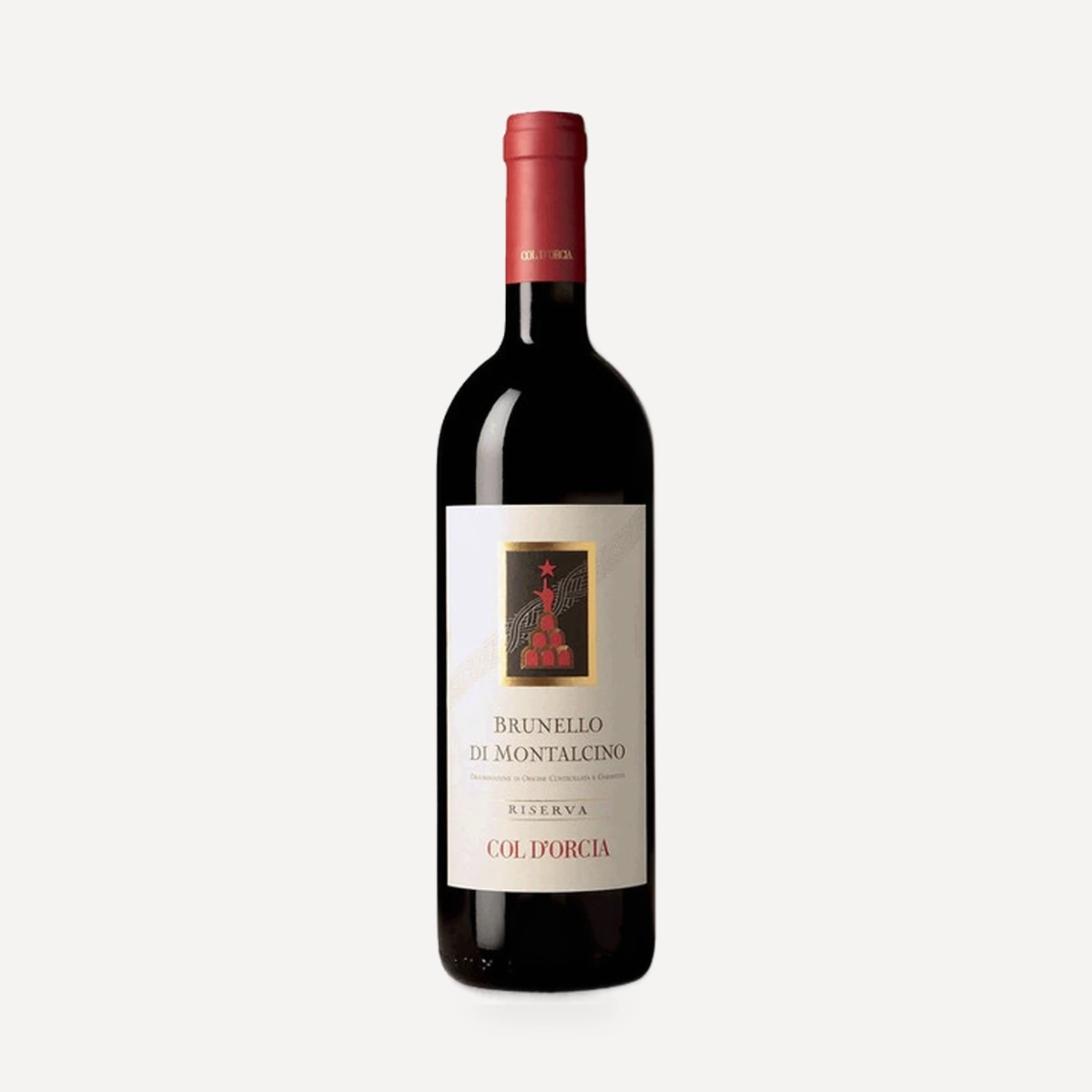
Brunello di Montalcino Riserva DOCG
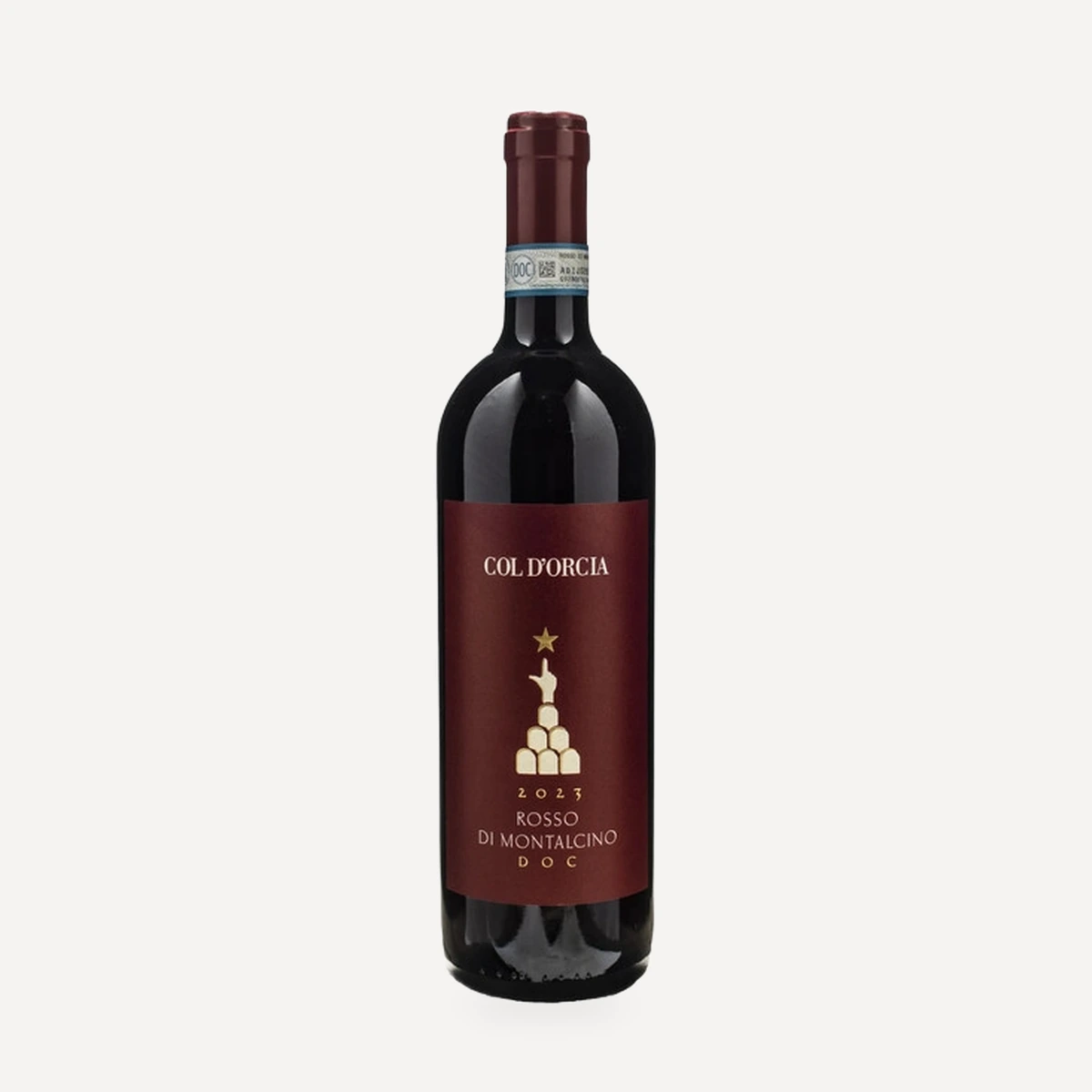
Rosso di Montalcino DOC
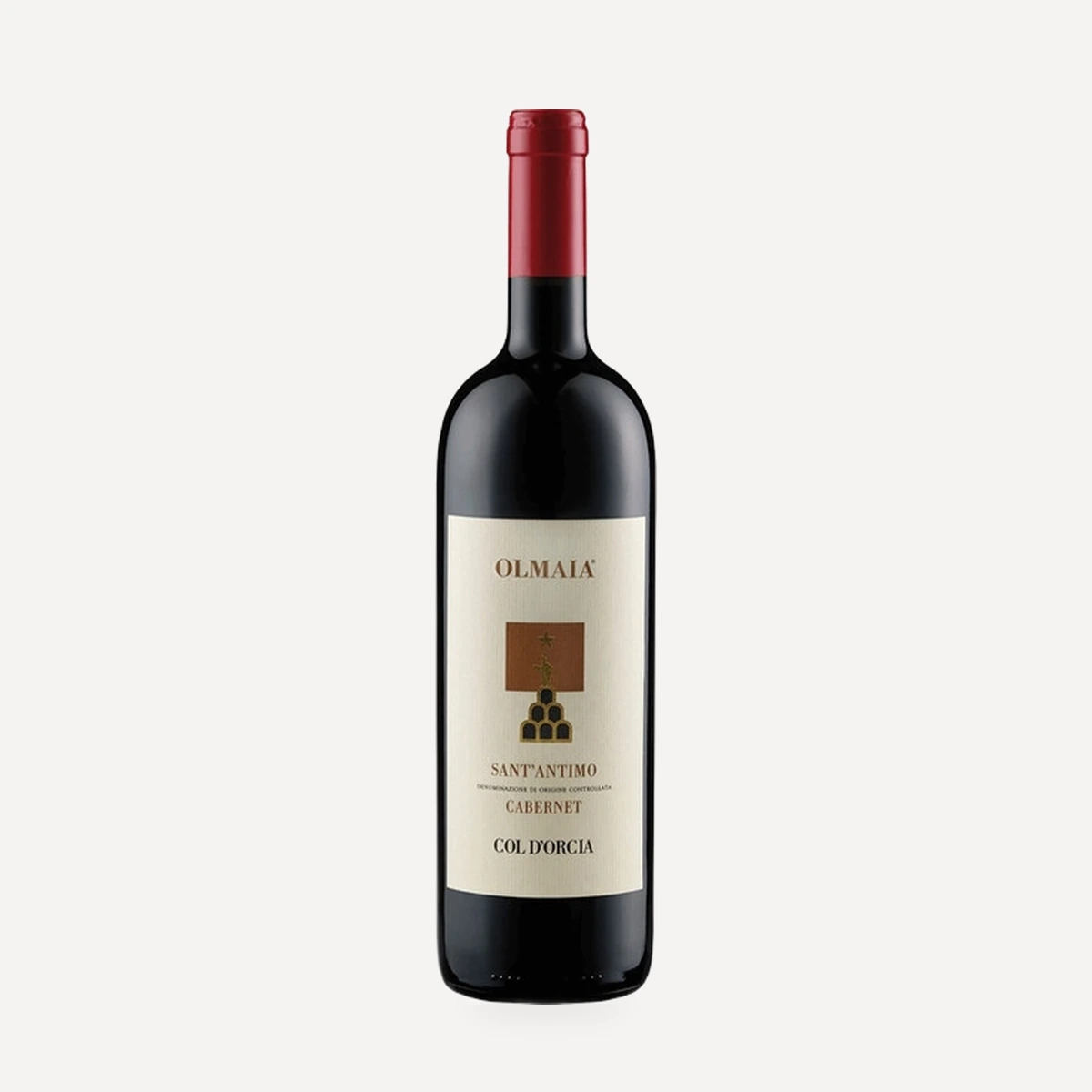
Olmaia Cabernet Sant' Antimo DOC
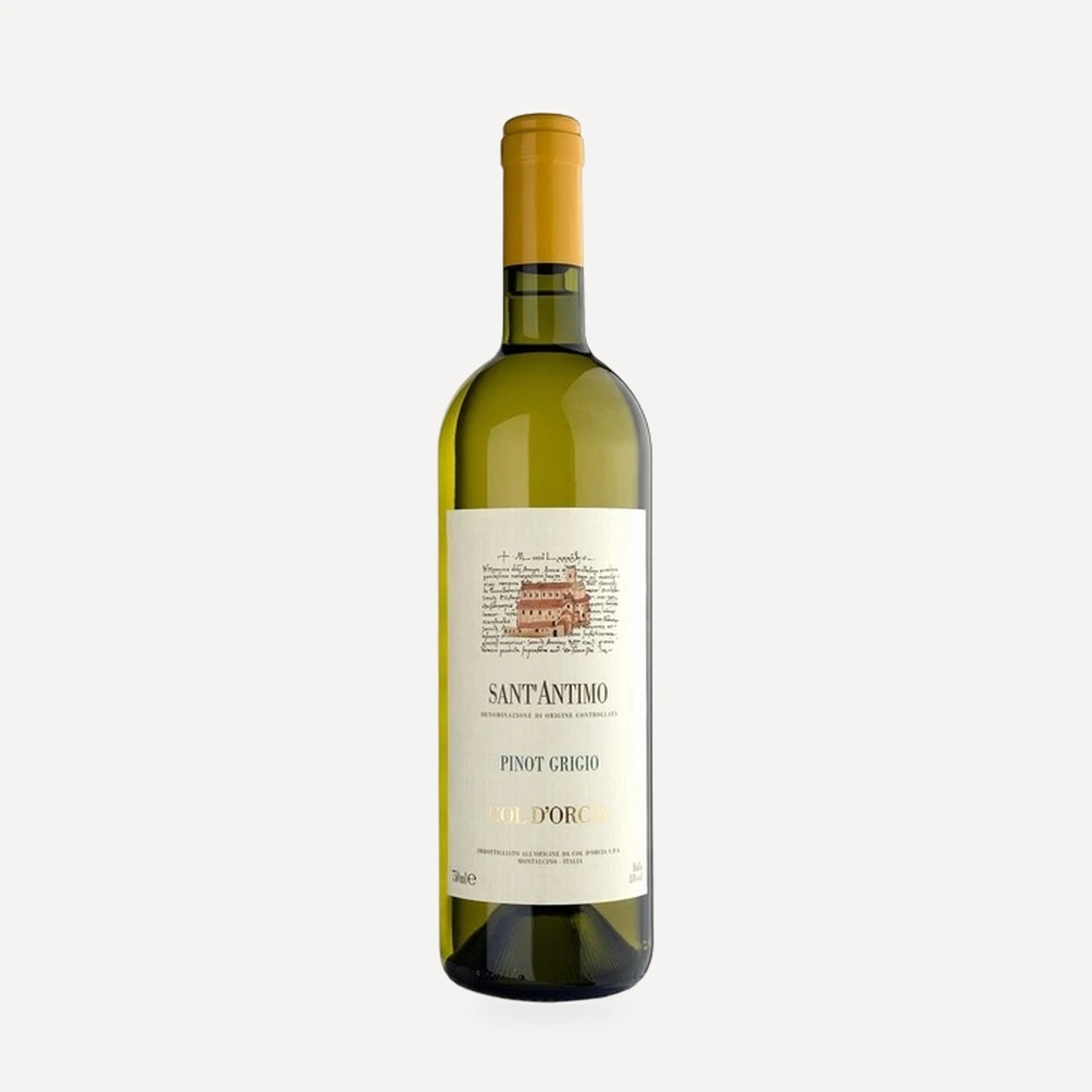
Pinot Grigio Sant'Antimo DOC
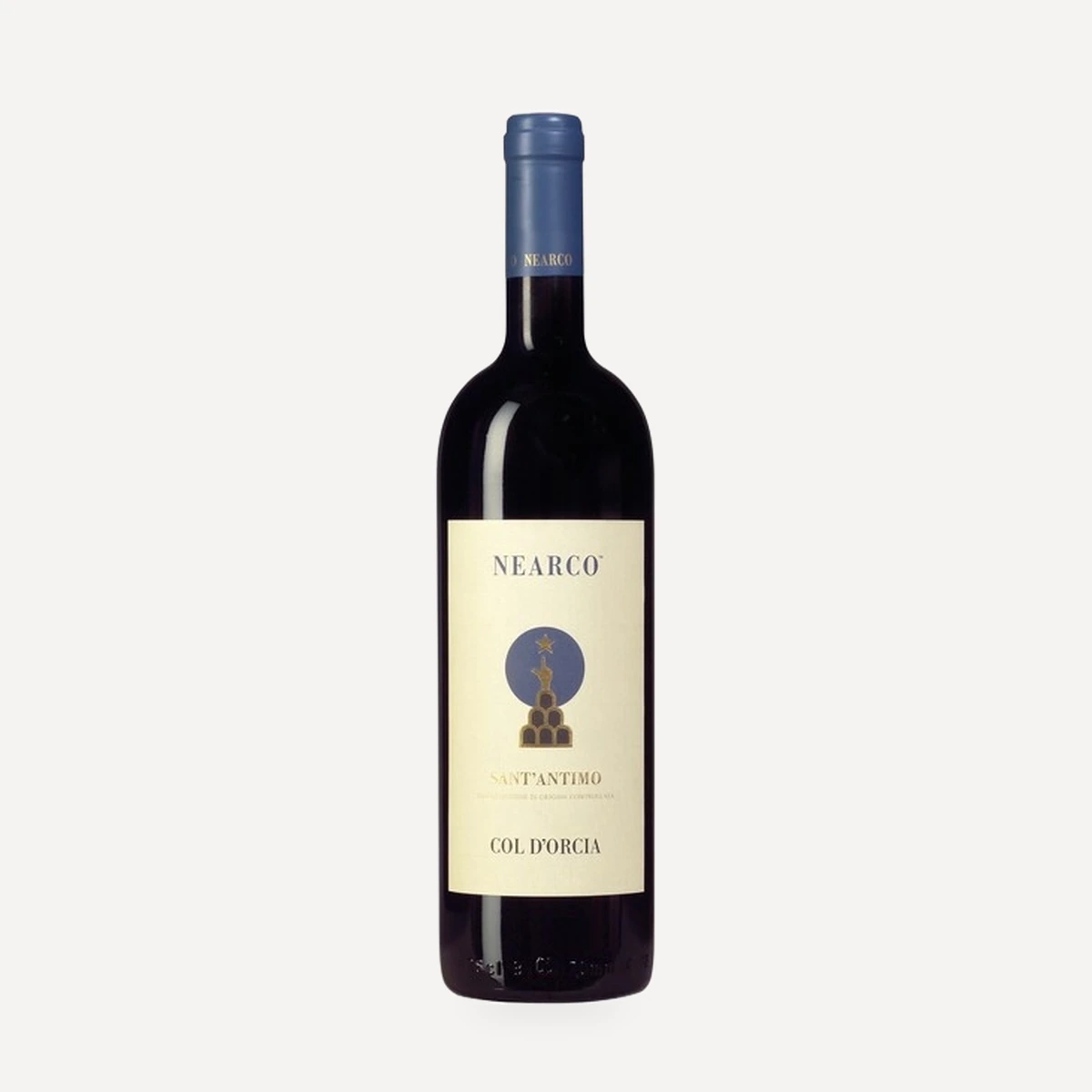
Nearco Sant' Antimo DOC
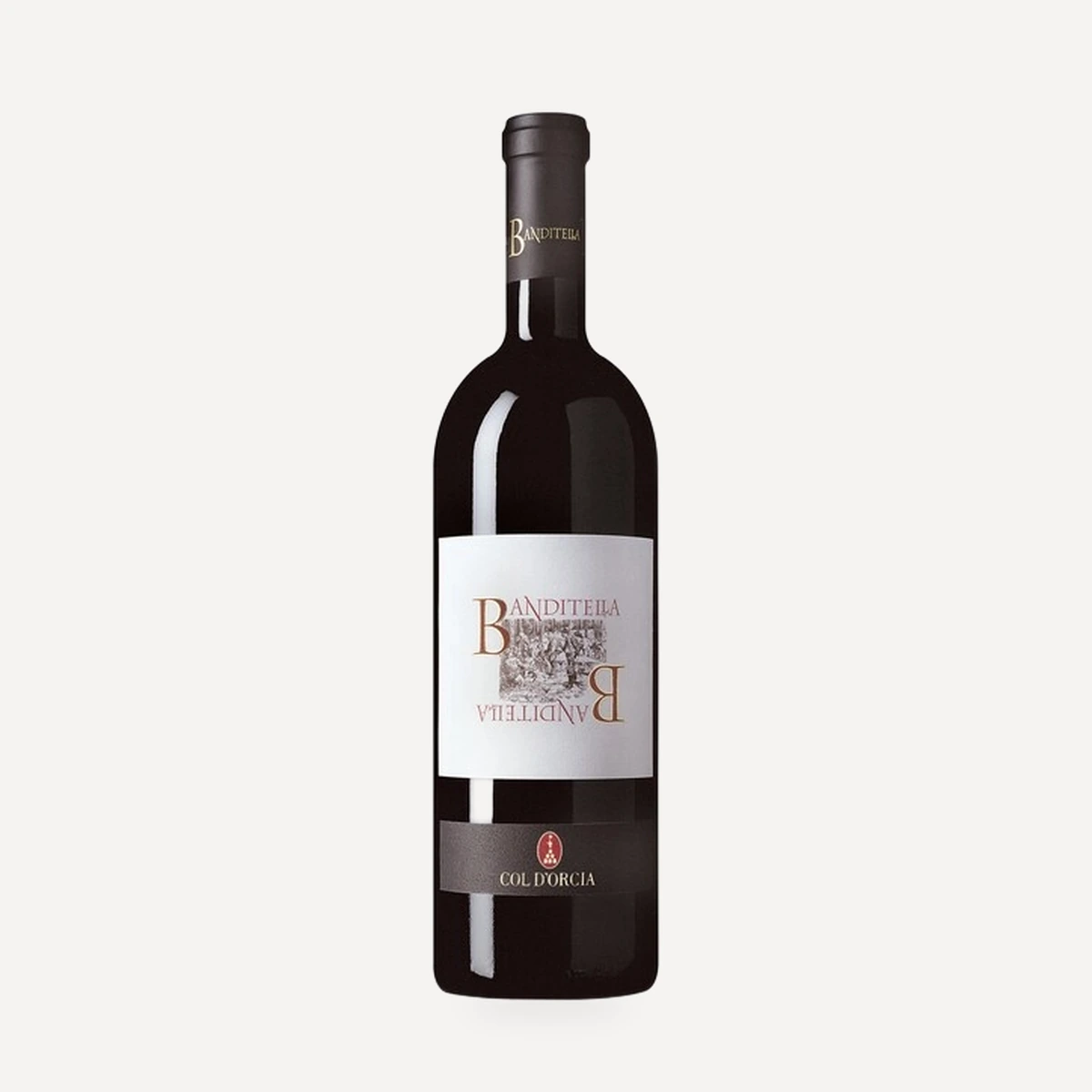
Banditella Rosso di Montalcino DOC
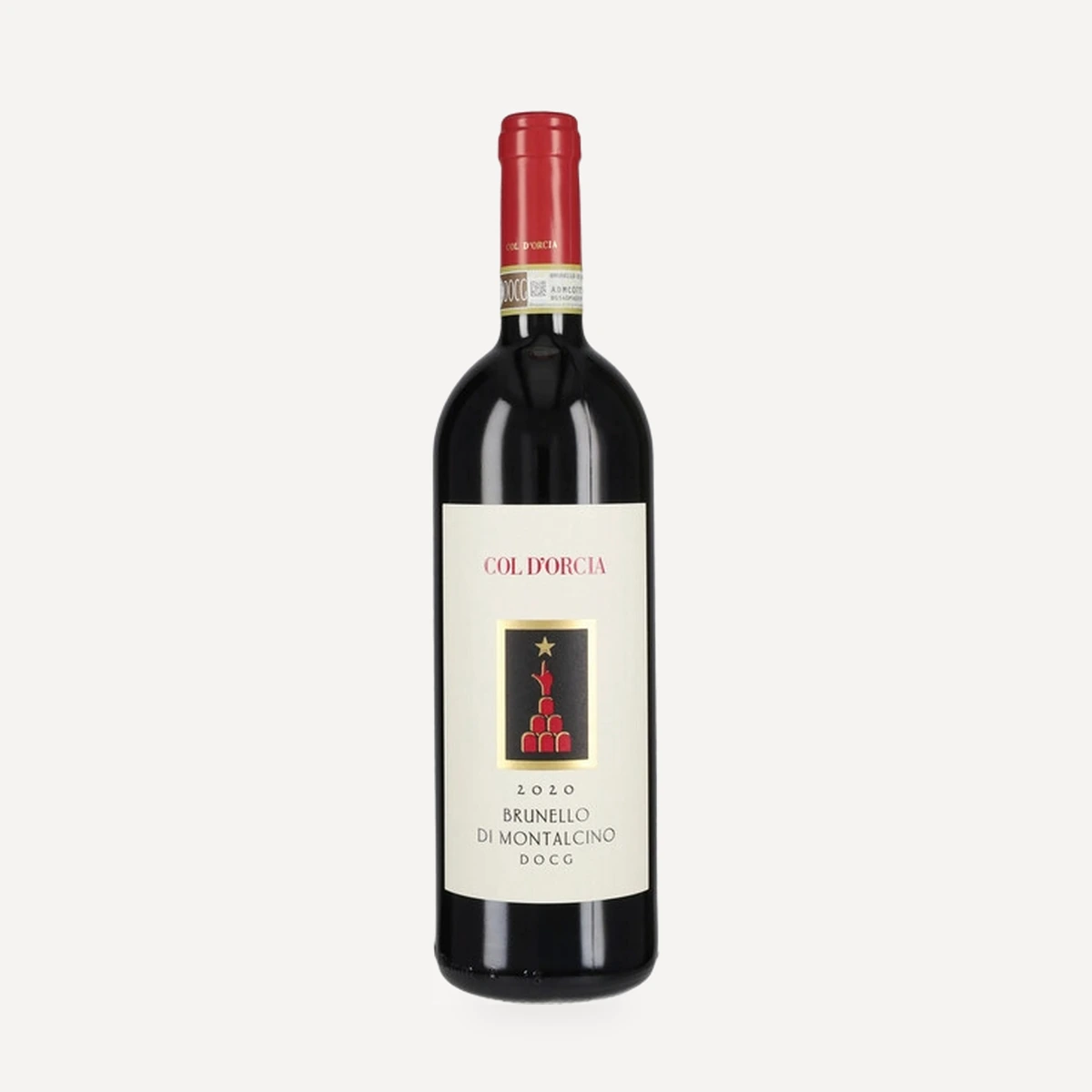
Brunello di Montalcino DOCG
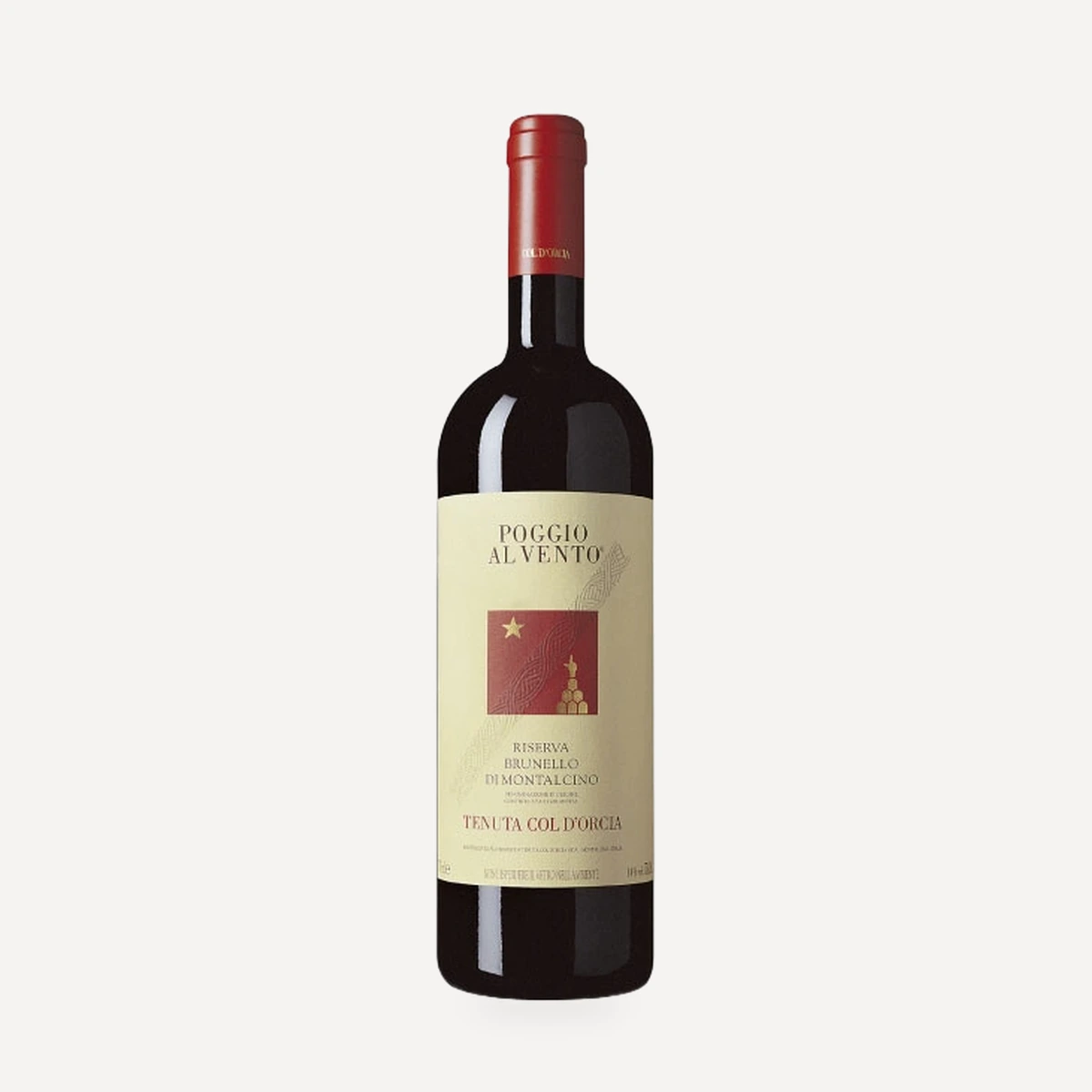
Poggio al Vento Brunello di Montalcino Riserva DOCG
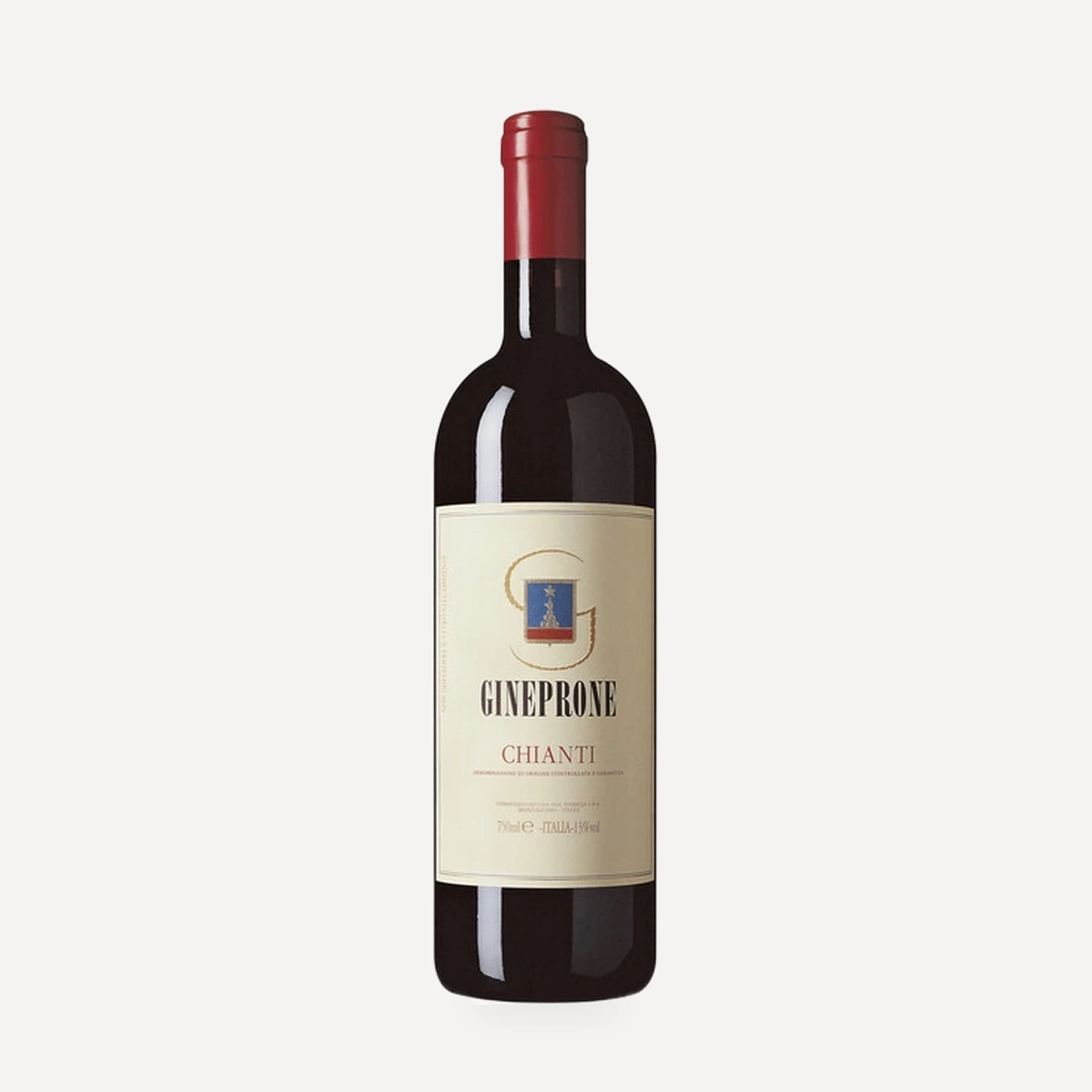
Gineprone Chianti DOCG
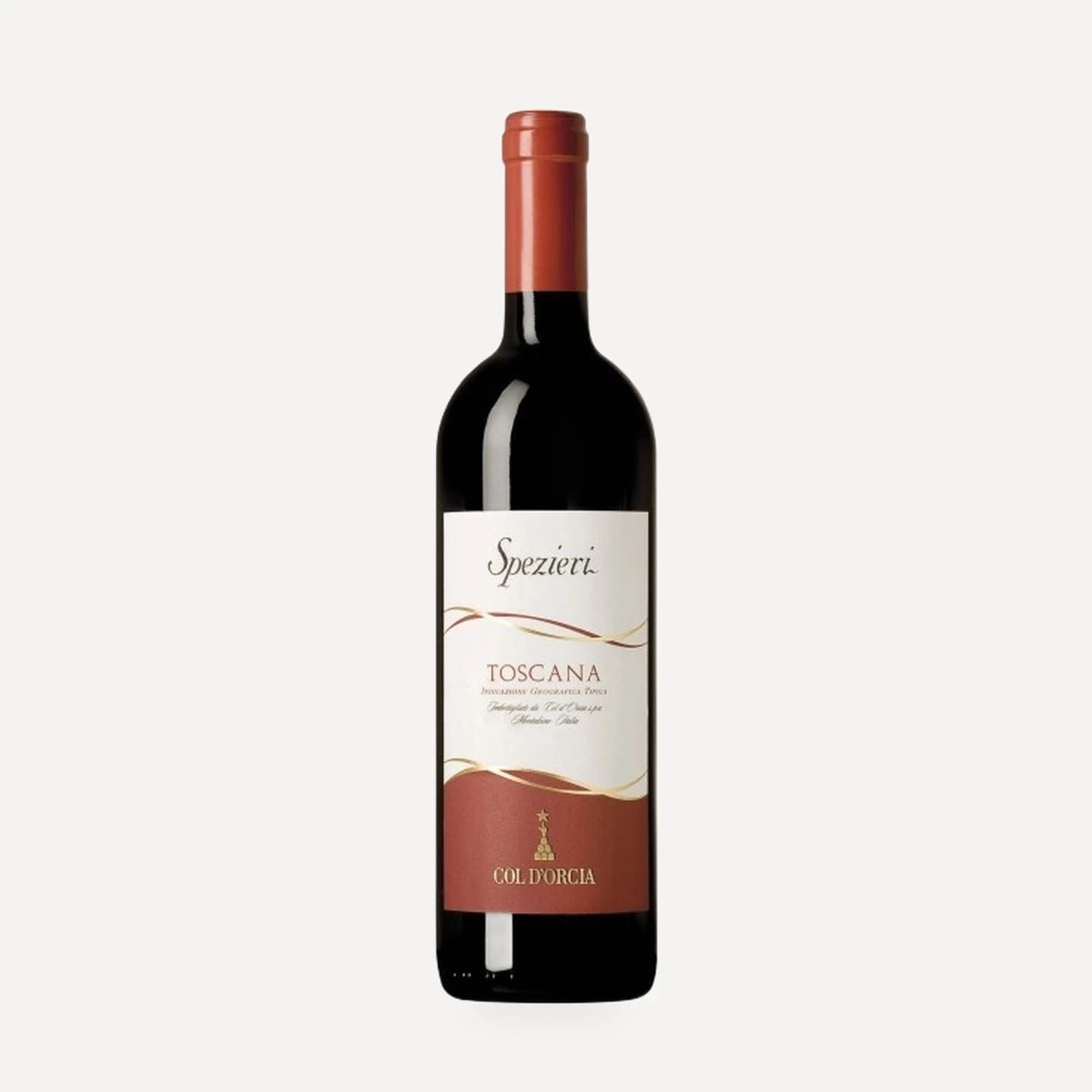
Spezieri Toscana IGT
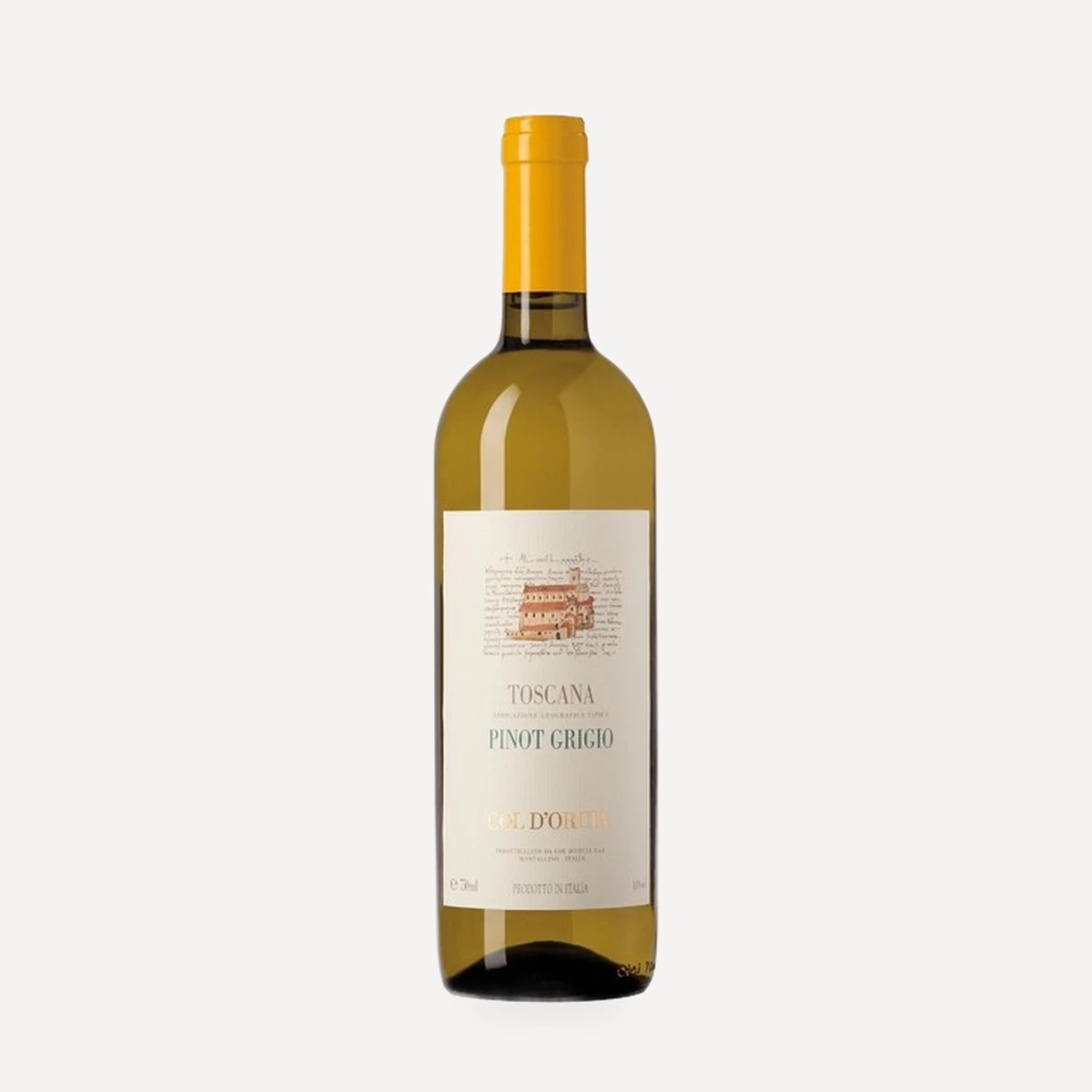
Pinot Grigio Toscana IGT