History
Giovanna Neri’s path
Giovanna Neri studied law before pursuing the passion for wine inherited from her father. Motivated by the desire to produce authentic, distinctive wines, she became a producer and personally directs every stage of the work at Col di Lamo.
The estate developed around Giovanna’s personal approach to wine and her identity as both a woman and a mother. Its vineyards and purpose-built cellar form a single project in the countryside between Montalcino and the hills of the Val d’Orcia.
A mother-and-daughter project
Giovanna was subsequently joined by her daughter, Diletta. Their shared work is founded on enthusiasm, commitment and dedication, giving Col di Lamo its defining mother-and-daughter identity.
Diletta’s place within the estate is also expressed through Vigna Diletta, a 2-hectare vineyard named after her and planted in 2005.
Development of the vineyards
The dated planting history begins with Vigna del Lamo, established in stages between 2000 and 2007. Vigna Colombaio followed in 2003, and Vigna Diletta was planted in 2005. The vineyard holdings expanded again in 2018 with the planting of the 2-hectare Vigna Nuova.
The estate now covers approximately 80 hectares. Its vineyard allocation comprises 6 hectares devoted to Brunello di Montalcino, 1.5 hectares to Rosso di Montalcino and 2 hectares planted with autochthonous and international varieties. The vineyards are managed under a certified-organic regime.
Terroir
Col di Lamo occupies approximately 80 hectares between Montalcino and the hills of the Val d’Orcia. The vineyards lie at approximately 300 metres above sea level in a natural amphitheatre facing the Asso valley. All four individually described vineyards have southern exposure.
The amphitheatre setting creates a particular microclimate marked by pronounced summer temperature fluctuations. These diurnal variations are associated with the capacity to produce wines intended for long development.
Fine skeletal material characterizes the estate’s soils in general. Conditions vary between individual vineyards. Vigna Colombaio has sodic calcareous clay soil. Along the crest of Vigna del Lamo, silty-sandy soil contains calcareous components; toward the foot of the slope, it progressively becomes silty, calcareous and clay-rich. Vigna Diletta is silty-sandy with calcareous components, while Vigna Nuova has silty, calcareous and clay-rich soil. These conditions are associated with aromatic concentration, freshness, spice and balance.
Winemaking
The Col di Lamo vineyards are managed under certified-organic farming. Cultivation follows natural methods associated with the estate’s understanding of agricultural tradition.
Organic fertilizer and green manure are used to support the soils. The vineyards are hoed twice each year, while plant protection is limited to copper and sulphur. All four individually described vineyards are trained to Guyot.
The estate’s philosophy treats the land as something to be respected and preserved for future generations. Organic management is therefore presented as both an agricultural practice and an expression of responsibility toward the vineyards and their environment.
The cellar is an innovative, contemporary structure conceived through a sophisticated, linear architectural design that deliberately departs from vernacular building forms. It is set into the natural slope of the Brunello di Montalcino vineyards and integrated into the surrounding landscape.
Its internal spaces are arranged according to the sequence of the winemaking cycle. Production follows a rotational path around an inner courtyard, whose garden pays tribute to Tuscan tradition.
Embedding the building in the hillside supports a sustainable production regime and maintains a naturally constant internal temperature suited to wine ageing. Giovanna Neri personally follows and determines every stage of the estate’s work.
Philosophy
Col di Lamo’s philosophy is centered on the relationship between women, motherhood, land and continuity. Giovanna Neri treats care for one’s roots as the foundation from which future development becomes possible, while the collaboration between Giovanna and Diletta gives this principle a tangible mother-and-daughter form.
The estate describes the earth as generative and regenerative, and the vine as resilient under the weight of its fruit. Its work is conceived as a tribute to women’s determination and tenacity and to the experience of motherhood. Giovanna’s personal imprint is intended to unite wines with different personalities.
In the vineyards, this outlook becomes a commitment to respecting the land and preserving something meaningful for future generations. The wines are intended to be organic, elegant and representative of the estate’s individual terroirs. In the cellar, the same relationship with place is expressed through architecture embedded in the hill, a production layout organized around the winemaking cycle and the use of the site’s naturally stable temperature.
Wines
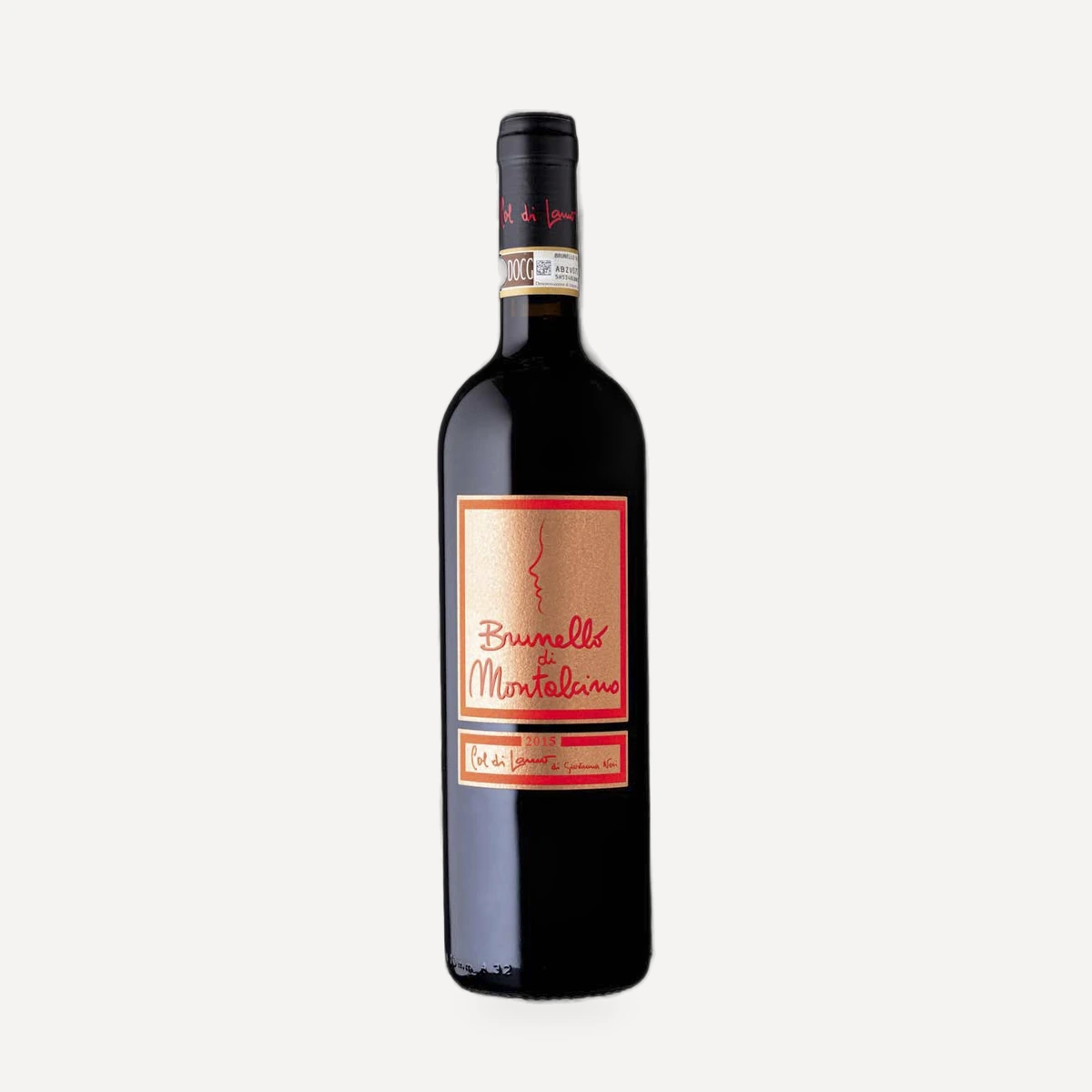
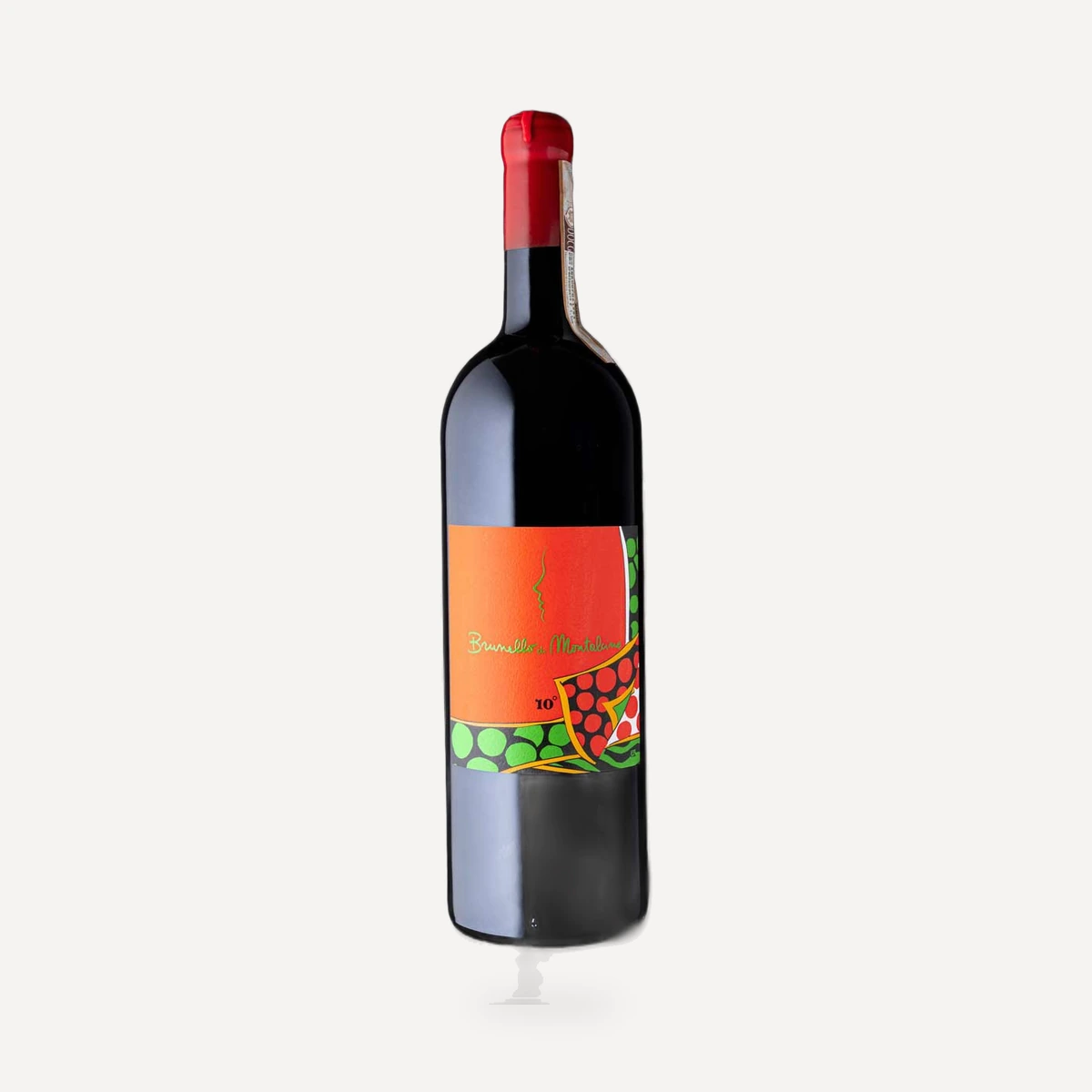
Brunello di Montalcino DOCG
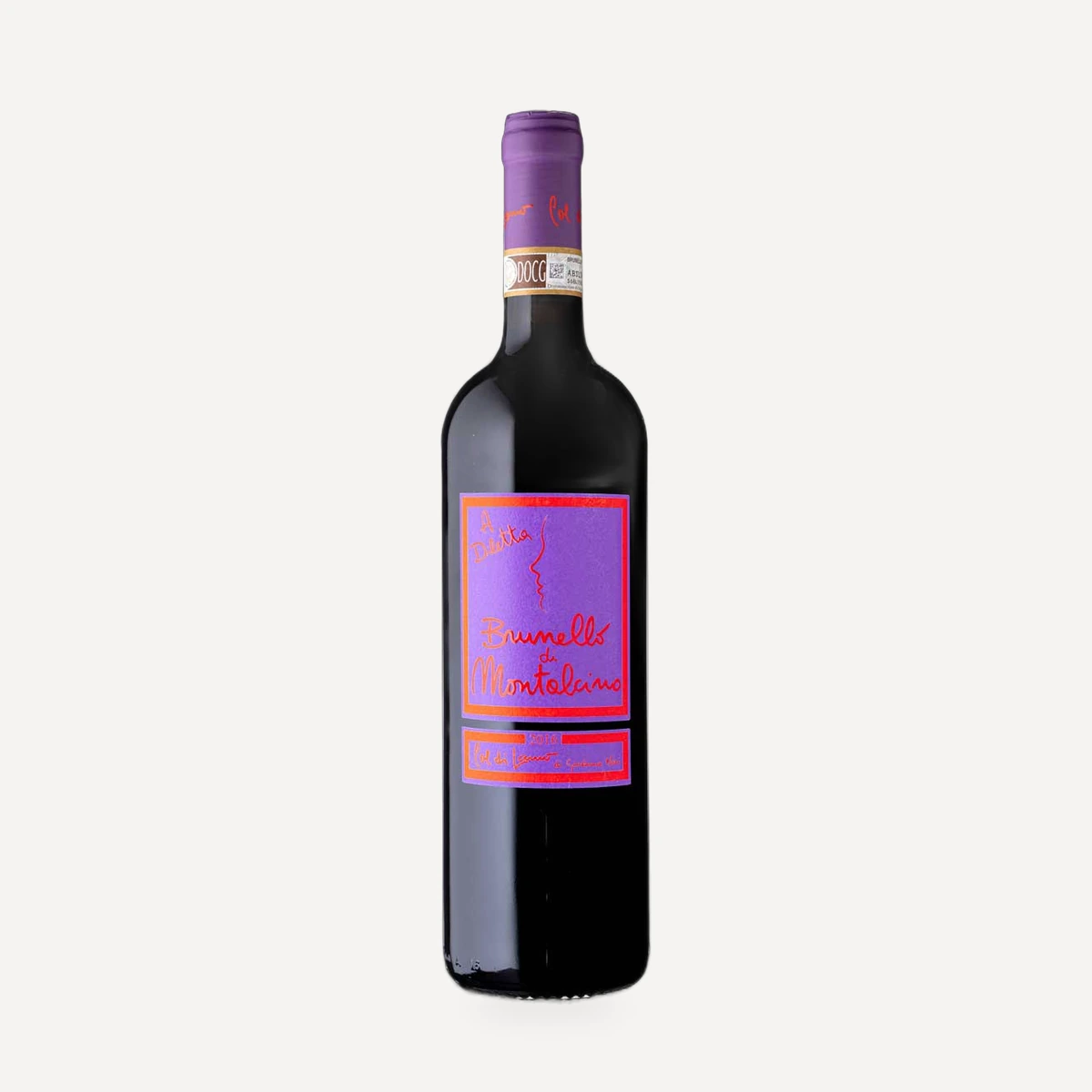
Brunello di Montalcino Selezione A Diletta DOCG
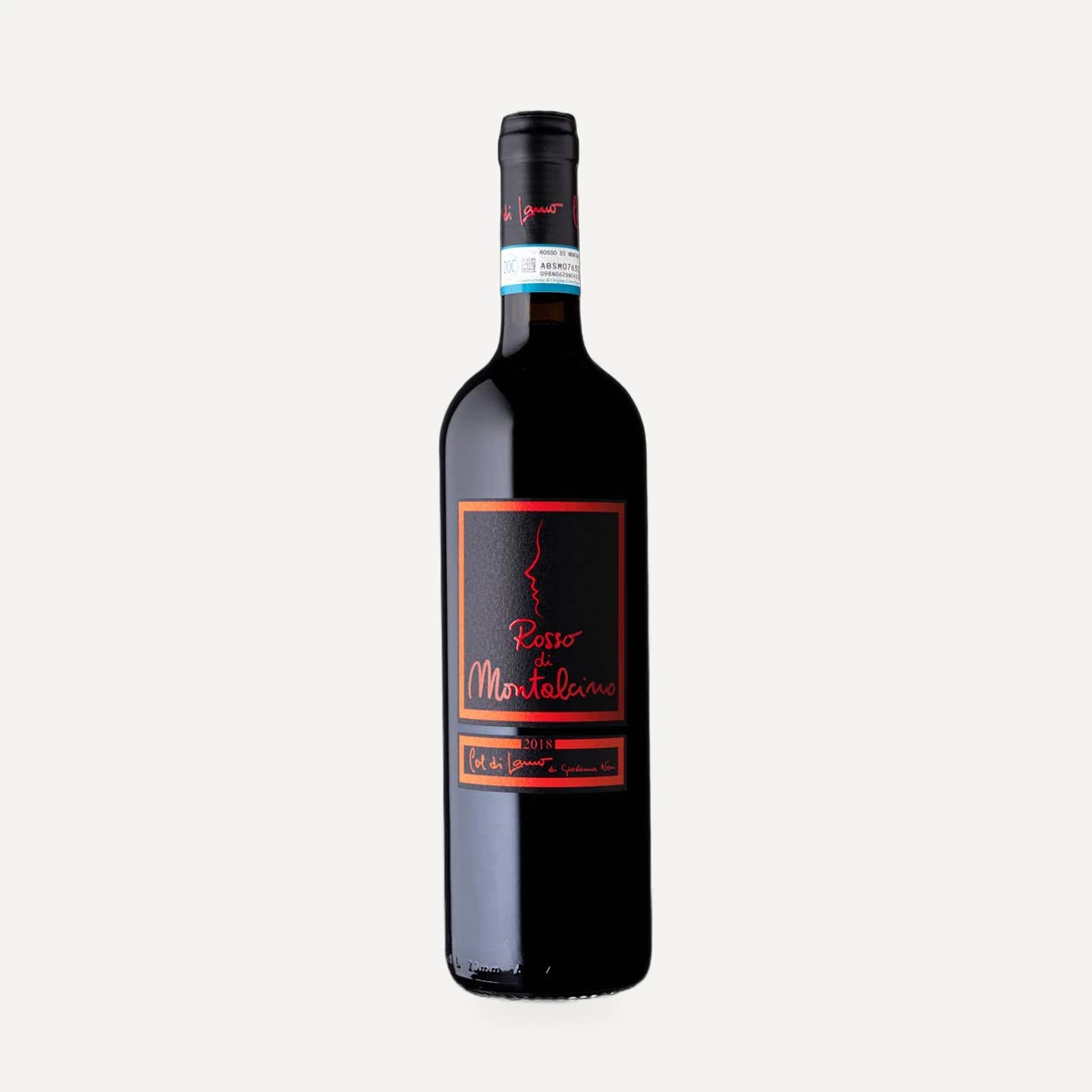
Rosso di Montalcino DOC
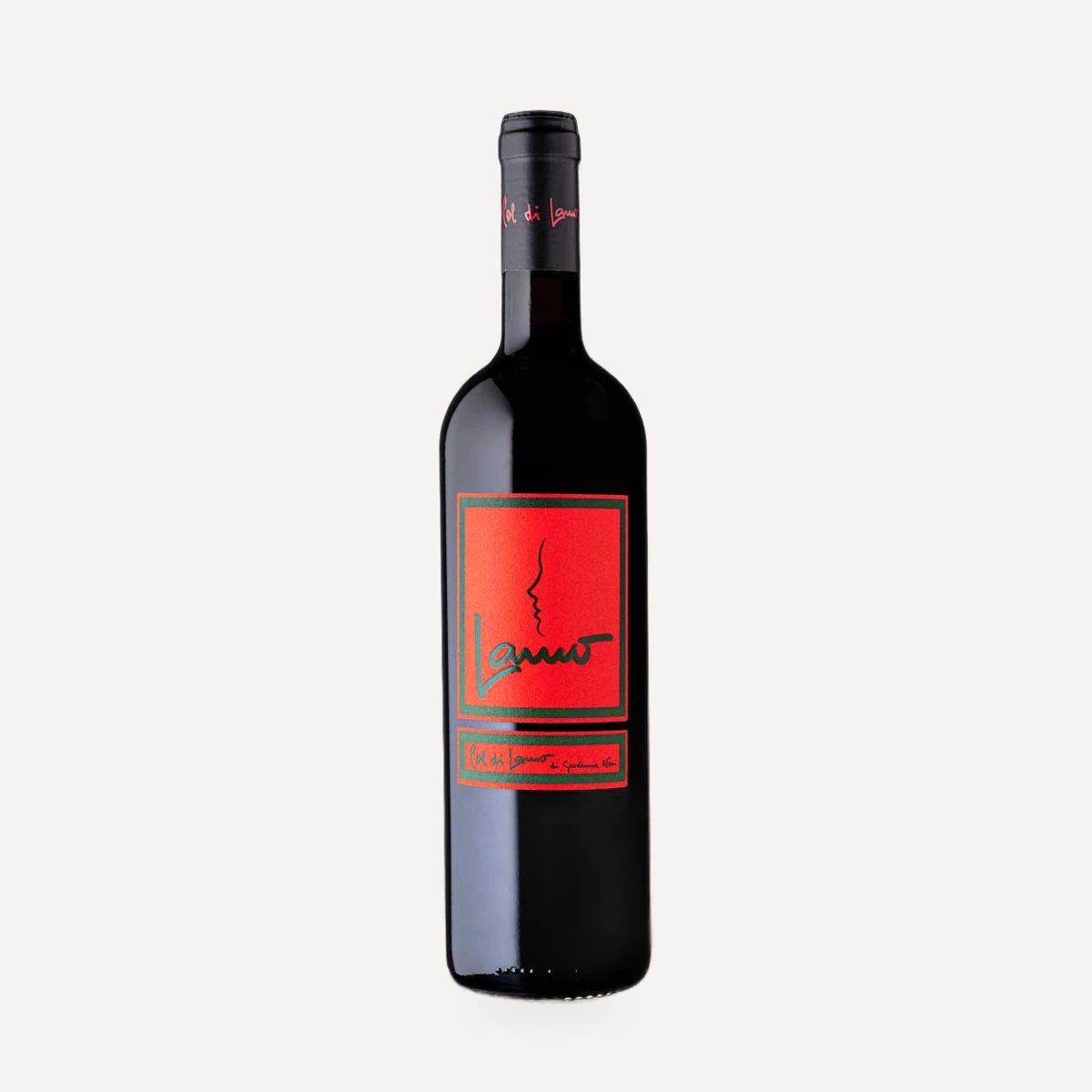
Lamo IGT
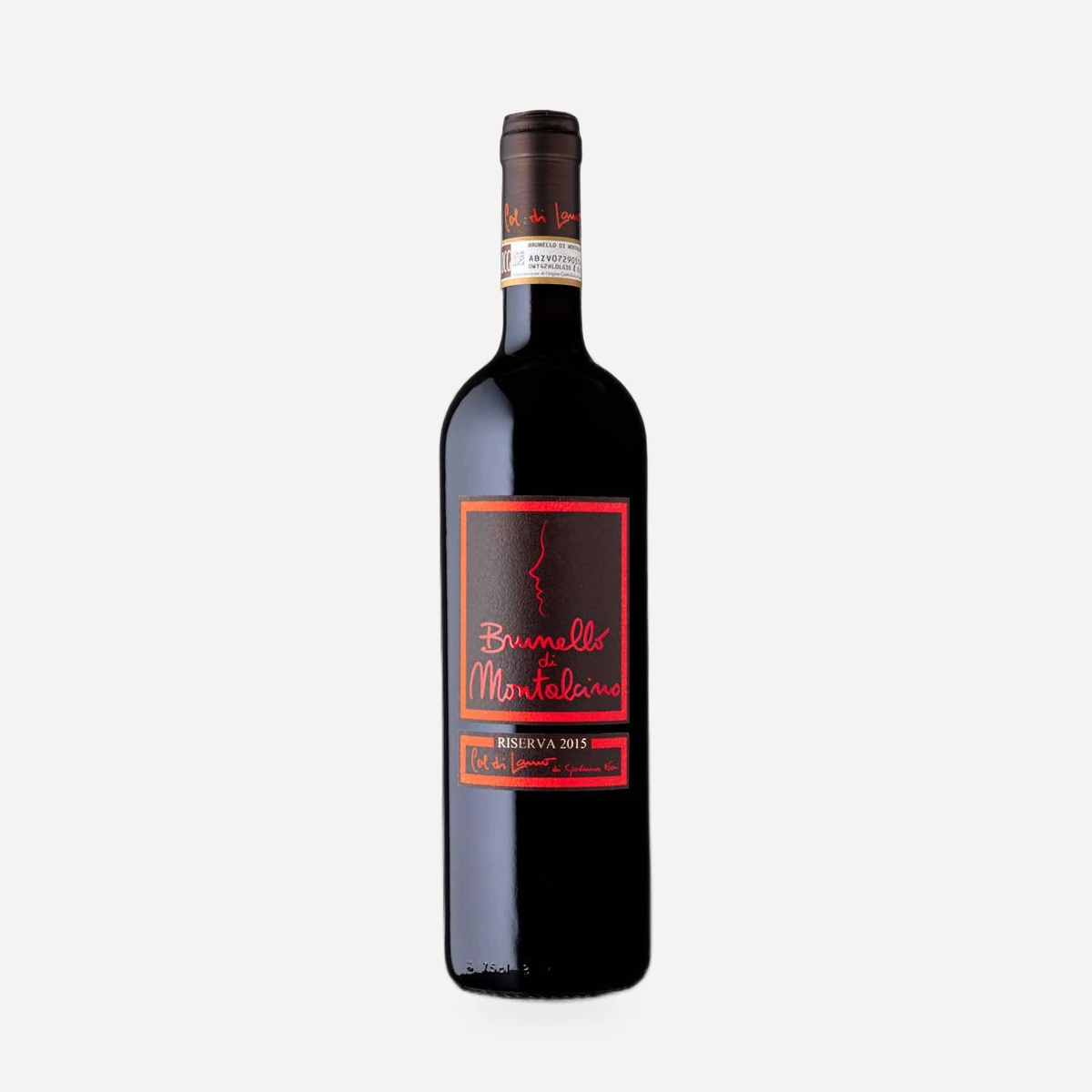
Brunello di Montalcino Riserva DOCG