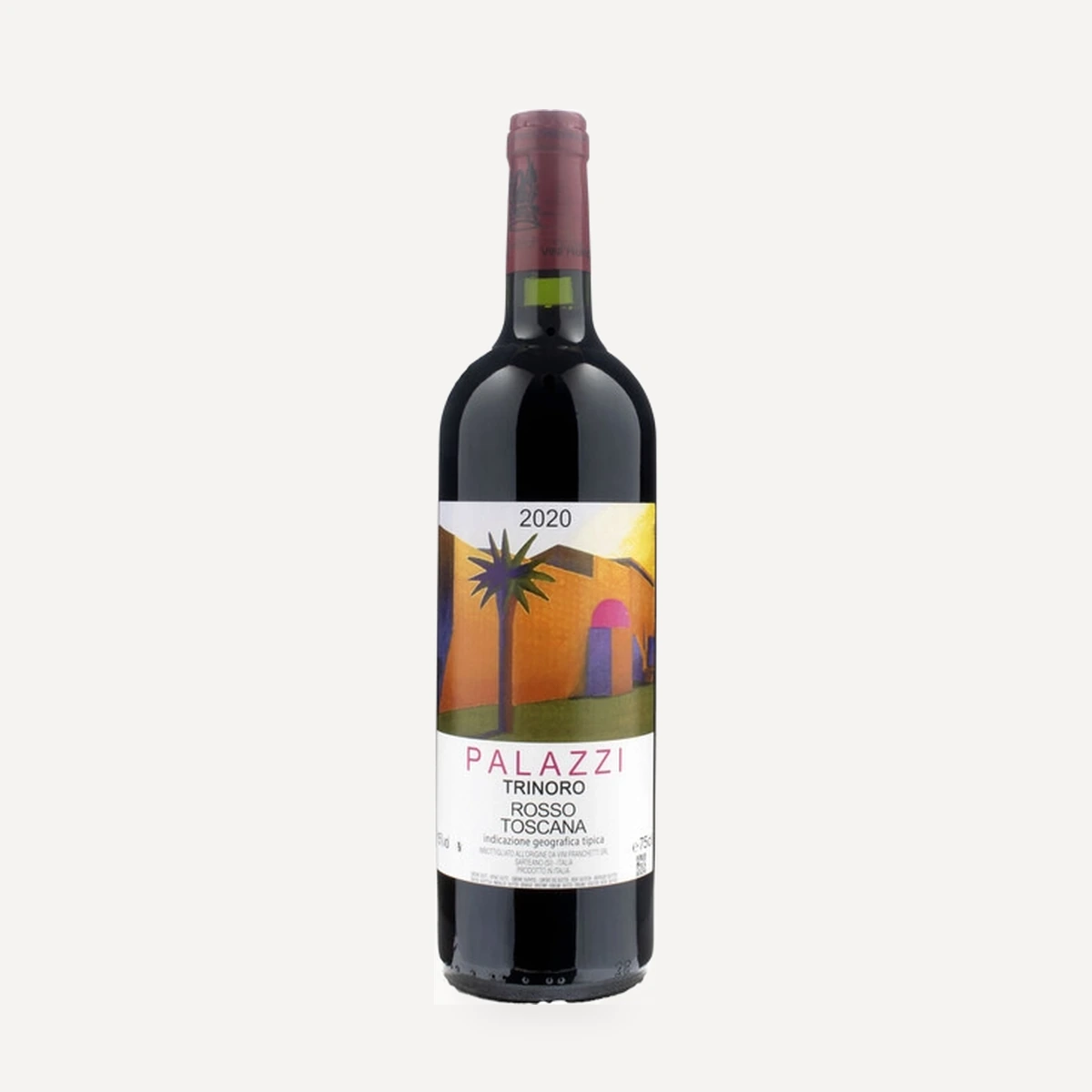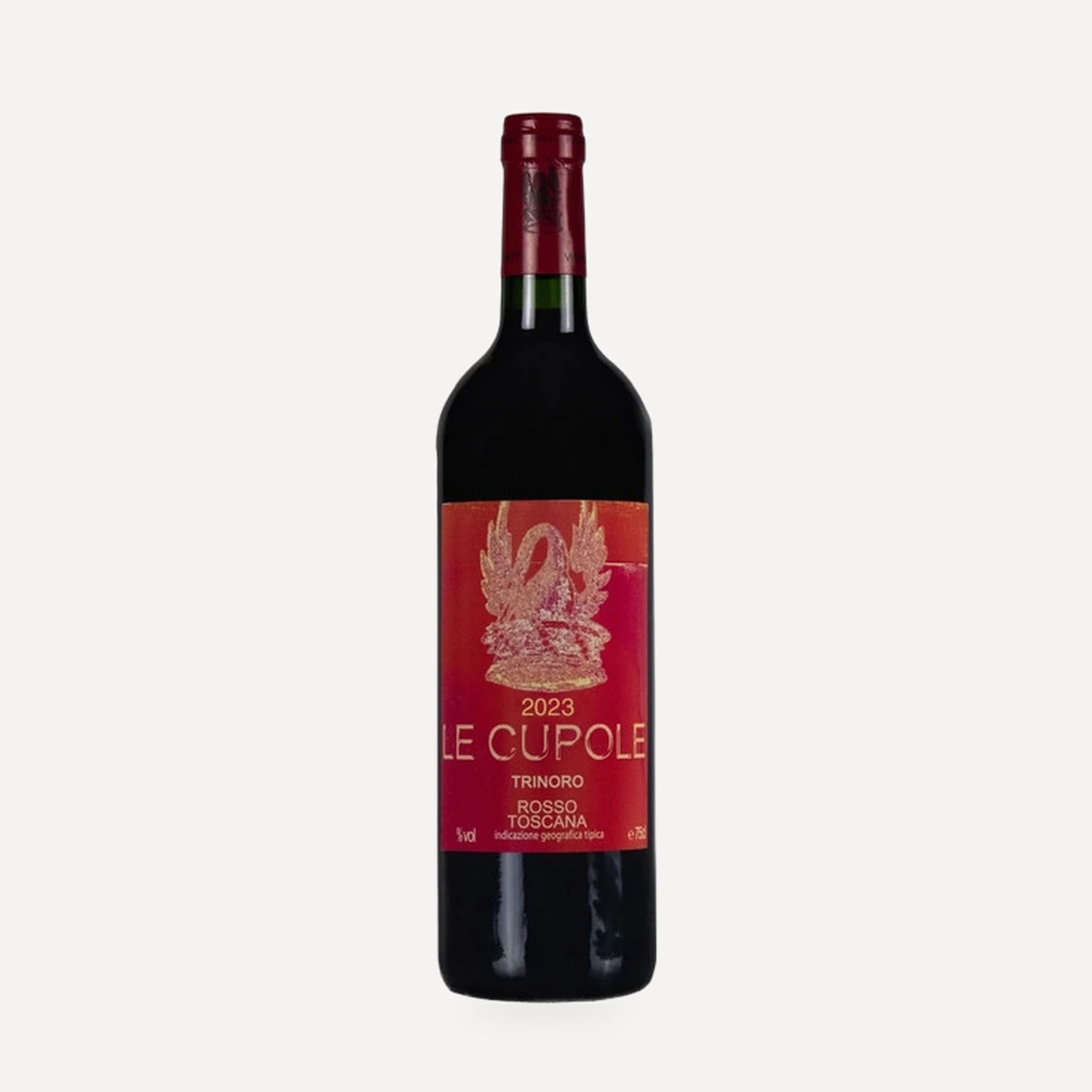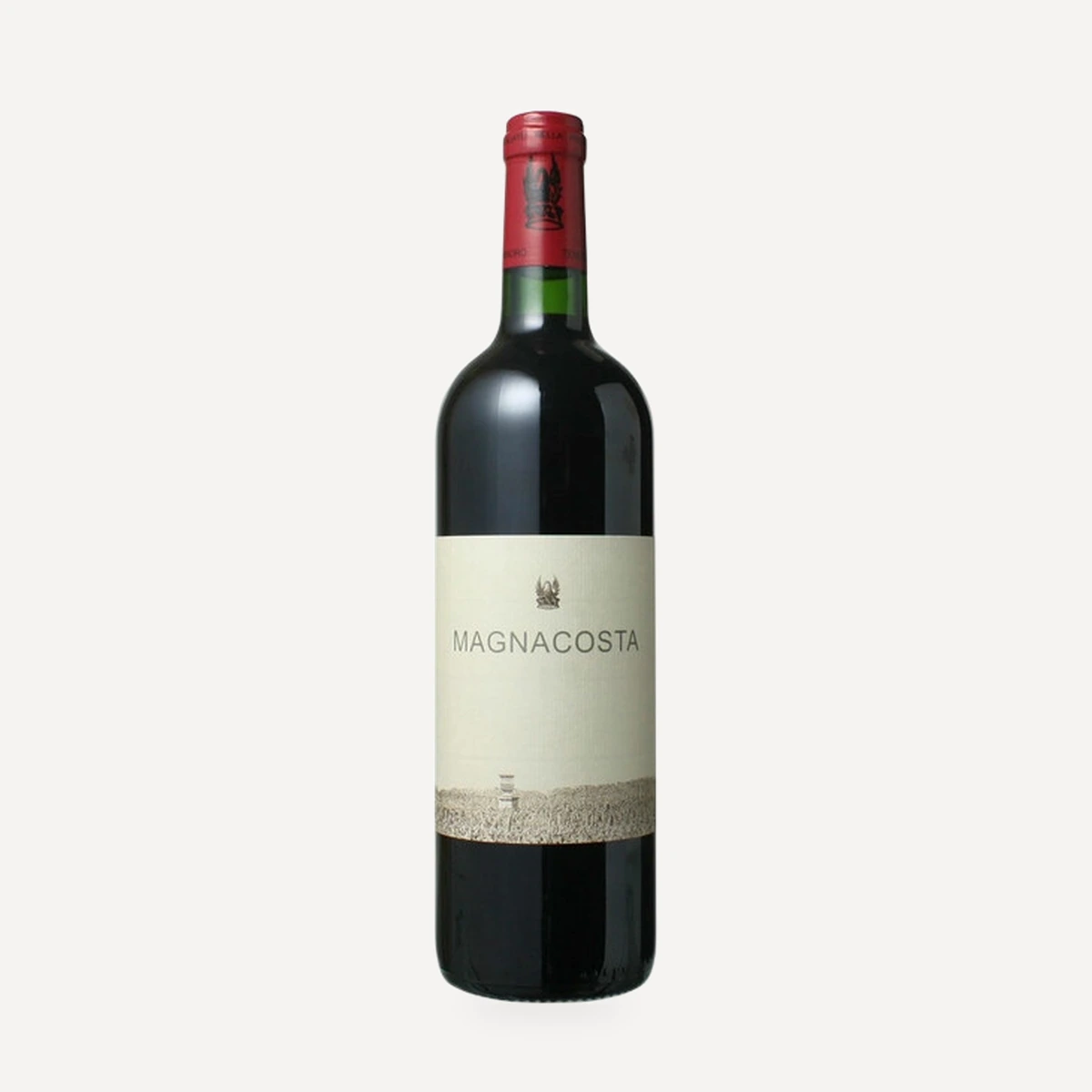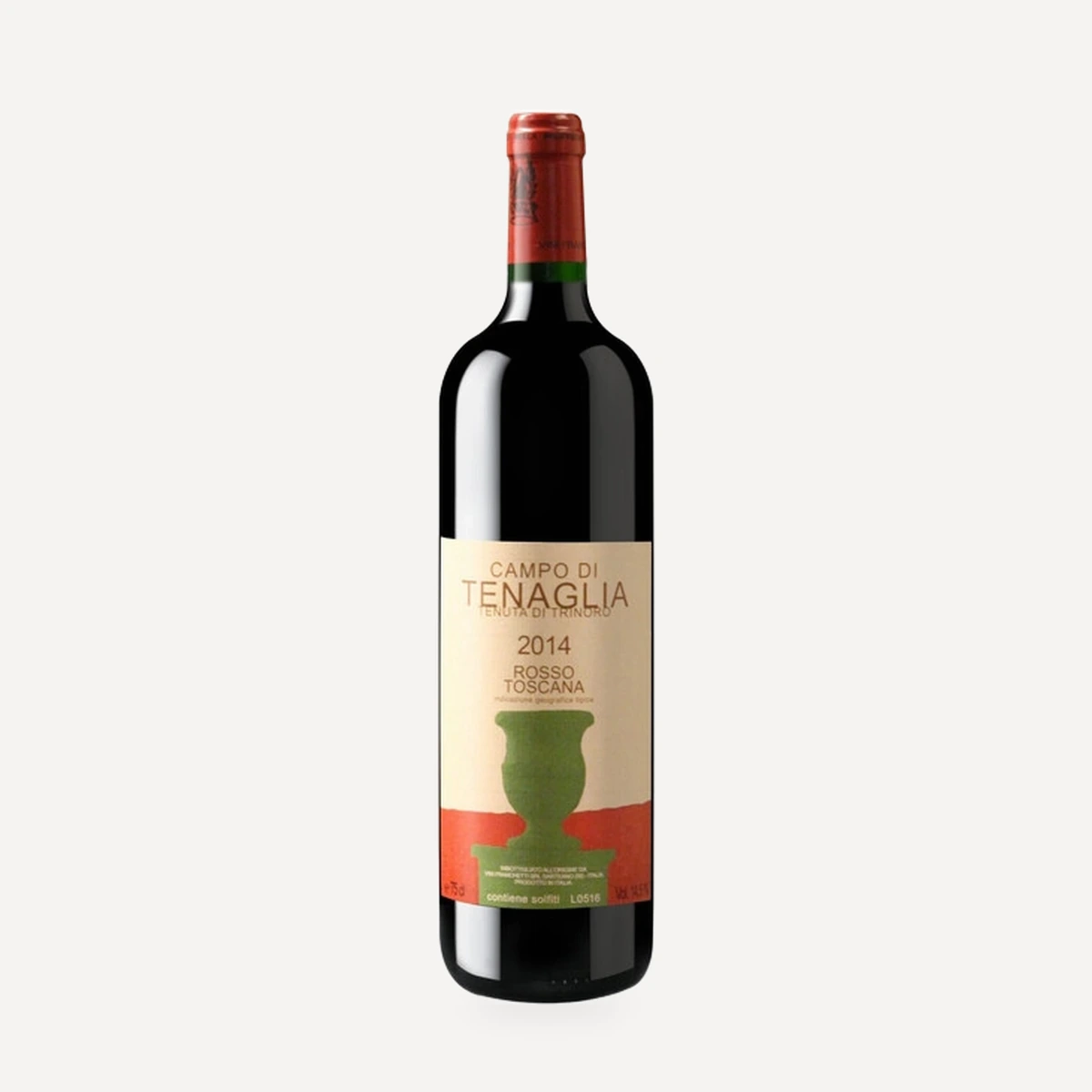
Dionysus.
ExploreWines
🍾Bottle photo coming soon
RedIGT Toscana; earlier technical sheets use IGT Rosso Toscana / Rosso Toscana Indicazione Geografica Tipica.

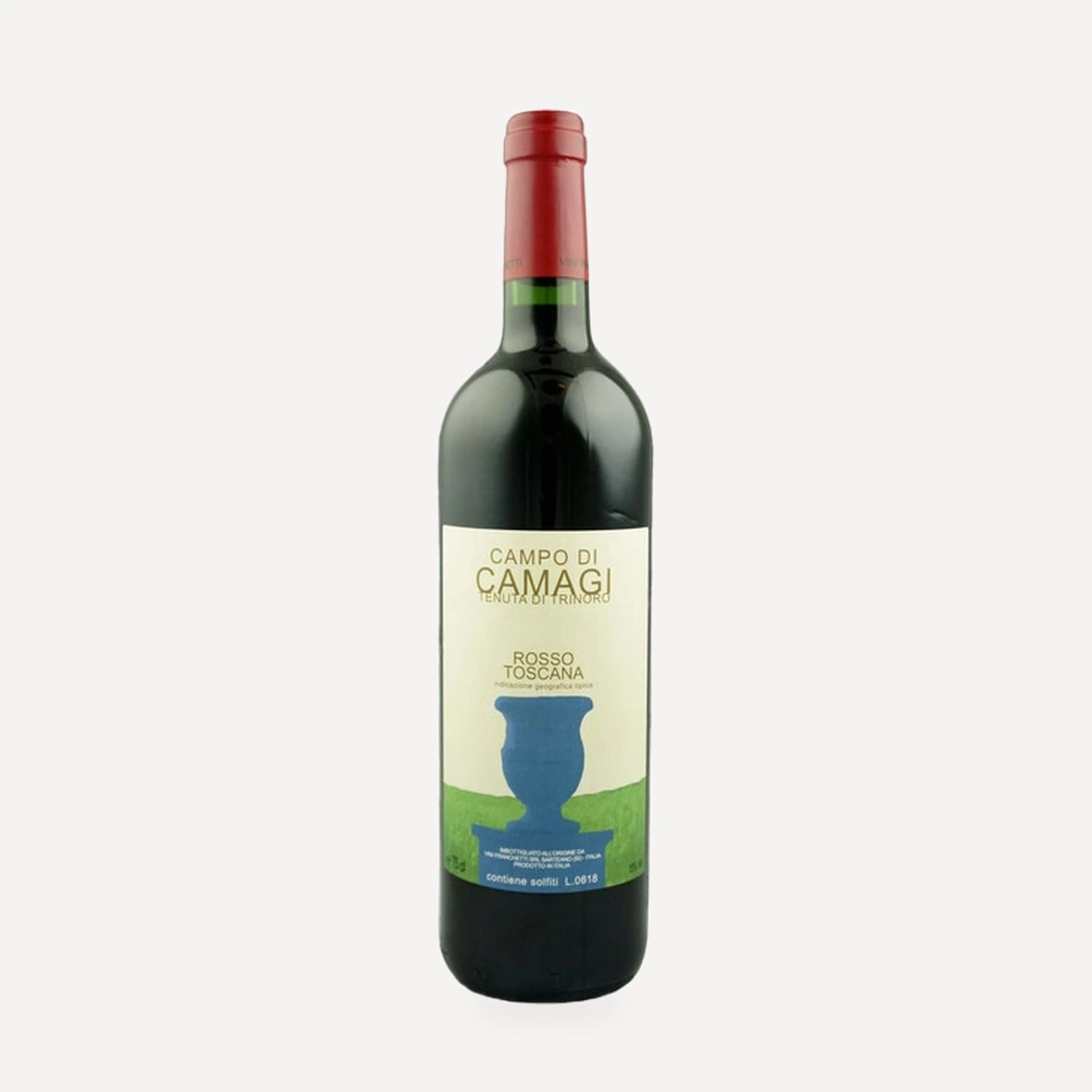
Campo di Camagi

by di Trinoro · Tuscany, Italy

TypeRed
AppellationIGT Toscana; earlier technical sheets use IGT Rosso Toscana / Rosso Toscana Indicazione Geografica Tipica.
Grapes100% Cabernet Franc from Campo di Camagi
VineyardCampo di Camagi, a single 1.5-hectare parcel in Val d’Orcia, Tuscany, near the borders with Umbria and Lazio.
LineCollezione «I Campi» — Tenuta di Trinoro
Vintages2014, 2015, 2016, 2017, 2018, 2019, 2020, 2021, 2022, 2023

About this wine

Vineyard and terroir

Campo di Camagi is one of the three limited-production Cabernet Franc crus in Collezione «I Campi». The collection began with Campo di Magnacosta in 2011; Campo di Camagi and Campo di Tenaglia followed in 2014. Campo di Camagi has been bottled separately since the 2014 harvest.

The wine comes from a single 1.5-hectare parcel in Val d’Orcia, Tuscany, at 550 m above sea level. Its vines grow densely in shallow, stony ground over broken quartz and limestone. Their roots compete for limited space and penetrate the difficult subsoil slowly, creating a natural restriction on yield. The established root systems allow the vines to articulate the parcel’s distinctive character. A description attached to the 2014 vintage also identifies blue clay beneath gravel and small surface stones.

Planting density is 10,000 vines per hectare. Recorded ages progress from 25 years in 2014–2016 to approximately 30 years in 2023. Sheep manure was used for fertilization in the earlier technical sheets. Vineyard treatments listed across the 2014–2021 sheets include clay, propolis and grapefruit-seed extract, with copper and sulphur added to the lists for 2019–2021.

Grapes

100% Cabernet Franc from Campo di Camagi.

Vinification

The 2014–2018 wines fermented in steel vats for 12 days. Fermentation lasted 15 days in stainless steel for 2019, 2020 and 2021. The 2022 and 2023 wines also fermented in stainless steel, although no duration is given.

Harvest selection was manual in 2019–2021; the 2022 and 2023 grapes were hand-picked. Recorded parcel dates are 10 October 2016, 13 October 2017, 14 October 2018, 18 October 2019, 10 October 2020, early-to-mid October 2021, 6 October 2022 and 5 October 2023.

Ageing

The 2014–2016 vintages spent 8 months in new French-oak barrels and 11 months in cement. The 2017 and 2018 sheets specify 8 months in French oak followed by 11 months in cement. Ageing shifted to 5 months in French oak and 1 year in cement for 2019, and to 6 months in French oak plus 1 year in cement for 2020. For 2021, the English sheet gives 6 months in French oak and the Italian sheet 5 months, both followed by 1 year in cement. The 2022 wine spent 8 months in French barriques and 12 months in cement vats; the 2023 wine spent 6 months in French barriques and 12 months in cement.

Bottling was scheduled during the waning moon: March 2016 for the 2014, June 2017 for the 2015, March 2018 for the 2016, May 2019 for the 2017, March 2020 for the 2018, May 2021 for the 2019, March 2022 for the 2020, June 2023 for the 2021, 8 March for the 2022, and 18 April 2025 for the 2023.

Technical data

The classification is IGT Toscana on the 2022 and 2023 sheets and IGT Rosso Toscana or Rosso Toscana IGT on earlier sheets. Exact yields were 25 hl/ha for 2014–2018, 15 hl/ha for 2019–2020 and 25 q/ha in 2021. Production ranged from 960 bottles in drought-stricken 2022 to 2,600 bottles in 2015.

Alcohol figures published with individual vintage reviews are 14.5% for 2014, 16% for 2018 and 15.5% for 2022.

Tasting profile

The 2023 is balanced, full, complex and elegant. A broad spectrum of fruit is deepened by fresh aromatic herbs. Silky tannins and lively acidity polish the palate, while the finish is exceptionally long and carries the parcel’s characteristic savoury note.

The 2022 combines an ample, complex bouquet of dark notes, small woodland berries and spices with a palate that is both forceful and silky. Its substantial tannins remain controlled, leading to a long, energetic finish. Another note emphasizes its inky colour, baked plum, blackberry preserve, baking spice and broad, powerful structure.

The 2021 vintage produced firmer tannins after drought and interrupted ripening, together with vivid aromas and dense yet energetic, fresh bodies.

The 2020 is medium-bodied despite its density. Dark cherry, plum, menthol, liquorice, spice and mocha accompany a rich texture. Further descriptions add cedar, redwood, crushed granite, pencil shaving, blackcurrant, blackberry, violet, black pepper, iron, mint and tobacco. The wine is linear, intense and supported by acidity and resonant tannins.

The 2019 combines fresh cherry and blackcurrant with tobacco, iron and olive, supported by well-judged oak, firm but pliable tannins and a long, detailed finish. Other notes emphasize black fruit, spice, scorched earth, red cherry, cedar, anise, blood orange and cinnamon. Its aromatic brightness and delineation are achieved without excessive weight.

The 2018 is rich and concentrated, with black cherry, blackberry, pipe tobacco, spice and campfire ash. Other impressions include very ripe red cherry, pomegranate, sweet spice, new leather and forceful tannins. The growing season produced deep Cabernet Franc with balance, precision and complexity.

The 2017 is dark, dense and concentrated, combining an unusual green edge with pure black fruit. Massive yet velvety tannins envelop the palate. Blackberry, prune, crushed stone and mineral notes accompany blackcurrant, black cherry, iron, tobacco and toasted oak before a long finish.

The 2016 is mineral, savoury and energetic, with graphite, gravel, smoke, lavender, sage and menthol. Blackberry, blueberry, tobacco, violet, dark chocolate, sweet spice, tar, mint and mineral notes sit within a full-bodied, opulent texture supported by muscular, integrated tannins and a long finish.

The 2015 is rich and concentrated, with a taut texture and firm, youthful tannins. Black fruit, cherry, blackcurrant, violet and spice are joined by dried herbs, smoke, leather, tobacco and cedar. Its fruit and structure were built for further bottle development.

The 2014 is deep, concentrated and tightly textured, with an almost black appearance. Blackberry, dried cherry, black cherry and plum are layered with spice, tobacco, lavender and menthol. Fine but youthful tannins give the wine a taut, cellar-worthy profile.

Vintage notes

2023. A snowy January gave way to a wet winter that replenished water reserves. Early growth in March was checked by colder spring weather. Mild temperatures and weekly rain continued through early June, and spring plus early summer delivered 500 mm of rain, creating sustained downy-mildew pressure. Summer arrived abruptly at the end of June and regularly exceeded 30°C through mid-September. A late-July green harvest reduced the crop, while leaves were retained to shade the small clusters. The sparse, small-berried bunches ripened slowly and were picked on 5 October. Production was 1,102 bottles.

2022. One of the driest recent seasons followed the already arid 2021. Careful canopy management and crop thinning helped the vines ripen a limited number of bunches. Heavy rain concentrated into a few September days cooled the season and refreshed the Cabernet Franc. Camagi suffered the sharpest production decline among the crus: its shallow soil and water shortage produced very few small, concentrated clusters. They were hand-picked on 6 October, yielding 960 bottles.

2021. An abbreviated winter ended with heavy February snow. Warm March weather advanced development by about 15 days, but frost from 7–9 April required 4,000 anti-frost candles. Record heat and almost no rain followed; irrigation and severe crop thinning were used, while leaves and shoots protected the bunches from sunburn. Rain on 17 September briefly revitalized the vineyards, followed by renewed heat and then heavy rain and sub-zero nights on 4–7 October. Cabernet Franc was collected on 12, 14 and 16 October in the vintage account, with small, intact bunches, thick skins and generous pulp. Production was 2,000 bottles.

2020. September heat and a strong southerly wind were followed by three days of rain and a marked drop in temperature. Cabernet Franc ripened rapidly as stronger sun alternated with rain over saturated ground. The highest parcels, including Camagi, were brought in on 10 October. The fruit combined the effect of early September heat, rain and prolonged bursts of sunlight. Production was 2,000 bottles.

2019. Frost on 7 May required more than 9,000 candles in the lower vineyards. Prolonged cold delayed flowering, while the later summer alternated extreme August heat with another cooling period that stalled ripening. It was the estate’s latest-ripening season in a decade. The Cabernet Franc had relatively small, tight bunches, fewer berries and thick skins; most was harvested by 18 October. Production was 1,302 bottles.

2018. Cooler, more regular temperatures and plentiful late-spring rain helped the vines recover from 2017. Extensive debudding managed the abundant crop. Warm, dry September weather was followed by wind and a sharp October cooling; misting and later rain helped softened berries regain momentum before the late-season sun completed ripening. The wine was harvested on 14 October, and 1,950 bottles were made.

2017. A dry winter, spring frost and three months of summer temperatures reaching 40°C created severe water stress. The berries were extremely small, with a high proportion of skin and seeds and little juice. The vines partly shut down, producing a combination of ripe concentration and a green inflection. Harvest took place on 13 October; production was 1,400 bottles.

2016. August heat was interrupted by rain that refreshed thirsty grapes. Rather than harvesting ahead of each storm, the fruit was allowed to benefit from the water. Light rain in early October was followed by drying weather, and the Cabernet Franc accelerated into maturity around 10 October. Production was 1,650 bottles.

2015. Early heat gave way to a rapid cooling at the beginning of August and a cool to cold ripening period extending into November. Intermittent rain was light and separated by drying intervals, allowing each parcel sufficient time before harvest. Production was 2,600 bottles.

2014. A cold season produced a deep, tightly textured wine whose fruit was initially reserved and suited to long ageing. This was the first vintage bottled as the separate Campo di Camagi cru. Production was 1,500 bottles.

Label / history

Andrea Franchetti began producing Campo di Camagi as a separate 100% Cabernet Franc cru in 2014, after the estate had repeatedly observed distinct flavours arriving from individual parcels. It joined Campo di Magnacosta and Campo di Tenaglia in the three-vineyard Collezione «I Campi».