Dionysus.
ExploreWines
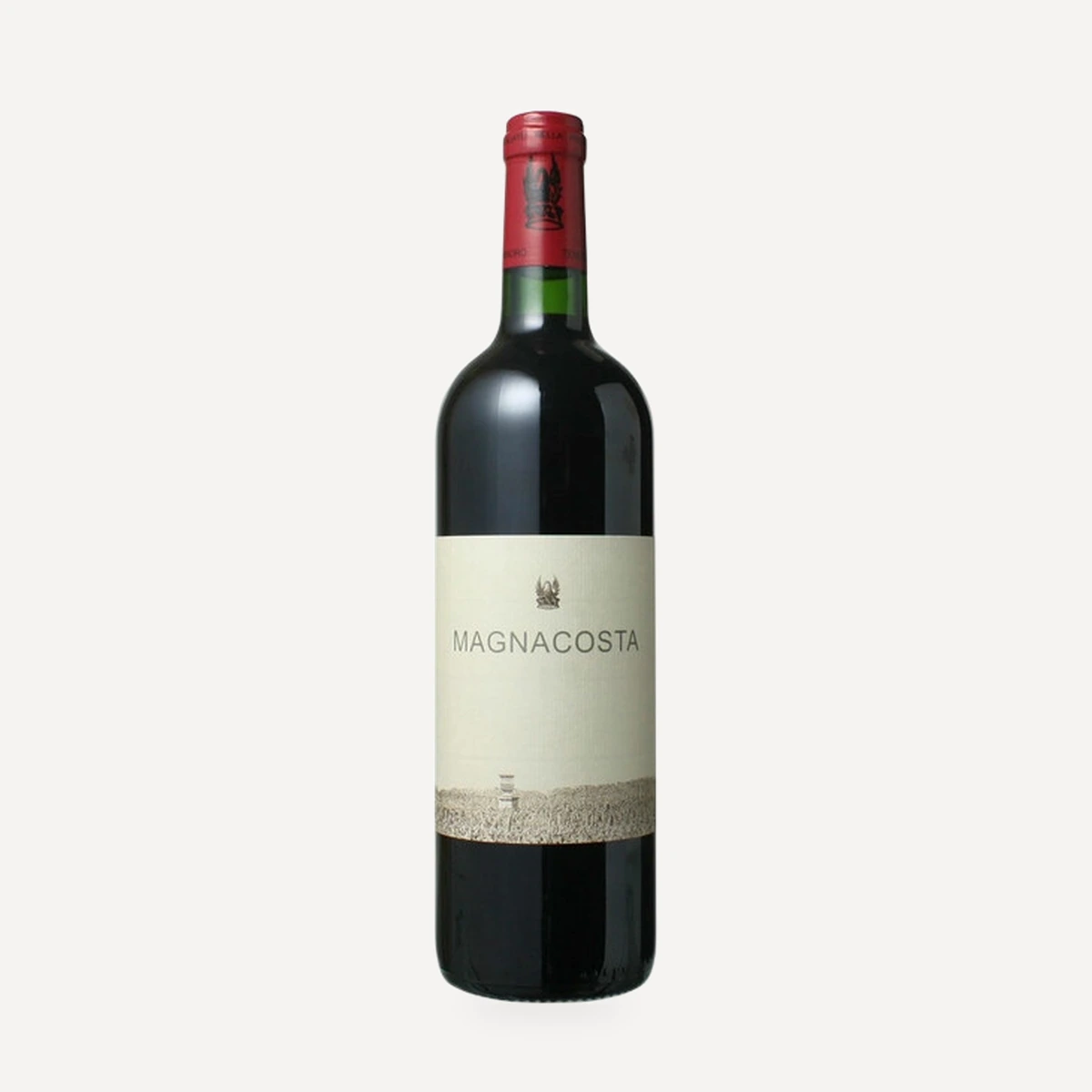
🍾Bottle photo coming soon
RedToscana IGT; rendered as IGT Rosso Toscana in the 2020 and 2021 technical sheets

Campo di Magnacosta

by di Trinoro · Tuscany, Italy

TypeRed
AppellationToscana IGT; rendered as IGT Rosso Toscana in the 2020 and 2021 technical sheets
Grapes100% Cabernet Franc
VineyardCampo di Magnacosta, a 1.5-hectare parcel on the valley floor in the lowest part of Tenuta di Trinoro, Val d’Orcia, Tuscany. The current parcel was planted with cuttings from an old Cabernet Franc vineyard in Pomerol. Early records differ: the 2013 sheet describes a 2.5-hectare vineyard, while the 2011 wine included fruit from Magnacosta and Camagi.
LineCollezione «I Campi»
Vintages2011, 2012, 2013, 2014, 2015, 2016, 2017, 2018, 2019, 2020, 2021, 2022, 2023

About this wine

Vineyard and terroir

Campo di Magnacosta was the first of Tenuta di Trinoro’s three single-vineyard Cabernet Franc wines and gave rise to Collezione «I Campi». Its first separate bottling was made in 2011; Campo di Tenaglia and Campo di Camagi joined the collection in 2014.

The present wine comes from a 1.5-hectare parcel at the bottom of the estate’s valley in Val d’Orcia. It lies at approximately 400 m a.s.l.; the 2022 description broadens the range to 400–450 m. The deep, well-drained soil consists of alluvial gravel and silt deposited by an old stream that disappeared beneath the surface. Rounded river stones and pebbles also characterize the site. The vines root deeply into this old riverbed.

The parcel was planted with cuttings taken from an old Pomerol vineyard where Cabernet Franc had been propagated for centuries by selecting material from the best-performing vines. The resulting plants at Trinoro developed visible differences from one another, contributing additional complexity. Planting density is 10,000 vines per hectare; double Guyot training is specified in the 2022 review. The vineyard is described as west-facing and relatively flat in the 2020 material.

Vine age progressed from 20 years in 2013 to approximately 30 years in 2022–2023. Fertilization practices varied: none was used for 2011 and 2012; later sheets specify sheep manure, while the 2021 sheet gives manure without identifying the animal. Vineyard treatments recorded across the sheets include clay, propolis and grapefruit-seed extract, with copper and sulphur added to the list for 2020 and 2021.

Grapes

100% Cabernet Franc. The current wine is sourced from Campo di Magnacosta. The inaugural 2011 Magnacosta was also 100% Cabernet Franc but combined fruit from the Magnacosta and Camagi vineyards.

Vinification

Fermentation is carried out in steel. The 2011, 2012 and 2021 technical sheets specify 15 days of alcoholic fermentation. The 2013 and 2015–2018 wines fermented for 12 days, while the 2020 wine spent 10–15 days in stainless steel. The 2022 and 2023 records identify stainless-steel tanks without giving a duration.

Harvest dates varied substantially with the season. The structured data place the 2011 pickings on 8–12 October and the 2012 harvest on 12–21 October. The 2013 fruit was gathered on 18 October, the 2016 on 13 October, the 2017 on 12 October and the 2018 on 10 October. Cabernet Franc was mostly in by 18 October in 2019. The 2020 fruit was hand-selected in October; the table gives 7 October and the narrative follows picking from 8 to 10 October. For 2021, the technical sheet records manual selection on 15 October, while the harvest account describes Cabernet Franc collections on 12, 14 and 16 October. The 2022 crop was hand-picked on 5 October, and the 2023 parcel reached the cellar on the same calendar date.

Ageing

The early vintages combined new French oak with cement. The 2011 and 2012 wines spent 8 months in new French-oak barriques and 10 months in cement. From 2013 through 2018, where technical sheets are available, the regime was 8 months in new French-oak barrels followed by 11 months in cement tanks.

The 2020 wine spent 6 months in French oak and then moved to cement. The 2021 wine followed 6 months in French oak with a full year in cement. In 2022, élevage comprised 8 months in French barriques and another 12 months in cement vats. The 2023 returned to 6 months in French barriques, followed by 12 months in cement.

Bottling frequently followed the waning moon. Recorded dates include May 2013 for the inaugural 2011 wine, May 2015 for 2013, March 2016 for 2014, June 2017 for 2015, March 2018 for 2016, May 2019 for 2017, March 2020 for 2018, March 2022 for 2020, June 2023 for 2021, 8 March for 2022 and 18 April 2025 for 2023.

Technical data

Toscana IGT; the 2020 and 2021 sheets use the fuller designation IGT Rosso Toscana. The production area is Tenuta di Trinoro in Val d’Orcia, Tuscany, near the borders with Umbria and Lazio.

Recorded yields were 18 hl/ha in 2011 and 2012; 25 hl/ha in 2013 and 2015–2018; 15 hl/ha in 2020; and 25 q/ha in 2021. The already low estate yields fell further in 2022 to the vineyard’s lowest level yet; 2023 was slightly more generous than 2022.

Production by vintage: 1,600 bottles in 2011; 3,300 in 2012; 4,500 in 2013; 1,500 in 2014; 2,500 in 2015; 2,100 in 2016; 1,600 in 2017; 1,950 in 2018; 2,122 in 2019; 1,765 in 2020; 2,700 in 2021; 1,939 in 2022; and 2,262 in 2023.

Alcohol figures published with the vintage materials are 15% vol. for 2020, 16% vol. for 2021 and 15% vol. for 2022.

Tasting profile

The site character is associated with a comparatively light colour, floral lift, dark fruit, pepper, mineral tones and firm structure.

2011: Exceptionally rich, concentrated and opulent, with plum, black cherry, mocha and espresso. The texture is ripe and silky, with an impression of sweetness and substantial warmth.

2012: Primary and built for ageing, with plush black fruit, black pepper and a powerful tannic frame. Further notes include dark red cherry, plum, smoke, new leather, savoury herbs, tobacco and spice, supported by energy and radiant fruit.

2013: A full, ripe and floral expression of Cabernet Franc. The wine was dark, powerful, juicy and deep in youth, with high natural acidity from a cool season.

2014: Complex and lighter in colour, with tightly woven texture and stored-up energy. Aromas and flavours include pressed rose, dried lavender, ripe red cherry, kirsch, white chocolate, mint and blood orange, followed by spice, leather and tar. The structure is medium-weight, lifted and graceful.

2015: Deep yet light and airy in character, particularly fresh and ripe. Cherry, blackcurrant, iron, cedar, earth and oak spice meet muscular tannins. Additional layers of black cherry, plum, liquorice, lavender, menthol, tar and cured leather accompany a silky texture and persistent finish.

2016: Detailed and precise, with a racy, silky, rich profile. Super-ripe red cherry, pomegranate, mint and rose petal lead into a persistent finish. Dark cherry, cassis, tobacco, violet, leather, liquorice, gravel and wet stone add a mineral dimension to the structured, polished palate.

2017: Dense, dark and highly concentrated, with a simultaneous green and ripe character caused by drought stress. Green bell pepper and spice mark the nose; ripe blackberry, prune, chocolate and black pepper dominate the palate. Other notes include smoke, tar, liquorice, black cherry, wild thyme and oak spice. The finish is energetic and long.

2018: Powerful but elegant, gaining volume as it opens. Black fruit, Spanish cedar, charred meat, crushed river stone and exotic spice accompany succulent texture and a linear, structured finish. Super-ripe dark cherry, gravel, mint, leather and incisive tannins reinforce its breadth and complexity.

2019: Intense, powerful and pure, with luscious dark fruit, sharp minerality, spice, slate and pencil-shaving nuances. Blackcurrant, black cherry, bay leaf, tomato leaf and thyme accompany lively acidity and compact, integrated tannins. Red-purple fruit, chalk, mint and white pepper bring focus and salivating energy.

2020: Broad and substantial, with dark cherry, lavender, sage, spice and leather. The palate is rich and creamy, with cacao, toasted espresso, sweet earth, extracted dark fruit and powdery tannins. Cherry, blackcurrant, tapenade, mineral, wild thyme and rosemary sit within a dense but refined structure and lingering finish.

2021: Compact, dense and powerful yet poised, with blackcurrant, toasted chestnut husk, earthy iris root and mineral tones. Red and black fruit, cocoa, balsam, violet, sweet cherry and menthol meet high acidity, grainy tannins, intense freshness and a long, warm finish. Black cherry, espresso, mocha, blackberry, lavender and dried herbs add aromatic breadth.

2022: A relatively pale colour. Ripe yet fresh red fruit, flowering mustard and Mediterranean scrub shape the bouquet. The palate begins fresh and develops gradually, with gentle, silky tannins and a dynamic profile intended to evolve. Blackberry, crushed granite and white pepper add a tight, vertical, mineral character; the body is medium-plus.

2023: Lighter red than the other parcels. Red and black forest fruits combine with spice and delicate floral notes. The palate is warm and enveloping, while bright acidity drives a long, progressive development. The tannins are firm without becoming aggressive.

Vintage notes

2011: Heat waves and drought slowed and eventually stopped the vines. Fruit screening, nighttime leaf sprinkling and soil cultivation were used while waiting for ripeness. A long mid-month storm broke the drought, cooled the vineyards and refreshed the Cabernet Franc before harvest.

2012: A second dry winter left the vines visibly tired. Shoot growth and canopy development were limited, flowering was even but slow, and véraison proceeded gradually. Individual berries were left to attain maturity while sugars remained relatively low.

2013: A serene, cool season with little rain. Summer temperatures averaged about 26°C rather than the usual 36°C. The grapes reached the cellar healthy, firm, low in sugar and high in acidity, yet fully mature.

2014: A cold, rainy year produced deep wines with tight texture and restrained fruit. Intensive vineyard work was required. Magnacosta retained energy, complexity and a lighter colour.

2015: Another cool Val d’Orcia season emphasized freshness, ripeness and the parcel’s airy character.

2016: August heat was interrupted by rain that refreshed thirsty grapes. Rather than harvesting before the storms, the fruit was left to benefit from them. A light early-October rain was followed by drying weather, and the crop was gathered on 13 October.

2017: Winter was completely dry, spring brought frost and summer temperatures reached 40°C for three consecutive months with little nighttime relief. Berries were exceptionally small and dominated by skins and seeds, creating dense, nearly black wines with concentration and an unexpected green note.

2018: Cooler, steadier weather and abundant late-spring rain helped the vines recover from 2017. Summer brought warm days and cool nights; September remained clear and dry. When October wind and cooling softened the berries, the vineyard was misted, then revived by rain and late sunshine. The long autumn produced an unexpectedly large crop with ripeness, concentration, balance and precision.

2019: A cold spring and 7 May frost required more than 9,000 frost candles in the lowest vineyards. Flowering was delayed; clusters were sparse, berries small and skins thick. August heat stalled the already tired vines, followed by another late-month temperature drop. It became the latest-ripening vintage in a decade, but the cool, rainy start to October still delivered strong quality and quantity.

2020: September heat and southerly wind began to shrivel some clusters before three days of rain transformed the season. After drying, the fruit displayed abundant aroma. Cabernet Franc ripened rapidly during alternating rain and sunlight in early October, producing a brilliant, energetic form of ripeness.

2021: An abbreviated winter ended with February snow, followed by severe cold from 7–9 April. Four thousand frost candles protected the vineyards. Record heat and drought followed; irrigation and severe green harvesting reduced the crop, while foliage was retained to shade the remaining bunches. Rain on 17 September and again on 4–7 October broke the heat. The Cabernet Franc entered a winter-like harvest period with small, intact bunches, thick skins and generous pulp, creating vivid aromas, dense bodies, firm tannins, energy and freshness.

2022: One of the driest recent seasons followed the already arid 2021. Careful canopy management and crop thinning helped the vines mature a small number of bunches. Heavy rain in early September slowed the apparently early season, refreshed temperatures and contributed fragrance and energy. The valley-floor vines found enough water to ripen fully, although yields reached a new low.

2023: January snow gave way to a rainy winter that replenished water reserves. Early warmth woke the vines, but a cold spring slowed growth. Weekly rain and approximately 500 mm of precipitation during spring and early summer created severe downy-mildew pressure. Summer began abruptly at the end of June, with temperatures above 30°C and vigorous growth. A late-July green harvest reduced the crop while foliage shaded the small bunches. Slow ripening continued through mid-September, and the parcel was harvested on 5 October with a yield slightly above 2022.

Label / history

The name records the old stream’s action on the hillside: magna means “eat” and costa means “hillside.” Andrea Franchetti began bottling the parcel separately in 2011 after its mature Cabernet Franc vines developed a sufficiently precise expression of their riverbed soil.