About this wine
Vineyard and terroir
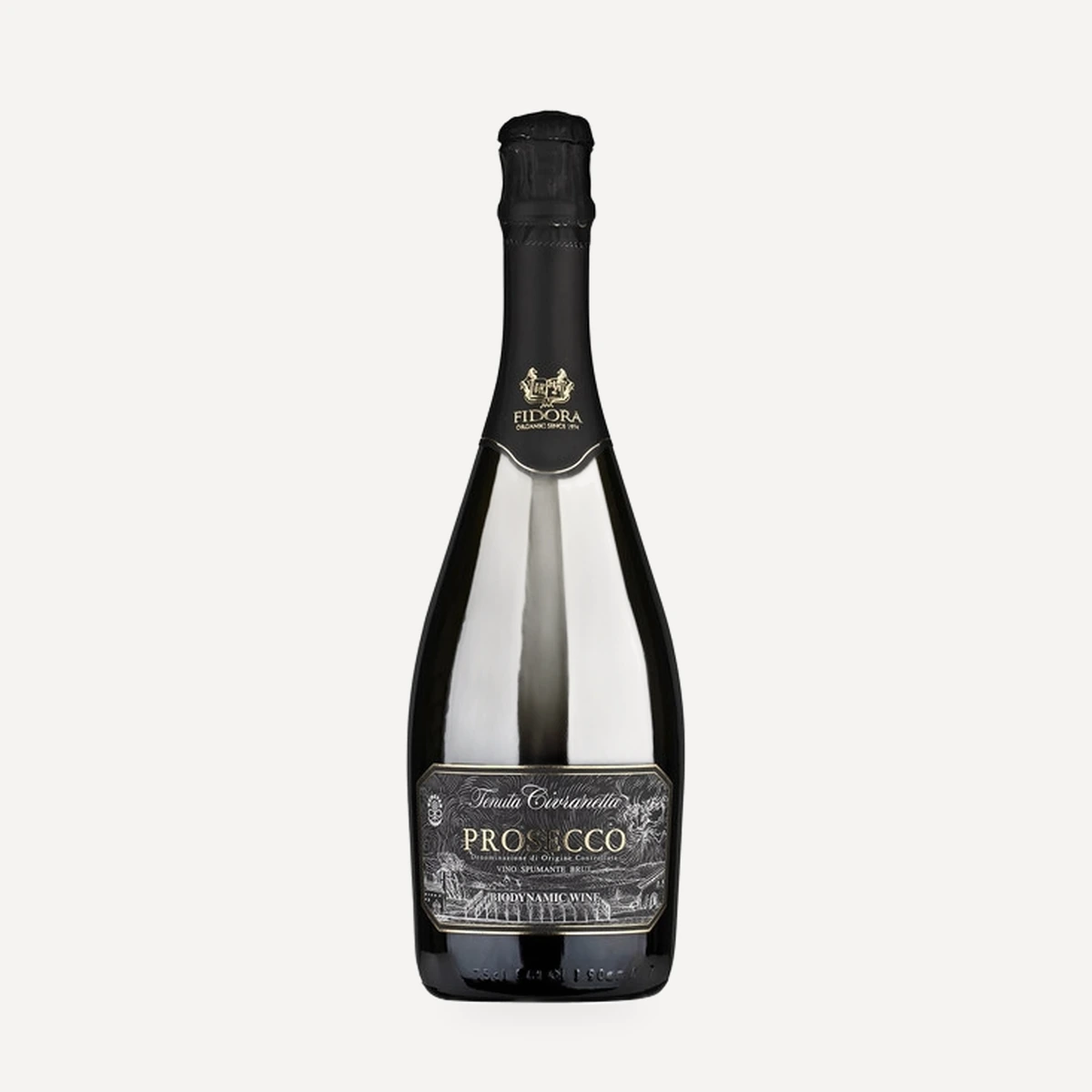
The grapes come from a single biodynamic vineyard at Tenuta Civranetta, the Fidora family's estate on the Venetian mainland near the Venetian Lagoon, in what was once part of the Venetian Republic. The estate lies on the ruins of the Via Annia, an amphibious route, first Etruscan and later Roman, used by horse-drawn boats. It was once part of the Venetian forest, a lowland woodland growing on dry Pleistocene soils topped with layers of alluvial deposits.
The estate covers 160 ha, 80 of them vineyards, set among tree-lined banks, meadows, hedges, groves and ponds that encourage wildlife. It keeps the Benedictine agricultural layout of the XIV century, with regular rectangular plots divided by ditches. It converted to organic farming in 1974.
Vinification
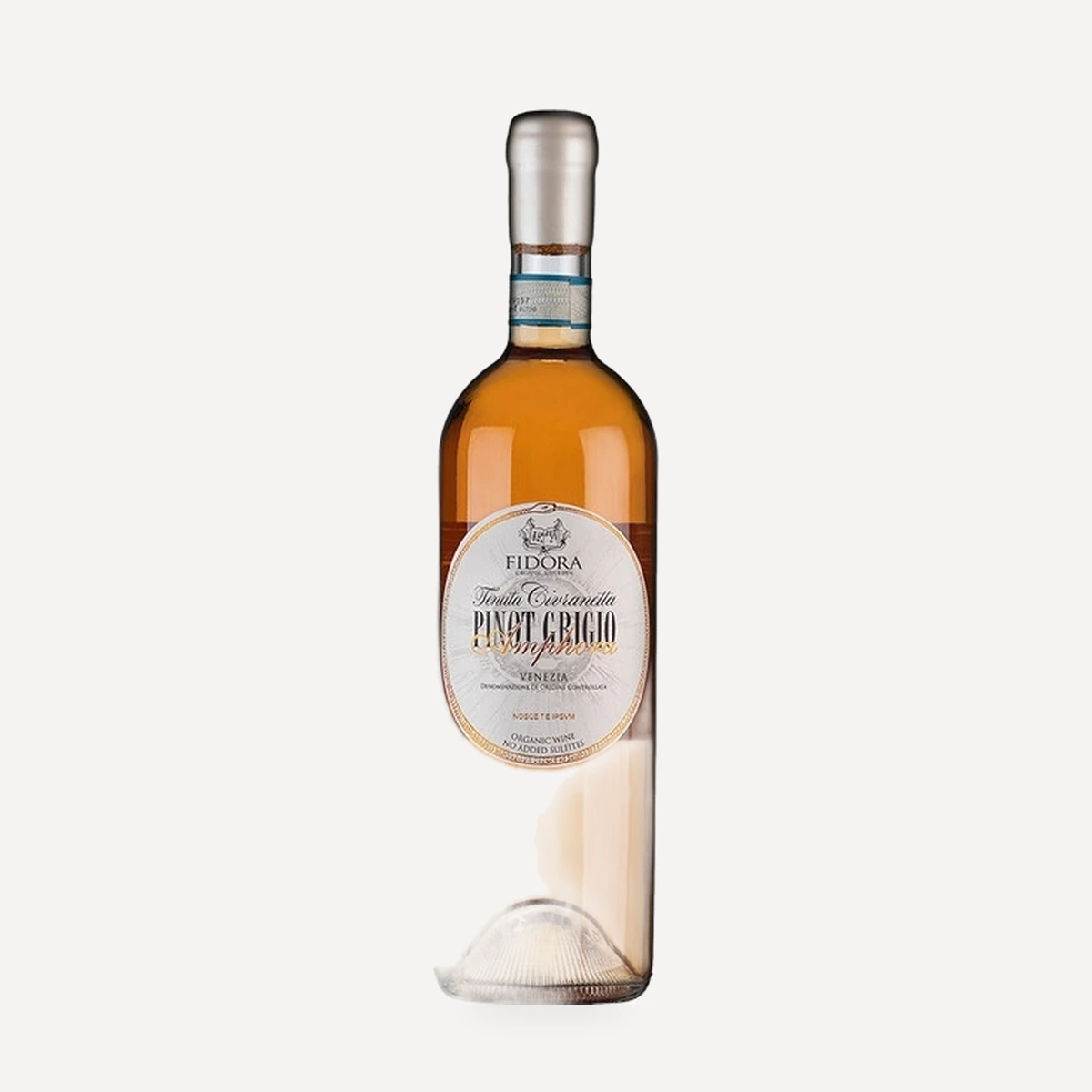
The grapes are selected and harvested by hand, then destemmed and fermented in Italian terracotta amphorae with only native yeasts from the vineyard's own terroir. When fermentation ends, the amphorae are sealed and the wine matures on the grape skins and solids for around 4 months. No sulfites are added.
Ageing
The wine rests in the sealed amphorae on skins and solids for around 4 months. One month before bottling it is transferred without filtration or fining, so some natural sediment may be present.
Tasting profile
Refined and complex.
Label / history
The Fidora family has grown grapes at Tenuta Civranetta for almost a century. In the XIV century Benedictine monks turned the forest into farmland by reclaiming land, damming rivers, building farm buildings and cultivating the soil. Vines, known in the area since Roman times, were widely grown, and wine from the estates' cellars became one of the main goods Venice shipped to Mediterranean ports.
The text also recalls the legend, from the Roman historian Tito Livio, that the Trojan hero Antenor founded Padua in 1184 BC on the plain crossed by the Adige, Brenta and Bacchiglione rivers. According to the legend, Antenor was the first farmer to cultivate grapevines, which he brought from the ancient lands of Asia.