History
The Manetti family before Fontodi
For centuries, the Manetti family was associated with the production of the terracotta tiles characteristic of the Chianti area. This longstanding involvement with a traditional local craft established the family's close connection to the territory before it entered winegrowing at Fontodi.
1968: acquisition by the Manetti family
Fontodi has belonged to the Manetti family since 1968. Under the family's ownership, the estate progressively placed greater emphasis on attentive vineyard cultivation and on developing a deeper understanding of Sangiovese and its potential in the Panzano area.
Organic farming and an integrated estate
Fontodi subsequently developed into a certified-organic estate. Its agricultural model is based on natural processes, sustainability and greater use of resources generated within the property. Synthetic chemical products are excluded, while compost made from vine-pruning residues and manure from the estate's Chianina cattle is returned to the vineyards. The objective is to reduce external inputs while producing wines that express both their grapes and their place of origin.
The modern cellar
Vinification and maturation in wood take place in a modern cellar arranged over descending levels. Its layout permits gravity-assisted movement of grapes and wine, limiting handling and protecting the fruit's natural integrity.
Terroir
Fontodi lies in the heart of Chianti Classico, in the valley immediately south of Panzano known as the Conca d’Oro, or “golden shell.” Its name refers to the valley's amphitheatre-like form.
The area has a centuries-old association with quality winegrowing. Its defining natural features are high elevation, calcareous clay-schist soils, abundant light and a warm, dry microclimate. Marked differences between daytime and nighttime temperatures add another important element to the growing conditions.
The estate also cultivates vineyards beyond the central property. At Lamole, approximately 8 hectares of terraced vineyards stand at 600 metres above sea level. Named sites within the estate include Vigna del Sorbo, Terrazze San Leolino, Case Via, Pecille and La Rota, with documented exposures ranging from south and south-west to west.
Winemaking
Fontodi is a certified-organic estate whose farming is guided by natural processes and sustainability. Synthetic chemical products are not used. The estate seeks to reduce outside inputs by making fuller use of its own agricultural resources.
Vineyard compost combines residues from vine pruning with manure from the Chianina cattle raised on the property, returning material generated within the farm to its soils. This integrated approach links viticulture with livestock farming and is intended to support cleaner wines and a more faithful expression of the grapes and territory.
All grapes used for Fontodi wines come from the estate's own vineyards. Harvesting is carried out by hand, followed by careful selection. Across the documented vineyards, planting densities range from 3,500 to 6,000 vines per hectare and Guyot is the stated training system.
All Fontodi wines are produced exclusively from estate-grown grapes. The fruit is harvested by hand and carefully selected before vinification.
Vinification and maturation in wood take place in a modern cellar constructed on descending levels. The design permits grapes and wine to move by gravity, reducing handling and protecting the natural integrity of the fruit. This approach is intended to preserve varietal and territorial character while supporting the character and elegance of the finished wines.
Spontaneous fermentation with indigenous yeasts is used across the documented range. Red-wine macerations generally last at least three weeks. Stainless-steel tanks are the principal fermentation vessels, while concrete vats and terracotta amphorae are also employed. The white-wine program uses stainless steel, terracotta amphorae and tonneaux, including maturation on the lees. Maturation vessels across the range include French-oak barrels, tonneaux and larger casks.
Vin Santo production follows a separate traditional process: harvested grapes dry naturally for five months before pressing. The must is transferred, with the retained mother culture, into sealed 50- and 110-litre chestnut and French-oak caratelli, where it remains for approximately nine years.
Philosophy
Fontodi's approach joins a strong attachment to the Panzano territory with sustained attention to quality and to the potential of Sangiovese. Vineyard work is intended to deepen the relationship between variety and place rather than obscure it.
The agricultural philosophy is based on respect for natural processes and sustainability. Fontodi seeks to minimize external inputs, exclude synthetic chemical products and reuse resources generated within the estate. Composting vineyard residues with manure from the property's Chianina cattle is a practical expression of this closed-loop approach.
Environmental care is treated as inseparable from wine quality: the objective is to make purer wines that communicate their grapes and territory more clearly. In the cellar, gravity-assisted handling and the protection of intact fruit extend the same principle of measured intervention from vineyard to vinification.
Wines
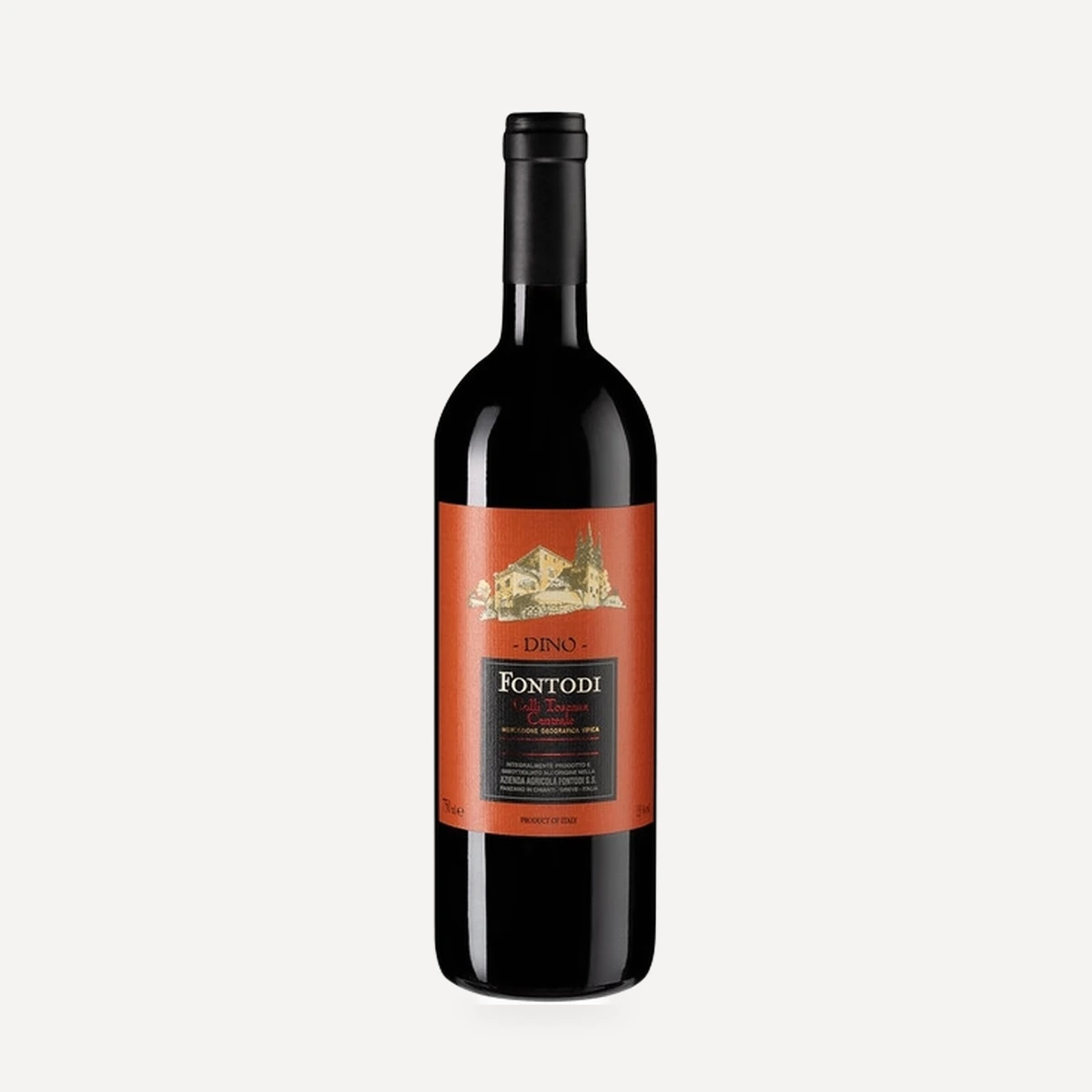
Dino Colli della Toscana Centrale IGT
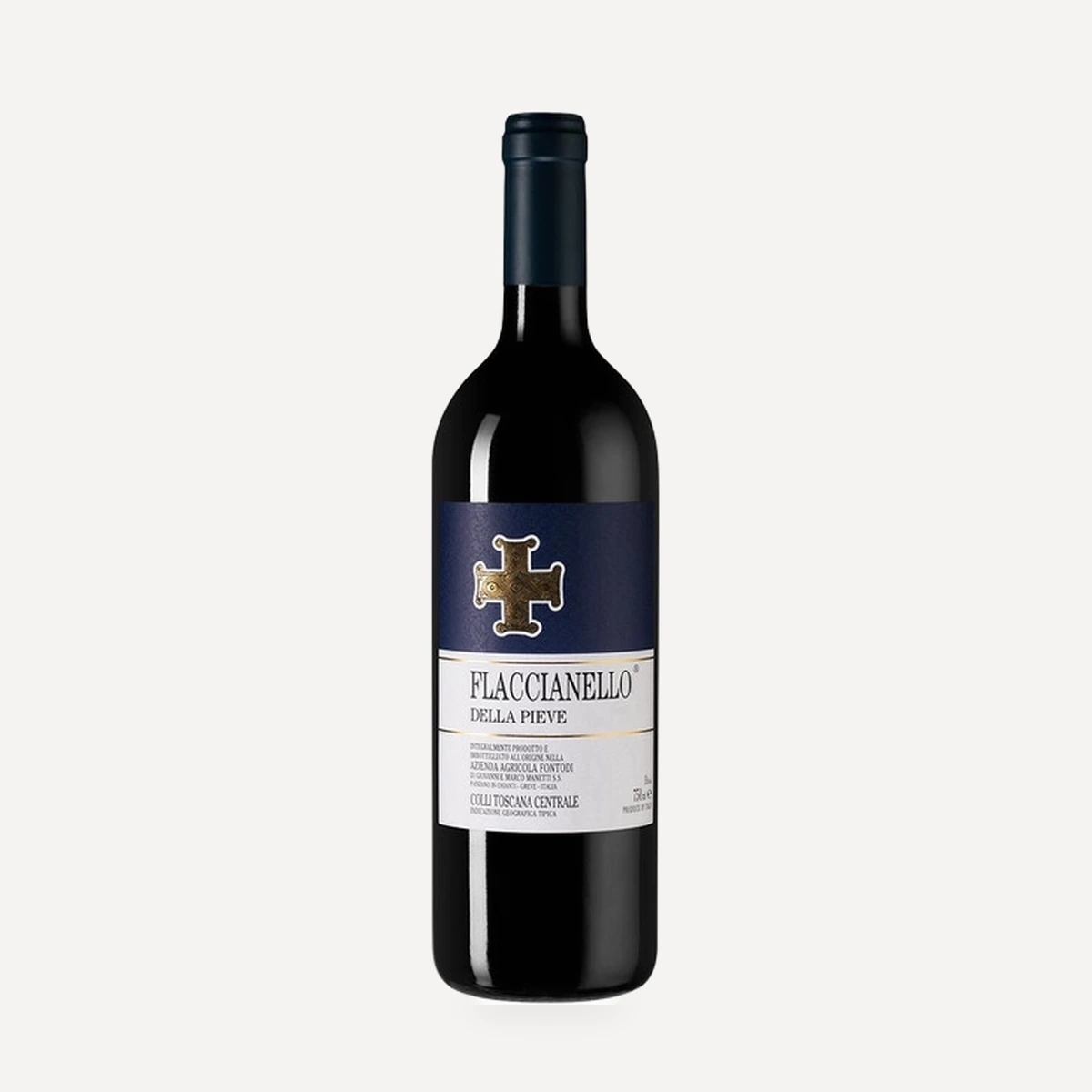
Flaccianello della Pieve Colli Toscana Centrale IGT
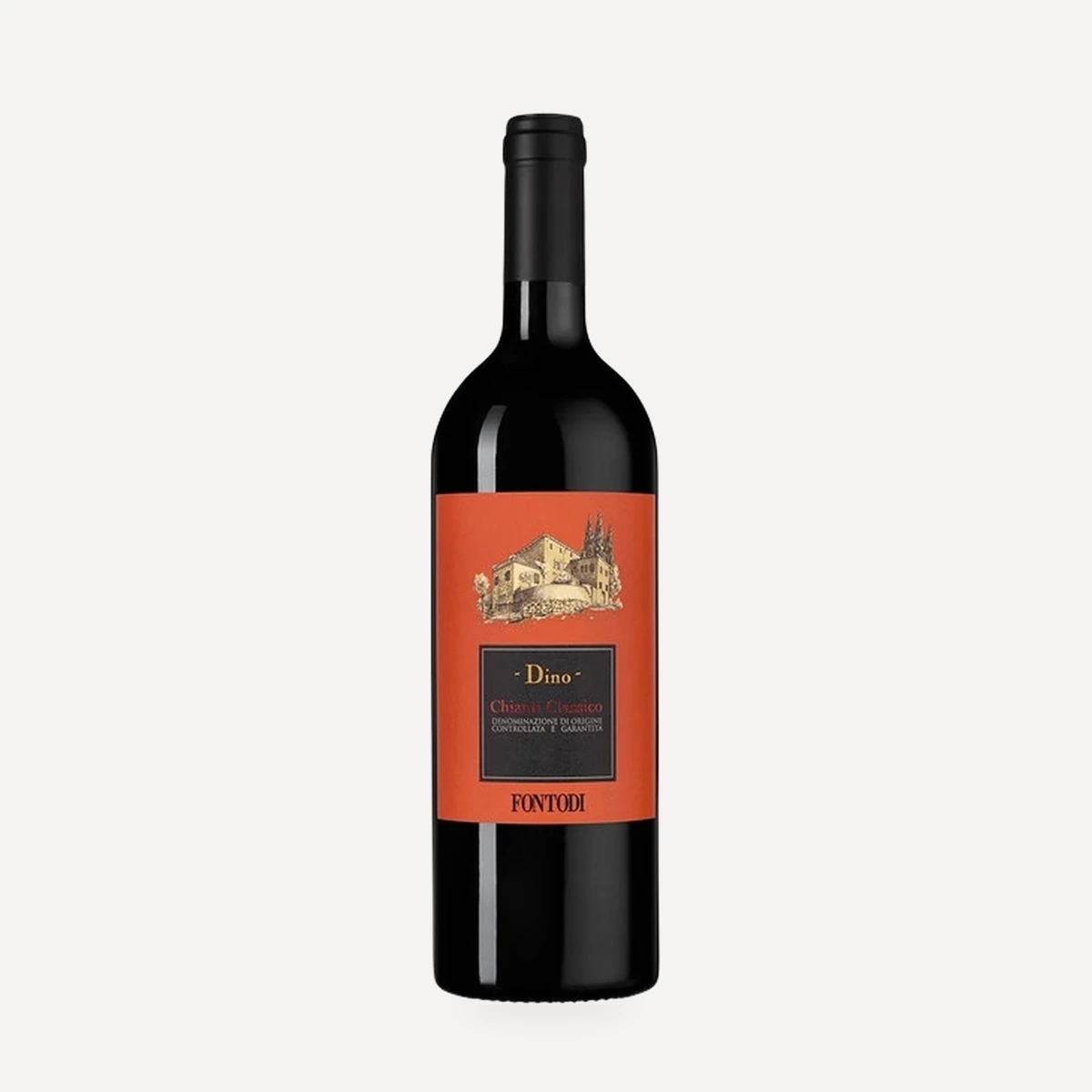
Dino Chianti Classico DOCG
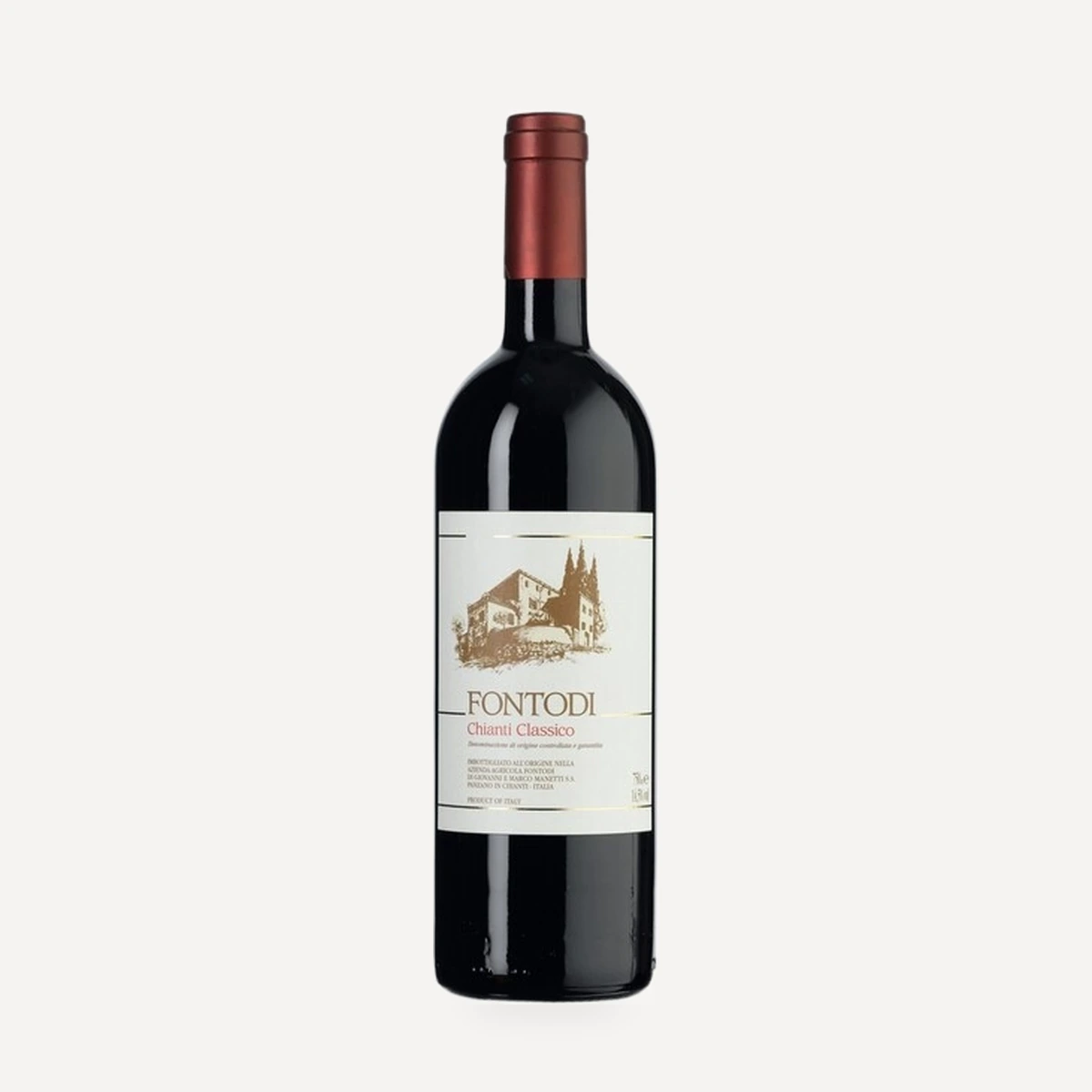
Chianti Classico DOCG
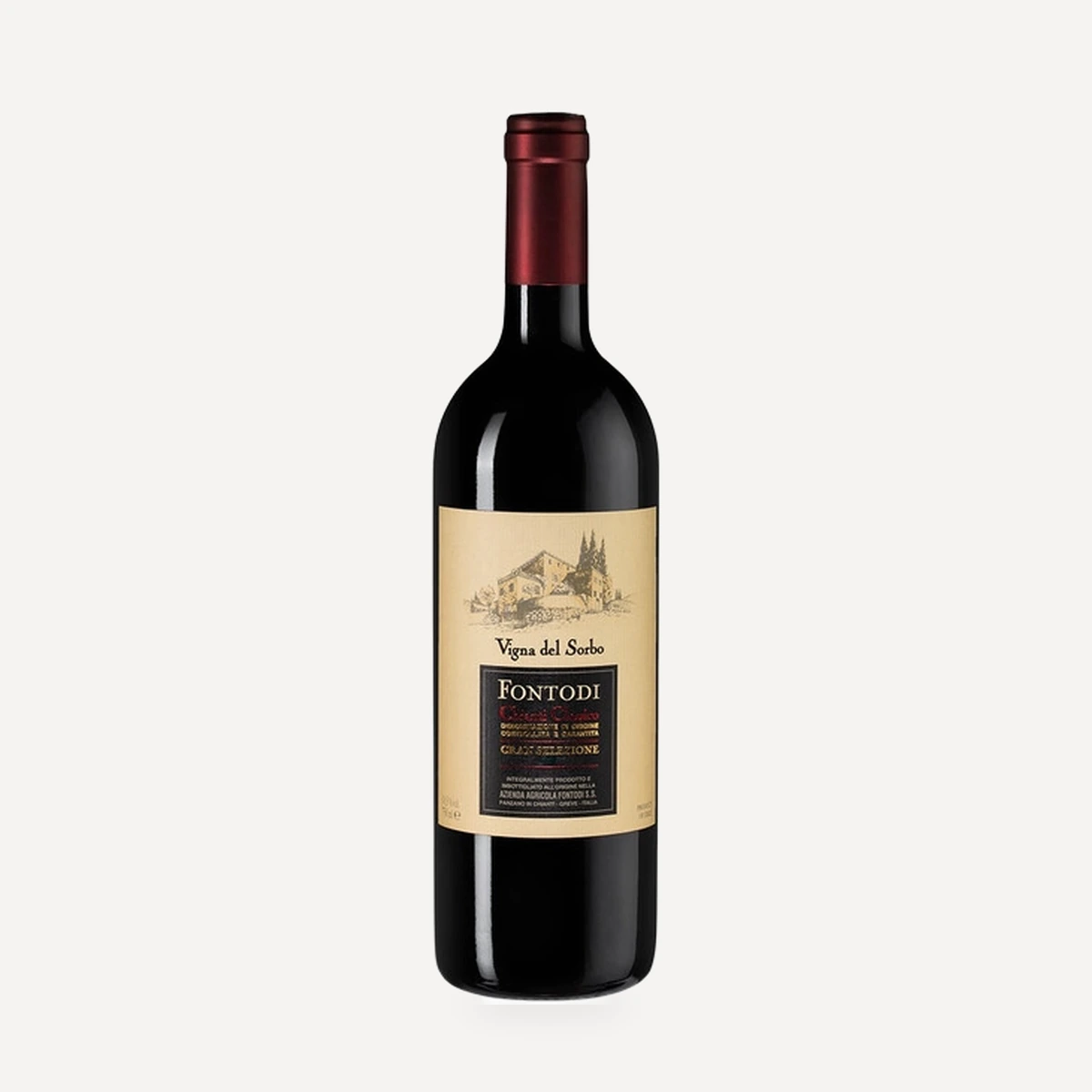
Vigna del Sorbo Chianti Classico Gran Selezione DOCG
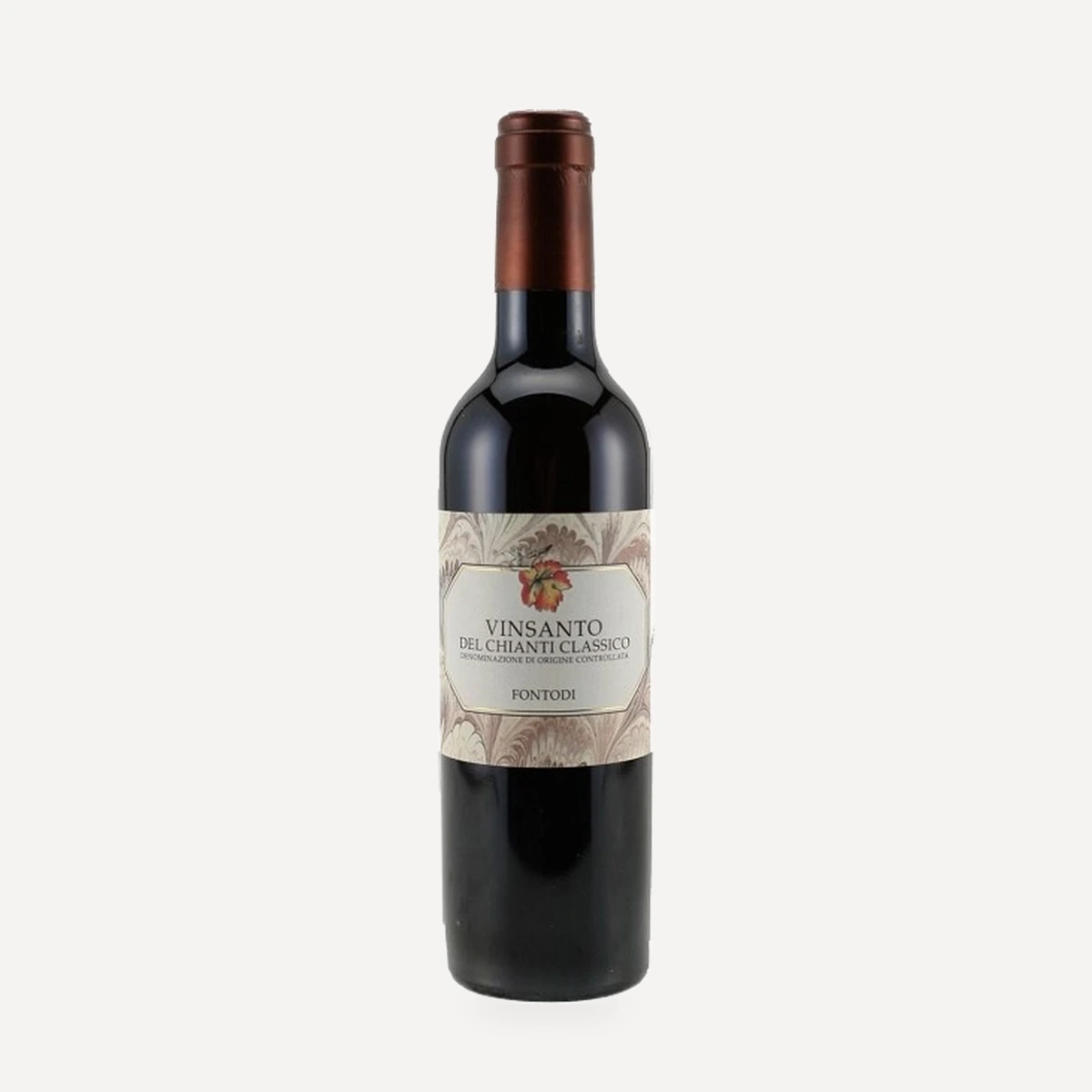
Vin Santo Chianti Classico DOCG
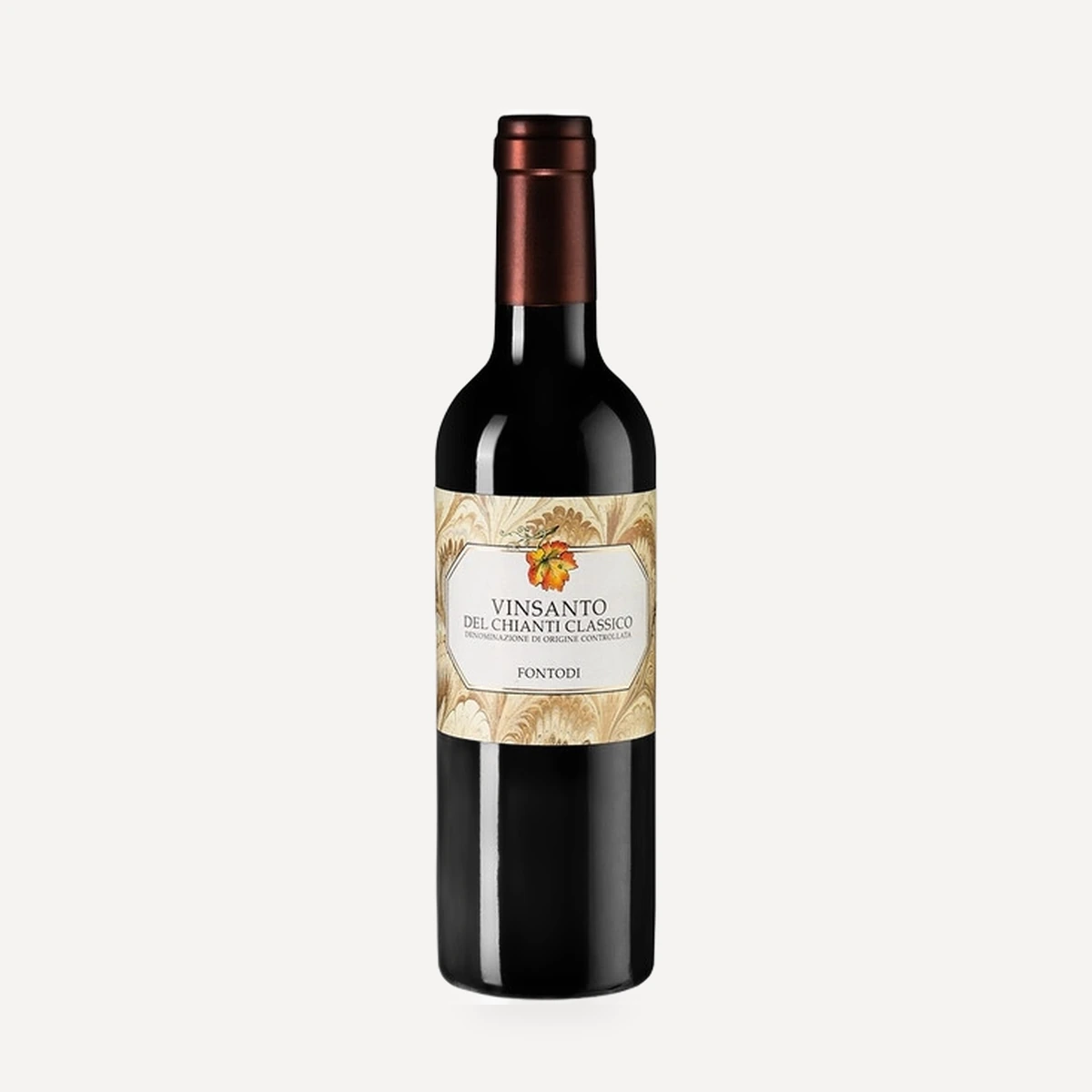
Vinsanto del Chianti Classico DOCG
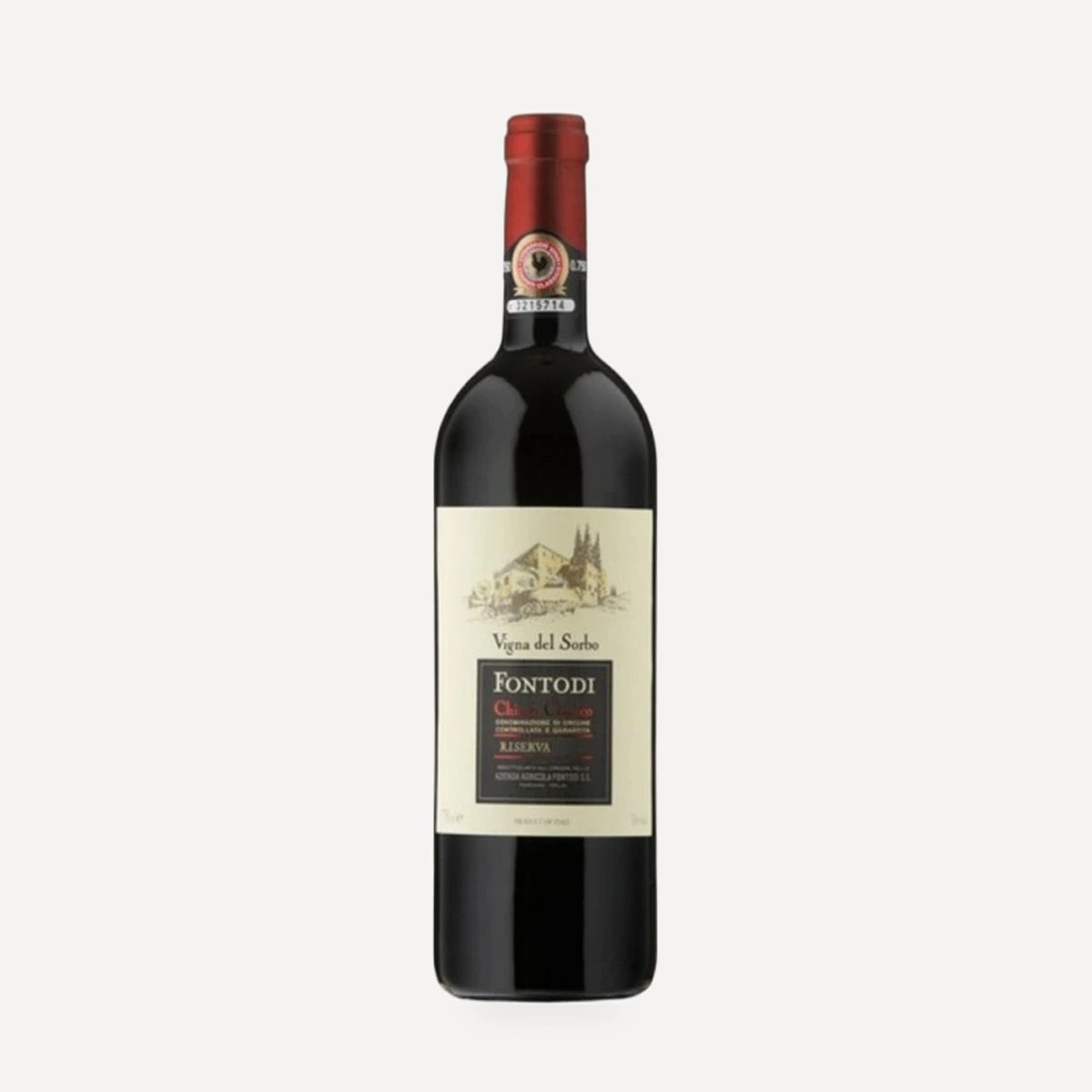
Vigna del Sorbo Chianti Classico Riserva DOCG
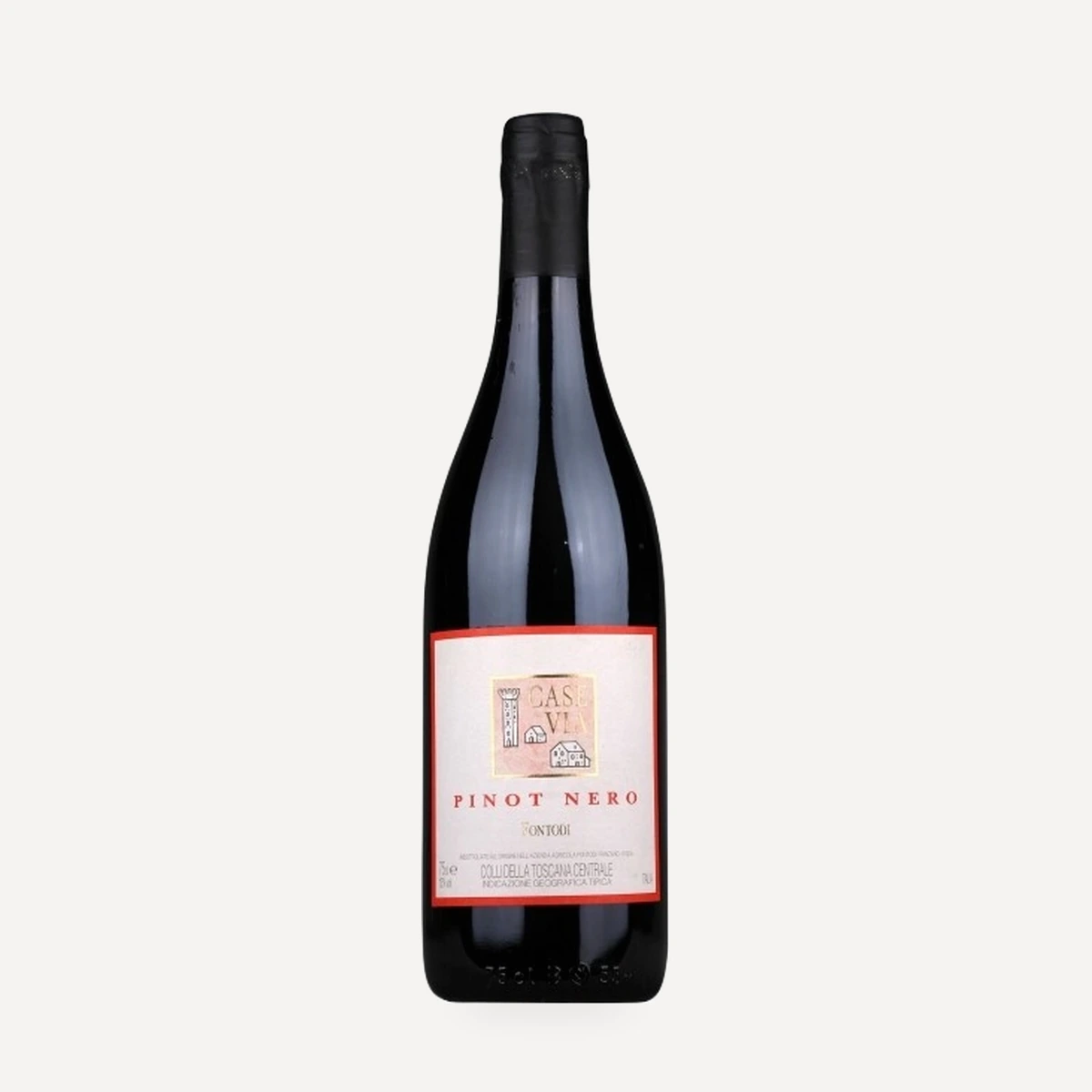
Pinot Nero Case Via Colli della Toscana Centrale IGT
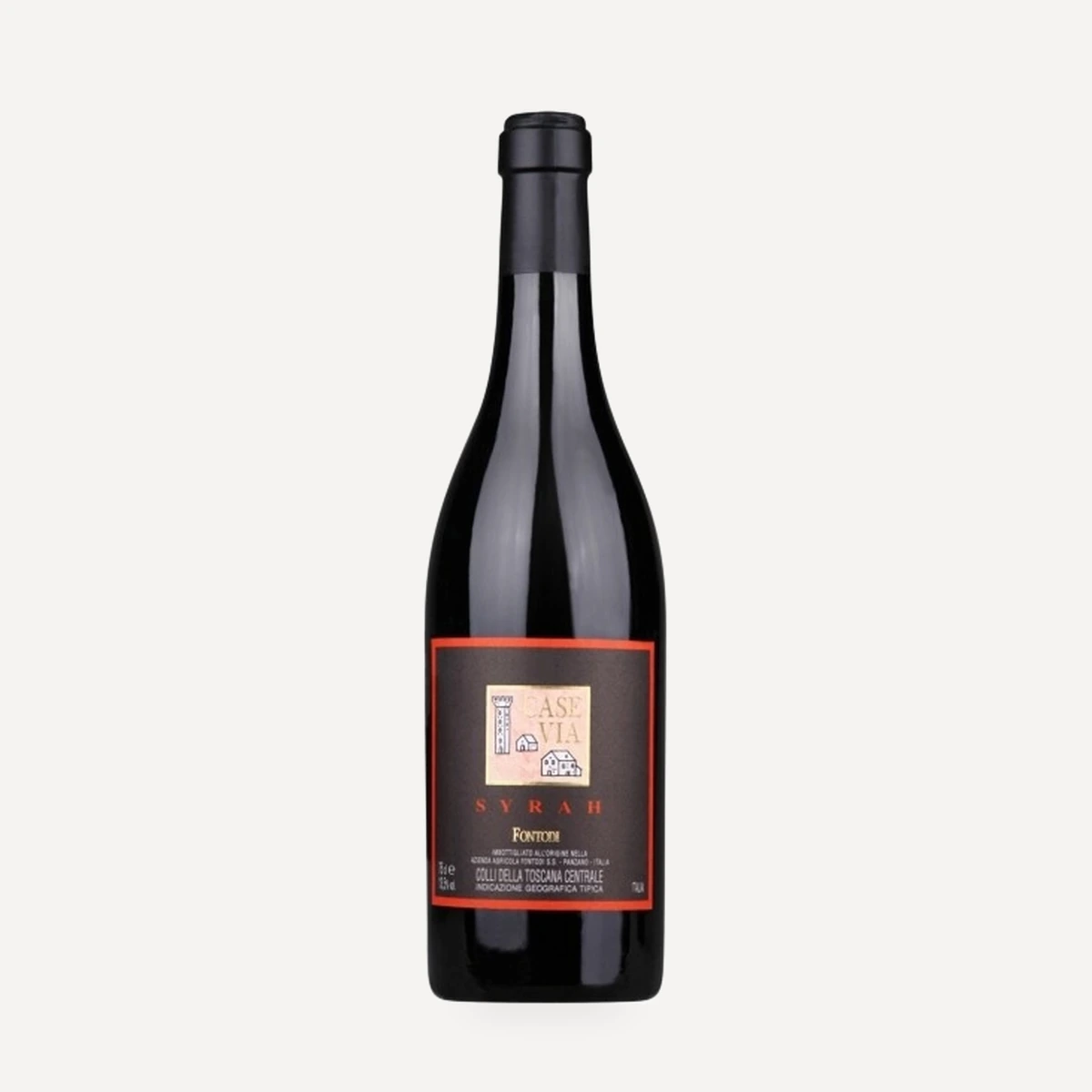
Syrah Case Via Colli della Toscana Centrale IGT