History
The idea takes shape — 2000
Ampeleia began with a shared dream among friends: to make a distinctive wine capable of representing both its place of origin and the work behind it. The idea emerged during a lunch at Rifugio Comici in the Alps, at 2,153 metres above sea level and more than 400 kilometres from Alta Maremma. Giovanni Podini, Elisabetta Foradori and Thomas Widmann imagined an unconventional wine project in a place removed from established boundaries and began searching for the right land.
Roccatederighi and the first harvest — 2002
Elisabetta Foradori and Giovanni Podini found the project’s home among the volcanic rocks and high woods of Roccatederighi. The estate began operating as a winery in 2002, with the intention of farming as naturally as possible. The founders entrusted both winemaking and company management to Marco Tait, then twenty-two years old. Working with a young team, Tait directed the first Cabernet Franc harvest. That vintage produced Ampeleia, the wine carrying the estate’s name, and established Cabernet Franc as the principal interpreter of the territory.
Replanting and rediscovery — 2003
The early years required decisions about which land to cultivate, which vineyards to retain and which varieties to plant. In 2003 Ampeleia began restoring Alicante Nero to the estate. The variety had long belonged to Maremma but had been uprooted locally in favour of other grapes. The first cuttings were planted in the lower vineyards nearer the sea, with La Pieve becoming its principal home.
Empatia — 2007
The estate was preparing to uproot its oldest vineyard, planted entirely to Merlot, when the team chose instead to vinify its fruit separately. The result was Empatia, a pure Merlot first produced in 2007. Initially reserved for members and close friends, it entered broader release in 2017 and is bottled only in magnum.
Organic and biodynamic conversion — 2009–2013
In 2009 Ampeleia began a formal transition toward organic and biodynamic agriculture. The decision grew from a desire to protect and nourish the land rather than treat it as a resource to be exploited. The 2012 harvest was the first certified-organic vintage. The following year brought the first biodynamically farmed harvest and the debut vintage of the monovarietal Alicante Nero.
Cattle were integrated into the farm during this period. Five cows now graze freely through the estate’s woods and vineyards and provide the material required for preparation 500. Ampeleia also began producing its compost and spray preparations internally. The estate associates the biodynamic transition with darker, more fertile and biologically active soils.
Unlitro and new expressions — 2011–2019
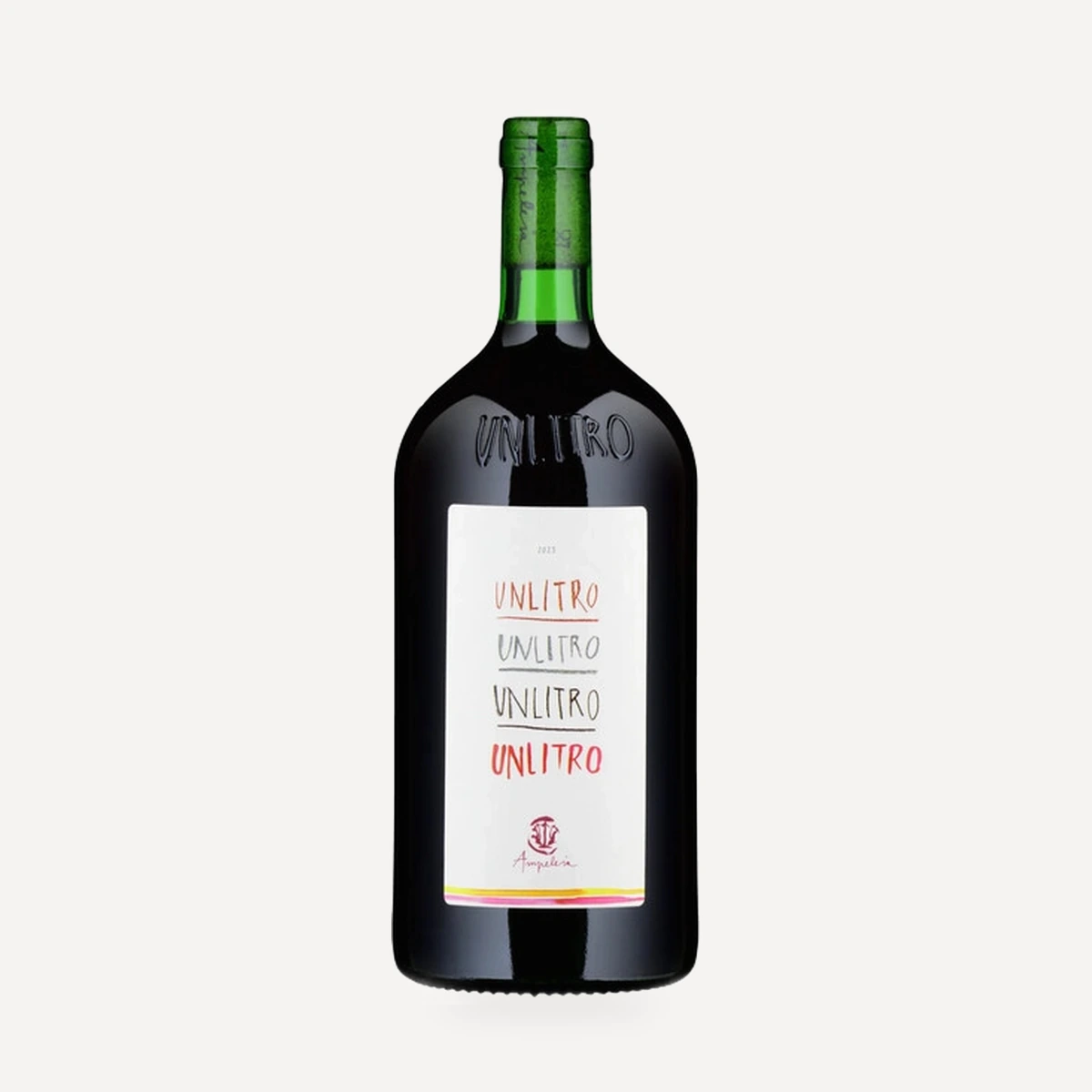
The first Unlitro harvest took place in 2011. Conceived as an open, convivial expression of younger vineyards nearer the sea, it joined Sangiovese, Alicante Nero, Alicante Bouschet and Mourvèdre in a one-litre bottle inspired by the traditional shared flask.
The first monovarietal Alicante Nero followed in 2013. Cabernet Franc debuted with the 2014 vintage, using younger vines on clay-rich soils to present a different expression of the estate’s defining variety.
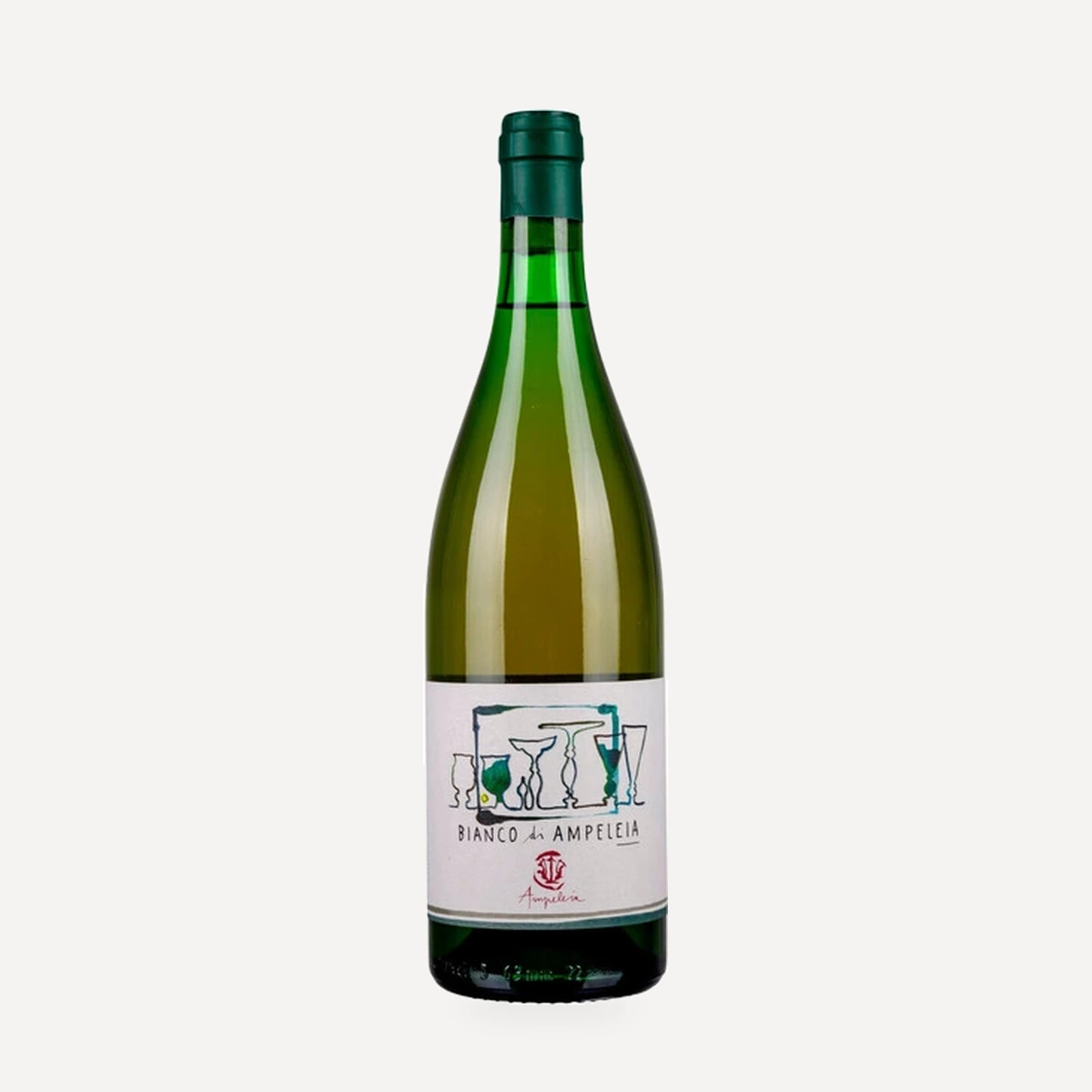
Bianco di Ampeleia emerged from the recovery of a traditional co-planted vineyard model. Trebbiano Toscano, Malvasia Bianca and Ansonica were grafted together using material selected from an old nearby vineyard, with the healthiest and most balanced plants chosen for propagation. The current technical information identifies 2016 as the first vintage.
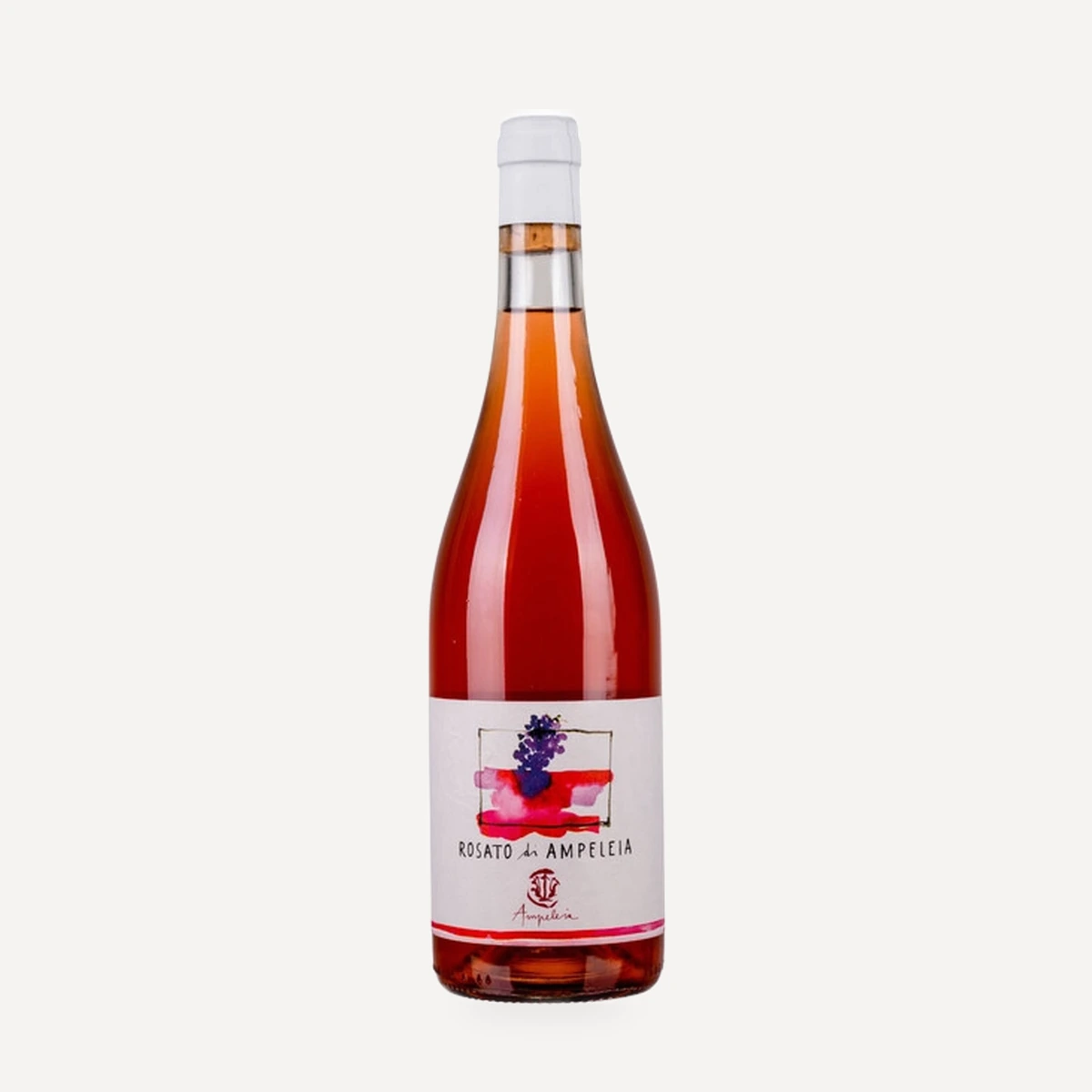
Rosato di Ampeleia debuted in 2019. It brings together Carignano vinified as a white wine and whole bunches of Alicante Nero infused into the must, linking La Pieve’s Mediterranean character with Sassoforte’s volcanic setting.
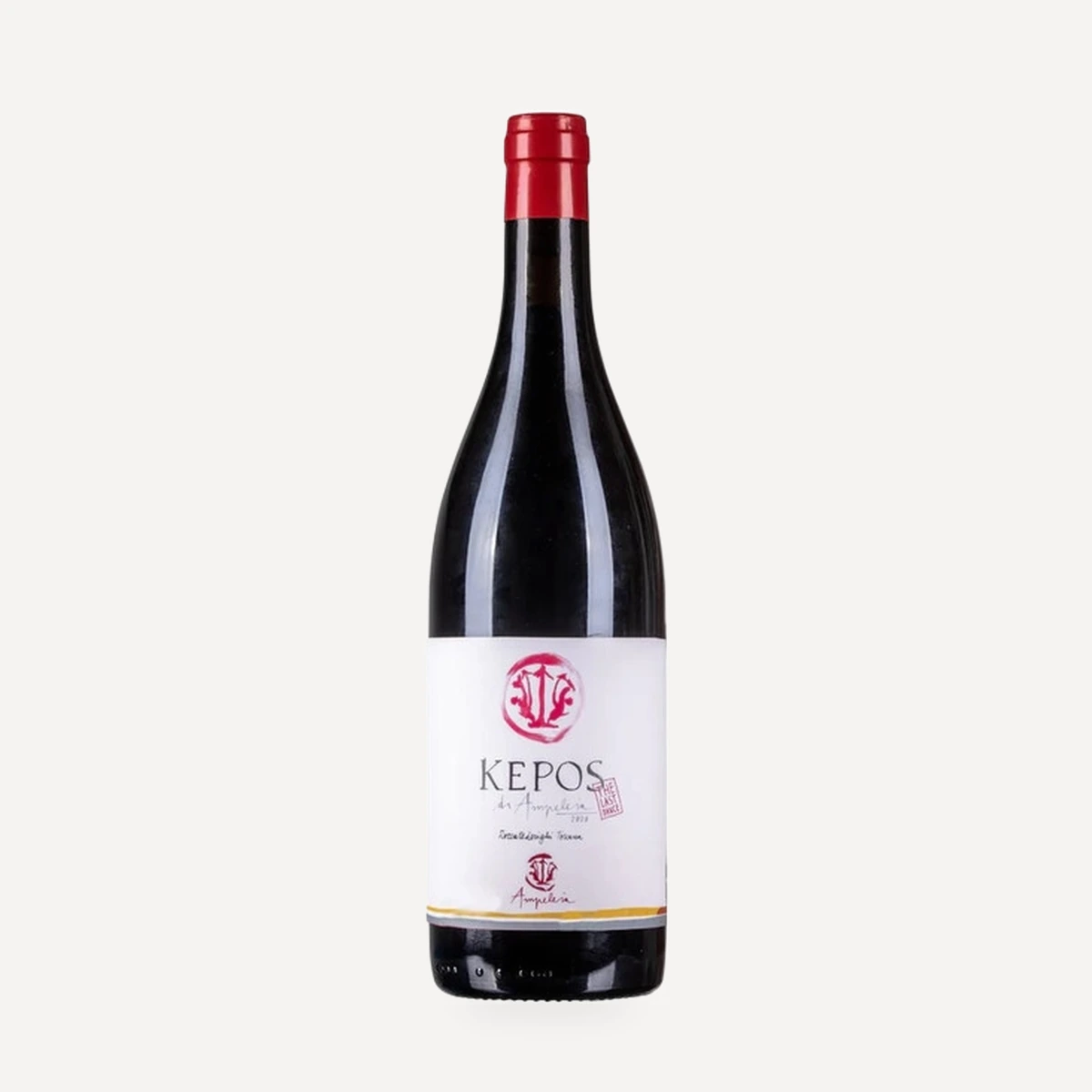
The estate subsequently isolated two very small Cabernet Franc selections within La Rocca. The lower, warmer and particularly stony 30 File first appeared in 2019; the slightly higher 16 File, distinguished by visibly different spring vegetation, followed in 2020. Their grapes are harvested and vinified separately each year.
A broader agricultural estate — 2020
In 2020 Ampeleia introduced flour and extra-virgin olive oil, extending the same agricultural philosophy beyond wine. The farm now combines vineyards with woods, arable fields, a vegetable garden, an olive grove, orchards, beehives and animals. Its Cappelli wheat is organically grown and made into bronze-drawn pasta in collaboration with the artisan producer Fabbri.
Hospitality — 2023–2024
A new tasting room and wine shop opened in 2023, creating a dedicated space for visits among the vineyards and cellar. In 2024 a farm restaurant opened beside it. The restaurant links the wines with seasonal cooking, estate-grown ingredients and products sourced from selected local farms.
Ampeleia today
The estate covers 120 hectares, including 35 hectares of vineyards; the remaining land comprises woods, arable fields and olive groves, together with smaller areas devoted to vegetables, orchards and animals. The Podini Family, led by Dr. Giovanni Podini, continues the original project. Elisabetta Foradori remains involved as a board member, while Marco Tait serves as winemaker and company manager alongside the vineyard, office and hospitality teams.
A recent identity project reorganised the labels around four horizontal lines representing the four vineyard areas and their vertical progression from the lower, maritime fields to the high vineyards enclosed by woodland.
Terroir
Alta Maremma
Ampeleia lies at Roccatederighi in Tuscany’s Alta Maremma, between high wooded hills and the maritime landscape. The vineyard environment changes markedly with elevation: the lower sites are warmer and more Mediterranean, while the upper vineyards experience cooler, more continental conditions. Sea breezes reach the estate, and the coast is visible from its terrace.
The vineyards are intentionally distributed among four distant cores rather than forming one continuous block. Depending on the individual account and boundary used, their elevations extend from approximately 200 to 600 metres above sea level. Changes in altitude, exposure, ventilation and proximity to woodland create different ripening patterns and microclimates within a relatively compact territory.
Geological setting
Every vineyard lies within the UNESCO-recognised Colline Metallifere Geopark, one of nine such geoparks in Italy. Mining and metallurgy shaped this landscape over thousands of years. The vineyard soils reflect its geological diversity: galestro, palombino, clay, pebbles, conglomerates, sand, rhyolite, grey or yellow clays, silt and marine fossils all occur across the four sites.
Forest, wind and maritime influence
Woodland, clearings, Mediterranean scrub and agricultural fields form a mosaic around the vineyards. The woods temper summer heat and winter cold, help retain moisture, protect soil quality and provide habitat for insects, birds, microorganisms, spontaneous plants and other wildlife. Ventilation is important throughout the estate, from the varied exposures of Cannucceto to the constant winds at La Rocca. The upper sites experience pronounced day-to-night temperature changes; snow frequently appears around La Rocca in winter.
Roccatederighi rises above the estate on a volcanic rock spur at 538 metres. From the upper vineyards and terrace, views extend across Grosseto Maremma toward the sea, Isola del Giglio and Elba, and in clear conditions as far as Corsica. Monte Amiata is visible from the open landscape of La Pieve.
Winemaking
Ampeleia began its organic and biodynamic transition in 2009. The 2012 harvest was the first to receive organic certification, and 2013 was the first biodynamically farmed harvest. Biodynamics is applied as a practical, observational discipline: decisions are judged by how they work in the particular vineyard rather than by adherence to an abstract formula.
All compost and spray preparations are made on the farm. Five freely grazing cows supply the manure needed for preparation 500. The integration of woods, vines, arable land, spontaneous vegetation, orchards, olive groves, beehives and livestock is intended to sustain a diverse agricultural ecosystem. The vineyard team preserves the surrounding woodland because it moderates temperatures, retains moisture, shelters beneficial wildlife, supports soil health and gives vines greater resilience.
Summer canopy work includes shoot thinning, leaf removal, hedging and, when required, crop thinning. These operations regulate canopy density, improve airflow and distribute light more evenly around the clusters while controlling excessive vigour. Leaf removal is timed carefully, usually from early to mid-season, to expose fruit without causing sunburn, particularly in warmer and drier sites.
Harvest preparation begins at veraison. The team observes each parcel, row and sometimes individual bunches, checking berry colour, skin texture, acidity, structure, fruit integrity and the balance between freshness and concentration. Weather alone does not determine picking dates: the condition of the grapes and the intended expression are also considered. Hot years can advance the harvest, while rain and more even conditions can extend ripening. Grapes are harvested by hand.
Ampeleia’s cellar work is organised around preserving the identity and natural balance of fruit from four contrasting vineyard areas. Grapes are hand-harvested after parcel-by-parcel assessment. Before the fruit arrives, tanks and reception areas are cleaned and prepared, spaces are organised, and vineyard and cellar teams coordinate timing.
Fermentation begins after the must enters the cellar, and decisions are adjusted to the character of the vintage and individual parcels. Concrete tanks are a central vessel throughout the range and are chosen to preserve balance without imposing a strong external character. Whole clusters are used selectively, and the estate also works with co-fermentation or infusion of whole bunches where this serves a particular expression. The smallest Cabernet Franc row selections, 16 File and 30 File, are harvested and vinified separately so that their individual sites retain distinct voices.
The approach avoids a fixed recipe: each vintage is interpreted through observation of its fruit, acidity, structure and seasonal conditions. Cellar timing is treated as a continuation of the decisions already made in the vineyard.
Philosophy
Ampeleia’s guiding idea is that wine is more than a product: it is the result of place, season, time, human work and care. The estate describes “gentleness” as the thread connecting agricultural choices, cellar timing, hospitality and relationships with the people who work at and drink its wines.
Its declared objective is to let wine reveal its origin without force. This means preserving biodiversity, accompanying the season without rushing it, farming biodynamically, harvesting by hand and using concrete to maintain balance. Gentleness is not presented as passivity; it is paired with ambition, close observation and a willingness to make demanding choices.
The farm sees itself as a guest and custodian of the land, with a moral obligation to leave it in better condition. Agriculture is understood as a balance among soils, plants, animals, seasons and human life rather than as a monoculture. The project also seeks to give farming social value by bringing young people back to rural homes, supporting personal growth and creating a place for dialogue and gathering.
Authenticity depends on protecting what is intact rather than merely appearing simple. The fragmentation of the vineyards, their demanding distance from one another and their contrasting environments are therefore treated as strengths: they allow each wine to carry more of Alta Maremma’s complexity. Practical observation takes precedence over rigid definitions, and the essential question applied to any practice is whether it benefits the living vineyard and improves the fidelity of the resulting wine.
Wines
Unlitro
Rosato di Ampeleia
Bianco di Ampeleia
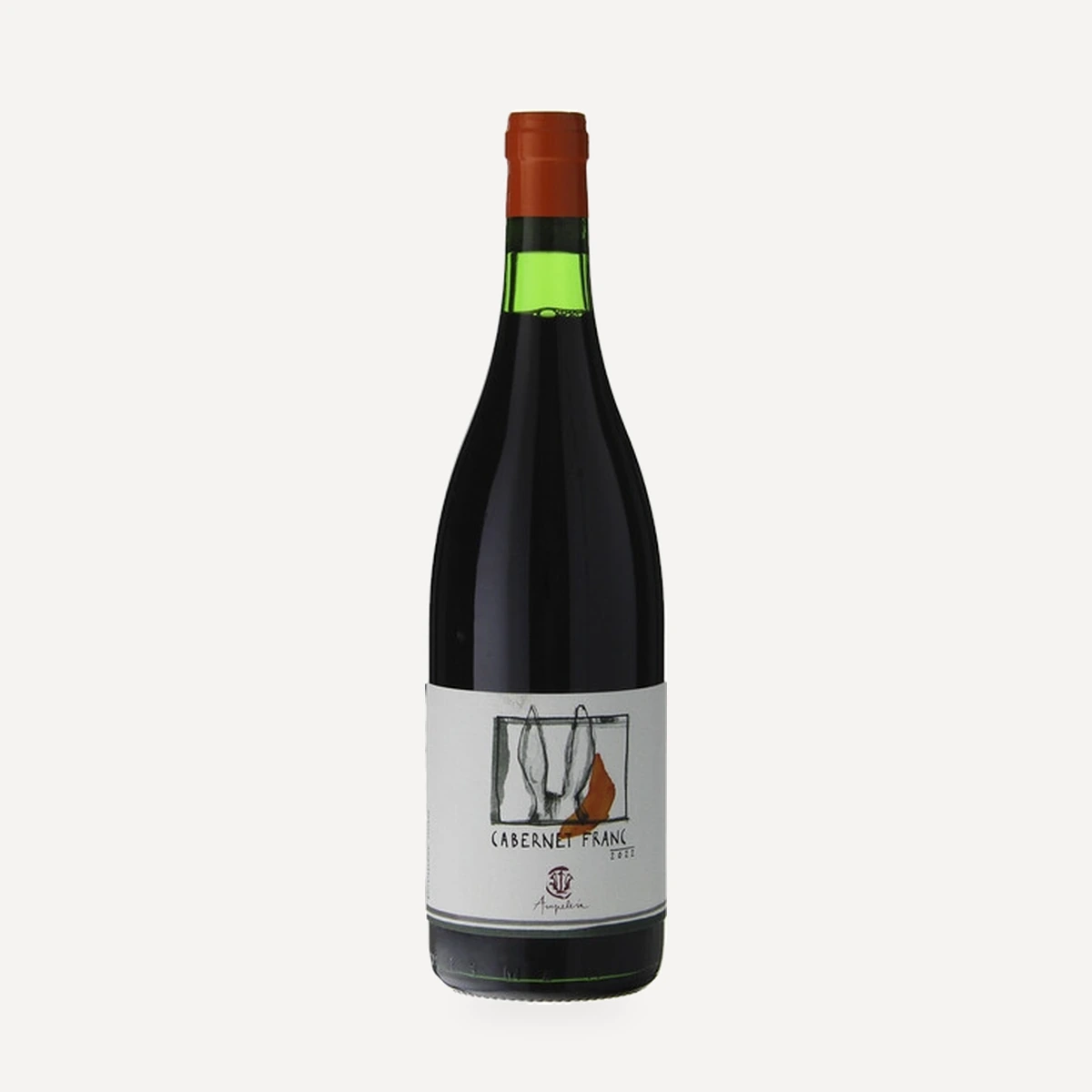
Cabernet Franc
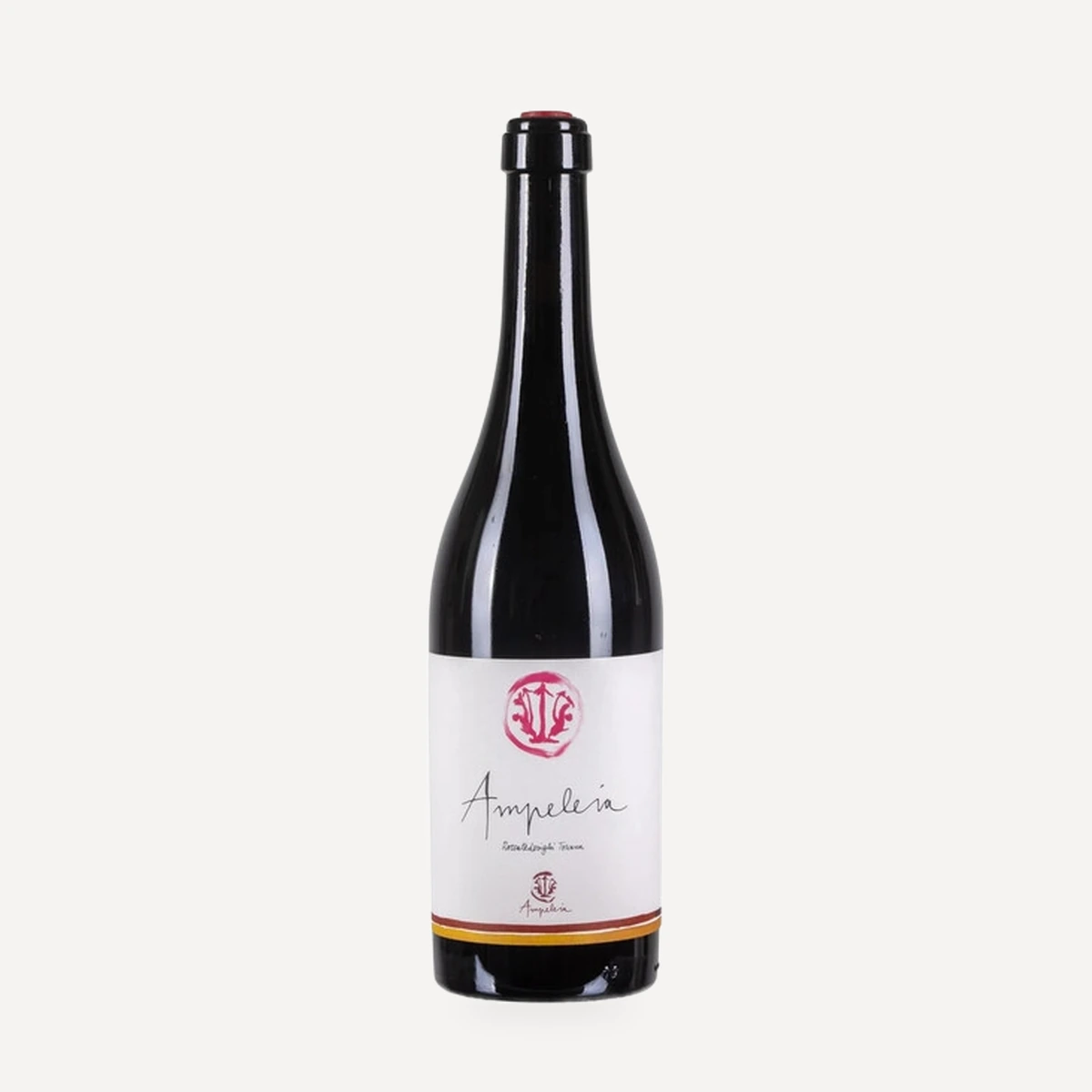
Ampeleia
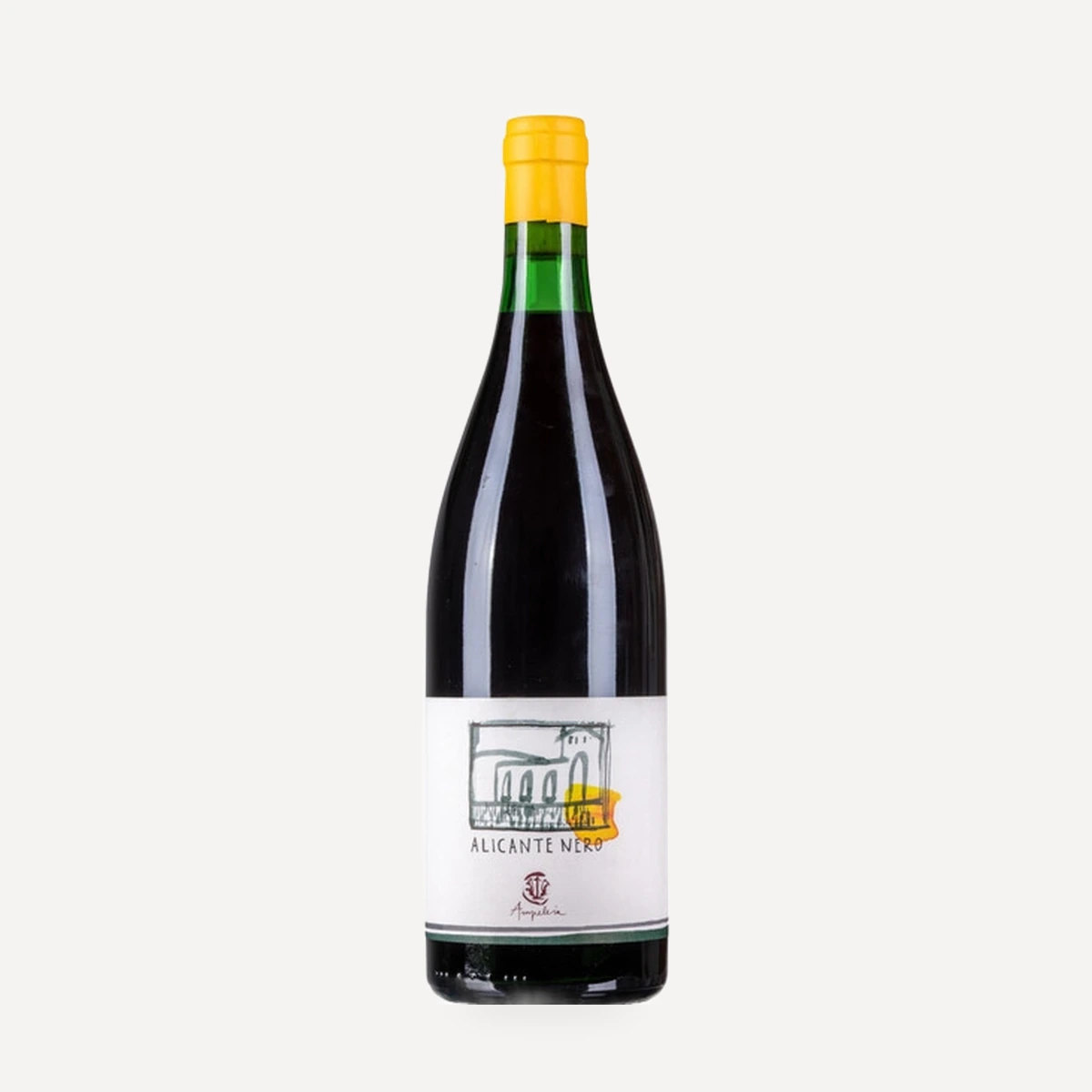
Alicante Nero