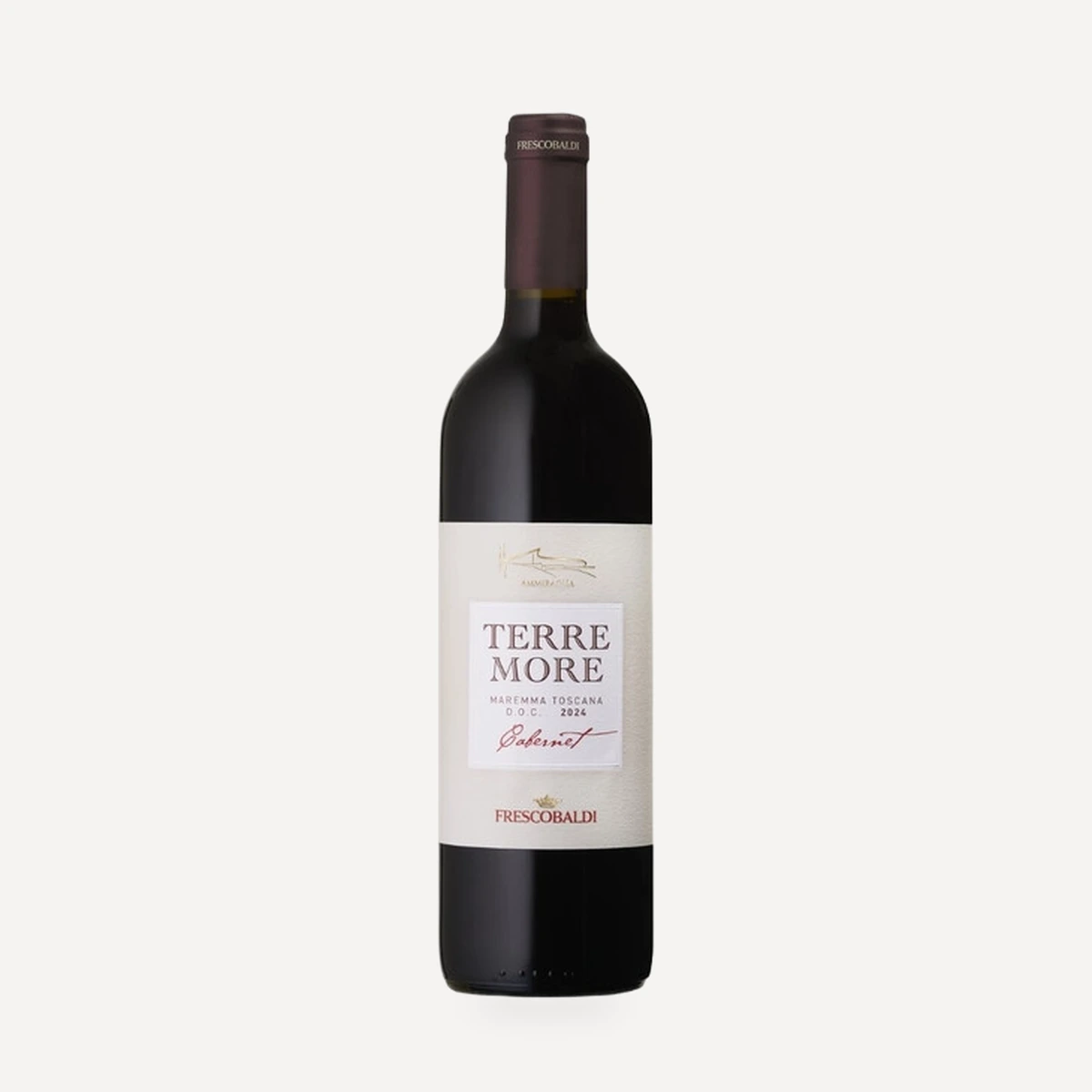
About this wine
Vineyard and terroir
The grapes come from the Tenuta Ammiraglia vineyards in Maremma, at around 300 m altitude on stony clay-limestone soils. The clay retains moisture and helps the grapes ripen, while the stony structure helps preserve freshness and aromatic precision. Sea breezes from the Tyrrhenian coast reduce heat stress, and the difference between day and night temperatures helps maintain acidity and aromatic purity.
Grapes
Cabernet Sauvignon leads the blend, with smaller amounts of Merlot and Syrah. Cabernet gives structure, dark-fruit notes and a focused character. Merlot softens the texture and adds roundness. Syrah brings spice and warm southern aromas.
Vinification
The grapes are carefully harvested and gently pressed. Fermentation takes place in temperature-controlled steel tanks.
Ageing
Part of the wine is aged in second- and third-use French oak barriques, which add notes of vanilla and mild spice and a rounder texture. The wine then spends additional time in bottle, developing balance and harmony.
Tasting profile
Juicy, full-flavoured and elegant, with a lively Mediterranean character and a well-balanced structure. Oak contributes vanilla and mild spice; the blend adds dark fruit and spice.
Serving and pairing
Suited to Italian meat dishes, for example at an outdoor dinner in the warmer months.
Vintage notes
2024 had a mild winter, a wet spring and a drier summer, with temperature changes closer to harvest. The grapes kept their freshness while reaching full physiological ripeness.
Label / history
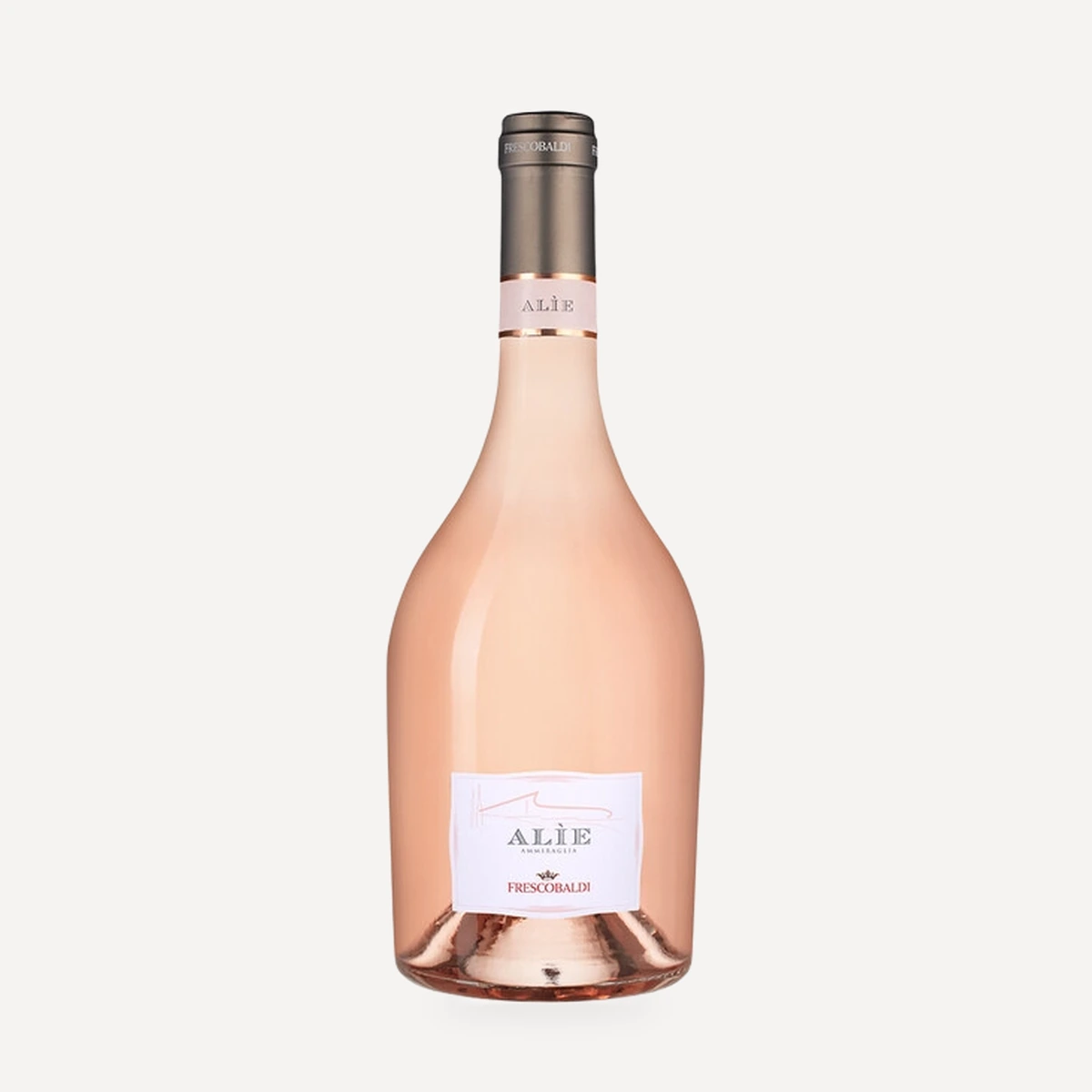
The wine is made at Tenuta dell'Ammiraglia, a Frescobaldi winery in the heart of Maremma. The estate was once granted by the Pope to a naval commander in gratitude for successful battles against the Venetian fleet. Frescobaldi later renamed it from "La Capitana" to "Ammiraglia", meaning "flagship" in Italian, keeping the maritime theme. The winery, designed by architect Piero Sartogo, is set within a fissure in the rock and integrated into the landscape. It sits in a sunlit, hilly area where sea breezes soften the high summer temperatures.
The Frescobaldi family has grown grapes for 700 years. In the 14th century it supplied wine to the English royal family and to European courts. From the second half of the 20th century it was among the first in Tuscany to plant Chardonnay, Cabernet, Merlot and Pinot and to introduce new winemaking methods. In 1989 it purchased the largest estate in the Brunello region, and in 1995 it signed an agreement with a Californian winery for a joint venture in Tuscany. It remains family-owned, with nine Tuscan estates using only estate-grown grapes, aged in French oak barrels and steel tanks, and exports to more than 60 countries.