History
1871 — Antonio Garofoli begins making wine
Garofoli’s winemaking story began in 1871, when Antonio Garofoli started producing and selling wine from a small tavern on the pilgrimage route to Loreto.
1901 — Gioacchino Garofoli establishes the company
In 1901 Antonio’s enterprising son Gioacchino gave the activity a formal legal identity by founding the firm Gioacchino Garofoli, with its registered office in Loreto. During this formative period he also built the first underground cellar for making and preserving wine. Garofoli treats 1901 as the formal foundation year of the company.
1920s — Family-led growth
During the 1920s, Gioacchino developed the business with the assistance of his wife, Ida, and their nine children. Production and distribution expanded continuously. Wine was no longer sold only at the cellar: it also reached taverns and restaurants throughout the surrounding area.
1950s — Bottled wine and industrial modernization
Franco and Dante, two of Gioacchino and Ida’s nine children, continued their father’s work. Their decisive innovation was to move a good table wine beyond the traditional bulk-wine and tavern market. Garofoli began bottling wine under the producer’s own identity and distributing it through food shops that did not hold licences to serve loose wine. The bottle and producer’s brand replaced anonymity and opened a broader retail market.
The strategy brought substantial commercial success, growth in the scale of the company and wider market penetration. The cellars at Castelfidardo were enlarged, the facilities modernized and one of Italy’s first automatic bottling lines installed. Garofoli’s experience with sparkling wines also dates from the early 1950s.
1960s — Rosato and Charmat sparkling wine
As economic prosperity changed drinking habits, Garofoli introduced new styles intended for a more modern market, including rosato and a sparkling wine made by the Charmat method. The family identifies itself as a creator of rosato since 1960.
1973 and the 1970s — The fourth generation and new oenological directions
Carlo and Gianfranco, Franco’s sons, entered the business in 1973. They worked alongside their father and their uncle Dante during a period of major cultural change in Italian wine. The recent establishment of Italy’s first DOC denominations encouraged a stronger focus on quality and stimulated experimentation with local grape varieties and different oenological techniques.
During this decade Garofoli introduced a new traditional-method sparkling wine, described as the first Metodo Classico made in the Marche. Its Italian sales network reached its greatest extent, while distribution was expanded into new foreign markets.
1980s — Innovation and recognition
The 1980s brought the emergence of the first influential wine guides and major growth in Italian sommelier culture. Wines developed by Carlo and Gianfranco were presented as among the region’s most innovative and widely awarded, positioning Garofoli as an early mover in the modernization of Marche wine.
1990s — International expansion
The wine culture that had developed during the 1980s became an international phenomenon in the 1990s. Garofoli’s new wines from the previous decade achieved sustained success in Italy and abroad, attracted attention from specialist publications and wine guides, and gained distribution extending from Tokyo to Rio de Janeiro.
2000s — The cellar becomes a visitor experience
In the new millennium, Garofoli began treating wine not only as a bottled product but also as an experience. The historic cellar remained on its established site but was redesigned and renovated to receive visitors from around the world.
In September 2005 the fifth generation entered the company: Gianfranco’s children Caterina and Gianluca, together with Carlo’s daughter Beatrice.
Today — Fifth-generation leadership
Garofoli is now led by Gianluca and Caterina, supported by their father Gianfranco and their uncle Carlo. Its direction combines the development of new wines with innovation, environmental attention and continuity with family tradition. Across five generations, the company has retained its connection to Loreto, Castelfidardo and the wine-growing territories of the Marche.
Terroir
Garofoli’s viticultural setting spans the Marche between the upper Misa valley and the Esino valley, where the region’s green hills approach the Adriatic Sea. The wider landscape is dominated by hills descending eastward from the Apennines toward the coast, arranged around 13 valleys crossing the region.
The hills are characterized by soils of medium or loose consistency. Their viticultural conditions combine shelter from maritime winds with strong luminosity and direct solar warmth. The company also works in contrasting settings within this broader landscape: estate vineyards around Montecarotto in the Castelli di Jesi area; the high Esino valley and its mountain-influenced Verdicchio di Matelica zone; and selected vineyards around Monte Conero.
Monte Conero rises sharply from the Adriatic immediately south of Ancona. Its rocky slopes descend steeply toward the coast, while the surrounding area includes Portonovo, Sirolo and Numana and has formed part of the Conero regional park since 1987. Garofoli’s Conero material includes vineyards with predominantly calcareous or medium-textured, limestone-rich soils. In the high Esino valley, the terrain used for Verdicchio di Matelica is described as clayey. Around Montecarotto, medium-textured ground includes alternating clay-rich and sandy zones.
The regional vineyard landscape has changed substantially over recent decades. Vines once trained on trees or grown on household pergolas have largely given way to more rational, entirely vertical systems, including double-arched training.
Winemaking
Garofoli follows the Disciplinare di Produzione Integrata della Regione Marche, a voluntary integrated-production protocol described as more restrictive than general national regulation. The protocol limits plant-protection products and prohibits chemical substances considered harmful to vineyard workers, local residents and consumers.
The company’s agronomists manage each holding with the aim of expressing its particular soil while maintaining fertility and the wider agricultural ecosystem. Identified practices include:
- selecting certified vine cuttings;
- fertilizing soils with organic matter;
- using mating disruption as a natural means of controlling harmful pests;
- installing monitoring traps;
- pruning to renew and strengthen the vines;
- maintaining hedges and dry-stone walls as habitat for species useful to the ecosystem;
- managing drainage to avoid excess humidity, root rot, diseases of the aerial parts of the vine and oxygen-deprived soils;
- disinfecting vineyard tools and machinery to reduce the spread of pathogens.
Pruning is also treated as a preventive measure: an adequately opened canopy improves the action of sunlight and natural antagonists that inhibit pathogens, while plant renewal supports vine health and resistance to pest pressure. Borders and hedges help limit the spread and effects of harmful organisms, maintain crops in productive condition and support the balance of the agroecosystem.
Integrated pest management is organized around prevention, observation and proportionate intervention. Harmful organisms are monitored, potential economic damage is assessed, and biological, agronomic and physical controls are incorporated before or alongside restricted chemical measures. The intended outcomes are durable protection, lower risks to workers and bystanders, efficient use of resources, healthy harvests and reduced environmental impact.
Garofoli wines carry SQNPI — Sistema di Qualità Nazionale di Produzione Integrata certification issued by RINA AGROQ, an organization accredited by the Italian Ministry of Agriculture for vineyard certification. Compliance is checked throughout the production chain, from vineyard work through bottling, by both internal controls and inspectors. Each certified bottle is traceable and must derive exclusively from certified grapes.
Garofoli’s production infrastructure began with the underground cellar built by Gioacchino Garofoli after the company’s formal establishment in 1901. In the 1950s, the move from bulk wine to producer-bottled, branded wine transformed the production model. The Castelfidardo cellars were enlarged, equipment was modernized and one of Italy’s first automatic bottling lines was installed.
The company developed sparkling-wine expertise from the early 1950s. During the 1960s it produced Charmat-method sparkling wine, and in the 1970s it introduced a traditional-method sparkling wine described as the first Metodo Classico made in the Marche. That period also brought systematic experimentation with different oenological techniques applied to local grape varieties.
In the 2000s, the historic winery was redesigned and renovated without leaving its established location. The project adapted the working cellar to receive visitors and present the family’s winemaking history as an experience.
Current certified production is controlled as a continuous chain beginning in the vineyards and ending at bottling. Inspections and internal controls provide bottle-level traceability and verify that certified wines originate entirely from certified grapes grown under the Marche integrated-production protocol.
Philosophy
Garofoli’s guiding principle is to update production methods continuously while respecting the historical practices of winemaking. Responsiveness to changing markets is balanced with fidelity to the characteristics and values transmitted by local tradition.
The family presents care for the land, its preservation and its support as fundamental to its work. Environmental responsibility extends to vineyard workers, other people living in the territory and consumers. Its integrated-production programme is intended to unite varietal character with respect for the environment and the people who inhabit and work in it.
This approach is explicitly intergenerational. The objective is to pass on clean, protected land rich in biodiversity, just as previous generations passed the vineyards to the present family. Under the fifth generation, innovation and the development of future wines remain tied to that environmental commitment and to continuity with the family’s origins.
Wines
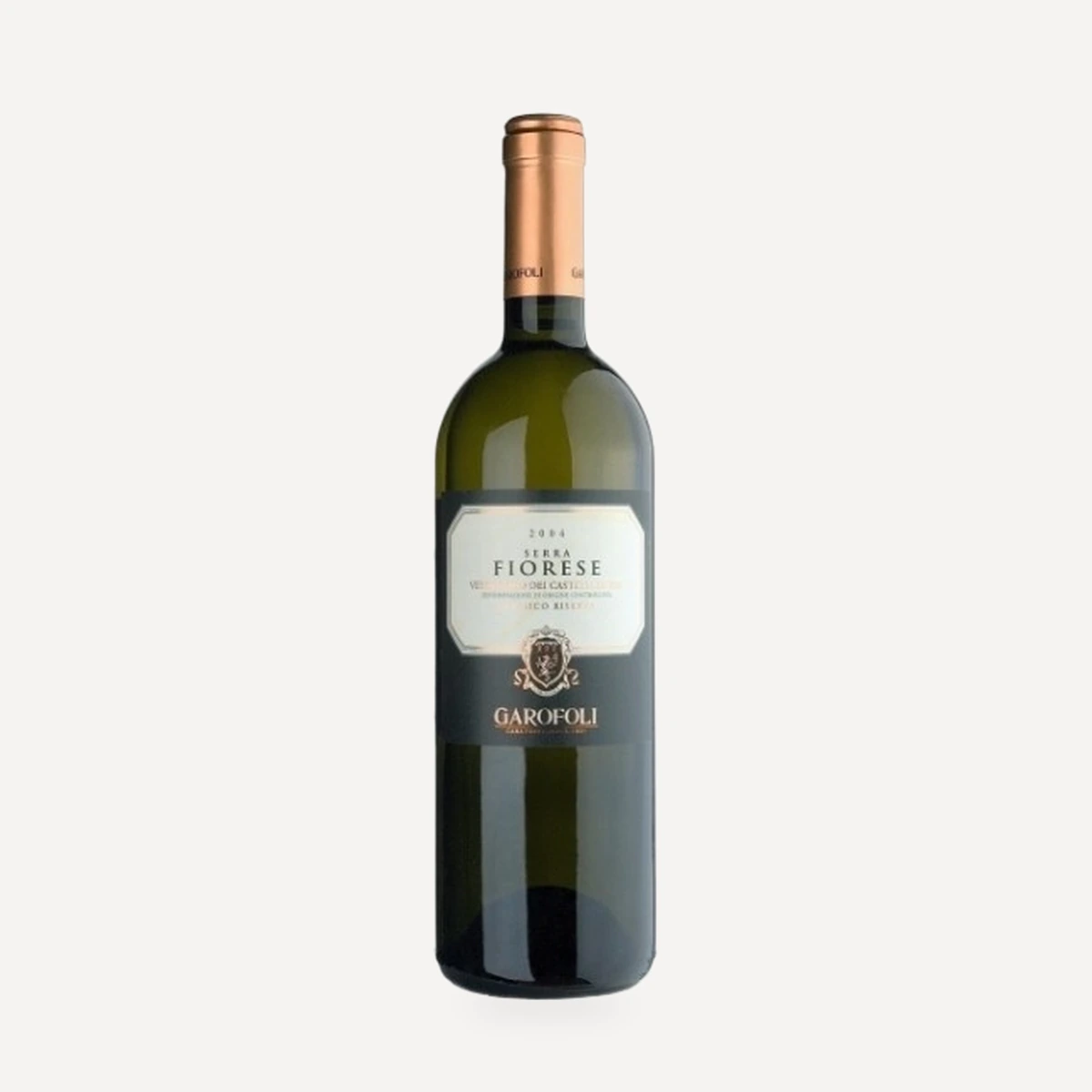
Serra Fiorese Verdicchio dei Castelli di Jesi Classico Riserva DOC
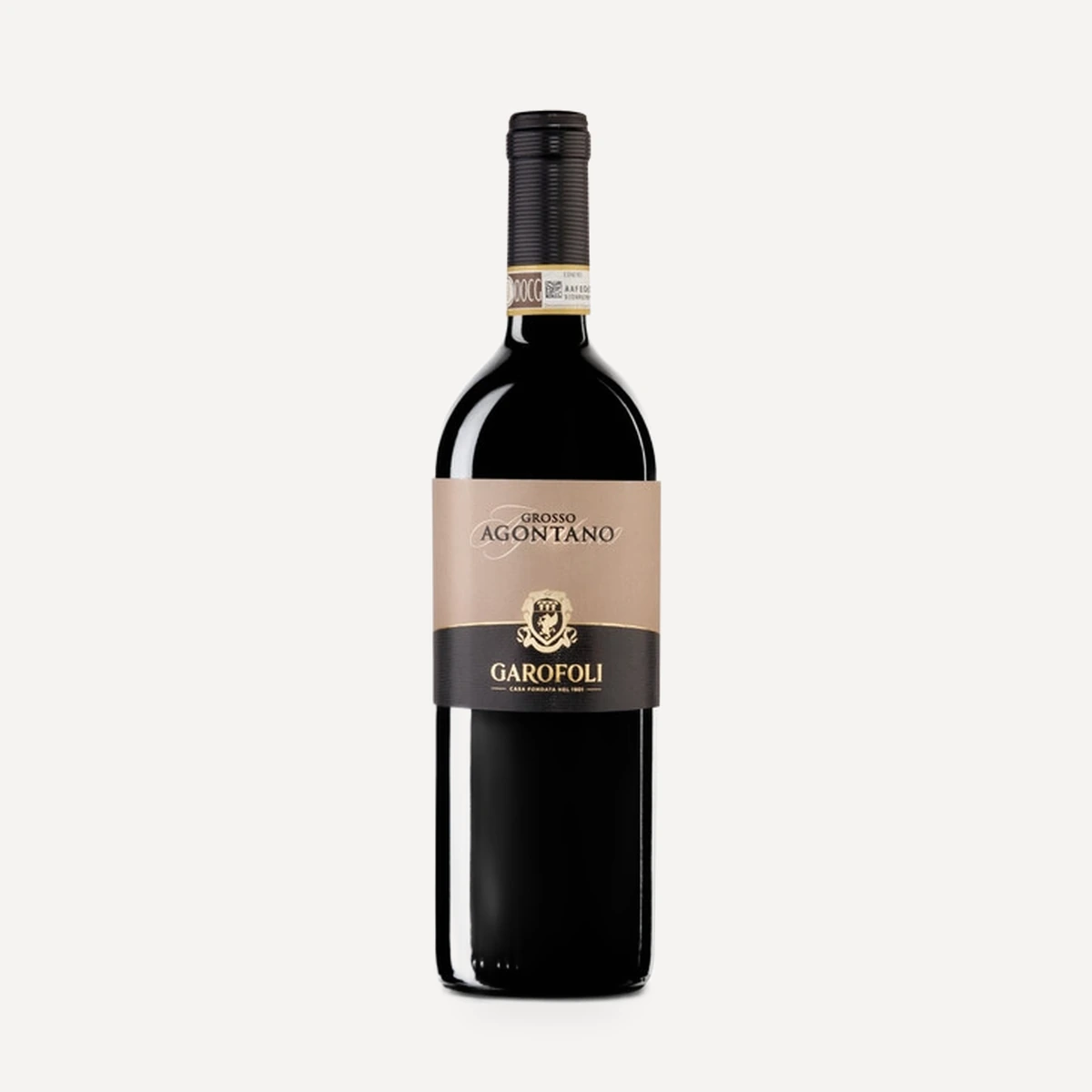
Grosso Agontano Conero Riserva DOCG
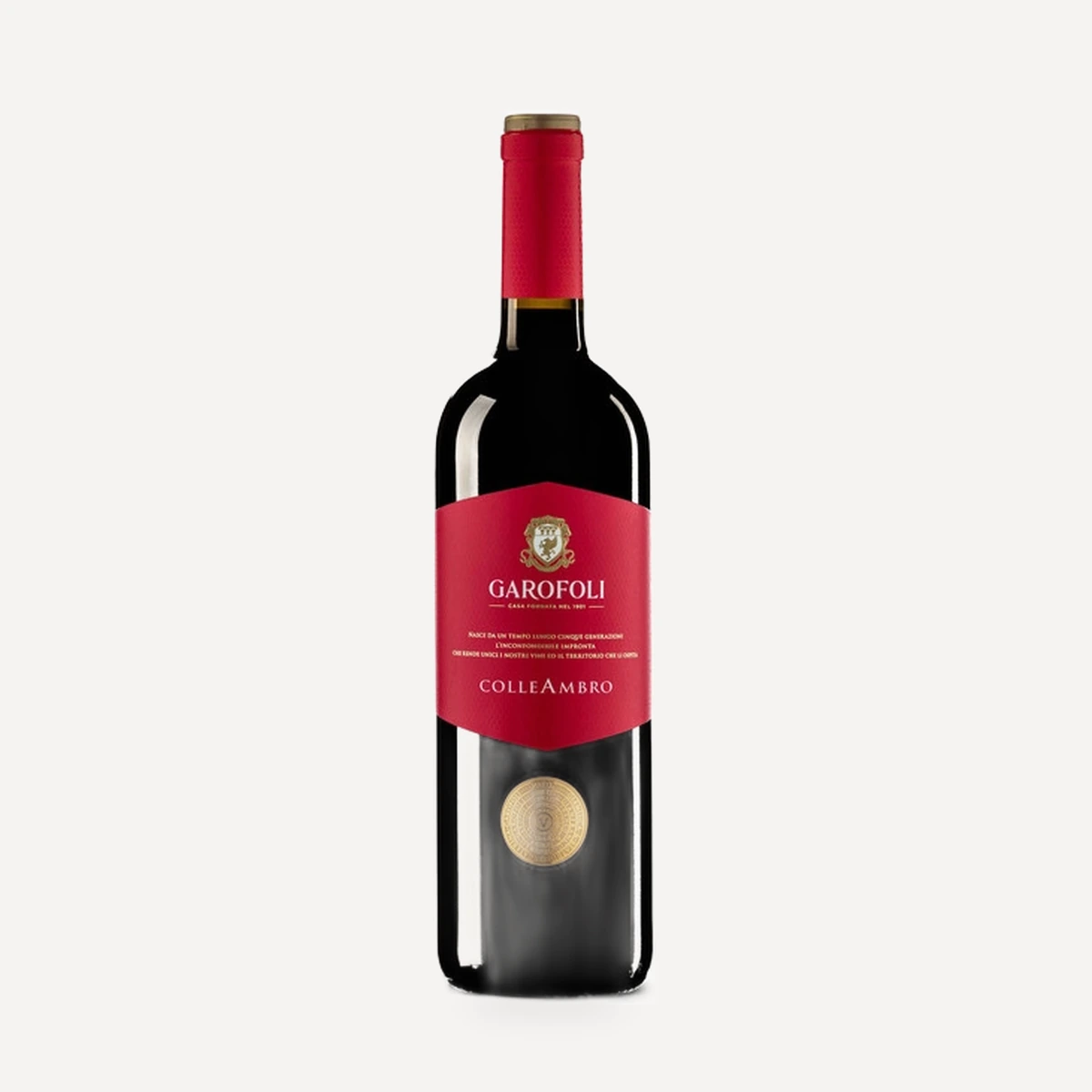
Colle Ambro Marche DOC
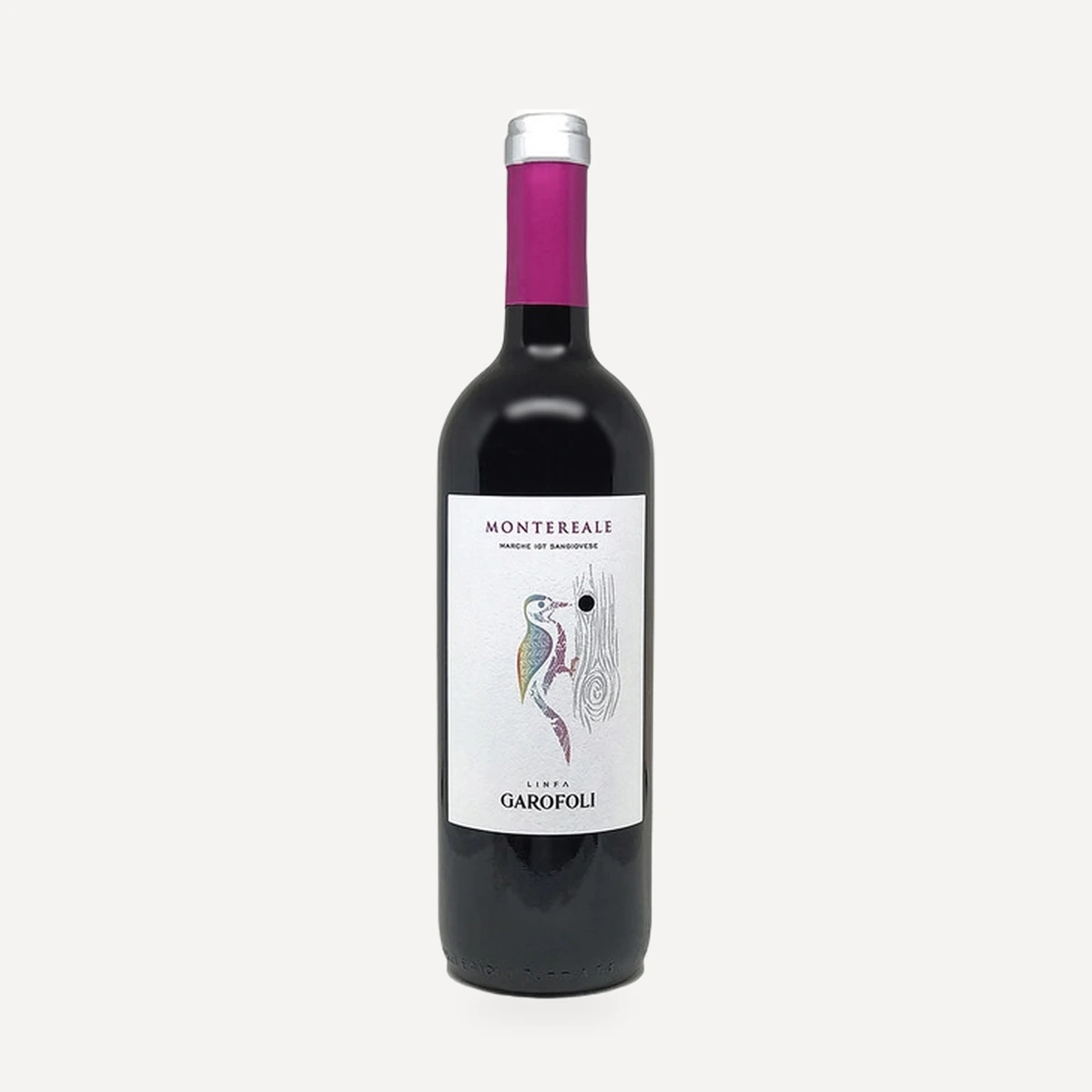
Montereale Sangiovese Marche DOC
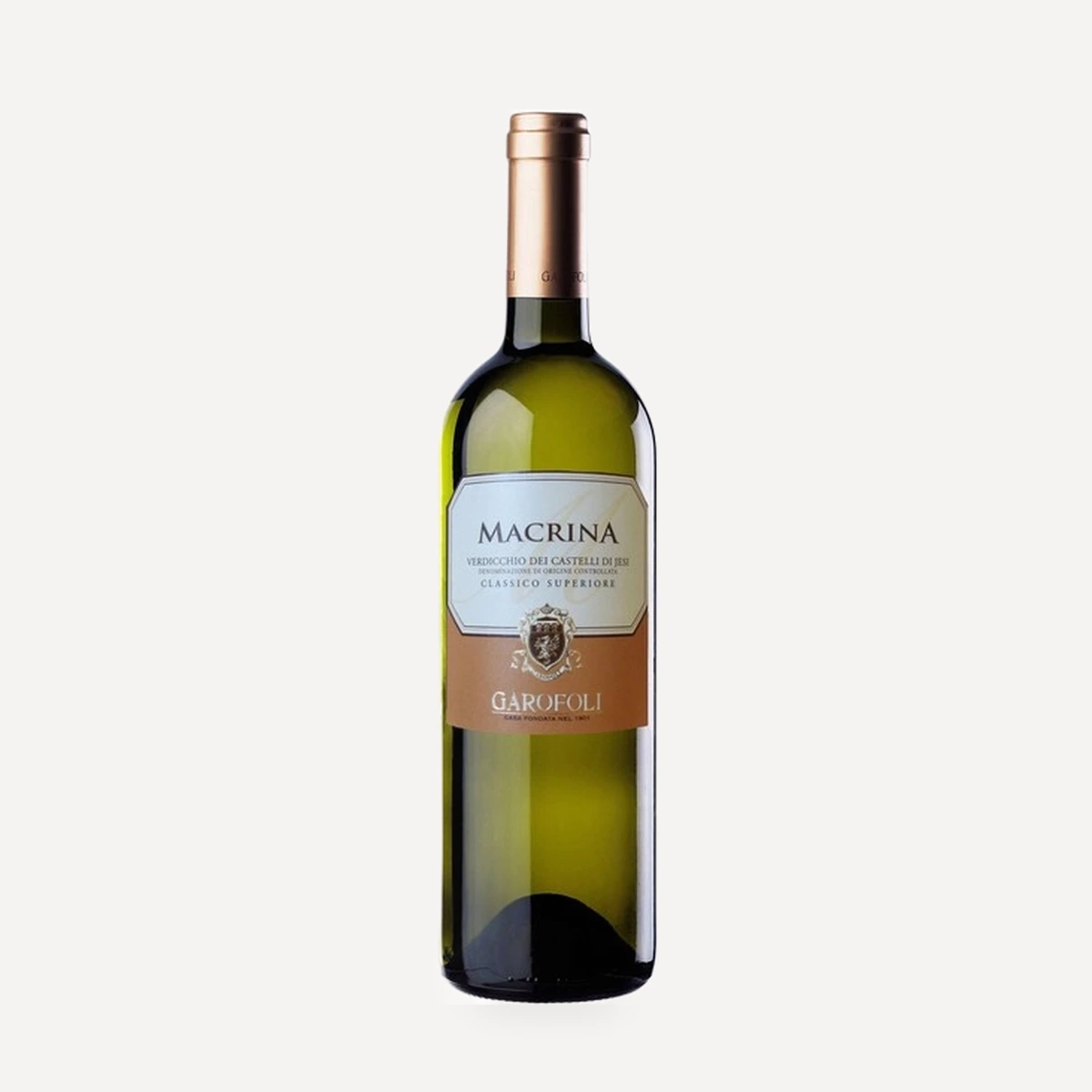
Macrina Verdicchio dei Castelli di Jesi Classico Superiore DOC
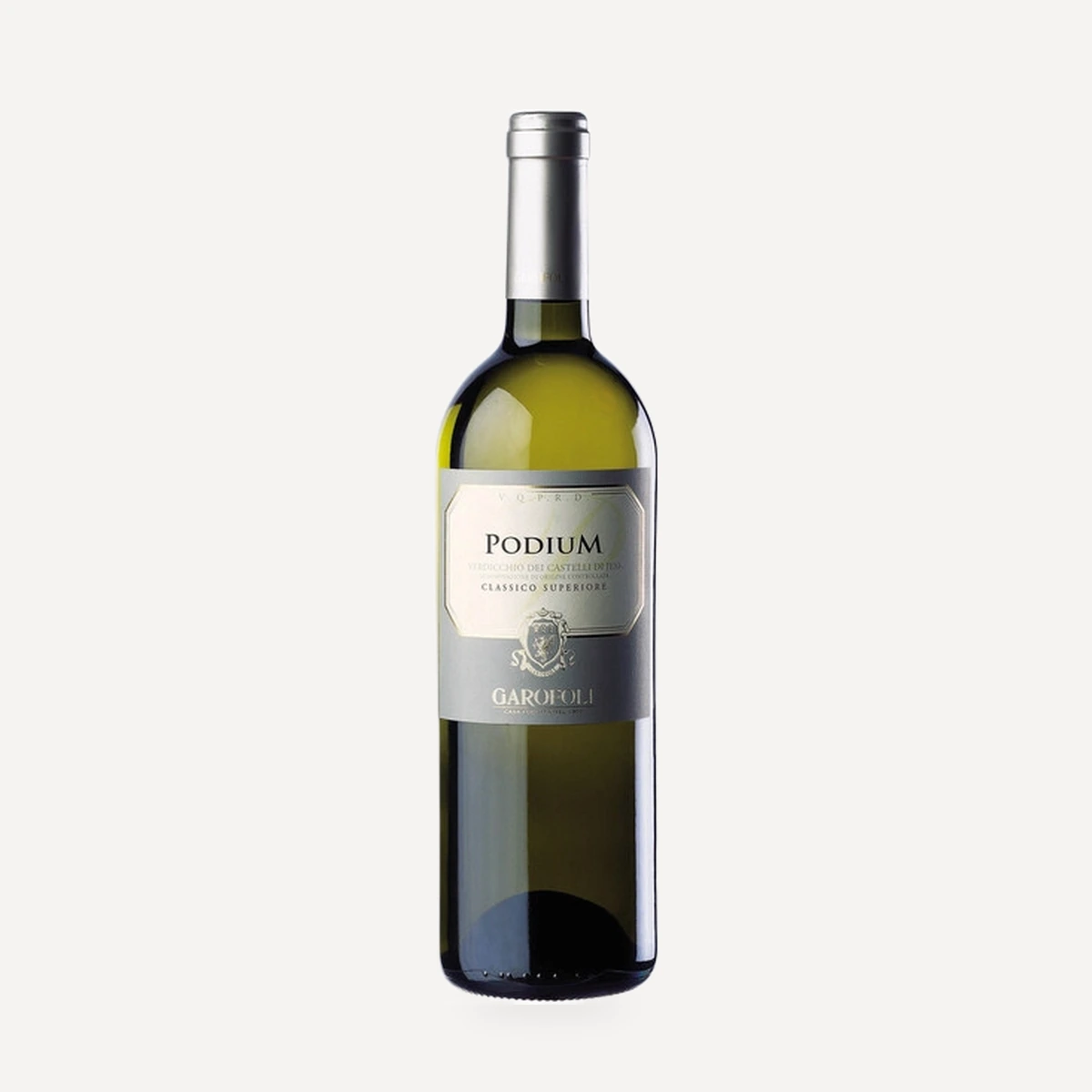
Podium Verdicchio dei Castelli di Jesi Classico Superiore DOC
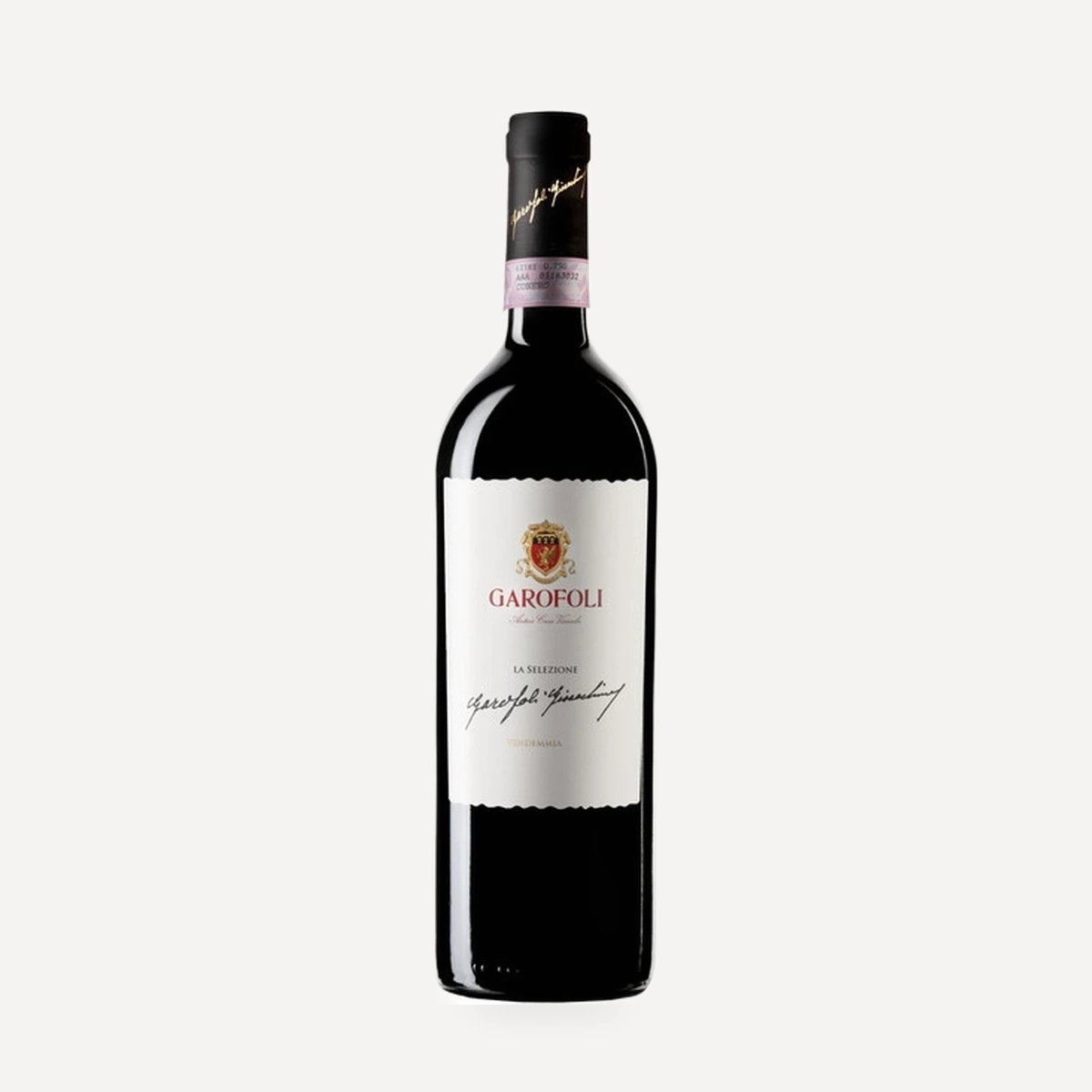
La Selezione Gioacchino Conero Riserva DOCG