History
Origins and early documentary history
Borgogno was founded in Barolo by Bartolomeo Borgogno in 1761. The earliest documented sale of its wines is a supply contract dated 19 December 1848: the Military Quartermaster of Casa Savoia selected the Giacomo Borgogno winery to supply the canteen of the College of the Savoy Army.
In 1861, the year of Italian unification, Borgogno Barolo accompanied the celebratory lunch at which the agreement was sealed. In 1908, an 1886 Borgogno Barolo was served at Racconigi Castle during a banquet honouring Tsar Nicholas II Romanov.
Cesare Borgogno and the historic reserves
Cesare Borgogno assumed management in 1920 and changed the commercial direction of the business. He began exporting to Argentina, other European markets and the United States. He also established the practice of retaining half of the Barolo Riserva production from selected vintages and releasing it only after at least twenty years. This policy created the historic reserve that remains in the underground cellars beneath Barolo.
On 17 July 1944, Wehrmacht soldiers raided Barolo and removed 240 cases of the 1935 Barolo from the cellar.
Legal dispute and succession
In 1955, the French Institut des Appellations d’Origines brought legal action against Borgogno, alleging that its name had been copied from Burgundy. The estate adopted the name “Giacomo Borgogno & Figli” in 1967.
Cesare Borgogno died in 1968. Management passed to his granddaughter Ida and her future husband Franco Boschis, followed by their sons Cesare and Giorgio. At a charity auction in 1972, a Borgogno bottle sold for 589,000 lire, a record-level price for the period.
Farinetti ownership and restoration
The Farinetti family acquired Borgogno in 2008 with a commitment to preserve its classic, traditional approach. In 2009, the principal building underwent major restoration intended to recover its original appearance.
Borgogno returned exclusively to concrete fermentation vessels in 2013. The organic-farming project began in 2015, followed by the formal conversion process in 2016. The 2015 expansion into the Tortona hills added 3 ha planted to Timorasso.
A major refurbishment of the historic cellars in 2016 uncovered the oldest concrete tanks and restored production areas. The estate also added 15 ha at Madonna di Como to its existing 20 ha. In 2017, detailed study of the territory led the team to reconsider aspects of its winemaking approach.
Organic certification and territorial expansion
The conversion to organic production was completed in 2019, yielding the first certified-organic wines. That year Borgogno also added 2.5 ha of Nebbiolo for Barolo in the Annunziata MGA at La Morra.
Four further hectares at Valbona in the Colli Tortonesi were added in 2020. The same year saw completion of the restoration of the main winery block. Casa Borgogno opened in the centre of Barolo in 2021.
In 2022, Borgogno released its first single-vineyard Derthona, Scaldapulce from the 2019 harvest. The year also brought the “Le Langhe non si perdono” initiative, centred on rethinking territory and denominations. Borgogno returned to La Place de Bordeaux through exclusive distribution of Barolo Liste and Cannubi Riserva by Bordeaux négociants.
Ten hectares at Castino in Alta Langa were added in 2023 for high-altitude Nebbiolo as an adaptation to climate change. Additional environmental and social sustainability protocols were introduced in the cellar. Borgogno obtained Equalitas certification in 2024, covering environmental, economic and social performance. The Vineyard Atlas was also completed in 2024 after more than fifteen years of observation, study and data collection.
Barolo Annunziata Riserva joined the range in 2025. During that year the completed Vineyard Atlas became a working basis for agronomic decisions, soil monitoring and closer integration of vineyard identity, terroir and agricultural sustainability.
Terroir
Barolo and the Langhe
Borgogno is based in Barolo in the Langhe, within the vineyard landscape recognized as a UNESCO World Heritage Site in 2014. Its holdings encompass vineyards, woodland and hills shaped by agricultural labour. The Barolo vineyards occupy distinct MGAs with different geological origins, elevations, exposures and soil compositions.
Liste is described as an erosional formation approximately 13 million years old. Its mixture of macro- and micro-elements distinguishes it from other Langhe soils. Borgogno’s 6.75 ha face south at 270–330 m.
Cannubi developed approximately 11 million years ago through sedimentation from the Padano sea. Its soils are dominated by large clay-limestone marls. Borgogno’s 1.30 ha face south at 290–320 m and include Cannubi San Lorenzo.
Fossati formed approximately 6 million years ago from Padano-sea sedimentation before tectonic collision and marine retreat exposed the land. Its comparatively high sand content is associated with pronounced floral and red-fruit expression. The holding lies at 290–350 m with a south-eastern exposure.
San Pietro delle Viole is described as a formation approximately 9–10 million years old and as Borgogno’s youngest Barolo vineyard. Its position near the chapel of the same name and its association with violet-like aromas inform its identity. The approximately 4 ha face south-east at 300–340 m.
Madonna di Como
Bricco Bompè covers 11 ha at Madonna di Como near Alba, only a short distance from the Barolo DOCG zone. Its name and form combine the Bricco, the sun-exposed summit, with the Sorì, the southern sector below it that receives morning sun. Soil, microclimate and exposure support Barbera d’Alba and Langhe Riesling.
Colli Tortonesi
Vigna Scaldapulce comprises 3 ha of Timorasso at Monleale in the Tortonese district, near the meeting point of Piedmont, Lombardy, Liguria and Emilia. The soil is compact clay derived from an ancient marine deposit, with blue marl associated with the Tortonian geological period. Cold winters and wide day–night temperature ranges during ripening contribute to delicate aromatic development.
Climate adaptation
Recent seasons have brought prolonged drought, concentrated heavy rain, sudden hail, high summer temperatures and earlier growing and harvest cycles. Earlier harvests affect grape ripening, fermentation management and wine characteristics. Borgogno is responding through closer analysis of exposure, elevation and soil, and through its 10 ha high-altitude Nebbiolo project at Castino in Alta Langa.
Winemaking
Borgogno manages its estate vineyards organically. Only fertilizers of organic origin are used; chemical fertilizers and herbicides are excluded, and plant-protection treatments are described as environmentally compatible. The objective is clean, zero-residue fruit suitable for spontaneous fermentation.
The organic project was initiated in 2015, the formal conversion began in 2016, and the first certified-organic wines came from the 2019 harvest. Organic certification also covers the vinification process. In 2025, 294,489 kg of the 309,405 kg of grapes pressed—95.18%—were used for organic wine. The remainder came from vineyard edges bordering crops that were not organically certified.
Biodiversity protection, soil health, responsible resource management and progressive reduction of environmental impacts are central to vineyard policy. Climate adaptation includes closer observation of altitude, exposure, soil and changing ripening dates, as well as the high-altitude Nebbiolo project at Castino.
Completed in 2024 after more than fifteen years of study, observation and data collection, the Vineyard Atlas records the agronomic, geological and climatic characteristics of individual plots. During 2025 it was used to guide targeted vineyard operations, monitor soil development and connect agricultural sustainability more closely with the identity of each terroir.
Borgogno follows a traditional cellar model based on long, spontaneous fermentations in concrete without selected yeasts. Since 2013, concrete has again been the exclusive fermentation-vessel material. The historic-cellar renovation of 2016 recovered the oldest concrete tanks and restored working areas.
Fermentation practices have remained broadly consistent for decades, while technical refinements are intended to produce clean, living wines that retain the differences between vintages. Long maturation takes place in large oak casks made from woods of different origins according to the cellar’s own combination, with Slavonian oak forming the majority. Vinification and bottling remain in the historic Barolo building, while the underground cellars extend beneath the town.
A practice established by Cesare Borgogno in 1920 reserves part—and historically half—of the Barolo Riserva production from selected vintages for at least twenty years. This long cellar ageing is intended to develop roundness, balance and aromatic complexity. Thirty historic Barolo Riserva vintages were resting in the cellar in 2025: 1961, 1967, 1978, 1982, 1985, 1988, 1995–2001 and every vintage from 2003 through 2019.
In 2025 Borgogno pressed 309,405 kg of grapes and produced 216,584 litres of wine. Almost 95.18% of the grapes processed entered organic production. Production, resource use, additives, water, energy, waste and efficiency are reviewed annually through a structured monitoring system.
Pomace is sent for distillation. Tasting bottles are normally washed and reused, broken glass is recycled, plastic packaging and silicone-backed label liners are recovered, and wooden pallets are reused through EPAL and comparable systems. Cellar modernization in 2025 included six 550- and 850-litre Clayver containers, four always-full steel containers, four tonneaux, a precision laboratory balance and a nephelometer.
Philosophy
Borgogno defines its approach through five values: slowness, habit, stubbornness, luck and thrift.
Slowness means allowing time for understanding, craft, farming and maturation. Time is treated as an essential ingredient that cannot be purchased or hurried.
Habit is the careful repetition of established gestures in the vineyards and cellar. Rather than opposing innovation, Borgogno presents this continuity as an innovation that has proved successful over time.
Stubbornness means defending ideas while continuing to question them, studying the territory deeply and supporting positions through reasoned proposals or protest. Human knowledge and collective development are treated as irreplaceable assets.
Luck acknowledges the privilege of farming in the Langhe and converts it into a responsibility toward the land, its residents and equal opportunities for workers. The agricultural role is understood as social as well as economic.
Thrift means using finite resources carefully and preserving them for later generations. It applies both to organic vineyard management and to the limited historic bottle reserve.
The production philosophy treats wine as an expression of land, human work and time. Traditional methods coexist with monitoring, research and measured adaptation. Vintage differences are retained rather than standardized, while long ageing supplies a recognizable Borgogno identity. Sustainability is framed as a continuing operational responsibility encompassing product quality and safety, biodiversity, resource conservation, workers, suppliers and the local community—not simply as a label. This is why the organic emblem appears on bottles while the Equalitas logo is deliberately omitted.
Wines
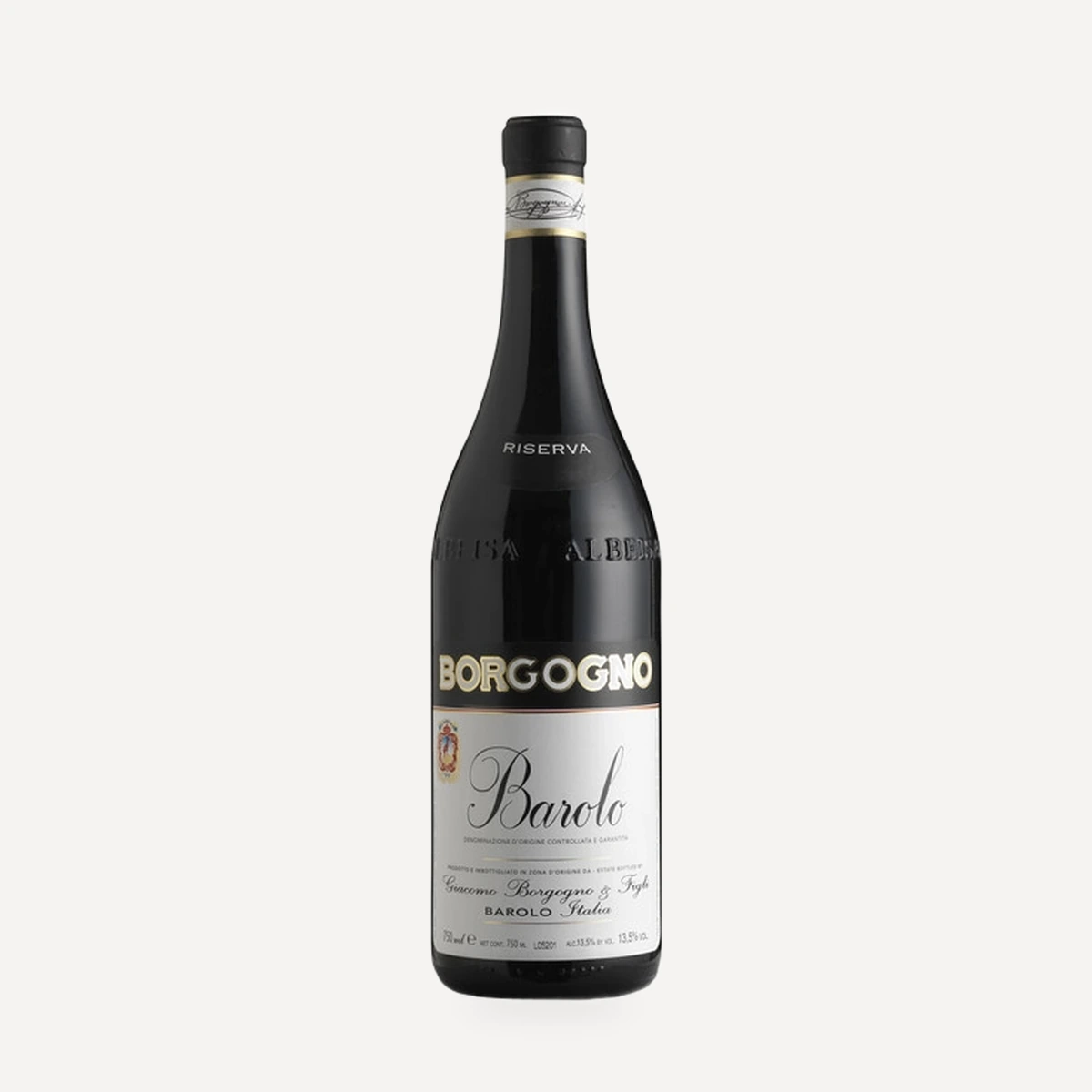
Barolo Riserva
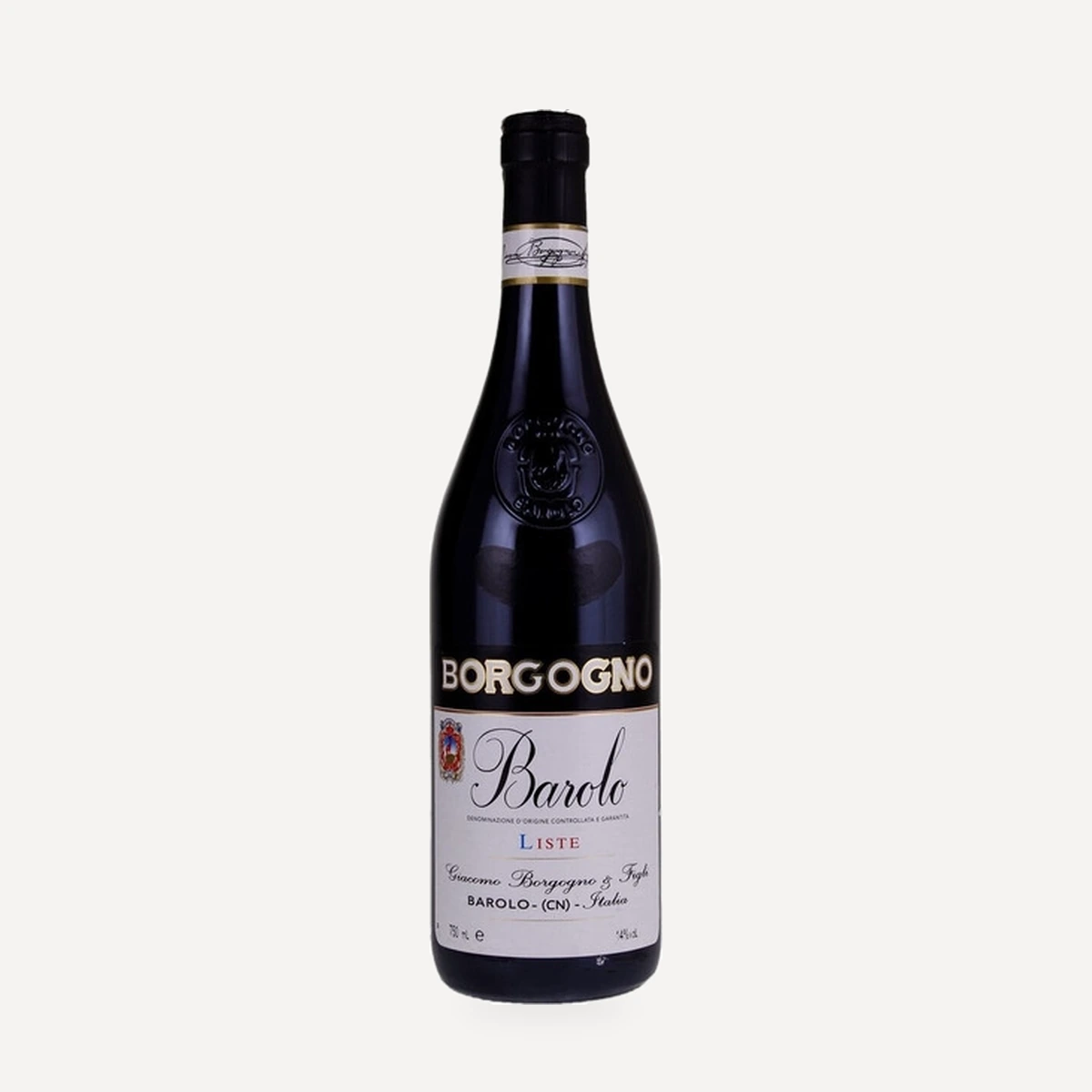
Barolo Liste
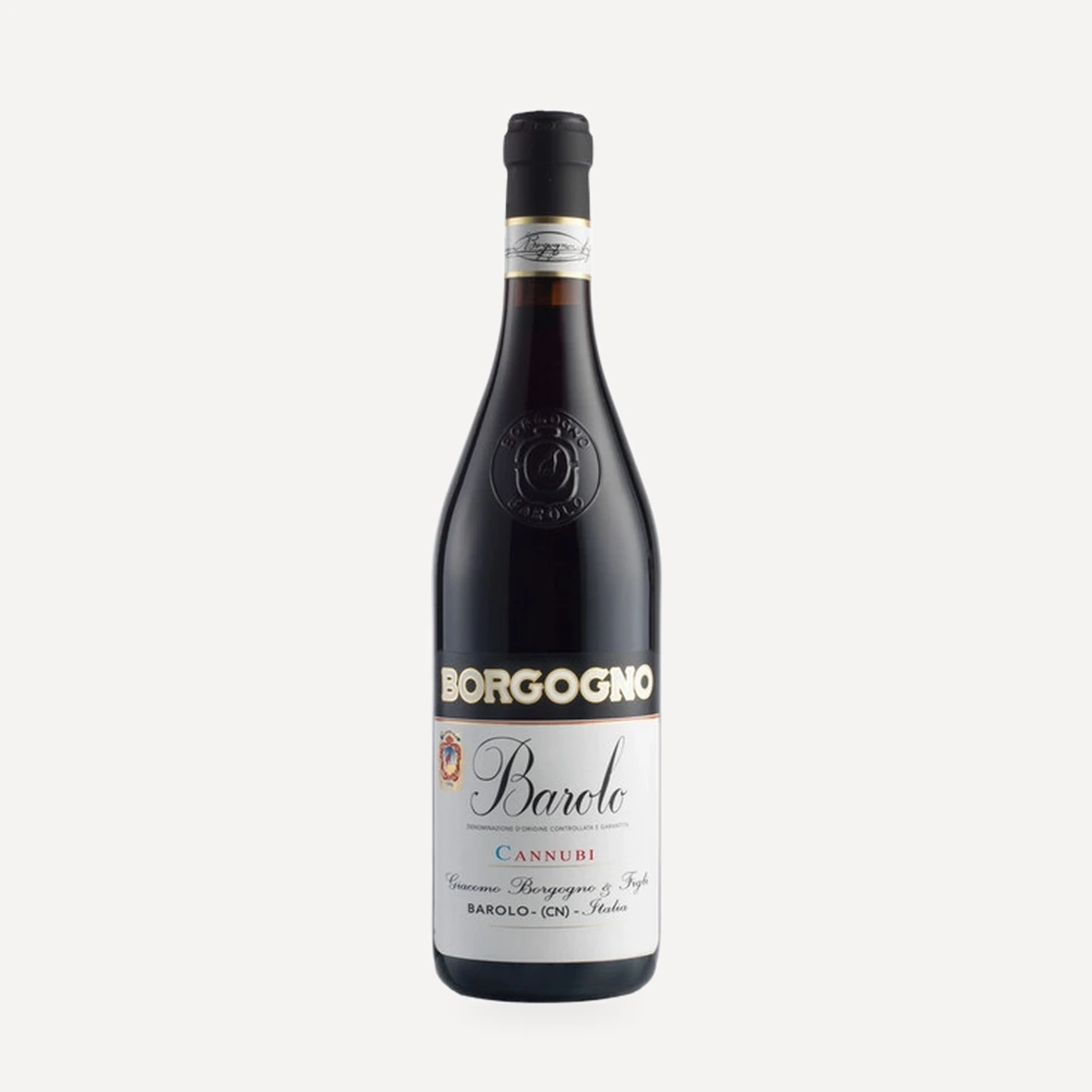
Barolo Cannubi
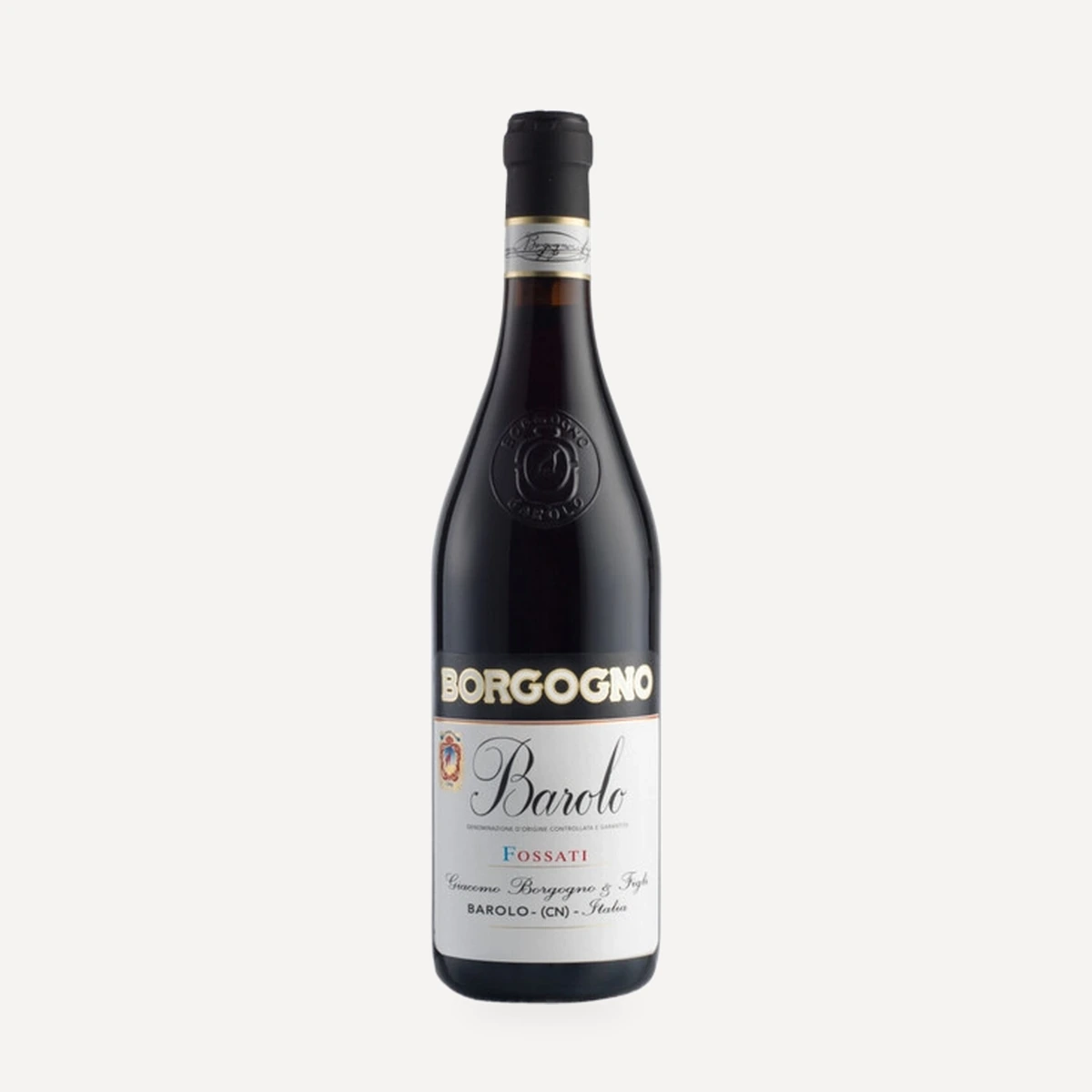
Barolo Fossati
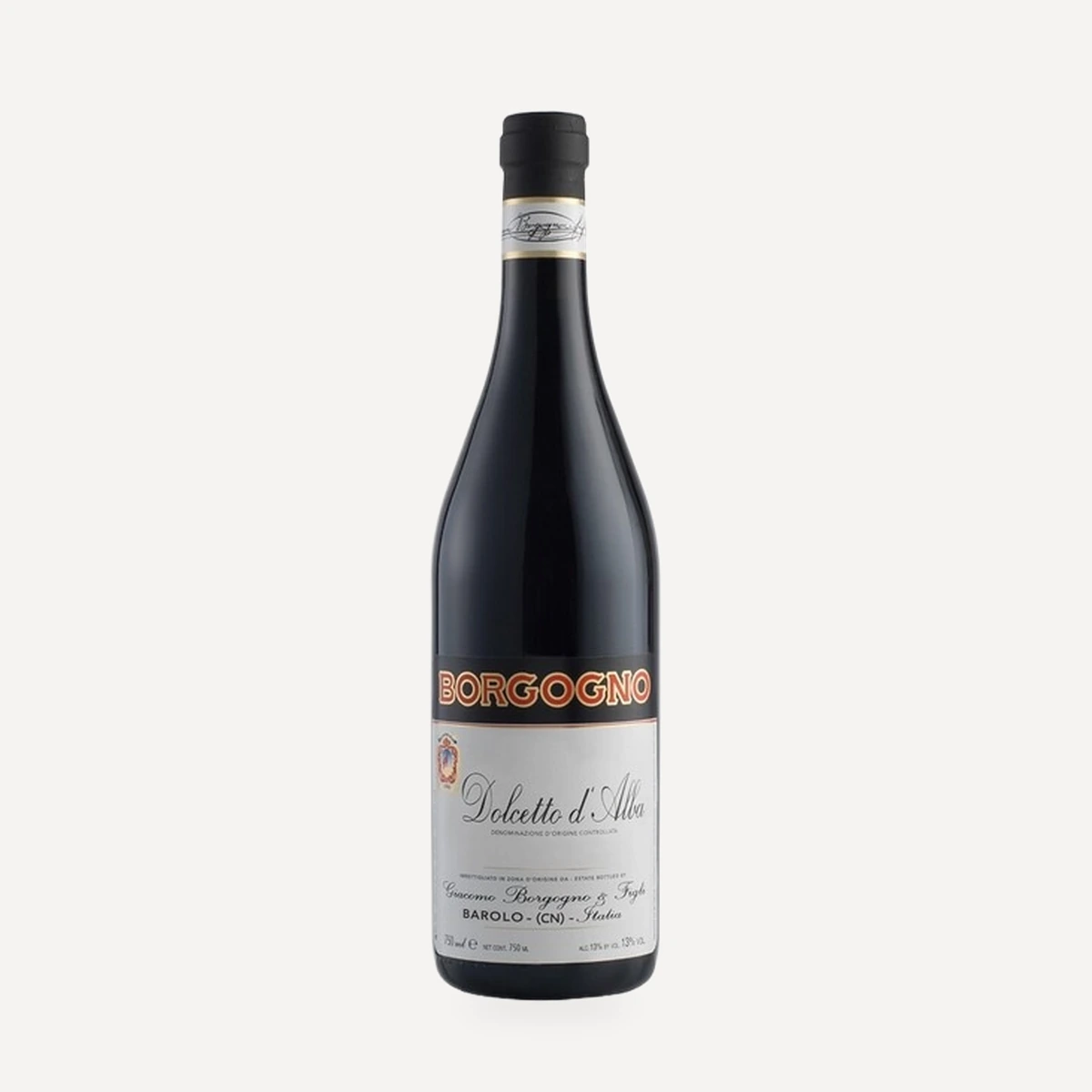
Dolcetto d’Alba
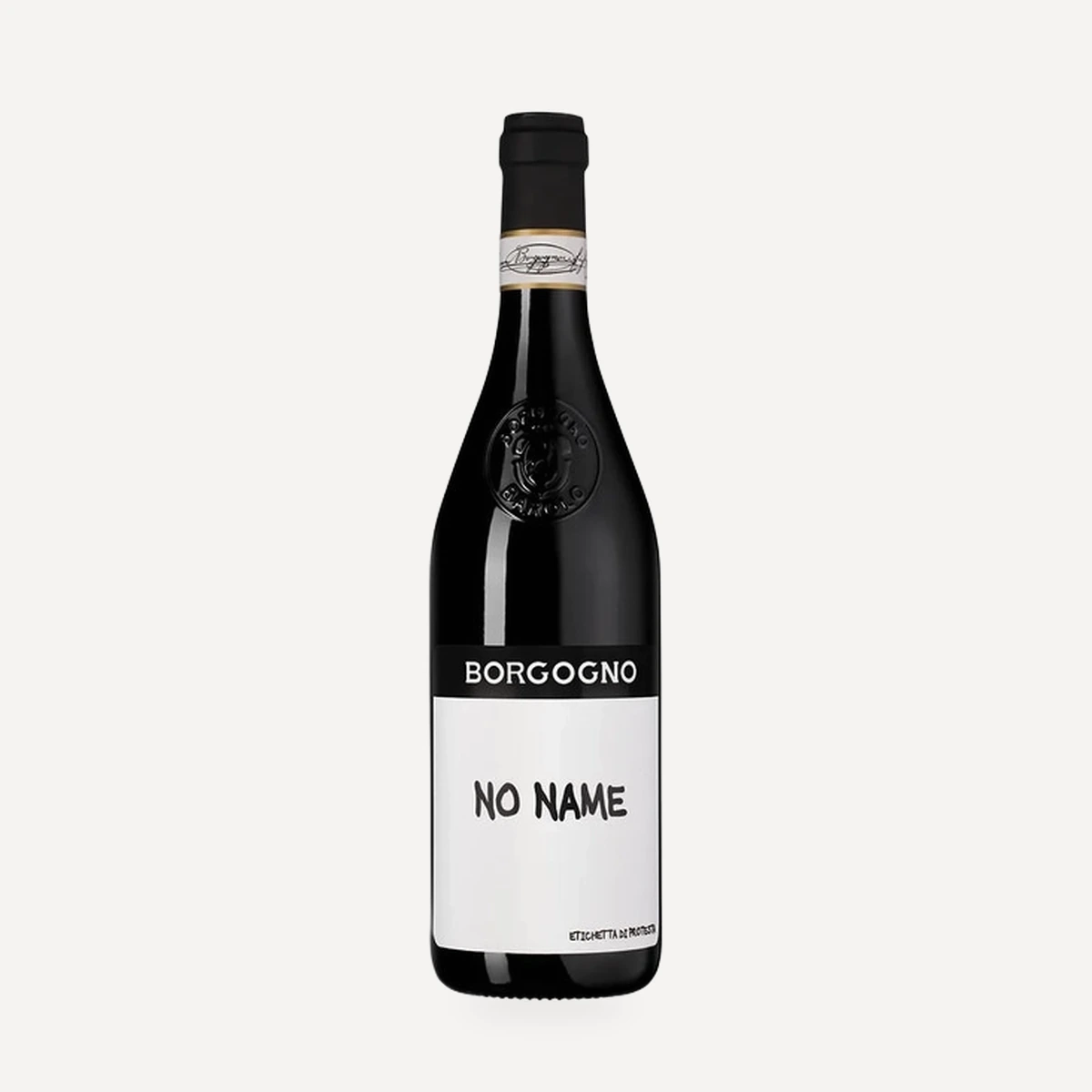
Langhe Nebbiolo No Name DOC
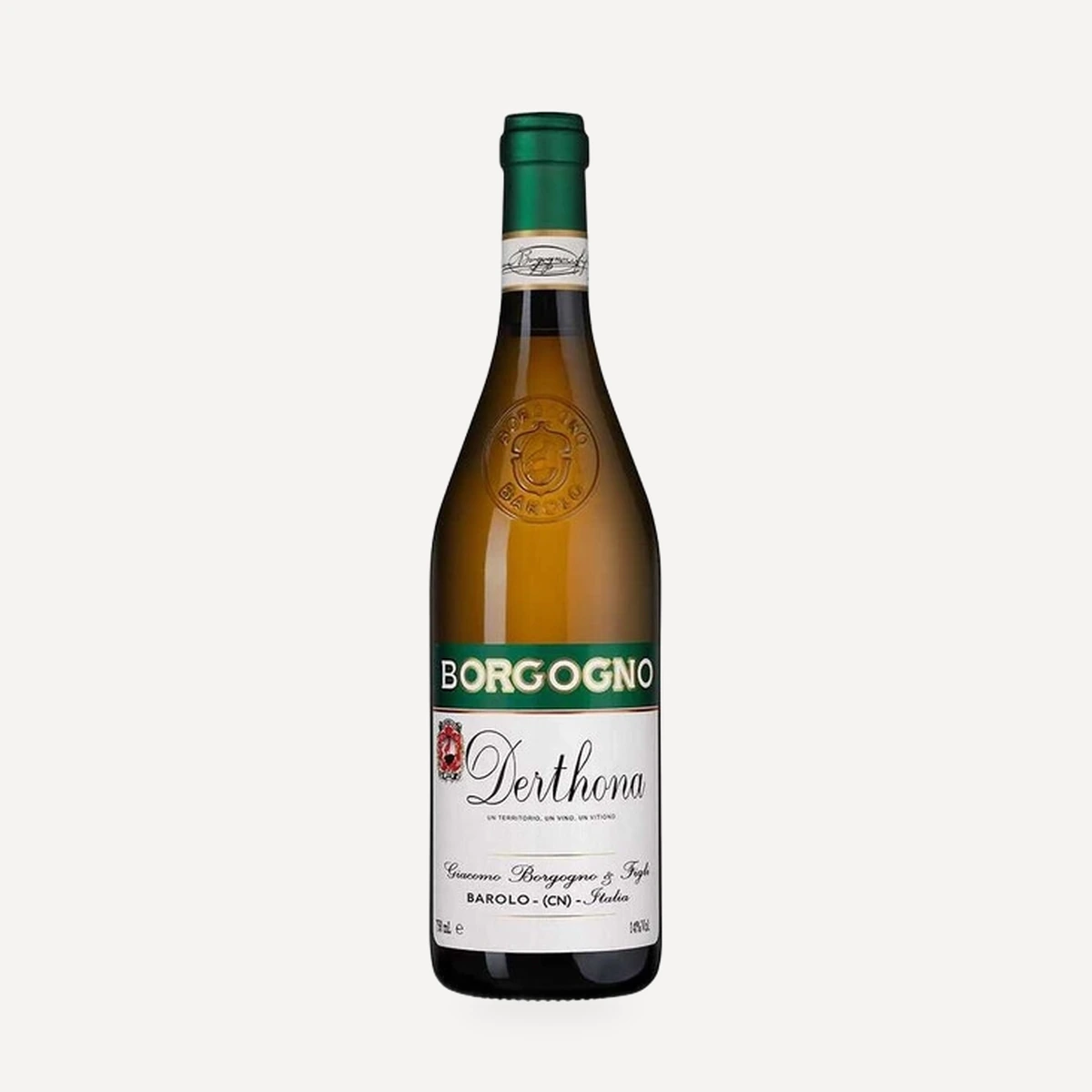
Colli Tortonesi Timorasso Derthona DOC
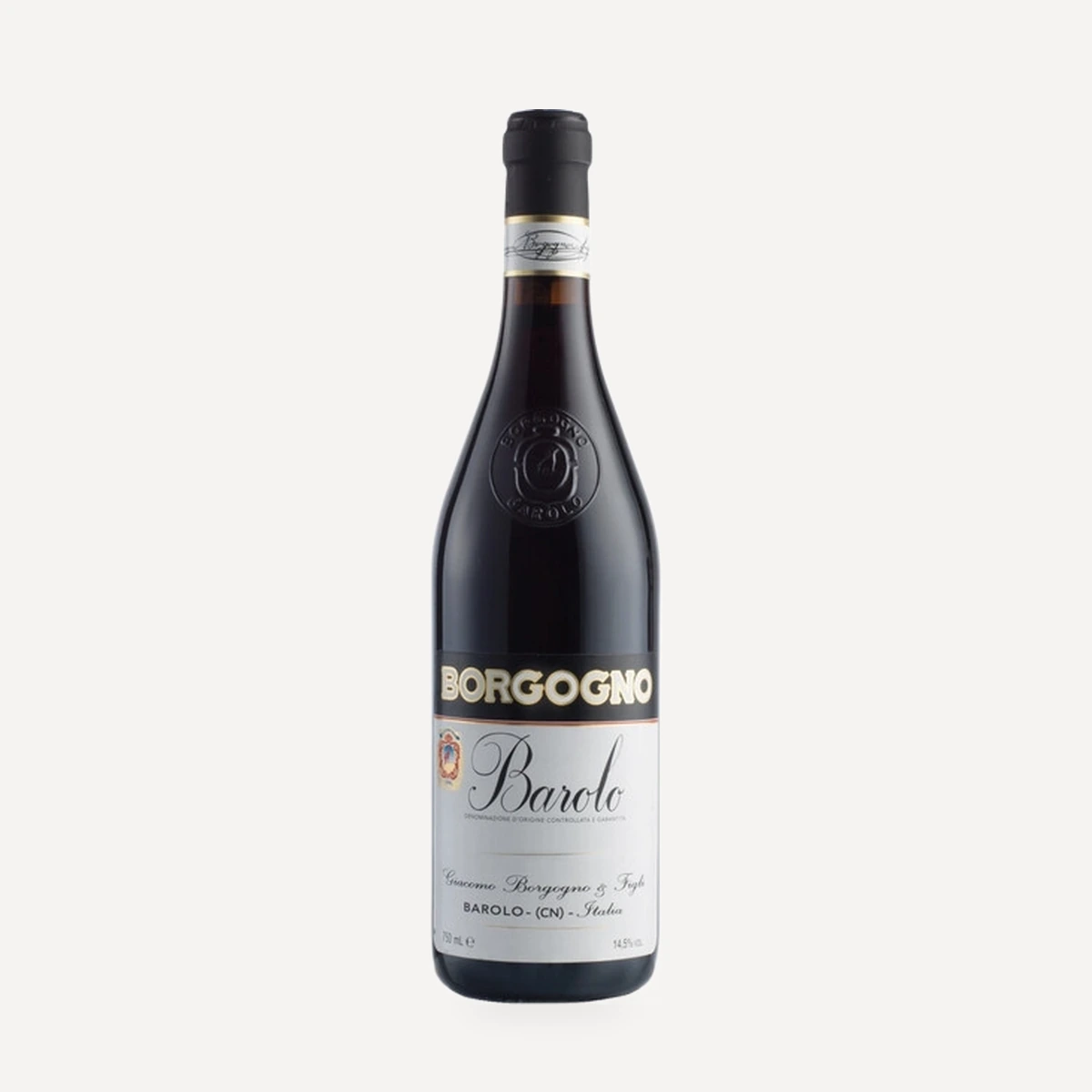
Barolo
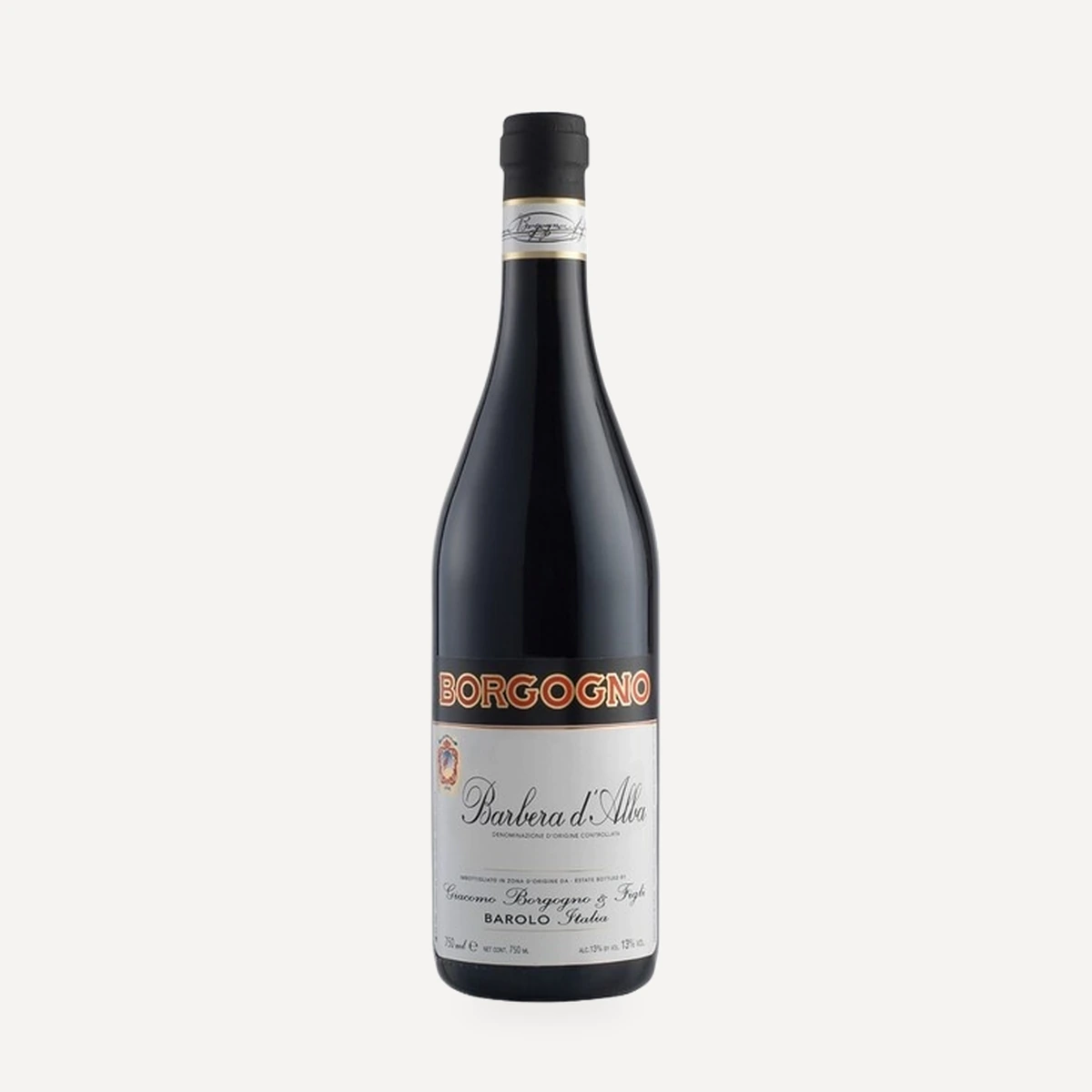
Barbera d’Alba Superiore
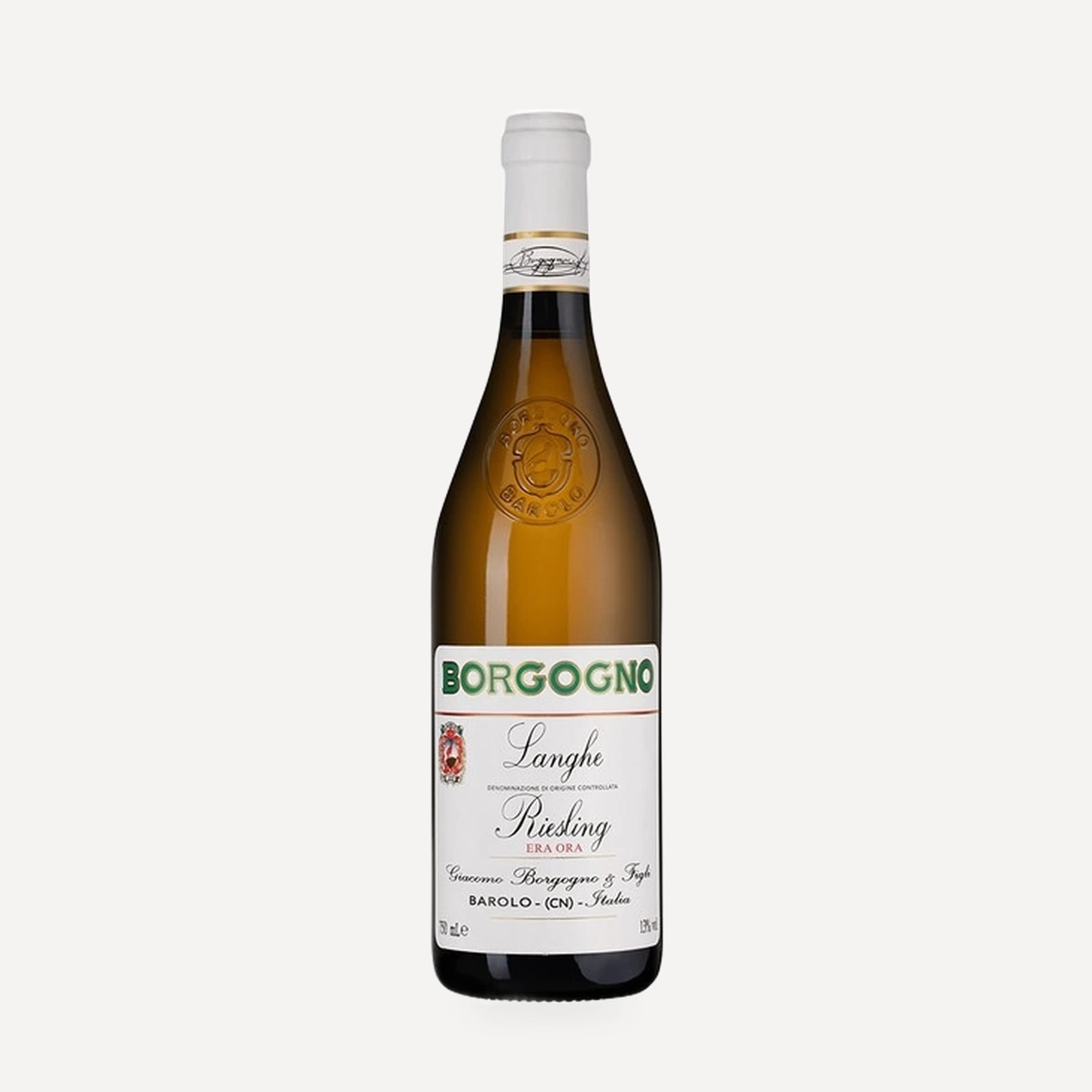
Langhe Riesling Era Ora
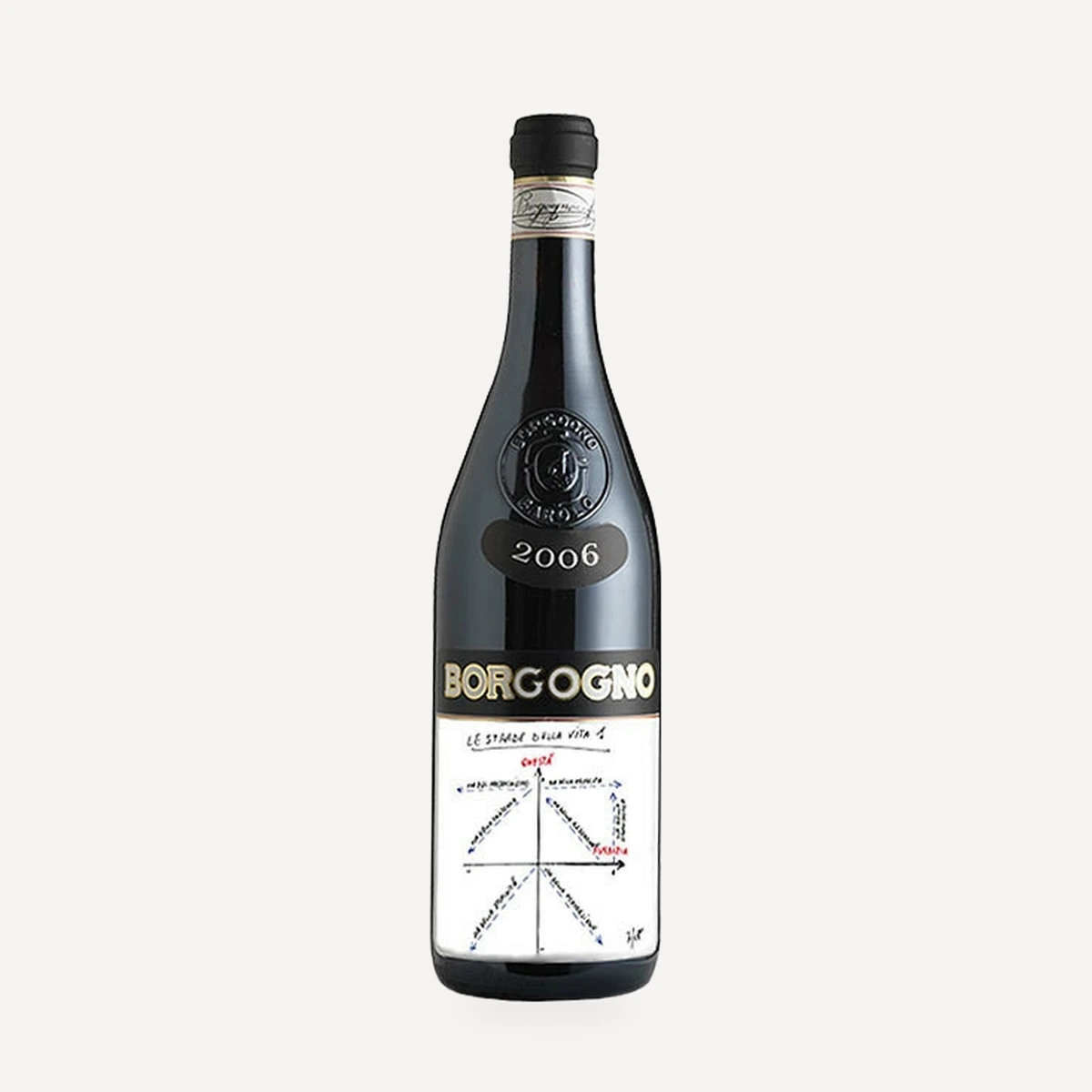
Barolo Le Teorie
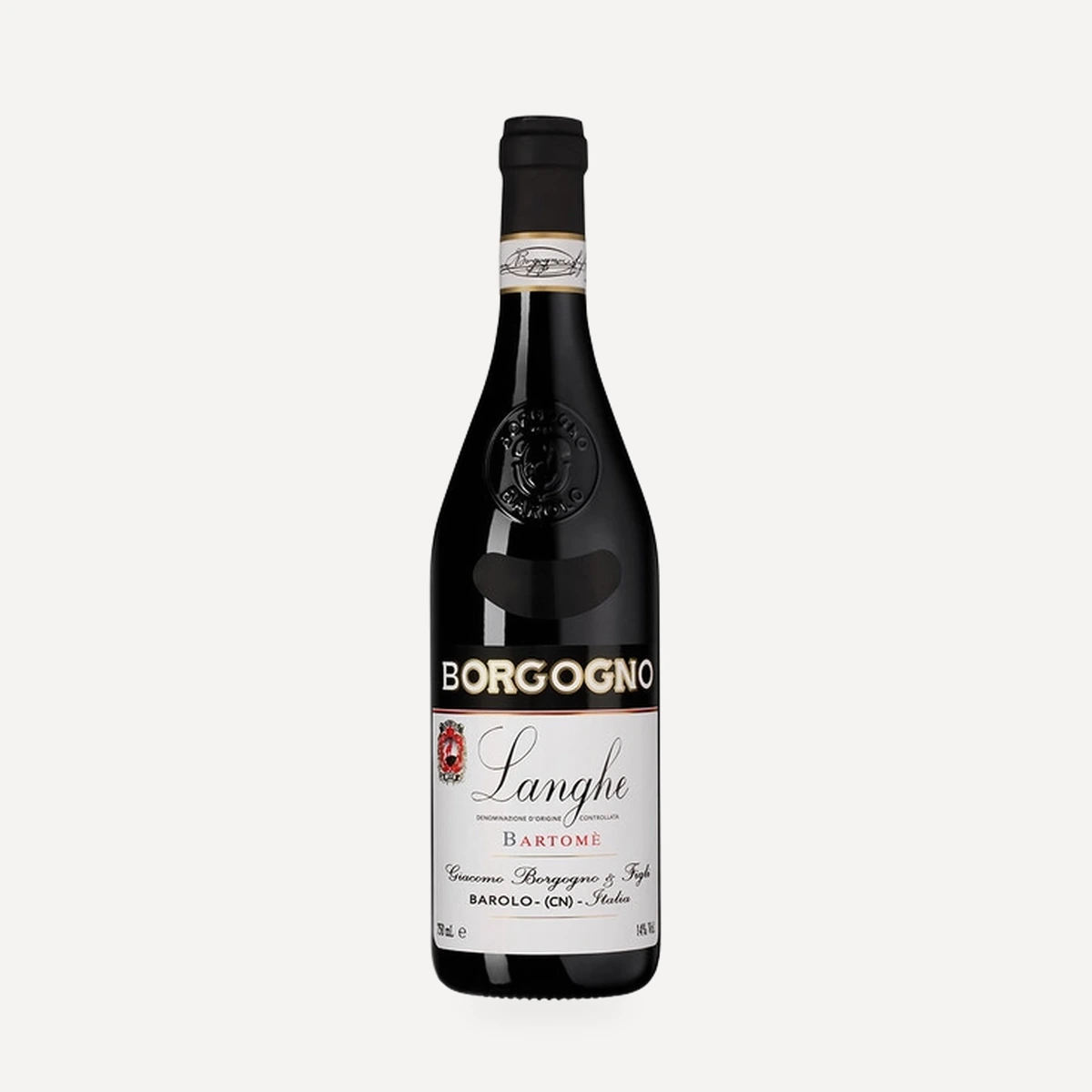
Langhe Bartomè
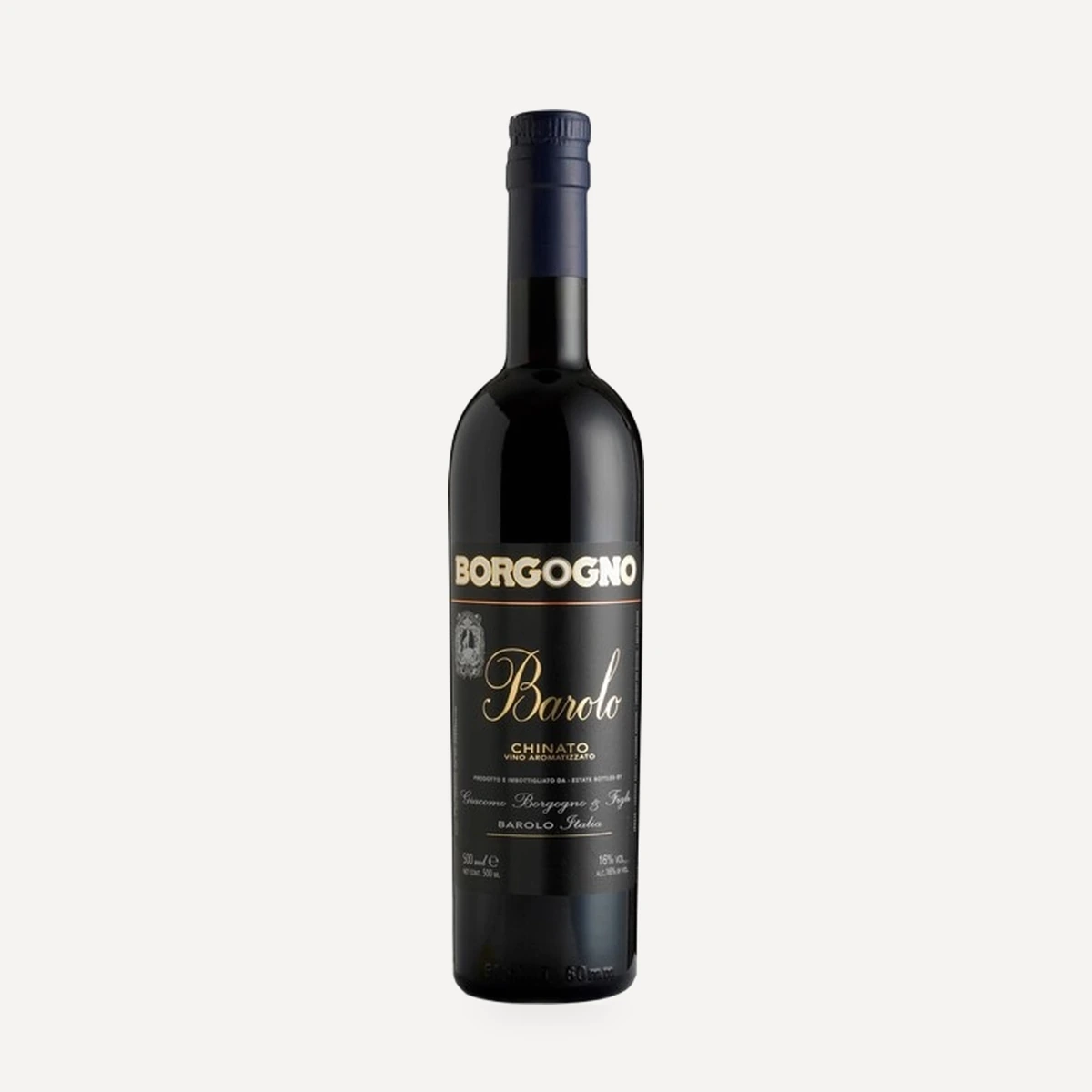
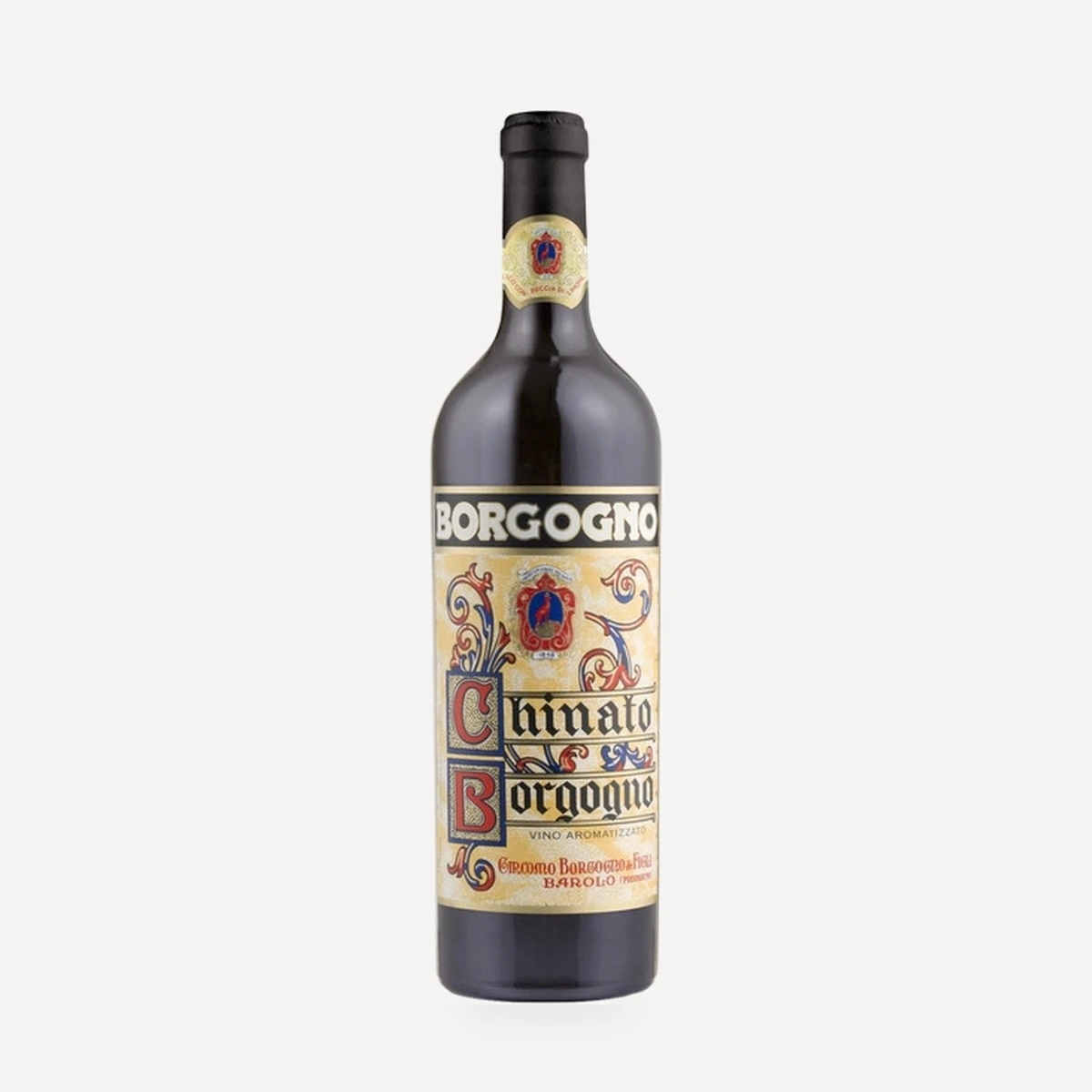
Barolo Chinato