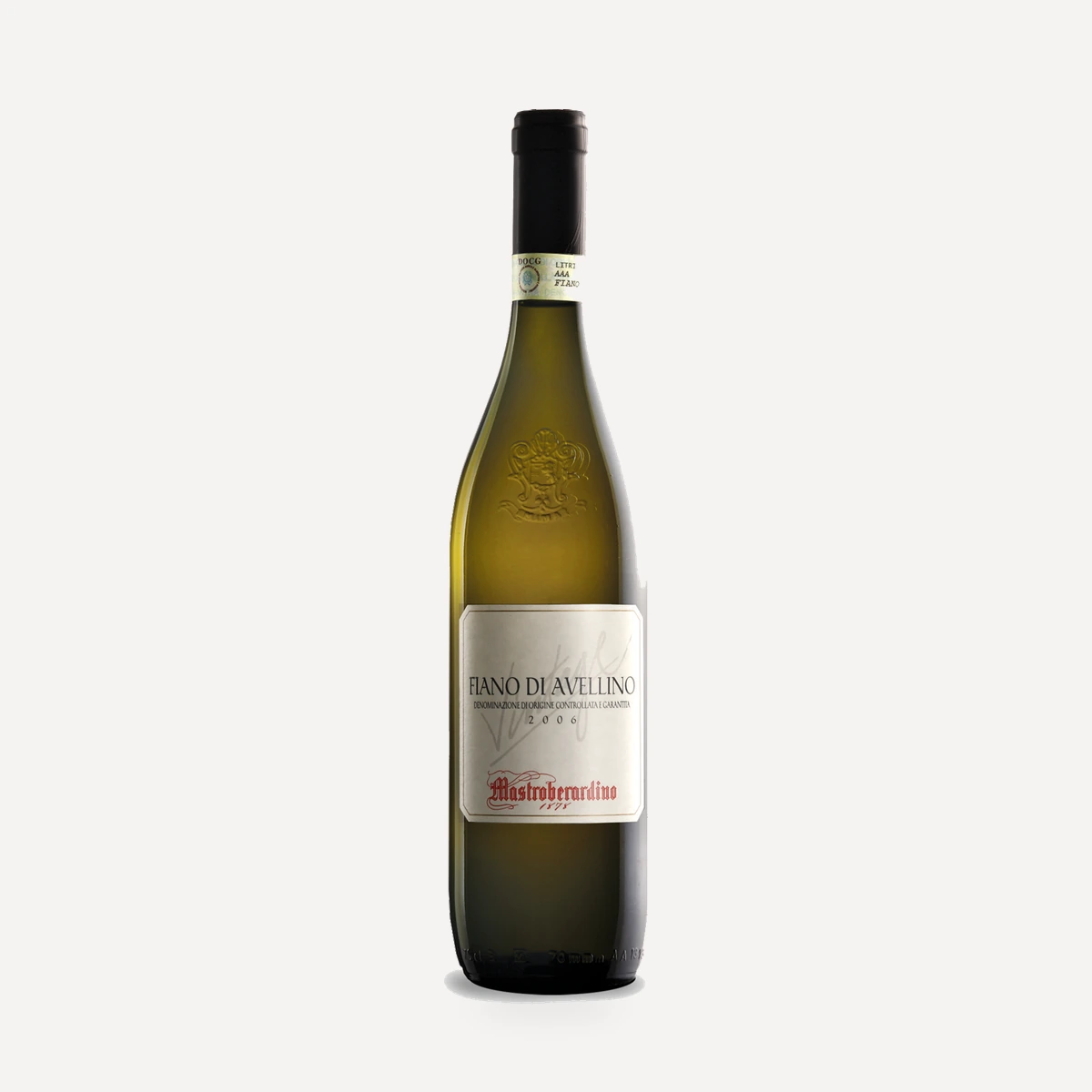
About this wine
Vineyard and terroir
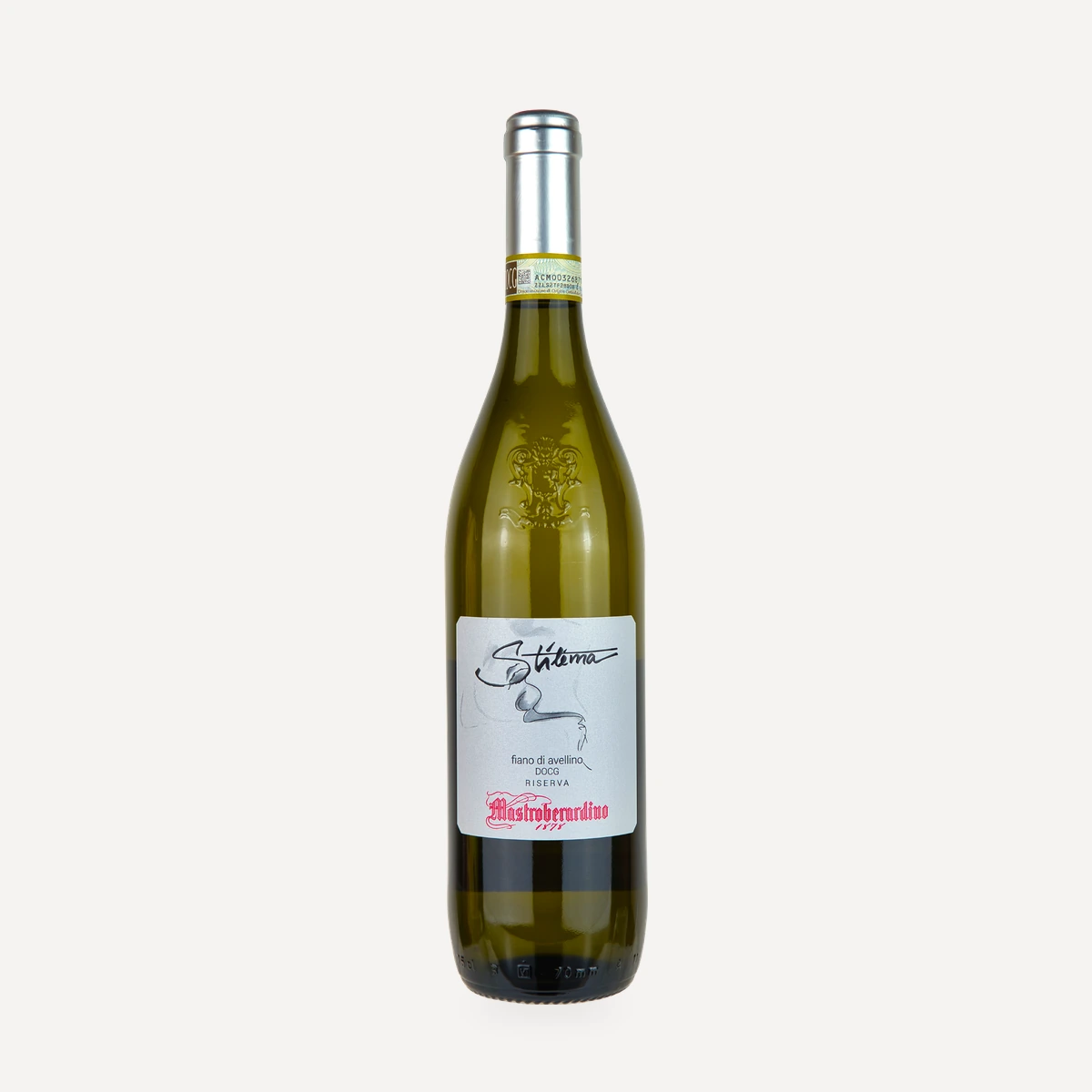
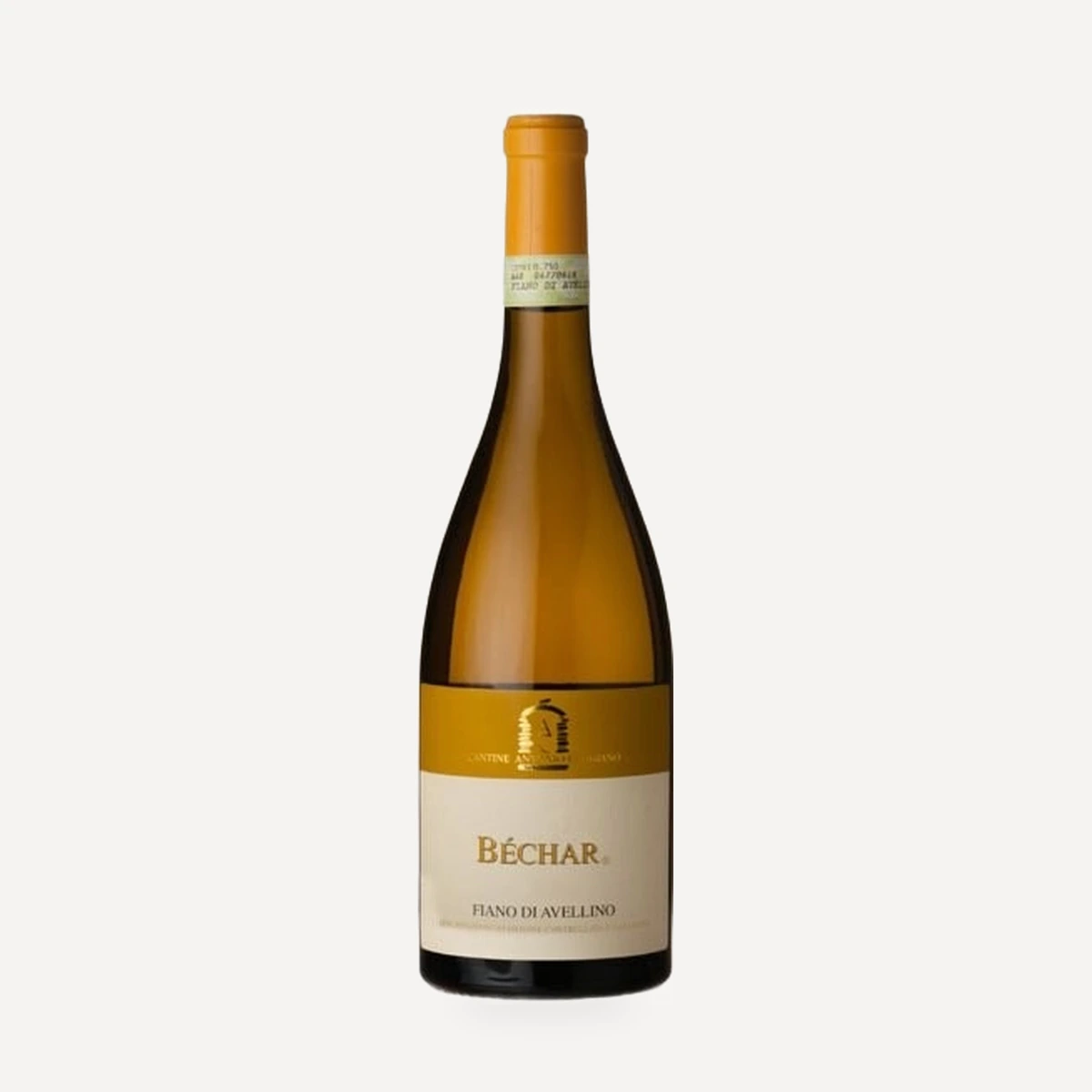
The wine draws on the Manocalzati and Montefalcione estates. The general profile places the vineyards at an average elevation of approximately 400 m a.s.l., mainly on medium-textured, loose soils with a south-east exposure. Vines average 15 years of age, are Guyot-trained on trellises at an average density of 3,000 vines per hectare, and yield approximately 70 q/ha or 2.3 kg per vine.
Manocalzati covers 5 hectares near the town, roughly five kilometres north-east of Atripalda. Its clay-rich vineyard is planted entirely to Fiano di Avellino and is described as 30 years old. It stands at 420 m a.s.l., faces north-west and is planted at 3,000 vines per hectare. The site served as a field for massal selection of Fiano biotypes later used in new plantings at Santo Stefano del Sole, Lapio and Montefalcione.
Montefalcione covers 10 hectares at 450 m a.s.l. Its south-facing, sandy-volcanic and notably loose soil supports vineyards planted at 5,000 vines per hectare. The estate is also used for viticultural trials involving different planting densities.
Grapes
100% Fiano di Avellino.
Vinification
The grapes are harvested manually in the first half of October. Traditional white vinification takes place in temperature-controlled stainless-steel tanks.
Ageing
Nine months in stainless steel followed by more than four years in bottle.
Tasting profile
Naturally sustained acidity allows the wine to develop increasing nuance with age.
Label / history
Fiano has ancient origins extending back to Roman times. After the difficult 1960s, when the province’s heritage of native varieties was at risk, Antonio Mastroberardino’s work helped restore Fiano to a prominent place in the vineyards of Avellino and encouraged cultivation beyond Campania.