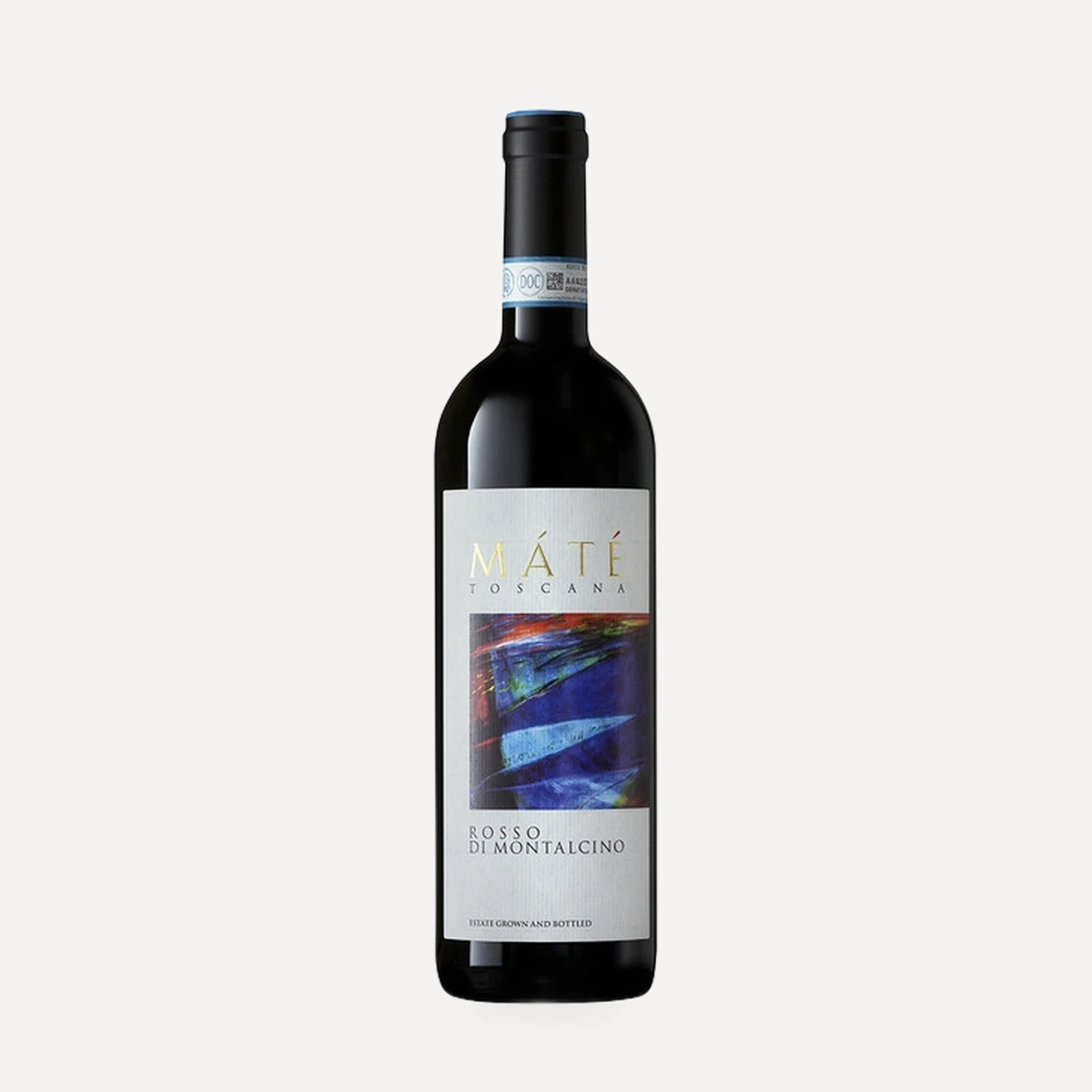
About this wine
Vineyard and terroir
The Sangiovese comes from Santa Restituta, at 320–420 metres, on west- and south-west-facing sites. The soils combine marl known as galestro with limestone, calcareous sandstone and marine deposits. Vines are trained to spurred cordon and Guyot at a density of 6,200 vines per hectare.
Grapes
100% Sangiovese drawn from various clones.
Vinification
All vineyard and cellar work is manual. Fully mature grapes are carefully selected and harvested into 20 kg crates. Fermentation proceeds with indigenous yeasts in temperature-controlled vats, accompanied by pump-overs and manual punch-downs.
Ageing
The wine matures for up to nine months in French oak, using both 225 L barrels and 4,000 L vessels, followed by at least six months in bottle.
Technical data
The stated bottle format is 0.75 L, with production of 3,000 bottles.
Tasting profile
The house description presents pure fruit supported by delicate, layered, ethereal tannins. The 2016 showed bright blue fruit, herbs, cedar and spice, with taut acidity, steely tannins and a mineral finish. Other assessments found ripe, succulent fruit, length and bite. The 2009 was brilliant ruby, with leather, anise and floral aromas; fresh acidity carried cherry and liquorice into dark chocolate and raspberry. Across the published vintages, recurring notes include cherry, raspberry, spice, savoury undergrowth and mineral freshness.
Serving and pairing
The freshness, cherry, liquorice and savoury character of the 2009 were described as particularly food-friendly, although no specific pairing was supplied.
Vintage notes
The 2016 was expressive and exuberant, with savoury complexity expected to develop over three to five years. The 2015 was darker and more concentrated, with sour cherry, pepper, vigorous acidity and firm rustic tannins requiring additional bottle time. The 2012 combined ripe strawberry with vibrant acidity, while the 2011 was rounder and fleshier, with raspberry, cherry and spice.