About this wine
Vineyard and terroir
Contrada C comes from Contrada Chiappemacine on the northern side of Mount Etna. At 550 m, it is Passopisciaro’s lowest Contrada site. The estate holds approximately 1.2–1.3 ha here. A thin reach of lava overlies limestone, and the roots can penetrate the limestone beneath the volcanic layer. Vintage descriptions also refer to sandstone or sandy limestone at the boundary of the lava flow. Daytime breezes move through the canopy.
This combination generally produces the roundest, fullest and most immediately enveloping of the Contrada wines. The older records describe 80-year-old vines, while recent releases give an age of approximately 90 years. Planting density is 8,000 vines per hectare. Recent vines are described as old, bush-trained Nerello Mascalese.
Vineyard treatments recorded across the vintages include clay, propolis, sulphur, copper, grapefruit-seed extract and, in some years, vitamin C. Fertilization was absent in most detailed older records; manure was used for 2021. The grapes are harvested by hand, with selection of the bunches.
Grapes
100% Nerello Mascalese.
Vinification
Alcoholic fermentation takes place in stainless-steel vats. Recorded fermentation periods range from 10 days in 2008 and 2012 to 15 days in 2010, 2011, 2013, 2014 and 2017; the 2019 sheet gives approximately 15 days. The 2010 wine received additional time on its skins. In the cool and humid 2018 vintage, extraction was deliberately limited and maceration lasted seven to eight days.
Malolactic fermentation precedes maturation in large oak vessels. The established élevage is 18 months in large neutral oak barrels. Large Slavonian oak barrels are specified for 2022 and 2023. The 2019 wine spent its 18-month maturation between concrete vats and large wooden barrels.
Technical data
IGT Terre Siciliane. The documented alcohol level is 15% vol. in both 2019 and 2020. Recorded yields vary materially by vintage: 20 hl/ha in 2008; 16.5 hl/ha in 2010; 18 hl/ha in 2011 and 2012; 20 hl/ha in 2013; 30.7 q/ha in 2014; 30.7 hl/ha in 2017; 55 q/ha in 2019; 55 hl/ha in 2020; and 55 q/ha in 2021.
Production ranged from 2,700 bottles in 2010 and 2013 to 4,000 bottles in several vintages. Recent totals were 4,000 bottles in 2022, 2,965 in 2023 and 3,889 in 2024.
Tasting profile
The site character is full, rounded and enveloping, with a softer mouthfeel and a distinctly floral expression. The 2023 release opens with red fruit, sour cherry, violet, wildflowers and light spice; it is deep and graceful, with substantial structure and a savoury finish. Another published assessment adds woodland berries, cedar, clove, lavender, silky texture, tart tension and sweet, rounded tannins.
The 2022 is fine and energetic, combining fresh red fruit, sour cherry, violet and wildflowers with delicate fruit and bright freshness. Further notes include dried strawberry, crunchy wild berries, crisp minerality, blue and black fruit and a fresh-violet character; the finish is long, structured and fresh.
The 2021 is polished and succulent, with berry, strawberry, pumice, hedgerow fruit, herbs and stony floral tones. Its concentrated, creamy red-fruit core is framed by fine structural tannins, fresh acidity and a sapid finish.
The 2020 combines sour cherry, dried strawberry, cedar, floral perfume, herbs, licorice and violet with silky texture and vibrant acidity. Other published notes find wild cherry, redcurrant, ash, iron, rose petal, soil, pencil shavings and spicy red fruit. It is rich and round yet taut and precise.
The 2019 is concentrated but agile: wild cherry, raspberry, black cherry, cedar, ash, crushed stone, wildflowers, rosemary, lavender, rose, wet stone and brown spice meet cooling acidity and fine or silty tannins. Cinnamon, star anise, camphor and a saline, menthol-fresh finish also appear in its published profiles.
The 2018 is floral and graceful, with blue flower, rose, chamomile, eucalyptus, strawberry, black cherry, sage, star anise, sour cherry and cassis. Silky or creamy texture is balanced by pronounced acidity, mineral drive and polished, rounded tannins. The vintage produced a leaner, lighter expression with a relatively shorter finish.
The 2017 is powerful but balanced, led by ripe red fruit, blood orange, pomegranate and camphor. The wine has a rounder, softer mouthfeel and a more floral profile.
The 2016 is floral, ripe and rounded, with red cherry, wild strawberry, cassis, orange zest, star anise, tobacco, pomegranate, smoke, wet stone, eucalyptus and saline minerals. It combines medium-to-full body with polished or sculpted tannins, bright acidity and a long, silky mineral finish.
The 2015 is vivid and mineral, with red cherry, raspberry, sweet spice, flowers, smoke and licorice. Its soft, round entry becomes livelier through high, lemon-like acidity; snappy tannins carry a creamy finish. The vintage as a whole was marked by a firm framework, high acidity and relatively low alcohol.
The 2014 is opulent and full-bodied, with very ripe dark cherry, smoked meat, mocha, menthol, red-cherry preserve and blood orange. Chewy dark fruit and serious but fine-grained tannins lead to a broad, meaty and persistent finish.
The 2013 is austere yet intense, with crisp red berries, flowers, ash, dusty earth, cake spice, leather, red cherry, raspberry, clove, menthol and licorice. It ranges from silky and lean to full-bodied in the published profiles, with bright acidity, refined but firmly wound tannins and a notably long finish.
The 2012 has firm, combative but ripe tannins, medium body and more power than the Rampante bottling. The limestone contribution appears as roundness and length; bright berries, pressed rose and crushed stone accompany a soft, plush mouthfeel.
The 2011 is elegant and focused, with bright cherry, raspberry, fresh minerals, dark licorice and mint. Fine tannins support a medium body and sustained balance.
The 2010 is the leanest Contrada C of its vintage but has soft, non-angular fruit, immediate dark-red berries, tobacco and mint. It is energetic, rich through the mid-palate, refined and harmonious.
The 2008 is dense, muscular and fruit-driven, centred on dark red fruit. Persistent mineral notes lift its long, powerful finish.
Vintage notes
2024. A cold, clear winter was followed by a regular spring, cool nights and successful flowering from late May into early June. Intense heat and drought then required irrigation where possible. Early-August rain brought some hail damage to lower vineyards, and some vines were lost to the prolonged drought. Nerello Mascalese was gathered from 3 to 11 October. The grapes were expected to balance body, tannin, acidity and alcohol. Production was 3,889 bottles.
2023. Snow replenished water reserves after the 2022 drought. Heavy rain and low temperatures from May through June disrupted flowering, while downy mildew reduced yields. July repeatedly reached 40°C and ripening was uneven. Hand selection was decisive; Chiappemacine’s old bush-trained vines coped well and supplied structure and depth. Harvest took place on 8 October. After fermentation in steel and 18 months in large Slavonian oak, 2,965 bottles were filled during the waning moon of April 2025.
2022. Rain, cold and high-altitude snow restored water reserves after the 2021 harvest. A cold start and spring rain were followed by a warm early summer and rapid canopy growth. The low Chiappemacine site suffered significantly from summer drought. The grapes were harvested by hand on 5 October. Fermentation in steel was followed by 18 months in large Slavonian oak; 4,000 bottles were filled during the waning moon of April 2024.
2021. Alternating winter rain, snow and unusual warmth gave way to a cold spring and abrupt June heat. The old Nerello Mascalese vines were not irrigated, relying on their deep root systems. September cooling and moderate rain brought balanced ripeness. Hand-selected fruit was harvested on 12 October. Production was 4,000 bottles, filled during the waning moon of April 2023.
2020. A moderate, wet summer was followed by late-July warmth, August and September rain, some hail and a cold north wind at the start of October. The technical sheet records hand selection on 20 October. The wine matured for 18 months in large oak and was bottled during the waning moon of April 2022; production is stated as 4,000 bottles.
2019. A cold spring and light frost on 6–7 May delayed flowering until mid-June. Heat near 40°C then continued into late September. A strong diurnal shift in October advanced phenolic ripeness and produced fresh, linear fruit and vertical acidity without excessive weight. Hand-selected fruit was gathered on 17 October. Fermentation lasted about 15 days in steel, followed by 18 months between concrete and large wood. Production was 3,880 bottles, bottled during the waning moon of April 2021.
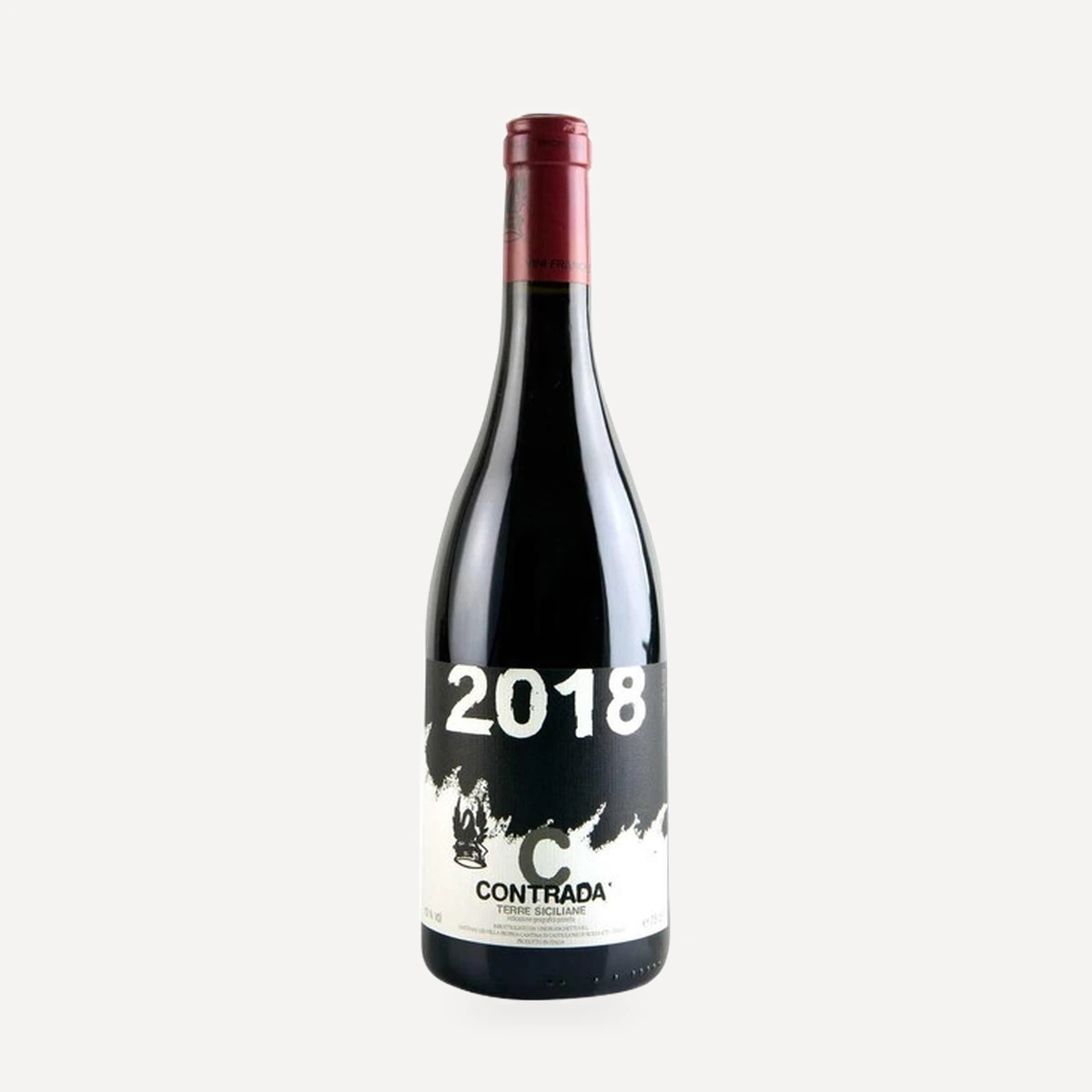
2018. One of the wettest and most humid recent seasons required careful leaf removal and repeated use of clay and propolis. The wine is linear and varietally precise, with pronounced acidity and longevity. Short, low-extraction maceration preserved its fine texture. Production was 3,990 bottles.
2017. Persistent heat and the absence of the usual cool nights accelerated maturation. Harvest across the red vineyards ran from 20 to 29 October; Chiappemacine was picked on 28 October. Fermentation lasted 15 days in stainless steel, followed by malolactic fermentation and 18 months in large neutral oak. Production was 3,720 bottles, bottled during the waning moon of April 2019.
2016. Steady ripening allowed precise picking and required no forceful extraction. The ripe grapes released flavour and colour readily, producing a smooth, gentle and balanced wine. Production was 4,000 bottles.
2015. A rainy winter and very hot summer advanced ripening. October rain weakened the skins and encouraged mould, requiring detailed bunch-by-bunch selection. Chiappemacine was harvested on 17 October. Production was 3,950 bottles.
2014. A dry summer with cool nights was followed by a rapid harvest. Chiappemacine was picked on 25 October. Fermentation lasted 15 days in steel; malolactic conversion and approximately 18 months of ageing took place in large oak. The wine was bottled during the waning moon of April 2016. Production was 4,000 bottles.
2013. A cold, rainy growing season delayed ripening until warm weather arrived in late October. Small, healthy berries yielded an austere, fresh and intense wine. Harvest was on 25 October; production was 2,700 bottles.
2012. Heat and drought lasted from May into October. Despite high sugar, the fruit initially remained unripe and stressed, so the vineyard was irrigated and harvest delayed until rain restored balance. Chiappemacine was picked on 20 October. Ten days of fermentation in steel preceded malolactic conversion and 18 months in large neutral oak. Production was 3,500 bottles.
2011. Late rain and a long season produced rich fruit within a firm, measured structure. Harvest took place on 29 October. Fermentation lasted 15 days in steel, followed by malolactic conversion and 18 months in large neutral oak. Bottling occurred in April 2013.
2010. Mild conditions produced plump berries, generous growth and soft fruit. The wine fermented for 15 days in stainless steel and matured for 18 months in large neutral oak after malolactic conversion. Production was 2,700 bottles.
2009. Presented among the archived releases, with the label introduced after the first separate Contrada bottling in 2008.
2008. Repeated mountain snow supplied water before a hot but manageable summer. October rain arrived as the vines began to tire, permitting harvest from 23 to 31 October. Fermentation lasted 10 days in stainless steel, followed by malolactic conversion and 18 months in large neutral oak. This was the first separately bottled Contrada C.
Label / history
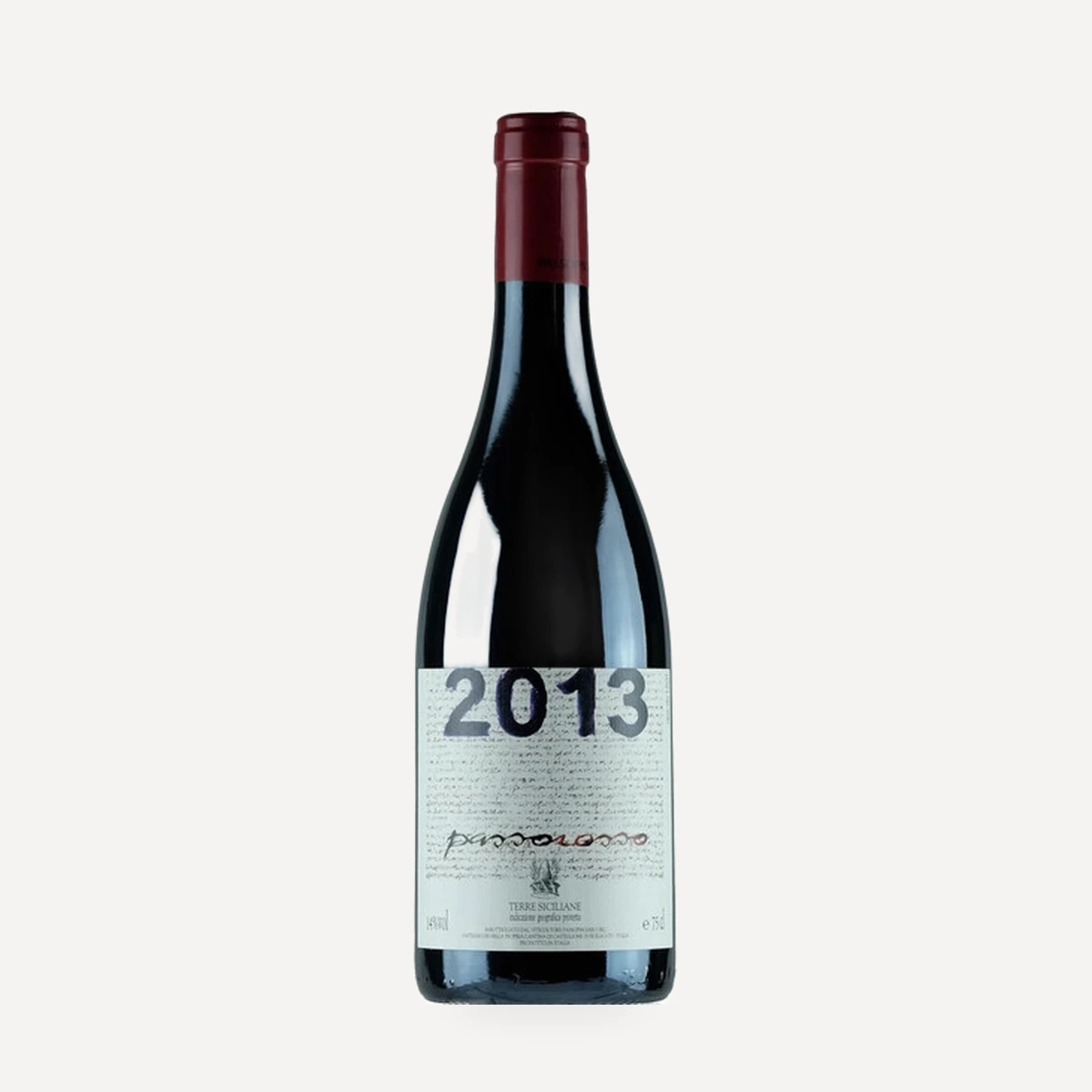
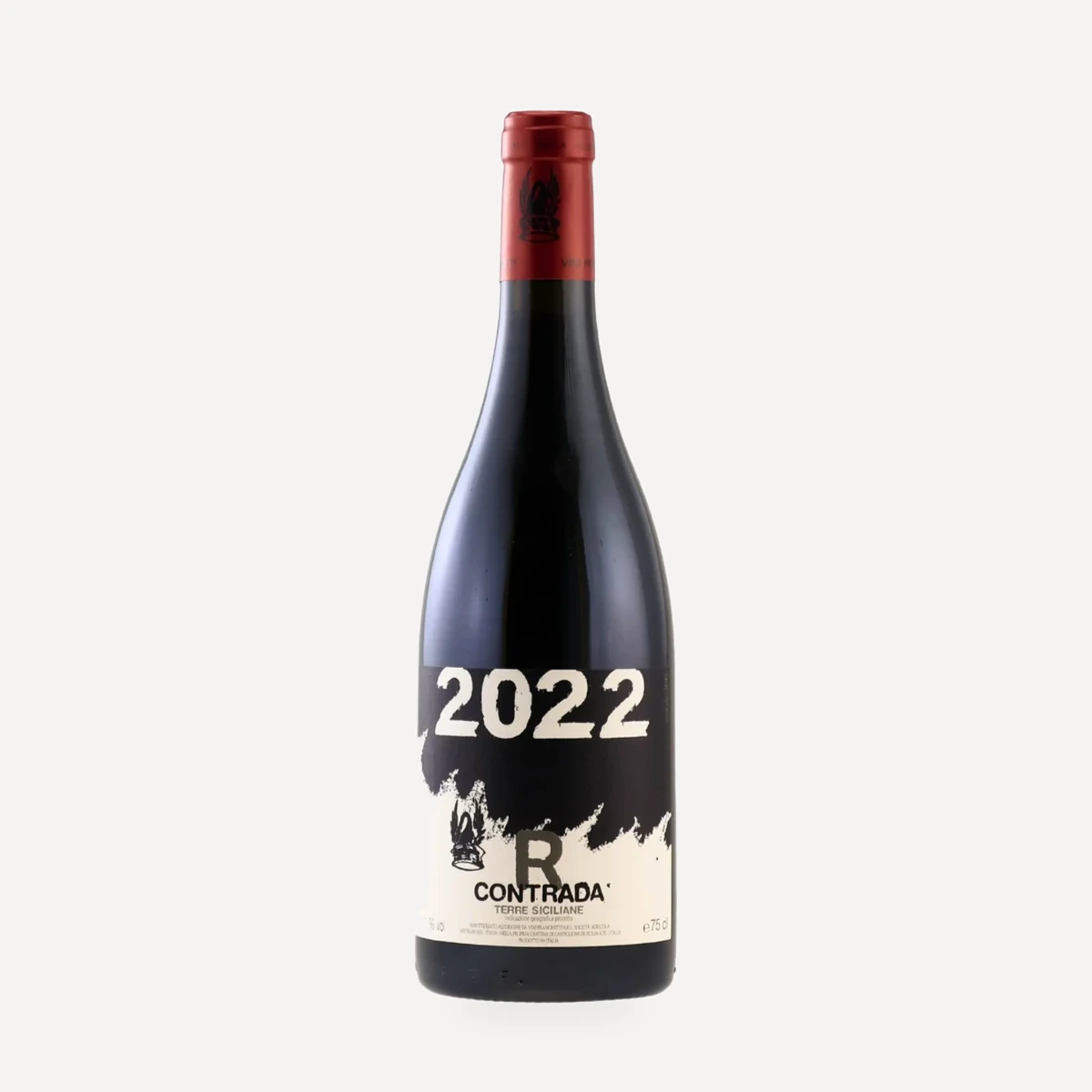
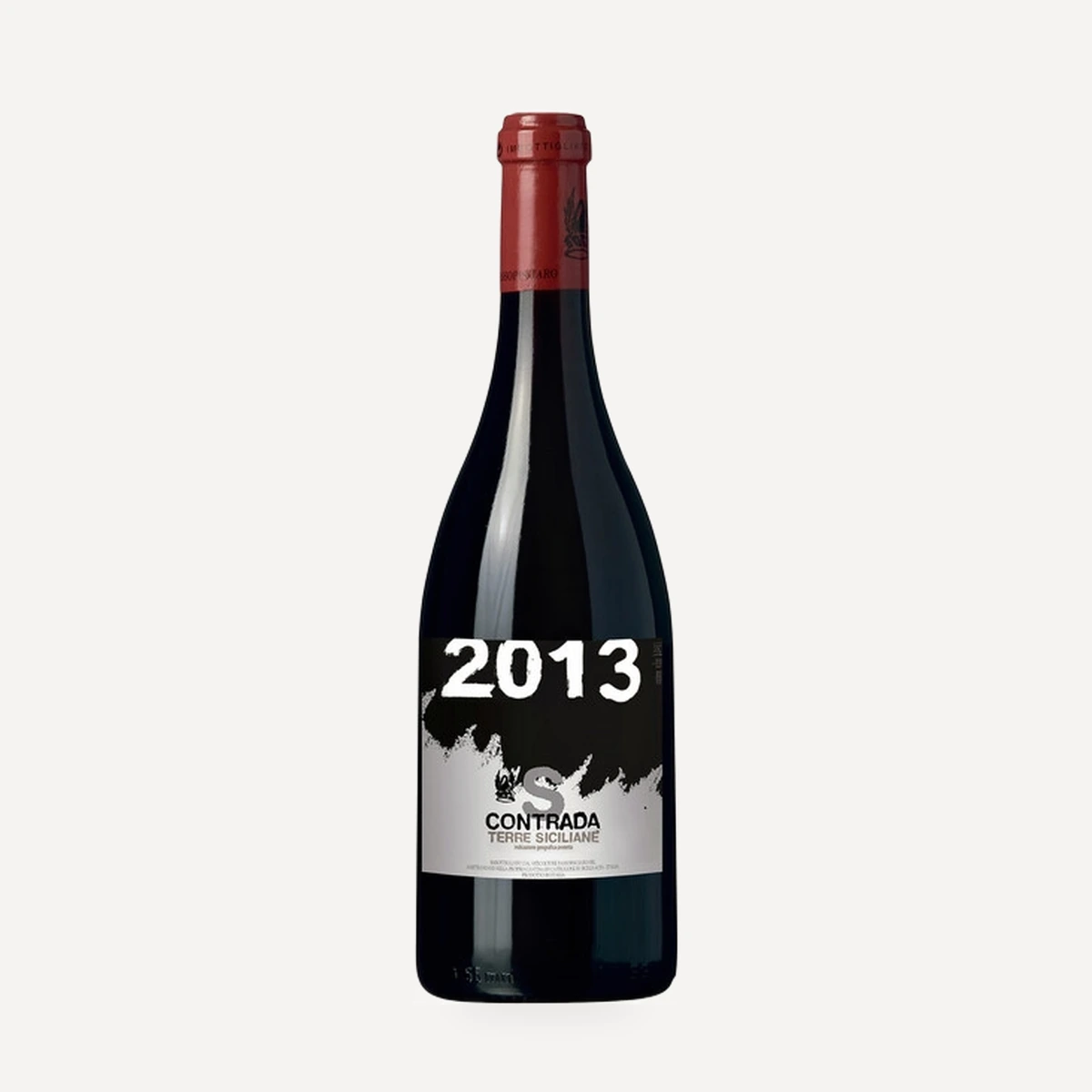
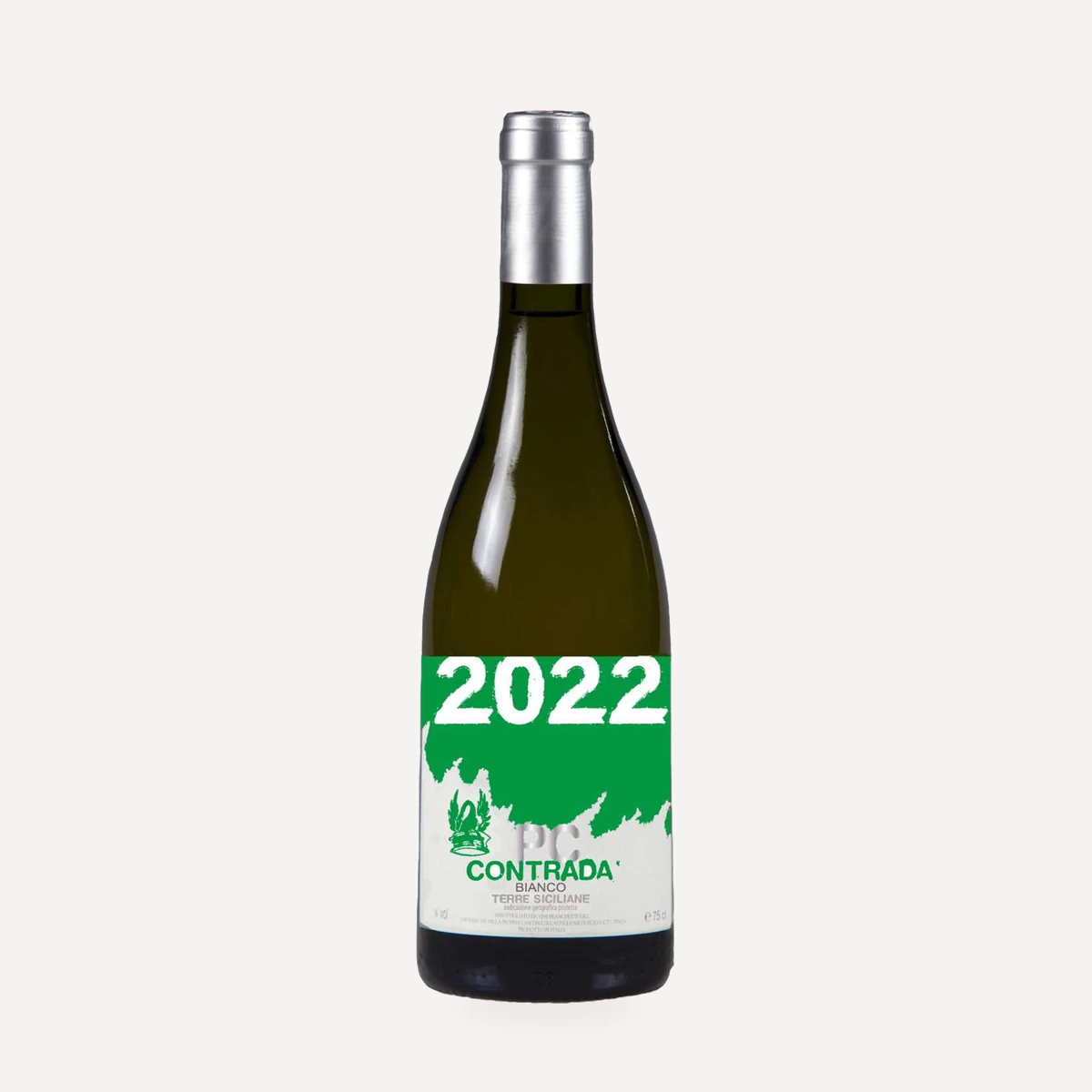
Passopisciaro began bottling its Contrada wines separately in 2008 and changed the label in 2009. The letter “C” identifies Chiappemacine. The name chiappemacine derives from the large stone wheels traditionally used to crush olives for oil.