History
Founding on Mount Etna
Andrea Franchetti first came to Mount Etna in the winter of 2000. He encountered an active volcanic landscape in which wineries had collapsed, terraces had disappeared beneath vegetation and many high-altitude vineyards had been abandoned. He decided that year to restore an old farmstead and its cellars above the village of Passopisciaro, on the northern slope of the volcano in the municipality of Castiglione di Sicilia.
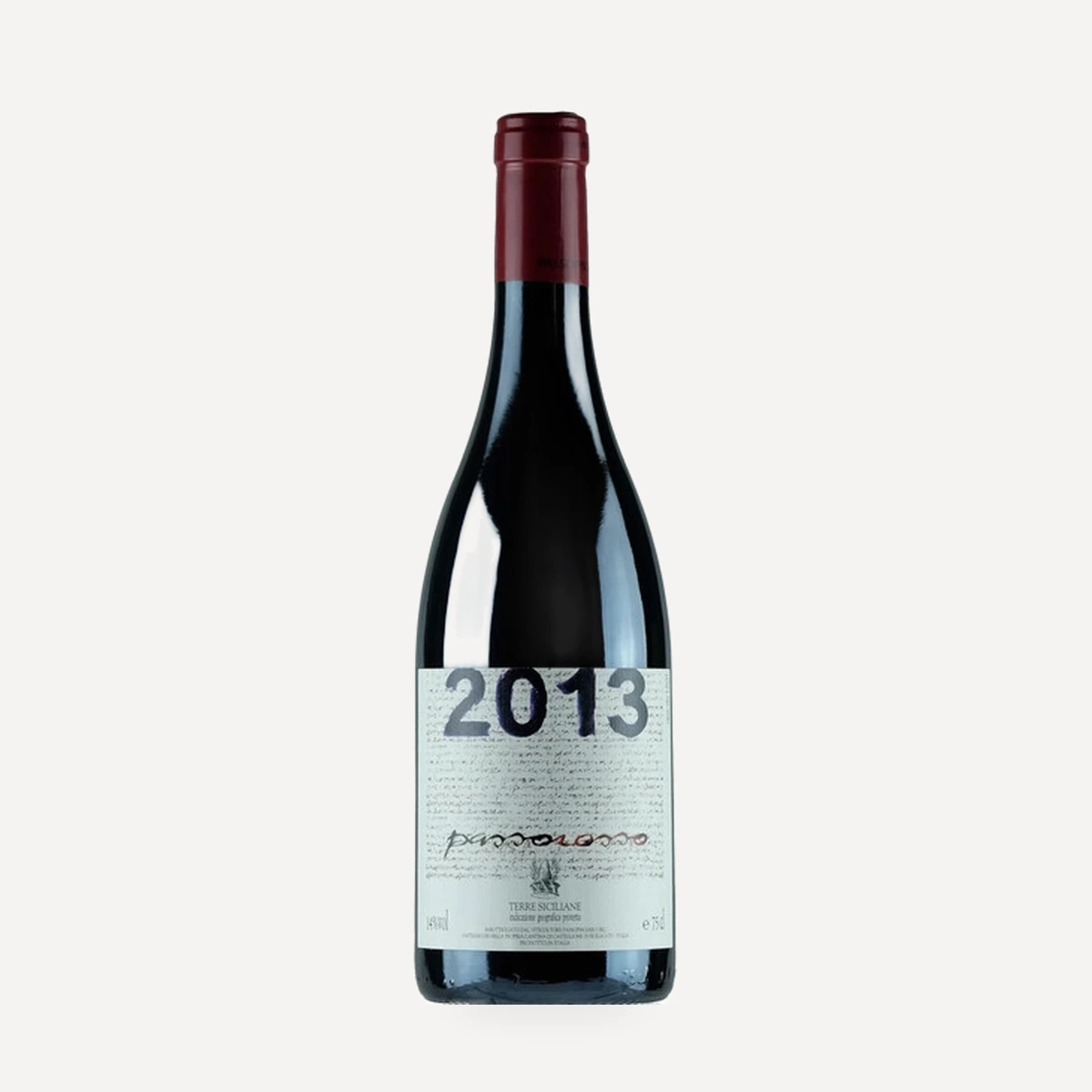
Franchetti began by clearing and recovering long-neglected terraces of ancient vines. New vineyards were planted on thin volcanic soil at approximately 12,000 vines per hectare. The first wines were made from Nerello Mascalese grown in rented vineyards; over time, the estate assembled and cultivated 26 hectares distributed across Etna’s northern face. The first Passopisciaro vintage—subsequently renamed Passorosso—was 2001.
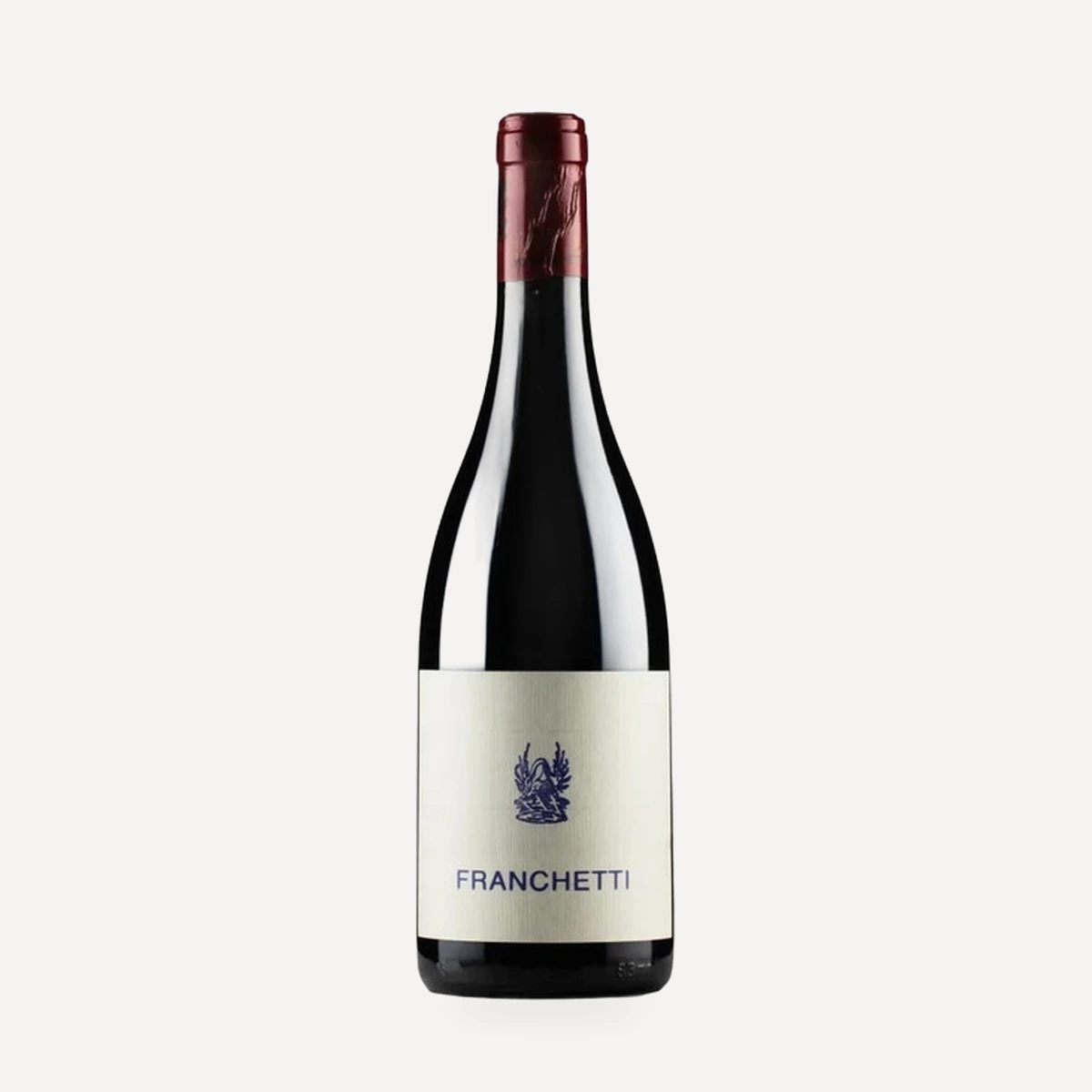
The property in Contrada Guardiola was acquired in the early 2000s. Franchetti planted Petit Verdot and Cesanese d’Affile there at high density, using a spacing of approximately 90 × 90 cm. His Petit Verdot material came from Saint-Julien, while Cesanese d’Affile was chosen as an aromatic counterpoint. The first Franchetti vintage followed in 2005.
Development of the white wines
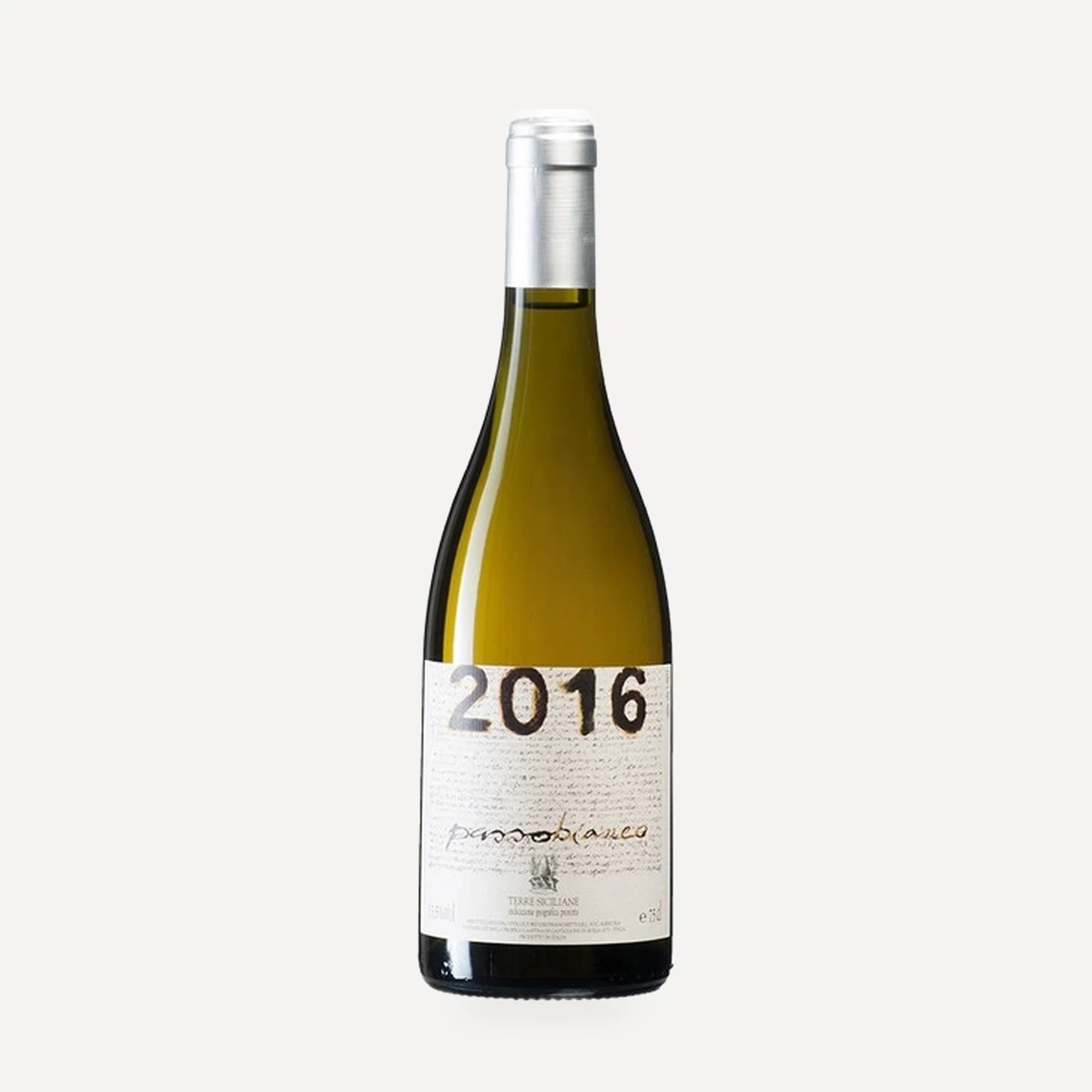
Franchetti also planted 4 hectares of Chardonnay on steep, high-altitude terraces in Guardiola. The first white vintage was produced in 2007 under the name Guardiola Bianco; it was subsequently renamed Passobianco. Beginning with the 2014 vintage, Passobianco was held at the winery for two years of bottle ageing before release.
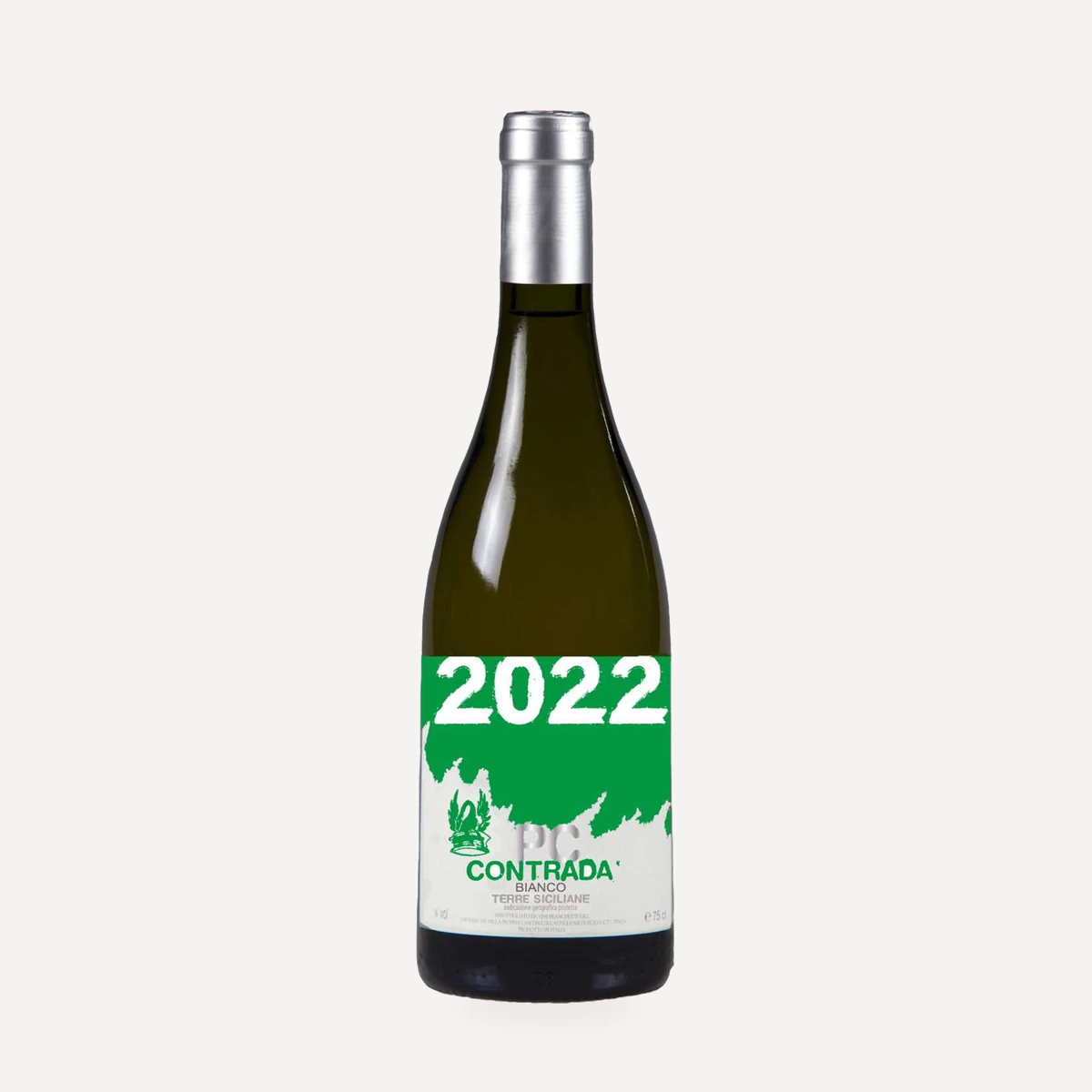
Continued study of Chardonnay ripening within individual terraces led to progressively finer separation of the fruit during harvest and vinification. Contrada PC emerged from this work: a separate Chardonnay cru from the minute Passochianche parcel above the principal estate. Its first vintage was 2018.
A new vineyard in Contrada Montedolce was planted in spring 2020. Montedolce now contributes Chardonnay alongside Guardiola.
Establishing the Contrada wines
During the estate’s first years, Franchetti observed that Nerello Mascalese arriving at the cellar produced markedly different wines according to its district of origin. These differences corresponded to altitude, exposure, lava-flow age, mineral composition and the grain size into which the lava had weathered.
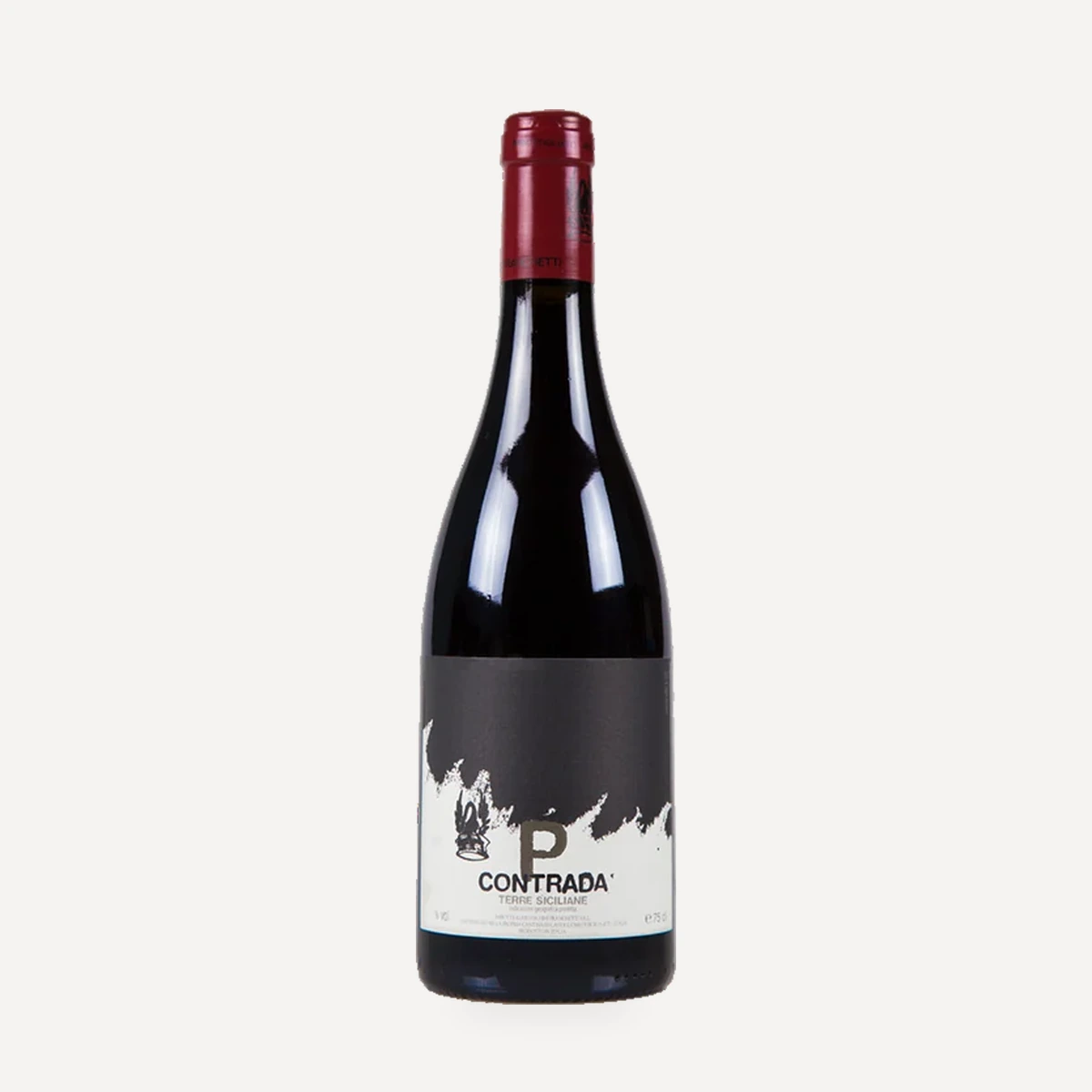
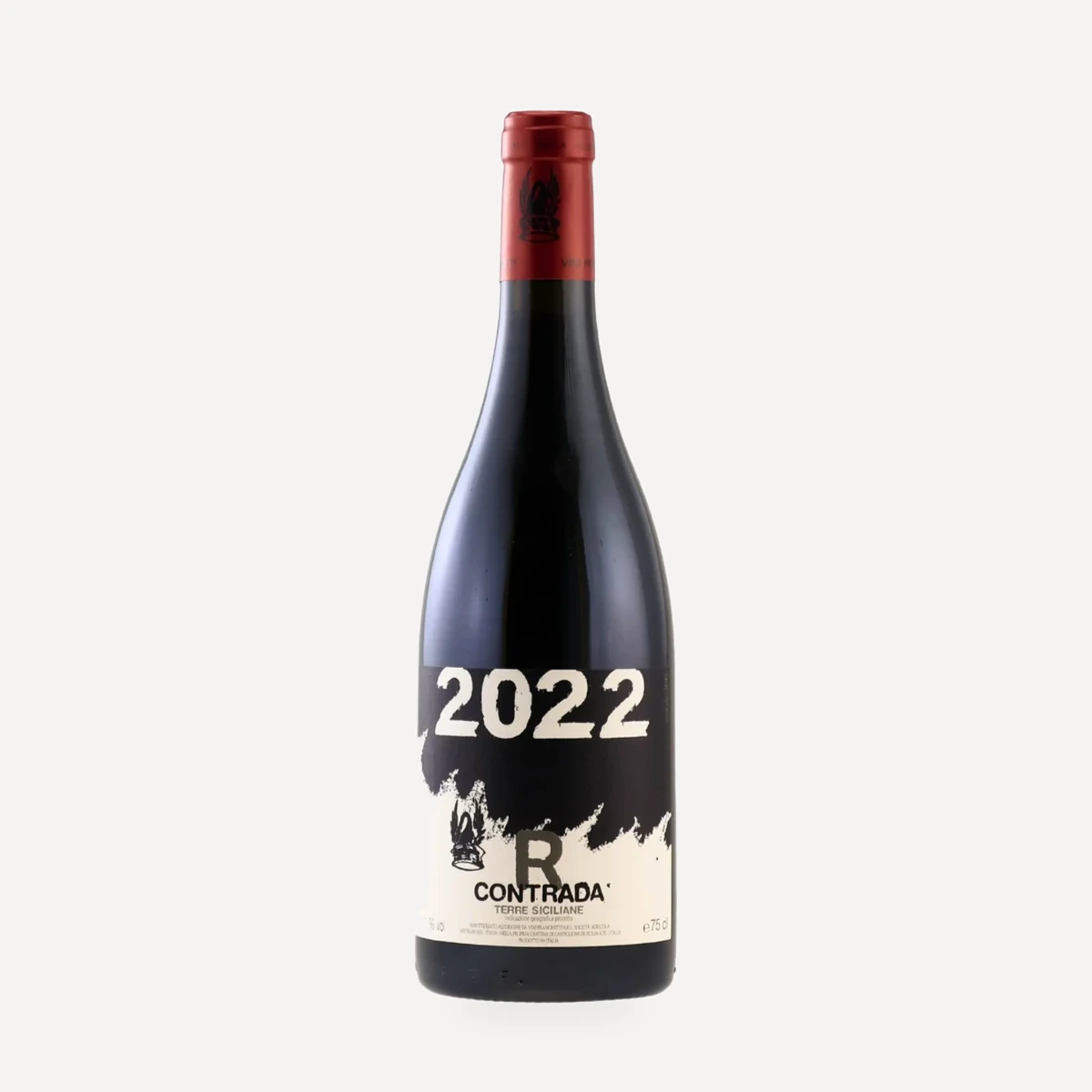
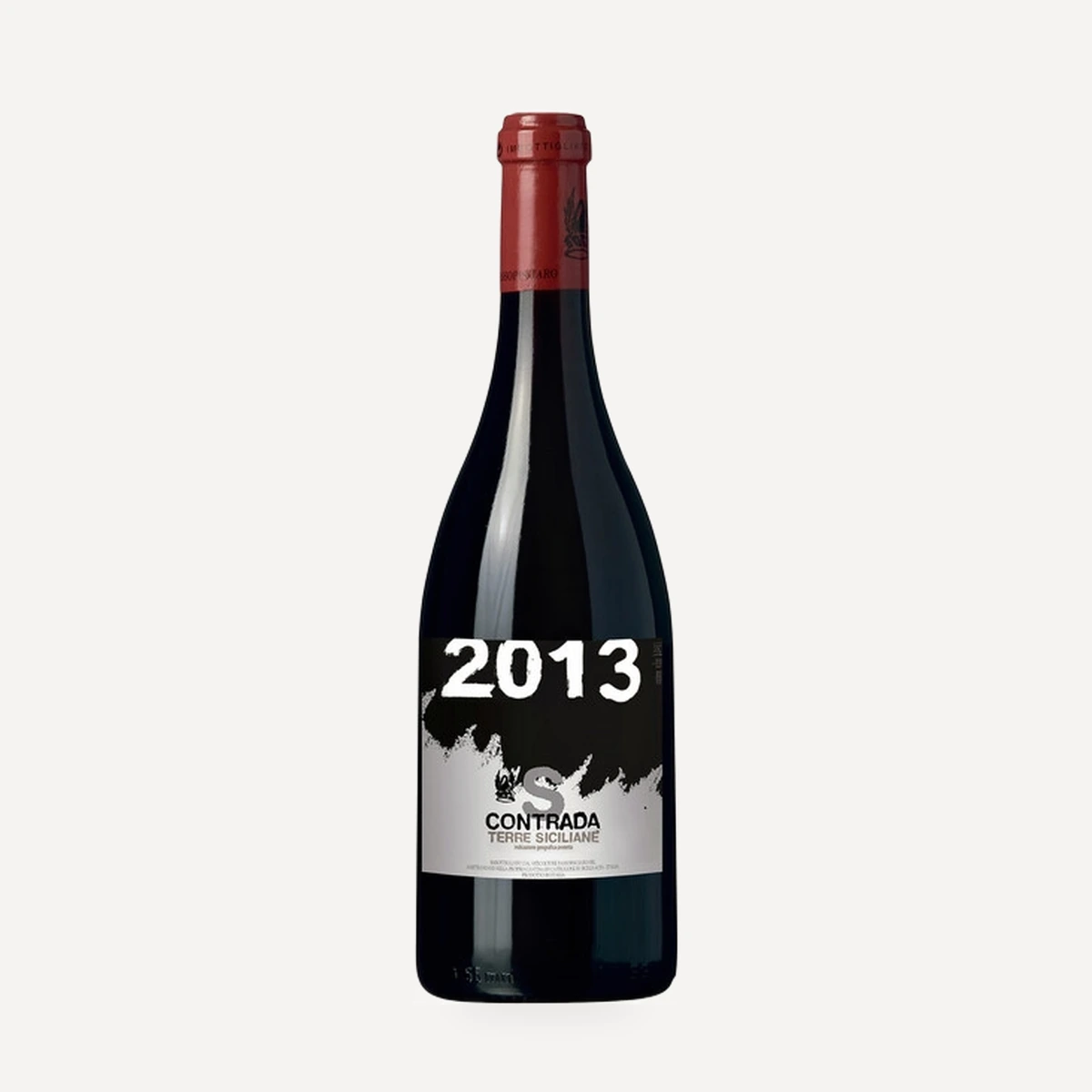
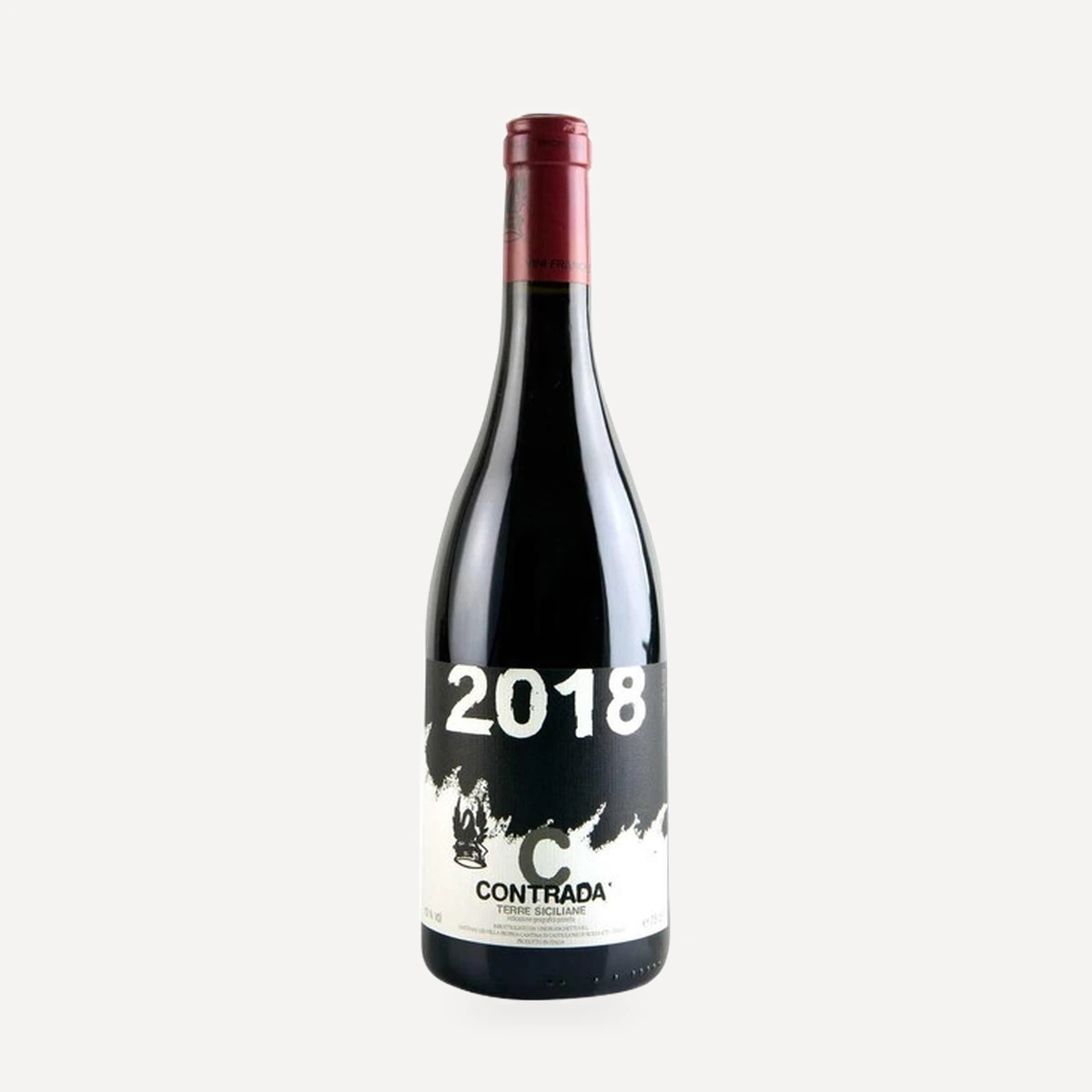
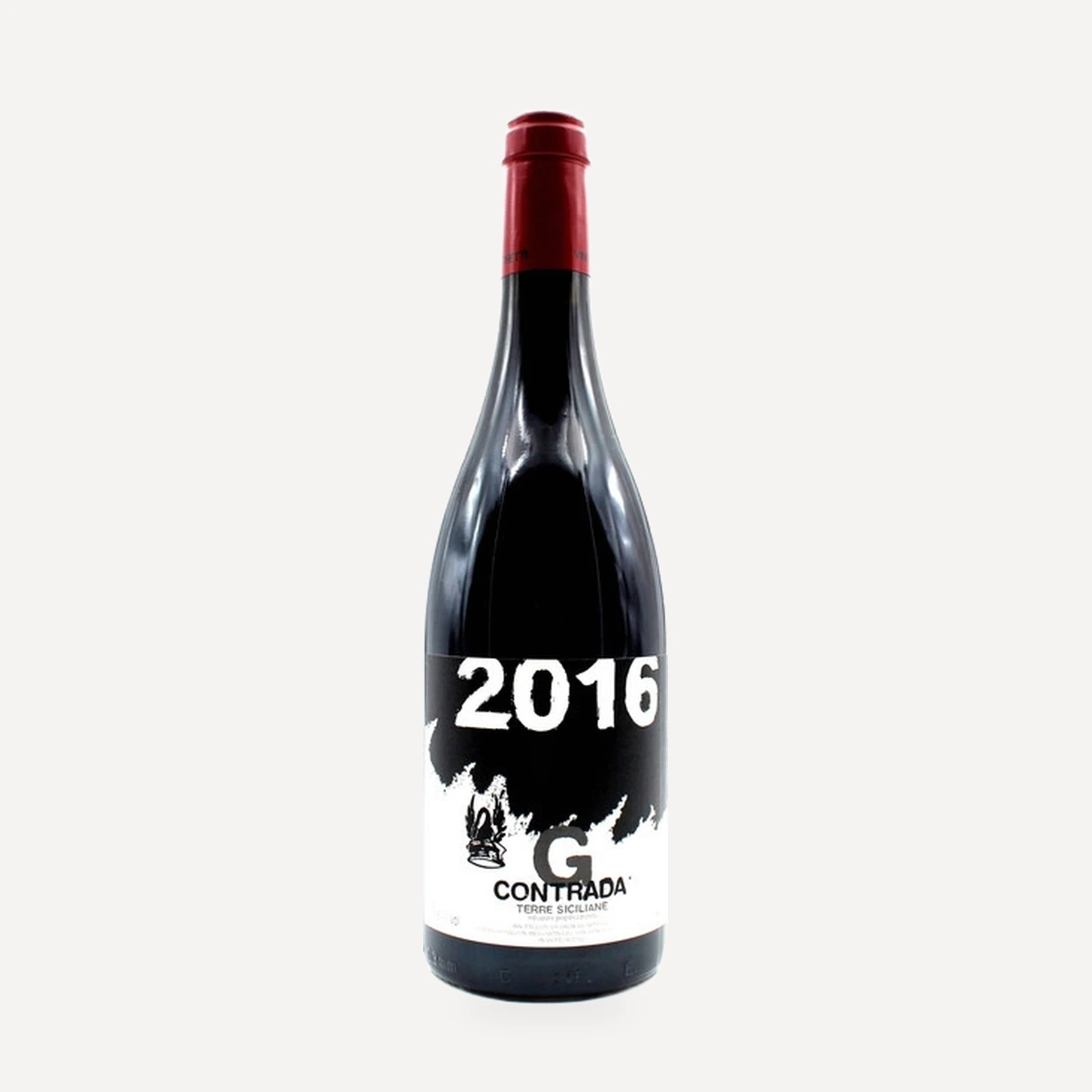
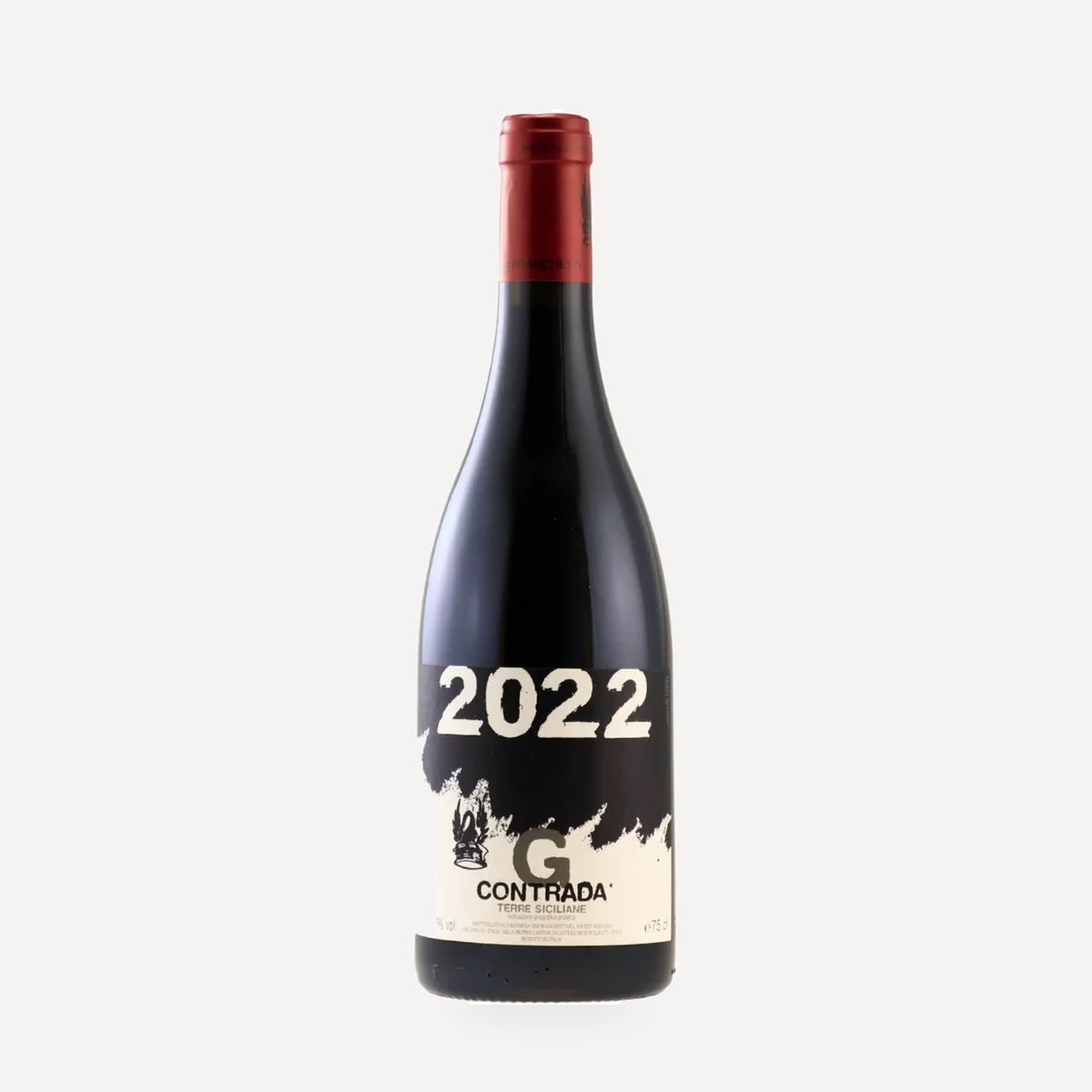
In 2008 the estate released Rampante, Sciaranuova, Porcaria and Chiappemacine separately for the first time, helping to establish a single-Contrada or cru approach on Etna. The labels changed in 2009. A separate Guardiola bottling was added in 2011, based on a selection of old Nerello Mascalese vines.
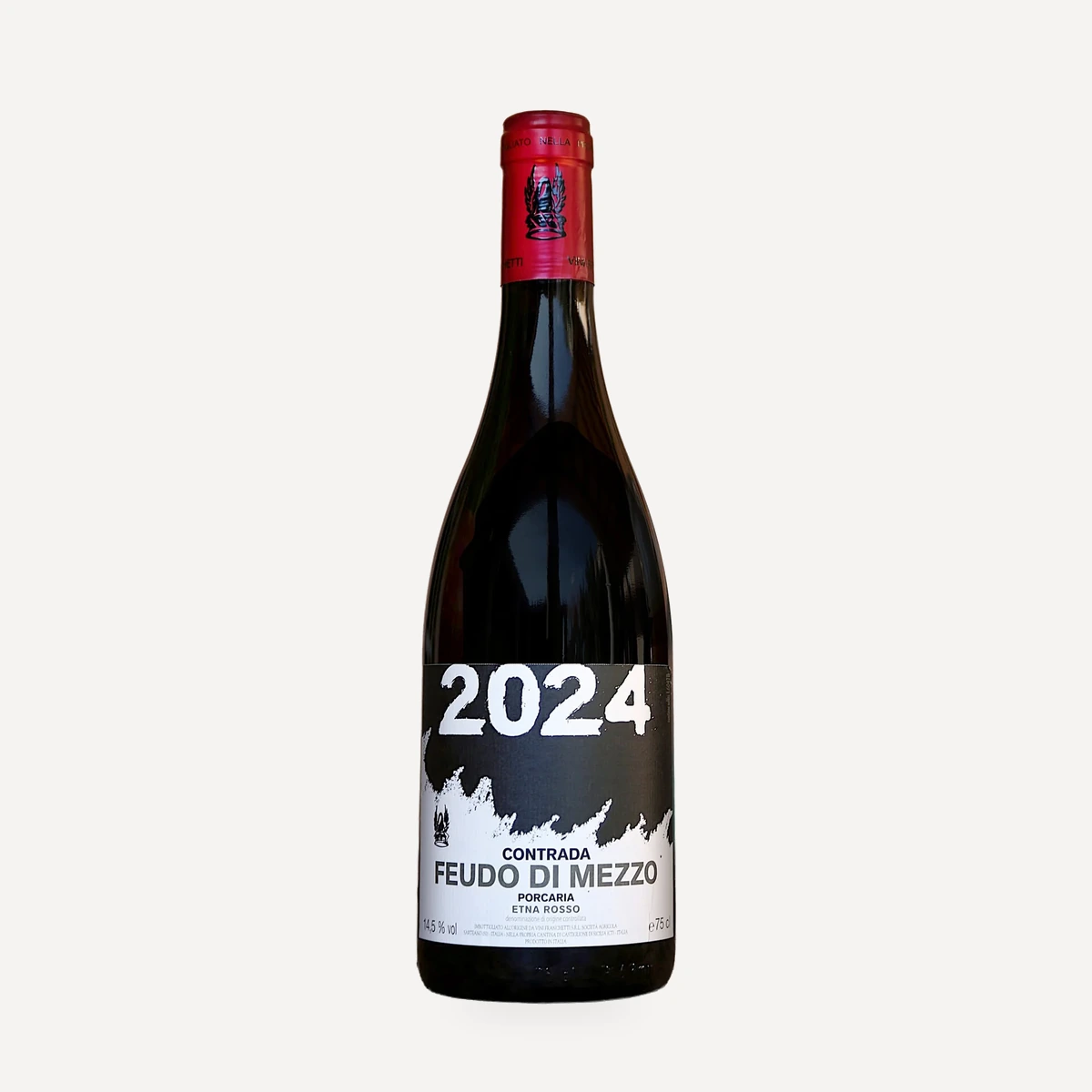
Passorosso became Etna Rosso DOC with the 2014 vintage. For the 2024 vintage, the Guardiola and Feudo di Mezzo–Porcaria bottlings also moved to Etna Rosso DOC. The change permitted the full geographical names to appear on their labels: Contrada G became Guardiola, while Contrada P became Feudo di Mezzo, Porcaria.
Le Contrade dell’Etna
Andrea Franchetti conceived and established Le Contrade dell’Etna in 2007 to promote Nerello Mascalese and the distinct identities of Etna’s vineyard districts. The inaugural gathering brought Mount Etna producers to Passopisciaro to share barrel samples of the new vintage. The event subsequently became annual and expanded as the number of producers on the volcano grew. By 2019 it occupied two days, one devoted to the new vintage en primeur and another to wines already on the market.
Twenty years on Etna
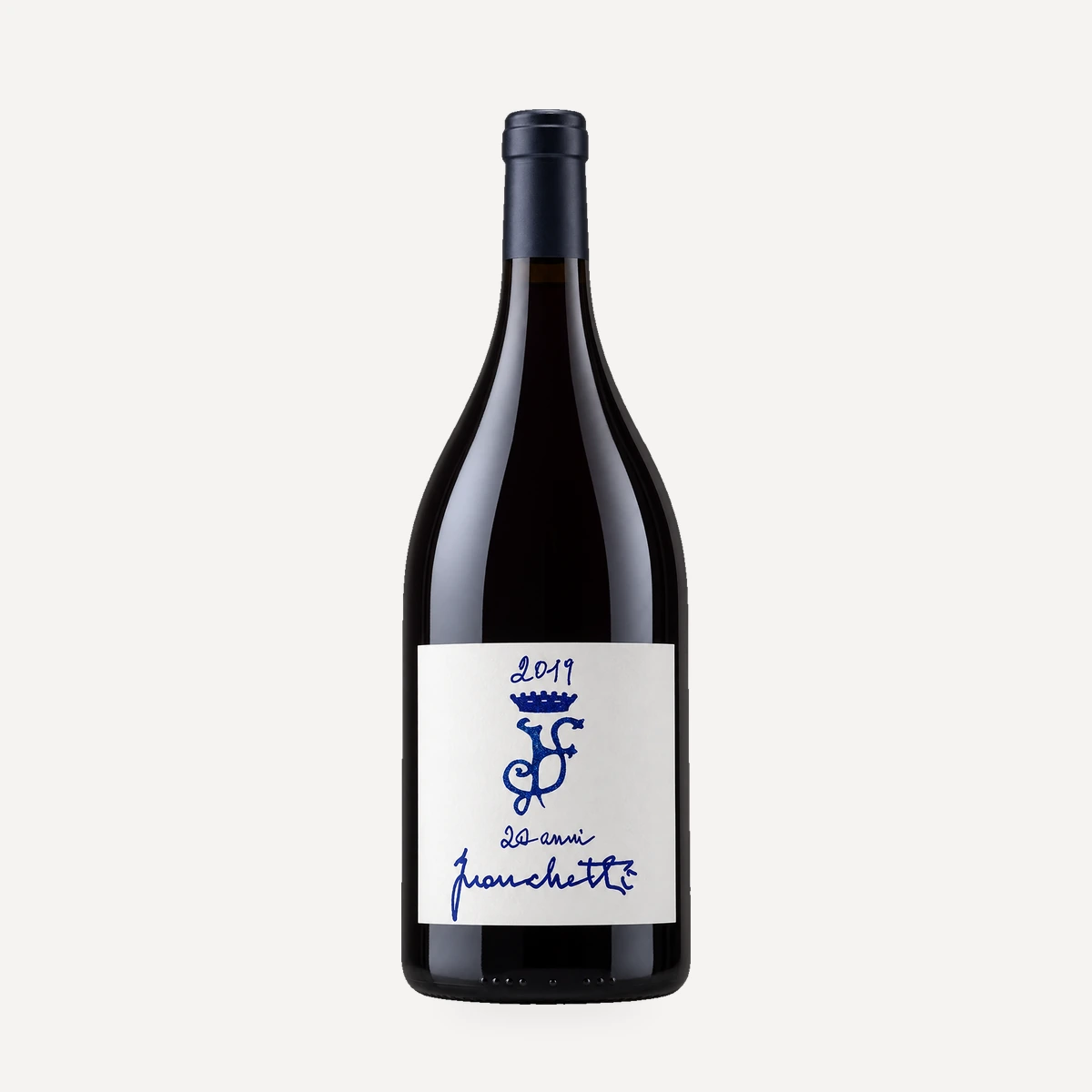
The 2019-vintage 20 Anni cuvée marked two decades of work on Etna. It brought together Nerello Mascalese from all the estate’s Contrade as an homage to the mountain, the preceding years and the project’s future, and was conceived as a one-vintage release.
Terroir
Passopisciaro lies on the northern slope of Mount Etna, above the village of Passopisciaro in Castiglione di Sicilia. The winery stands at approximately 1,000 metres, while its vineyards extend across a broad range of elevations. The old Nerello Mascalese sites run from roughly 550 to 1,000 metres, and some vineyards on the mountain extend beyond 1,000 metres.
Etna’s soils are dominated by volcanic ash and material from successive lava flows. They are mineral-rich, fertile and freely draining, but they vary sharply from place to place. Individual flows differ in age, mineral composition and the size of the particles formed as the lava cooled and weathered—rock, gravel, sand or fine volcanic powder. The borders of the Contrade preserve old feudal property divisions and remain mapped in the land registry.
Higher sites generally have coarser, more gravelly material. Lower sites tend toward deeper, finer soils produced by older, more oxidized lava reduced to powder. Guardiola and Passochianche include approximately 15,000-year-old post-elliptic pyroclastic material, while Rampante stands on sandy, oxidized lava approximately 4,000 years old. Sciaranuova occupies a much younger lava flow formed about 400 years ago. Chiappemacine lies at the outer limit of the lava, where a thin volcanic layer overlies sandstone and limestone.
The microclimate combines Mediterranean influence from the nearby sea with the low temperatures associated with high elevation. Day-to-night temperature differences can reach 30°C. Nights remain cold even in August, lengthening the growing season. Altitude and exposure create separate ripening calendars: Porcaria is normally among the first Contrade to ripen, while Rampante is generally the last.
The vineyards receive intense sunlight, yet their different aspects moderate its effect. Rampante’s high elevation and moderate solar exposure help preserve cooler conditions and reduce water stress. In Guardiola and Montedolce, Chardonnay grows on steep terraces rooted in deep volcanic dust and mineral-rich rock. The active volcano remains a physical presence: a 1947 lava flow stopped immediately above the steep property, leaving a ridge of black gravel near Guardiola without engulfing the terraces, walls and buildings below it.
Winemaking
Organic viticulture is practiced in the Contrada vineyards. Treatments recorded for the 2024 season comprise clay, propolis, grapefruit-seed extracts, copper and sulphur. Earlier technical material also records manure fertilization in Chiappemacine.
Old Nerello Mascalese is generally bush-trained. The named Contrade use a density of approximately 8,000 vines per hectare, while the newer Chardonnay, Petit Verdot and Cesanese d’Affile plantings reach approximately 12,000–12,300 vines per hectare. The estate’s earliest restoration work combined recovery of ancient terraces with dense replanting on thin volcanic soil.
Harvesting is manual. Ripeness is followed plot by plot and, for Chardonnay, terrace by terrace and cluster by cluster. Small sections are picked separately as they reach maturity. The estate has always used manual selection to retain the strongest bunches in uneven years. Nerello Mascalese is normally harvested in late October or early November, although hot seasons can advance picking. Chardonnay is harvested earlier, with each parcel followed independently.
Green harvesting is used to control crop level. Petit Verdot and Cesanese d’Affile intended for Franchetti have been reduced to as few as five bunches per vine. Canopies are managed according to site and season; during humid conditions leaves have been removed selectively to improve airflow without exposing grapes to sunburn. In 2015, damaged berries were removed individually after October rain and humidity increased mold pressure.
Irrigation is applied at night where possible during severe heat and drought. Younger plantings may receive substantial support, whereas the old and century-old Nerello Mascalese vines can draw on deep, complex root systems and may not require watering. Vineyard monitoring also guides thinning decisions and identifies drought-related vine losses.
The estate uses precision viticulture in Passochianche, tracking differences in Chardonnay maturity even within the same parcel and separating the resulting fruit through successive harvest and vinification phases.
Nerello Mascalese
The Contrada wines ferment in stainless-steel tanks. Malolactic fermentation follows, and the wines mature for 18 months in large oak barrels. Current technical sheets specify large Slavonian oak. The approach emphasizes limited intervention and separation by place rather than blending away the distinctions among lava flow, altitude and exposure.
For Passorosso 2024, extraction from skins and seeds was deliberately restrained through an eight-to-nine-day maceration. Fermentation temperatures remained at or below 26–28°C. Ageing took place principally in large oak barrels, with a small proportion in concrete vats. The wine was bottled during the waning moon in September 2025. Earlier Passorosso material also identifies the finished wine as unfiltered.
Chardonnay
Passobianco is harvested in multiple passes, following the maturity of individual terraces and clusters. In 2024, 10% of the fruit underwent cold maceration, while the remainder was pressed as whole clusters. Alcoholic fermentation took place in stainless steel at 22–24°C, followed by malolactic fermentation in concrete. The wine aged on its lees, 90% in concrete and 10% in large oak, without bâtonnage.
Contrada PC is vinified separately according to the composition of each vintage. In 2023, 30% of the grapes received approximately 24 hours of pre-fermentation maceration in stainless steel at 10°C; the remainder was gently whole-cluster pressed. Alcoholic and malolactic fermentation took place in large Slavonian oak casks, followed by a brief passage in concrete and ten months on fine lees.
The earlier Contrada PC protocol used meticulous hand harvesting, low-temperature transport to the cellar, destemming and a 12-hour cold soak before pressing. Fermentation and naturally occurring malolactic fermentation took place in neutral oak vessels no larger than 20 hl. The wine was then racked from gross lees, returned to large oak and kept with fine lees for at least six months. Fining and bottling followed the waning moon, and the wine was released after further bottle ageing without filtration.
Petit Verdot and Cesanese d’Affile
The blend used for Franchetti is determined by the quality and character of each vintage rather than a fixed recipe. The grapes are fermented in steel. The wine undergoes malolactic fermentation and has historically been matured in new French oak; one documented protocol used six months in new French barriques followed by fourteen months in large concrete vessels. Bottling has also been scheduled during the waning moon.
Philosophy
Passopisciaro is organized around the premise that Etna’s individual lava flows, elevations and exposures produce recognizably different wines. Nerello Mascalese is treated primarily as a vehicle for place: Passorosso presents a composite view across elevations and soils, while the five Contrada bottlings isolate individual districts.
Andrea Franchetti described wine as an artwork that changes every year. In his view, the landscape and seasons affect the person making the wine, and that changing perception is transferred to the finished wine. Vintage variation is therefore not something to erase: each harvest requires new decisions, beginning with the precise moment of picking and continuing through fermentation and the many stages before bottling.
The approach to the Contrada wines is deliberately restrained. Stainless-steel fermentation, large neutral or Slavonian oak and limited extraction are intended to keep the distinctions among sites visible. The estate’s separate treatment of increasingly small Chardonnay sectors follows the same logic, recognizing different expressions even where variety and general position are shared.
Franchetti conceived his namesake Petit Verdot–Cesanese d’Affile wine differently. While the Nerello Mascalese wines were intended as wines of place, Franchetti was conceived as a maker’s wine: a denser volcanic red shaped by personal vision, with a blend that changes according to the character of the vintage rather than a predetermined formula.
High-density planting, rigorous crop control, manual harvesting and repeated tasting in the vineyard place the picking decision at the center of the work. The objective is neither uniformity among years nor a fixed flavor profile, but an interpretation of each vintage and each volcanic site.
Wines
Passorosso
Contrada R
Contrada S
Contrada PC
Contrada C
Contrada Feudo di Mezzo – Porcaria
Contrada G
Passobianco
Contrada Guardiola
Franchetti
20 anni