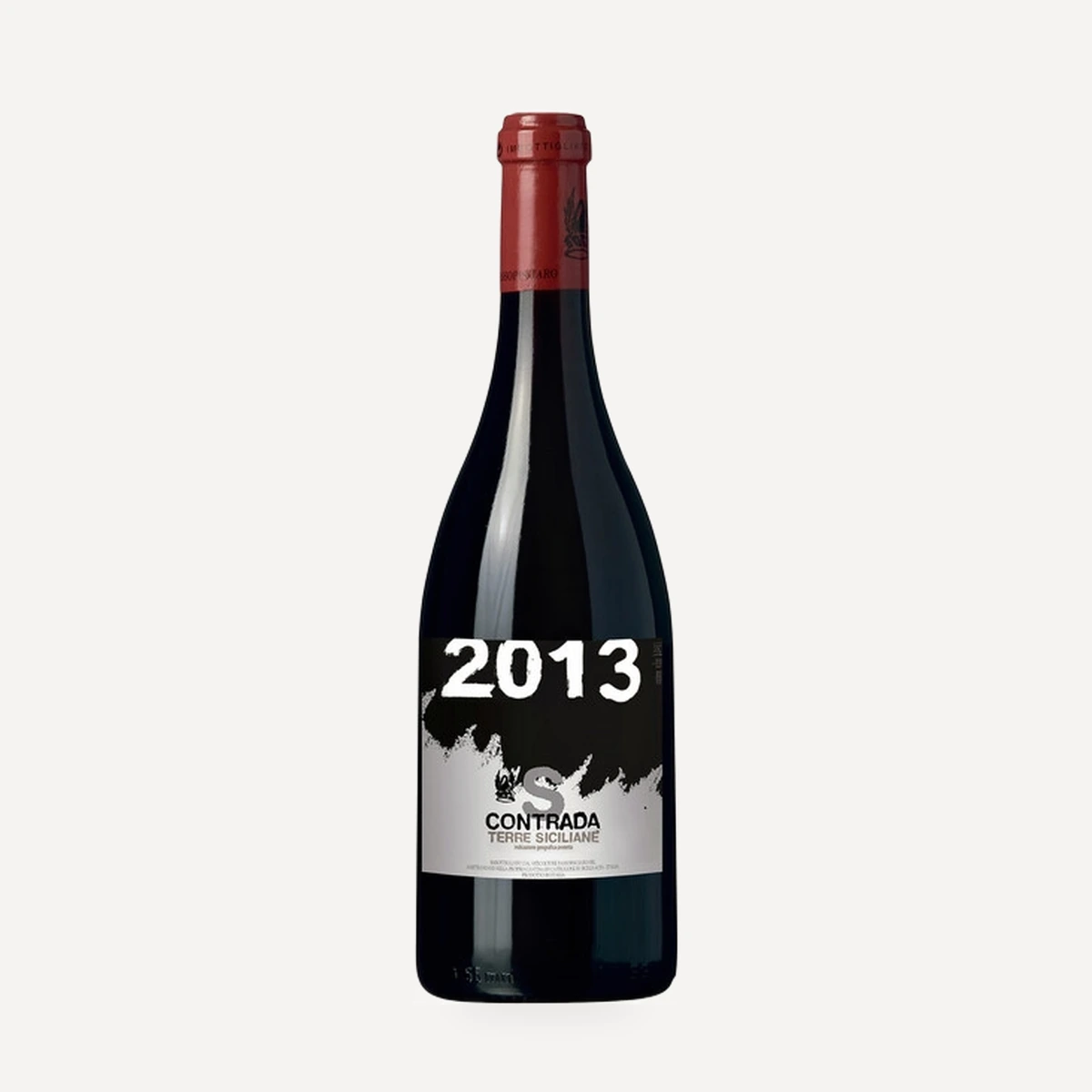
About this wine
Vineyard and terroir
Contrada S is the estate’s single-vineyard expression of Contrada Sciaranuova on the northern side of Mount Etna. “Sciara nuova” means “new lava flow” in Sicilian, referring to a flow from the 1600s, approximately 400 years old. Its weathered surface has become thick lava gravel; earlier descriptions characterize it as soft and crumbly, like wet carbon. The parcel covers 1 hectare at approximately 850 m above sea level.
The terraces are described as slightly west-facing, benefiting from long afternoon light and rapid evening temperature changes. Other vintage sheets place the parcel in a cool channel exposed to sunlight from the first light of day. The established vines are generally 80–90 years old and planted at 8,000 vines per hectare.
Viticulture varies slightly by vintage. No fertilizer was used in many of the older years; the 2021 sheet records manure. Treatments have included clay, propolis, grapefruit-seed extract, sulphur, copper and, in 2011, vitamin C. The 2024 sheet identifies the farming as organic. Green harvesting is practiced: in 2022 only six bunches were left on each vine. Manual selection was especially important in the difficult 2023 season.
Grapes
100% Nerello Mascalese.
Vinification
Alcoholic fermentation takes place in stainless-steel vats. Vintage sheets from 2008–2009, 2011 and 2013–2019 give a 15-day fermentation; 2010 and 2012 were fermented for 10 days. The 2008 sheet explicitly records 15 days of skin contact. Fermentation duration is not specified for 2020–2024.
The approach is deliberately restrained, allowing variations in lava, altitude and exposure to shape the individual Contrada wines. Contrada S and the other Contrada bottlings were first separated in 2008, followed by a label change in 2009.
Ageing
The standard maturation is 18 months in large oak barrels. Older sheets identify the vessels as neutral oak, while 2022 and 2024 specify large Slavonian oak barrels. The 2023 vintage remained in large Slavonian oak for 19 months. Malolactic fermentation generally precedes maturation; the 2015–2018 sheets place it in the large neutral-oak barrels. The inaugural 2008 spent 18–20 months in large neutral oak, followed by brief bottle ageing.
Bottling has frequently followed the waning moon: April 2014 for the 2012, April 2015 for the 2013, April 2016 for the 2014, April 2017 for the 2015, April 2018 for the 2016, April 2019 for the 2017, May 2020 for the 2018, April 2021 for the 2019, April 2022 for the 2020, April 2023 for the 2021, April 2024 for the 2022 and April 2025 for the 2023. The 2024 was bottled on 17 February 2026. The 2008 was fined before bottling in spring 2010.
Technical data
IGP/IGT Terre Siciliane. The 2024 has 14.5% alcohol and yielded 2,137 bottles. Annual output is normally around 2,000 bottles, ranging across the vintages shown from 1,157 bottles in 2023 to 3,300 bottles in 2016. Recorded yields range from 15 hl/ha in 2011 to 30 hl/ha in 2020; the 2021 and 2024 sheets instead express yield as 30 q/ha.
Tasting profile
Sciaranuova characteristically produces bright, aromatic wines with depth and breadth. Fermented hay and dusty wild herbs recur in the profile, supported by red fruit and a pronounced mineral dimension.
The 2024 combines ripe black fruit and graphite on an intense nose. Concentration and volume are balanced by enveloping tannins, giving an elegant, harmonious palate.
The 2023 is poised and finely balanced: polished, silky tannins and mineral definition frame juicy red fruit, followed by a long, savoury aftertaste. Additional notes include white smoke, ash, dried violet, lavender, blackberry, red and blue fruit, sweet spice and lively acidity.
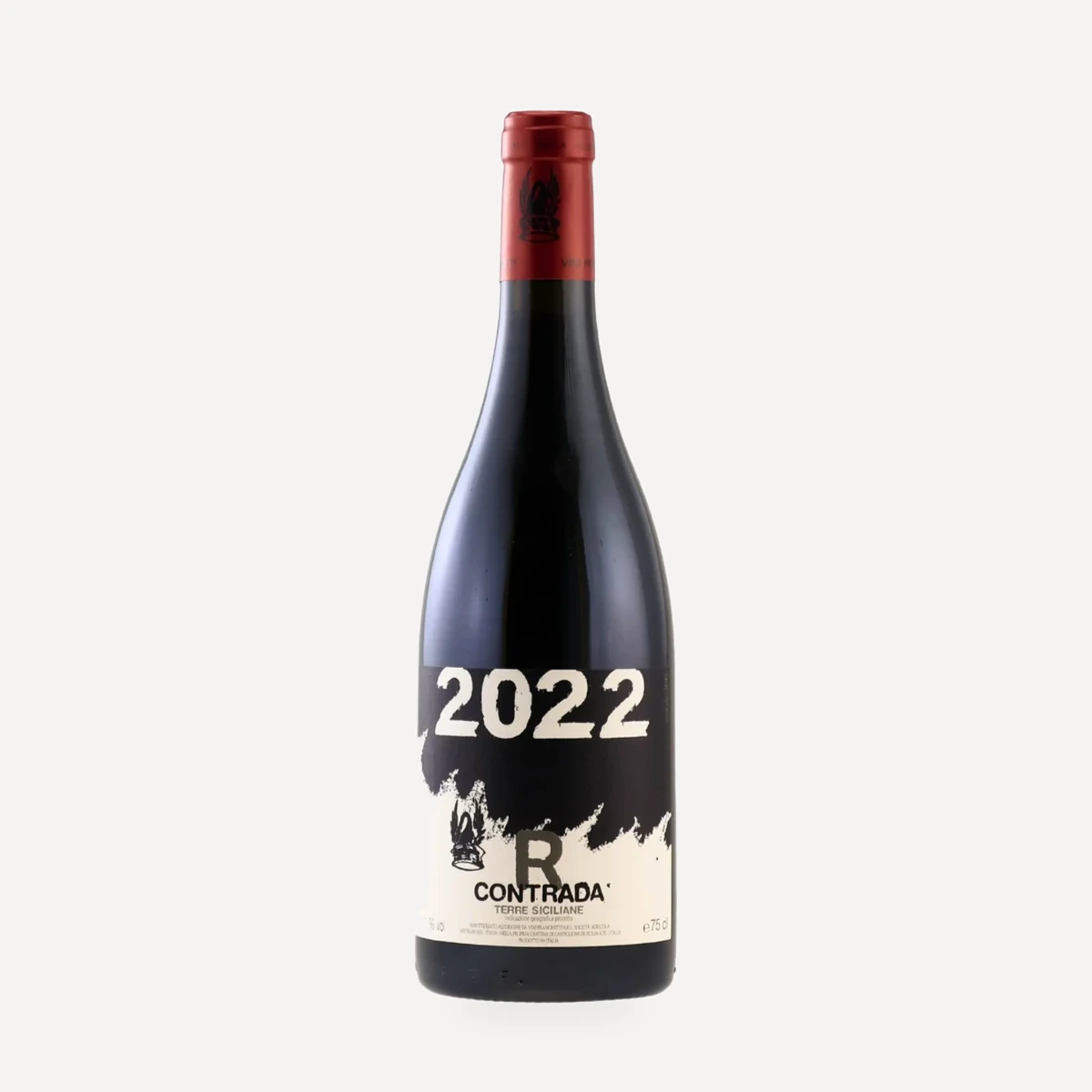
The 2022 is deep and full-bodied, with ripe red fruit, silky tannins, mineral charm, a long saline finish and substantial potential. Its aromatic range includes dried flowers, earth and ash; the palate is lifted and silky, with red berries, brilliant acidity and crunchy tannins. Cherry rises above ash and crushed-stone notes, finishing with chalky tannins.
The 2021 shows earthy black and red cherry, balsamic and floral tones. It is intense and succulent, with bright red, black and blue fruit supported by sturdy tannins. Spice, minerals, white pepper, sandalwood, dried flowers, clove and ripe strawberry add complexity. Its silky texture is countered by steadily building tannic tension, lingering violets and tart blackberry.
The 2020 combines bright cherry and berry fruit with herbs and an earthy, musky accent. Citrus-edged red fruit, exotic flowers and energetic acidity lead to a lightly structured finish with salted licorice. Further notes include white pepper, medicinal herbs, blackcurrant, rhubarb, brick, gunpowder, fennel, mint and sour plum skin.
The 2019 is fragrant and elegantly structured, with red berry, rose, wild herbs, dark spice and slate. Ripe Marasca cherry, pomegranate, blood orange and white pepper lead into a flinty finish. Raspberry, iron, violet, sour cherry, tangerine, cedar and smoke add layers; fine-grained tannins and fresh acidity provide grip and length.
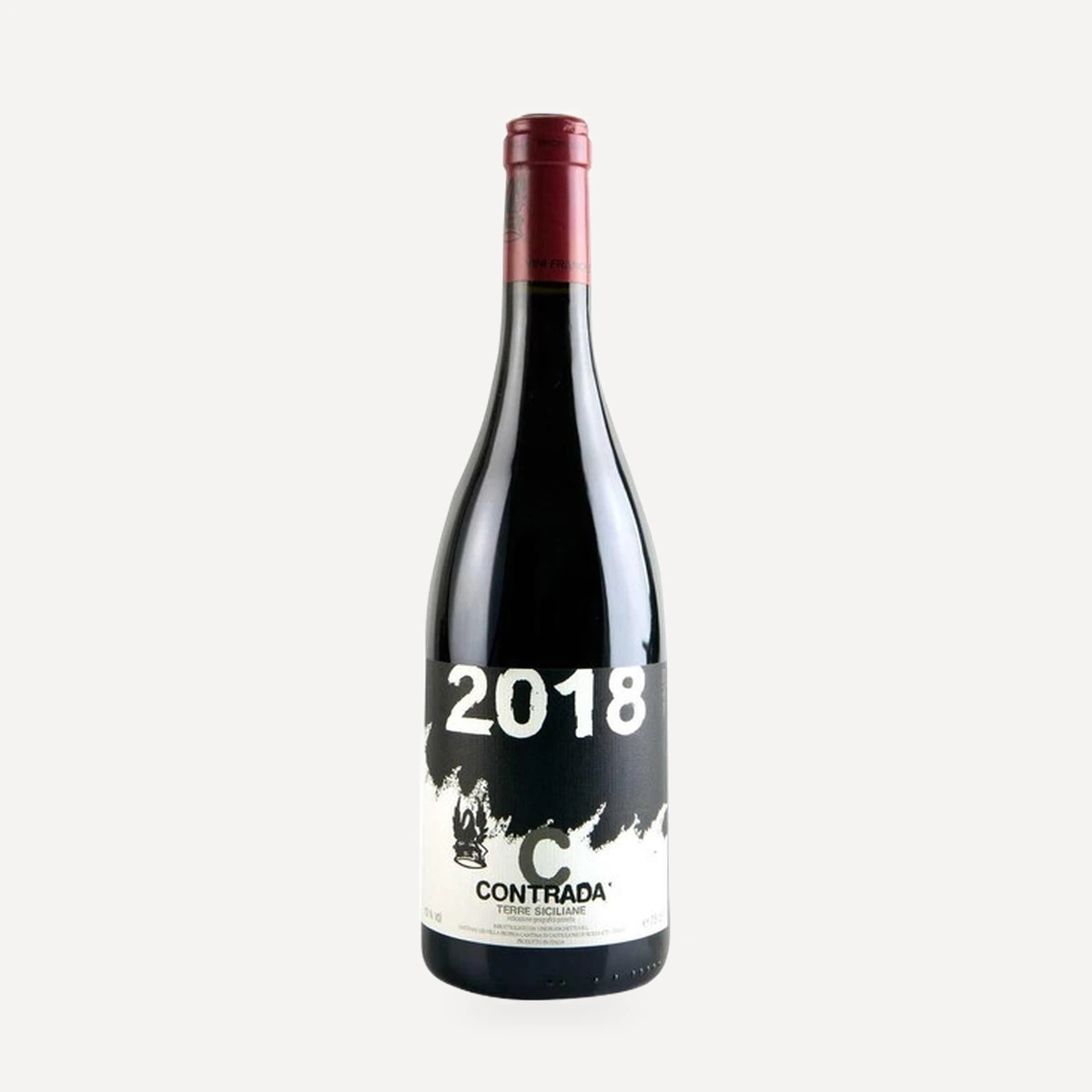
The 2018 is linear, fragrant and graceful, marked by pronounced acidity. Wild red berries, Mediterranean brush, rose and camphor lead to sour cherry, orange zest and star anise. Refined tannins and mineral tension evoke wet stone and oyster shell; ash, smoke and tarry spice frame a lean, streamlined palate.
The 2017 is full-bodied and powerful yet balanced, with ripe red fruit, blood orange, pomegranate and camphor. Eucalyptus, Mediterranean herbs, wet stone, black cherry, bitter almond, licorice, raspberry, orange peel, tea leaf and spice accompany firm tannins, mouthwatering acidity and a long mineral finish.
The 2016 is smooth, gentle and polished. Black berries, rose, sea breeze and wet rock introduce Marasca cherry, raspberry, star anise and saline minerals. Silky or velvety tannins, bright acidity and a weightless full body are recurring themes, while graphite, sage, licorice, florals, smoke and sweet spice persist on the long finish.
The 2015 is mineral, saline and structured, combining menthol, sour cherry, redcurrant, Mediterranean brush, flint and eucalyptus. Dried Marasca cherry, pomegranate, clove and star anise are framed by fine-grained tannins and a mineral finish. Its palate is fleshy, powerful and notably long.
The 2014 is dense yet soft and full-bodied, with a garnet hue and restrained but powerful aromas. Sandalwood softens the citrus and camphor notes associated with Etna’s lava. Raspberry, blood orange, violet, nutmeg, white pepper, sour cherry, licorice, peony, ripe berry, eucalyptus and cinnamon sit above silky tannins and fresh acidity.
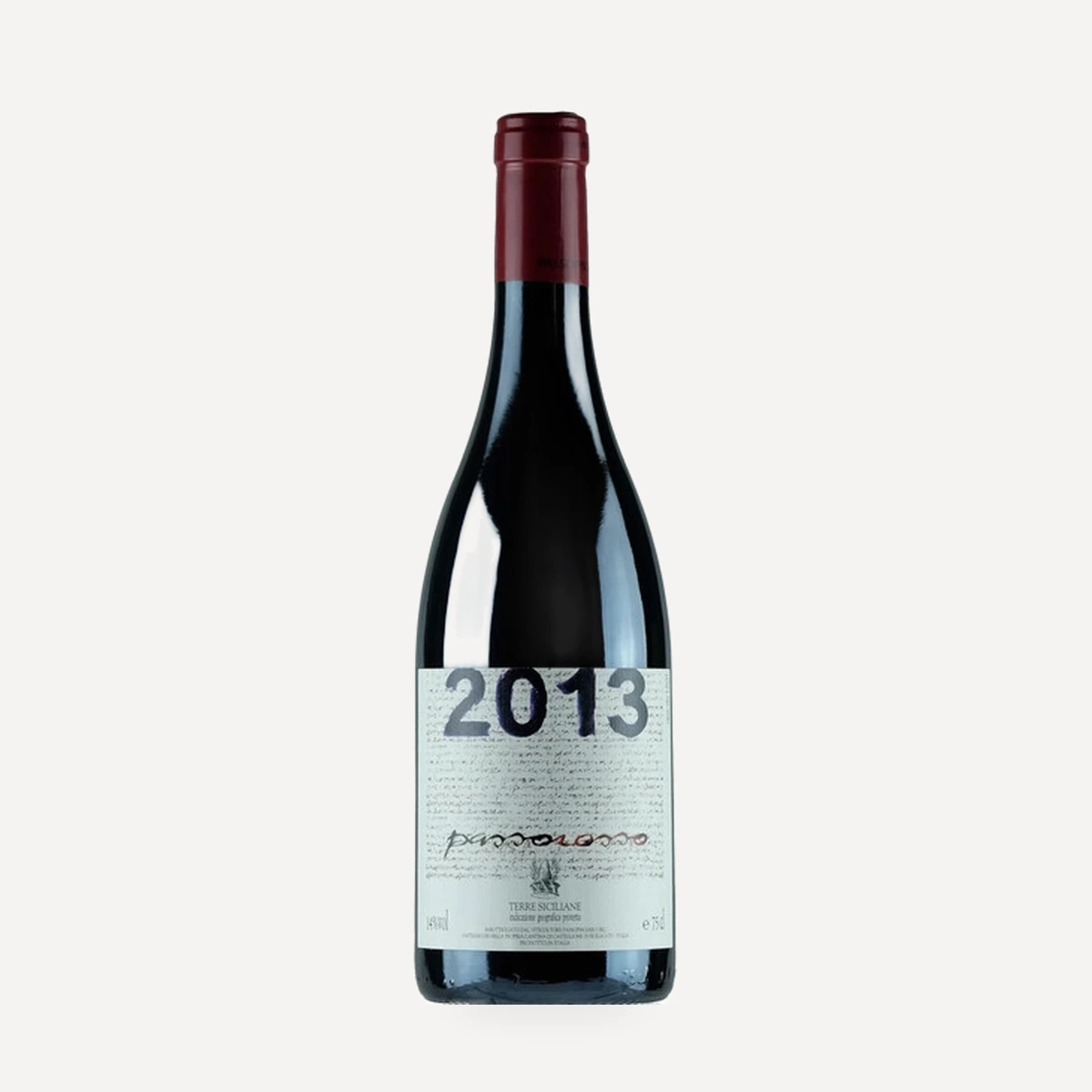
The 2013, from a cold and delayed year, is lighter in appearance but preserves mineral definition, marzipan, camphor and red fruit. Cherry, licorice, fennel, raspberry, blue flowers, crushed stone, white pepper and clove accompany bright acidity and polished tannins. Brambly fruit, cherry cola and rosemary lead to a dry, streamlined, precise finish.
The 2012 evokes fresh hay, pepper, vegetation, caves and deep gravel. It is rich and ripe, with wild berries, blackcurrant, smoke, grilled herbs, anise, licorice and minerals. Its concentrated warmth is balanced by firm, velvety tannins and a grippy, mouthwatering finish.
The 2011 is measured and firmly structured rather than massive. Raspberry, bergamot, iron, dried rose and quinine meet saline underbrush, smoke and mineral notes; the finish is long, savoury, increasingly tannic and almost lemony.
The 2010 is softer and narrower than other years, with unctuous fruit at its center. Orange peel, tar, licorice, exotic spice, dark berries, minerals and rose petals build toward a generous, silky finish.
The 2009 is firm, wiry and energetic. Bright red fruit, flowers, anise and minerals show marked vibrancy, followed by cedar, dried herbs and tobacco on the close.
The inaugural 2008 is dark, rich and concentrated, combining ripe red fruit, spice and flowers with both power and lightness. Its depth is held together by strong overall balance.
Vintage notes
2024: A cold, clear winter was followed by a regular spring and abundant flowering between late May and early June. Scorching heat and warm nights necessitated irrigation where possible. Early-August rain brought some damaging hail to lower vineyards, while prolonged drought caused losses among some vines. Nerello Mascalese was gathered across 3–11 October, with Contrada S itself manually harvested on 5 October.
2023: Snow above 800 m rebuilt water reserves after the 2022 drought. Heavy rain, low temperatures and downy mildew disrupted flowering and cut yields, while July repeatedly reached 40°C. Uneven ripening made meticulous manual selection essential. Sciaranuova was harvested on 15 October, producing only 1,157 bottles.
2022: Winter rain and snow replenished the soils, followed by regular budbreak and spring rain. Warm early-summer conditions accelerated canopy growth. Sciaranuova handled the continuing drought well, permitting hang time until 27 October and full phenolic ripeness. Green harvesting reduced the crop to six bunches per vine.
2021: A changeable winter and cold spring delayed the season before intense summer heat arrived. The old Nerello Mascalese vines did not require the night irrigation used elsewhere because their deep roots could reach sufficient water. September rain and cooler conditions enabled balanced ripening. Hand selection took place on 12 October.
2020: A moderate, rainy summer gave way to renewed heat, August rain, September rain and a later hail event. Northern wind and an early-October cold spell preceded the ripening of the red varieties. Contrada S was harvested on 24 October.
2019: Cold April and May weather and a light frost delayed flowering until June. Heat near 40°C from late June through September recovered part of the delay. October brought a rapid rise in phenolic maturity, producing sinuous wines with moderate alcohol, fresh fruit and vertical acidity. Harvest was 21 October.
2018: One of the rainiest and most tropical recent seasons required additional, careful leaf removal for airflow and treatments with clay and propolis. Rain, humidity and fog complicated the end of the season, but the resulting wines retained linearity, varietal definition, pronounced acidity and longevity. Harvest was 21 October.
2017: Persistent heat and unusually warm nights continued until mid-September, requiring some irrigation. Advanced maturation moved harvest more than a week earlier than usual; Contrada S was picked on 20 October.
2016: Lean grapes ripened steadily, allowing precise harvest timing on 25 October. The fruit released flavor and color readily, requiring no forceful extraction and producing smooth, gentle wines.
2015: A wet winter and very hot summer encouraged vigorous growth. October rain weakened skins and brought disease pressure, prompting berry-by-berry removal of unhealthy fruit after green harvest. The altitude and propolis treatments allowed picking to wait until 18 October.
2014: A rapid harvest followed a very dry summer moderated by cool nights. The wines are broad, full-bodied and aromatic yet unusually soft. Contrada S was harvested on 24 October.
2013: A cold, delayed season gave lighter wines while preserving Sciaranuova’s mineral, marzipan, camphor and red-fruit character. Harvest was 25 October.
2012: Heat and drought lasted from May to October. Despite high sugar and low acidity, the grapes initially remained physiologically unripe and stressed. Irrigation and two days of rain restored balance immediately before the rapid 23 October harvest.
2011: Late rain and a long season produced exceptional richness contained by a measured, firm structure. Harvest was 31 October.
2010: Mild conditions produced plump berries and generous growth. Cool west-facing terraces gave a narrower, softer wine expected to intensify with age. Harvest was 29 October.
2009: Snowmelt fed the vineyard into spring before a dry summer. Gravel, westward orientation and rapid evening temperature changes intensified varietal aromas and flavors. Harvest ran from 25 to 31 October.
2008: Repeated winter snowfalls supplied water before a hot July–September. Timely October rain relieved dry soils and completed a strong season. Harvest ran from 1 to 15 November, and this was the first separately bottled Contrada S.
Label / history
The letter “S” denotes Sciaranuova. Separate bottling began with the 2008 vintage, and the label changed in 2009.