Dionysus.
ExploreWines
🍾Bottle photo coming soon
WhiteIGT Terre Siciliane (documented for the 2018–2021 vintages)

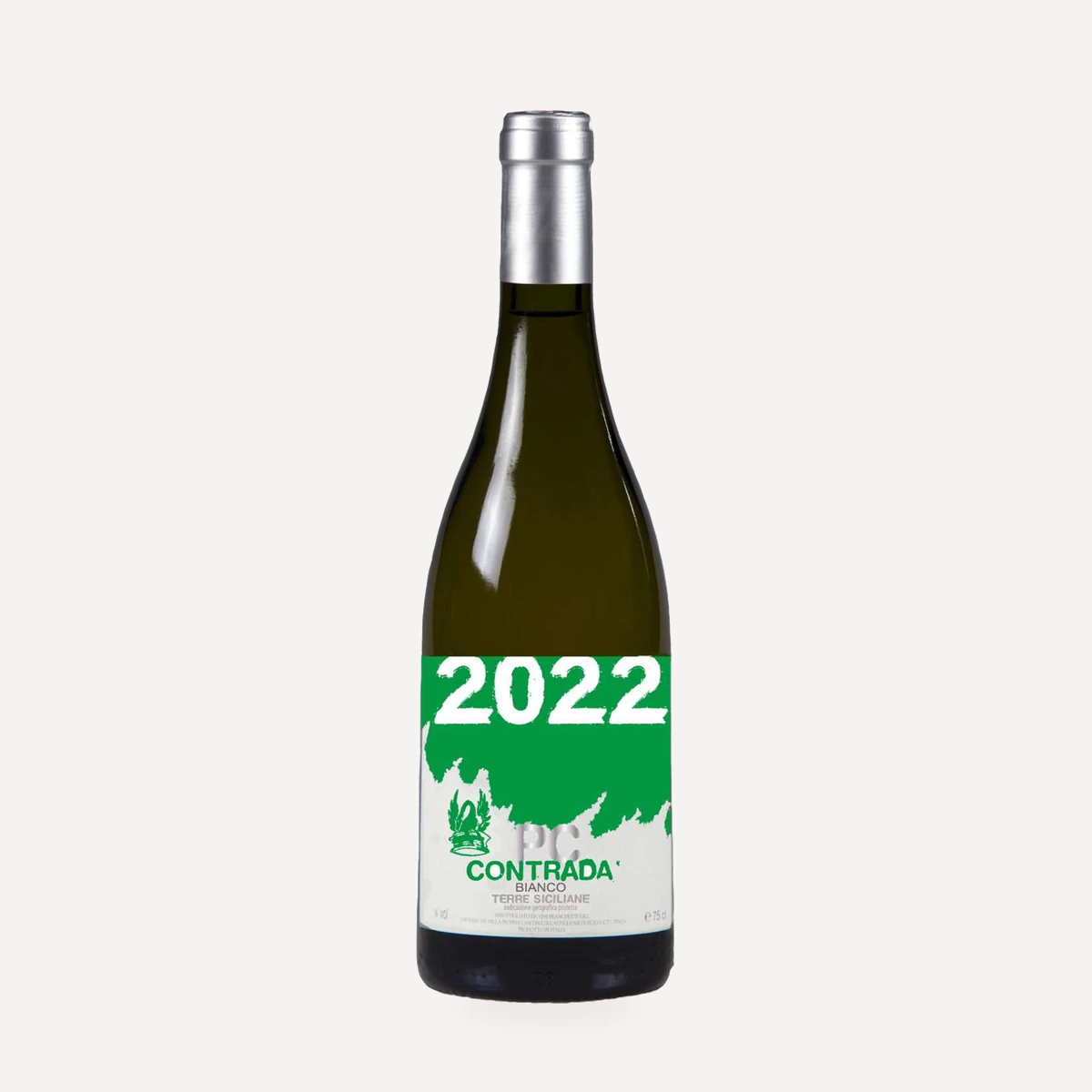
Contrada PC

by Passopisciaro · Sicily, Italy

TypeWhite
AppellationIGT Terre Siciliane (documented for the 2018–2021 vintages)
Grapes100% Chardonnay
VineyardA minute parcel of terraced Chardonnay in Contrada Passochianche, immediately above the main Passopisciaro estate on the northern side of Mount Etna, Sicily
LinePassopisciaro single-vineyard cru
Vintages2018, 2019, 2020, 2021, 2022, 2023

About this wine

Vineyard and terroir

Contrada PC is a mountain-grown, single-vineyard Chardonnay first bottled in 2018. It emerged from years of observing separate Chardonnay parcels and tracking differences in maturity during harvest and vinification. Increasing vine age and precision viticulture revealed distinct expressions even within the same variety and location.

The fruit comes from Passochianche, a minute parcel of small, labor-intensive terraces immediately above the main Passopisciaro estate on Mount Etna’s northern side. The general vineyard description places it at 870–950 m; the 2021 technical sheet gives 900–1,000 m, while the 2022 and 2023 materials give 870–1,000 m. Production is naturally limited, and ripening is described as unusually complex.

Planting density is 12,300 vines/ha. The vines were 19 years old in 2019 and 20 years old in 2020 and 2021. The 2022 and 2023 descriptions identify a roughly 15,000-year-old volcanic soil of post-elliptic, pyroclastic origin with abundant rock formations.

The documented vineyard work varies by year. No fertilizer was used in 2019 or 2020; treatments included sulphur, copper, clay, propolis and grapefruit-seed extract. Manure was used in 2021, with clay, propolis, grapefruit-seed extracts, copper and sulphur as treatments.

Grapes

100% Chardonnay.

Vinification

The established method begins with meticulous hand harvesting during the first weeks of September and transport to the winery at low temperature. The fruit is destemmed, cold-soaked for 12 hours and pressed. Alcoholic fermentation takes place in large neutral oak barrels no larger than 20 hl. Naturally occurring malolactic fermentation follows in wood. The wine is then racked off the gross lees and returned to large oak vessels.

The approach has evolved by vintage. In 2021 the cold maceration lasted 24–36 hours, followed by fermentation in 15 hl oak barrels. In both 2022 and 2023, 30% of the crop received approximately 24 hours of pre-fermentation maceration in stainless steel at 10°C, while the remaining fruit was gently pressed as whole clusters. Alcoholic and malolactic fermentation took place in large Slavonian oak casks.

The wine is not filtered. The general production cycle associates fining and bottling with the waning moon. The English description places fining in June and bottling in July. Vintage records give bottling during the waning moon of March 2021 for the 2019, March 2022 for the 2020, and July 2022 for the 2021. The 2022 vintage was bottled on 5 February, and 4,754 bottles of the 2023 were filled on 24 July 2024.

Ageing

Lees work is central to the wine. The general regimen gives at least six months in contact with fine lees in large oak after racking from the gross lees.

The 2018 spent 10 months in oak casks on fine lees. The 2019 aged for 18 months in large oak barrels, the 2020 for 17 months in large oak, and the 2021 for 10 months in large oak. The 2022 remained for 16 months on fine lees in large Slavonian oak, interrupted by several short passages in cement. The 2023 aged for 10 months on fine lees following fermentation in Slavonian oak and a brief passage in cement.

The English general description gives an additional year in bottle before full expression. The Italian version gives at least six months, with release in February following July bottling.

Technical data

IGT Terre Siciliane is documented for vintages 2018–2021. Yields were 35.5 hl/ha in 2019 and 55 hl/ha in 2020; the 2021 sheet records 55 q/ha. Production increased from 2,660 bottles in 2018 to 3,350 in 2019, 6,940 in 2020 and 6,400 in 2021, before falling to 5,690 in 2022 and 4,754 in 2023. The 2023 crop was reduced by 60%.

The 2019 and 2020 vintages are documented at 13% alcohol by volume. A 750 ml format is recorded for 2019.

Tasting profile

The 2023 is mineral, savoury and vibrant, with an expressive, complex bouquet of white-skinned summer fruit, citrus and bread crust. It combines dense, ripe fruit with bright acidity and finishes long. Additional published notes identify lemon, tarragon, chive and a sorghum-like nuance.

The 2022 is similarly mineral, savoury and vibrant. White-skinned summer fruit and citrus mingle with bread-crust notes; the palate is balanced and persistent. Further descriptions add sweet spice, kiwi, lime zest, white smoke, orchard fruit and a gently building mineral tension. Sour citrus and salinity linger on the finish. Another assessment finds white flowers, candied pear, spice and crushed stone, with intensity, brightness and a firm, almost salty close.

The 2021 combines lime-edged apple, stone dust, straw and ginger spice. Its texture is silky and enveloping, with ripe orchard fruit, accumulating minerality, lemon sorbet and mint on a long finish. Other descriptions add cooked apple, crème caramel, nougat, white pepper, honeysuckle and basalt-like minerality. The palate is full, layered, soft and rounded but held by marked finishing acidity. A further profile emphasizes fresh apple, flint, spice and restrained tropical fruit, leading to a zesty, creamy palate with apricot, mixed tropical and stone fruit and a stony background.

The 2020 shows baked apple and pear, white flowers and raw almond, followed by ripe melon, mineral and spicy accents. It is silky and elegant, finishing exceptionally long with a bitter edge, young peach and herbal nuances. Other descriptions include crushed lime, honeysuckle, honey, orchard fruit, apricot and blanched almond over a medium-weight, glossy texture. The aromatic range extends through toasted wood, wet pavement, lemon, quince and kumquat; green and yellow apple, lychee, pineapple and star fruit appear on the palate, with focused acidity and a bitter, nutty finish. Another published profile describes a golden color, flowers, moderately ripe tropical fruit, stone and graphite, with a vibrant yet dense, rounded body and a savoury finish of white pepper, ripe peach, flint and gentle oak.

The 2019 is an intense straw yellow. Peach, orange and elegant oak accompany citrus, honey, white fruit, spice and saffron. The palate is concentrated and cool, with a long, creamy texture. Dusty flowers and smoke lead into Granny Smith apple; the palate is savoury and silky, with cool freshness, a salty mineral core, raw almond and green melon. Published drinking windows extend as far as 2030.

The 2018 is light golden and offers ripe pear, Spanish broom, toasted nuts, Mediterranean scrub and camphor. Its dry, vibrant palate combines golden apple, unsweetened lemon, white almond, bright acidity and a saline mineral finish. Other notes include candied fruit, honey, apricot, cumin and cinnamon, with near-full body moderated by a slender mid-palate. Hazelnut, smoke, custard, raw honey, ripe yellow apple and sweet flowers develop into a silky yet briskly acidic palate with tart stone fruit, salty minerals, almond and persistent candied citrus.

Serving and pairing

Published suggestions pair the 2021 with smoked fish and the 2019 with sole fillets prepared with butter and lemon.

Vintage notes

2018. One of Etna’s rainiest and most tropical seasons of the preceding eight years, particularly late in summer. Repeated, careful leaf removal improved airflow without exposing the fruit to sunburn, while clay and propolis helped counter disease pressure. The parcel was kept separate and bottled as Contrada PC for the first time.

2019. A cold April and May, including light frost on 6–7 May, delayed flowering until mid-June. Temperatures then rose gradually before peaks close to 40°C persisted from late June through September, allowing the vines to recover lost time. Berry thinning began in early August, and Chardonnay harvest started on 17 September. The resulting wines were characterized by moderate alcohol, fresh fruit and vertical acidity.

2020. Summer was moderate and rainy before heat returned late in July. Further rain arrived on 10 August and in early September, followed by rain, light hail and a north wind later in the season. Contrada PC was harvested on 27–30 August.

2021. Rain in November and December 2020 replenished water reserves. Early 2021 alternated rain and light snow at high elevation with unusual warmth, while cool spring conditions lasted through May. Sudden heat arrived in June, requiring careful canopy management and nighttime irrigation. Chardonnay ripened quickly after mid-August and was harvested by hand on 19–21 August, producing particularly intense and fragrant fruit.

2022. A rainy, cold winter was followed by regular budding and a wet spring that restored soil-water reserves. Subsequent heat accelerated canopy growth. Summer storms arrived in August, and hail struck vineyards around Passopisciaro on 5 August. Short, intense rain and cooler temperatures increased day–night variation and supported optimal Chardonnay ripeness. Harvest occurred on 19 and 22 August and 3 September.

2023. Substantial winter snowfall above 800 m restored water reserves after the dry 2022 season. Spring remained mild and dry until early May, after which persistent rain and low temperatures disrupted flowering. Downy mildew reduced yields despite organic treatments, and July repeatedly reached 40°C. Phenological delay moved the Chardonnay harvest back to 1–15 September. Uneven ripening made careful manual bunch selection essential. Production fell by 60%, but the surviving fruit delivered the desired quality.

Label / history

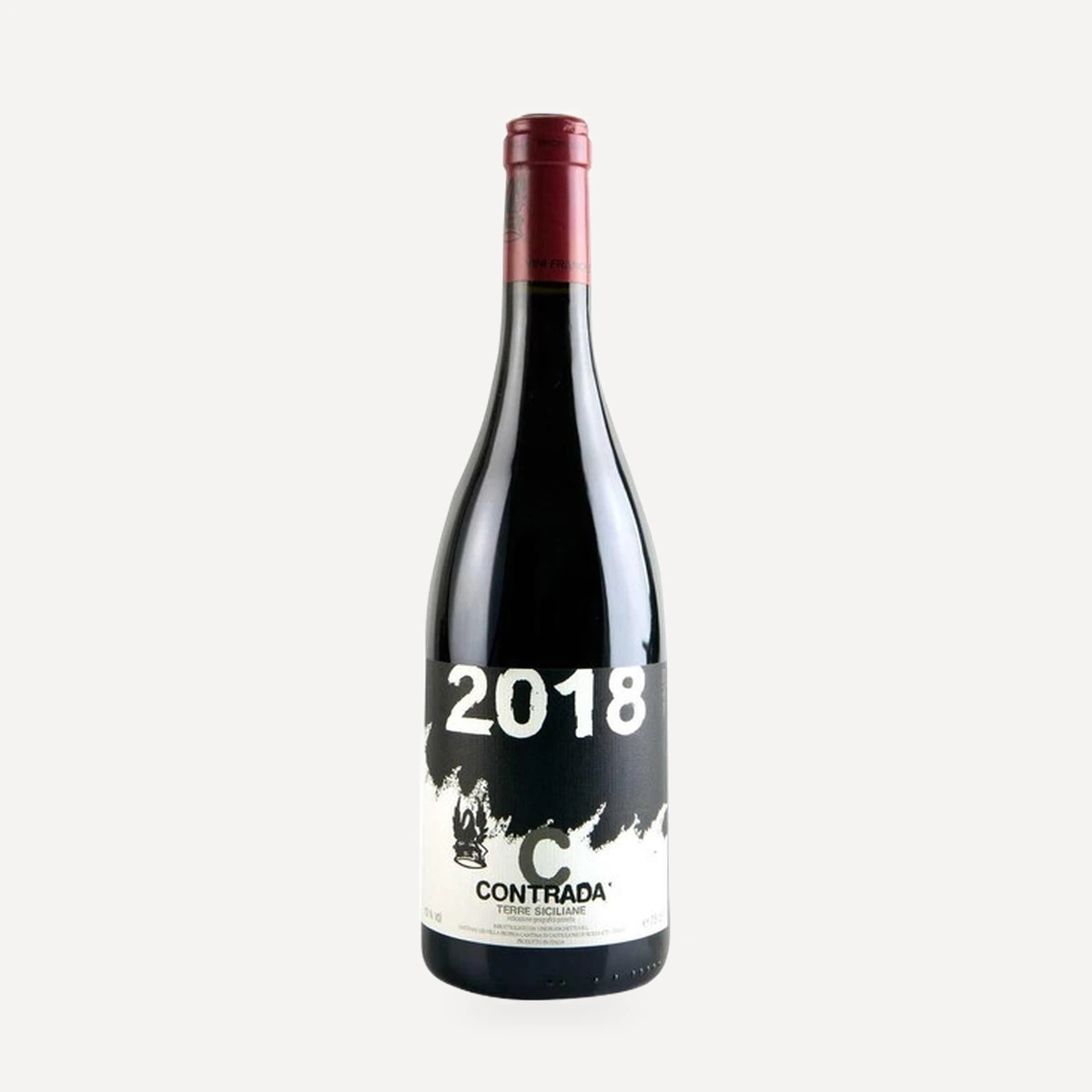
The initials PC refer to Passochianche, the contrada containing the vineyard. Contrada PC was first produced in 2018 after years of separating Chardonnay parcels and micro-lots according to their distinct maturity and expression.