About this wine
Vineyard and terroir
Contrada P comes from Contrada Porcaria on the northern side of Mount Etna, at approximately 650 m a.s.l. Porcaria is a 1.5 ha holding and, in the 2024 presentation, is identified as a microzone of the larger Feudo di Mezzo district. The vineyard faces north and receives prolonged sunlight. Its surface is a thin, fragile layer of loamy lava that crumbles or splinters underfoot; descriptions of the 2012 vintage also refer to sandy volcanic ash among the lava deposits.
The old Nerello Mascalese vines are generally described as 80 years old in the earlier releases and 90 years old in the more recent technical sheets. Planting density is 8,000 vines/ha. Fertilization was absent in the older vintages; the 2021 sheet records manure. Vineyard treatments have included clay, propolis, grapefruit-seed extract and sulphur, with copper listed in some recent sheets. The 2018 season required careful leaf removal to ventilate the canopy, while clay and propolis were used to counter disease pressure. Irrigation was used selectively during the hot 2017 and 2024 seasons; established old Nerello Mascalese vines were not watered in 2021 because their deep roots could support them.
Grapes
100% Nerello Mascalese. Porcaria typically gives one of the range’s richest and most robust expressions, with an exotic body, changing aromas and a recurring suggestion of burnt sugar. The vineyard normally ripens early relative to the other Contrade.
Vinification
Alcoholic fermentation takes place in stainless-steel vats. Skin-contact fermentation usually lasts about 15 days, although it ran for 12–15 days in 2009 and 2010 and 10 days in 2012. The 2022 grapes were sorted berry by berry after hail, maceration was shortened, and fermentation proceeded at a lower temperature than usual. In 2016, the ripe grapes surrendered flavor and color easily, allowing gentle extraction without forceful pressing in the vat.
Malolactic fermentation follows alcoholic fermentation and precedes maturation in large oak barrels.
Ageing
The standard élevage is 18 months in large neutral oak barrels. The 2022 vintage matured for 18 months in large Slavonian oak. For 2008, the Italian vintage page gives 18–20 months in 15 and 20 hl oak barrels, followed by brief bottle maturation; the English page gives 18 months in large neutral oak. The 2014 narrative also refers to the wine being transferred into large barrels and cement vats.
Several vintages were bottled during the waning moon: June 2014 for the 2012, April 2015 for the 2013, April 2016 for the 2014, April 2019 for the 2017, May 2020 for the 2018, April 2021 for the 2019, April 2022 for the 2020, April 2023 for the 2021 and April 2024 for the 2022.
Technical data
The recorded yields vary substantially: 22 hl/ha in 2008; 13 in 2009; 19 in 2010; 10 in 2011; 13 in 2012; 17 in 2013; 16 in 2014, 2017 and 2018; 31.5 in 2019; 45 hl/ha in the 2020 sheet; and 45 q/ha in 2021. Hail reduced the 2022 crop by about 25%.
Production ranges from 2,000 bottles in 2009, 2011 and 2012 to 3,950 bottles in 2020. The 2022 release comprised 3,730 bottles, and the 2024 Contrada Feudo di Mezzo – Porcaria release comprised 2,733 bottles.
Tasting profile
Porcaria combines dark or brambly fruit with volcanic mineral tones and a substantial tannic frame. Across the published vintages, recurring aromas and flavors include cherry, raspberry, strawberry, blackcurrant, pomegranate, blood orange, dried herbs, camphor, licorice, tar, smoke, wet stone, graphite and saline or flinty mineral notes.
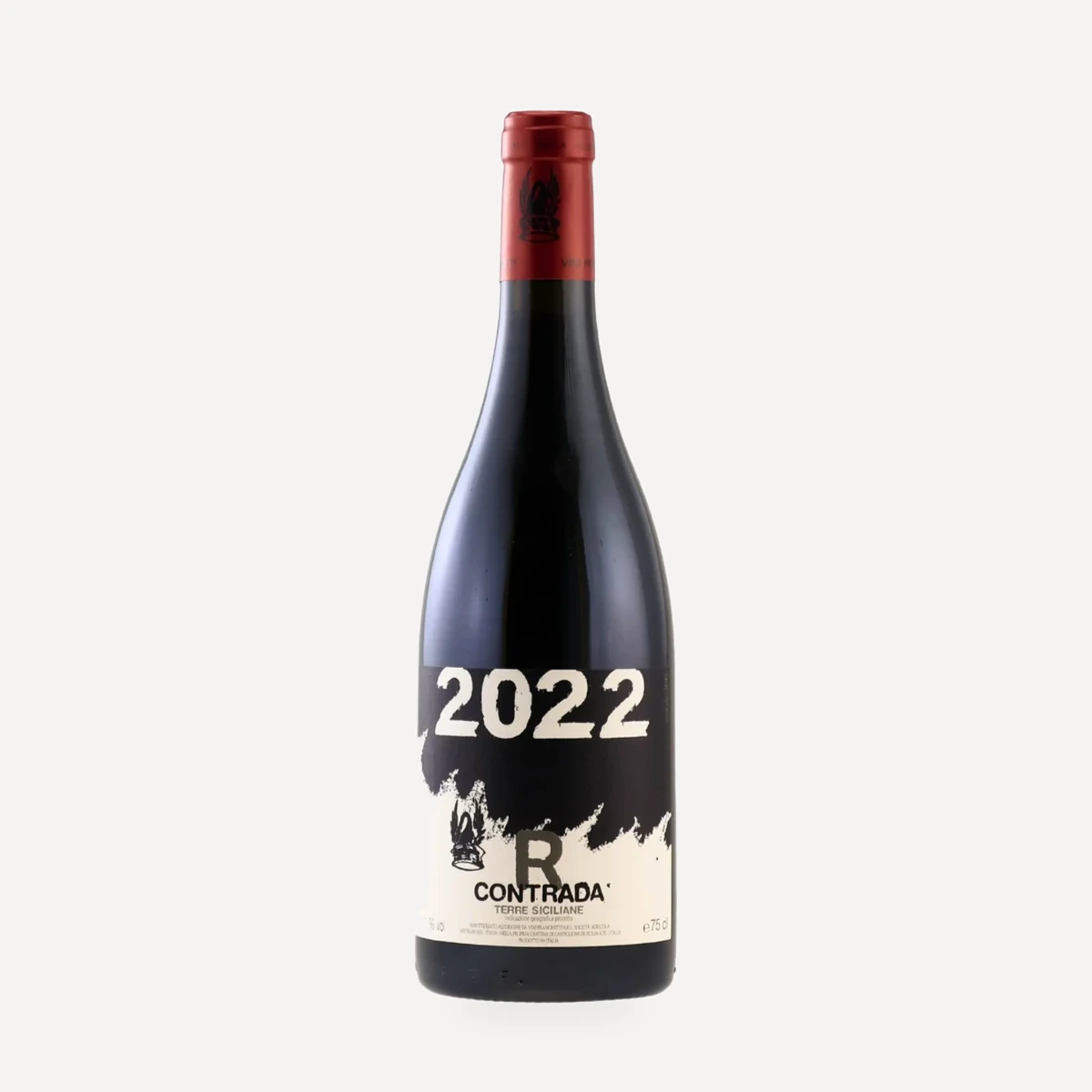
The 2022 is finer and more elegant than the vineyard’s usual structured style. Its broad bouquet combines black fruit, broom and aromatic herbs over a light mineral background, while fresh Mediterranean herbs appear on the palate. Additional notes include white smoke, dried strawberry and sage, with soft texture, medium body, zesty acidity, tart wild berries, crisp minerality and edgy tannins.
The 2021 is concentrated, succulent and structured, with red and black cherry, blackcurrant, raspberry and balsamic aromas. It carries stony sapidity, gripping tannins and bright acidity. Dried cherry, clove, cedar, sage and menthol develop alongside mineral-toned red fruit, sour citrus and a long, intense finish.
The 2020 is dark and robust, with crushed rock, camphor, spiced cherry, cedar and sour red berries. Bright acidity and fine tannins lead into floral and saline-mineral notes. Other descriptions add cherry, cranberry, vanilla, old leather, freshly turned soil, mint, fennel and smoke.
The 2019 is perfumed and firmly structured, combining raspberry, black pepper, stones, Mediterranean scrub, eucalyptus, smoky flint, wild berries and dark spice. The palate is full or medium-bodied depending on the assessment, with bright acidity, raspberry compote, licorice, slate, blood orange, polished yet gripping tannins, pomegranate and plum. Blackcurrant, dried cherry, cola and balsamic herbs reinforce its concentrated, powerful side.
The 2018 is broad-shouldered, dark and brooding. Tart cherry, dried currant, bitter almond, black cherry, licorice, tar, smoke, black fruit, minerals, exotic spice, tobacco and a saline impression are supported by clearly defined, fine-grained tannins and a long finish.
The 2017 is full-bodied and powerful yet balanced, showing ripe red fruit, blood orange, pomegranate and camphor. Wild cherry, mint, forest floor, graphite, leather, Marasca cherry, raspberry, licorice and flinty mineral notes meet enveloping, velvety tannins. Further nuances include wild rose, cassis, aniseed, white pepper, fig, wood spice and dark chocolate, with a long mineral finish.
The 2016 is rich and rounded but refined, with dark cherry, black raspberry, pomegranate, dried flowers, Mediterranean herbs, wet stone, licorice and tar. Its polished tannins and bright acidity balance the concentrated fruit, while the finish is taut, powerful and long.
The 2015 is mineral, saline and structured, with black cherry, blackberry, strawberry, wild berries, Mediterranean brush, menthol, violet, star anise, clove, thyme and a tarry mineral finish. The palate combines firm polished tannins and bright acidity, although one assessment found a broader, riper texture and lower-acid impression.
The 2014 is dense yet soft and full-bodied, with garnet color, sandalwood, citrus and camphor. Reviews add dark fruit, raspberry, currant, herbs, wet stone, scorched earth, Marasca cherry, baking spice, tar, tobacco, smoke, mocha, menthol and blood orange. It is muscular and robust, with velvety to fine-grained tannins and a long mineral finish.
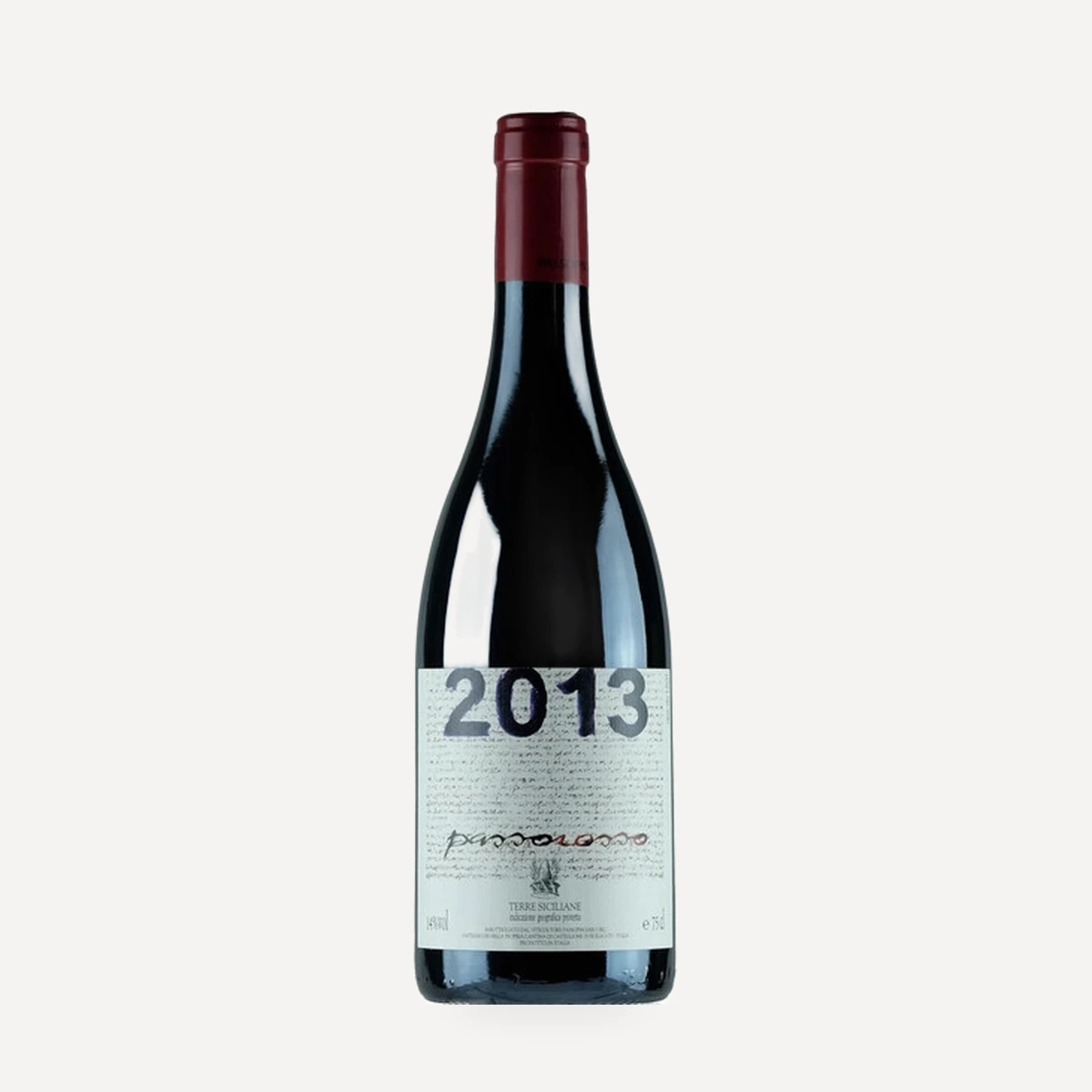
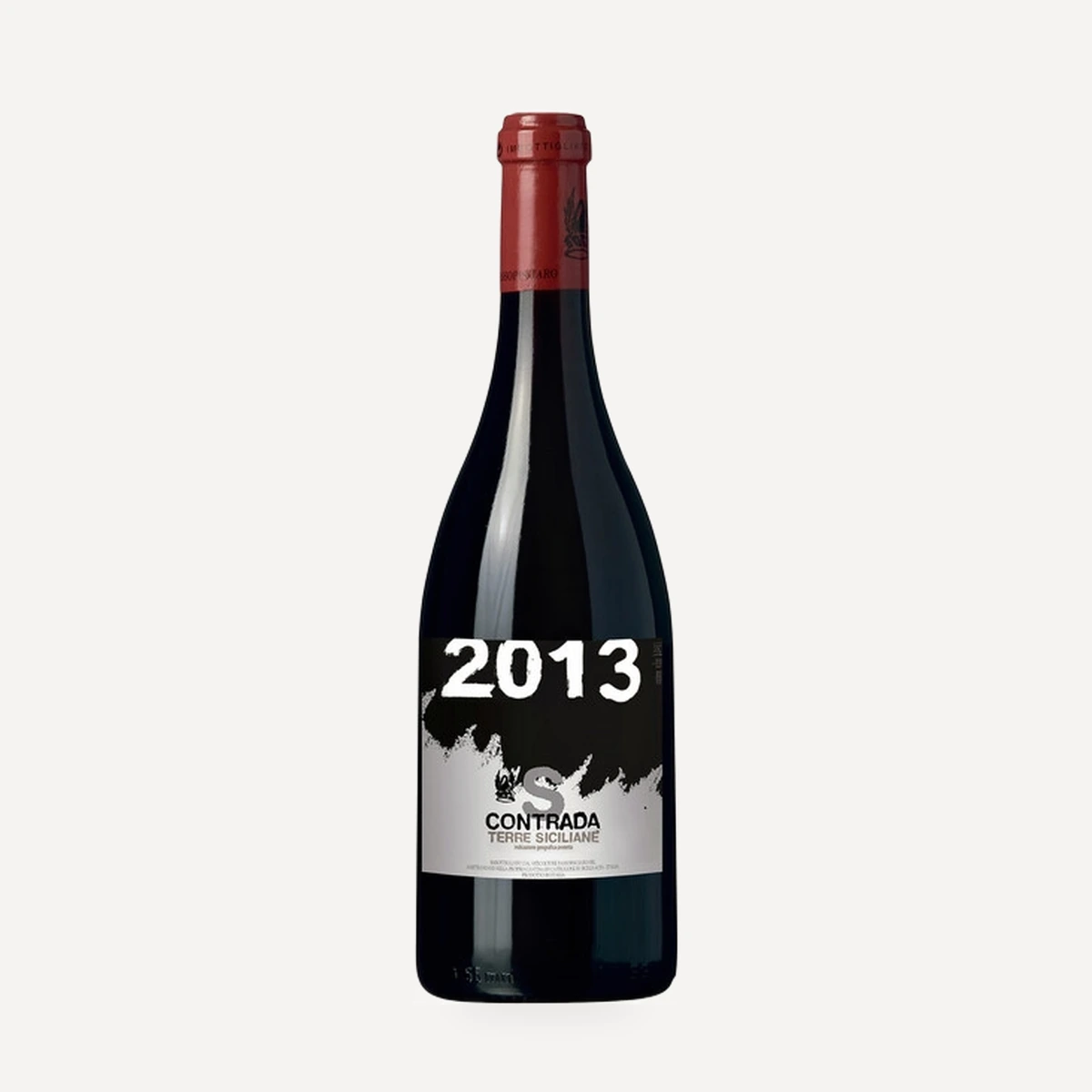
The 2013 is lighter in vintage character but rich and velvety for Nerello Mascalese, with blue fruit, black cherry, red cherry, strawberry, woodland berry, herbs, menthol, leather, flowers, anise, clove, licorice, ash and crushed stone. Bright acidity, supple tannins and a smooth mineral finish provide balance.
The 2012 is unusually massive, dark, tarry and mouth-filling. Its mineral character evokes flint, crushed granite and pencil shavings, while Morello cherry, dried blackberry and cassis provide soft fruit. It has vigor, a polished feel and a structure compared more closely with Nebbiolo than with a typical mid-palate-focused Nerello Mascalese.
The 2011 combines richness with a measured, firm structure. Red cherry, raspberry, strawberry, wild berries, marzipan, iron, white flowers, peppery herbs, rose petal, tar and smoky minerals unfold over a silky texture, mouth-coating tannins and a long, spicy finish.
The softer 2010 is full-bodied but non-angular, with a rich, unctuous fruit core. Dark fruit and persistent minerality keep it energetic and defined. It was considered among the longest-lived wines of the vintage.
The 2009 is muscular yet weightless, with dark sensual fruit, increasing intensity and a palate-staining finish. The 2008 is dark, rich and dense, offering sensual fruit, sweet menthol, spice and minerals before a convincing, persistent finish.
Vintage notes
2024 — Contrada Feudo di Mezzo – Porcaria. A cold, clear winter was followed by a classic spring without damaging late frost and by regular flowering from late May into early June. Intense, uninterrupted summer heat required night irrigation where possible. Early-August rain brought some hail, damaging lower vineyards, while prolonged drought caused the loss of some plants. Nerello Mascalese was harvested from 3 to 11 October. The fruit was expected to balance body, tannin, acidity and alcohol.
2022. Winter rain and snow replenished water reserves, and spring rain supported rapid canopy growth in the early-summer heat. August rain benefited Porcaria, but hail damage forced harvest forward to 1 October and produced an atypical degree of ripeness. The result emphasizes finesse and elegance rather than the vineyard’s customary power.
2021. A variable winter and cold spring delayed the vines before sudden June heat accelerated growth. Careful canopy management and night irrigation were needed, although old Nerello Mascalese vines relied on their deep roots. Cooler weather and moderate September rain allowed balanced ripening, and Contrada P was harvested on 11 October.
2020. A moderate, rainy summer was interrupted by renewed heat late in July, rain in August and early September, and then rain and light hail. A northerly wind and the arrival of October cold cleared the sky. Red varieties began ripening from 14 October; Contrada P was hand-selected on 19 October.
2019. A cold April and May, including light frost on 6–7 May, delayed flowering until mid-June. Temperatures then rose steadily, reaching nearly 40°C and remaining high through September. Greater day-night variation in October advanced phenolic maturity. The resulting wines combined fresh fruit, vertical acidity and moderate alcohol.
2018. One of the wettest, most humid seasons of the preceding eight years required repeated, careful leaf removal and natural treatments. The wine retained linear form, pronounced acidity and the long-lived character associated with finer Etna vintages.
2017. Prolonged summer heat and the absence of normal cool nights advanced maturation by more than a week. Harvest ran from 20 to 29 October. The wines were full-bodied and powerful but balanced, with ripe red fruit, blood orange, pomegranate and camphor.
2016. Lean grapes ripened steadily and could be picked with precision. Fully ripe fruit yielded color and flavor without forceful extraction, producing a smooth, gentle but powerful Porcaria.
2015. A wet winter and very hot summer encouraged vigorous growth and early ripening. Persistent October rain weakened the skins and increased disease pressure, requiring berry-by-berry selection. Porcaria, the first vineyard to reach maturity, was picked on 12 October. The wines were mineral and saline, with high acidity, low alcohol and firm structure.
2014. Ripening was rapid, with fruit mature even in the highest Contrade by 20 October. The wine was massive and full-bodied but languid, dense and soft, with slowly developing garnet color and aromas of sandalwood, citrus and camphor.
2013. A cold, delayed season produced lighter wines. Porcaria retained greater richness and velvet texture than the other Nerello Mascalese sites, helped by its long sun exposure. Harvest took place on 25 October.
2012. Hot, dry conditions and no rain from May to October caused severe vine stress, high sugar and low acidity. Irrigation and delayed picking continued until rain restored balance. The vineyard was harvested rapidly on 18 and 20 October, yielding an exceptionally dark, tarry and powerful wine.
2011. Late rain and a long season created richness held within a measured, firm structure. Porcaria was picked on 29 October.
2010. Mild conditions produced plump berries, generous growth and a soft, unctuous wine without angularity. The full-bodied character of Porcaria remained clear, and the wine was expected to be among the vintage’s longest-lived. Harvest was on 24 October.
2009. Winter snow and a dry summer were followed by rain in late September and mid-October. Nerello Mascalese tolerated the late-season moisture, and picking extended from 25 October to 10 November.
2008. Winter snow provided good hydration before a hot but non-stressing summer. October rain arrived as the soils began to dry, allowing continuous picking from 25 to 31 October. This was the first vintage bottled separately as Contrada P.
Label / history
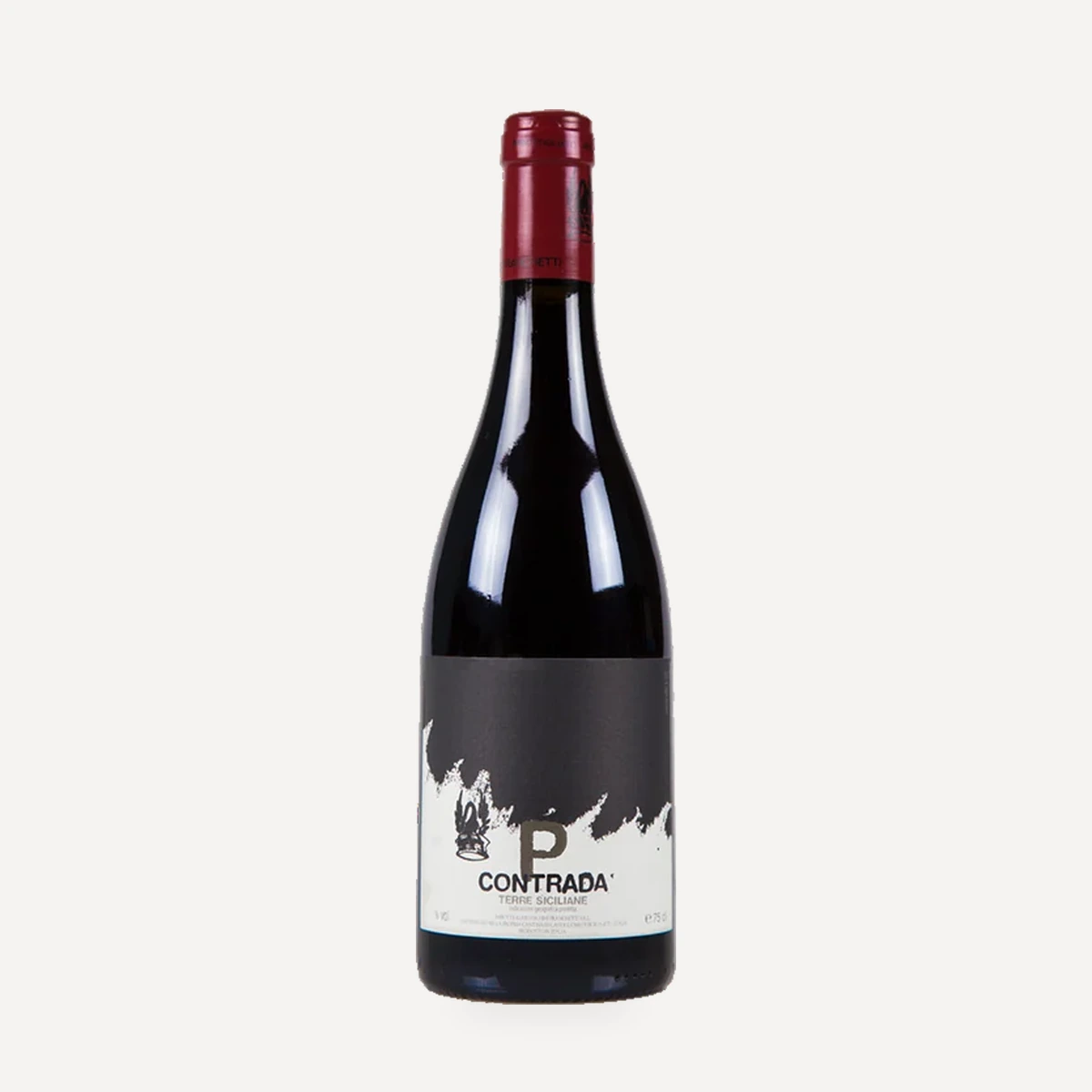
The Contrade began to be bottled separately in 2008. The label changed in 2009, with the name abbreviated to the initial “P” for Porcaria. The site’s newest listed release is named Contrada Feudo di Mezzo – Porcaria 2024 while remaining in the Contrada P vintage sequence.