Dionysus.
ExploreWines
🍾Bottle photo coming soon
RedTerre Siciliane IGT

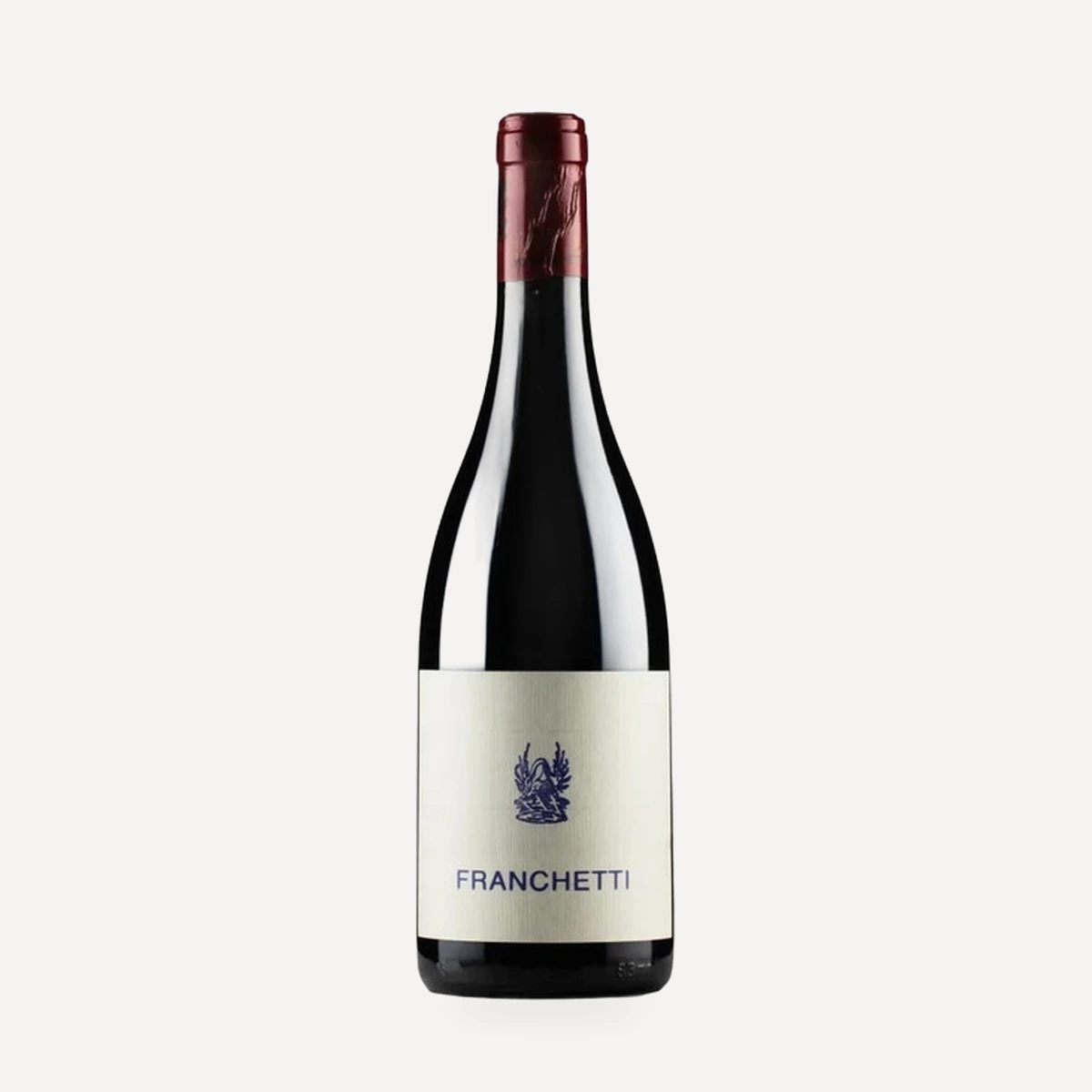
Franchetti

by Passopisciaro · Sicily, Italy

TypeRed
AppellationTerre Siciliane IGT
GrapesPetit Verdot and Cesanese d’Affile; the blend changes by vintage. 2023: 60%/40%; 2022: 70%/30%; 2021: 70%/30%; 2020: 60%/40%; 2019: 97%/3%; 2018: 50%/50%; 2017: 60%/40%; 2016: 60%/40%; 2015: 70%/30%; 2014: 70%/30%; 2013: 100% Petit Verdot; 2012: 70%/30%; 2011: 50%/50%; 2010: 100% Petit Verdot; 2009: 20%/80%; 2008: 60%/40%; 2006: 100% Petit Verdot; 2005: 80%/20% in the technical data, with a conflicting 60%/40% narrative.
VineyardApproximately 2 ha in Contrada Guardiola on the northern side of Mount Etna, beside the Passopisciaro winery. Earlier documents divide the plantings into approximately 1.5 ha of Petit Verdot and 0.6 ha of Cesanese d’Affile.
LinePassopisciaro
Vintages2023, 2022, 2021, 2020, 2019, 2018, 2017, 2016, 2015, 2014, 2013, 2012, 2011, 2010, 2009, 2008, 2006, 2005.

About this wine

Vineyard and terroir

Franchetti is the flagship red of Passopisciaro, grown in Contrada Guardiola on the northern side of Mount Etna. Petit Verdot and Cesanese d’Affile were planted at very high density in the early 2000s, shortly after Andrea Franchetti acquired the estate. The principal block lies beside the winery and covers approximately two hectares. Planting density is generally 12,300 vines per hectare, with rows about 90 × 90 cm apart. Severe green harvesting leaves only four or five bunches per vine.

The vineyard occupies volcanic rock and ash. The current description places the vines at approximately 820–850 m on pyroclastic lava soil about 15,000 years old. Earlier documents describe sites as high as 1,000 m and emphasize the porous, powdery volcanic ground, which provides strong root aeration and absorbs atmospheric moisture despite limited water availability.

Grapes

Petit Verdot came from St-Julien field selections; Cesanese d’Affile originated in Lazio, with early material also propagated through Tenuta di Trinoro. The blend is determined separately each year. Petit Verdot can become peppery, spicy, structured and relatively lean on the volcanic ground, while Cesanese d’Affile supplies a gentler and more aromatic counterpoint.

The blend has ranged from varietal Petit Verdot in 2006, 2010 and 2013 to a Cesanese-led 2009 wine containing 80% Cesanese d’Affile. Recent blends were 60% Petit Verdot and 40% Cesanese d’Affile in 2023, 70%/30% in 2022 and 2021, 60%/40% in 2020, 97%/3% in 2019 and equal parts in 2018.

Vinification

Harvesting is manual and may involve several passes through the vineyard. Fermentation is principally conducted in stainless steel. The older technical sheets generally specify 30 hL vats and fermentations of 12–15 days. The 2013 Petit Verdot fermented with a proportion of stems, contributing smooth tannic support to the highly acidic must. Malolactic fermentation is part of the general cellar regime; in 2006 it was conducted for four months in new French-oak barriques.

Ageing

The maturation program has evolved. The 2023 wine spent six months in French barriques and another 12 months in large Slavonian-oak barrels. The 2022 regime was four to six months in French barriques followed by 12 months in large Slavonian oak. The 2020 and 2021 wines spent six months in French oak and 12 months in cement. The 2019 wine received four months in new barriques followed by 14 months divided between large oak and cement.

From 2010 through 2018, the most frequently published regime is six months in new French-oak barriques and 14 months in large cement vessels. The 2017 tasting note instead gives eight months in new barriques and ten months in cement. English sheets for 2006 and 2008 specify 18 months in new French-oak barriques; the 2008 sheet adds at least three months in bottle.

Technical data

Terre Siciliane IGT. Published alcohol figures are 15% for 2022, 15.5% for 2020 and 14.5% for 2018. Production is deliberately small: 2,505 bottles in 2023, 3,525 in 2022, 4,000 in 2021, 3,700 in the 2020 fact sheet, 4,116 in 2019 and 3,930 in 2018. Historical releases generally ranged from about 2,000 to 5,000 bottles.

Tasting profile

Franchetti is conceived as a dense, concentrated interpretation of an Etna red, with a dark appearance and an emphasis on richness, depth and layered complexity. The Petit Verdot component brings dark fruit, pepper, spice and a firm structure; Cesanese d’Affile contributes perfume and aromatic lift.

The 2023 bouquet combines fruit and flowers with aromatic herbs and a subtle saline note. It is dense yet elegant, balancing structure with freshness before a savoury, persistent finish. A barrel tasting additionally found wet stone, rosemary, citrus-edged blackberry, silky texture, ripe red and black fruit, zesty acidity, firm tannins, liquorice and tart wild berries.

The 2022 wine shows dark cherry, blueberry, wild blackberry, cassis and dried balsamic herbs. Its substantial structure is balanced by bright freshness, and the finish is long and persistent. Further notes include blackcurrant, spice, tobacco, velvety tannins, mentholated herbs, white smoke, earth, white pepper, saline minerals and violet.

The 2021 wine combines violets, lavender, sage, chalk, sweet smoke, wild berries, blackberry, liquorice, black tea and spice. Its creamy, velvet-like texture is energized by vibrant acidity, with sweet tannins and a dry, dark finish. The 2020 vintage is spicy and savoury, with inky fruit, blackberry, lavender, sage, white pepper and smoke; it is full-bodied, thick and marked by 15.5% alcohol.

Serving and pairing

A published note for the 2015 vintage recommends grilled lamb.

Vintage notes

  • 2023: Snow above 800 m replenished water reserves after the dry 2022 season. Heavy rain and low temperatures from May through June disrupted flowering, while downy mildew reduced production. July reached approximately 40°C. Uneven ripening required multiple manual passes between 27 September and 16 October. The blend is 60% Petit Verdot and 40% Cesanese d’Affile; 2,505 bottles were filled during the waning moon of April 2025.
  • 2022: A cold, wet winter and spring built water reserves before a very warm early summer accelerated canopy growth. Harvest on 28 September preserved Petit Verdot freshness and Cesanese concentration and acidity. The 70%/30% blend was bottled during the waning moon of April 2024.
  • 2021: A variable season moved from winter rain and snow to an unusually warm late winter, a cold spring and sudden heat from June. Night irrigation supported the younger vineyards. Cooler September conditions and moderate rain allowed balanced red grapes to be harvested from 11 to 15 October. The blend is 70%/30%.
  • 2020: Rain and unsettled weather moderated summer before warmth returned late in July. Rain, some hail and a northerly wind preceded a clear October. Cesanese ripened first; Petit Verdot followed later in October with oriental spice and crisp red-fruit aromas. The blend is 60%/40%.
  • 2019: A cold April and May delayed flowering, but heat approaching 40°C from late June through September helped recover the delay. Greater diurnal variation in October advanced phenolic maturity. The wine is 97% Petit Verdot and 3% Cesanese d’Affile, fermented for 15 days in steel and matured for four months in new barriques plus 14 months in large oak and cement.
  • 2018: One of the wettest and most humid seasons in the series required careful leaf removal and natural clay and propolis treatments. Cesanese retained acidity and developed orange-blossom aromas; Petit Verdot was picked about ten days later with classical structure. Equal parts Petit Verdot and Cesanese d’Affile produced a reserved young wine intended to grow with bottle age.
  • 2017: A long, hot summer without the usual cool nights required supplemental water. Slow autumn ripening allowed a measured harvest. The 60%/40% blend is rich and fresh, with ripe red fruit, black fruit, spice, tar, ash, mulberry, bay leaf, plum, graphite and smoke.
  • 2016: Steady, gradual ripening enabled precise timing. Petit Verdot was fresh and concentrated, while Cesanese was dense and intricately textured. The wine shows red and black fruit, herbs, minerals, lively acidity and a long, dense, spicy finish.
  • 2015: Rainy winter and summer heat encouraged vigorous growth; October rain and humidity weakened skins and required berry-by-berry cleaning. Harvest ran from 10 to 19 October. The wine combines austere Petit Verdot with bold Cesanese, even tannins, high tasting acidity and relatively low alcohol, favoring longevity over sheer concentration.
  • 2014: Petit Verdot was picked on 26–27 October without overripe character. The wine is dark yet bright, with camphor, elderflower and lightly smoked red fruit. Its richness is driven by a large tannic structure. The blend is 70%/30%.
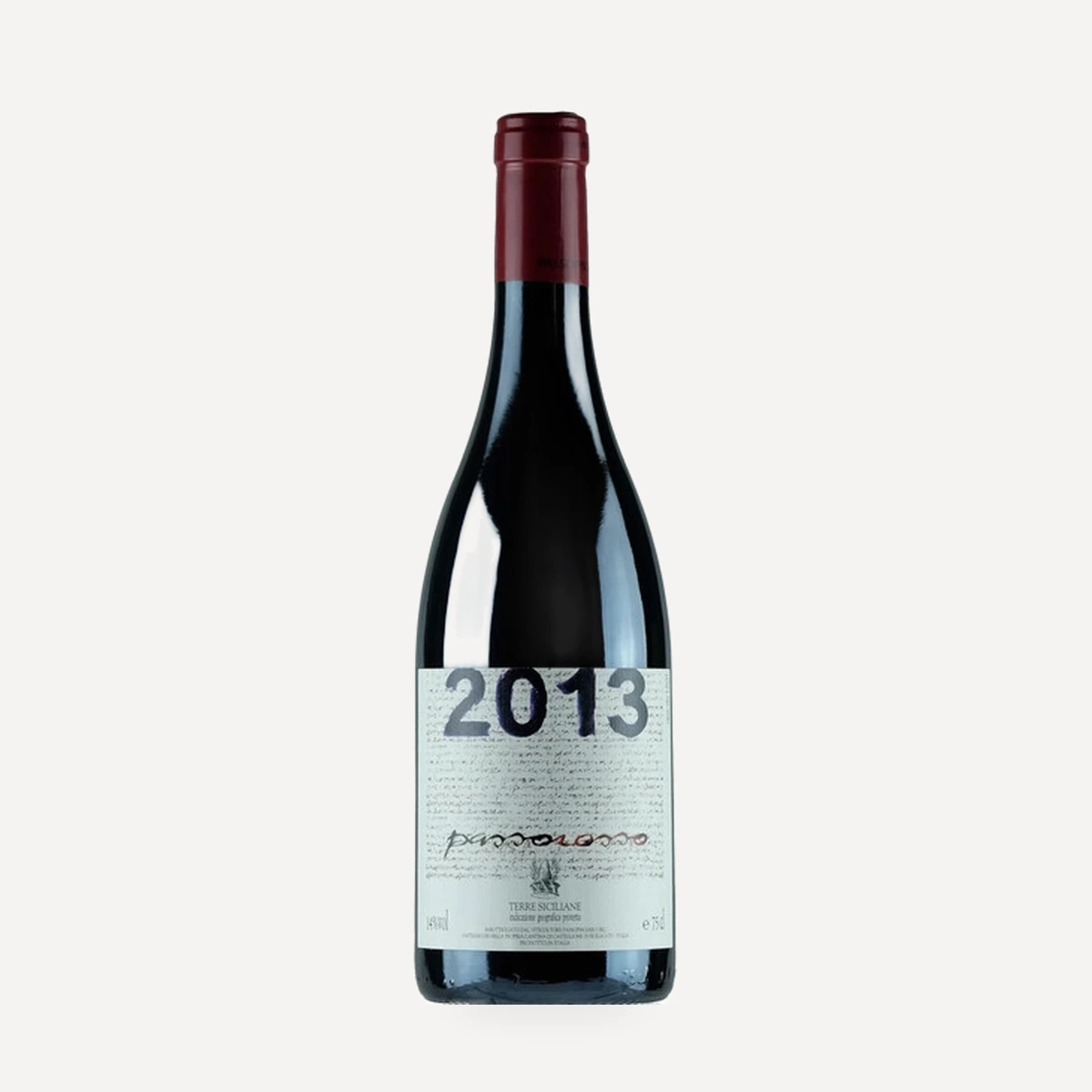
  • 2013: A cold, delayed season produced highly acidic musts. Healthy Petit Verdot was harvested on 4 November and fermented with some stems. The finished wine is inky and thick, with black and red cherry, chocolate, mineral and volcanic-smoke notes, bright acidity, peppery tannins and a very long finish.
  • 2012: Drought from May through August and a vineyard fire reduced the crop. Smoke and charcoal aromas remained in the air and appeared in the wine, joining concentrated ripe fruit. The 70%/30% blend yielded 2,400 bottles.
  • 2011: A fast season ripened grapes before November rain. Cesanese was harvested in three rounds from 28 October to 1 November; Petit Verdot followed in five early-November passes. The equal blend is black, deep, floral and concentrated, with blackberry, spice, chocolate and mineral notes.
  • 2010: Mild conditions produced soft, non-angular fruit. Petit Verdot ripened sufficiently to be bottled alone after harvest from 21 to 29 October. The wine shows violet, tar, asphalt, black cherry, plum, ripeness and vibrancy.
  • 2009: Large diurnal swings slowed ripening at high elevation. After about 18 months, aromas of camphor, marzipan, lemon and laurel emerged. The blend is 20% Petit Verdot and 80% Cesanese d’Affile.
  • 2008: Snow supplied winter moisture, while hot July–September weather advanced growth without stopping ripening. Timely October rain relieved drought. The 60%/40% blend was harvested late in October.
  • 2006: Snow remained on the mountain until April, followed by a powerful hot summer that produced strong skins. The varietal Petit Verdot was picked from 25 to 30 October. It shows cassis, plum, sweet spice, leather, raspberry, red cherry, bay leaf, incense, saline notes and a very long finish.
  • 2005: The cool inaugural season produced tight, classical fruit. Cesanese was picked on 20 October and Petit Verdot on 25 October. Technical data give an 80% Petit Verdot and 20% Cesanese d’Affile blend, while the accompanying narrative gives 60% and 40%.

Label / history

The wine bears Andrea Franchetti’s surname and represents his personal interpretation of a concentrated volcanic red. He planted late-ripening Petit Verdot and aromatic Cesanese d’Affile to make a denser wine than the lighter local Nerello Mascalese expressions. The first vintage was 2005.