About this wine
Vineyard and terroir
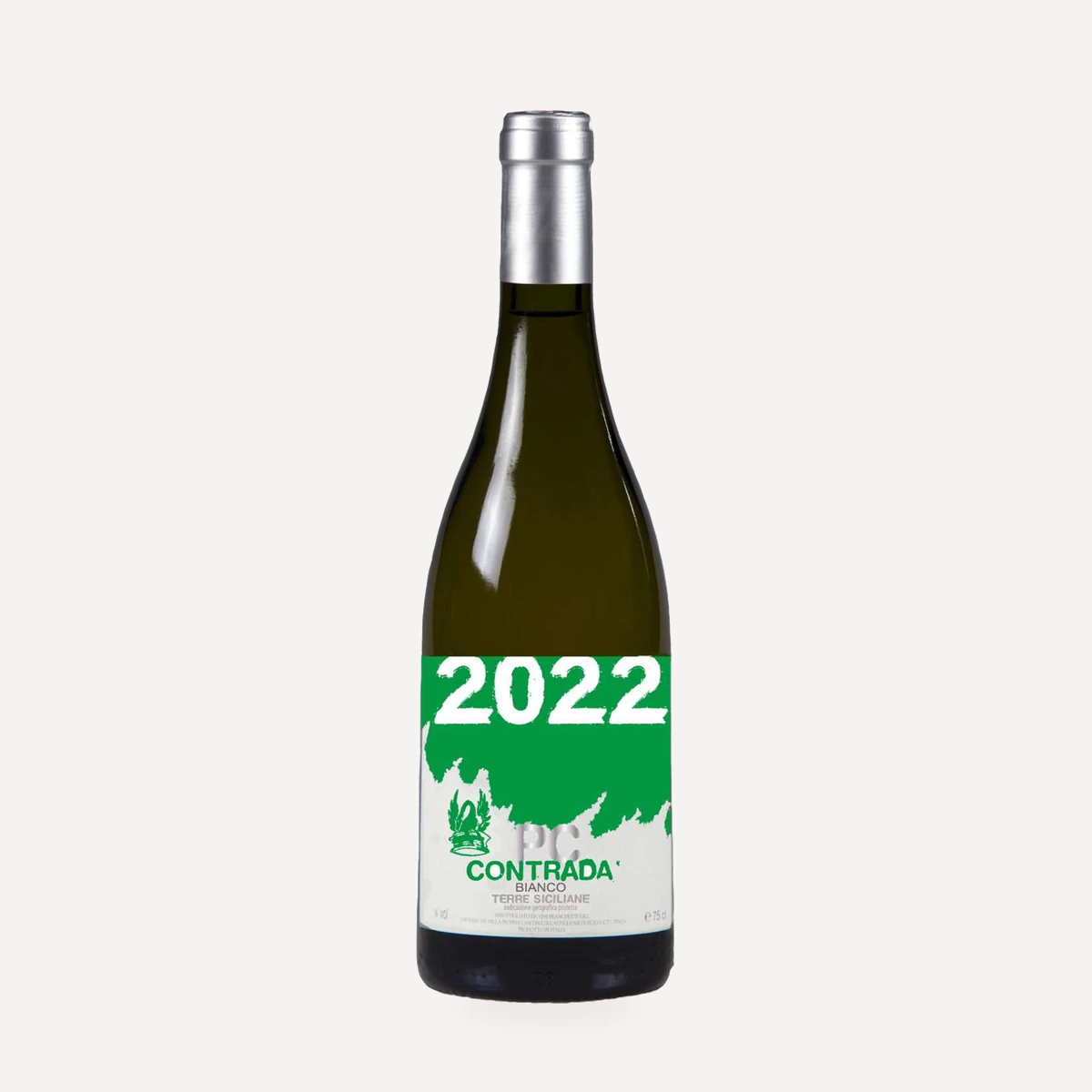
Passobianco is a varietal Chardonnay from the northern slope of Mount Etna. Andrea Franchetti initially planted four hectares on the steep terraces of Contrada Guardiola. Recent vintages also draw on Contrada Montedolce, where a new vineyard was planted in spring 2020. The roots grow through loose, deep lava ash and rock with high mineral content.
The vineyard is densely planted, generally at 12,300 vines per hectare. Published vine ages progress from seven years in 2009 to 21 years in 2022. The 2022 vines were trained to double Guyot. The growing environment combines high elevation, intense light, pronounced day–night temperature changes and volcanic soil.
No fertilizer was used in 2009 and in the published specifications from 2012 through 2018. Treatments during this period included combinations of clay, propolis, sulfur, copper and grapefruit-seed extract. Manure is listed for 2019–2022, together with sulfur, copper, clay, propolis and grapefruit-seed extract. In 2023, organic treatments were used against downy mildew, although disease pressure still caused substantial crop loss.
Grapes
100% Chardonnay. The wine differs from the Carricante-based whites more commonly associated with Etna. Chardonnay was selected for its ability to absorb and develop the influence of altitude, volcanic soil, light and temperature variation over time.
Vinification
Harvesting is conducted in repeated passes through small parcels. Berries are tasted on the terraces, and individual portions are picked only when their clusters have reached the desired maturity.
For 2024 and 2023, 10% of the crop underwent cold maceration to reinforce aromatics; the rest was whole-cluster pressed to retain freshness and minerality. The proportion cold-macerated in 2022 was 30%. Alcoholic fermentation for all three vintages took place in stainless steel at 22–24°C. The 2022 fermentation lasted 20 days.
The technical specifications for 2012–2021 generally describe about 20 days in stainless steel at 23°C. In 2010, the pressed and settled juice was rapidly fermented in steel before transfer with its lees to 50 hl concrete tanks. For 2009, harvested crates were progressively held at 5°C and then pressed without destemming; the page records a 15-day fermentation at 17°C and associates malolactic fermentation with large French-oak vessels and concrete.
Malolactic fermentation for 2022–2024 took place in concrete tanks. In 2022, controlled temperature allowed this stage to finish quickly.
Ageing
The 2024 and 2023 wines matured on fine lees, 90% in concrete and 10% in large oak barrels, without bâtonnage. The 2022 wine spent 10 months on fine lees in concrete and large wooden barrels, also without bâtonnage. The 2021 wine followed the same ten-month division between concrete and large oak.
The 2020 vintage matured for 17 months between concrete and large oak, while 2019 received 18 months. The 2018 sheet specifies ten months in concrete and large oak followed by six months in bottle. For 2016, the sheet gives ten months in concrete and large wood plus six months in bottle. The 2015 and 2014 sheets give ten months in concrete and large wood followed by ten months in bottle. The 2013 and 2012 wines spent 12 months in concrete and large oak. The 2009 wine aged for three months in 8–40 hl concrete tanks.
Beginning with the 2014 vintage, the release policy was changed to allow extended maturation before sale.
Technical data
IGT Terre Siciliane. Planting density is generally 12,300 vines per hectare. Published yields vary considerably by vintage: 30–33 hl/ha for 2009 and 2012–2015, 48 hl/ha in 2016 and 2018, 45.5 hl/ha in 2019, 70 hl/ha in 2020, and 70 q/ha in 2021 and 2022.
The 2024 bottling comprised 43,812 standard bottles and 90 magnums. Earlier reported volumes range from 13,000 bottles in 2012 to 46,000 in 2022.
Tasting profile
The house profile combines richness with freshness, brightness and layered complexity. High acidity and mineral or saline sensations recur across the vintages.
The 2024 has an ample, elegant bouquet of flowers and fruit with delicate pastry nuances. Acidity, minerality and body are harmonious on the palate; despite the hot growing season, the wine is fresh and slender.
The 2023 is complex and persistent, with yellow-fleshed fruit, citrus and white flowers, followed by mineral, saline sensations and pronounced acidity. Further notes include ripe apple, lime zest, rosemary, white stone fruit, mint and sour citrus.
The 2022 is balanced and immediately approachable, bringing aromatics, acidity, body and mineral sensations together. Its profile includes wildflowers, chalk, gentle spice, ripe orchard fruit, saline minerality, honey, apricot, quince and almond nougat.
The 2021 combines mineral dust, cooked lemon, apple and lemon curd with white flowers, candied lime, wet stone and savory herbs. Round orchard fruit develops a creamy texture, while the finish remains crisp and recalls baked apple.
The 2020 shows crushed rock, sea spray, lime peel and nectarine, followed by white stone fruit and saline tones. Other descriptions add vanilla, honeysuckle, toasted nuts, grapefruit, pineapple, apple, pear, sourdough, almond marzipan and saffron. Its medium-weight palate retains freshness through a firm acid line.
The 2019 offers white and citrus fruit, kumquat, papaya, orange, lemon and bitter almond. Honey, saffron, Sicilian orange and a waxy texture appear alongside crushed apple, white flowers, mint, herbal notes, kiwi and young peach. The finish is fresh and long.
The golden 2018 combines toasted nuts, eucalyptus, white stone fruit, yellow apple, roasted almond and lemon with firm acidity. Iodine, pepper, herbs, orange and a long bitter-saline finish add a volcanic dimension. Richer notes include honey, dried apricot, buttered apple, saffron and cumin.
The 2017 is straw-gold and comparatively rich, reflecting the hot season. Golden Delicious apple, honey and toasted almond meet volcanic ash and sea salt. Further notes include butter, hazelnut, orange, pineapple, smoke, spice, glazed apple and dried pineapple, ending with freshness and a creamy finish.
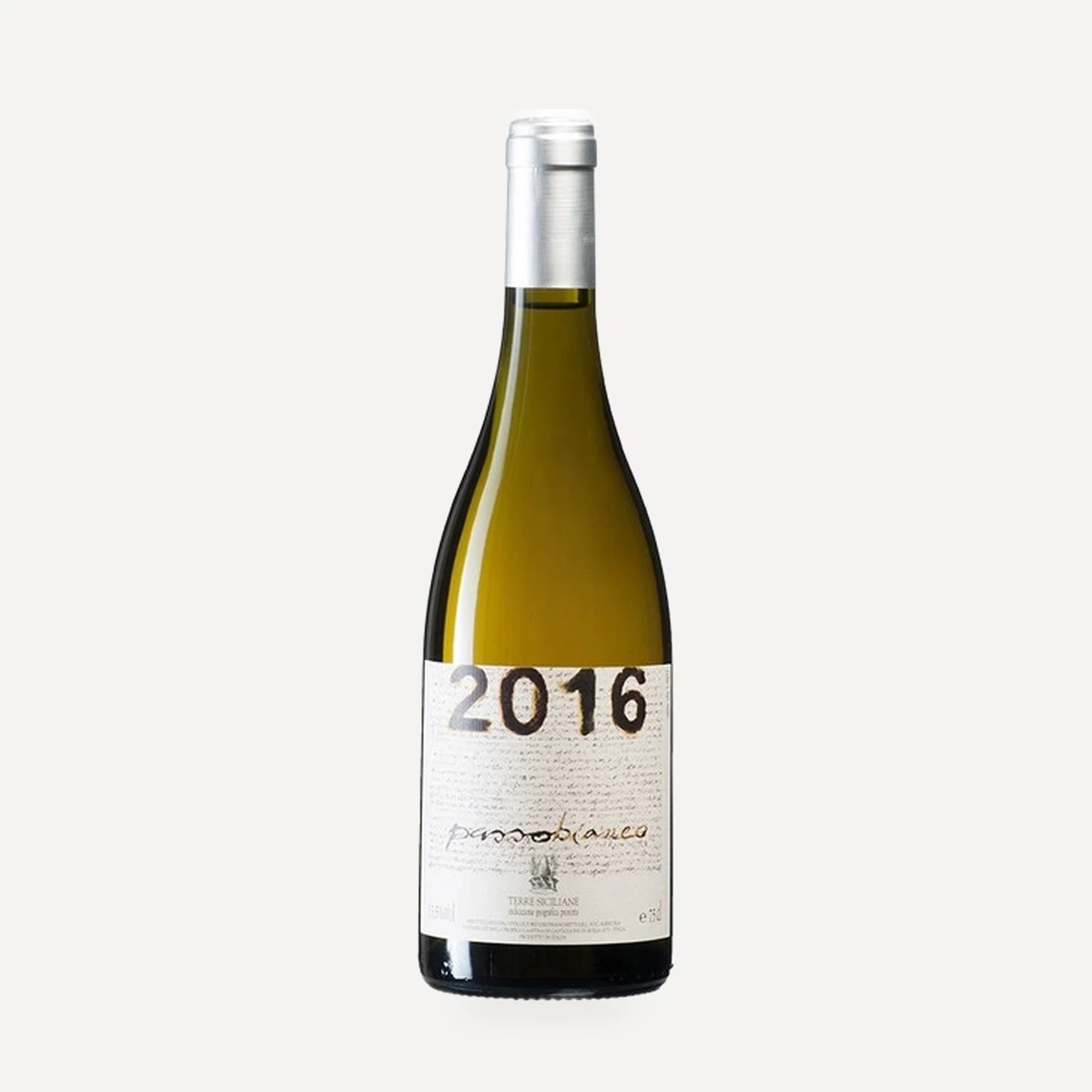
The 2016 is citrus-led and fruit-forward, with ripe fruit, white peach and almond biscuit. Pear and honey are expected to emerge with age. High acidity, mineral definition and a silky finish give it precision and freshness.
The 2015 shows butter, banana, pineapple, lemon drop and grapefruit over a saline backbone and a firm lemon-like bite. The 2013 Guardiola is broad and creamy, with toasted cereal, tropical fruit, apricot, honey, white rose and dusty mineral notes. The 2012 is rich but crisp, with pear, chamomile, white flowers, honey, soft yellow fruit and balsamic herbs. The 2011 presents juicy peach, lemon, white flowers, spice and persistent minerality. The 2010 combines peach, apricot and flowers with a clean mineral line, ripe texture and a long, multidimensional finish.
Serving and pairing
The 2018 develops slowly and is suitable for decanting. Its published drinking window extends through 2028. Passobianco is consistently presented as capable of extended bottle ageing.
Vintage notes
2024. A cold, clear winter was followed by a classically warm spring and regular flowering in late May and early June. Persistent summer heat required irrigation where possible. Early-August rain brought some hail damage to lower vineyards, while prolonged drought caused losses among individual vines. Chardonnay was harvested in stages from 19 August into early September. The grapes were healthy, and the resulting wine retained excellent acidity. Bottling took place during the waning moon of June 2025.
2023. Heavy winter snow above 800 m replenished water reserves after the 2022 drought. Rain and low temperatures from May through June disrupted flowering, and downy mildew reduced production by about 60%. July reached almost 40°C. Uneven ripening made manual bunch selection essential; harvest ran from 1–15 September. Bottling during the waning moon of July 2024 produced 21,640 bottles.
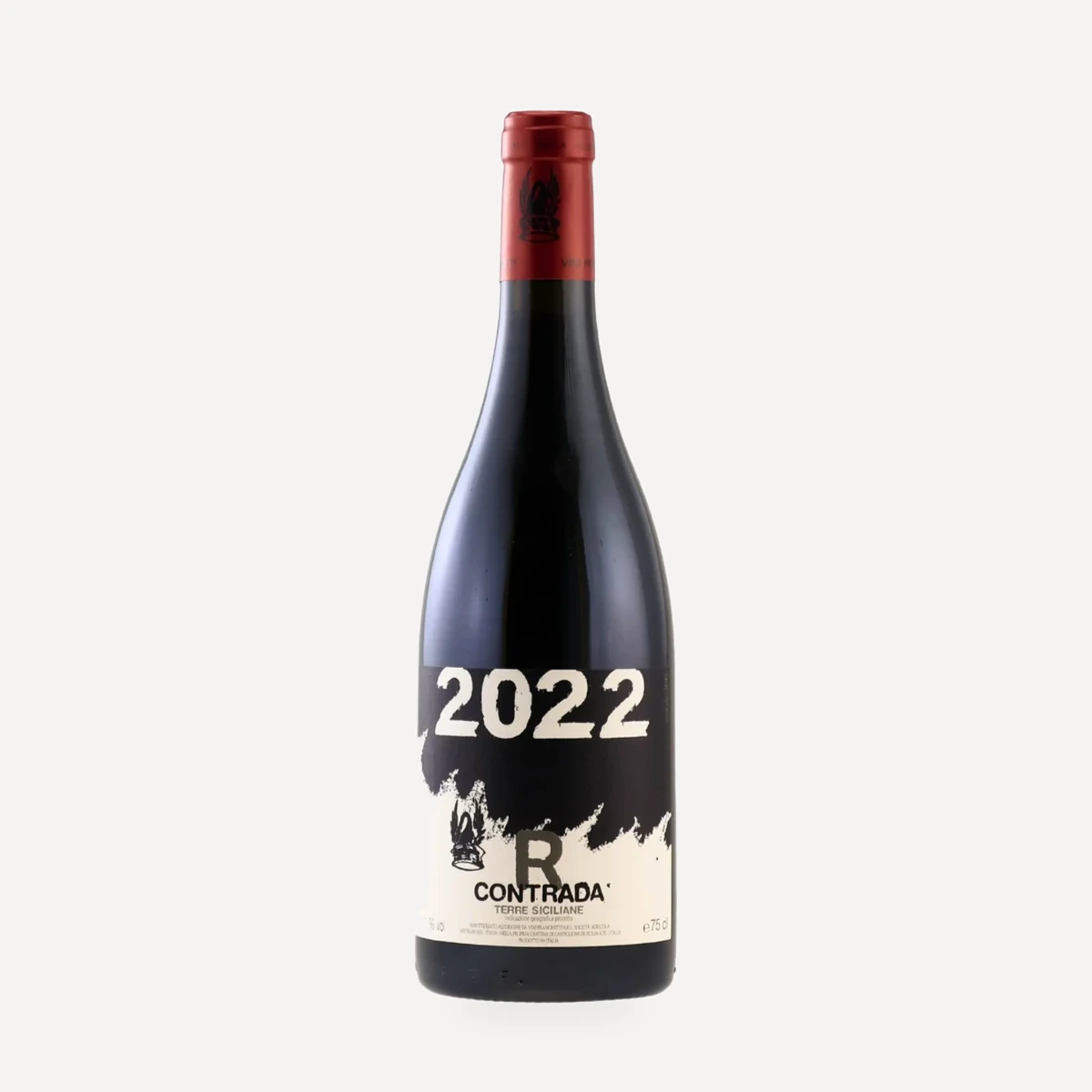
2022. Winter and spring rain established good water reserves. August storms and localized hail were followed by cooler conditions and stronger temperature variation, supporting Chardonnay ripeness. Harvest ran from 19 August–5 September. The wine was bottled during the waning moon of July 2023.
2021. Winter oscillated between rain, occasional high-altitude snow and anomalous warmth. A cool spring gave way abruptly to summer heat. Night irrigation supported the Chardonnay, which was ready soon after mid-August and yielded particularly fragrant fruit. Harvest ran from 20–28 August; bottling took place during the waning moon of July 2022.
2020. A rainy, unsettled summer turned hot at the end of July before further rain in August and early September. Chardonnay was selected by hand from 28–30 August. The wine was bottled during the waning moon of March 2022.
2019. A cold April and May, including light frost on 6–7 May, delayed flowering until mid-June. Heat approaching 40°C then persisted through September and helped the vines recover. Chardonnay was harvested from 17–27 September. The resulting style joined fresh fruit to vertical acidity without excessive alcohol; bottling occurred during the waning moon of March 2021.
2018. One of the wettest, most tropical seasons of the preceding eight years required repeated, careful leaf removal to improve airflow without burning the grapes. Clay and propolis helped counter disease pressure.
2017. A long, hot summer lacked the normal nighttime cooling. Night irrigation supported the vines, and harvest moved almost a month earlier, to 13–30 August. Production fell by about 10,000 bottles, while the wine developed a richer body and tropical-fruit character without losing its mineral freshness.
2016. Even ripening produced ripe fruit and citrus, backed by high acidity and minerality. Harvest ran from 10–17 September.
2015. A quick, early season required terrace-by-terrace tasting and selection. Rain in early September accelerated ripening, and peach character emerged in the best sections. High-density planting had created strong root competition and unusually even berries. Harvest ran from 26 August–7 September.
2014. Grapes were gathered from 14–23 September in numerous small passes. This vintage inaugurated the wine’s extended pre-release maturation policy.
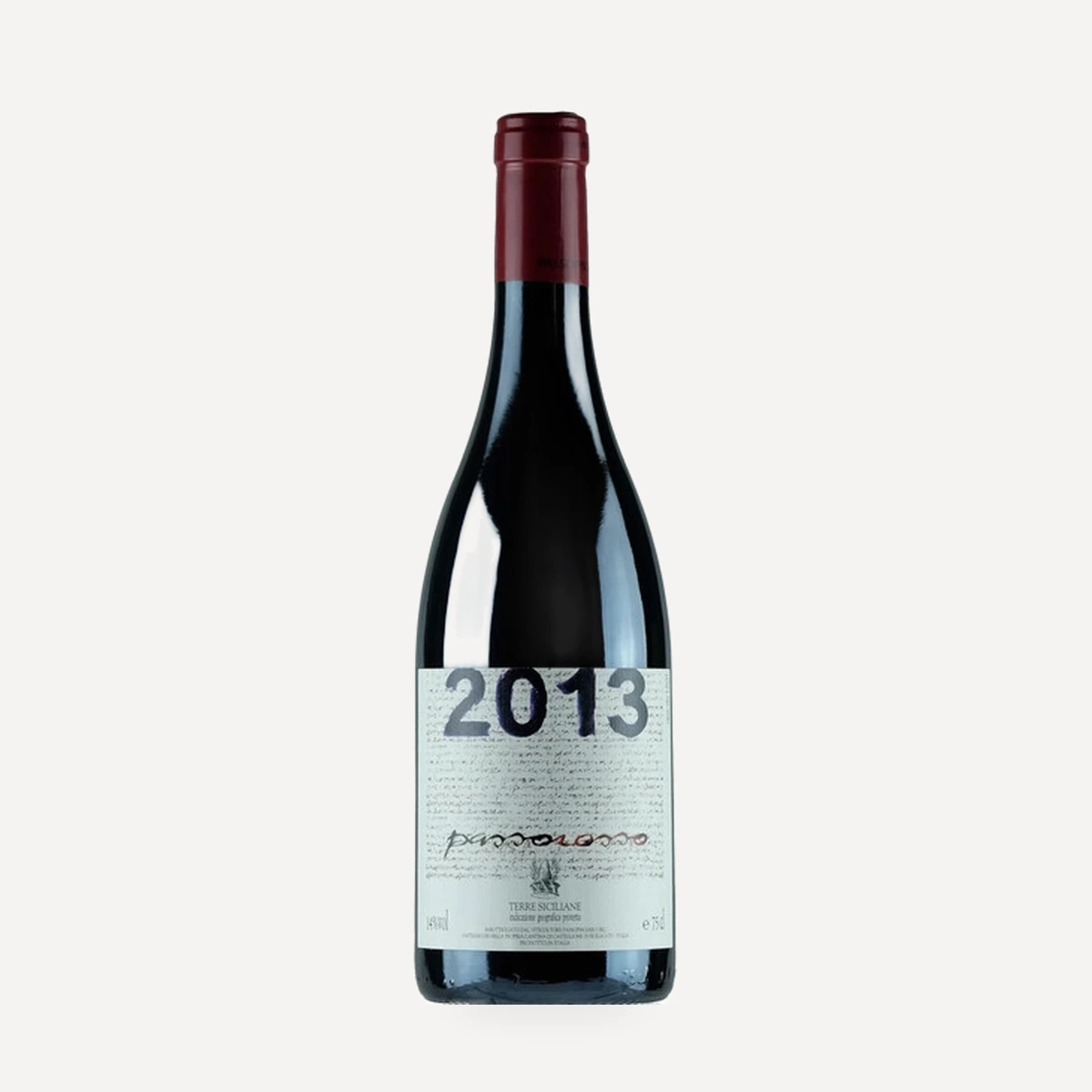
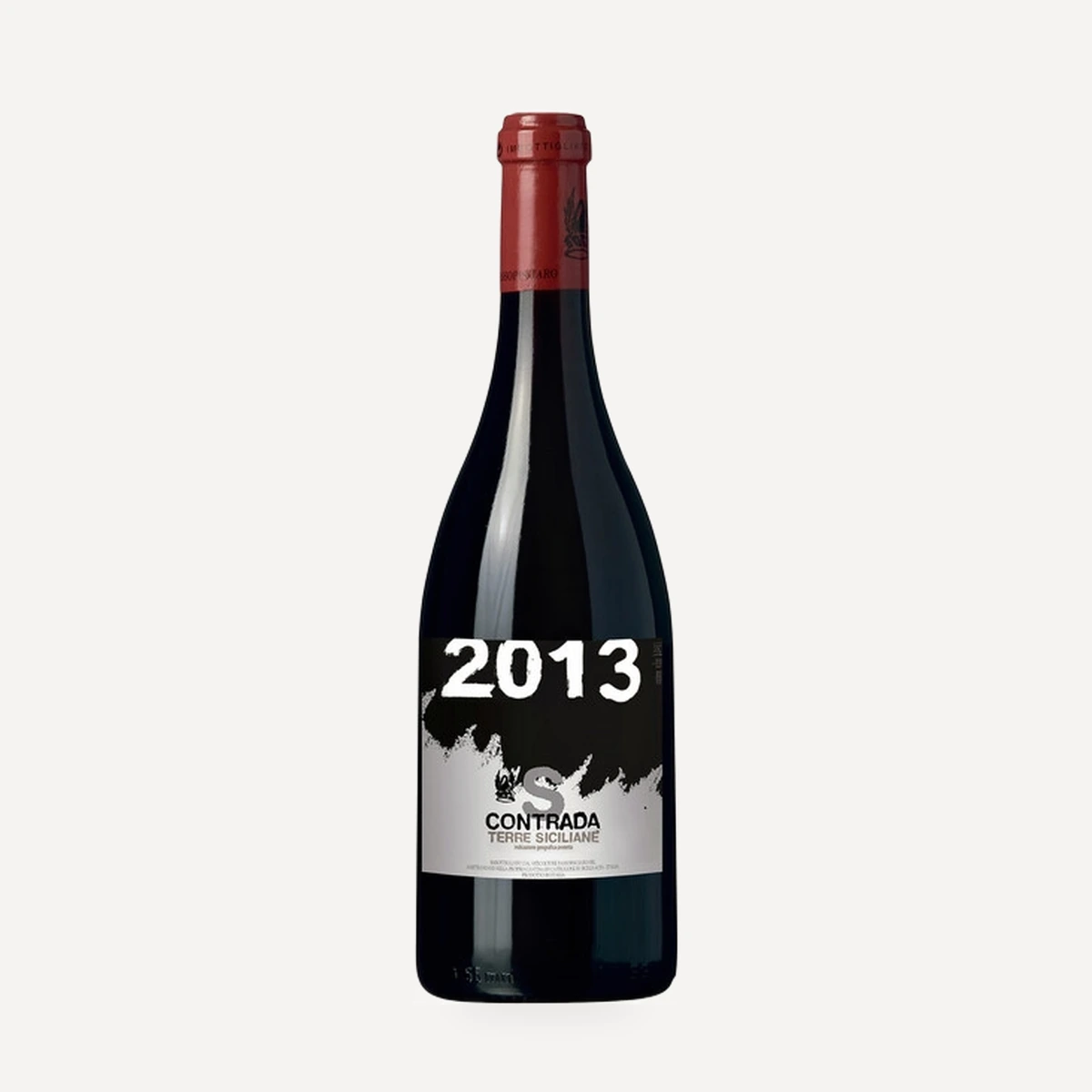
2013. A cold, late season pushed Chardonnay ripening to the end of September. Initially green in character, the wine gained body during prolonged lees contact and developed length, depth and cutting minerality. More than 22 picking passes were made from 6–30 September.
2012. Hot, dry conditions and no rain from May to October required 13 separate passes between 23 August and 10 September. The wine was rich and lush, with pear and honey balanced by crisp minerality.
2011. A strong Etna vintage produced concentrated, generous Chardonnay. The eastern terraces were harvested on 5, 6 and 9 September, followed by the west-facing terraces and lower fields on 10 and 15 September.
2010. A cooler summer and maturing vines produced an exceptional crop from 4.5 hectares in Contrada Guardiola. Harvest lasted eight days, from 8–15 September. The wine developed depth and ripe texture after transfer to concrete.
2009. Seven-year-old vines at 1,000 m yielded 30 hl/ha. Harvested crates were chilled progressively before pressing without destemming. The wine was bottled in May 2010.
Label / history
The first vintage was produced in 2007 under the name Guardiola Bianco. The Passobianco name appears from the 2014 vintage. The current wine preserves the original concept of Chardonnay as a vehicle for the altitude, temperature shifts and volcanic soils of Etna.