History
Vineyard development
The earliest dated plantings in the present estate record are Pian dell’Orino and Cancello Rosso, both planted in 1997. Pian Bassolino followed in 1998 according to its structured vineyard record; it was established on land formerly used as a field and pasture for sheep and goats. The three sections now defined within Pian Bassolino reflect different soils and intended expressions.
Scopeta was planted in 2005 between Castelnuovo dell’Abate and Sant’Angelo in Colle. In 2007, Pian dell’Orino was extended with vines planted around the new cellar. The original 1997 block was trained to spurred cordon, while the later block adopted bilateral Guyot.
Research and massal selection
Del Moro was replanted in 2011 as an experimental Sangiovese vineyard. Numerous clones were established there to observe genetic differences under the estate’s climatic and geological conditions and to identify vines best adapted to its work. Del Moro consequently became the principal source of material for massal selection and future plantings.
Scions selected from seven Del Moro clones spent one year in a nursery. In spring 2020 they were used to establish Pian dell’Oro and Olivetello, each covering approximately 0.25 ha. These two vineyards combined new plant material with historical training ideas: Pian dell’Oro adopted the Etruscan-inspired vite maritata, using living trees instead of artificial supports, while Olivetello adopted the free-standing alberello form associated with hot, dry conditions.
Present estate
Pian dell’Orino now covers 11.5 ha: 5.8 ha of vines, 1.5 ha of olive trees, 0.5 ha of garden and more than 3.5 ha of forest. Its seven vineyards are planted exclusively to Sangiovese, represented by 22 clones. Depending on the vintage, the estate bottles between two and five wines, with total annual production of approximately 17,000 bottles.
The current organic certificate was issued to Caroline Pobitzer by ICEA on 22 February 2024 and remains valid until 22 February 2027. It covers organic wine, wine grapes or grapes for processing and olives, while also recording land undergoing conversion.
Terroir
Setting and elevation
The vineyards occupy several positions around Montalcino, ranging from Scopeta at 270 m to Pian dell’Orino at 500 m. Pian dell’Orino lies among rolling hills extending from Montalcino towards the volcanic cone of Monte Amiata. Pian Bassolino stands at 340–390 m a few kilometres from the estate in the direction of Castelnuovo dell’Abate and faces Monte Amiata. Scopeta lies between Castelnuovo dell’Abate and Sant’Angelo in Colle, while Cancello Rosso occupies a position beside an old travertine quarry at 340 m.
These differing elevations, exposures, gradients and surroundings create distinct meso- and microclimates. Pian dell’Orino, Pian Bassolino and Cancello Rosso principally face south or south-west; Scopeta faces south-east and receives the morning sun; Del Moro faces north-east. Mixed woodland and rich undergrowth surround parts of the vineyards, alongside olive groves and roadside cypresses.
Climate
Average precipitation in Montalcino is approximately 800 mm per year, but vintage variation is substantial. The dry years identified in the estate’s study—2003, 2007, 2012, 2015 and 2017—received approximately 450–750 mm, while 2002, 2014, 2016 and 2018 received approximately 950–1,380 mm. Most rain falls between September and May, with monthly averages of roughly 50–115 mm. Distribution is considered more consequential than the absolute total.
The principal winds are Leveche, Mistral, Sirocco, Grecale and Tramontane. The south-westerly Leveche brings warm, humid maritime air and often announces summer rain. The south-easterly Sirocco crosses the Mediterranean and carries humidity during the vegetative season, conditions associated with greater powdery-mildew pressure. Tramontane brings cool, dry northern air and generally healthier conditions, although it can increase water stress. The north-westerly Mistral is comparatively mild in Tuscany. Wind intensity rises with elevation and exposure.
Sloping positions permit cold air to drain away and therefore face less frost risk than depressions or basins. Late frost is a concern from the end of March to the beginning of May, when young shoots are vulnerable.
Geological framework
The estate identifies three principal soil families connected to distinct geological formations and uses its zoning work to keep grapes from different origins separate. Montalcino’s geology combines the Ligurian, Austroalpine and Tuscan domains, later continental and neo-autochthonous sediments, tectonic uplift associated with the Monte Amiata magmatic body, and continuing erosion by the Orcia and Ombrone rivers.
Grey-brown marlstone predominates around the Pian dell’Orino farmstead. The broader estate study records a clay-and-sand texture of S38/L33/C29 and pH 8.1 for these surrounding soils. The individual Pian dell’Orino vineyard has pale calcareous ground with very fine clay sediments and mollusc inclusions. Its formation began with marine limestone deposition approximately 70 million years ago, followed by uplift about 20 million years ago and renewed marine flooding around 3 million years ago, which deposited fine clay and mollusc remains.
Pian Bassolino incorporates grey-brown argillites and calcilutites, altered underlying lithotypes, continental conglomerates, and siliciclastic-carbonate sandstone and siltstone. Scopeta combines greyish Pliocene marine silty clay with Macigno-derived material; it is uniformly clay-rich, strongly calcareous and capable of storing water. Cancello Rosso brings together the Santa Fiora and Pietraforte formations, Pliocene gravel, sand and silt, clay sediments, brown clay, marl and a substantial area of iron-silicate-derived terra rossa. Del Moro returns to pale calcareous ground with very fine clay sediments and mollusc inclusions.
Calcareous marls in the south-eastern vineyards can include volcanic material from Monte Amiata. The estate associates clay-rich zones with fruit and freshness, Scopeta with spice and black-fruit character, and the deep clay soils of Cancello Rosso with hazelnut and spice notes.
Winemaking
Organic and biodynamic framework
All seven vineyards are planted exclusively to Sangiovese. Vineyard work follows certified organic and biodynamic principles, with ICEA and AgriBio certifications. The estate treats the farm as a living organism whose soils, plants, animals and human work must be considered both individually and as an interconnected whole. Lunar phases, planetary positions and the Maria Thun calendar inform the timing of vineyard and cellar tasks.
The principal biodynamic preparations are horn manure 500 and horn silica 501. Horn manure is used to stimulate soil microbiology and fauna, root growth, porosity in heavy soils, humus formation, water retention and balanced vegetative development. Horn silica is paired with light hoeing and used to support vine resistance, maturation and longitudinal growth. Timing is adjusted to the plant’s development and perceived balance between the silica- and potassium-related processes.
Preparations 502–507 are used in compost and treatments: yarrow 502 for potassium-related processes; chamomile 503 for calcium activity and structural formation; nettle 504 for nutrient mobilisation, soil structure and control of aphids and mites; oak bark 505 in disease prophylaxis and against proliferative fungal processes; dandelion 506 for the relationship between silica and potassium; and valerian 507 after hail, sudden mite pressure, cold or disruptive conditions. Valerian flowers are prepared at approximately 0.5–1 kg/ha, macerated for one hour and added near the end of dynamisation when vines have been damaged.
Soil regeneration and biodiversity
Alternate rows and peripheral areas carry spontaneous or sown cover crops. Seed mixtures vary with soil requirements and can include legumes, Cruciferae, Polygonaceae and Umbelliferae. Vegetation is flattened rather than removed, preserving insects and forming a protective soil mat. Autumn sowings include phacelia, vetch, buckwheat, sulla and rye; coriander, mustard and horseradish; several clovers and other legumes. These plants sustain microfauna and capture atmospheric nitrogen through bacterial symbiosis.
Fruit trees—peach, plum, apricot, apple, quince, pear, almond and walnut—are planted around the north-eastern and north-western margins. Aromatic herbs and bee forage occupy small parcels. Olive, rowan, field maple, chestnut, willow and elder, together with hazel, broom and dog-rose hedges, reinforce parcel boundaries and sometimes enter the vine rows. Laurel and willow hedges protect exposed edges from wind. Marginal plots are converted to flower meadows and orchards.
Beehives are present in all vineyards. Nesting structures support songbirds and birds of prey, while small stone pyramids provide shelter for reptiles. These measures are intended to create habitat for natural antagonists, including predatory mites, and to restore ecological balance around the monoculture.
Every three to five years, soils receive biodynamic compost made from grape pomace, stems, cow manure and preparations 502–507. New compost is also prepared annually with grape stems, pomace, Biochar and cow manure. Biochar trials seek to improve the air-to-water balance in the root zone and add lignin, phenols, proteins and minerals. Chopped vine prunings supply slowly decomposing organic matter to stimulate fungi and mycorrhizae.
Canopy work and plant health
Work on the soil is deliberately limited and uses light sowing equipment. Hoeing close to the trunks accompanies biodynamic treatments. All work directly on the vines, including pruning, thinning and harvest, is performed manually. Bunches are thinned before flowering until four to six remain on each vine. They are monitored through summer, and damaged, rotten or otherwise unsuitable berries are removed immediately before harvest.
Young leaves are repeatedly sprayed before flowering in early June with whey and preparation 500 to diversify microorganisms in the phyllosphere. Preventive plant-based treatments include nettle, chamomile, valerian, yarrow, horsetail, willow and inula, supplemented with mineral clays and naturally occurring contact phytosanitary substances.
Yarrow infusion is applied several times before flowering and during the first post-flowering treatments. Approximately 50 g/ha of dried material is boiled for 30 minutes and then macerated. Horsetail is used as a fungicidal infusion, normally prepared from 200 g in 30 L of boiling water and diluted at 10 L per 500 L of water. Dried willow, approximately 250 g/ha, is boiled below 80°C for around 30 minutes and used especially against downy mildew to reduce copper requirements; willow is also used to tie vines. After flowering, a decoction of inula roots and leaves is used against powdery mildew and is being explored as another possible alternative to copper.
Harvest
Grapes are selected in the vineyard and harvested by hand into 15 kg crates. The maximum intended yield is one bottle per vine. At reception, the destemmer performs an initial selection by berry size; a manual sorting table removes pieces of stem, leaves and insects; and an optical selector completes the process. Carbon dioxide protects the berries from oxidation throughout reception and transfer to the fermentation vessels.
Reception and fermentation
Grapes from different vineyards and zones are kept rigorously separate during harvest and vinification. Following vineyard selection and hand harvest in 15 kg crates, berries pass through size selection in the destemmer, manual sorting and optical selection. Carbon dioxide blankets the reception line to prevent oxidation until the fruit reaches the oak fermentation vats.
Fermentation is slow and spontaneous, driven solely by indigenous yeasts originating on the grape skins. No commercial yeasts, industrial enzymes or supplements are used to alter the character of the vineyard or vintage. The estate avoids cooling at reception and does not add sulphur dioxide at this stage, relying on the condition of the selected berries. Fermentations are actively supervised through repeated daily remontage, tasting and sensory decisions rather than left unattended.
For the longer-macerated Sangiovese pathway, spontaneous fermentation in oak vats typically starts within three days of harvest. Skin contact lasts from four to ten weeks depending on the vintage. Malolactic fermentation follows alcoholic fermentation in the same vat, with indigenous lactic bacteria converting malic acid into lactic acid.
A shorter pathway uses a brief natural pre-fermentation maceration followed by spontaneous fermentation and approximately one week of post-fermentation maceration. The wine then moves to 25–30 hL barrels for malolactic fermentation and remains in wood for approximately 24–28 months before receiving another six months in bottle.
Fruit selected from more vigorous, clay-rich parcels follows a short 7–10-day skin-contact regime. Spontaneous fermentation normally remains below 28°C. Before alcoholic fermentation is complete, the wine is moved to 12–25 hL oak barrels, where alcoholic and normally malolactic fermentation finish. Sensory assessment determines the duration in wood, generally 16–20 months, followed by six months in bottle.
Maturation and bottling
Ageing across the range uses large oak vessels. The broader cellar specification is 10–60 hL, with the longest-matured wines spending 36–55 months in 12.5–50 hL barrels. Ageing is followed through frequent sensory assessment. Sulphur dioxide is kept to a minimum, invasive techniques are avoided, and wines are bottled without filtration. Depending on the intended expression, post-bottling rest ranges from six months to two years.
Cellar
The rounded cellar stands beside the old Pian dell’Orino farmhouse. It was designed according to biological building criteria and integrated into the surrounding landscape. Clay, wood, lime and stones taken from the vineyards were selected as breathable construction materials; the circular form was conceived as a cradle-like, harmonious working space.
Philosophy
Pian dell’Orino understands the estate as an organism composed of land, plants and people. Its work begins with close observation of the landscape, plant development, human traditions and recurring natural rhythms. Agriculture is intended to protect the relationships already present in the habitat and to encourage balance between vines, climate, soil and people.
Quality is defined as an evolving combination of care, study, awareness and action rather than a fixed standard. The estate seeks to preserve the character of each vintage and vineyard through zoning, parcel separation, manual work, indigenous fermentation and restrained cellar intervention. Grapes are treated as the expression of a particular place, year and sequence of human decisions, rather than as a raw material whose identity should be created in the cellar.
Biodynamics provides the conceptual framework for treating the farm as both a whole and a collection of connected parts. Geological position, vineyard exposure, variety, rootstock, plant development, disease pressure and the timing of work are considered together. Lunar and planetary rhythms are incorporated into operational decisions, while preparations and plant-based treatments are used to reinforce soils and vines.
The estate’s Manifesto of Diversities rejects viticulture directed solely by short-lived market trends. It argues that denominations alone cannot fully define identity or quality and presents detailed zoning—embracing geology, soil, climate, flora and fauna—as a means of understanding recognisable differences. Winegrowing is consequently viewed as participation in the creation, cultivation and survival of Montalcino’s cultural landscape.
Its practical objectives are character, originality, balance and elegance. These are pursued through a healthy and diverse environment, yields no greater than one bottle per vine, uncompromising berry selection, slow spontaneous fermentation, large oak vessels, minimal sulphur dioxide and the elimination of filtration.
Wines
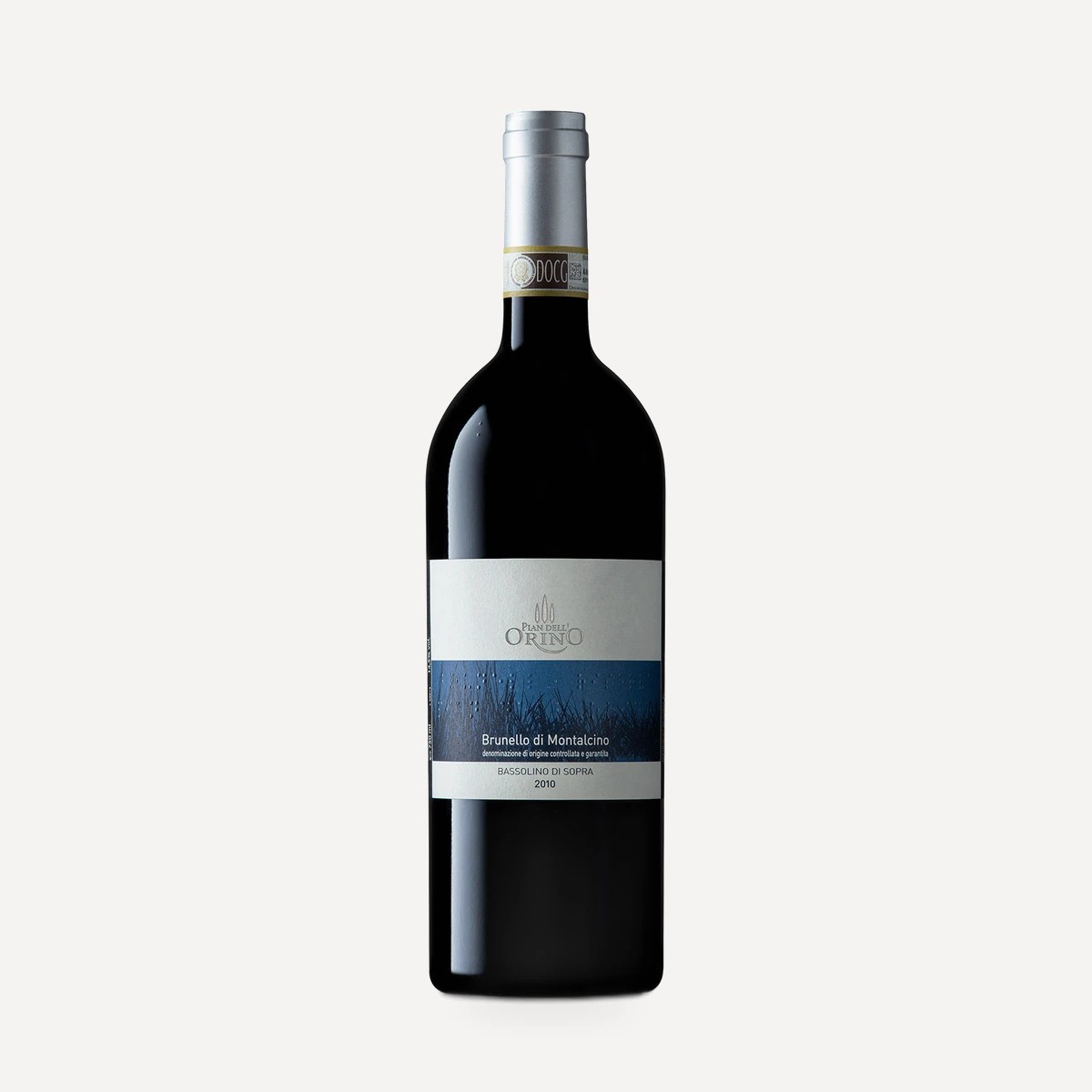
Brunello di Montalcino Bassolino di Sopra
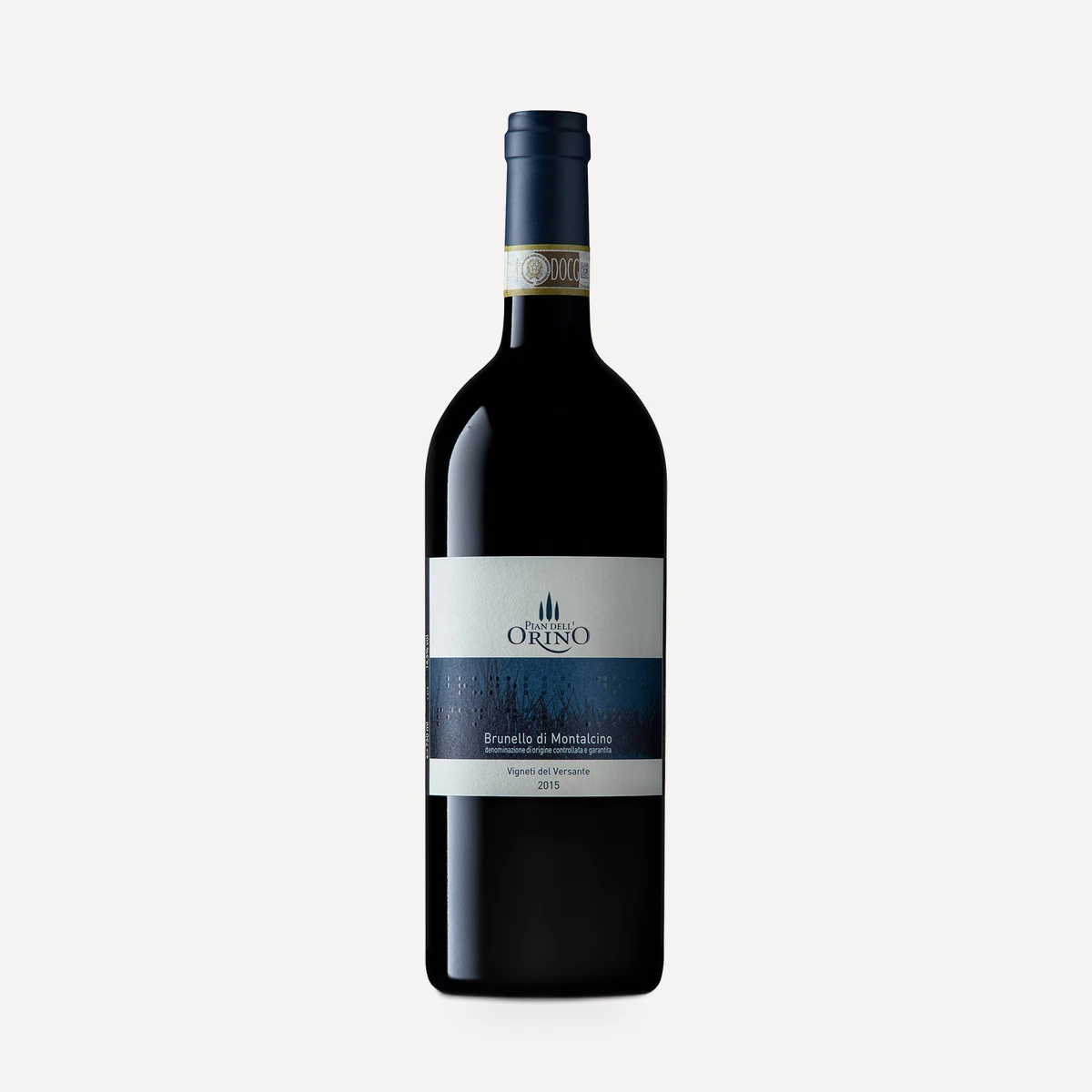
Brunello di Montalcino Vigneti del Versante
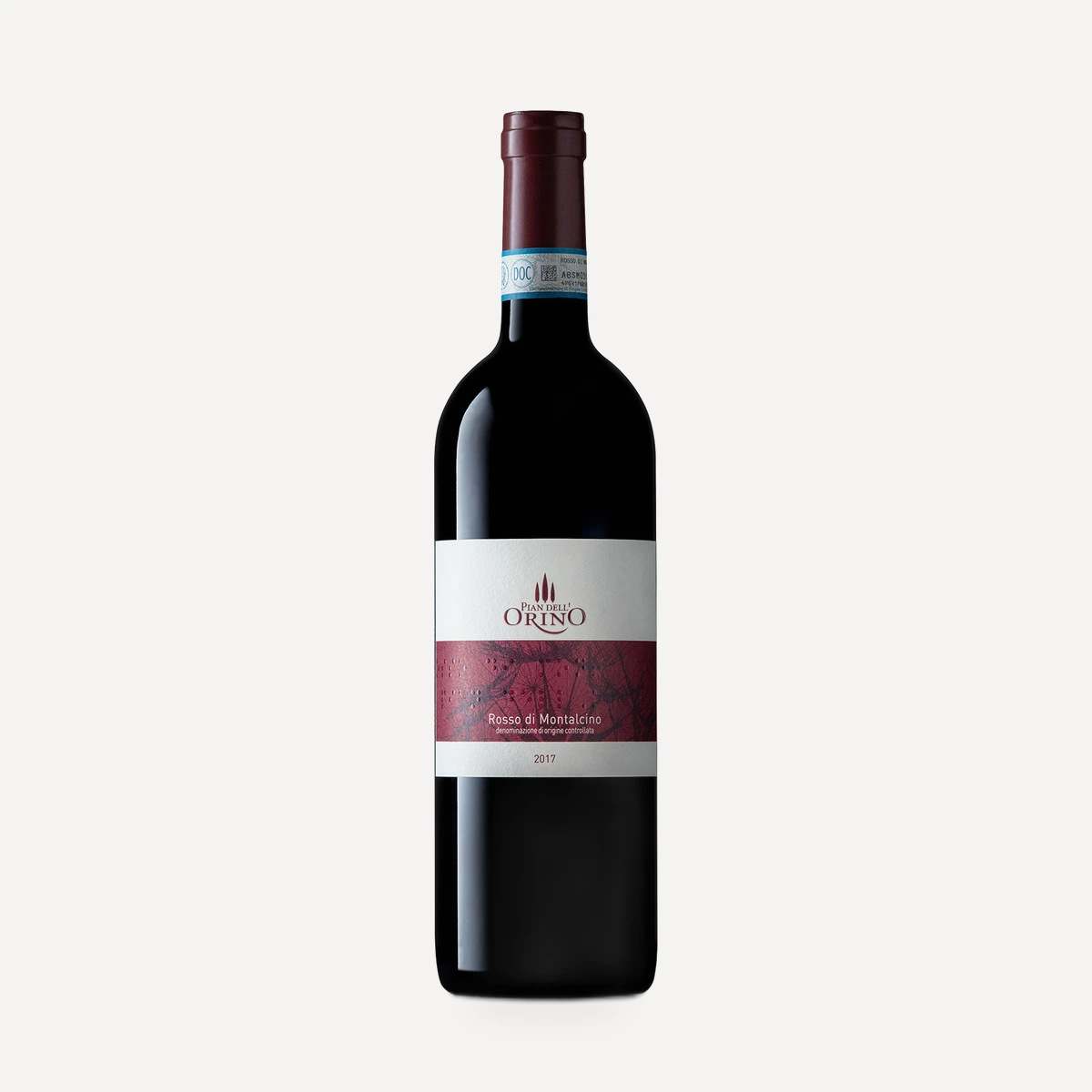
Rosso di Montalcino
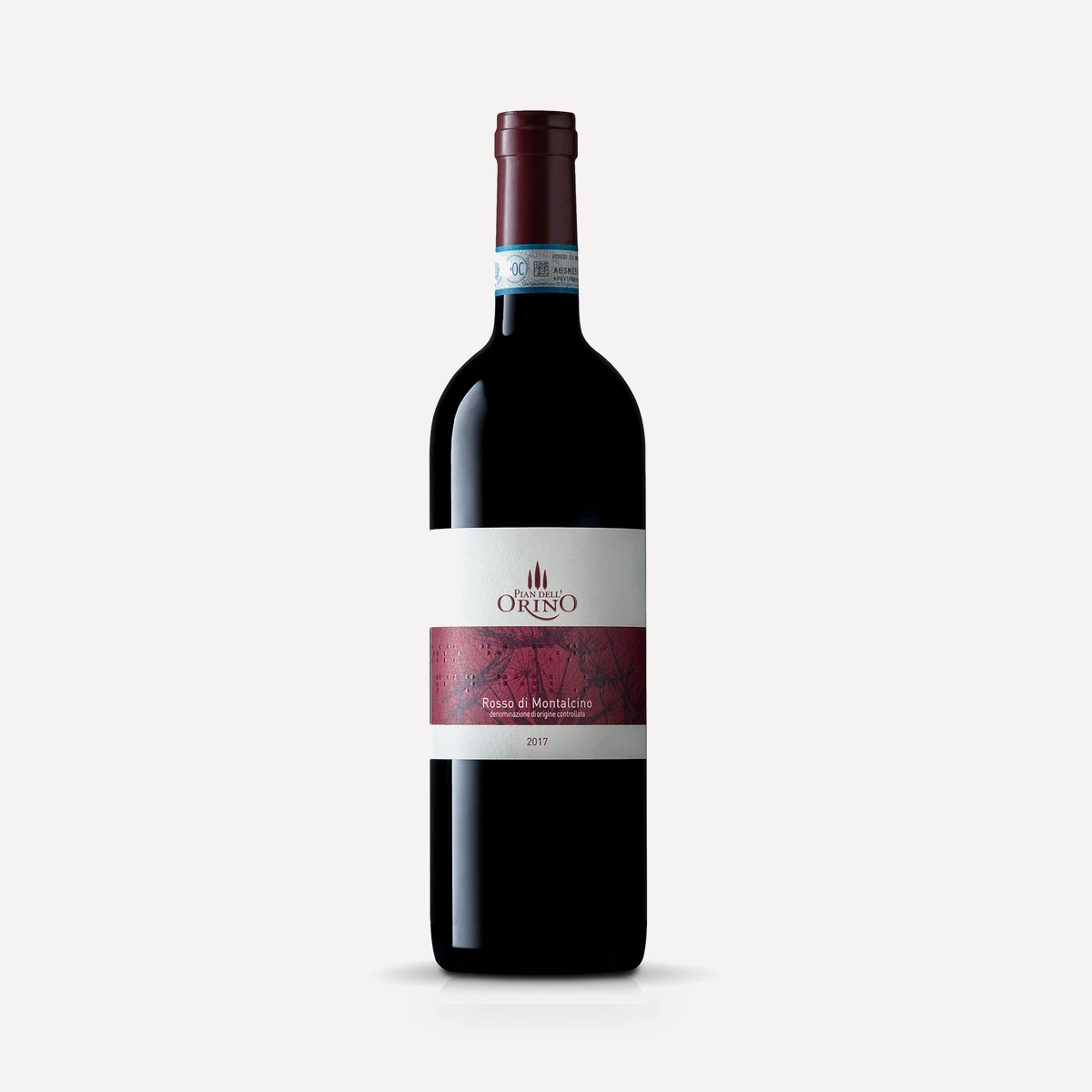
Rosso di Montalcino Bassolino