History
Origins and early vineyards
Vignavecchia, now the estate’s oldest vineyard block, was planted on a steep, west-facing hillside in 1988. San Polo was founded in the early 1990s. The estate chronology identifies 1990 as the year of its first plantings: approximately 4,000 vines per hectare were established in the historic namesake vineyard and trained to spurred cordon. Podernovi was also planted in 1990 at the same density.
Denser plantings and a new cellar
In 2000, San Polo introduced a new vineyard geometry with densities of up to 7,000 vines per hectare. The purpose was qualitative rather than quantitative. Closer spacing increased competition between plants, moderated vigour, reduced foliage and bunch numbers, and encouraged the production of fewer, more concentrated clusters. With less soil available to each plant, roots were expected to explore deeper layers for water and nutrients, reducing dependence on rainfall and sensitivity to short-term weather variation. Mezzopane includes plantings from 1990 and 2000, while d’Oriente, Rossa and del Masso were planted in 2000.
The winery was built in 2005 according to bio-architectural principles. Completely underground and fitted into the contours of the Podernovi hill, it was designed to handle fruit from sustainably managed vineyards while minimizing energy demand and visual impact. Natural cooling, wind-driven vents and passive air circulation became integral parts of the building.
Acquisition by the Allegrini family
Marilisa Allegrini had begun expanding her family’s activities from Veneto into Tuscany in 2001 as part of a production-diversification project. In 2007 she acquired San Polo. Her daughters, Carlotta and Caterina Mastella Allegrini, subsequently became co-owners. The new ownership developed San Polo as a family project centered on Montalcino, environmental responsibility, vineyard identity and hospitality.
An eco-sustainable approach to vineyard management began under Marilisa Allegrini’s direction in 2007, before the formal adoption of an organic protocol. Chemical-free farming and extensive experimentation laid the groundwork for certification.
Environmental certification and parcel-based management
In 2013 the winery obtained CasaClima Wine certification after assessment of resource reduction, environmental impact, waste management, efficient electrical equipment, local and recycled materials, sustainable logistics, consumption monitoring, working conditions and production processes. San Polo became the first winery in Tuscany and the second in the world to receive the certification.
After prolonged research and trials, the estate formally adopted an organic vineyard protocol in 2014. Its exposed hilltop position, constant air movement, limited morning humidity and absence of persistent non-rain leaf wetness were considered especially suitable for organic management.
In 2015 San Polo began systematically subdividing and managing its vineyards as separate parcels. Soil, drainage, exposure, ventilation and row-by-row vine characteristics were studied so that cultivation and vinification could be adapted to each site. Immediate differences were observed during vineyard work, vinification and in the resulting wines. Marilisa Allegrini and then-winemaker Riccardo Fratton consequently developed a program of single-vineyard wines intended to preserve the identity of individual parcels.
San Polo received organic certification with the 2017 harvest. The farming protocol continued to evolve around the natural support of vine health and the interpretation of individual sites.
New plantings, amphorae and the next phase
Work on a new vineyard began in 2020 with the removal of an old planting, ploughing and deep soil preparation. In 2021 the Nuova and Selva vineyards were planted at 5,000 vines per hectare. Nuova included seven initial rows of Moscato Bianco, following research led by Riccardo Fratton, for a project connected with the historic Moscadello di Montalcino tradition. Selva was planted with a small-berried Sangiovese clone chosen to support concentration in its cooler, less sunny setting.
Experiments with Sangiovese in amphora were underway by 2021. Amphora Vignamasso debuted in 2022, bringing together whole-cluster, spontaneous fermentation and extended skin contact in amphora as an explicitly low-intervention project.
In March 2024 San Polo became one of the three family estates organized under the newly created Marilisa Allegrini group. Marilisa became president and chief executive, while Carlotta and Caterina became vice-presidents. Riccardo Fratton remained the winemaker dedicated to San Polo, with Luca D’Attoma providing additional support to the Tuscan estates.
In 2026 Francesco Pezzati arrived in Montalcino as San Polo’s new winemaker, marking the latest change in the estate’s technical leadership.
Terroir
Estate position
San Polo occupies the southeastern side of the Montalcino hill in the Podernovi district. The 22-hectare property lies principally at 400–450 metres above sea level, with 16 hectares planted to vines. Its hilltop vineyards are open to constant air movement and have a dry, breezy microclimate with pronounced day–night and seasonal temperature variation. The exposed position limits morning humidity and persistent leaf wetness, supports even ripening and reduces frost and disease pressure.
Soils and geology
Across the estate, the soils are generally poor and stony and are dominated by galestro, a schistous clay formation. Their limited fertility naturally restrains Sangiovese vigour and yield. Considerable variation exists between parcels: limestone, clay, sand, fossil deposits, silt and ferrous minerals occur in different proportions, while depth, drainage and stone content change over short distances.
Podernovi contains one of the oldest geological formations on the property, identified with the Cretaceous–Eocene period and described as among the first local structures to emerge from the sea. Its clay-rich soil retains water and remains medium-high in limestone. Vignavecchia has a thin, well-drained surface layer with substantial skeletal material, limestone and clay, together with mixed clay-and-sand zones and fossil-rich clay deposits. Rossa is distinguished by rust-coloured, silty soil rich in iron minerals. Nuova is strongly clay-dominated, while del Masso changes from water-retentive clay on its gentler lower section to poorer, stonier ground as the slope rises.
Wider climatic setting
Montalcino lies about 45 km from Siena, 45 km east of the Tyrrhenian Sea and 100 km west of the Apennines. The commune is enclosed by the Orcia, Asso and Ombrone valleys and protected to the south by Monte Amiata. Amiata acts as a barrier to adverse weather and generates air currents that help moderate rainfall. The combination of differently oriented slopes, pronounced relief and elevation changes produces distinct microclimates even between nearby sites.
The broader climate is dry and Mediterranean, with a continental influence from the estate’s position between the sea and the Central Apennines. Rainfall is concentrated in spring and late autumn and averages about 700 mm annually. Snow is possible in winter above 400 metres. The stated annual mean temperature is 15 °C, rising to an average of 18.5 °C across spring and summer.
Winemaking
Organic farming and vine health
San Polo adopted a formal organic protocol in 2014 after years of trials and received organic certification with the 2017 harvest. Chemical fertilizers, herbicides and synthetic pesticides have been eliminated. Naturally derived resistance inducers—including aloe vera, algae, calendula, fungi and other plant compounds—are used to stimulate the vine’s own immune response. Certified organic fertilizers are permitted, while copper- and sulphur-based preparations are used for crop protection.
The agronomic objective is to place vine health and self-defence at the center of farming rather than treating disease control as the sole priority. A weather station monitors humidity, rainfall, temperature and leaf moisture. Canopy and under-row management are used to reduce parasite pressure and maintain a balanced relationship between vegetative growth and crop load. Antagonistic insects and mating disruption are employed against pests; capsules used against tignoletta interrupt the pest’s reproductive cycle before damaged berries become brown and desiccated.
Soil management and water
The vineyards are essentially dry-farmed, with irrigation reserved for emergencies. The strategy is intended to encourage deeper rooting, nutrient balance and resilience under difficult conditions. Soil is aerated to support microorganisms, and low-energy conservation techniques are preferred. Harrows are used for soil cleaning. Depending on the parcel, the estate maintains either full grass cover or alternating cultivated rows.
Winter and spring green manures combine grasses and legumes in alternating rows; spontaneous vegetation remains in the unsown rows. Legumes contribute fertility, while mustard, rapeseed, phacelia and horseradish assist soil decompaction. Roller-crimping is among the methods used to manage this vegetation. No superficial cultivation is performed during summer. Green manures contribute to the creation and stabilization of organic matter, improve soil structure and support resilience to climate change.
Pruning, canopy and vineyard renewal
Dry or winter pruning renews the productive portion of the vine by selecting the cane or spur that will carry the next season’s shoots and bunches. Pruning can be delayed until early March to reduce exposure to late frost. Spring and summer canopy management acts on all green organs through the period before harvest, keeping the leaf wall large enough for photosynthesis but sufficiently functional and open to prevent an unfavourable bunch-zone microclimate.
Shoot selection, positioning and upper-canopy bundling organize vegetative growth. Basal leaves are removed selectively according to row orientation, and clusters may be arranged or lightly thinned where required. Pre-harvest leaf removal can be brought forward when seasonal conditions justify it. Dead vines—lost to age, cold, disease or parasites—are removed and replaced with young rooted cuttings.
Before any new vineyard is planted, its pedological and climatic suitability is formally assessed. Work for Vigna Nuova included uprooting an old vineyard, ploughing, deep tillage, subdivision into parcels and selection of clones adapted to its clay-rich soil.
Harvest and biodiversity
Grapes are harvested manually, including during the coolest hours of the night or early morning when necessary to preserve flavour and an appropriate fruit temperature. Each vineyard is assigned an individual code so its grapes can remain separate through vinification.
Biodiversity monitoring follows the WBA Onlus Biodiversity Friend® framework and examines lichens, surface-water organisms and soil invertebrates. The 2023 assessment found well-developed and varied lichen communities, averaging nine species and an IBL-bf score of 89. Soil sampling found a constant and abundant presence of the principal taxa, with important predator and detritivore groups present in 67–100% of samples—conditions conducive to permanent soil food chains. Management preserves herbaceous and shrubby ditch cover, spontaneous flowering scrub, woodland and tree-and-shrub belts. Pollinators include Lepidoptera, Diptera, beetles and Apoidea, while the habitats also support amphibians, reptiles, birds and mammals.
Winery architecture and grape flow
Built in 2005, the winery is completely underground and follows the contours of the Podernovi hill. The space between the hill and road determined its form: two almost parallel curved bands house vinification and ageing. Reinforced-earth construction retained the hillside without removing excavated material, while prefabricated components reduced construction time and cost.
The tunnel-like plan creates a logical, natural route from grape reception through vinification and ageing. The underground position provides thermal insulation and a stable year-round temperature with limited external energy use. In the ageing room, a convex suspended ceiling guides air toward side coils containing cold water. The resulting convective circulation cools the room, creates a healthy microclimate and discourages mould.
Wind-responsive aluminium vents above the winery rotate with local air currents and use the Venturi effect to extract fermentation heat. A network of pipes running through the structure brings cool, humid air from the hill into the barrel cellar. Barrels stand over controllable vents that close once the desired conditions are reached. Hygroscopic tuff insulation absorbs or releases moisture to regulate the barrel room.
Fermentation vessels
Vitrified concrete tanks have been in place since the winery’s construction. Their thermal mass retains warmth during fermentation, while built-in liquid-filled coils prevent excessive temperature rises. The vitrified lining prevents direct exchange between wine and concrete, and the integrated coils facilitate unobstructed, effective cleaning.
Stainless-steel tanks are used when the objective is to preserve fruit and varietal purity without vessel-derived influence. Steel is inert, prevents micro-oxygenation, keeps wine cool and allows rapid temperature control.
San Polo also works with clay and terracotta amphorae made by specialist artisans. Lower-temperature firing preserves porosity and promotes greater oxygenation; high-temperature firing vitrifies the pores and reduces oxygen transfer. Whole, undestemmed bunches can be placed directly in amphora, where fermentation begins spontaneously. Skin and stem contact contributes aromatic and structural compounds. The amphora program is designed to minimize cellar intervention and emphasize Sangiovese. In the Vignamasso method, spontaneous whole-cluster fermentation proceeds without pump-overs or punch-downs; after the vigorous phase the vessels are topped, and submerged-cap maceration continues without external manipulation.
Ageing vessels
French-oak vessels hold 500 or 600 litres and 10 hectolitres. Their size, shape and wood character are selected when additional aromatic and structural influence is desired; 600-litre French barrels are used for Vignavecchia. Large Slavonian-oak casks hold 10, 20, 25, 40 or 80 hectolitres and provide gentler ageing for wines including Podernovi, Rosso di Montalcino and other estate selections.
Control, blending and bottling
Each vineyard receives a code and is vinified separately to preserve and evaluate its individual character. Static clarification is chosen according to grape quality. Alcoholic fermentation and maceration are followed through must tasting and analysis; malolactic fermentation is analytically monitored. Blending decisions reflect defined oenological objectives.
Tartaric and protein stability, as well as conservation requirements, are evaluated according to the degree of instability. Before bottling, sulphur level and turbidity are checked and filtration is used when required. Bottling takes place after the desired stability and sensory profile have been achieved. Every analysis, addition, transfer and blend is recorded for each lot. Cellar rooms, machinery and tanks are cleaned continuously with attention to rationalizing resource consumption.
Philosophy
San Polo frames sustainability as a business model and a continuous daily responsibility rather than a fixed endpoint. Its stated aim is to protect the Montalcino landscape while producing wines with a recognizable identity and character.
The vineyard is treated as the origin of the wine’s identity. Parcel subdivision, separate cultivation and separate vinification are intended to reconnect each wine with the place that generated it. Human work is conceived as a means of bringing wine closer to nature: soils, microclimate, biodiversity and the biological cycle of the vine should remain in balance, while intervention is reduced where the quality and health of the fruit allow it.
Tradition and experimentation are treated as complementary. Large casks, Sangiovese and established vineyard training coexist with high-density planting, bio-architecture, environmental measurement, amphora fermentation, natural resistance inducers and detailed microclimate monitoring. Vintage variation is not something to erase; the highly variable del Masso parcel, for example, is deliberately allowed to reflect the character of each season.
Marilisa Allegrini describes the sustainable winery as a link between generations. The family project connects inherited experience with future-focused environmental design, organic farming, technical research and hospitality. Quality is presented as inseparable from ethical conduct toward the land, employees, suppliers, customers and the surrounding community.
Wines
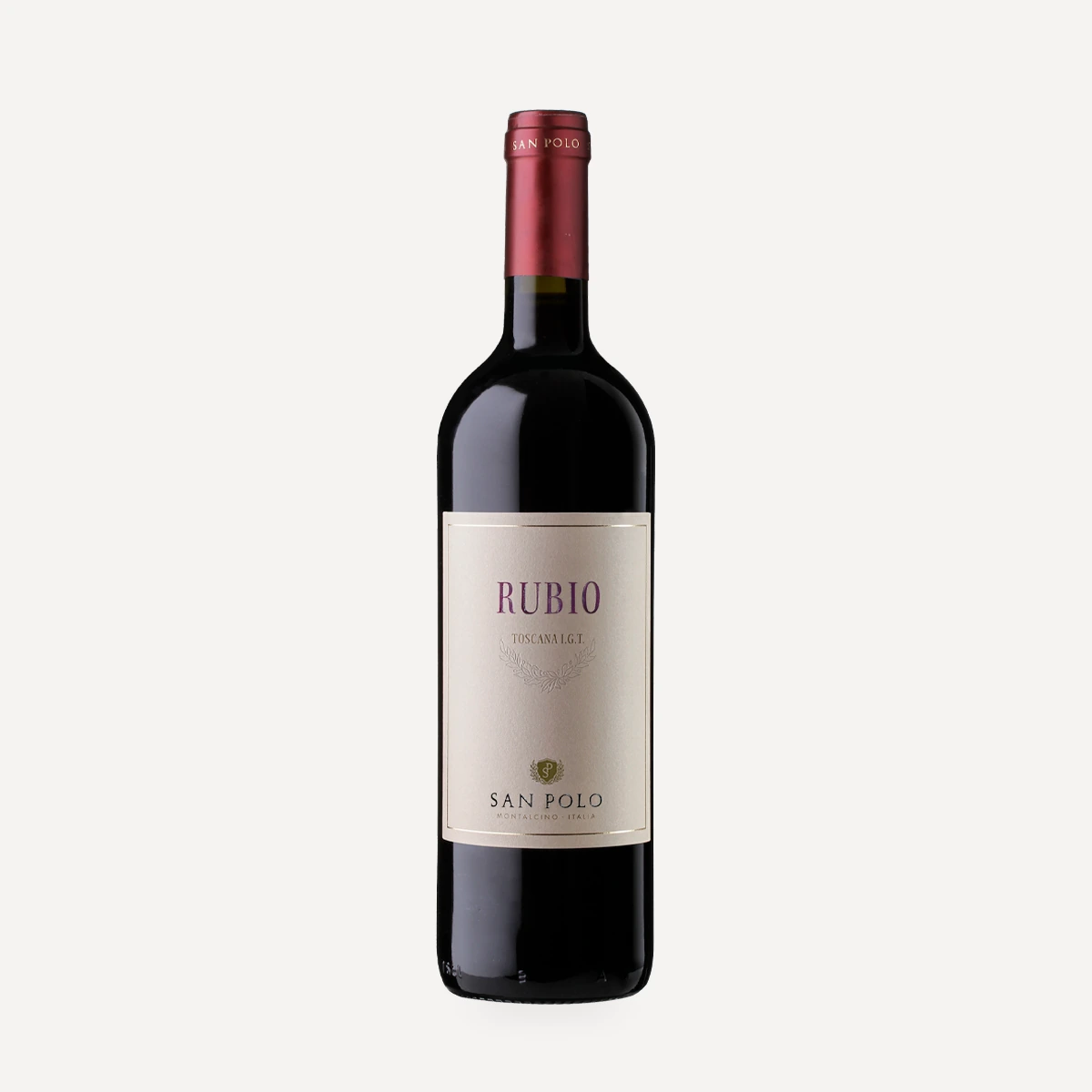
Rubio Toscana IGT
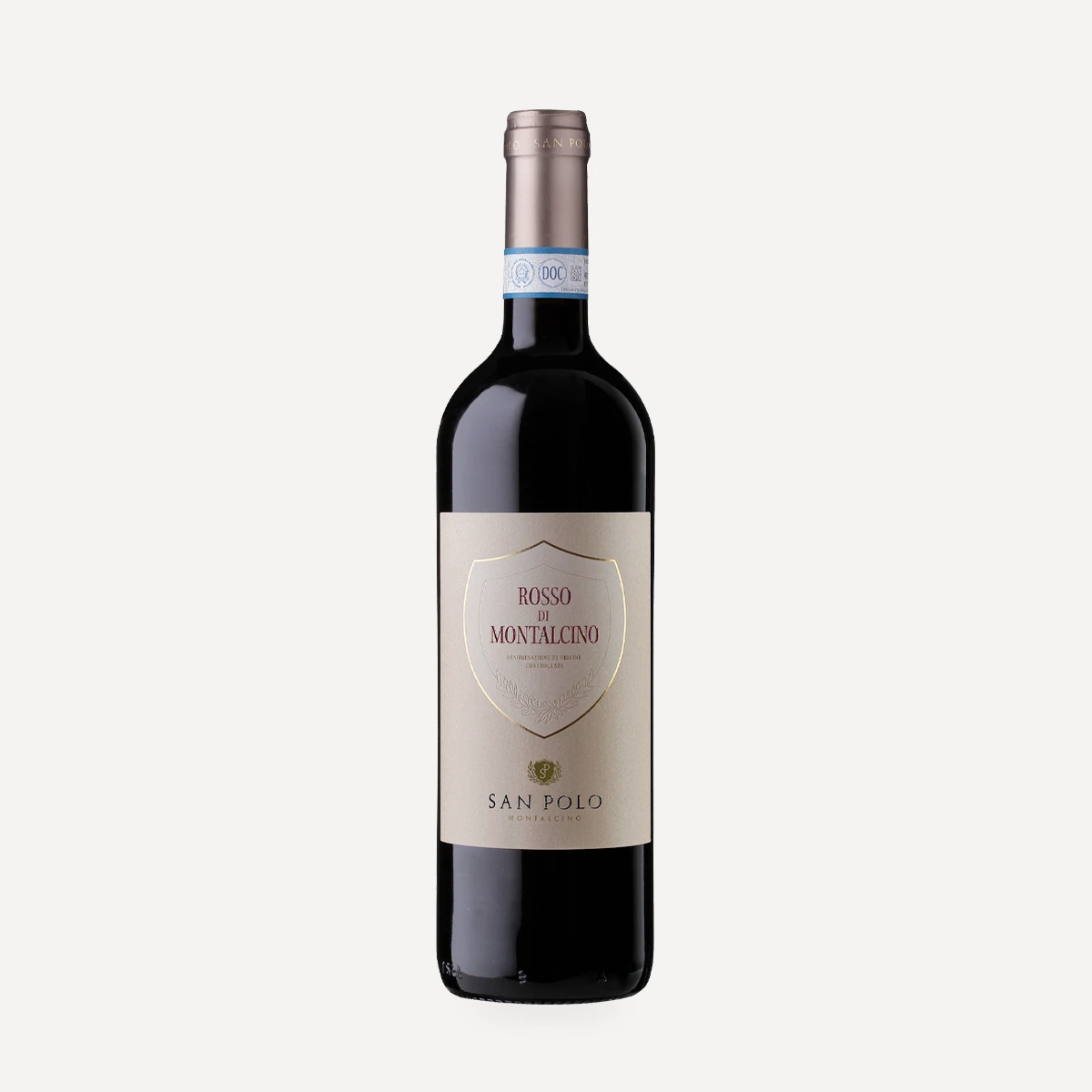
Rosso di Montalcino DOC
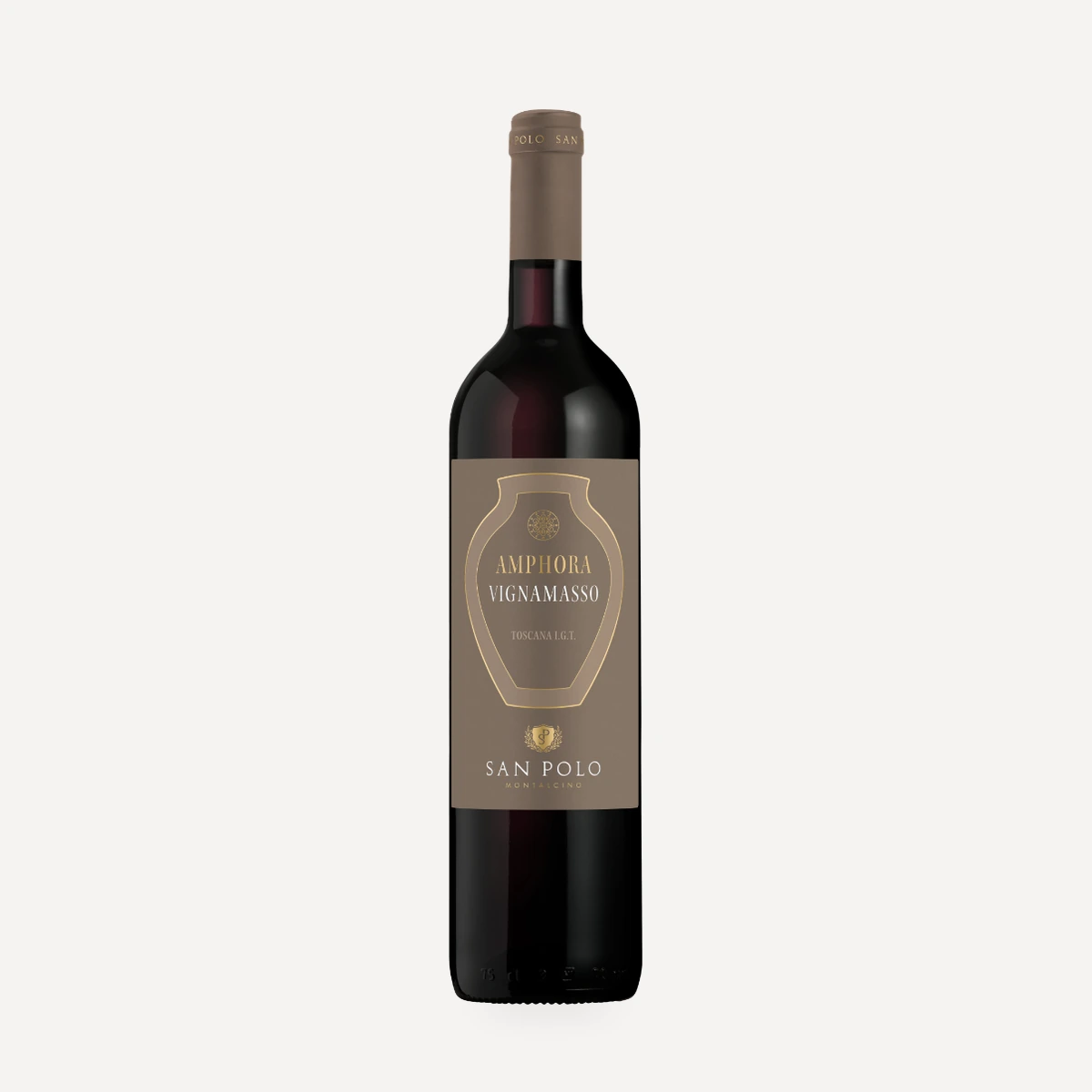
Amphora Vignamasso Toscana Biologico IGT
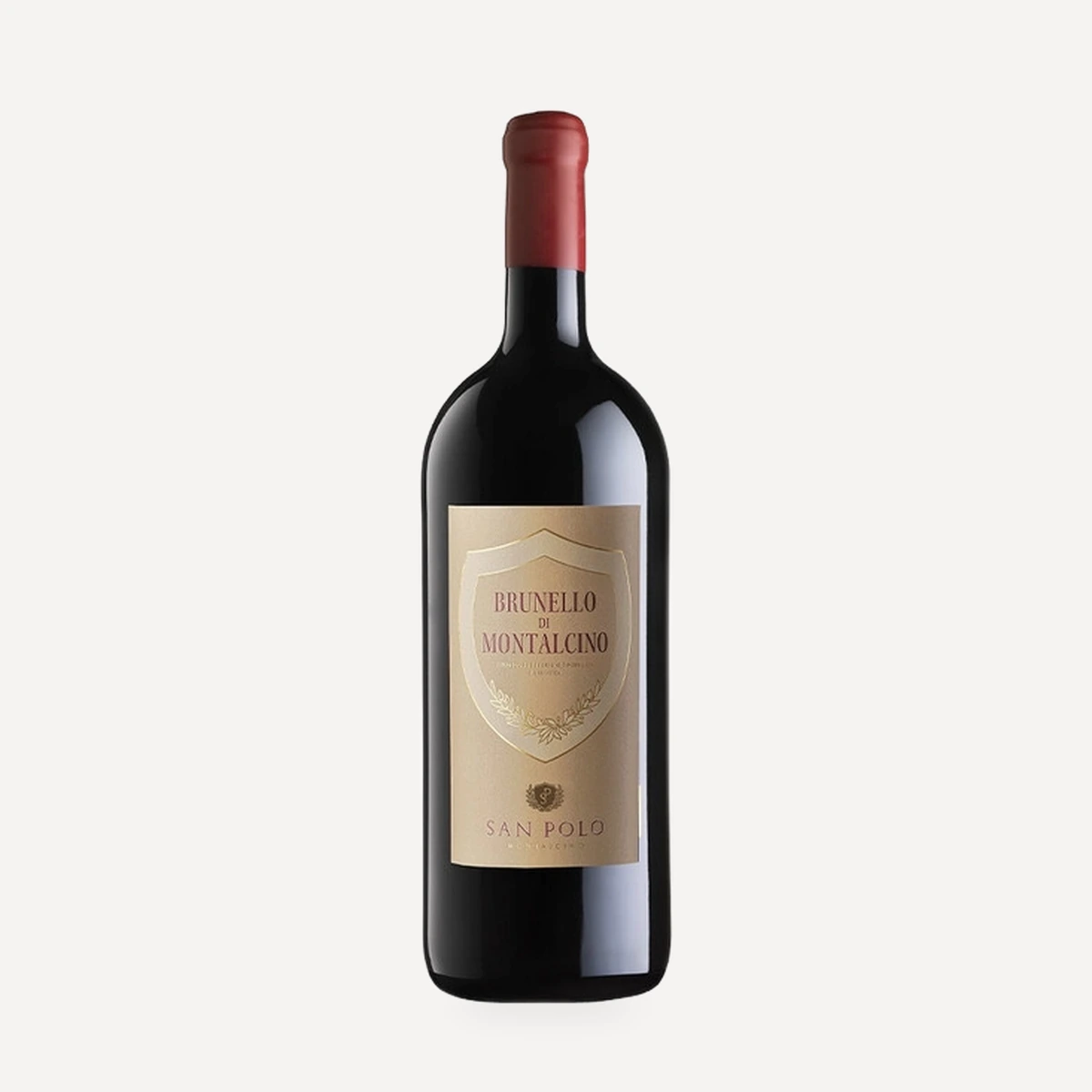
Brunello di Montalcino DOCG

Riserva Brunello di Montalcino DOCG
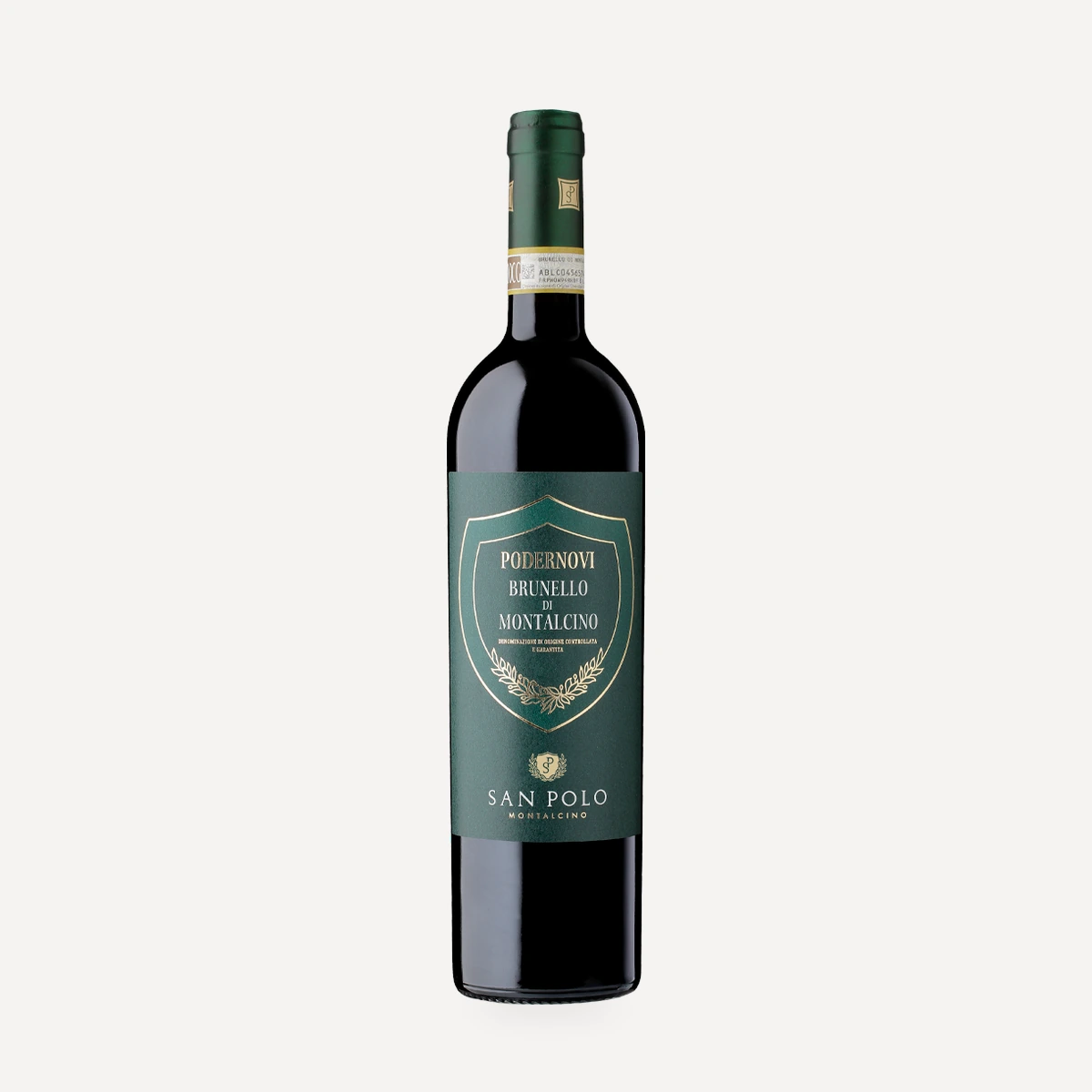
Podernovi Brunello di Montalcino DOCG

Vignavecchia Brunello di Montalcino DOCG