History
Origins and the monastic settlement
The history of San Leonardo predates the present estate by more than a millennium. In 589, Theodolinda and Autari were married on the Campi Sarni, the fields surrounding the property. Before the year 1000, San Leonardo in Sarnis was already associated with flourishing viticulture.
During the Middle Ages, the site supported a small community administered by the Frati Crociferi. The friars established a church, monastery and hospitium for travellers, surrounded by fields, vineyards and woodland. Agriculture, animal husbandry and the production of manufactured goods accompanied their religious and charitable activities. Their winemaking knowledge developed over the centuries and the wines of San Leonardo eventually found appreciation at the Austro-Hungarian court in Vienna.
The place-name San Leonardo in Sarnis is clearly documented in 1215. The church was dedicated to San Leonardo di Noblac, patron saint of prisoners, whose cult had reached the area from France. Only the apse of the medieval monastic structure survives, preserving a fresco of Christ supported by angels, with the Virgin and Saint John the Baptist in prayer.
The Gresta and de Gresti era
Documents from 1646 record the Gresta family—later known as de Gresti—managing the property. The estate archive preserves material dating from the 16th century onward.
The year 1724 marks the first official documentation of wine being produced and traded at San Leonardo as an economic activity. This commercial development consolidated the gradual transformation of the medieval monastic organisation into an estate centred principally on wine production.
In 1770, the de Gresti family purchased the entire estate from the Church. The modern 300-hectare property continues to follow the perimeter of the former feudal holding.
Villa Gresti was erected in the late 19th century in Liberty style; the estate chronology assigns its construction to 1874. Its name preserves the memory of the de Gresti family.
The Guerrieri Gonzaga family
The Guerrieri Gonzaga descend from the Terzi family. Ottobono’s son Niccolò earned the sobriquet “The Warrior” through his conduct in battle. In 1506, the family name was expanded to include Gonzaga as an expression of gratitude from Marchese Francesco, Lord of Mantua. The family motto is Belli ac Pacis Amator—lover of war and peace.
The family became permanently connected with Trentino through the marriage of Marchese Tullo Guerrieri Gonzaga di Montebello and Gemma de Gresti di San Leonardo. The detailed family narrative dates the marriage to 1892. Gemma had been born at San Leonardo in 1873, and her family had held the estate for almost two centuries.
Their son, Marchese Anselmo Guerrieri Gonzaga, approached the property in a more business-oriented manner and introduced important changes inspired by his interest in wine. A first major reorganisation took place in the early 20th century.
Gemma de Gresti and the First World War
Gemma de Gresti Guerrieri Gonzaga used Villa Gresti as the operational centre for extensive charitable work. During the First World War, she worked to locate thousands of Italian prisoners dispersed among camps in Russia and assist their return home. In the immediate post-war period, she helped rebuild Trentino by supplying hospitals, schools and nursery schools. She also participated in the creation of Rovereto’s Campana dei Caduti memorial bell.
In 1918, Villa Gresti served as the headquarters of an Italian Army Corps handling negotiations with Austrian plenipotentiaries. The Austro-Hungarian command surrendered there, and preliminary arrangements for the armistice ending the war were agreed at the villa.
Gemma received the International Red Cross Gold Medal for Humanitarian Values. She continued her work until her death in 1928 and is buried in the crypt at San Leonardo.
Concrete vats were installed in the fermentation cellars shortly after the First World War. During the Second World War, the German Wehrmacht occupied Villa Gresti in 1943.
Carlo Guerrieri Gonzaga and the modern wine estate
Marchese Carlo Guerrieri Gonzaga became the family’s first fully trained oenologist. He graduated in oenology in Lausanne in 1957, preparing both to manage the agricultural property and to pursue his interest in the world’s leading wines, particularly those of Bordeaux. Research journeys to France and Tuscany further shaped his outlook.
In 1959, the estate inaugurated La Botte di San Leonardo, a wine bar at its entrance. A retail shop followed in Rovereto in 1965.
Carlo planted Cabernet Sauvignon in 1978. This decision joined a vineyard inheritance that already included Carmenère planted in the mid-19th century and Merlot planted in the early 20th century. The estate’s eponymous San Leonardo wine was created in 1982. Giacomo Tachis became the estate’s oenologist in 1985, and 1986 was recorded as an exceptional vintage.
The 1988 San Leonardo received its first Tre Bicchieri recognition in 1992. In 1997, San Leonardo received an Oscar for Best Italian Red Wine and was named the twelfth-best wine in the world by Wine Spectator. These wine-specific distinctions are retained here only as milestones in the estate’s chronology.
New generation, cellars and environmental transition
Carlo’s son, Marchese Anselmo Guerrieri Gonzaga, joined his father in managing the estate in 2001 and became the driving force behind a further phase of innovation. He now serves as chief executive and works full-time in the business.
A large underground barricaia was built in 2001. Carlo Ferrini became the estate’s oenologist in 2002, and a new cellar was inaugurated in 2003. In 2006, Bibenda awarded San Leonardo its Oscar for Best Italian Winery.
Conversion to certified organic agriculture began in 2015 and was completed at the end of 2018. In 2018, the historic estate also gained Biodiversity Friend® certification from the World Biodiversity Association. A massal-selection programme for Carmenère began in 2019 with a Trentino vine nursery.
New vineyard development was recorded in 2017. A further project in 2022 reshaped 4.62 ha of land above recently established vineyards. Of this area, 2.70 ha was allocated to vines, service roads and ramps, with additional works protecting it against torrent and rockfall hazards. Surface-water control and revegetation were used to stabilise the worked slopes and limit erosion. Planting was completed in early 2023 with Cabernet Sauvignon and Carmenère vines, supported by drip irrigation. The land had never received synthetic products and entered cultivation under exclusively organic management.
In 2024, the estate held Equalitas Sustainable Winery certification and invested in winery tanks, technical facilities, agricultural equipment and a photovoltaic project. It was subsequently named Gambero Rosso’s Winery of the Year 2025.
Terroir
Location and landscape
Tenuta San Leonardo lies in Vallagarina, at the southern end of Trentino-Alto Adige in the Province of Trento. The 300-ha property occupies the left bank of the Adige and follows the perimeter of the historic feudal estate. Its landscape extends from the valley floor through vineyards and gardens to 218 ha of woodland on the slopes of the Monti Lessini, facing Monte Baldo.
The red-wine vineyards begin at approximately 150 metres above sea level and cover 30 ha. The estate contains several closely juxtaposed micro-landscapes: the walled borgo, vineyards, historic gardens, vegetable garden, woods, mountains, land formed by a former river course and a hill composed of debris descending from the steep mountainside.
Geology and soils
The estate is dominated by alluvial soils accumulated over centuries by the Adige. Part of the vineyard occupies the former bed of a branch of the river. These soils contain abundant stones, minerals and nutrients and generally combine low fertility with effective drainage.
Merlot grows on particularly stony former riverbed deposits. Cabernet Sauvignon and the old Carmenère vineyards are principally associated with sandy soils. Individual fields broaden this pattern: La Pineta is calcareous with a medium level of organic matter; Novali e Le Quare is clay-rich and well drained; Ai Vignali is light and sandy; and La Torre is distinctly calcareous and rich in organic matter.
Underground aquifers provide high-quality freshwater for irrigation and help sustain local ecosystems.
Alpine and Mediterranean influences
The estate is enclosed between Monte Baldo and the Monti Lessini. The Trentino mountains moderate cold northern winds, while the valley receives the temperate influence of Lake Garda. The result is a meeting of Alpine and Mediterranean conditions.
Mountain influence brings low temperatures and substantial precipitation, with snow in winter and rain in summer. Winter snow often blankets the vineyards and protects them from severe cold. During the growing season, the warm Ora del Garda travels up the Adige valley. It warms and dries vine foliage, helps maintain a dry, temperate environment and reduces disease pressure.
Marked day-to-night temperature differences, including during summer, slow and extend ripening while promoting aromatic development. Light intensity is high, but the vineyards receive three to four additional hours of shade each day, allowing the vines relief during hot weather.
Biodiversity setting
The estate’s vineyards and woods face Monte Baldo, described as the “garden of Europe.” The mountain supports 43% of European Alpine flora, more than 60 orchid species—approximately half of Italy’s orchid species—and 2,085 butterfly species, representing 40% of the known total cited for the area. The estate’s 218 ha of woodland fall within the Monti Lessini Ovest Special Area of Conservation in the Natura 2000 network.
Winemaking
All vineyards in the Equalitas estate perimeter are certified organic under Bios. Conversion began in 2015 and concluded at the end of 2018. Only active substances authorised for organic farming are used, with applications recorded in the vineyard register. The agronomic strategy is preventive and is based on balanced vegetative growth and close observation of each plant.
Carmenère, planted at San Leonardo since the mid-19th century, is trained to pergola and Guyot. Merlot, present since the early 20th century, is trained to pergola and spur-pruned cordon. A massal-selection project for Carmenère has operated since 2019 in partnership with a Trentino nursery.
Hedges, permanently grassed strips and the maintenance of a balanced agricultural landscape encourage functional biodiversity and beneficial fauna. The estate manages 218 ha of Natura 2000 woodland and maintains an apiary producing acacia, chestnut, linden and multifloral honey. Its historic gardens provide an additional biodiversity reserve.
Supplementary irrigation is calibrated to weather conditions and measurements from internal sensors and weather stations. Drip lines, under-canopy microjets and sprinklers are assigned according to the agronomic requirements of individual parcels. Water comes from the Consorzio Irriguo Masi d’Avio and two authorised estate wells. In 2024, 156,876 hl were applied across 24.5 irrigable hectares, equivalent to a seasonal average of 0.63 hl/m²; not every vineyard is equipped for irrigation.
Ripening was assessed in 2024 through vineyard inspections and berry tasting by the internal technical panel of the agronomist and production manager. Laboratory analyses were added in 2025 to support sensory evaluation and improve the precision and traceability of harvest decisions.
In the 2022–2023 upper-vineyard project, surface-water management, revegetation and erosion control accompanied the earthworks. The planting was established on agronomically unexploited ground where synthetic products had never been applied.
Cellar structure
The cellars occupy several levels within the historic borgo. The fermentation cellar, entered from the courtyard, contains concrete vats built shortly after the First World War. Older underground rooms in the heart of the village have been restored, including large vats used for blending. A single large underground barricaia, constructed in 2001, is dedicated to barrel maturation.
The estate’s covered facilities total 2,864.15 m². The winery occupies 1,270.85 m², with a further 777.75 m² of storage and 129 m² of technical-service space. Tanks and technical installations underwent partial renewal in 2024.
Fermentation and maturation
Red wines ferment spontaneously in concrete vats without cultured yeast. Fermentation generally lasts no more than 15–18 days. Multiple pumpovers and délestage operations are performed during this period. Once fermentation is complete, the vats are drained and the pomace is pressed gently.
Blending takes place in restored large vats in the older underground cellars. Wines intended for barrel maturation rest for at least 24 months in small oak barrels in the underground barricaia.
Cellar workers transmit their practical knowledge from one generation to the next, while the use of processing aids is kept to a minimum. Any aids used must comply with Equalitas and V-Label Vegan requirements. All estate red wines—San Leonardo, Carmenère, Villa Gresti and Terre—hold V-Label Vegan certification.
Traceability and resource management
Each vineyard parcel is linked to a vinification lot, each vinification to a bottling lot and each packaged lot to digital company and commercial records. GEREM and SIAN registers, mandatory declarations and internal cellar documentation permit reconstruction from vineyard parcel to bottled batch. The certified red still-wine perimeter represents approximately 250,000 bottles.
Grape pomace and lees are sent to authorised distillers or processors with MVV traceability. Stems are reused agronomically on identified estate parcels. Winery detergents and sanitisers are selected for operational effectiveness and safety within the Equalitas cleaning programme.
In 2024, electricity use was 94,435 kWh. A 20-kW photovoltaic system was already operating, with an additional approximately 40 kW planned to raise total capacity to around 60 kW and potentially provide 50–60% of annual electricity requirements. Winery water consumption in 2024 was 0.012 m³ per bottle, energy consumption was 0.38 kWh per bottle and detergent use was 0.0013 kg per bottle.
Philosophy
San Leonardo’s stated objective is to make strongly characterised wines that directly express their place and communicate the family’s identity. Its approach links meticulous vineyard care, attention to detail and patient, artisanal cellar work with a persistent search for quality.
The family presents the land as the soul of its craft. Carmenère supplies a central element of San Leonardo’s identity, while the combination of inherited practice and technical knowledge is intended to preserve the character of the estate rather than standardise it.
Environmental, social and economic responsibility form part of the same quality model. The guiding principle is that anything harmful to the earth, to people or to the future cannot ultimately be good for wine. The estate’s current strategy rests on three themes: the quality and integrity of wines that reflect their origin; sustainability practised in everyday operations as well as demonstrated through certification; and preservation of the cultural and environmental inheritance for future generations.
Investment in knowledge, technology and relationships is intended to support precision and traceability while retaining artisanal practice. Respect, inclusion, professional development and long-term relationships with employees, suppliers and the local community are treated as integral parts of the agricultural enterprise.
Wines
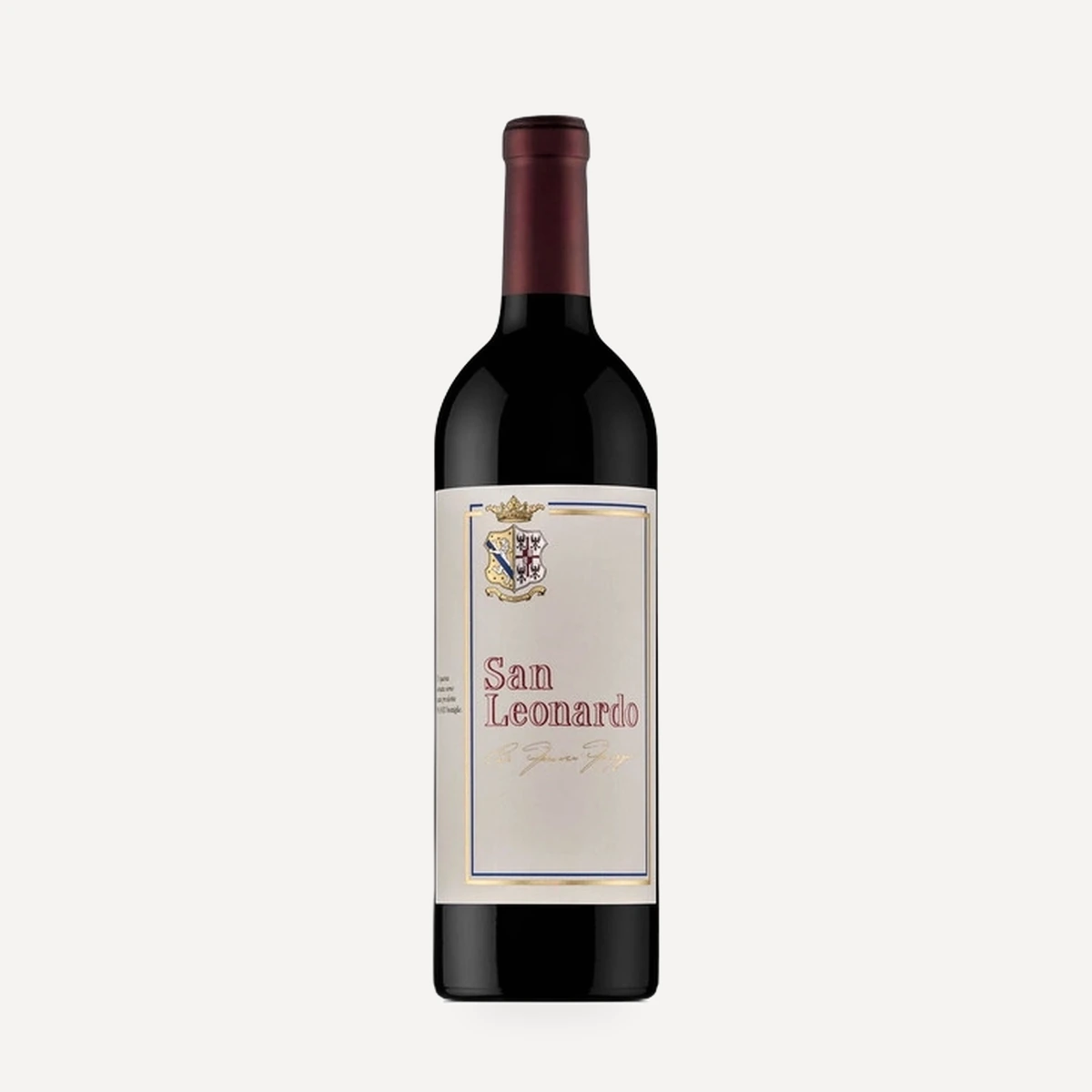
San Leonardo
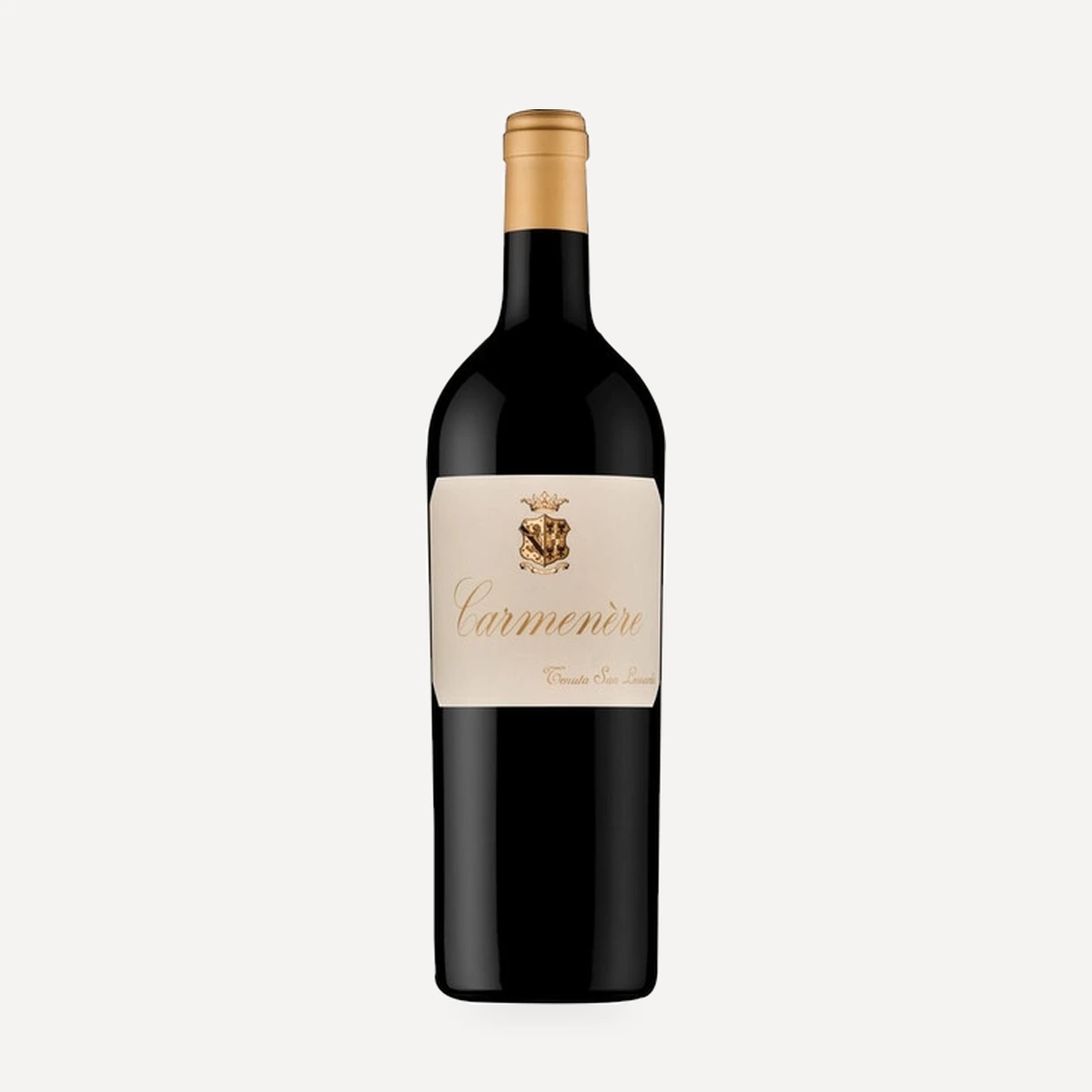
Carmenère

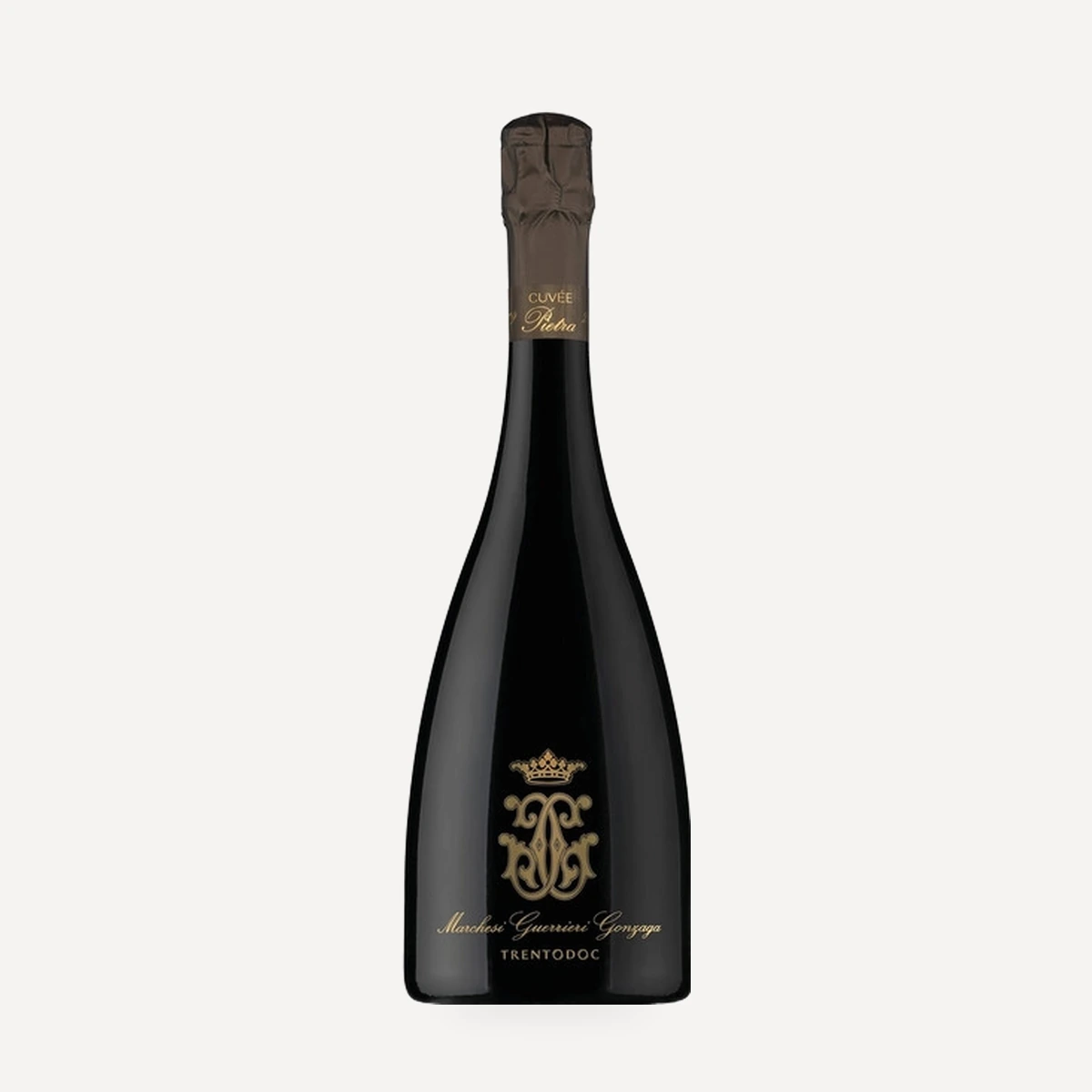
Cuvée Pietra Marchesi Guerrieri Gonzaga

Riserva Privata Marchesi Guerrieri Gonzaga
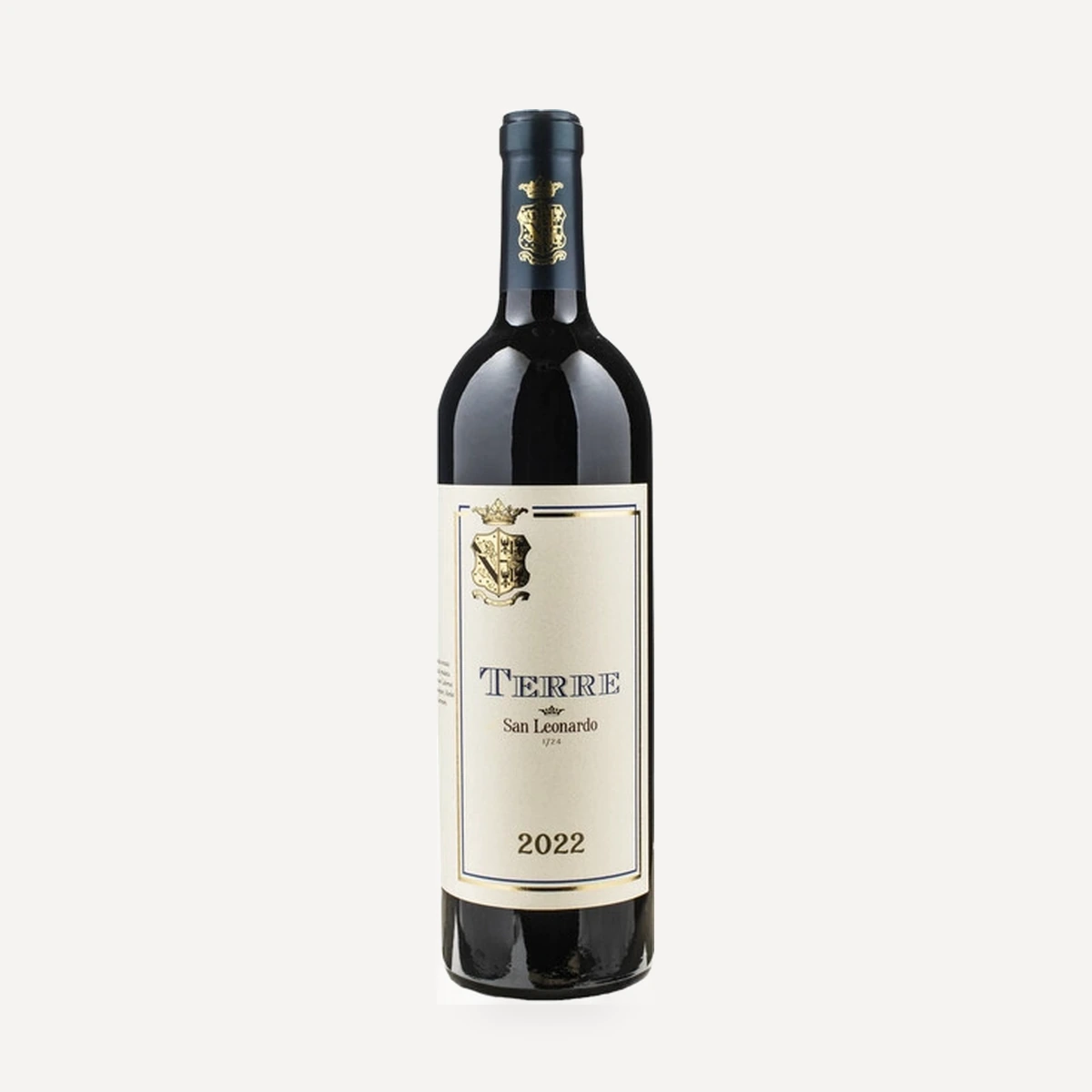
Terre
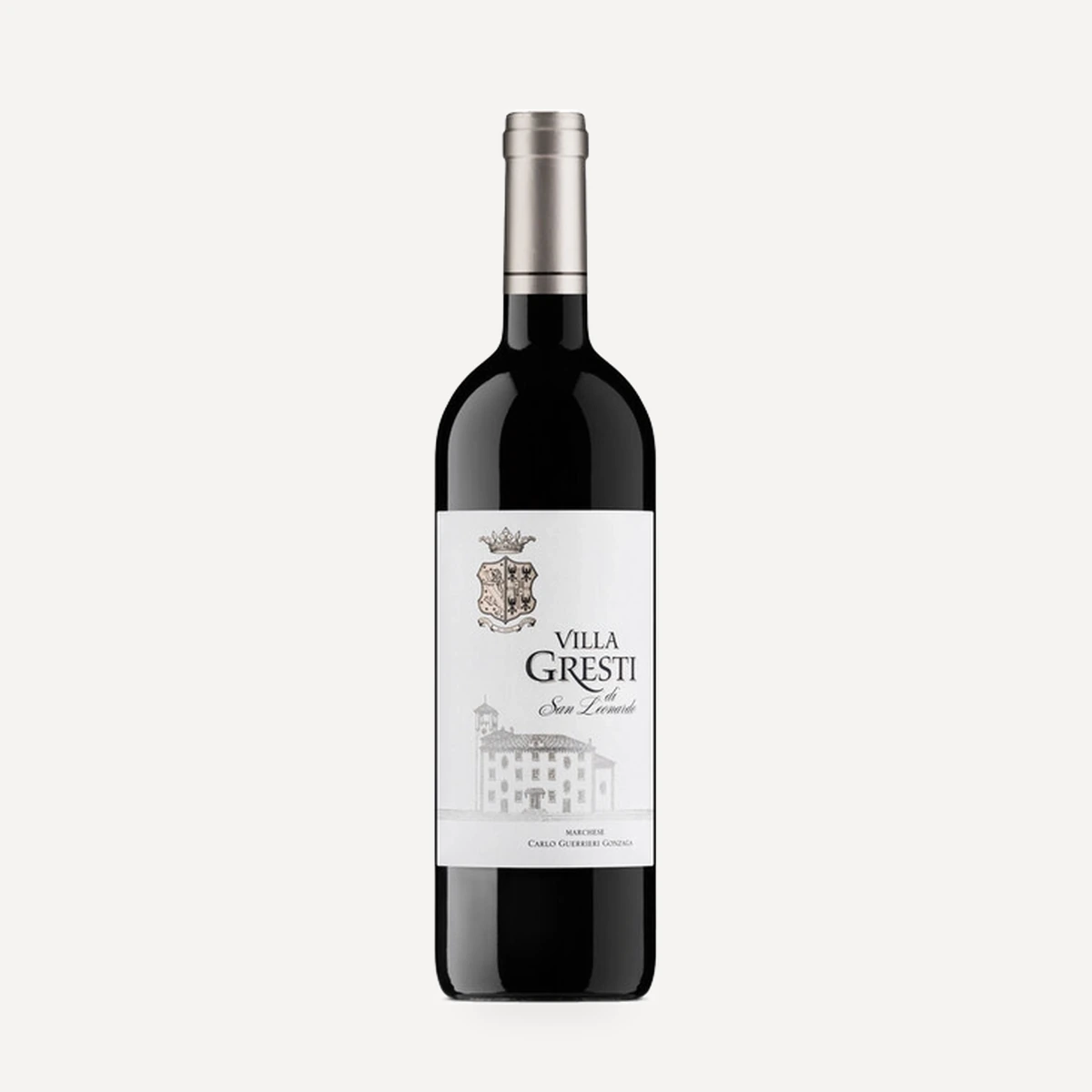
Villa Gresti
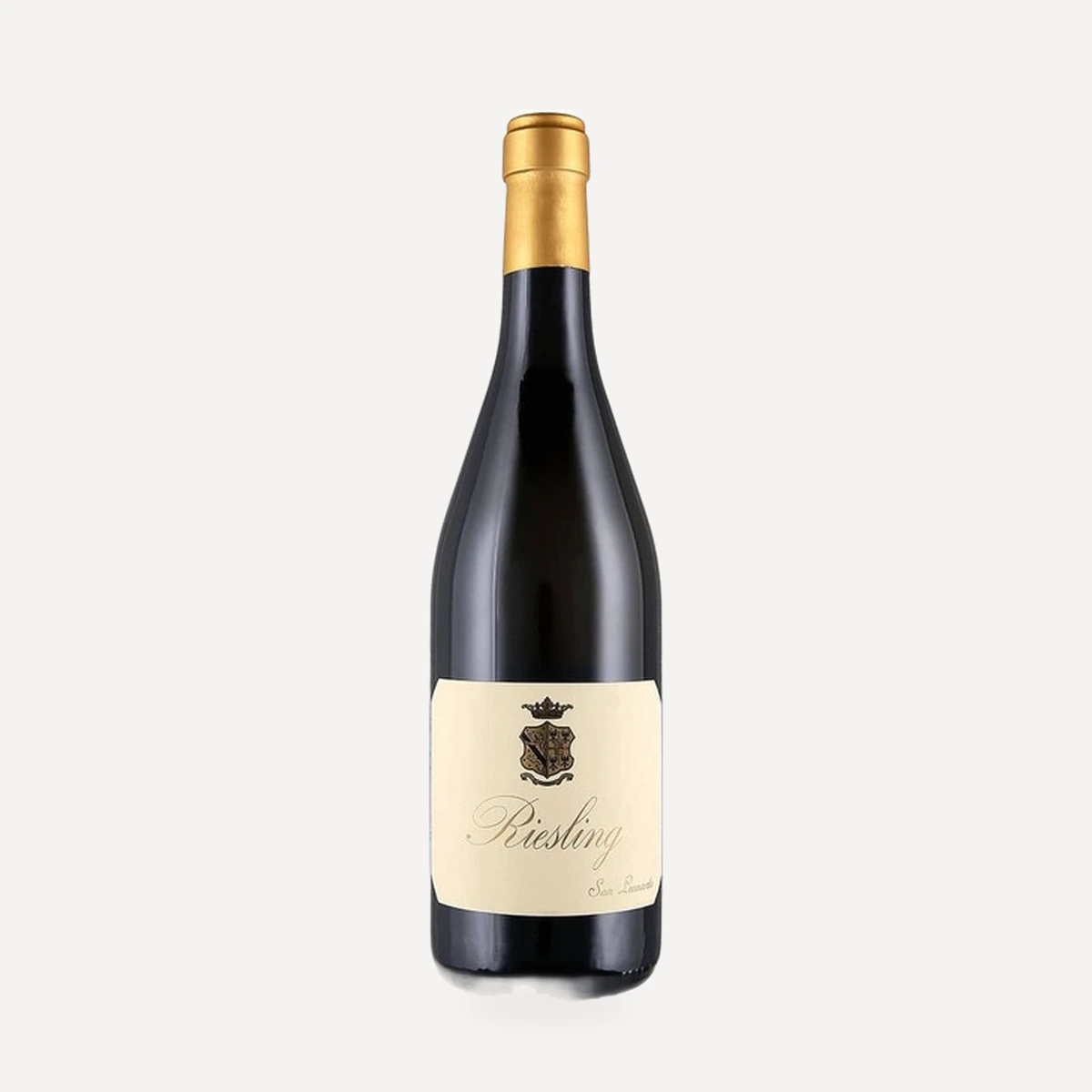
Riesling
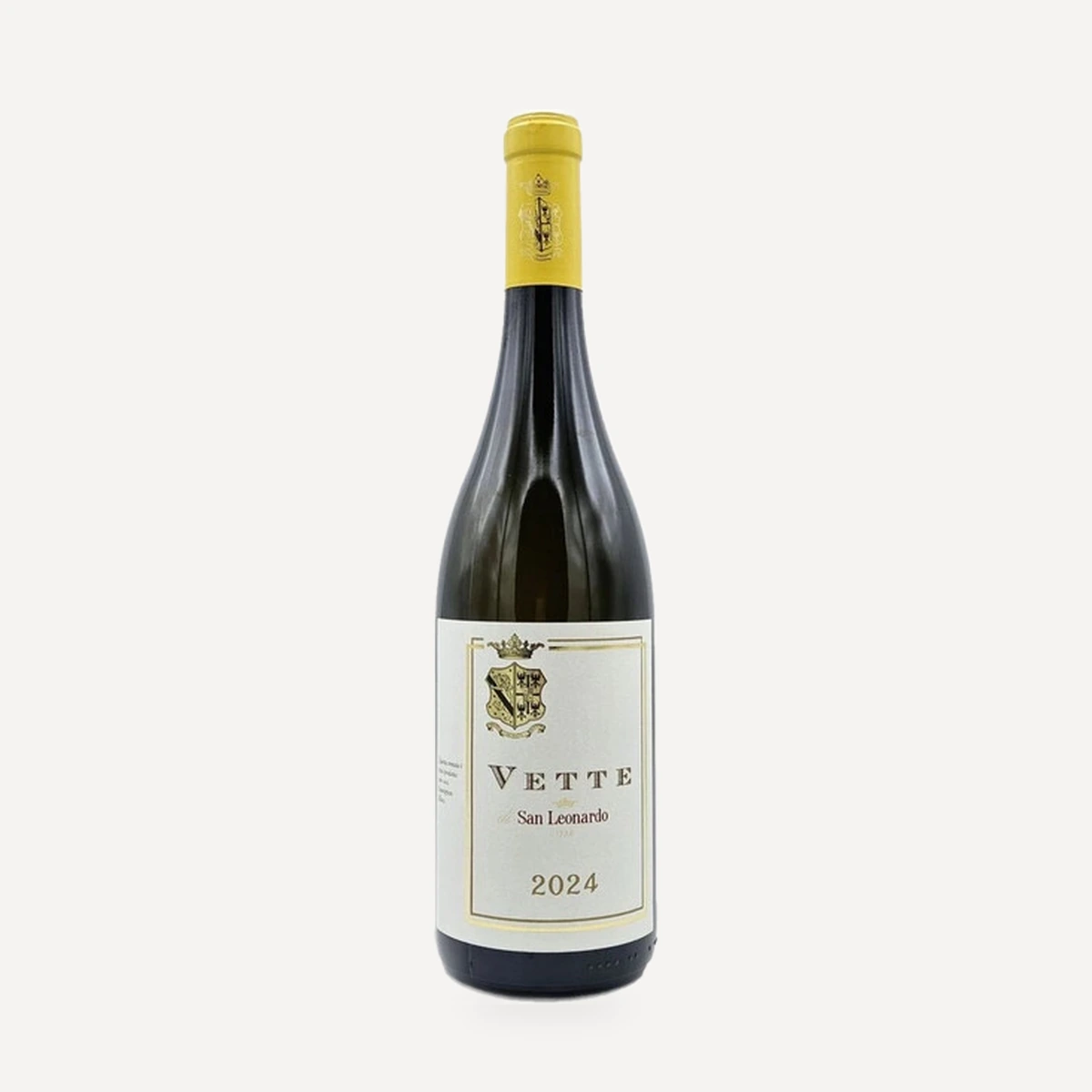
Vette
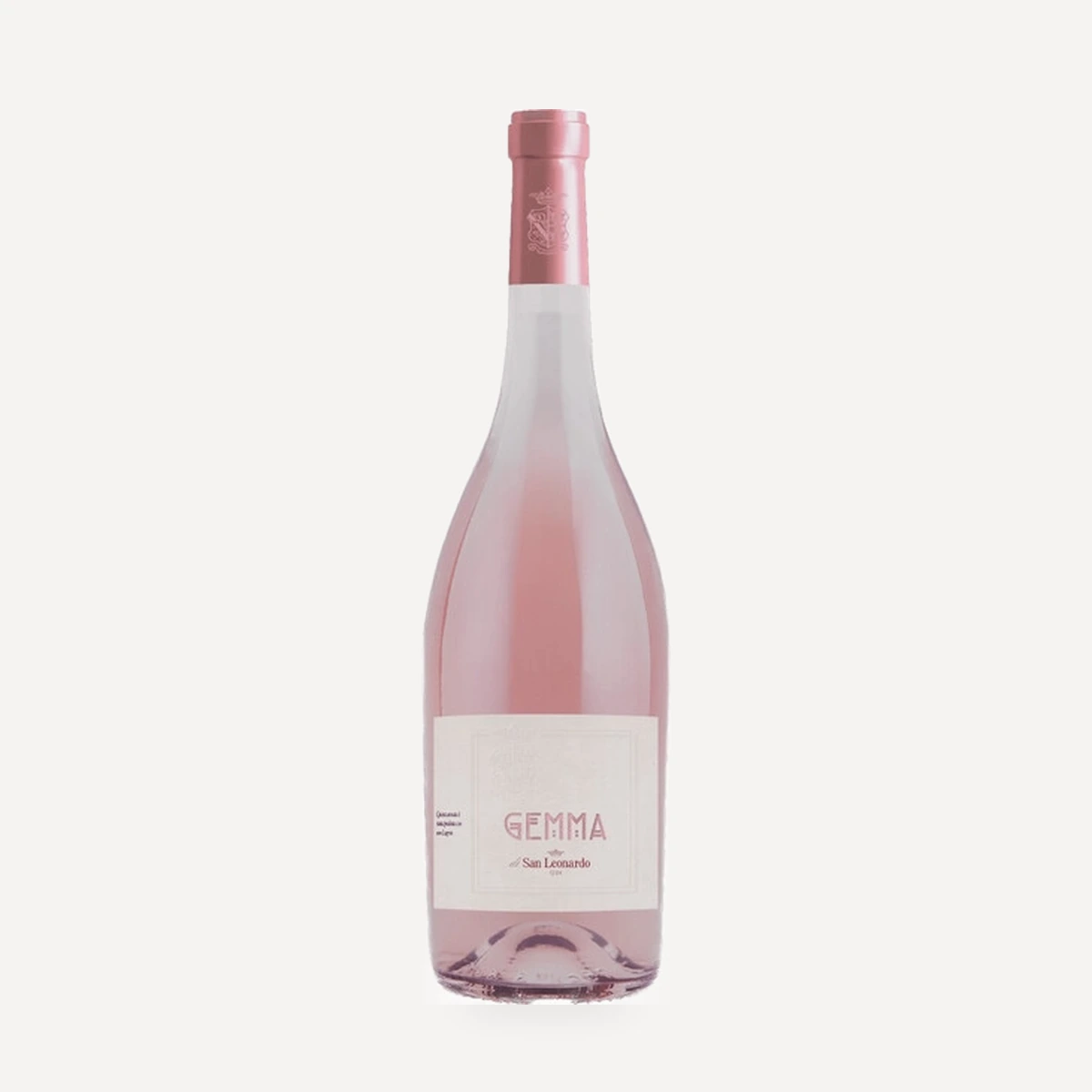
Gemma di San Leonardo